
SaltTolerant
Plants built for life near the beach: salt spray, sandy soil, wind, heat, and bright coastal exposure.
Beach-proof picks for exposed gardens.
Read salt guideBrowse the collection
101 plants found
Salt Tolerant Plants
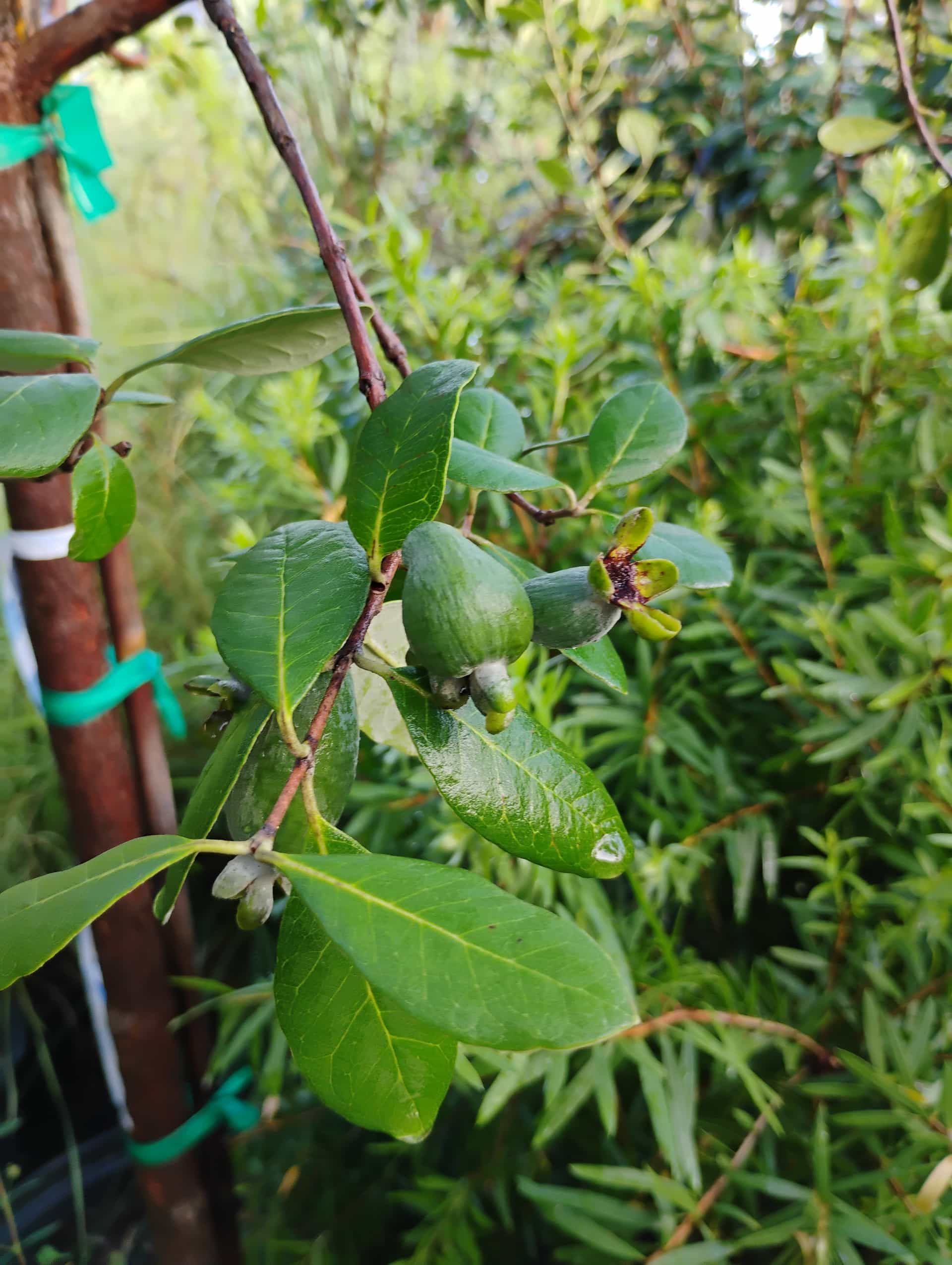 Fruit Tree
Pineapple Guava
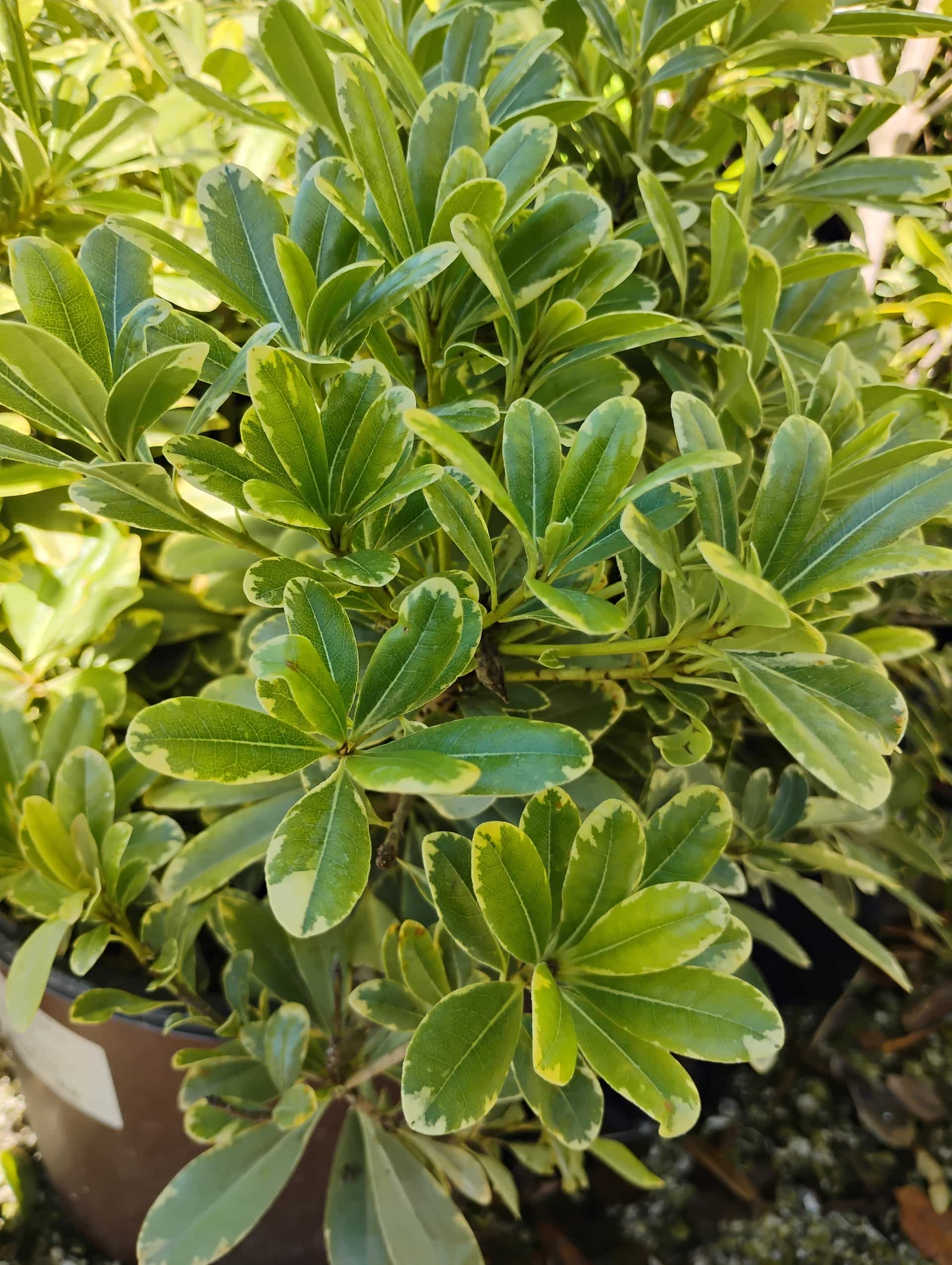 Shrub
ShrubPittosporum
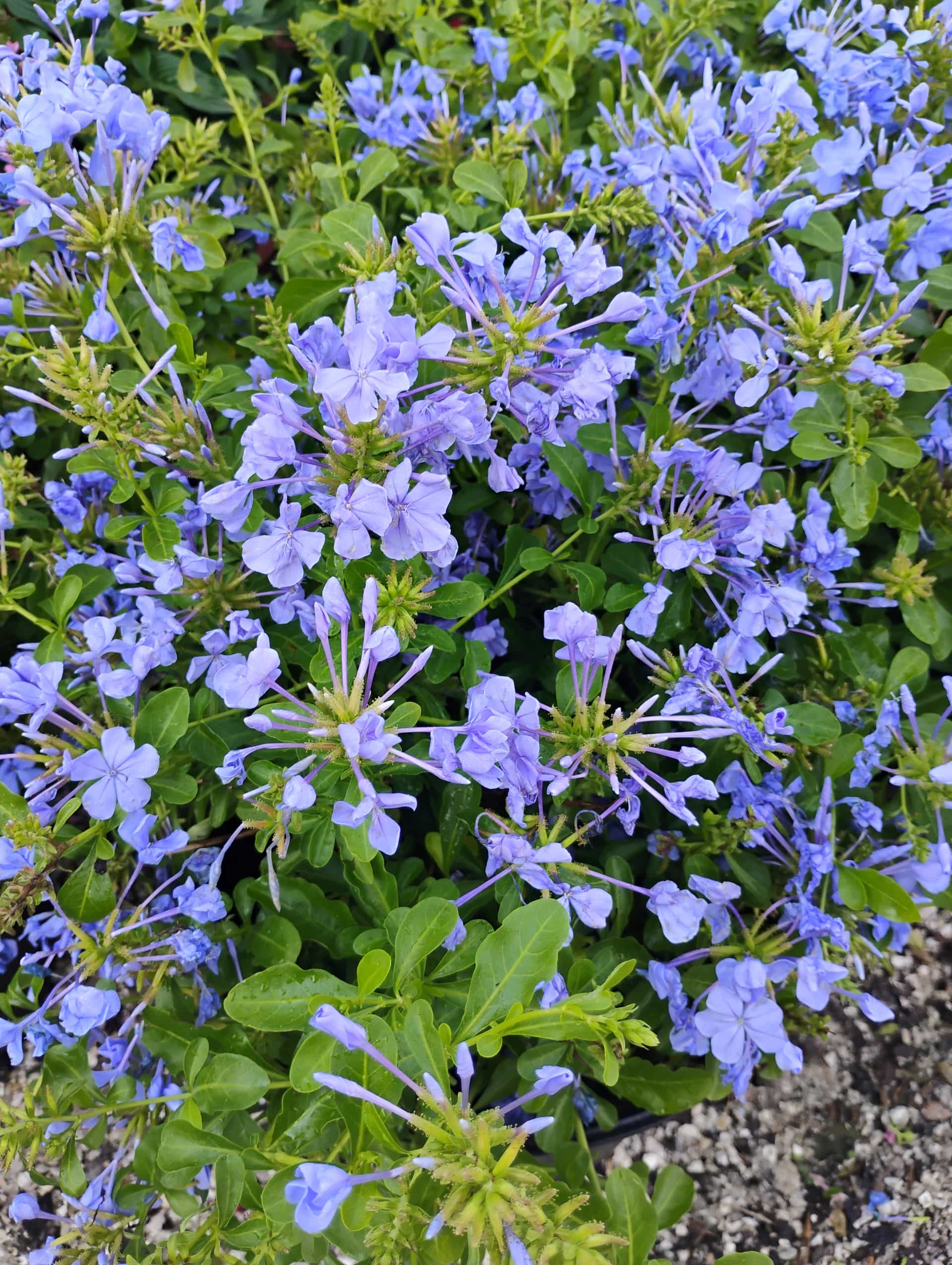 Shrub
ShrubPlumbago
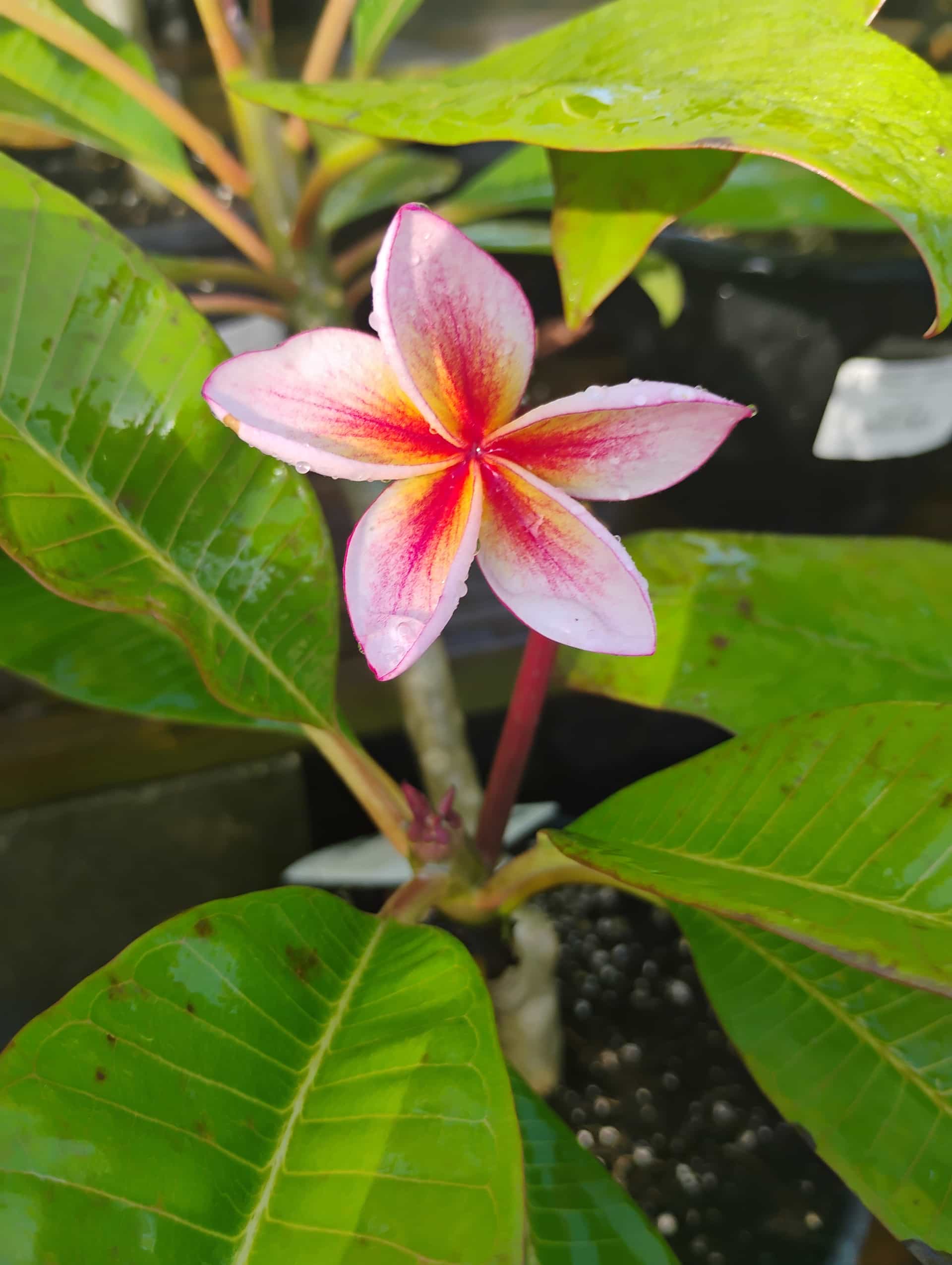 Tree
TreePlumeria
 Tree
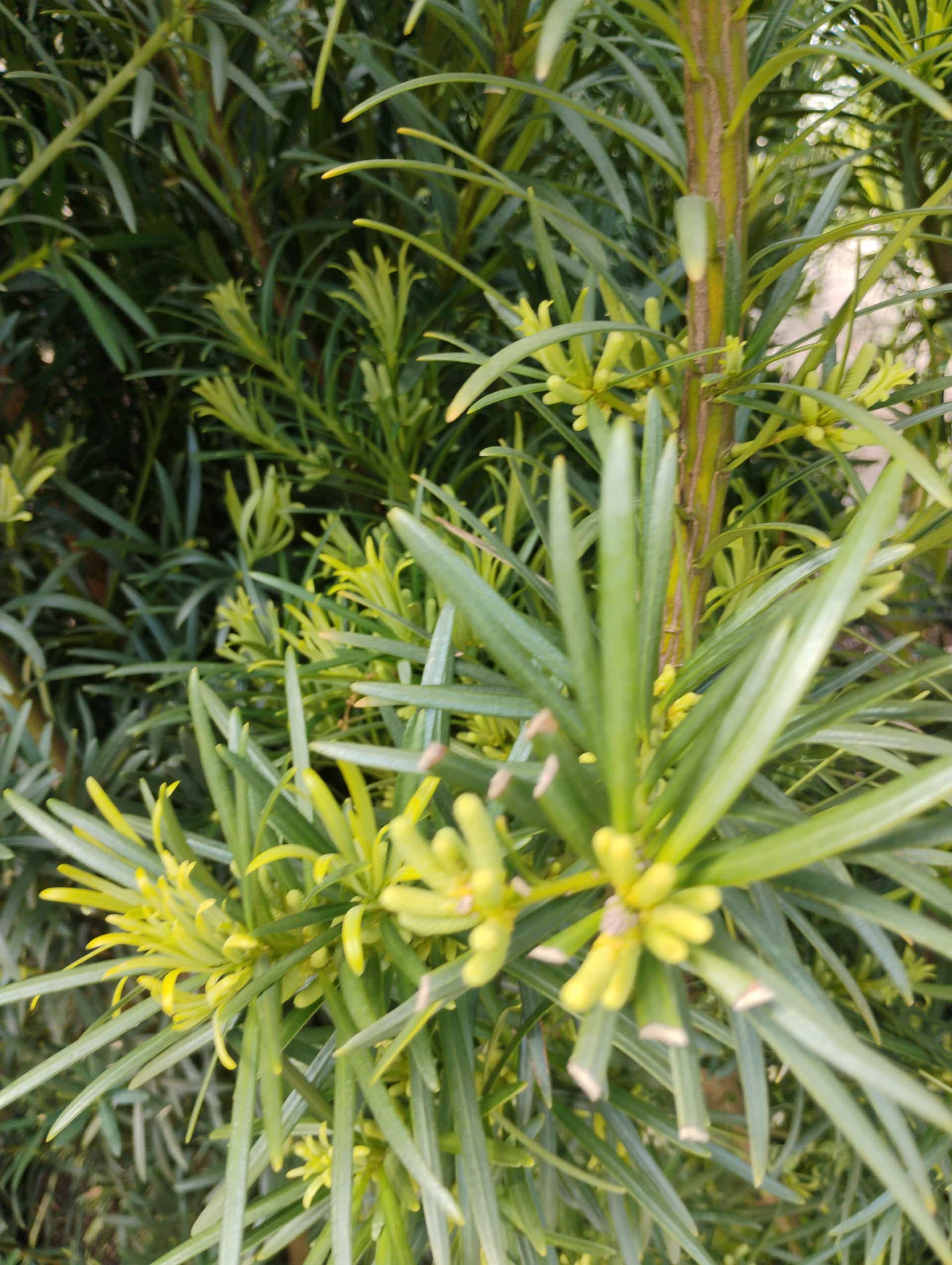
TreePodocarpus
 Vine
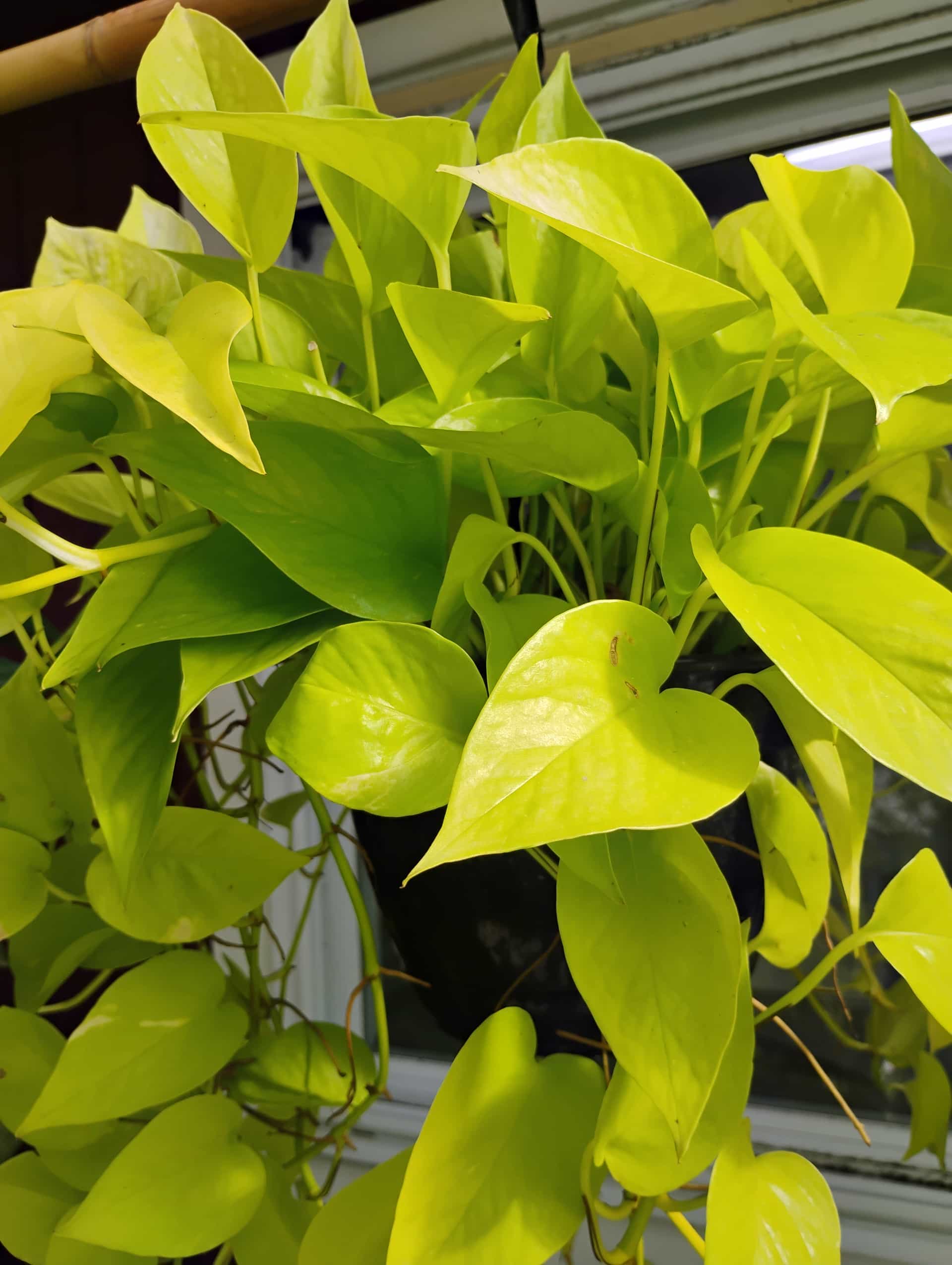
VinePothos
 Tree
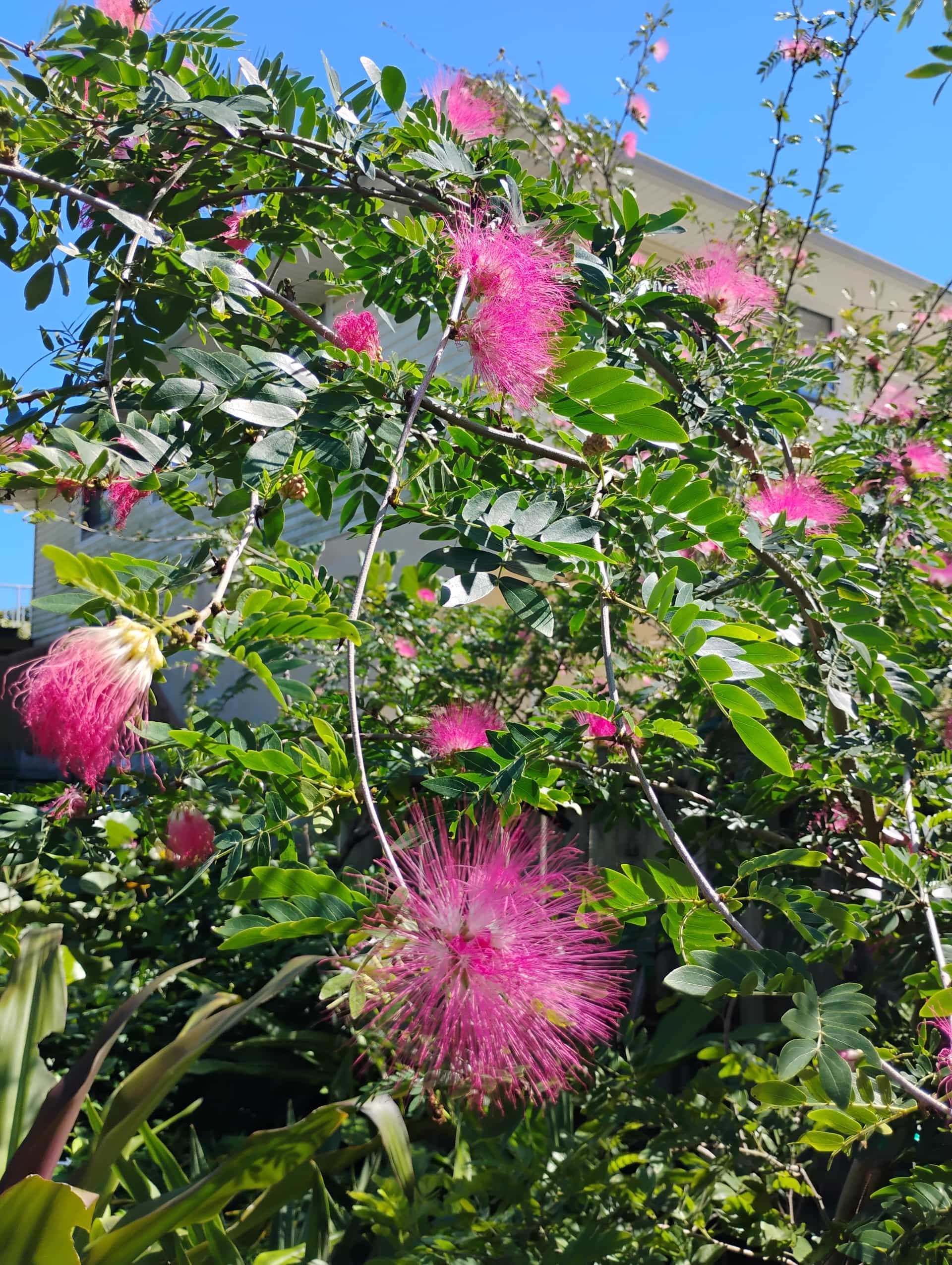
TreePowder Puff
 Annual
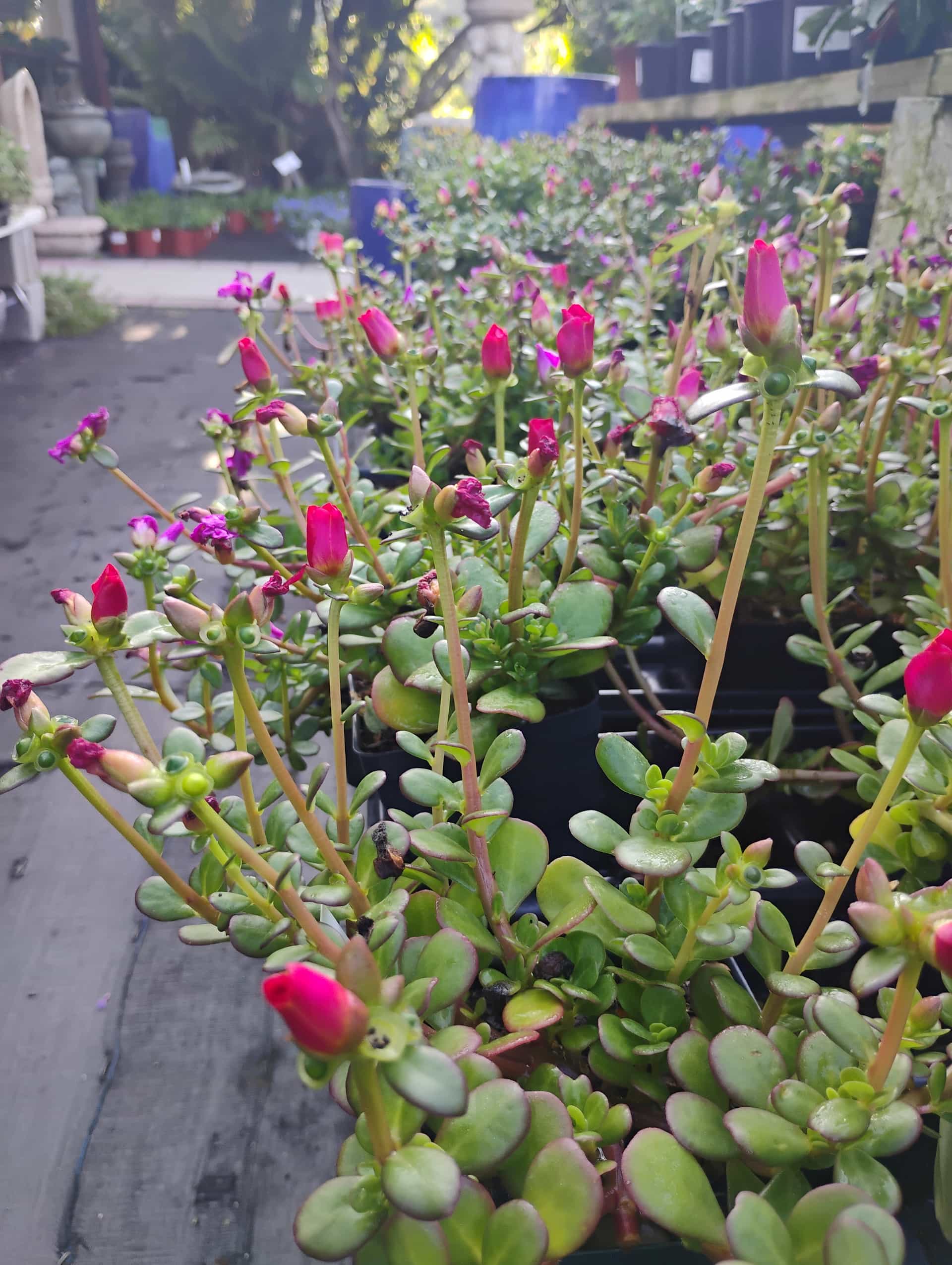
Purslane
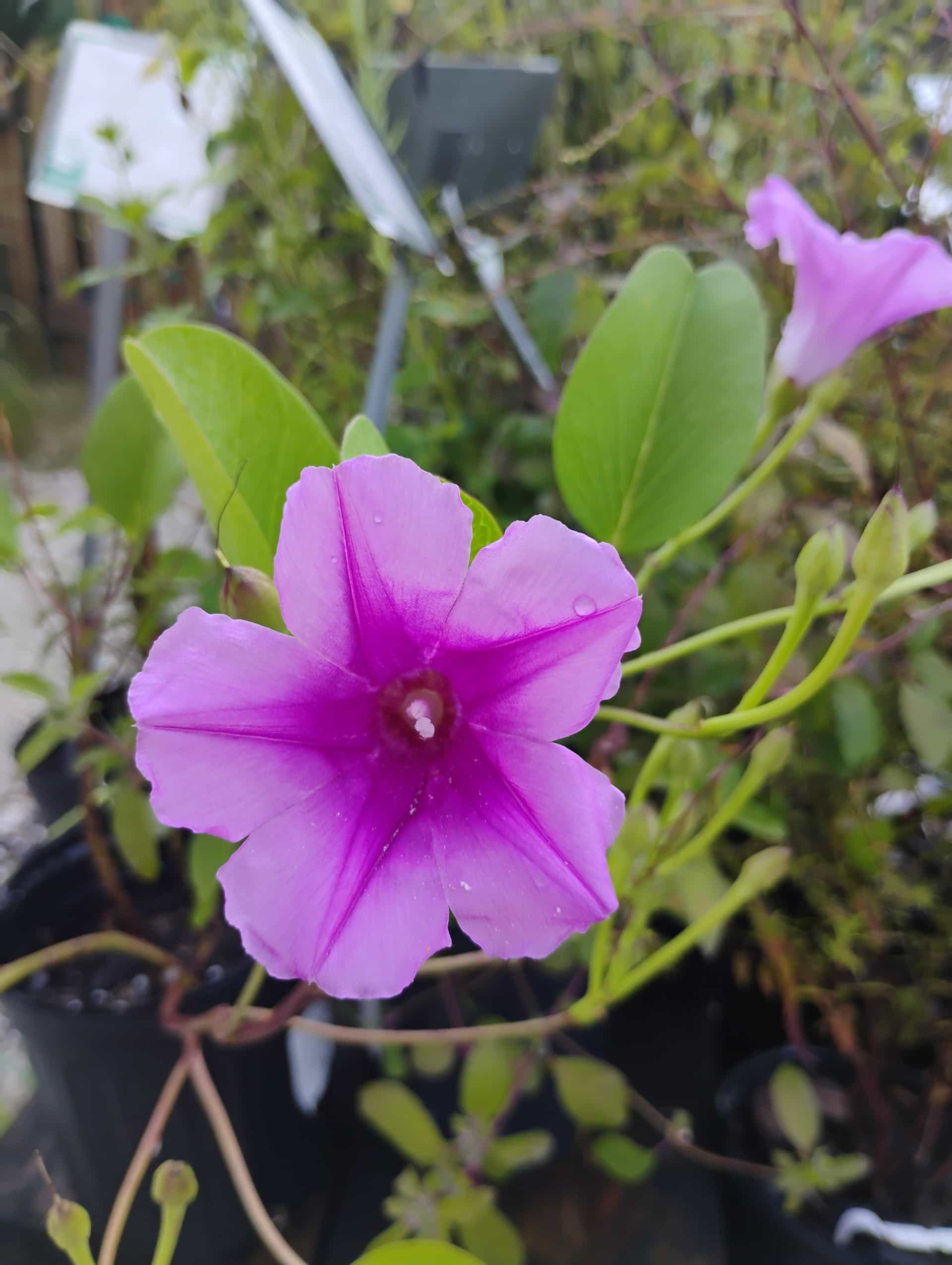 Vine
VineRailroad Vine
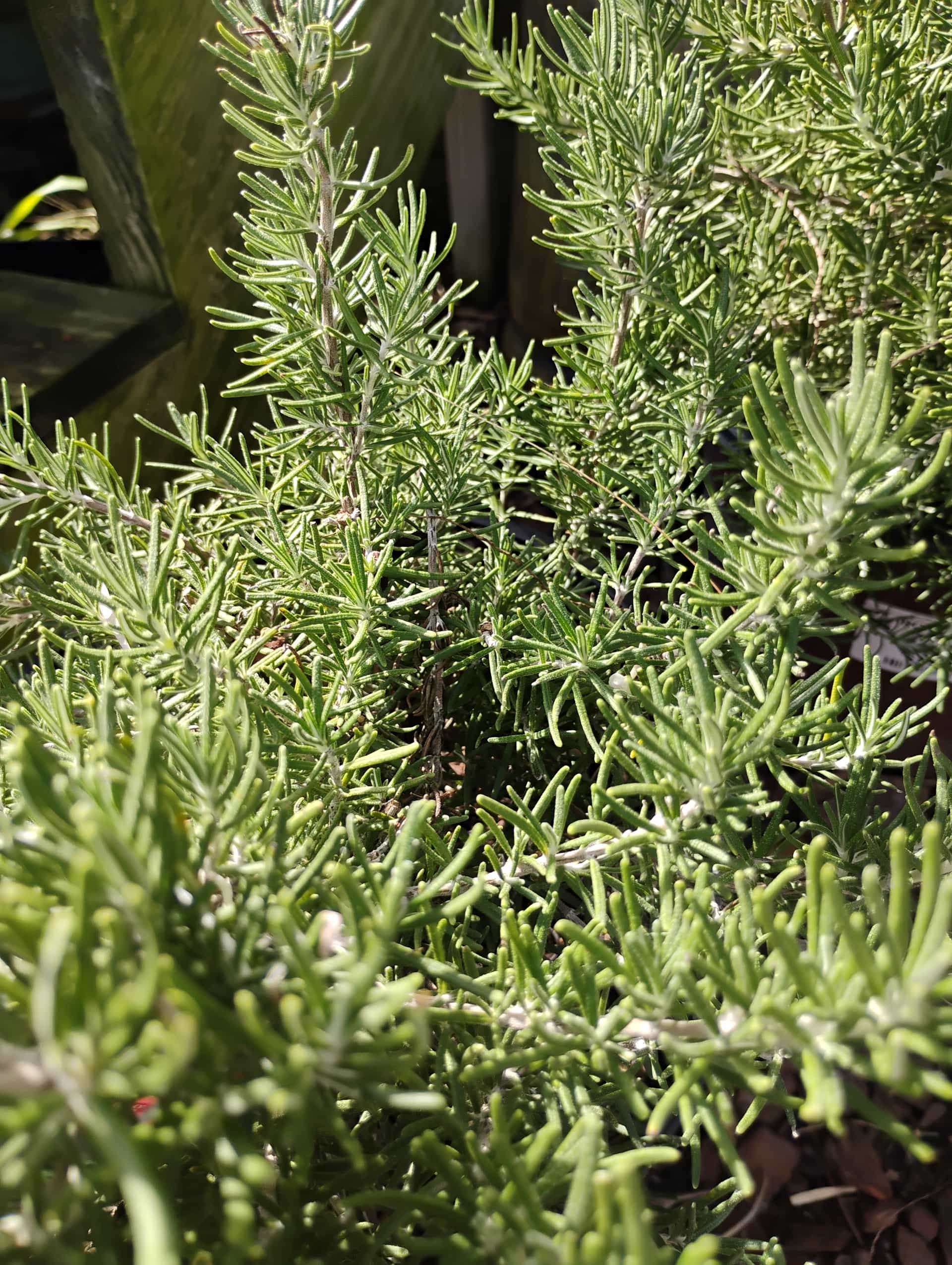 Herb
HerbRosemary
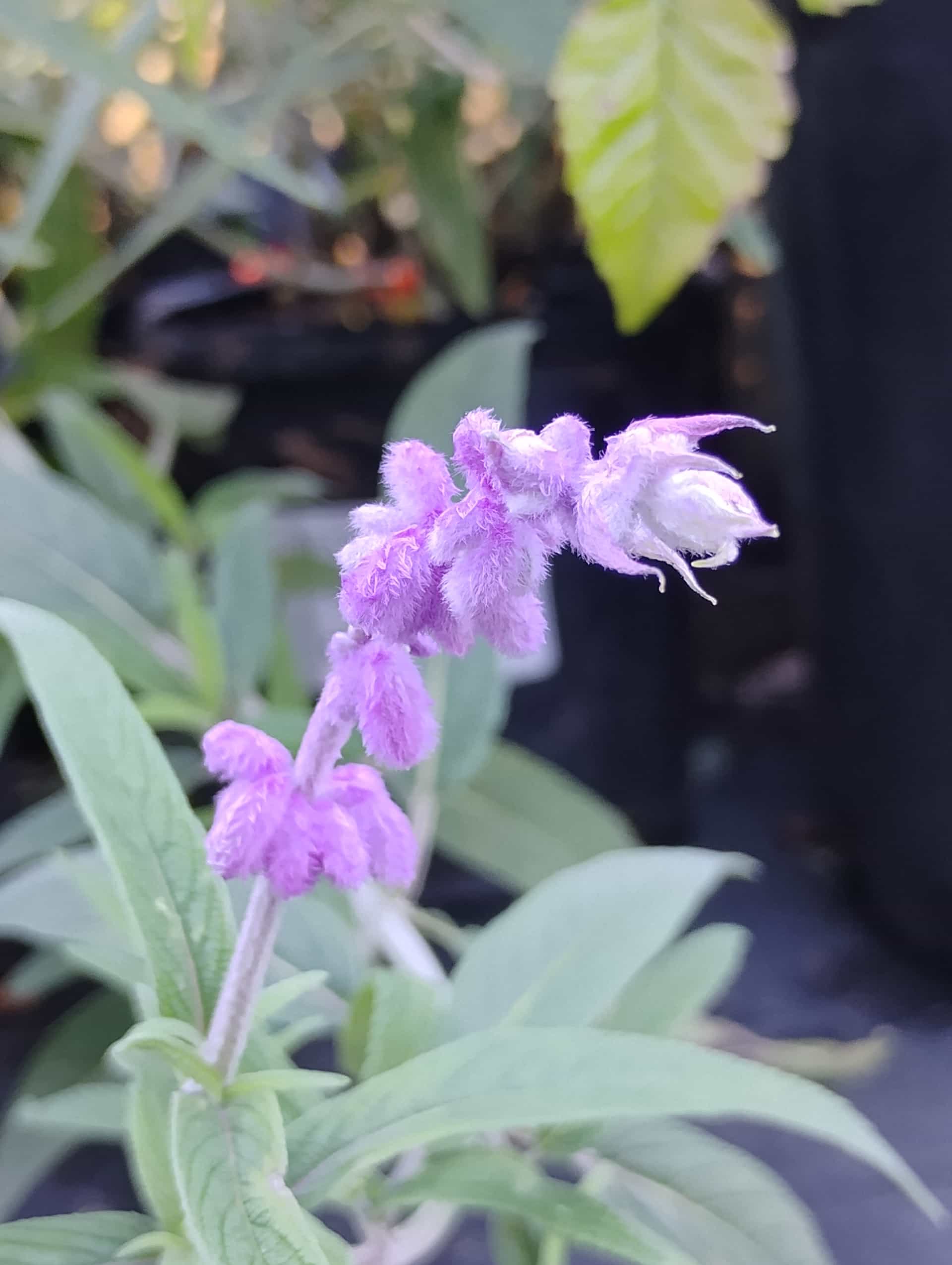 Annual
Salvia
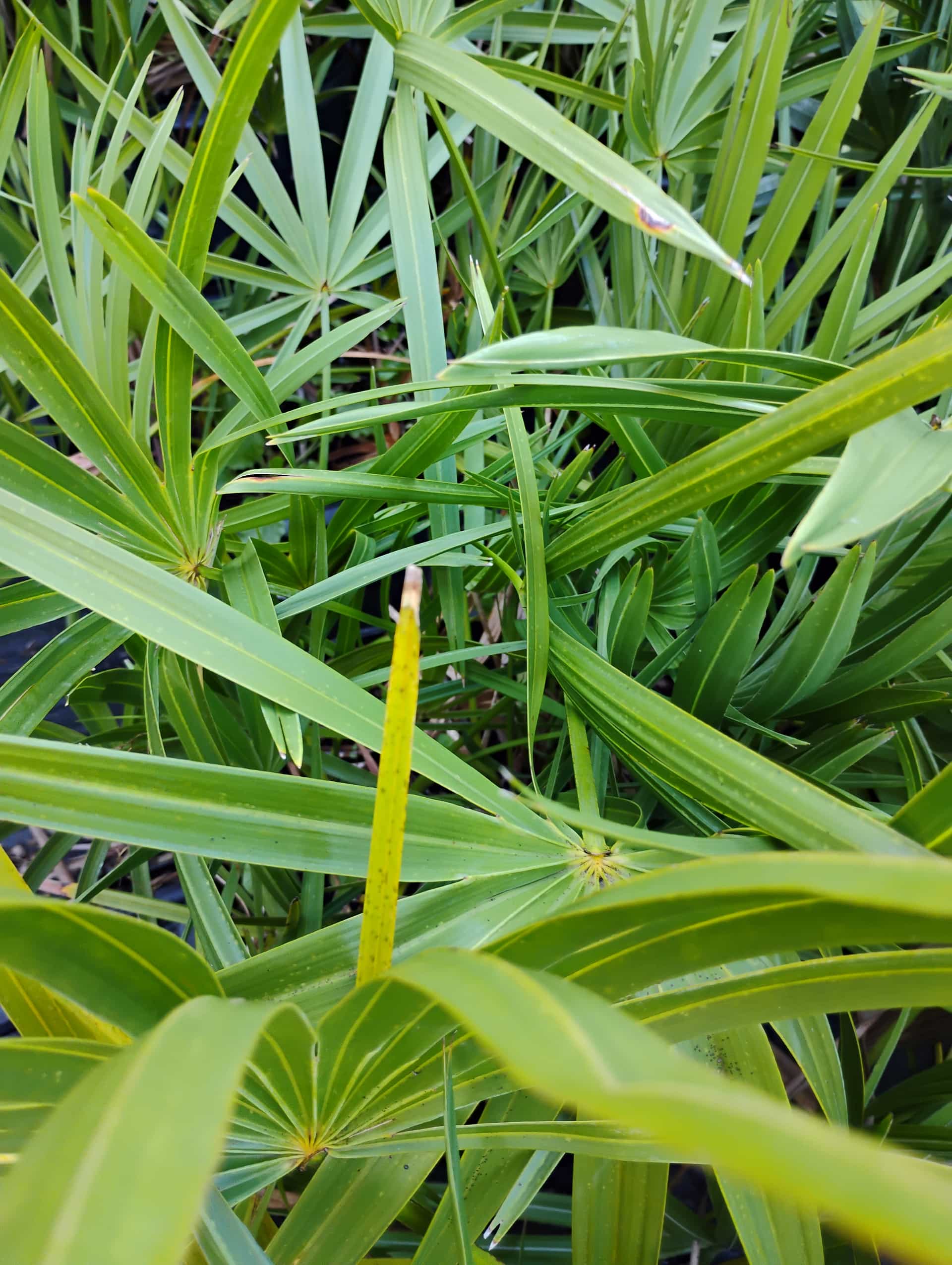 Palm
PalmSaw Palmetto
Match the plant to the exposure
Beachfront, transition, and inland sites do not need the same plants. Salt-tolerant selections work best when the toughest species face the spray and more sensitive plants sit behind protection.
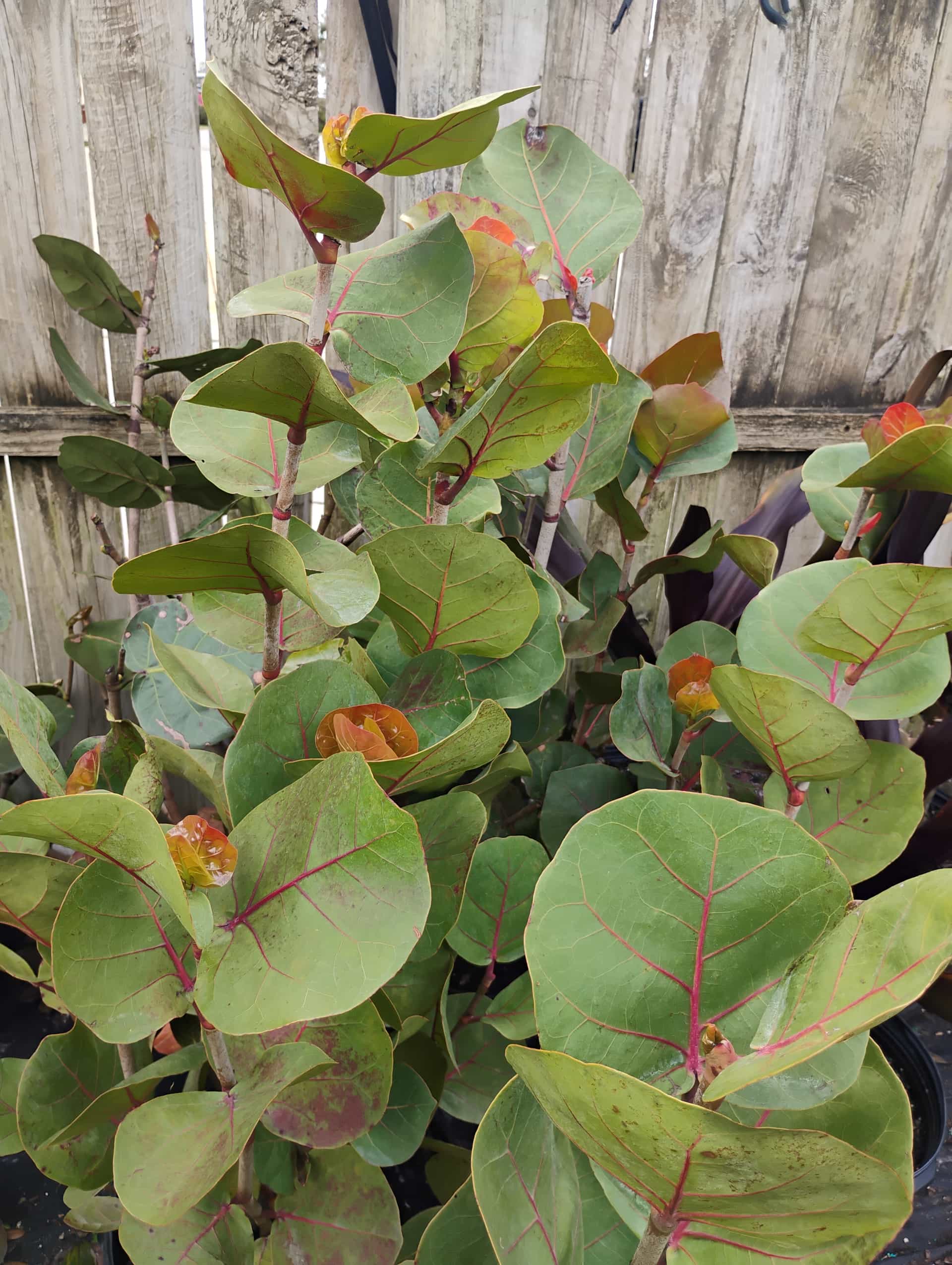 Tree
TreeSea Grape
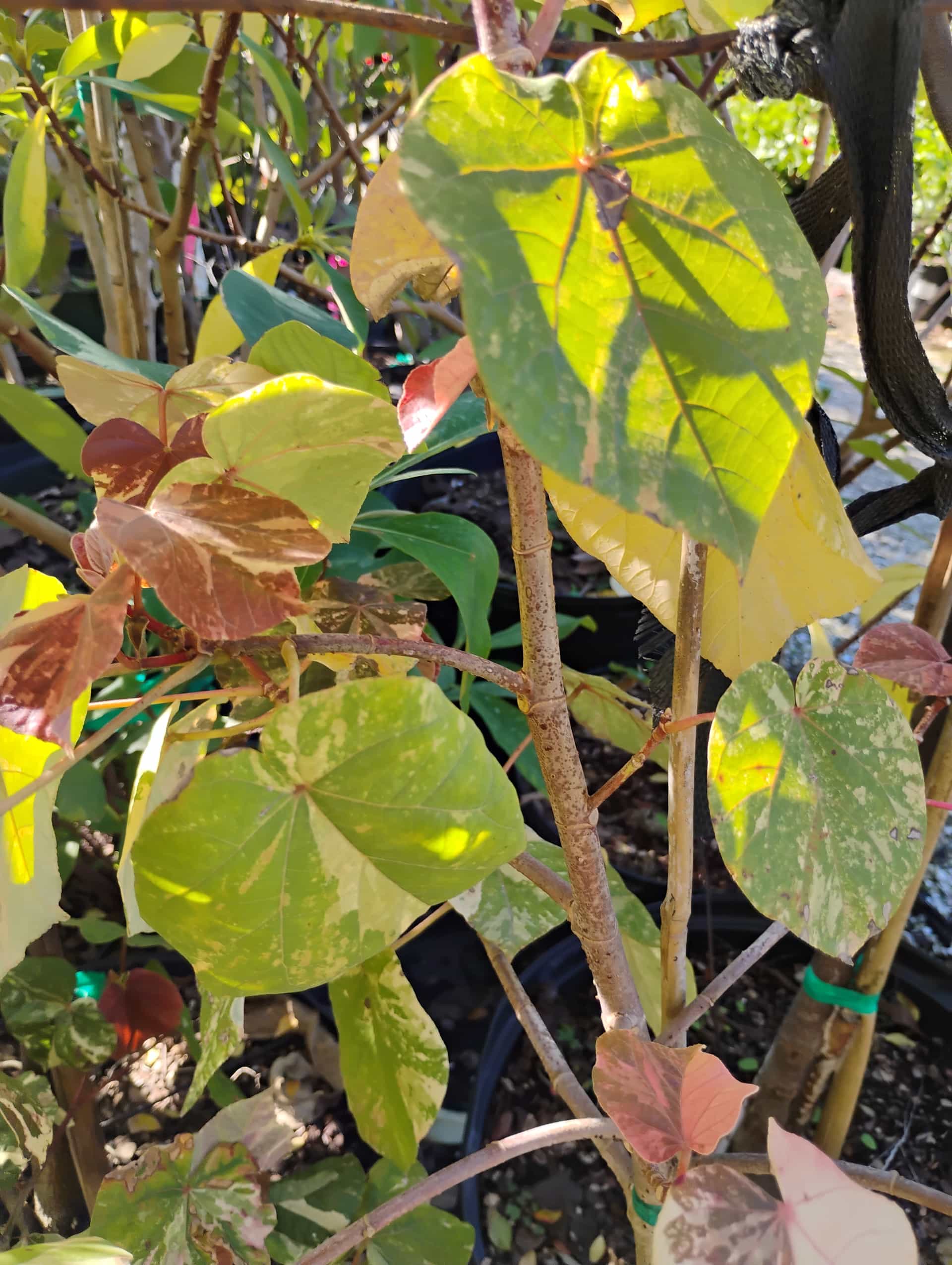 Tree
TreeSea Hibiscus
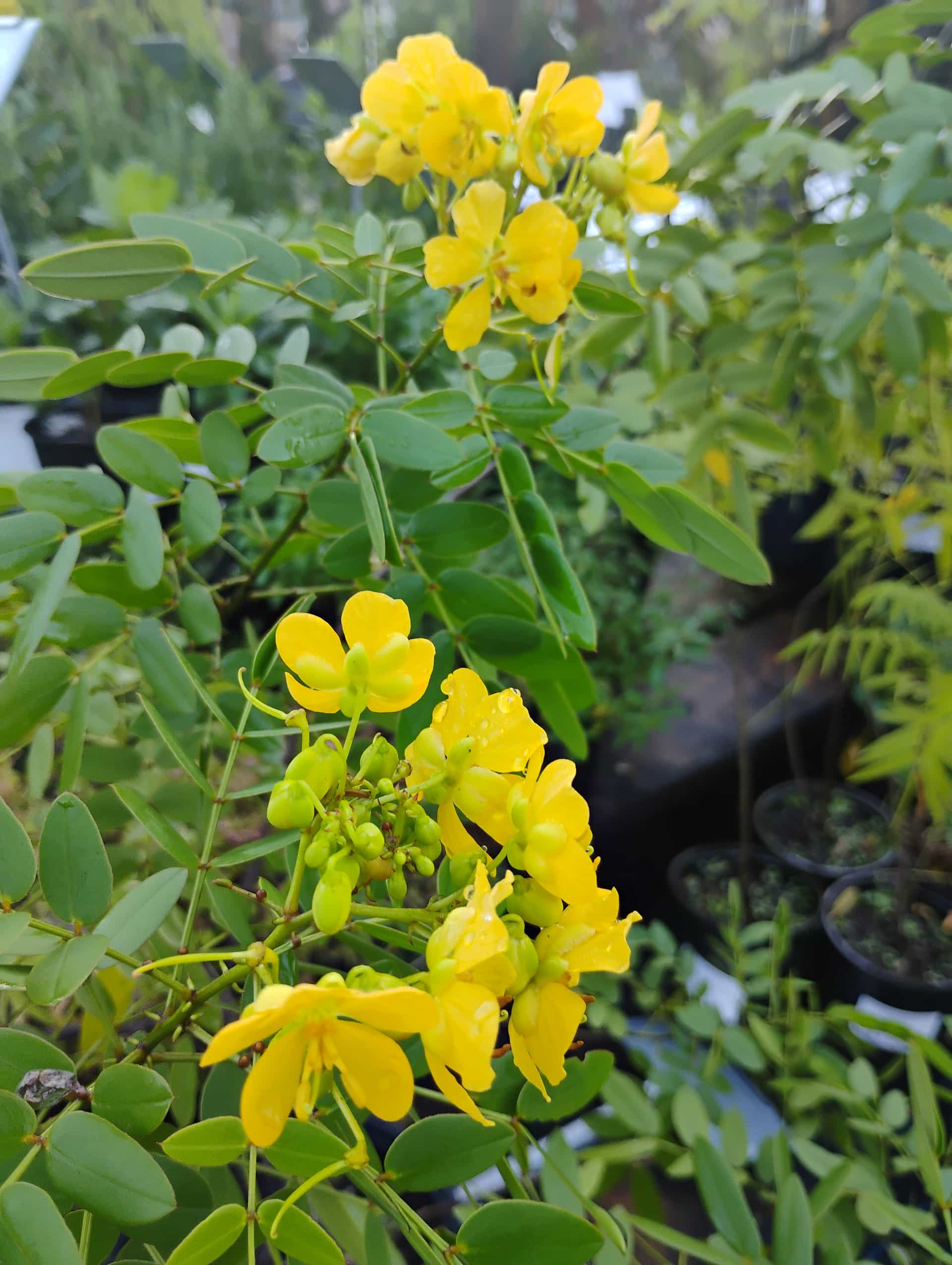 Shrub
ShrubSenna
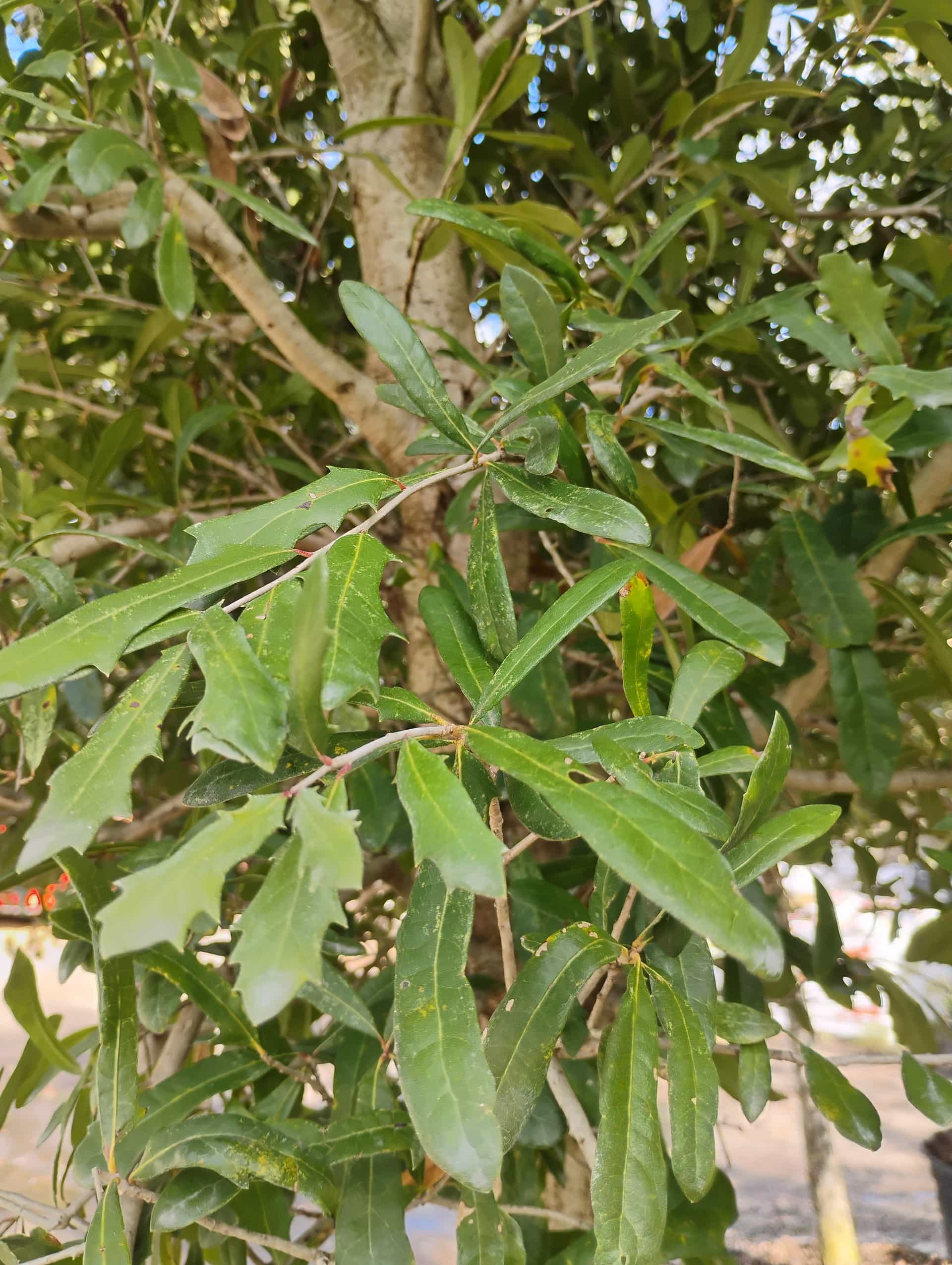 Tree
TreeShumard Oak
 Tree
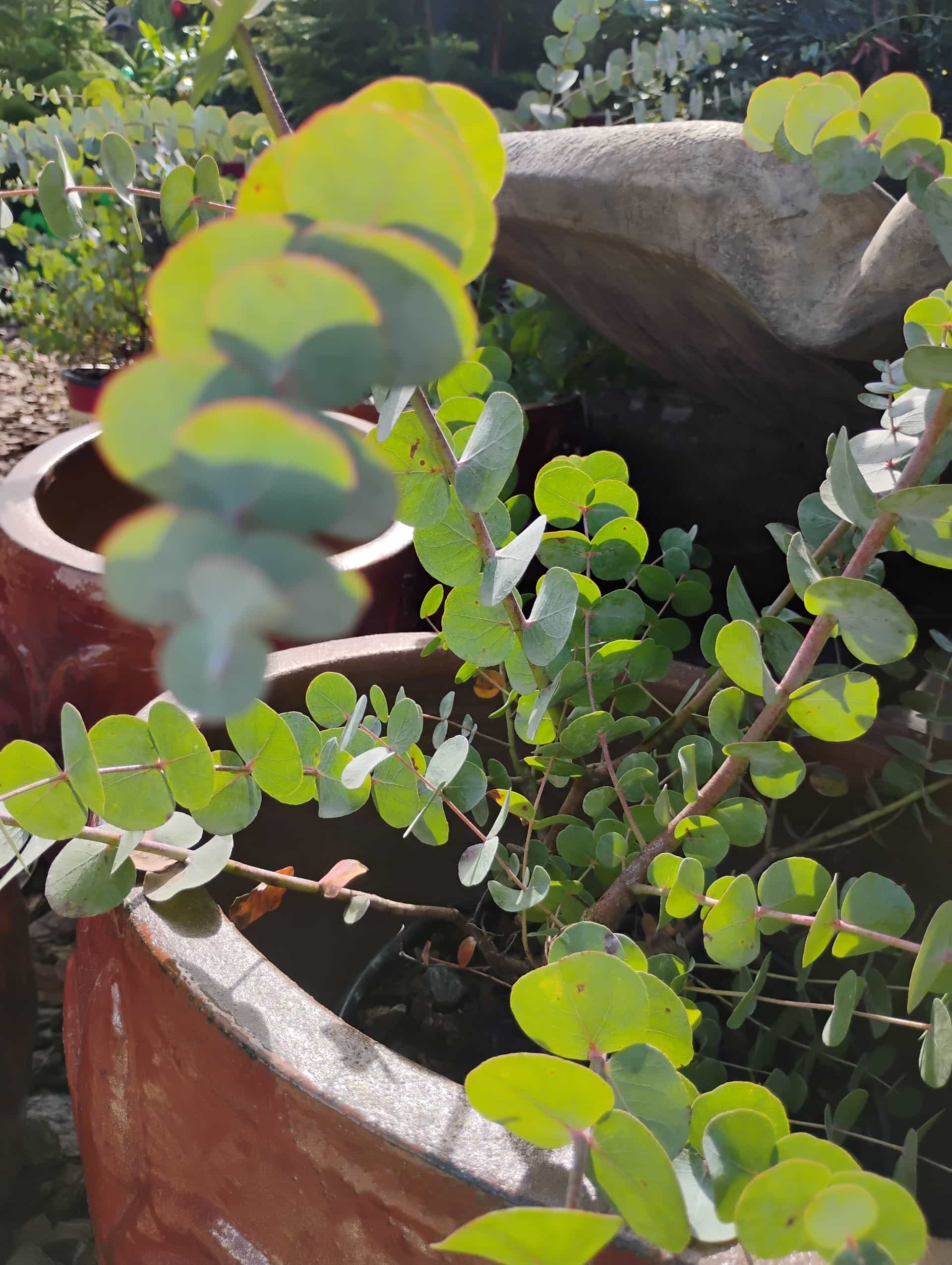
TreeSilver Dollar Eucalyptus
 Shrub
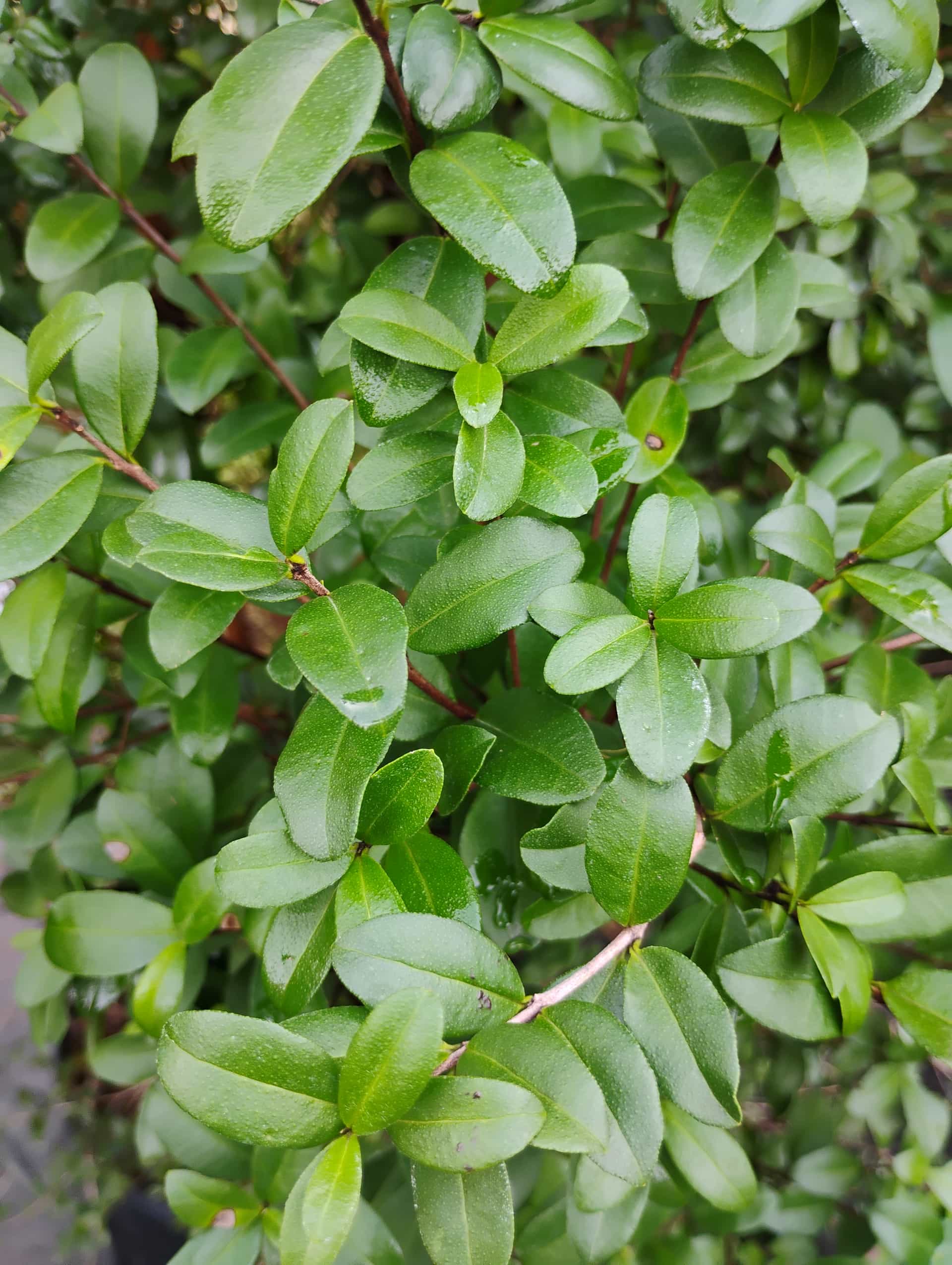
ShrubSimpson's Stopper
 Perennial
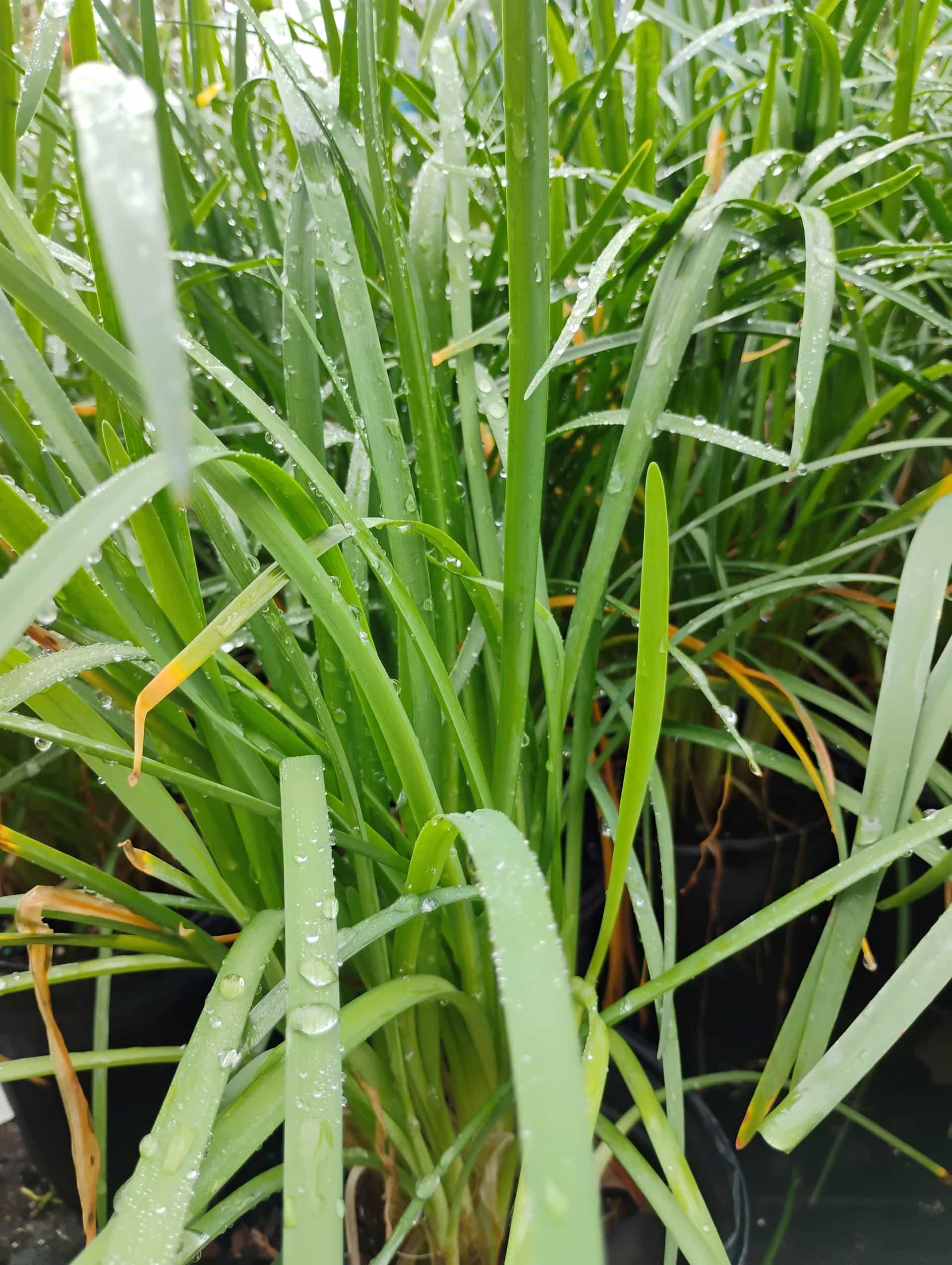
Society Garlic
 Houseplant
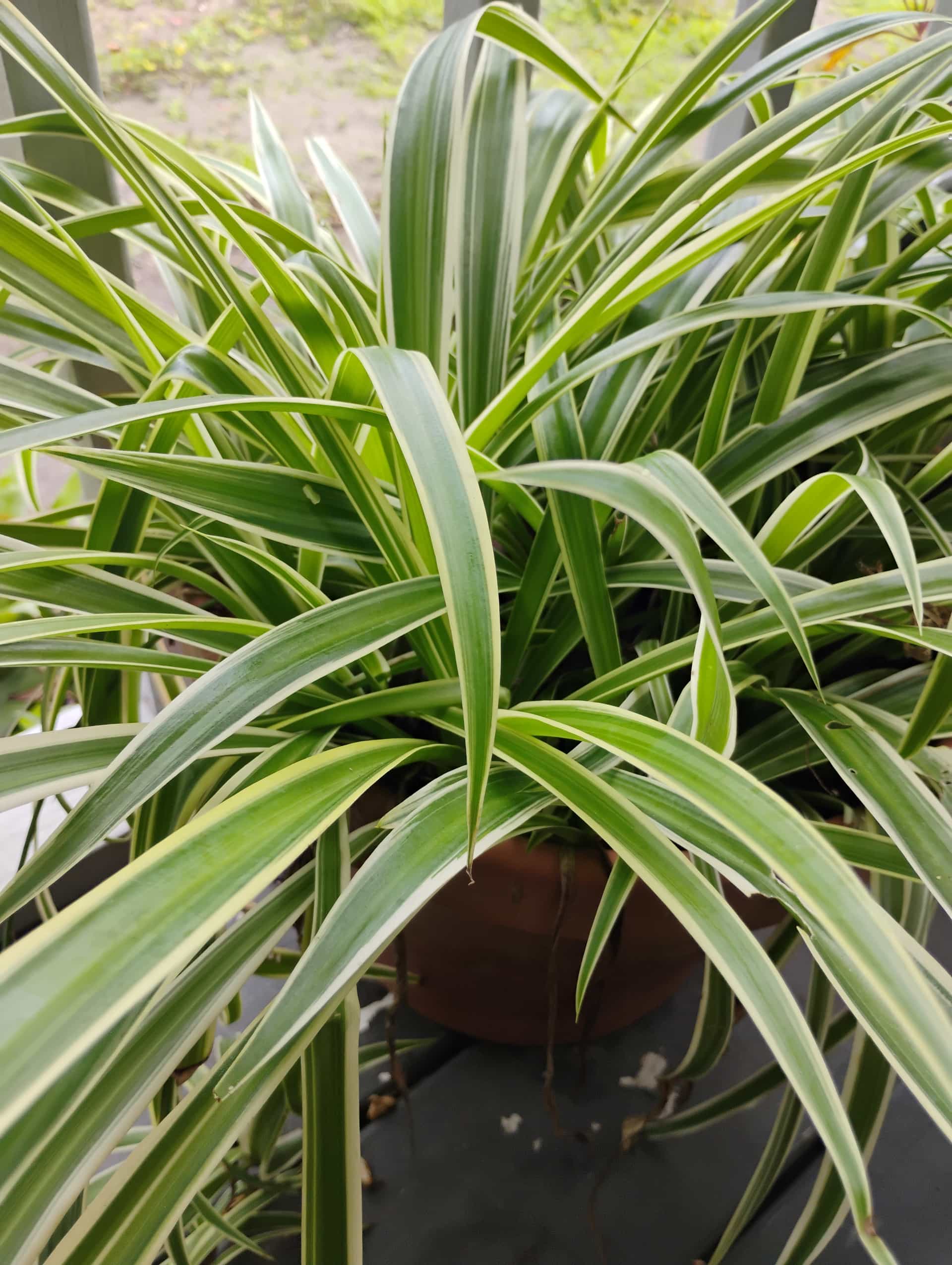
Spider Plant
 Perennial
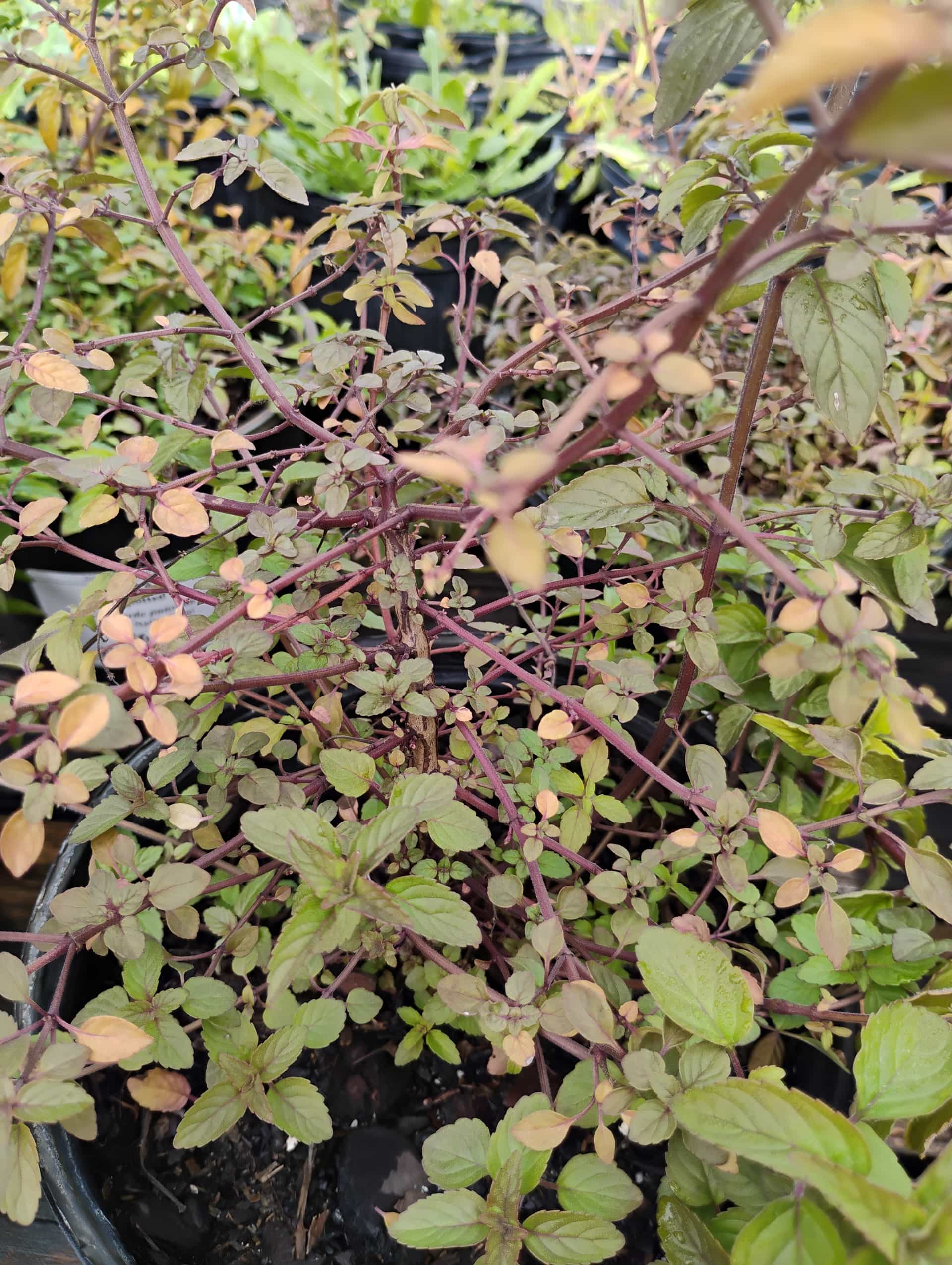
Spotted Bee Balm
 Perennial
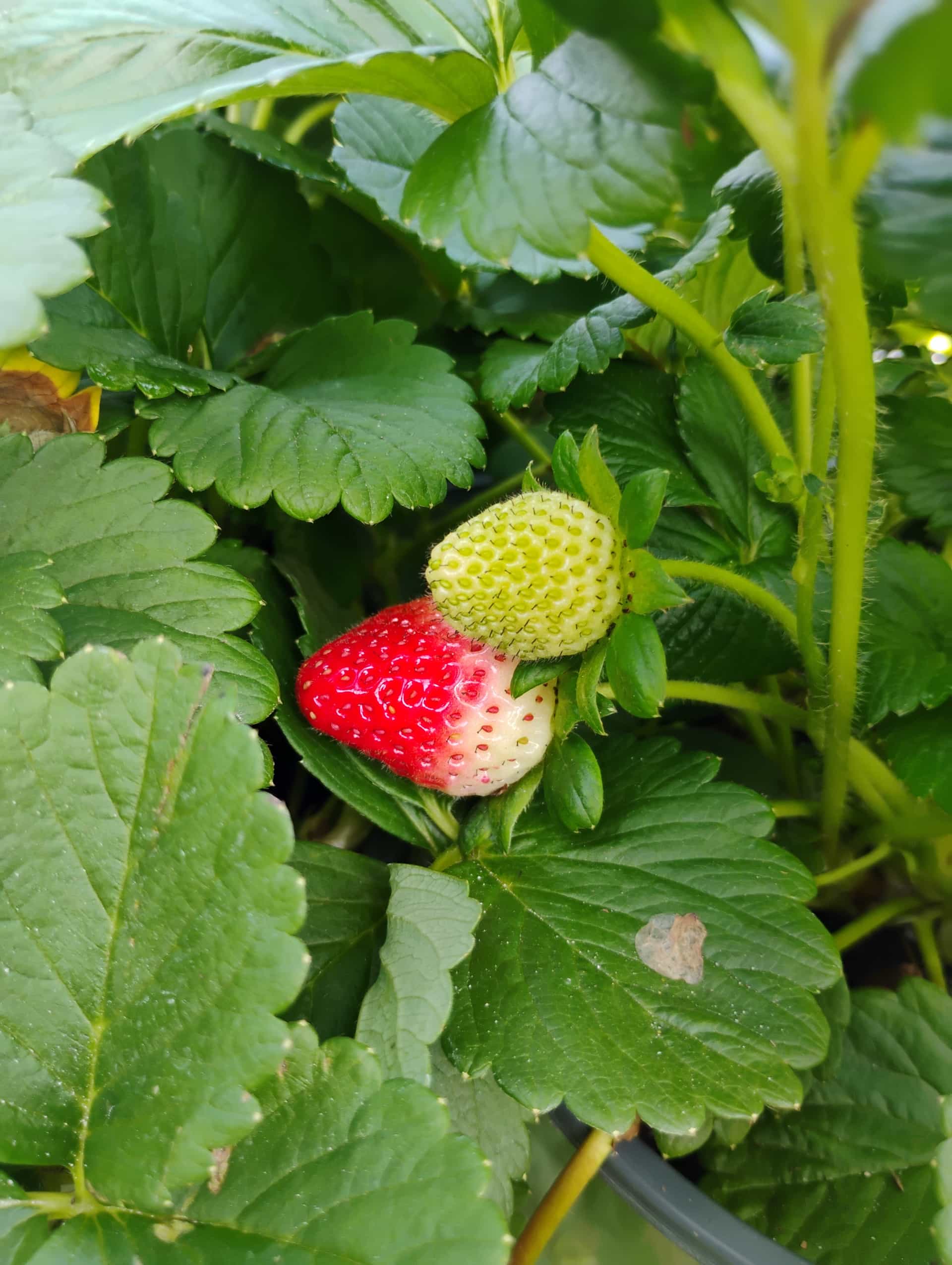
Strawberry
 Shrub
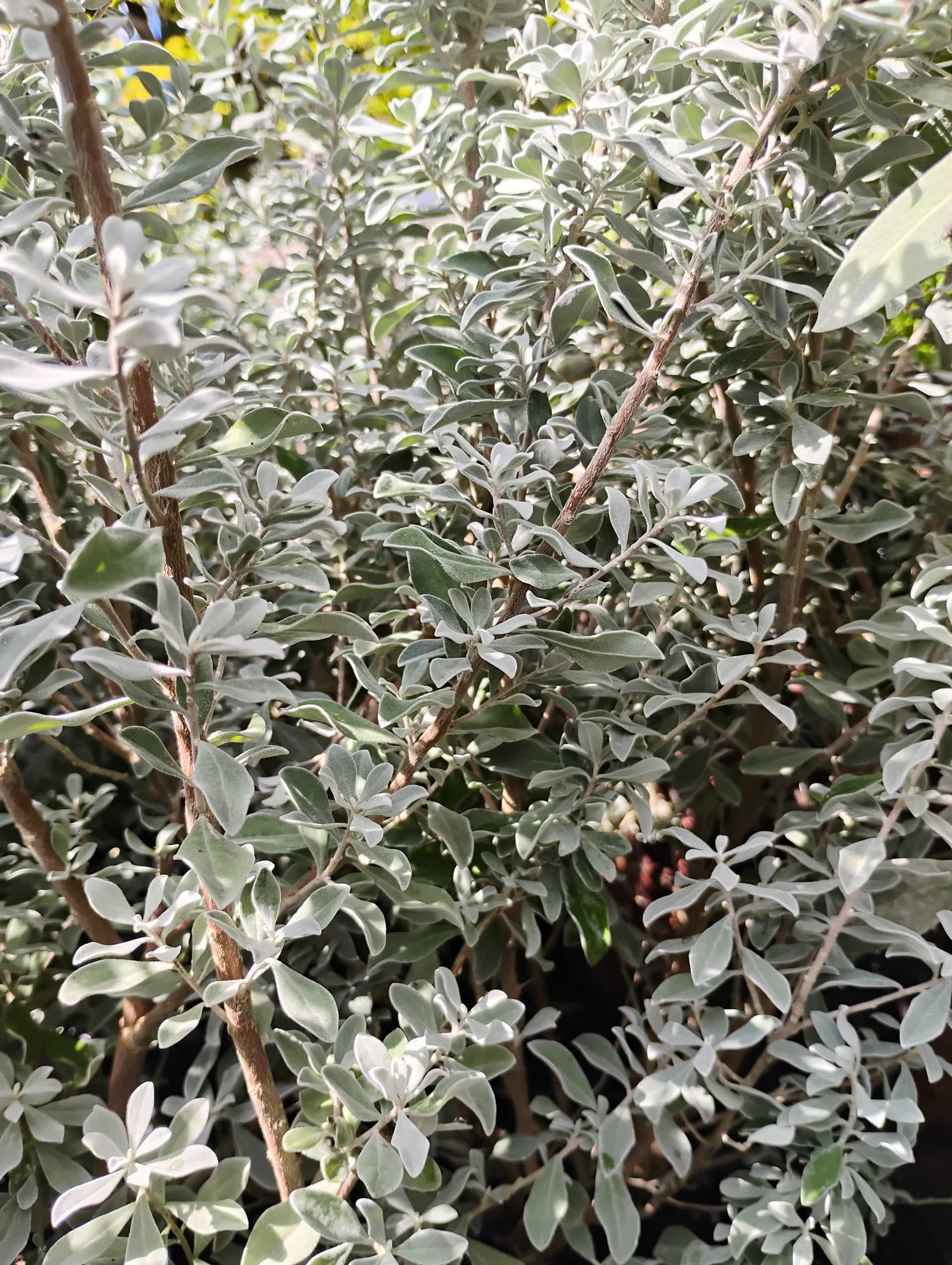
ShrubTexas Sage
 Shrub
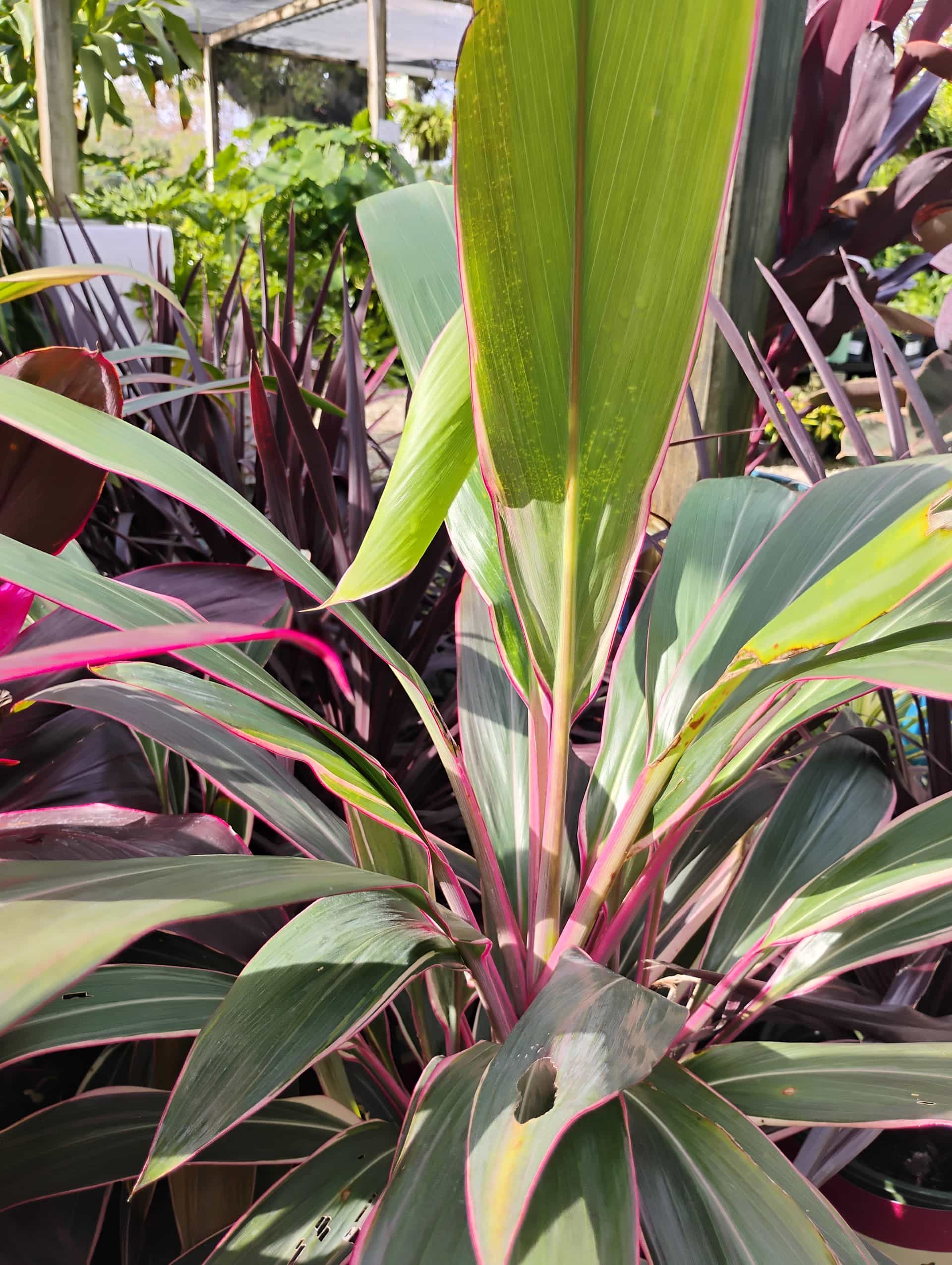
ShrubTi Plant
Salt Tolerant Questions
What does salt tolerant mean for coastal gardens?+
Salt-tolerant plants handle some salt spray, sandy soil, wind, or coastal exposure better than sensitive landscape plants.
Do salt-tolerant plants work directly on the beach?+
Beachfront sites need the toughest high-salt plants; inland coastal yards can often use moderate salt-tolerant selections.
Should I still water salt-tolerant plants after planting?+
Yes. Salt tolerance does not replace establishment watering, especially during hot, windy, or dry weeks after planting.
How do I choose salt-tolerant plants for my exposure?+
Match the plant to how much salt it actually faces. Front-line beach beds need high-salt plants, while inland coastal yards can use moderate ones. We can help you match by site.
When is the best time to plant in a coastal yard?+
Fall and winter let roots establish before summer heat and storms, though container plants can go in year round with steady establishment water.
What is a good salt-tolerant groundcover for Florida?+
Salt-tolerant groundcovers for Florida include beach sunflower, railroad vine, sunshine mimosa, and perennial peanut. They handle coastal exposure, sandy soil, and heat while filling beds and slopes.