
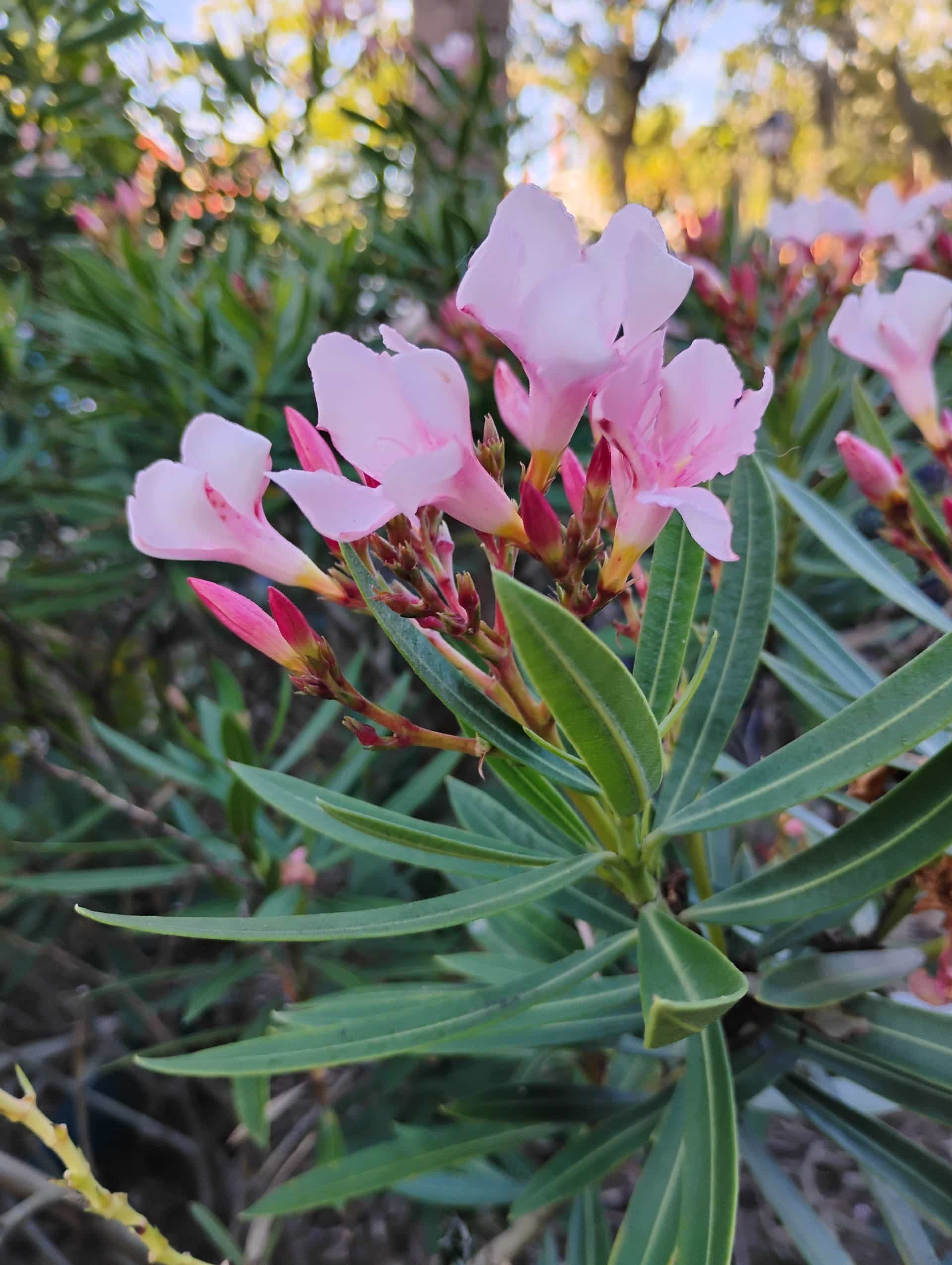
Oleander
Nerium oleander
Varieties We Bring In
Last received Sep 14, 2026.
We bring this in seasonally, so what is on the lot changes week to week. A received date shows when it last came in, not that it is here today.
Call (904) 471-0440 to confirm this plant and size before you make the trip.
About Oleander
Oleander (Nerium oleander) is a tough, fast-growing evergreen shrub from the Mediterranean and Southwest Asia, producing abundant clusters of showy flowers in white, pink, red, or yellow throughout the warm season. Its narrow, lance-shaped leaves and dense branching make it a popular choice for screens and highway plantings, though all parts are toxic. Starting at $14.95.
Plant details
- Bloom Season
- Spring, Summer, Fall
- Flower Color
- White, Yellow, Red, Pink
- Growth Rate
- Fast
- Foliage
- Evergreen
- Soil
- Sandy, Loam, Clay, Alkaline, Well-drained
Best planting months
Seasonal care
Bloom season. Good planting window.
Bloom season. Handles summer heat well once established.
Bloom season. Ideal planting window.
Retains foliage through winter.
Care essentials
Grow oleander in full sun for the best flowering and densest growth; partial shade is tolerated but results in a leggier, less floriferous plant. NE Florida's abundant sun suits it perfectly.
Oleander is highly drought-tolerant once established — water occasionally during extended dry spells but avoid overwatering, as it thrives even on poor, dry soils. Established plants along NE Florida roadsides need virtually no supplemental irrigation.
Oleander tolerates nearly any well-drained soil — sandy, clay, alkaline, or saline — with minimal fertility requirements. One application of a balanced granular fertilizer in spring is sufficient; over-fertilizing encourages vegetative growth at the expense of flowers.
Similar needs
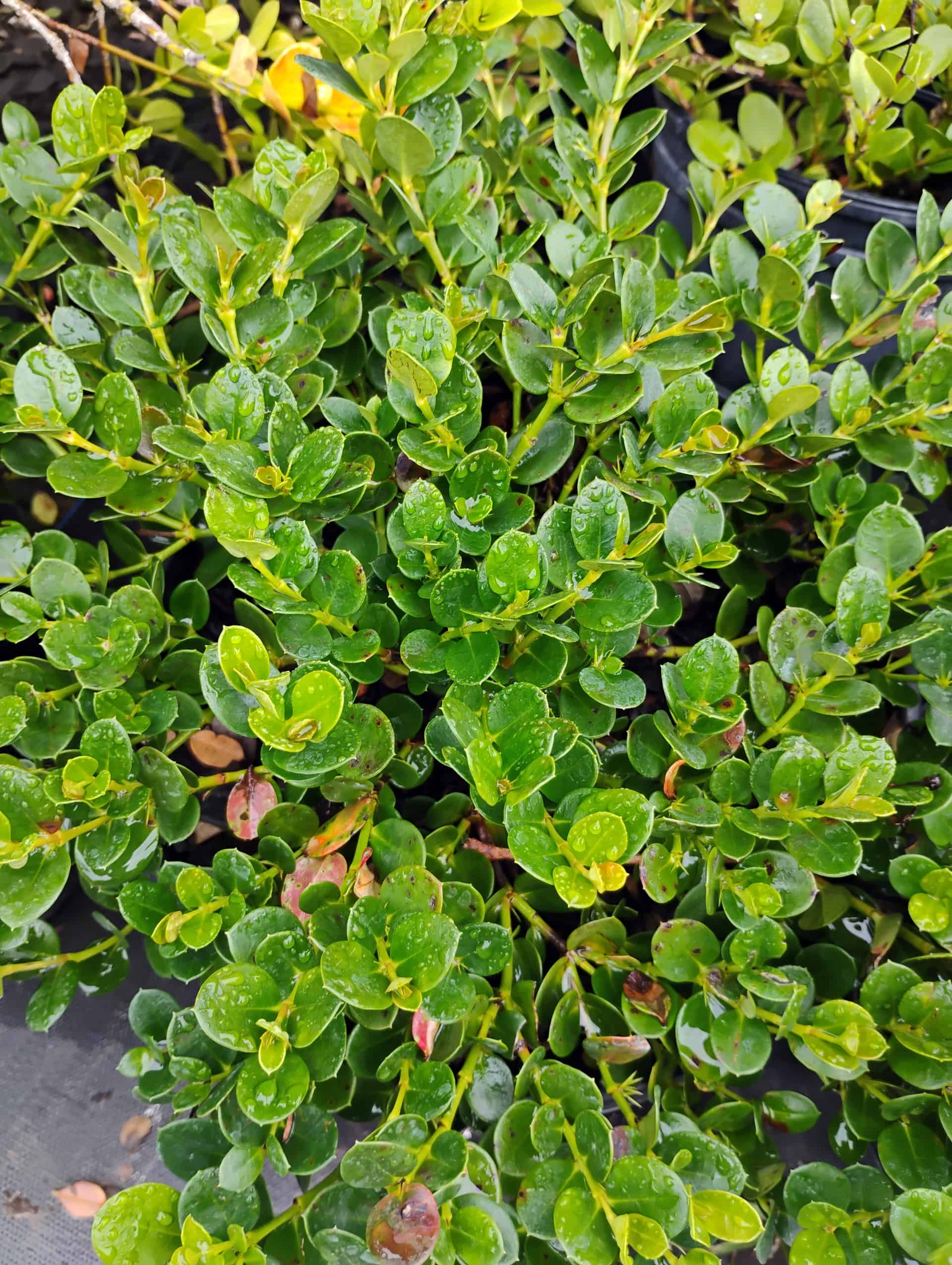
Natal Plum
Shares 6 of the same needs: full sun, low water, sandy, salt tolerance, zone 9a hardiness, and pollinator-friendly.
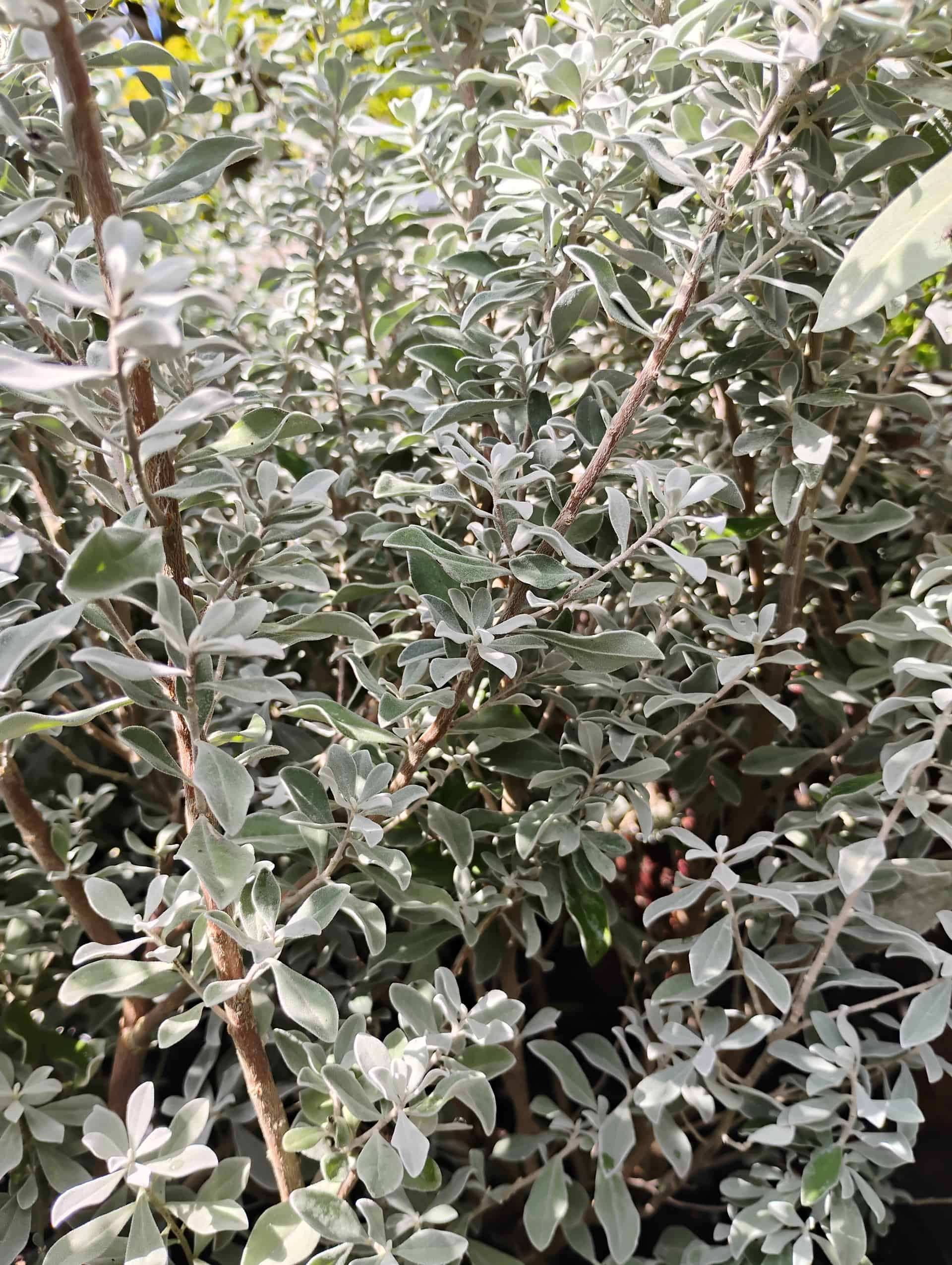
Texas Sage
Shares 6 of the same needs: full sun, low water, sandy, salt tolerance, zone 9a hardiness, and pollinator-friendly.
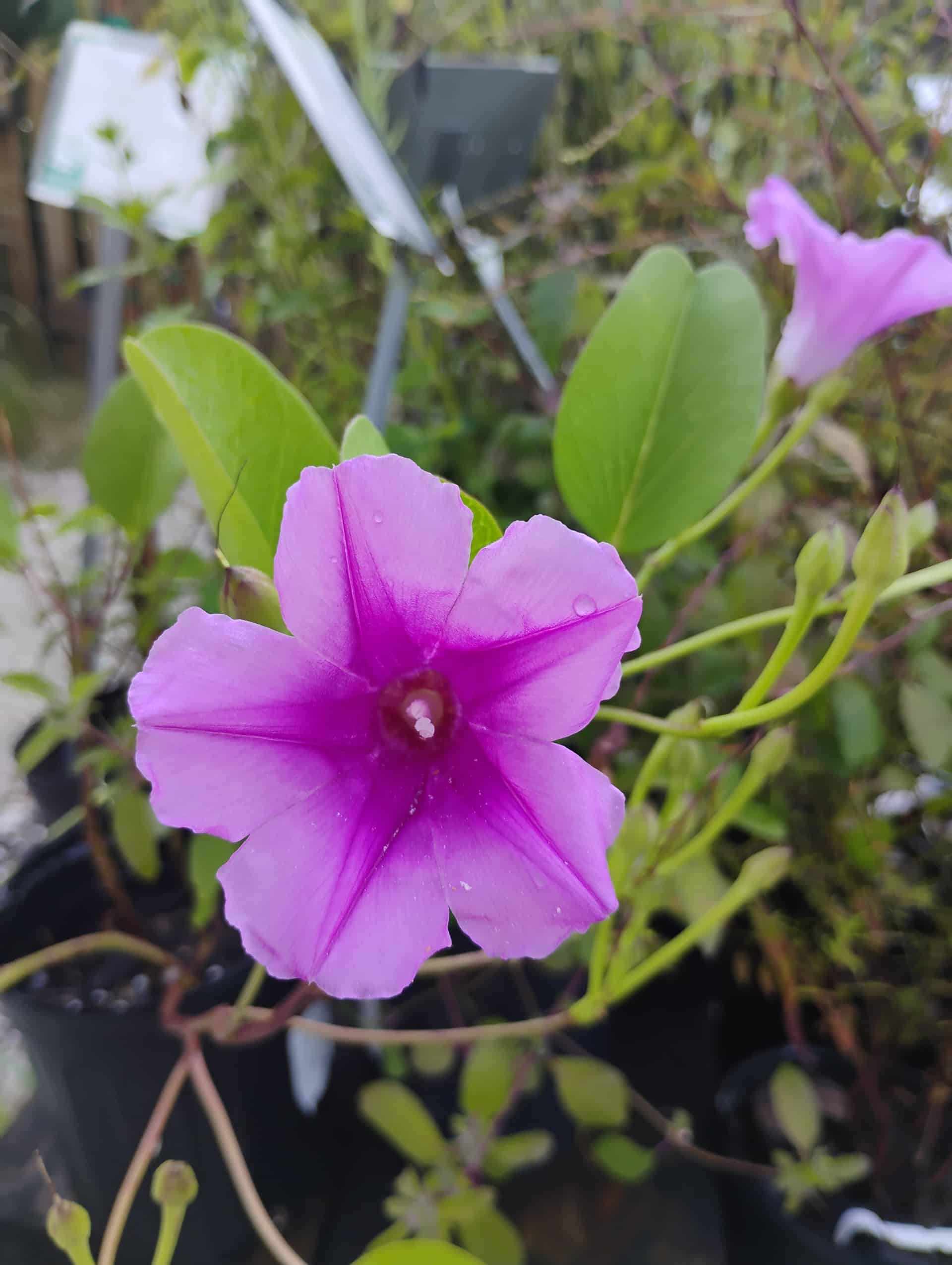
Railroad Vine
Shares 6 of the same needs: full sun, low water, sandy, salt tolerance, zone 9a hardiness, and pollinator-friendly.
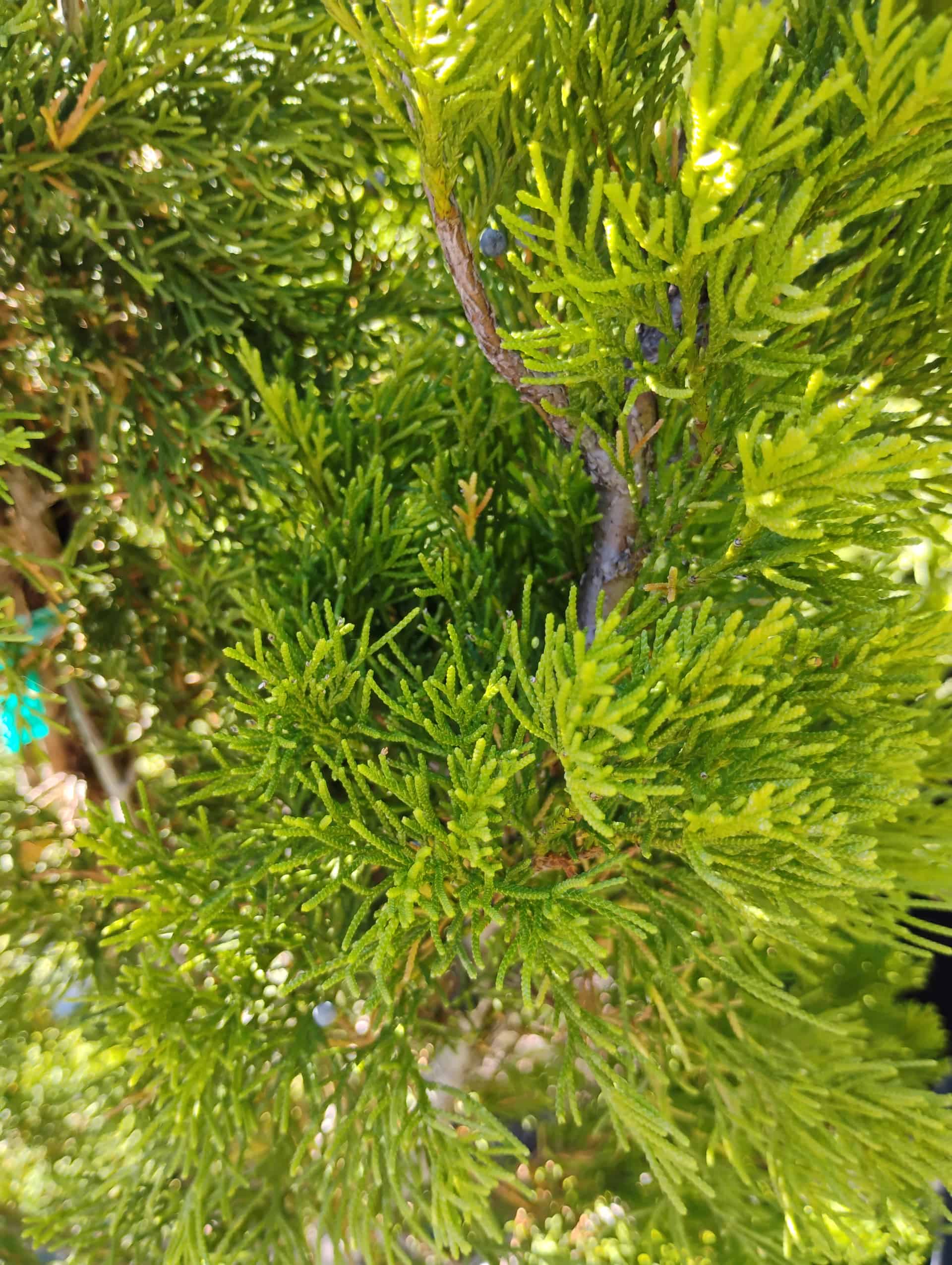
Juniper
Shares 5 of the same needs: full sun, low water, sandy, salt tolerance, and zone 9a hardiness.
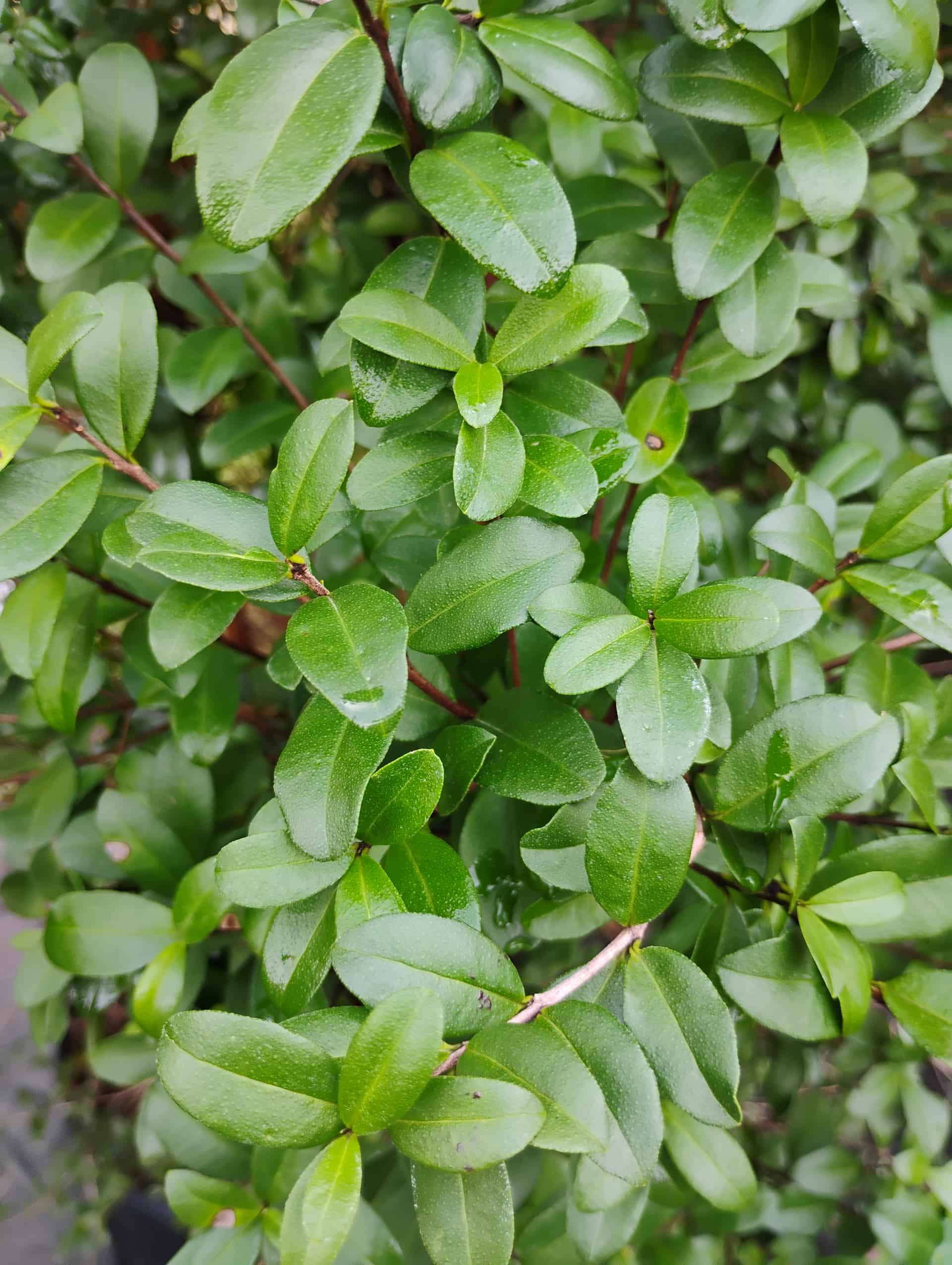
Simpson's Stopper
Shares 5 of the same needs: full sun, sandy, salt tolerance, zone 9a hardiness, and pollinator-friendly.
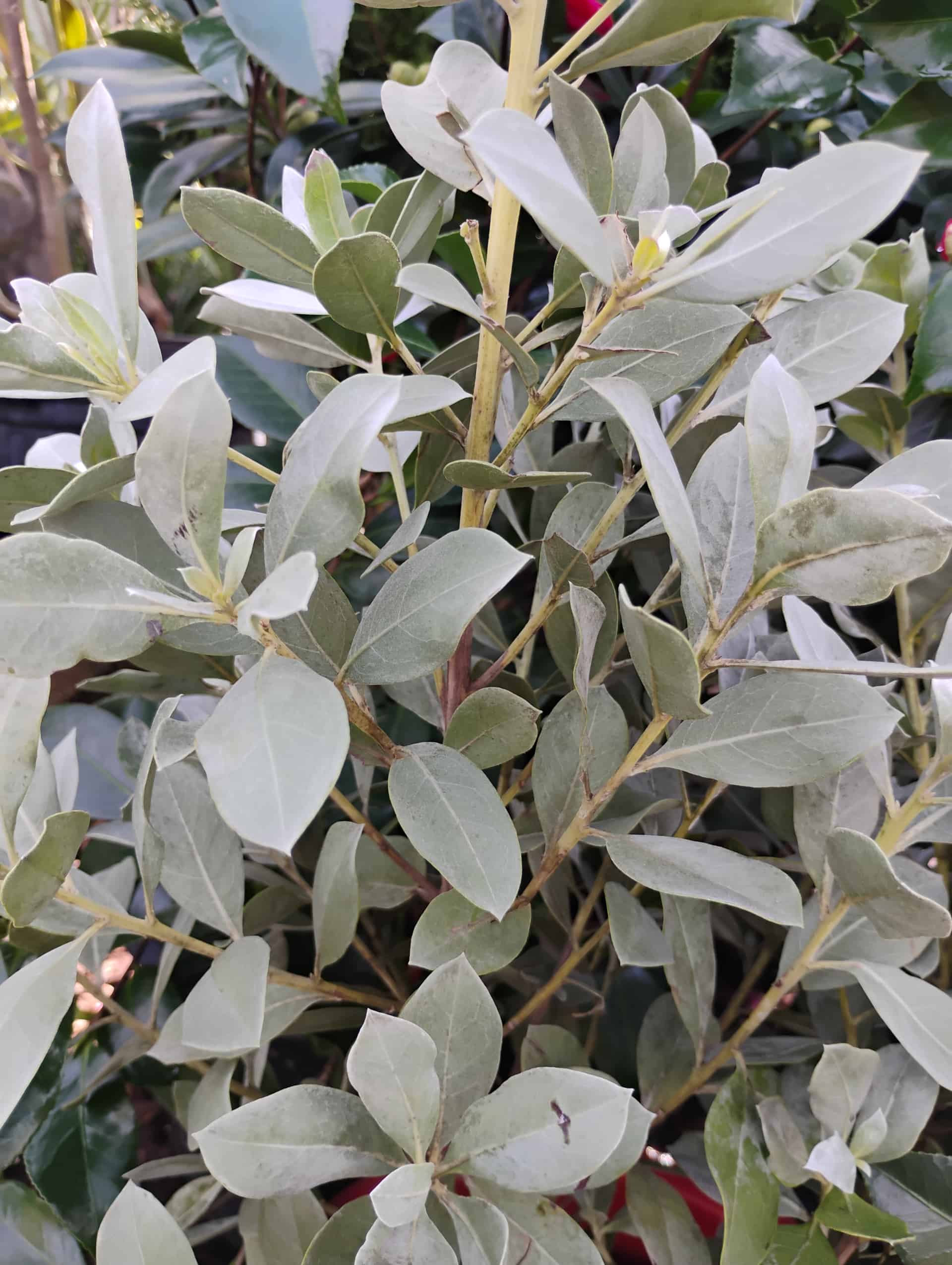
Buttonwood
Shares 5 of the same needs: full sun, sandy, salt tolerance, zone 9a hardiness, and pollinator-friendly.
You may also like
Common questions
Is Oleander a good plant for St. Augustine?
Oleander is a shrub for Zone 9b coastal Florida gardens, with high salt tolerance, reaching 8-12 feet × 6-10 feet (dwarf cultivars 3-6 feet).
Care information verified from
Last reviewed February 2026. Our care guidance comes from trusted horticulture sources and decades of helping St. Augustine gardeners. Conditions here can vary dramatically from one area to the next, so come ask us and we'll tailor it to your yard.