
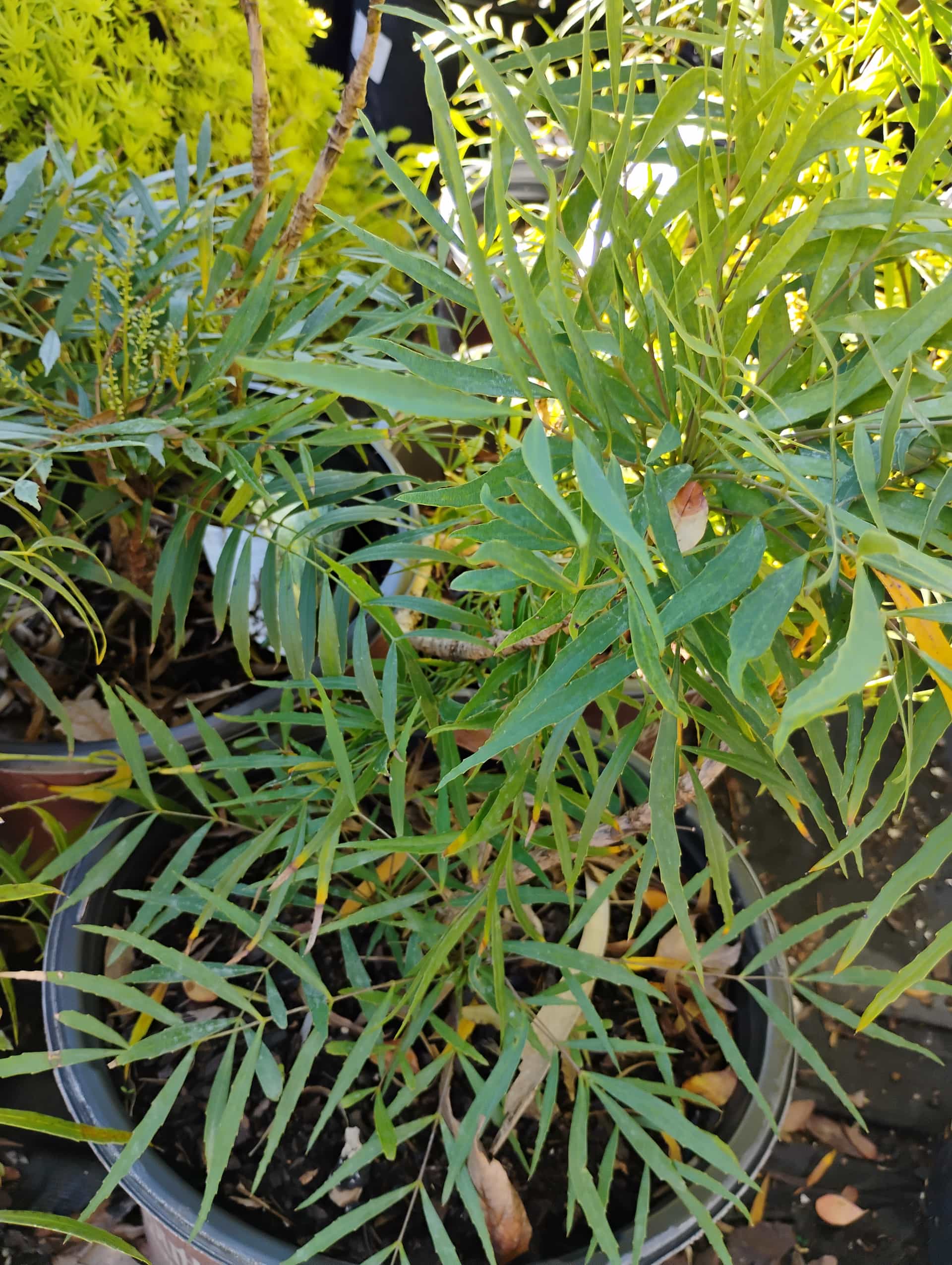
Varieties We Bring In
Soft Caress
Fortunei · Soft Caress
We received some Oregon Grape Holly on Jun 14, 2026.
We bring this in seasonally, so what is on the lot changes week to week. A received date shows when it last came in, not that it is here today.
Call (904) 471-0440 to confirm this plant and size before you make the trip.
Last received Jun 14, 2026.
We bring this in seasonally, so what is on the lot changes week to week. A received date shows when it last came in, not that it is here today.
Call (904) 471-0440 to confirm this plant and size before you make the trip.
Pet toxicity: Toxic to dogs and cats
Pet safety guideAbout Oregon Grape Holly
Oregon grape holly (Mahonia aquifolium) is a western North American evergreen shrub with holly-like leaves, bright yellow spring flowers, and blue-black berries. It is not well-adapted to NE Florida's summer heat and humidity and performs poorly in zone 9b — heat-tolerant alternatives such as native Florida holly (Ilex) are strongly preferred for this region.
Plant details
- Bloom Season
- Spring, Winter
- Flower Color
- Yellow
- Growth Rate
- Slow
- Foliage
- Evergreen
- Soil
- Loam, Acidic, Well-drained
Best planting months
Recommended months: March, April, May, September, October, November.
Seasonal care
Bloom season. Good planting window.
Active growing season.
Ideal planting window.
Bloom season. Retains foliage through winter.
Care essentials
Oregon grape holly requires partial shade and is poorly suited to NE Florida's intense heat and sun — leaves scorch and bleach in full sun. In NE Florida this plant is marginal; site in deep afternoon shade with moist, cool-root conditions to reduce heat stress.
Keep soil consistently moist with good drainage; drought stress combined with NE Florida's summer heat causes rapid decline. Mulch heavily to cool the root zone. This plant is at the edge of its heat tolerance in zone 9b and requires attentive watering.
Plant in moist, organically rich, acidic, well-drained soil (pH 5.0–6.5). Amend NE Florida's sandy beds generously with compost or peat. Feed lightly with an acid-forming fertilizer in early spring; avoid high-nitrogen programs that push tender growth susceptible to scorch.
Similar needs
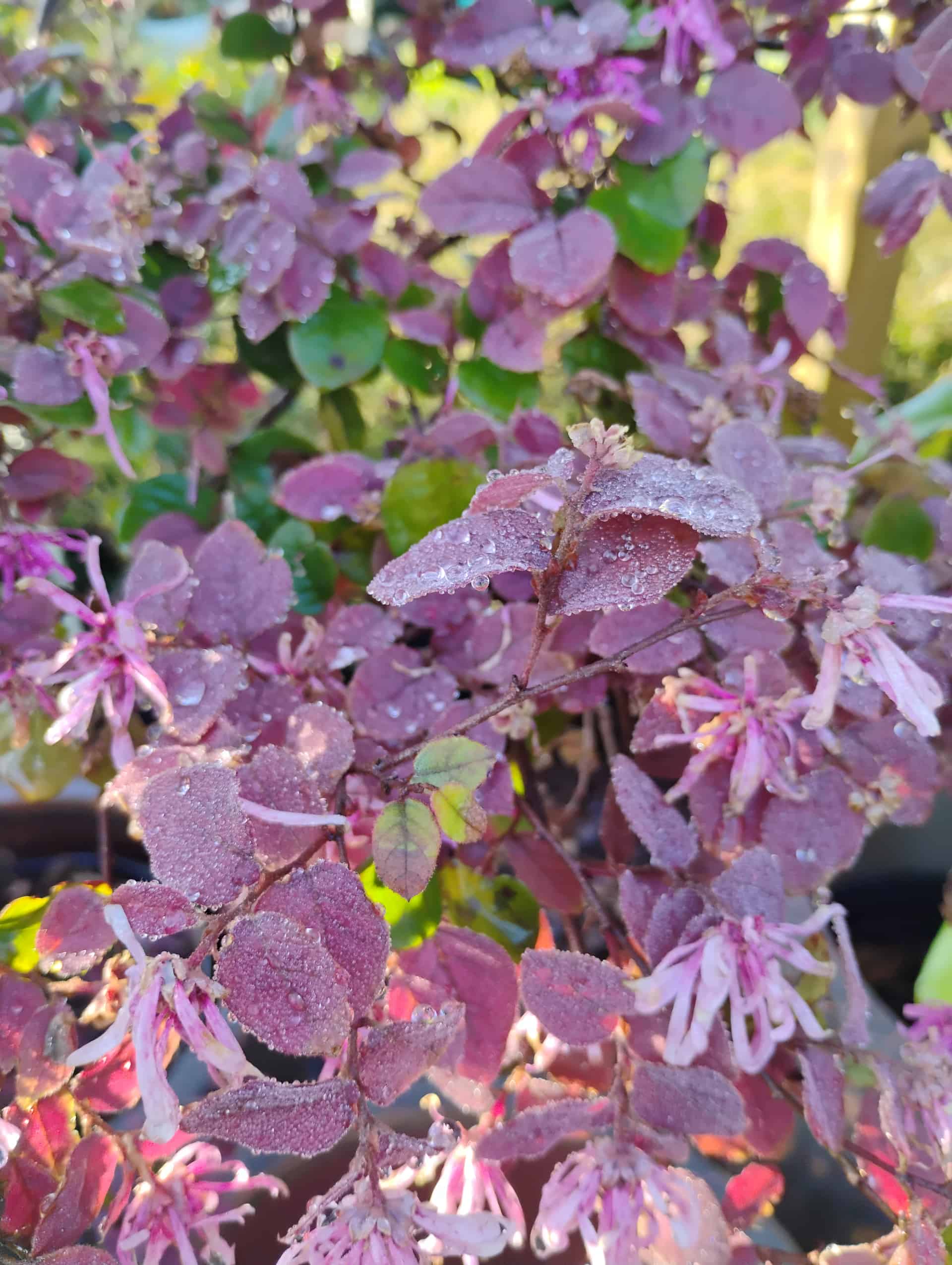
Loropetalum
Shares 7 of the same needs: shade, moderate water, loam, salt tolerance, deer resistance, zone 9a hardiness, and pollinator-friendly.

Lobster Claw
Shares 6 of the same needs: shade, loam, salt tolerance, deer resistance, zone 9a hardiness, and pollinator-friendly.
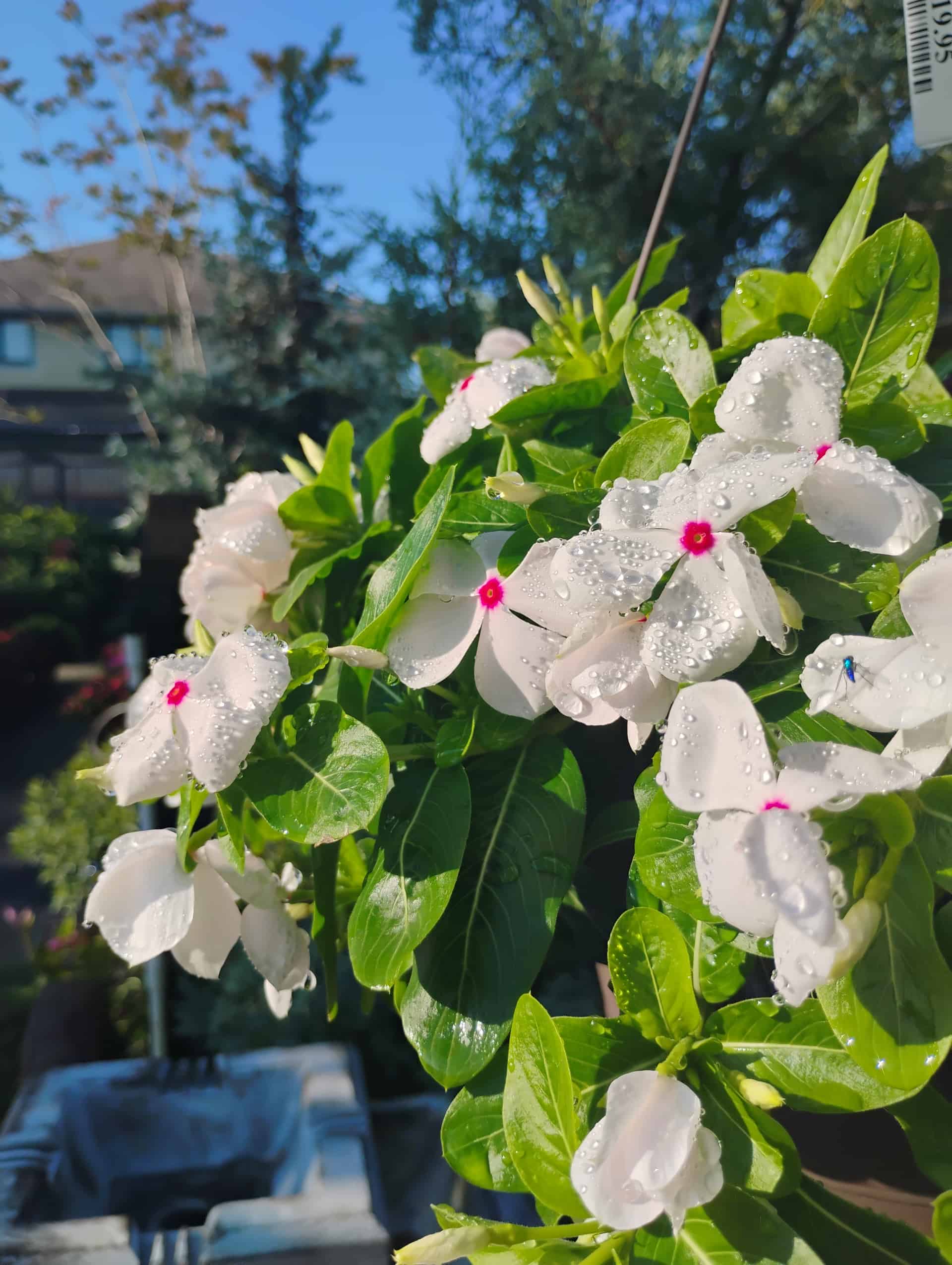
Periwinkle
Shares 7 of the same needs: shade, moderate water, loam, salt tolerance, deer resistance, zone 9a hardiness, and pollinator-friendly.
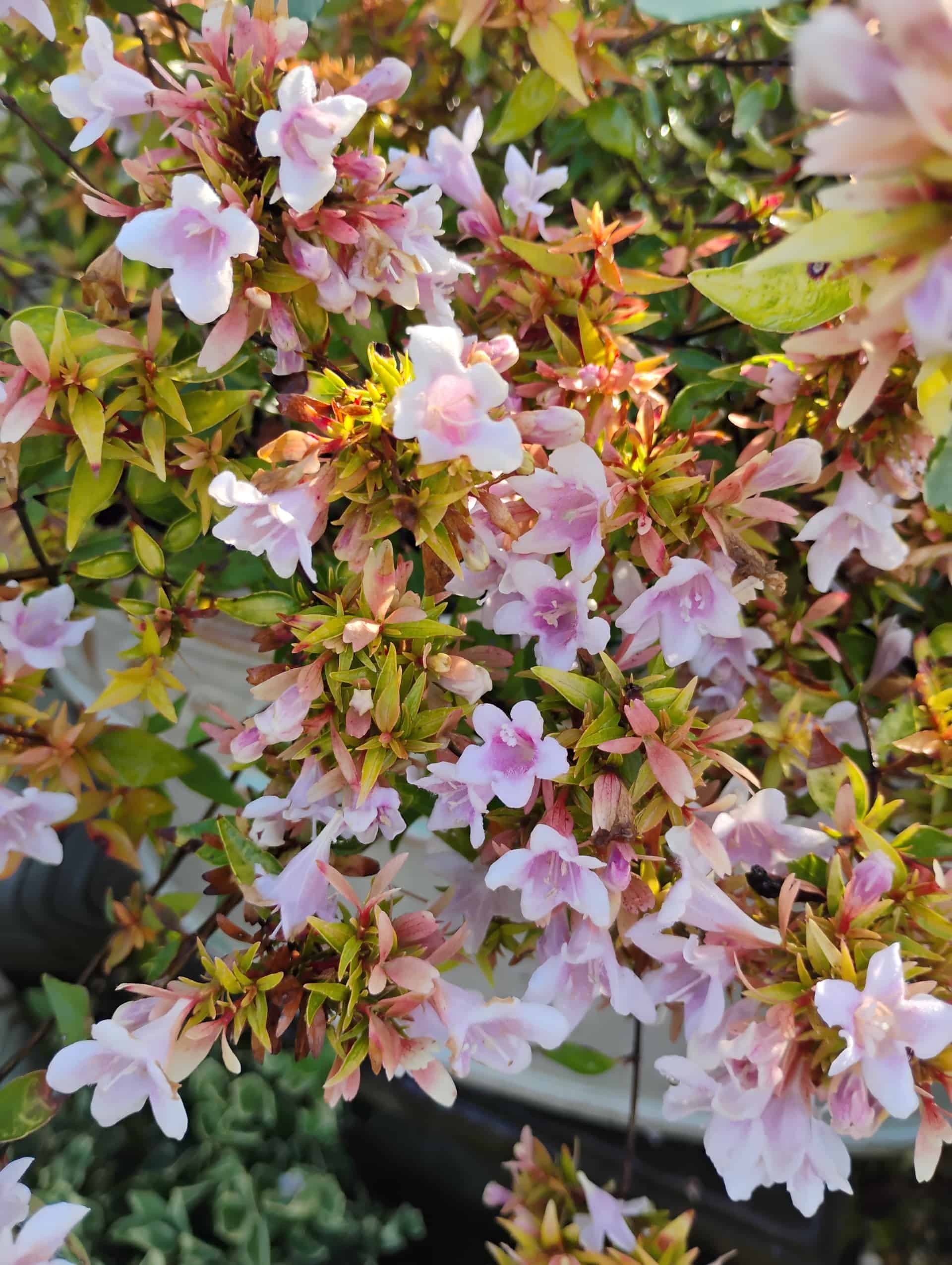
Abelia
Shares 6 of the same needs: moderate water, loam, salt tolerance, deer resistance, zone 9a hardiness, and pollinator-friendly.
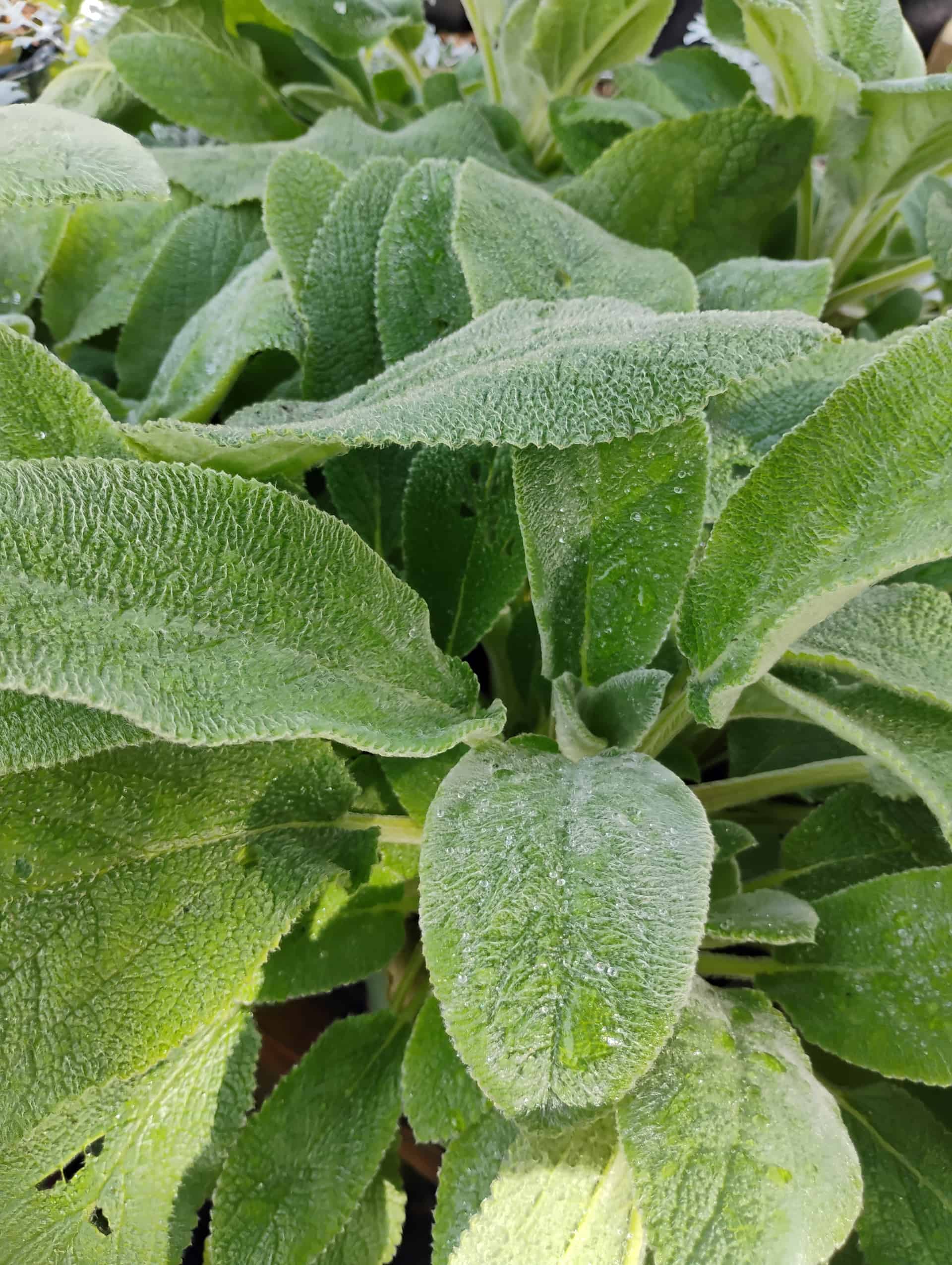
Lamb's Ear
Shares 6 of the same needs: shade, well-drained soil, salt tolerance, deer resistance, zone 9a hardiness, and pollinator-friendly.
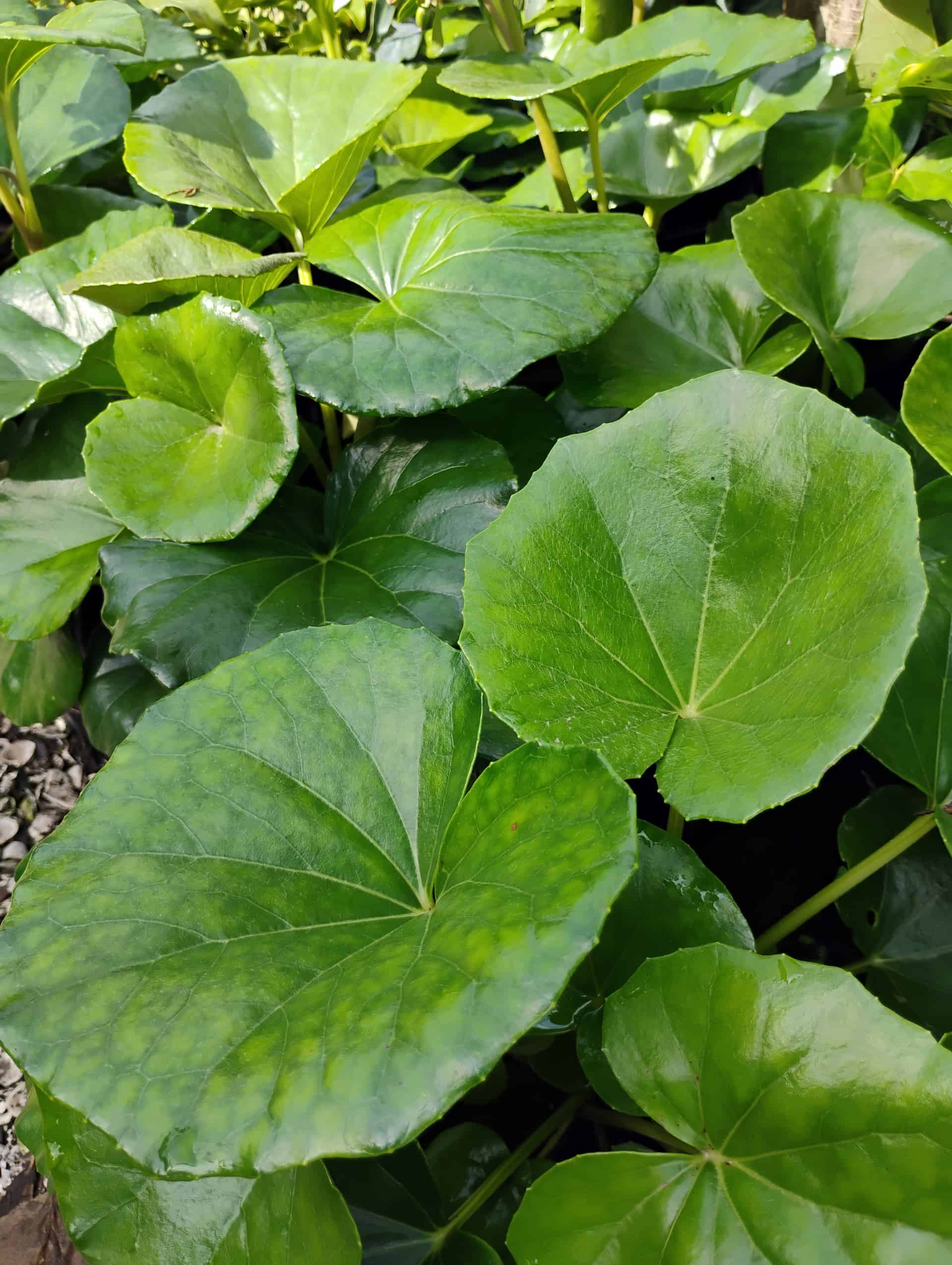
Leopard Plant
Shares 4 of the same needs: loam, salt tolerance, deer resistance, and zone 9a hardiness.
You may also like
Common questions
Is Oregon Grape Holly a good plant for St. Augustine?
Oregon Grape Holly is a shrub. Mature size: 5-10 feet × 3-4 feet. Light: Part Shade. Water needs: Moderate. Recorded hardiness zone: 9a. Recorded salt tolerance: low.
What is the recorded pet toxicity for Oregon Grape Holly?
Toxic to dogs and cats
Care information verified from
Last reviewed February 2026. Our care guidance comes from trusted horticulture sources and decades of helping St. Augustine gardeners. Conditions here can vary dramatically from one area to the next, so come ask us and we'll tailor it to your yard.