
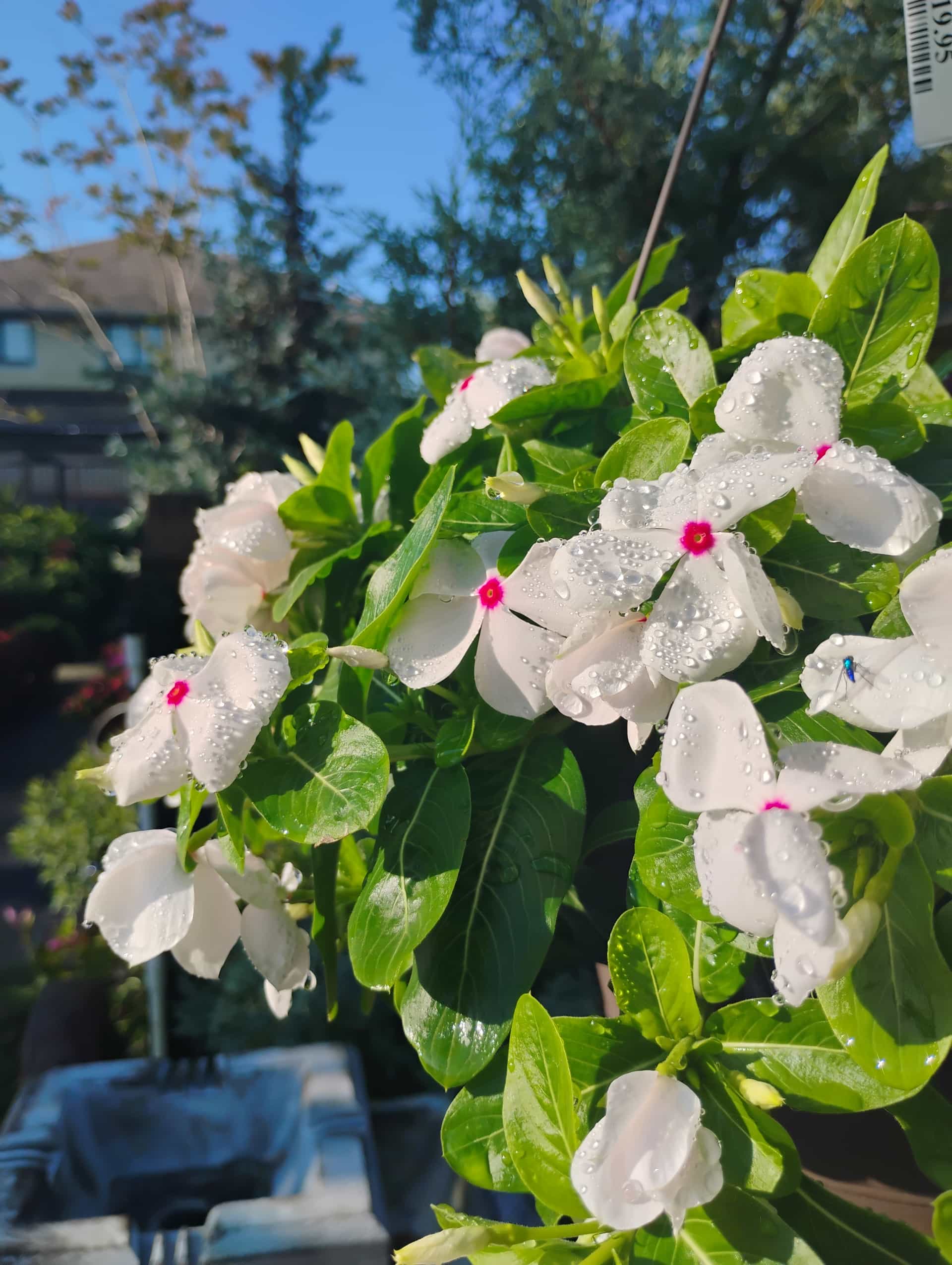
Varieties We Bring In
Major Variegated · Bowles · Min Atropurpurea
We received some Periwinkle on Sep 28, 2026.
We bring this in seasonally, so what is on the lot changes week to week. A received date shows when it last came in, not that it is here today.
Call (904) 471-0440 to confirm this plant and size before you make the trip.
Last received Sep 28, 2026.
We bring this in seasonally, so what is on the lot changes week to week. A received date shows when it last came in, not that it is here today.
Call (904) 471-0440 to confirm this plant and size before you make the trip.
Pet toxicity: Toxic to dogs, cats, and horses
Pet safety guideAbout Periwinkle
Periwinkle (Vinca spp.) is a fast-spreading evergreen groundcover producing pinwheel-shaped flowers in lavender-blue, pink, or white from spring through fall. It performs well in NE Florida zone 9b as a groundcover for borders and shaded areas. Note: Vinca major, the large-leaved species, has invasive potential — site carefully to prevent escape into natural areas, and consider heat-tolerant Catharanthus roseus (Madagascar periwinkle) as an alternative annual for full-sun beds.
Plant details
- Bloom Season
- Spring, Summer, Fall
- Flower Color
- Purple, Blue
- Growth Rate
- Fast
- Foliage
- Evergreen
- Soil
- Sandy, Loam, Well-drained
Best planting months
Recommended months: March, April, May, September, October, November.
Seasonal care
Bloom season. Good planting window.
Bloom season.
Ideal planting window.
Retains foliage through winter.
Care essentials
Grows in full sun to part shade; in NE Florida's intense summer heat, afternoon shade improves performance and reduces heat stress. Tolerates a wide light range making it versatile for borders and difficult shaded areas.
Water regularly until established; once rooted, moderate water is sufficient. Ensure good drainage — Vinca spp. are susceptible to aerial phytophthora and root rot in consistently wet soils.
Adapts to sandy, loamy, and average soils provided drainage is good. Fertilize lightly in spring with a balanced slow-release fertilizer. Note: Vinca major has invasive potential in Florida — contain plantings and prevent escape into natural areas near water.
Similar needs
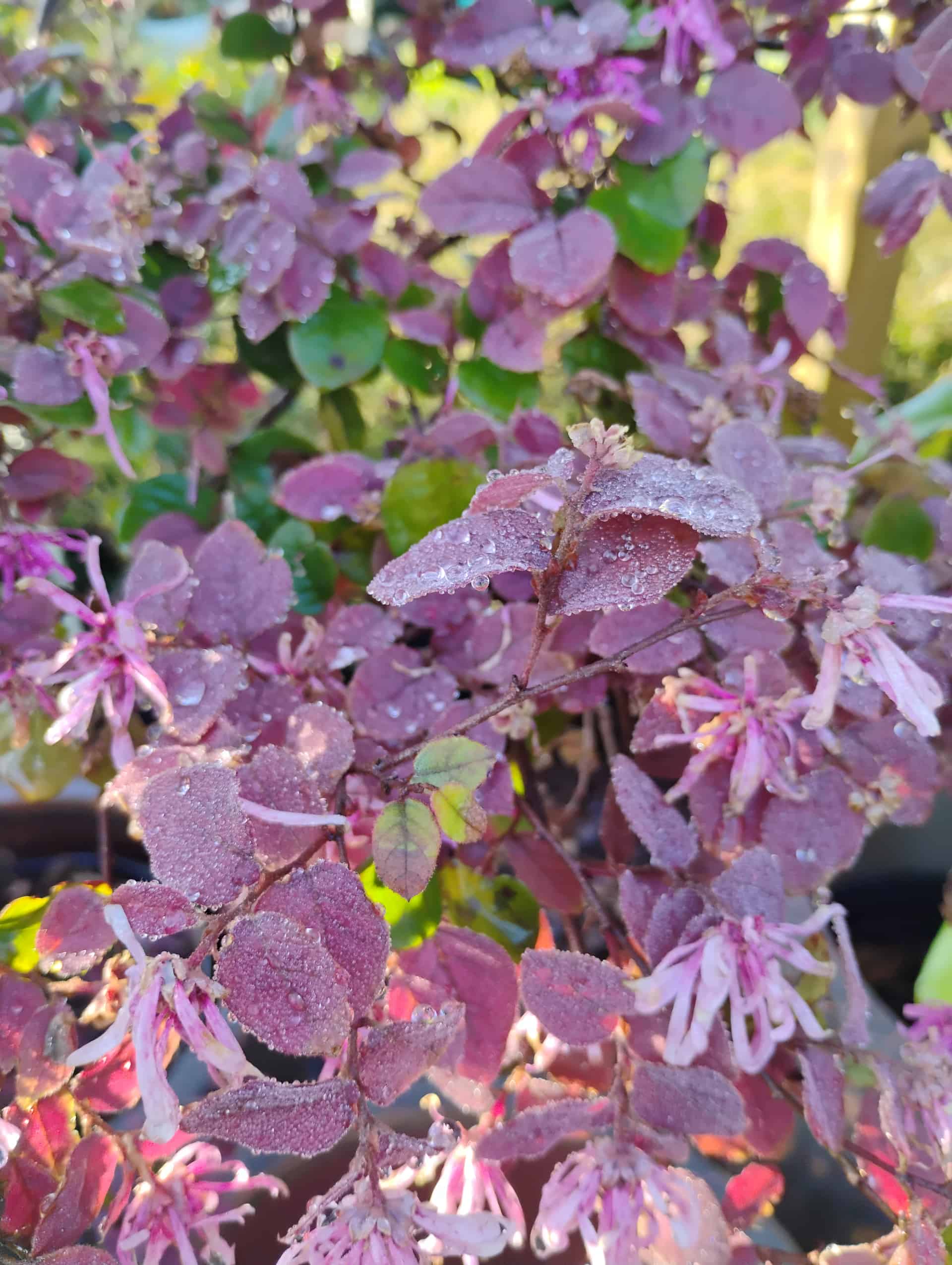
Loropetalum
Shares 7 of the same needs: full sun, moderate water, sandy, salt tolerance, deer resistance, zone 9a hardiness, and pollinator-friendly.
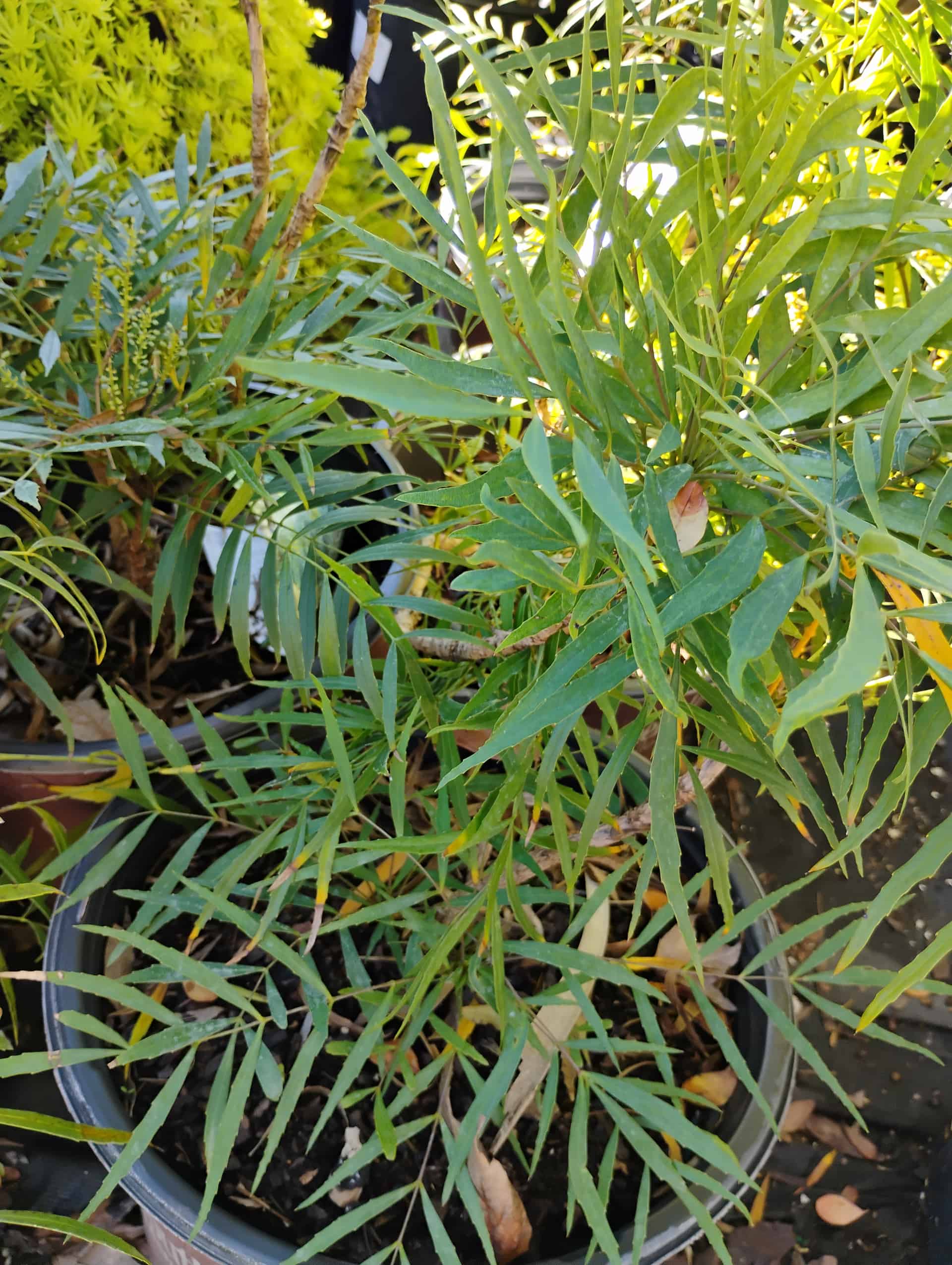
Oregon Grape Holly
Shares 7 of the same needs: shade, moderate water, loam, salt tolerance, deer resistance, zone 9a hardiness, and pollinator-friendly.
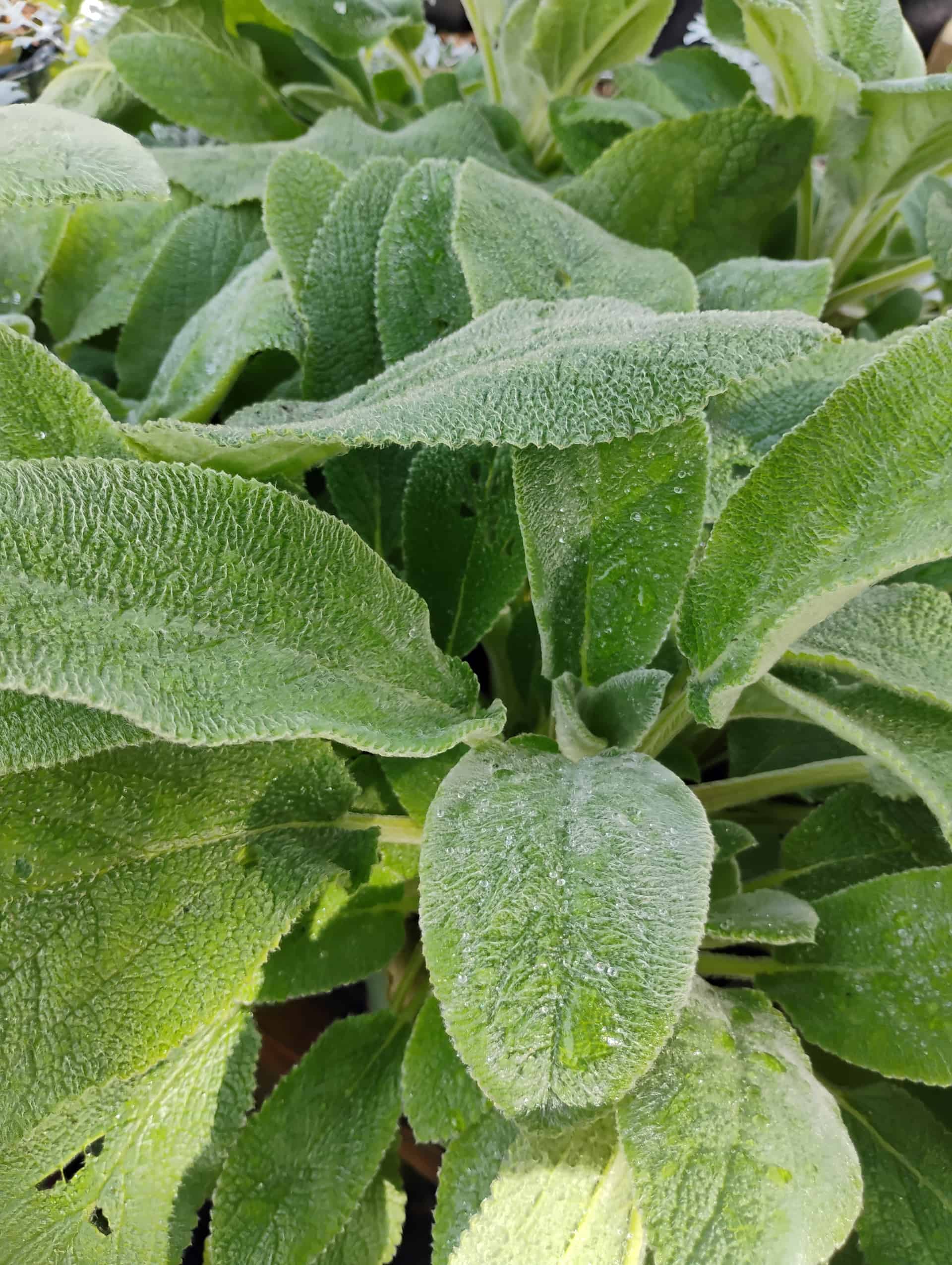
Lamb's Ear
Shares 6 of the same needs: full sun, sandy, salt tolerance, deer resistance, zone 9a hardiness, and pollinator-friendly.

Lobster Claw
Shares 6 of the same needs: full sun, loam, salt tolerance, deer resistance, zone 9a hardiness, and pollinator-friendly.
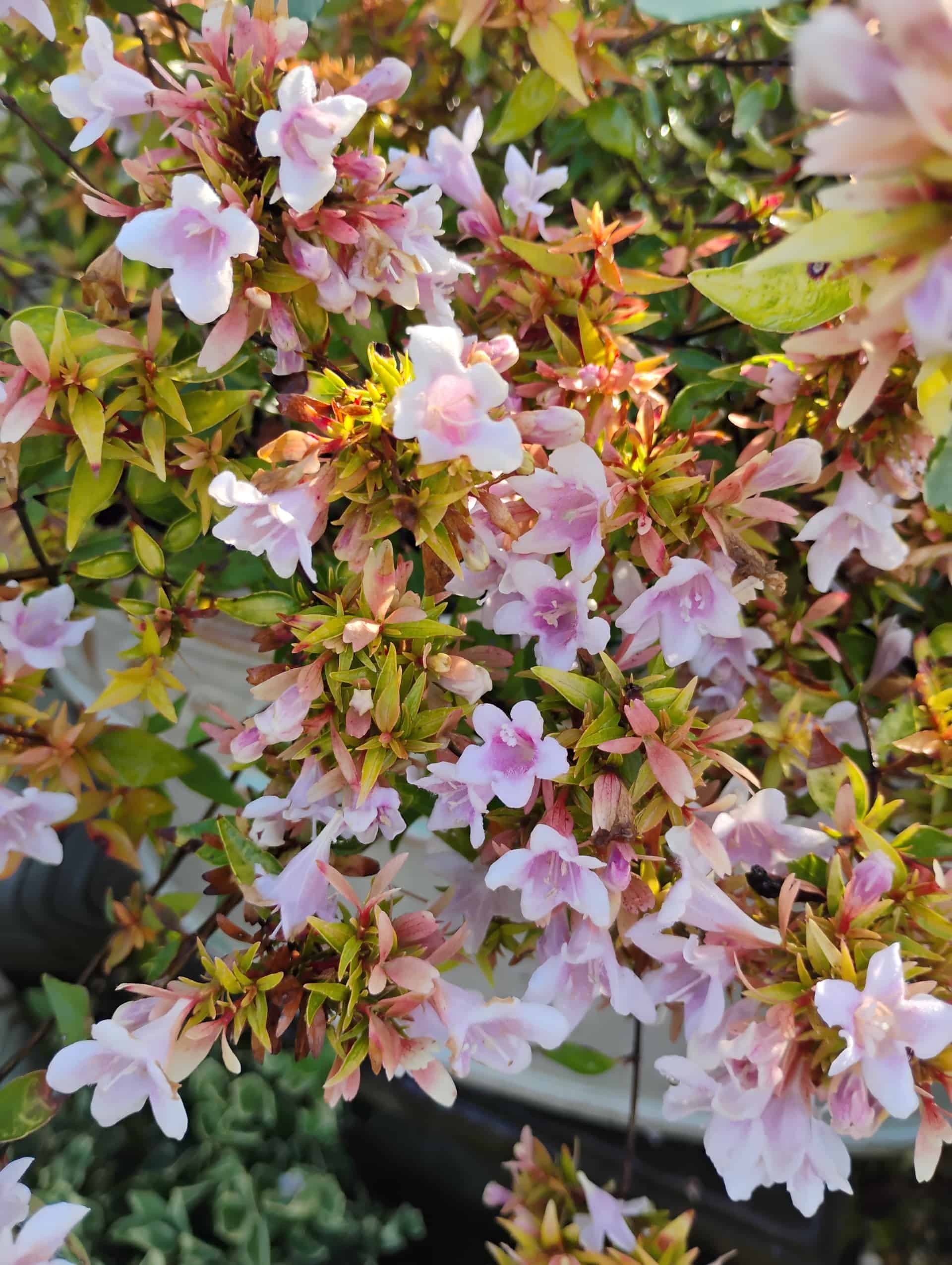
Abelia
Shares 7 of the same needs: full sun, moderate water, sandy, salt tolerance, deer resistance, zone 9a hardiness, and pollinator-friendly.
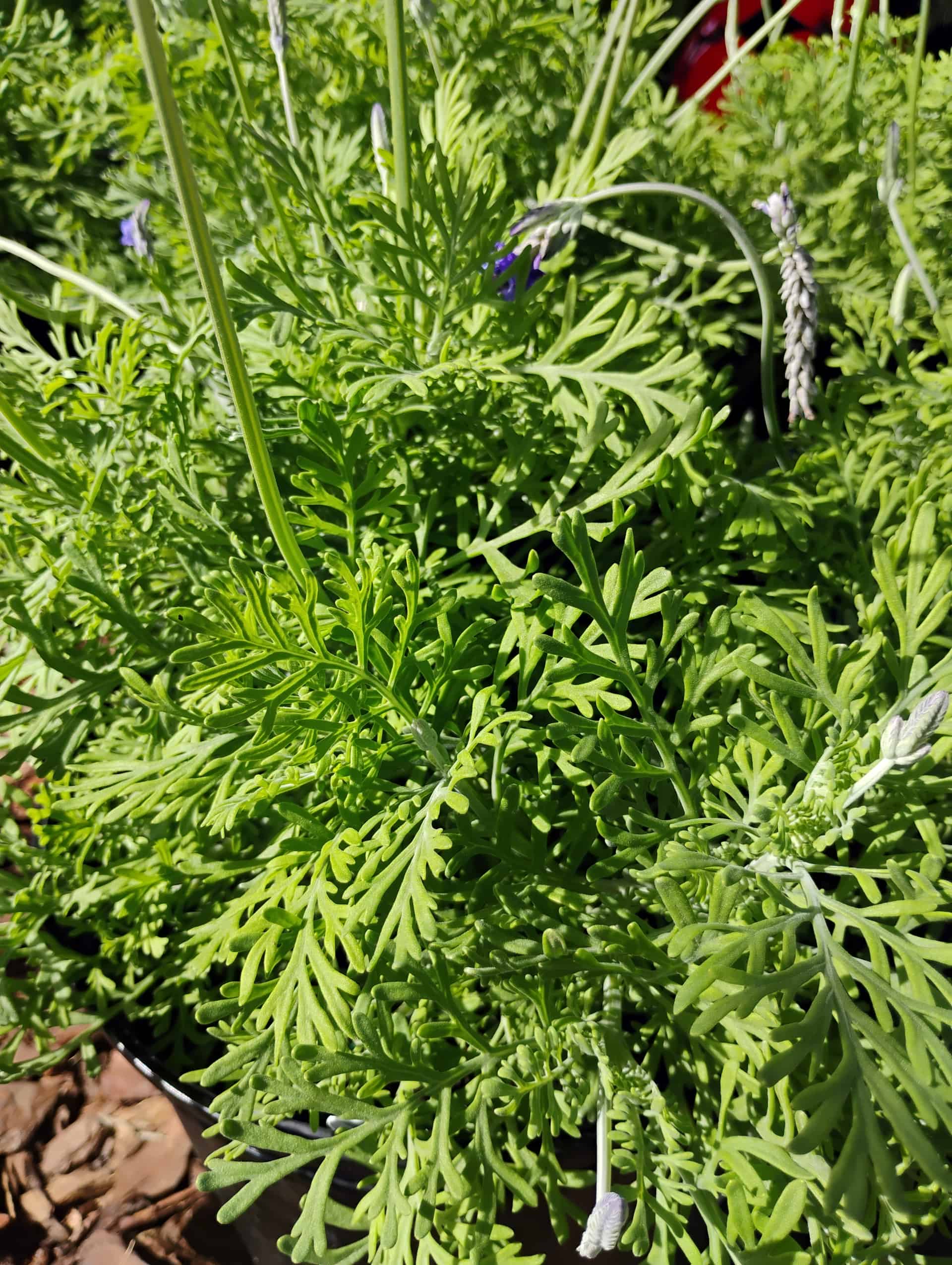
Lavender
Shares 6 of the same needs: full sun, sandy, salt tolerance, deer resistance, zone 9a hardiness, and pollinator-friendly.
You may also like
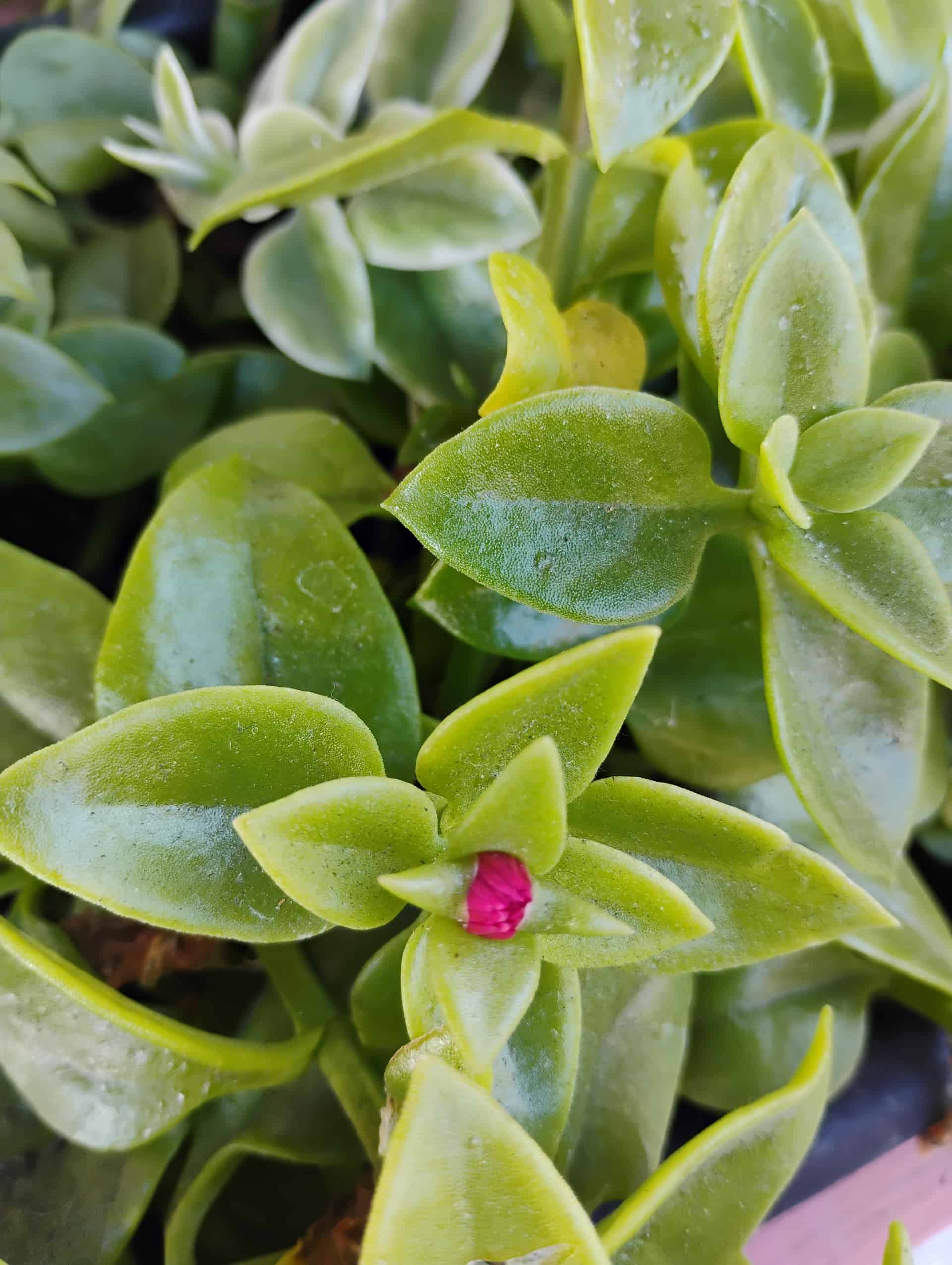 Groundcover
Baby Sun Rose
Aptenia cordifolia
Baby Tears
Soleirolia soleirolii
 Groundcover
Creeping Raspberry
Rubus hayata-koidzumii
Common questions
Is Periwinkle a good plant for St. Augustine?
Periwinkle is a groundcover. Mature size: 6-18 inches × 12-24 inches. Light: Full Sun, Part Shade. Water needs: Moderate. Recorded hardiness zone: 9a. Recorded salt tolerance: low.
What is the recorded pet toxicity for Periwinkle?
Toxic to dogs, cats, and horses
Care information verified from
Last reviewed February 2026. Our care guidance comes from trusted horticulture sources and decades of helping St. Augustine gardeners. Conditions here can vary dramatically from one area to the next, so come ask us and we'll tailor it to your yard.