
Groundcovers
Low-spreading plants for filling beds, slopes, and borders.
Browse the collection
24 plants found
Groundcovers Plants
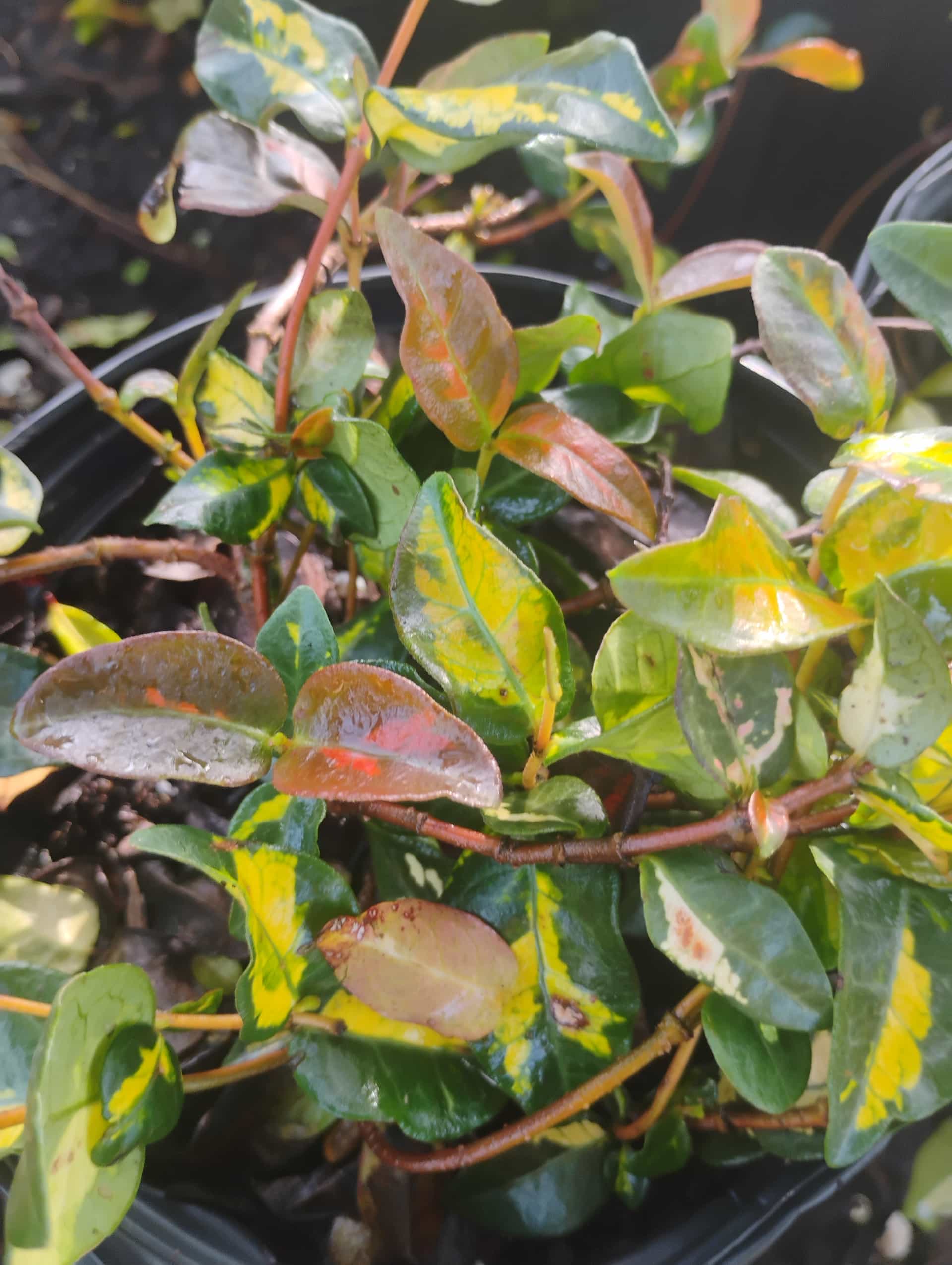 Groundcover
Asiatic Jasmine
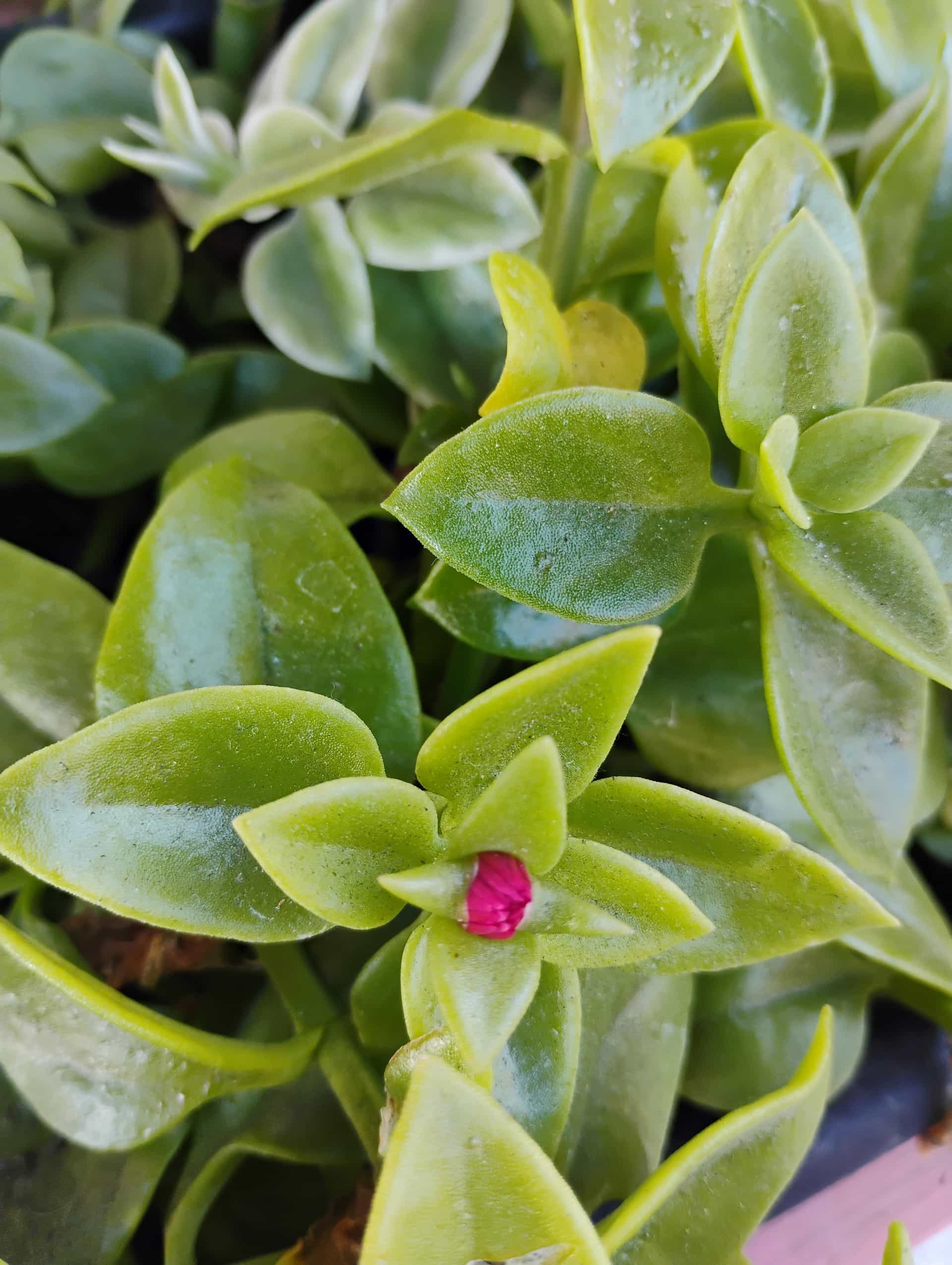 Groundcover
Baby Sun Rose
 Groundcover
Baby Tears
GroundcoverBeach Tea
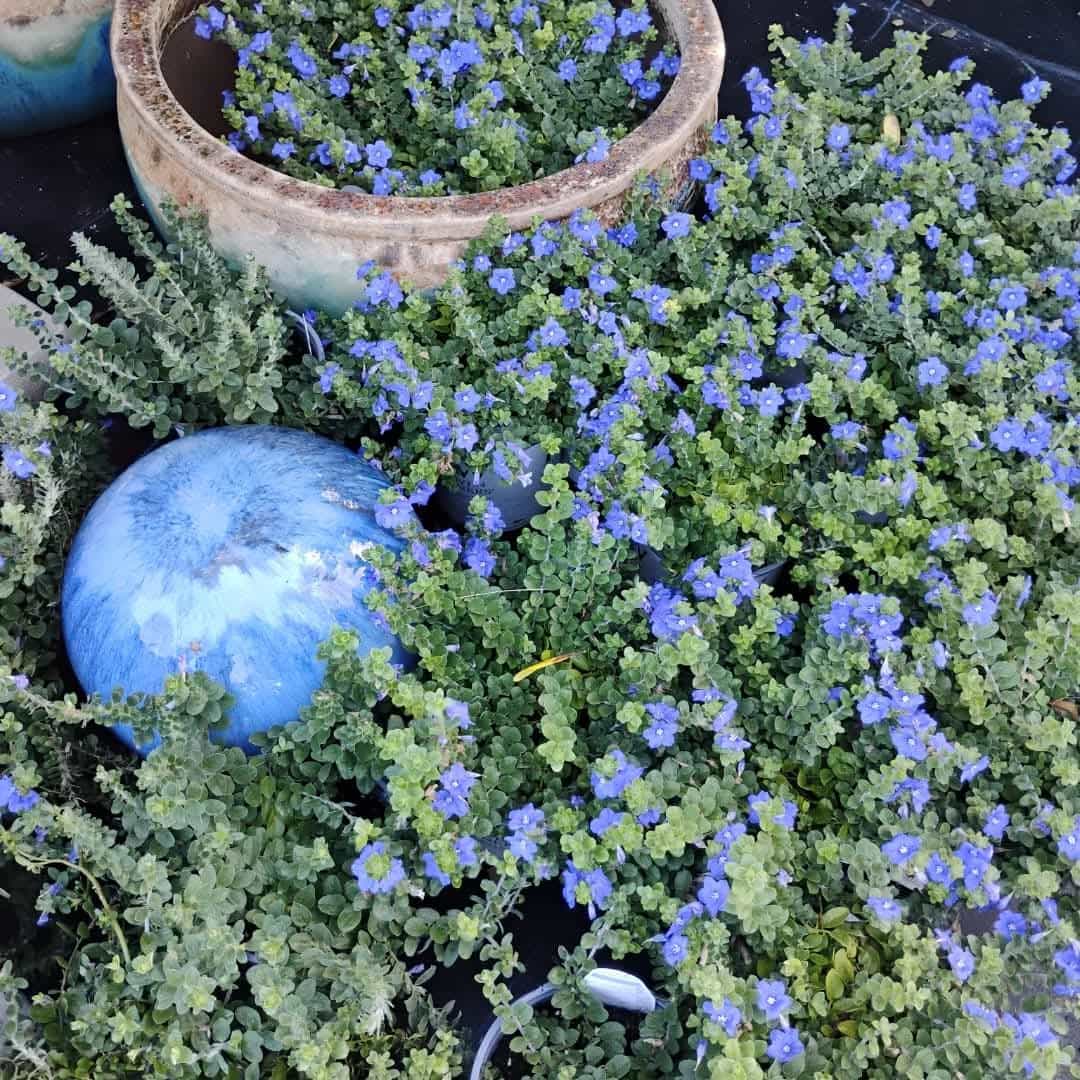 Groundcover
Blue Daze
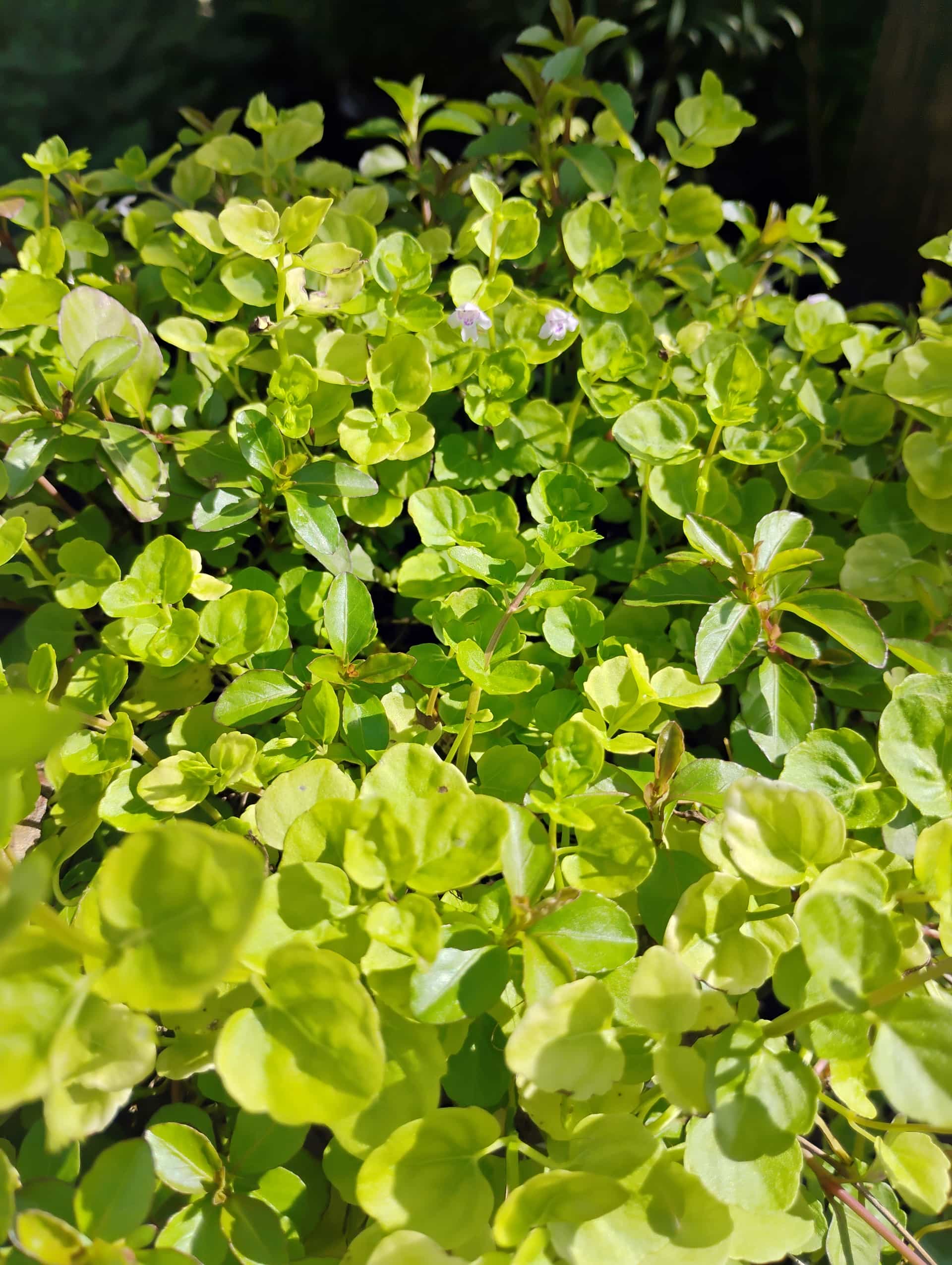 Groundcover
Browne's Savory
 Groundcover
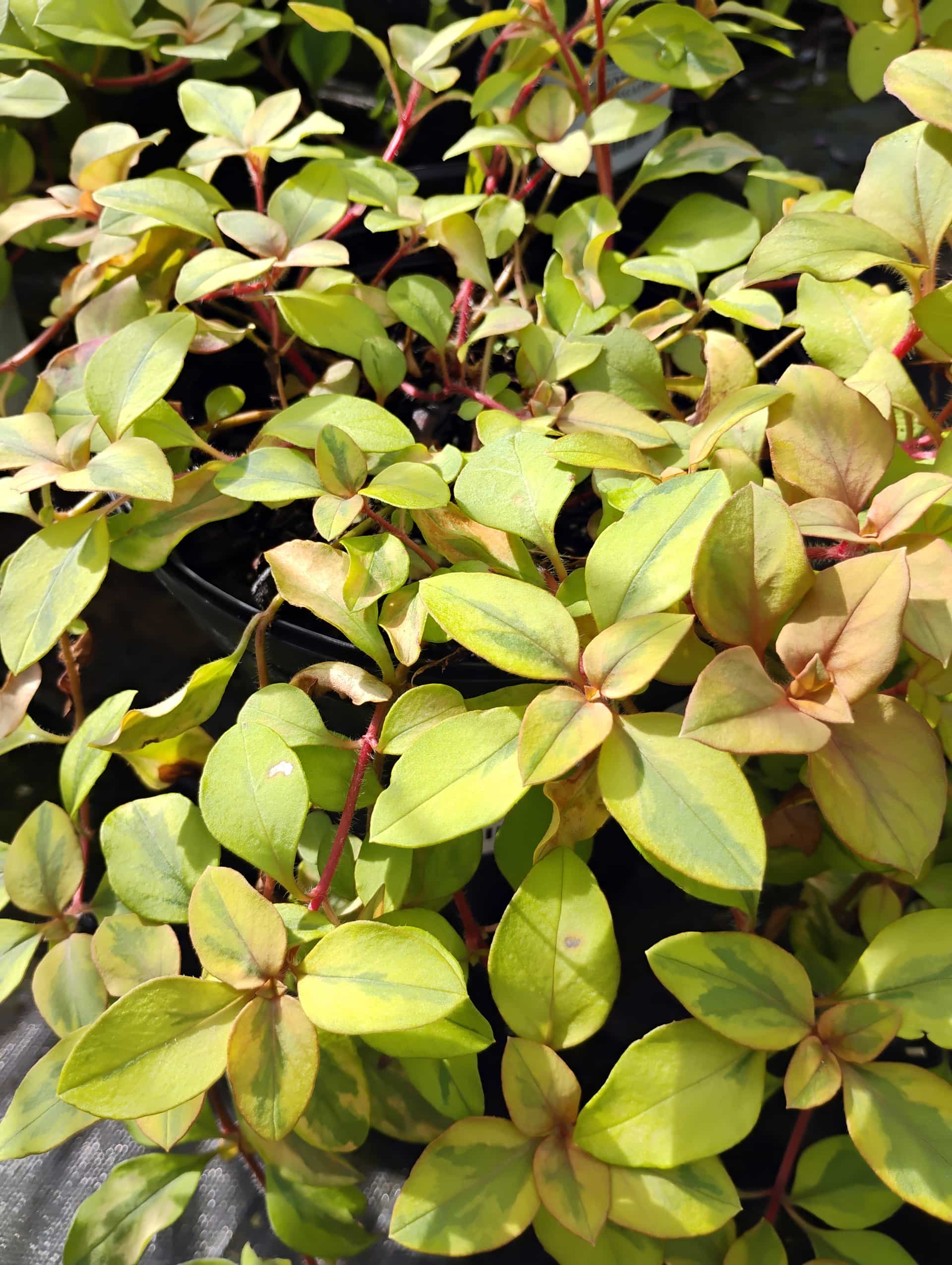
Creeping Jenny
GroundcoverCreeping Phlox
 Groundcover
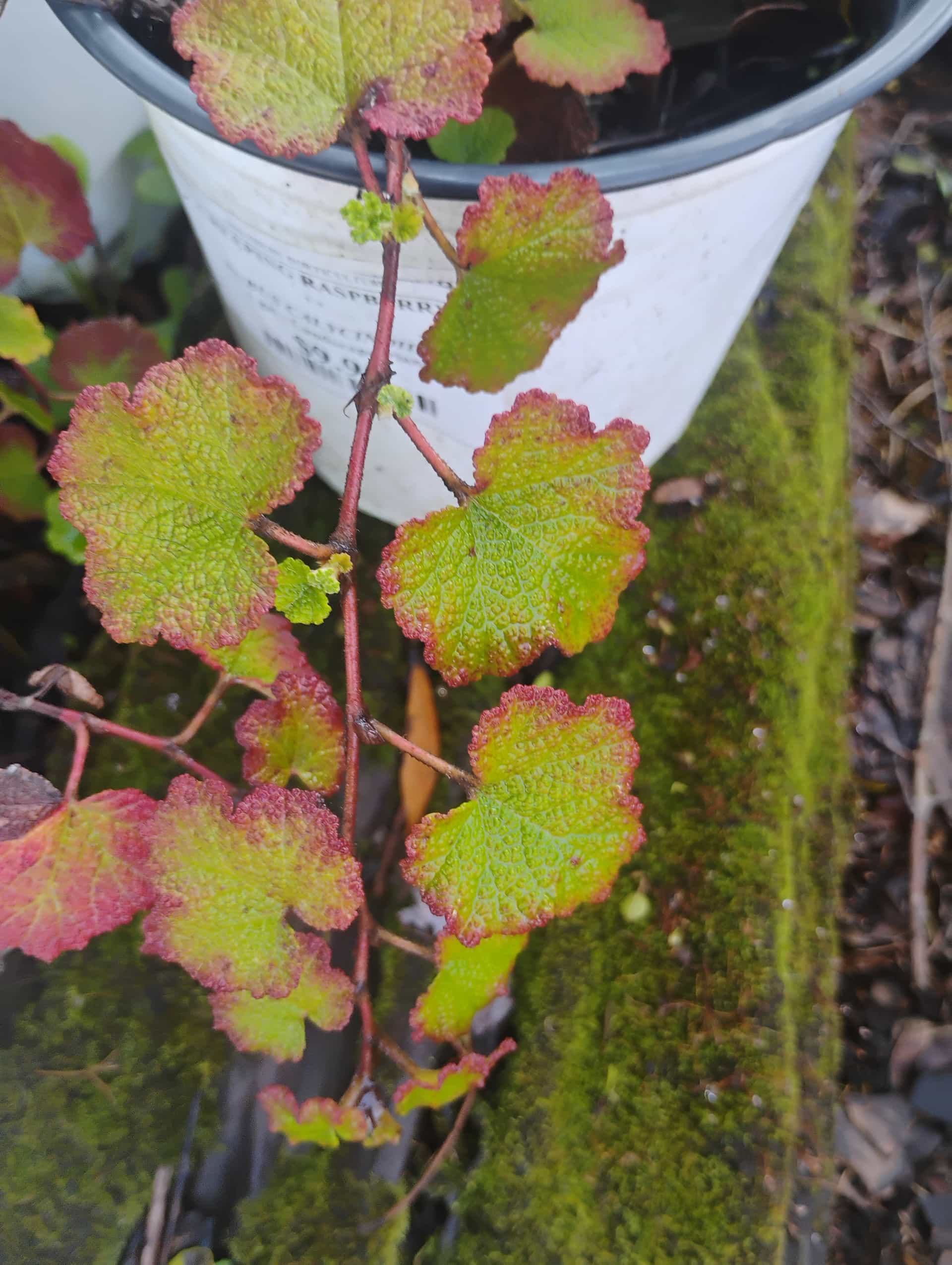
Creeping Raspberry
 Groundcover
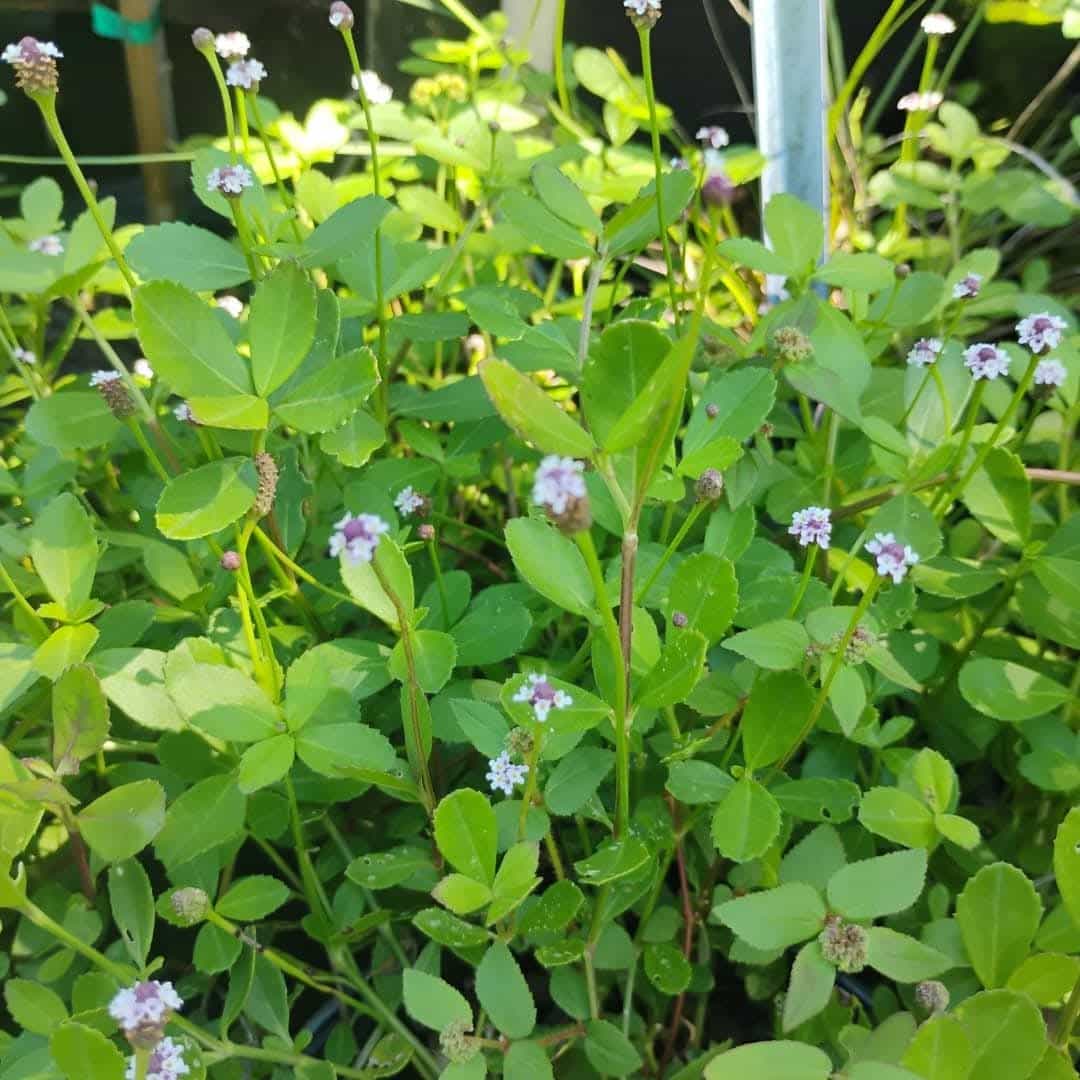
Frogfruit
 Groundcover
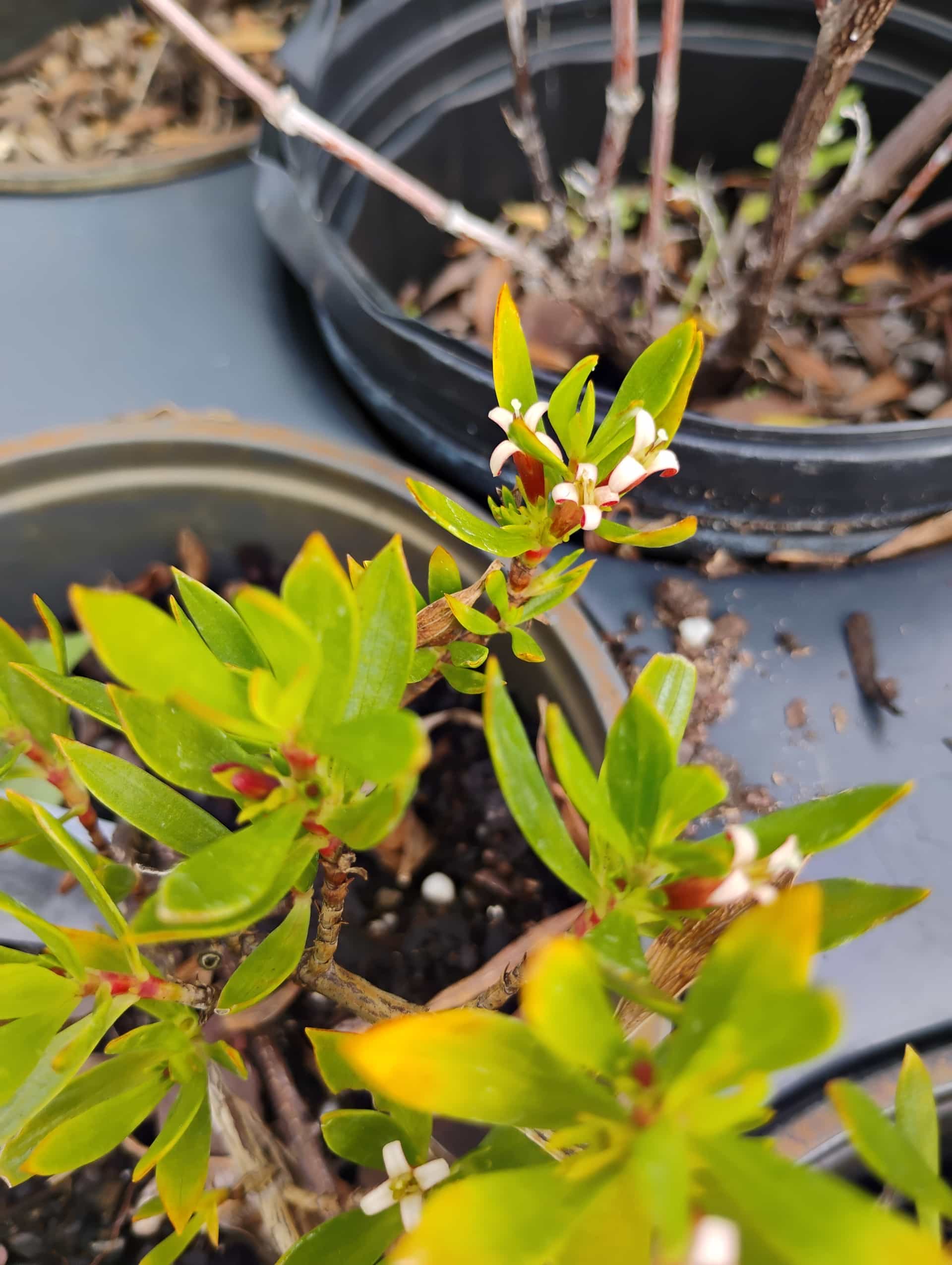
Golden Creeper
 Groundcover
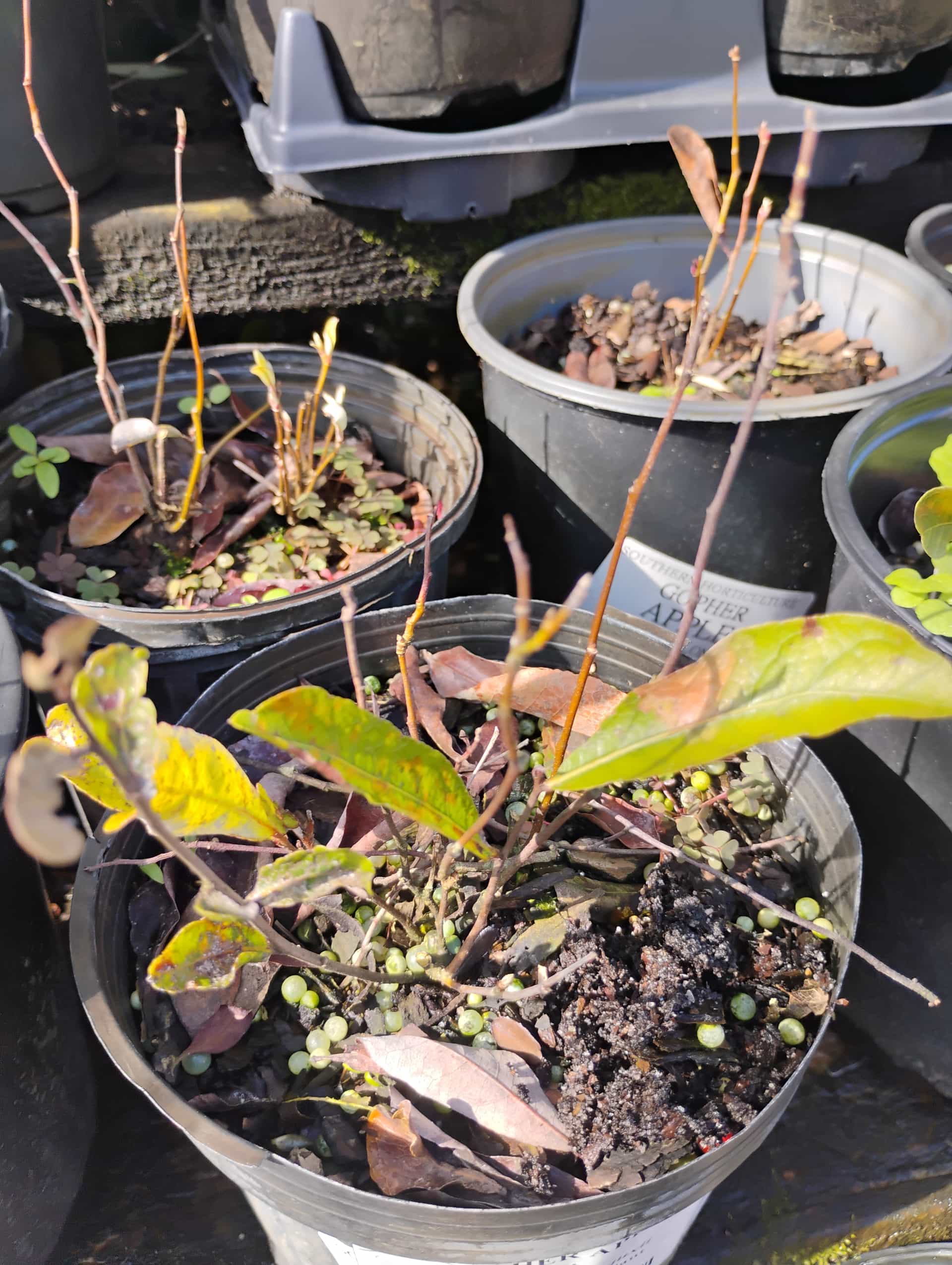
Gopher Apple
 Groundcover
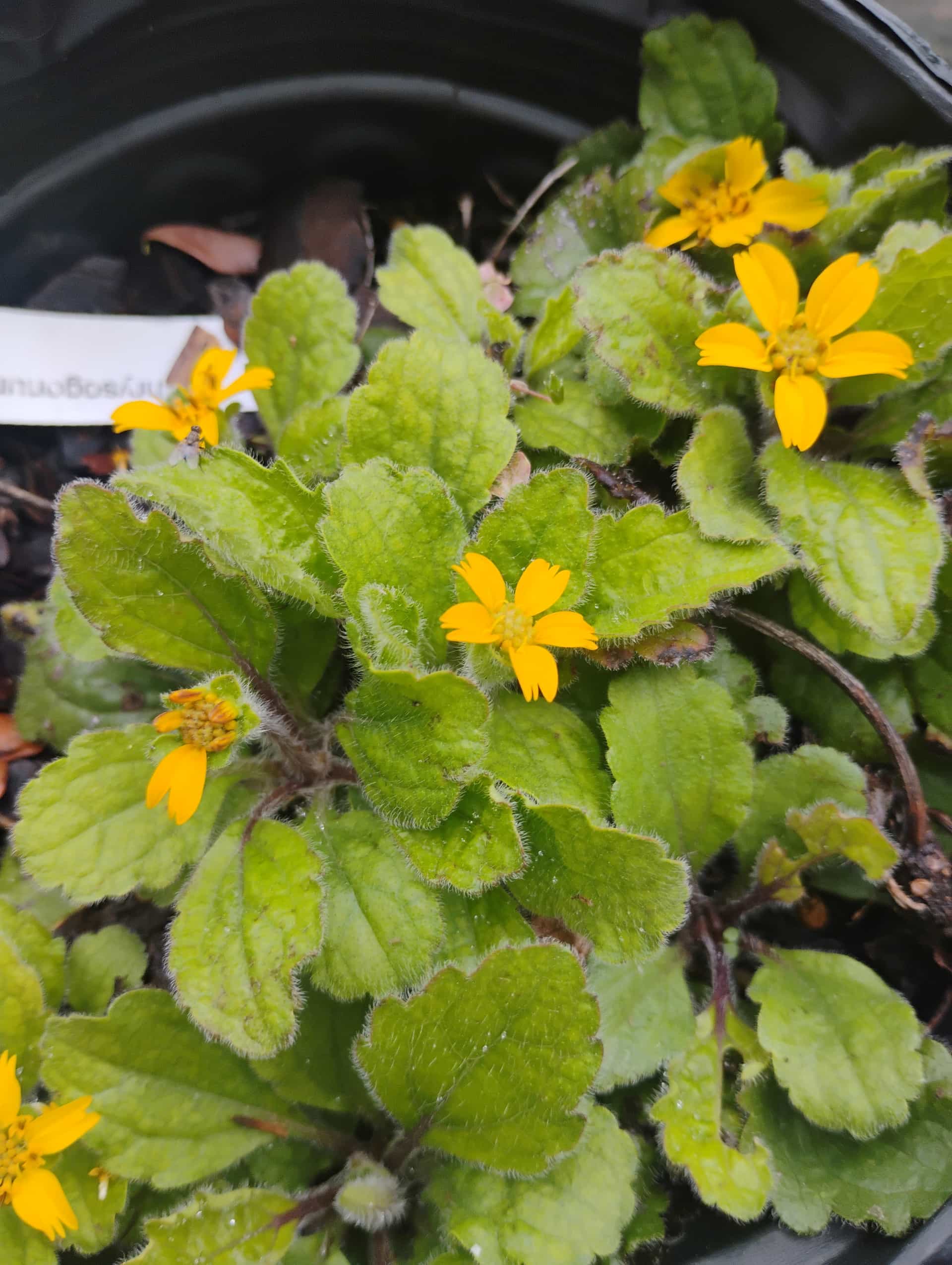
Green and Gold
 Groundcover
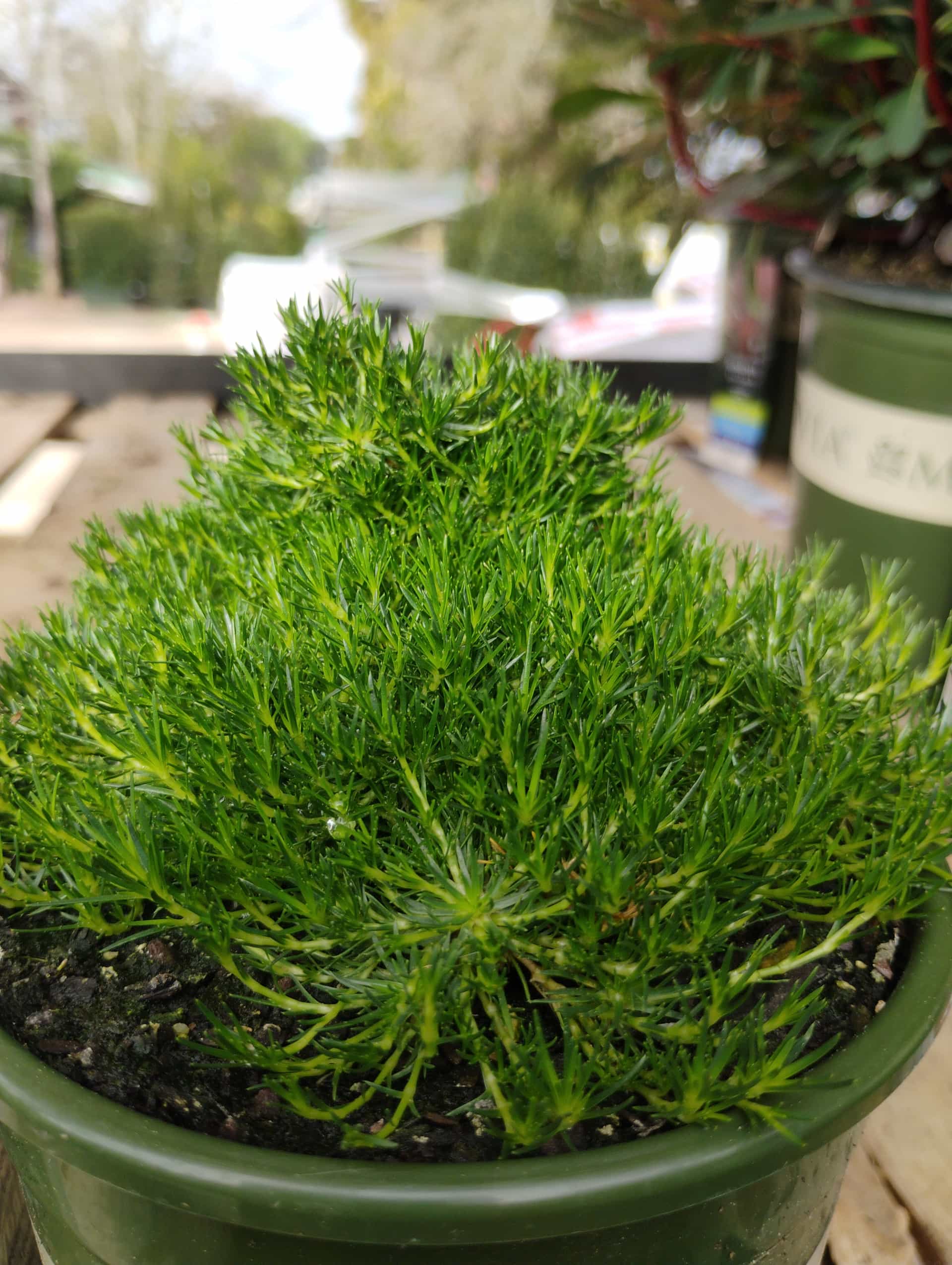
Irish Moss
 Groundcover
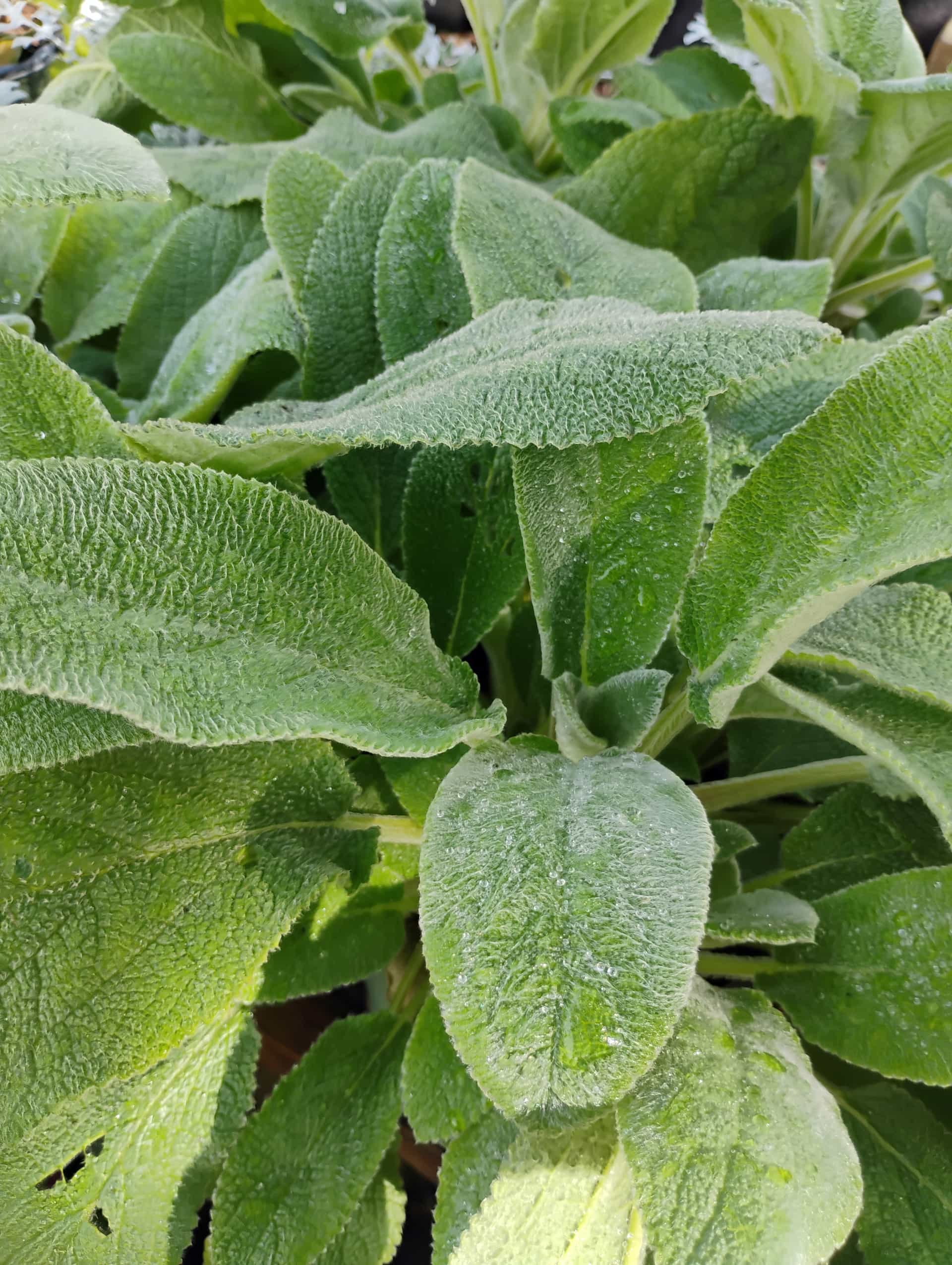
Lamb's Ear
 Groundcover
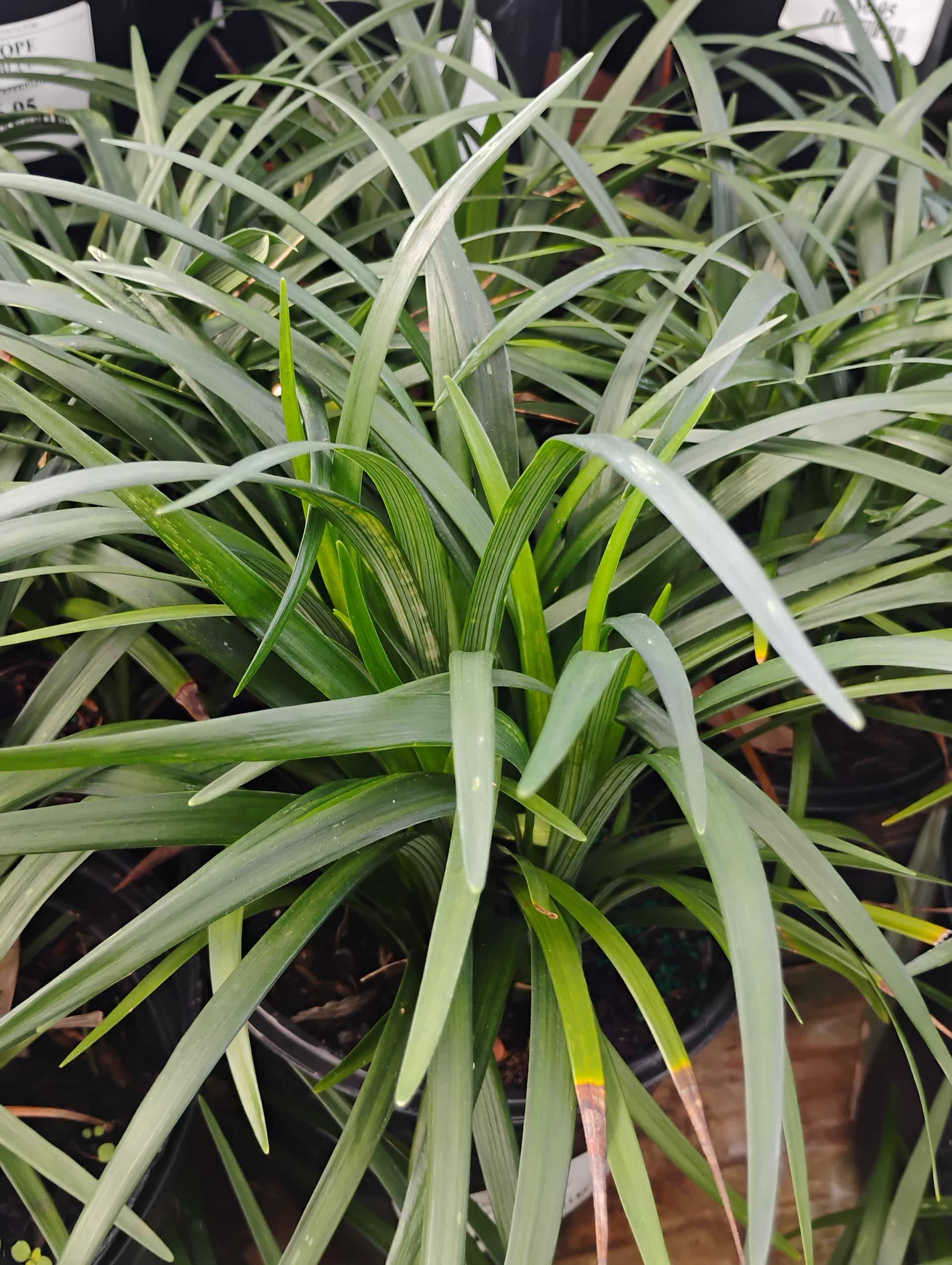
Liriope
 Groundcover
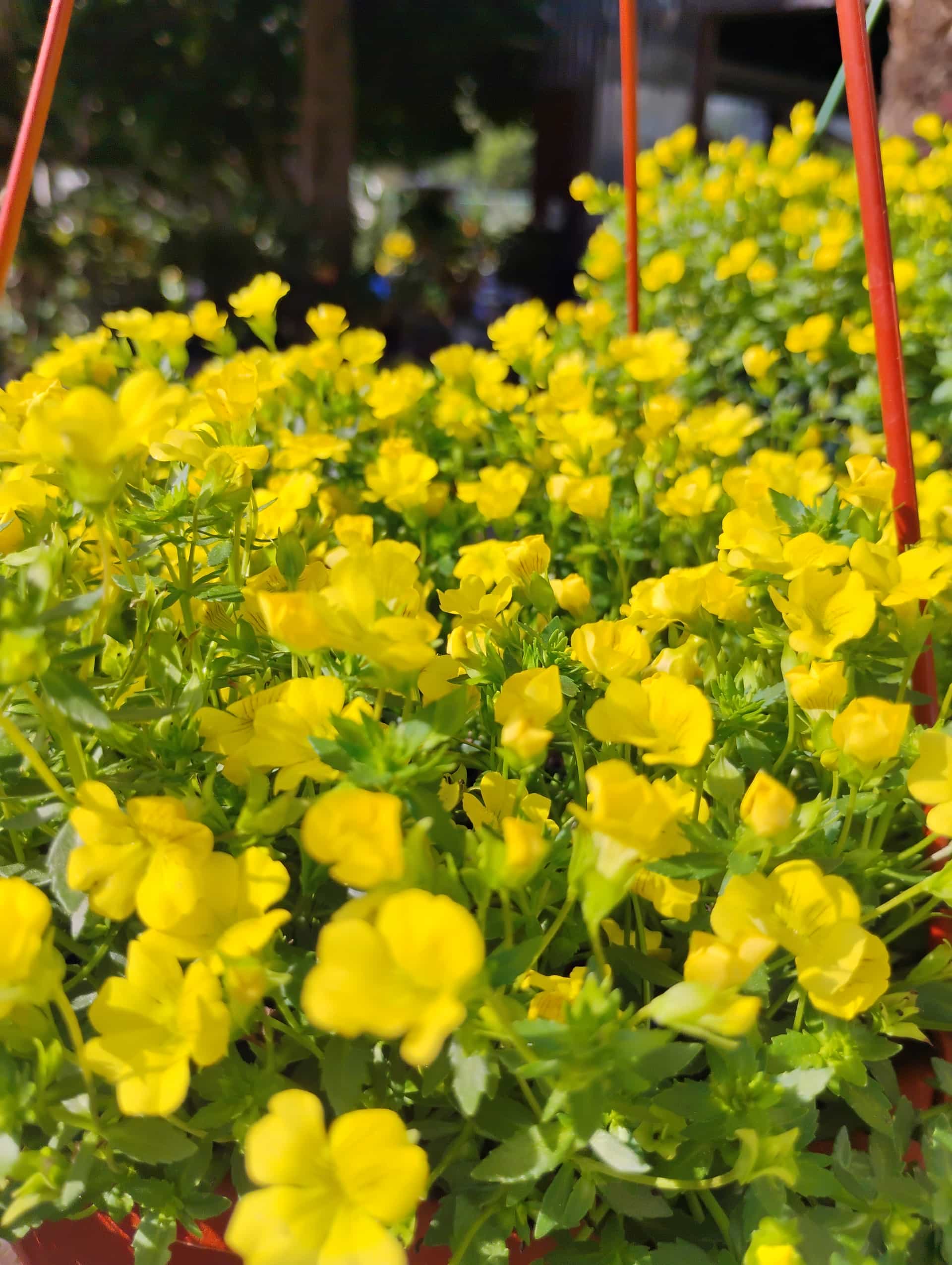
Mecardonia
 Groundcover
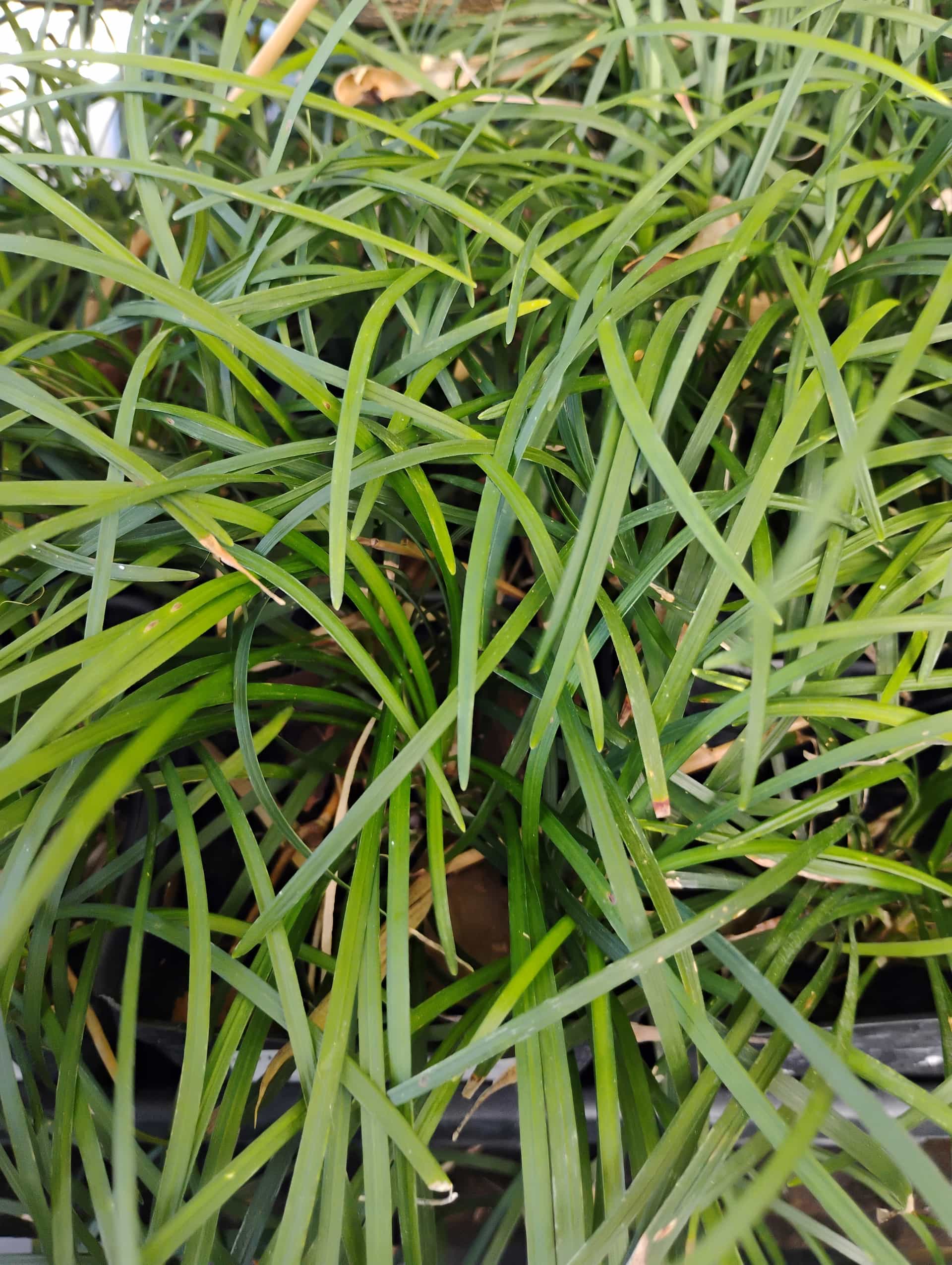
Mondo Grass
 Groundcover
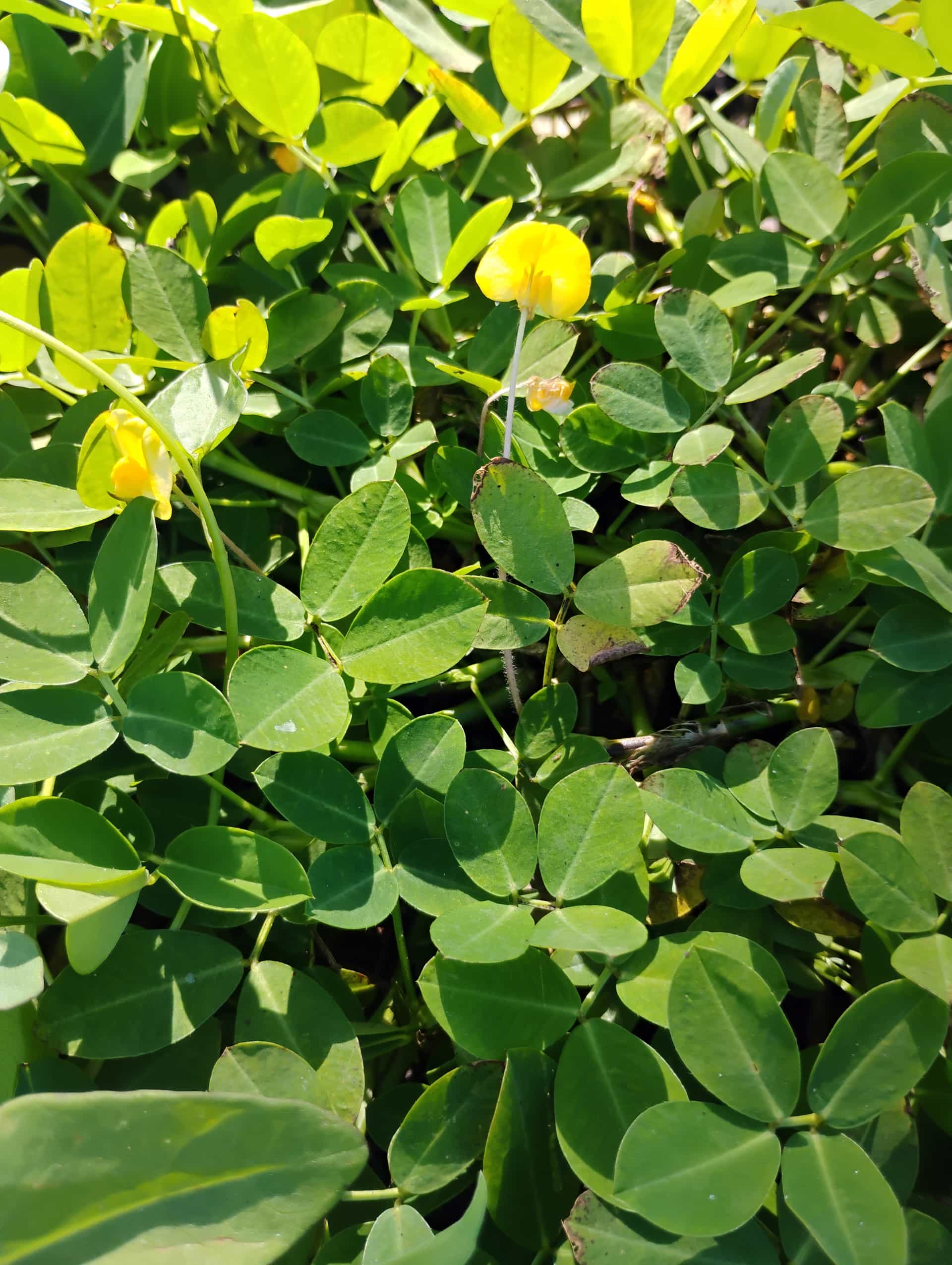
Perennial Peanut
 Groundcover
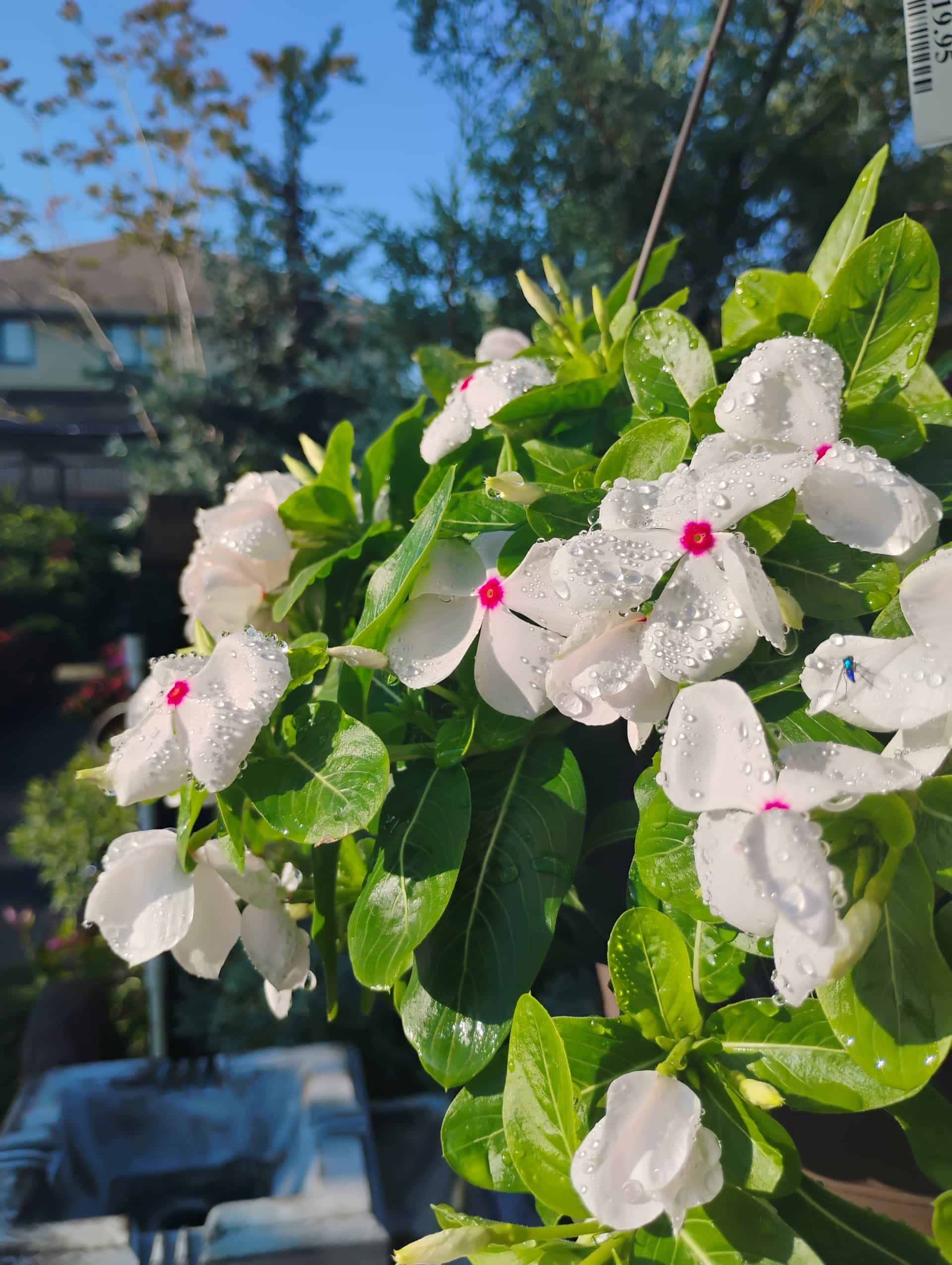
Periwinkle
 Groundcover
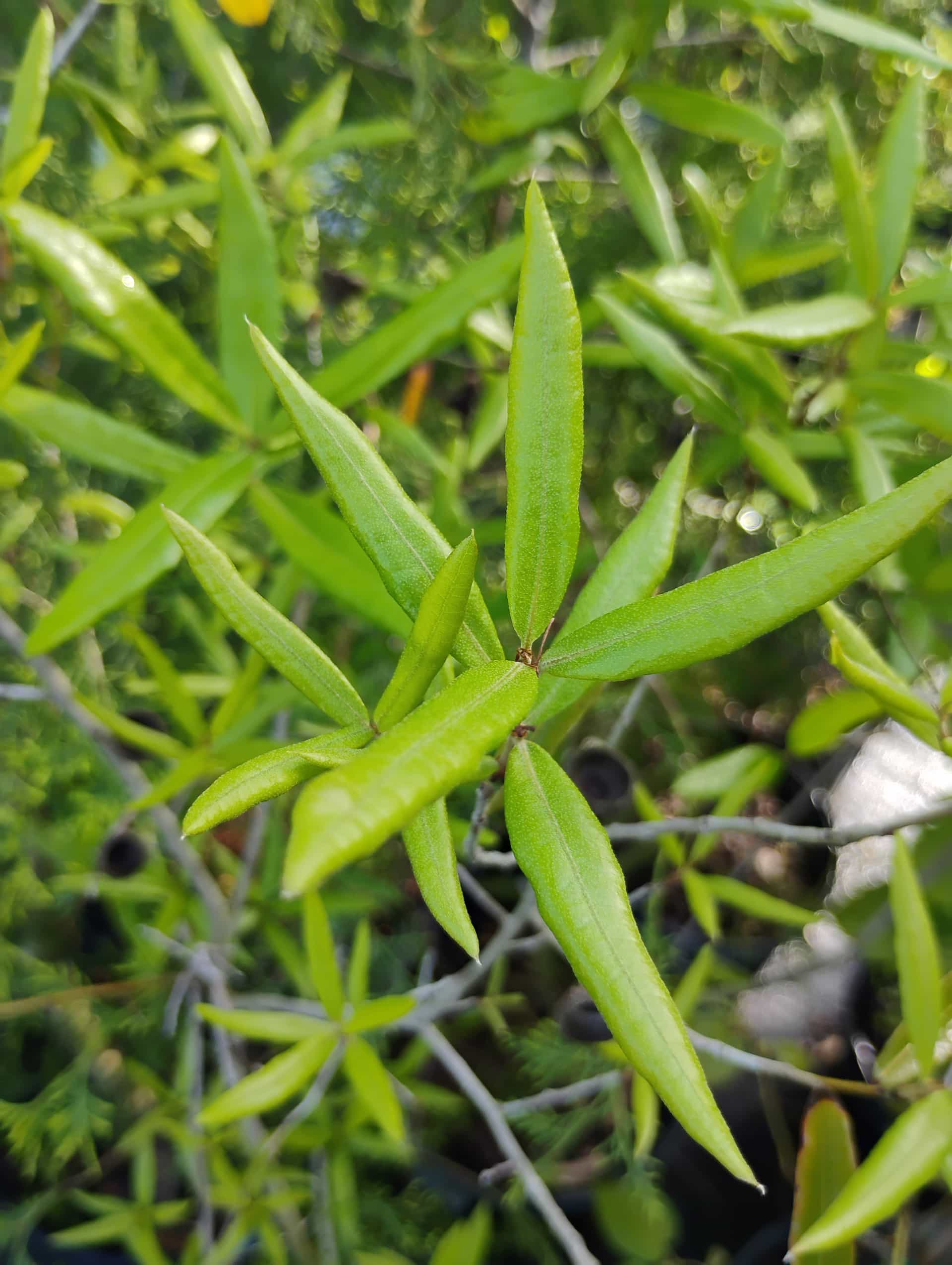
Running Oak
 Groundcover
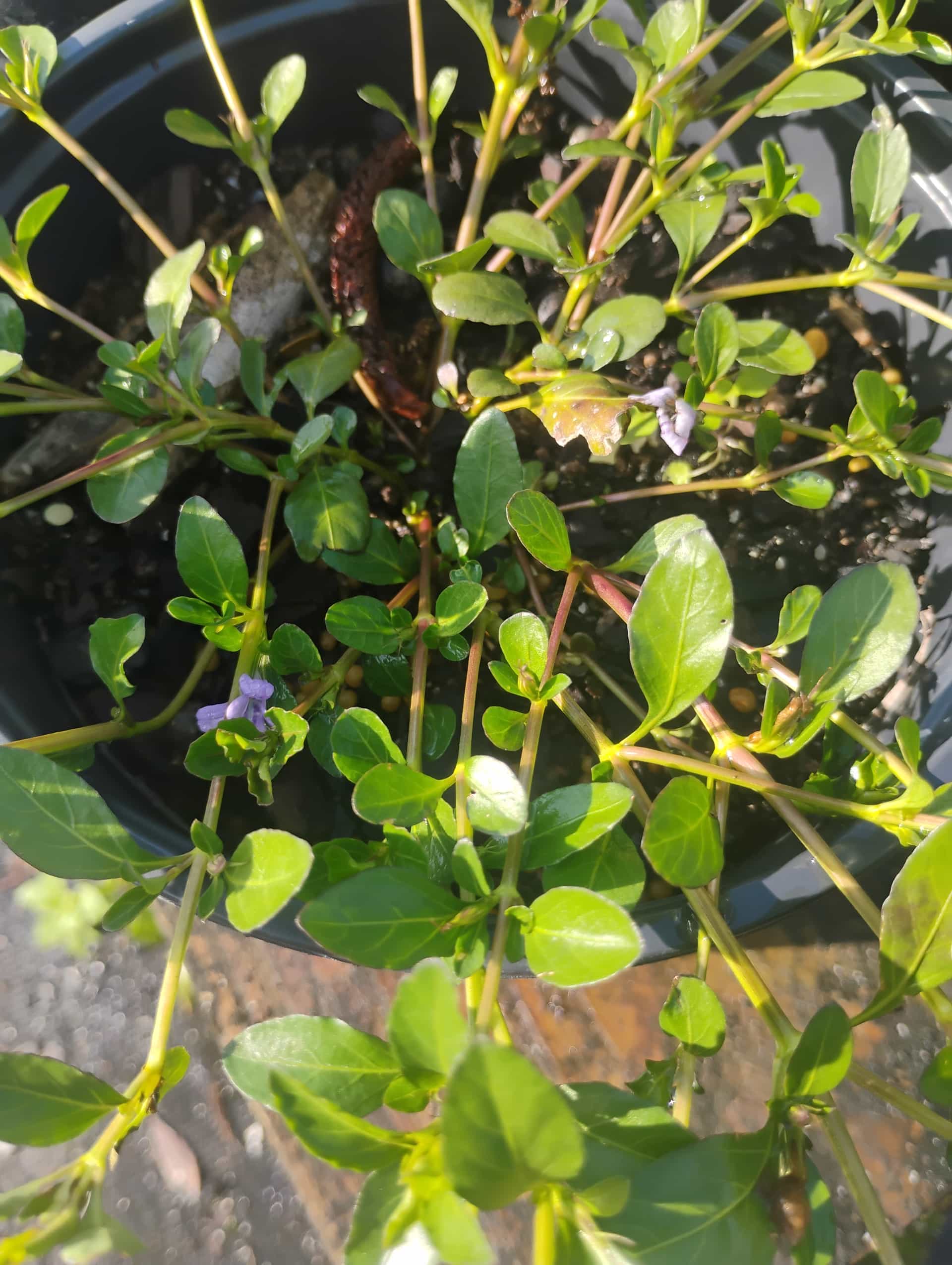
Swamp Twinflower
 Groundcover
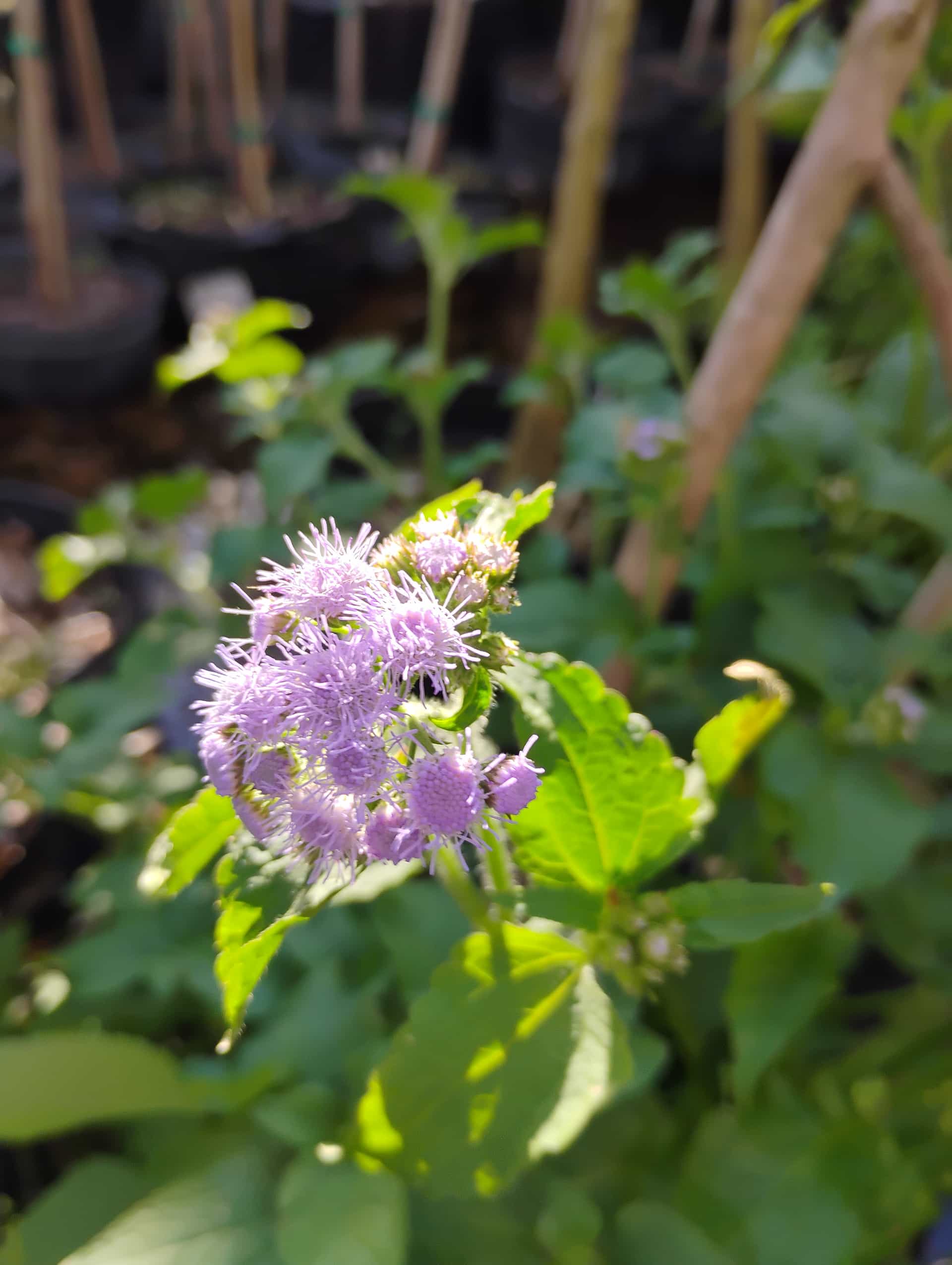
Twinflower
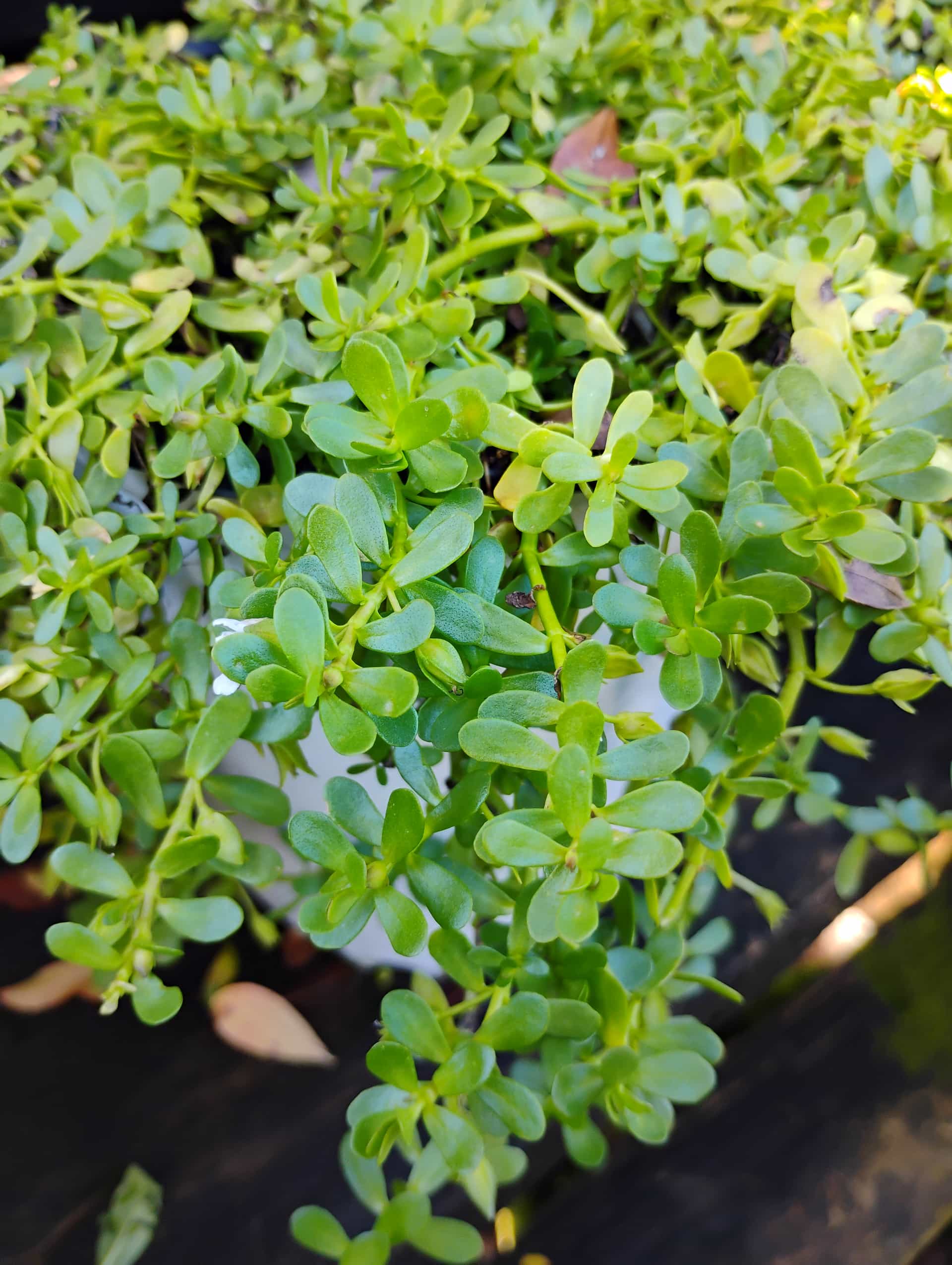 Groundcover
Water Hyssop
Page 1 of 1
Groundcovers Questions
What do groundcovers do in a landscape?+
Groundcovers spread low to cover bare beds, slopes, and borders, which can reduce weeds and soften hard edges.
How many groundcover plants do I need?+
It depends on the spread of the plant and the area you are filling; closer spacing covers faster.
Can groundcovers replace some lawn?+
In the right spot, low groundcovers can fill areas where turf struggles, such as shade or hard-to-mow slopes.
How long do groundcovers take to fill in?+
It depends on the plant and spacing. Closer spacing and steady water during establishment help them knit together faster, often within a season or two.
When is the best time to plant groundcovers?+
Fall and spring are ideal in Zone 9b so plants root in before summer heat, though container plants can go in year round with regular water.
What is the best groundcover for full sun in Florida?+
Sun-tolerant groundcovers for Zone 9b include sunshine mimosa, perennial peanut, beach sunflower, and dwarf juniper. They spread to cover beds and slopes while handling our heat and sandy soil.