
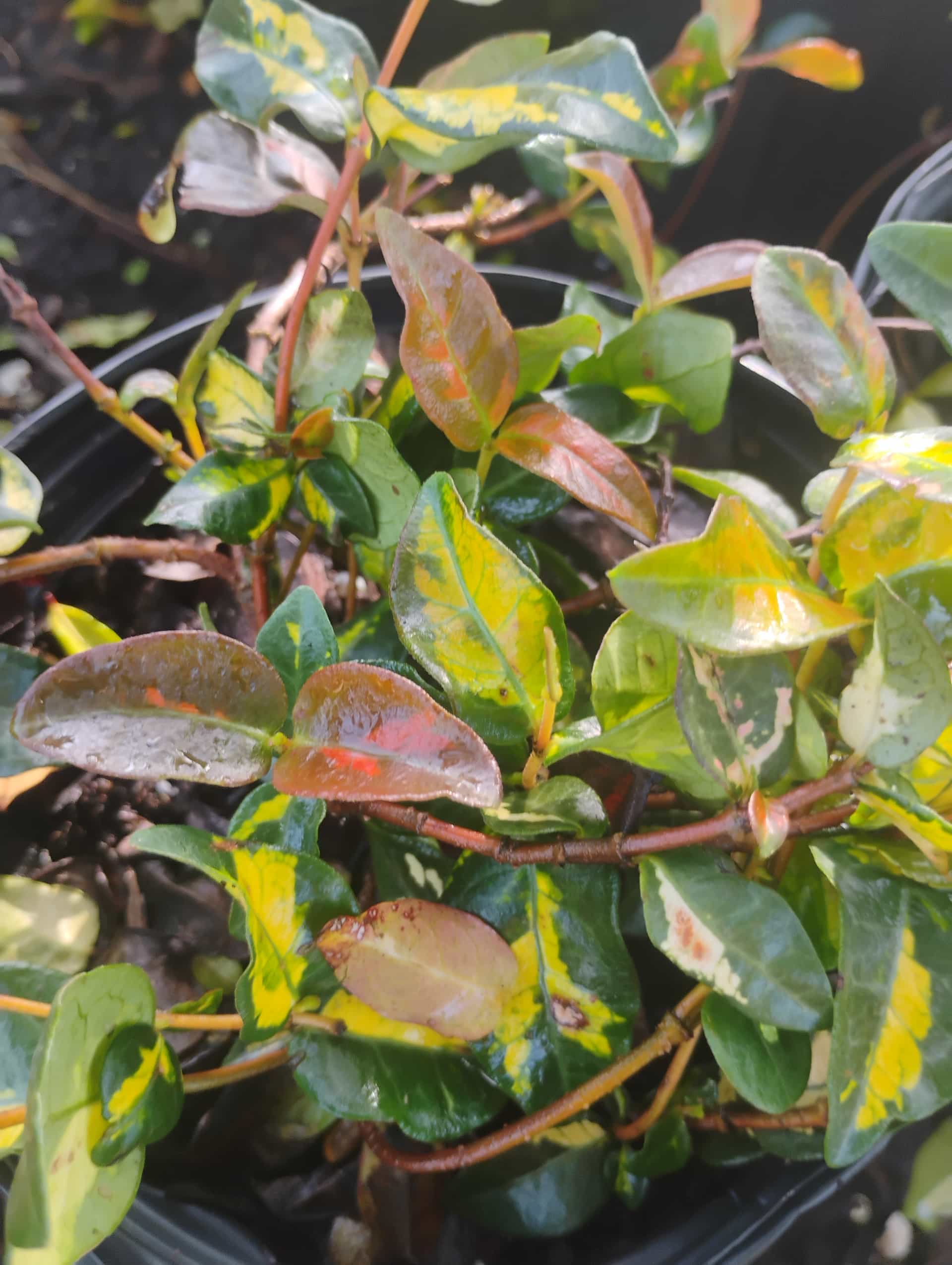
Traits
Varieties We Bring In
Angyo · Bronze Beauty · Longleaf · Tri-Color · Snow in Summer · Standard · Summer Sunset · Emerald Goddess
Snow in Summer
Snow in Summer
We received some Asiatic Jasmine on Aug 4, 2026.
We bring this in seasonally, so what is on the lot changes week to week. A received date shows when it last came in, not that it is here today.
Call (904) 471-0440 to confirm this plant and size before you make the trip.
Last received Aug 4, 2026.
We bring this in seasonally, so what is on the lot changes week to week. A received date shows when it last came in, not that it is here today.
Call (904) 471-0440 to confirm this plant and size before you make the trip.
Pet toxicity: Non-toxic to dogs and cats
Pet safety guideAbout Asiatic Jasmine
Asiatic Jasmine (Trachelospermum asiaticum) is a vigorous evergreen groundcover native to Japan and Korea, forming a dense, weed-suppressing mat of small, glossy dark green leaves on woody twining stems. It is one of the most widely used low-maintenance groundcovers in warm-climate landscapes.
Plant details
- Bloom Season
- Rarely blooms in Florida
- Flower Color
- Yellow
- Growth Rate
- Slow
- Foliage
- Evergreen
- Soil
- Sandy, Loam, Clay, Well-drained
Best planting months
Recommended months: March, April, May, September, October, November.
Seasonal care
Bloom season. Good planting window.
Handles summer heat well once established.
Ideal planting window.
Retains foliage through winter.
Care essentials
Asiatic jasmine is exceptionally adaptable to light conditions — from full shade to full sun — making it one of NE Florida's most versatile groundcovers. In full sun it requires adequate irrigation until established; it prefers moderate shade in the hottest exposures. Rarely blooms in Florida under any light condition.
Once established, Asiatic jasmine is highly drought-tolerant and rarely needs supplemental irrigation in NE Florida beyond the first growing season. Water regularly during establishment (first 6–12 months). Avoid prolonged waterlogging; it tolerates most soils except permanently wet conditions.
Plant in virtually any well-draining soil — sandy, loam, or clay. Minimal fertilization is needed; a light application of balanced slow-release fertilizer in spring supports establishment. Trim edges occasionally to keep it in bounds; it does not require mowing.
Similar needs

Liriope
Shares 3 of the same needs: full sun, sandy, and zone 9a hardiness.
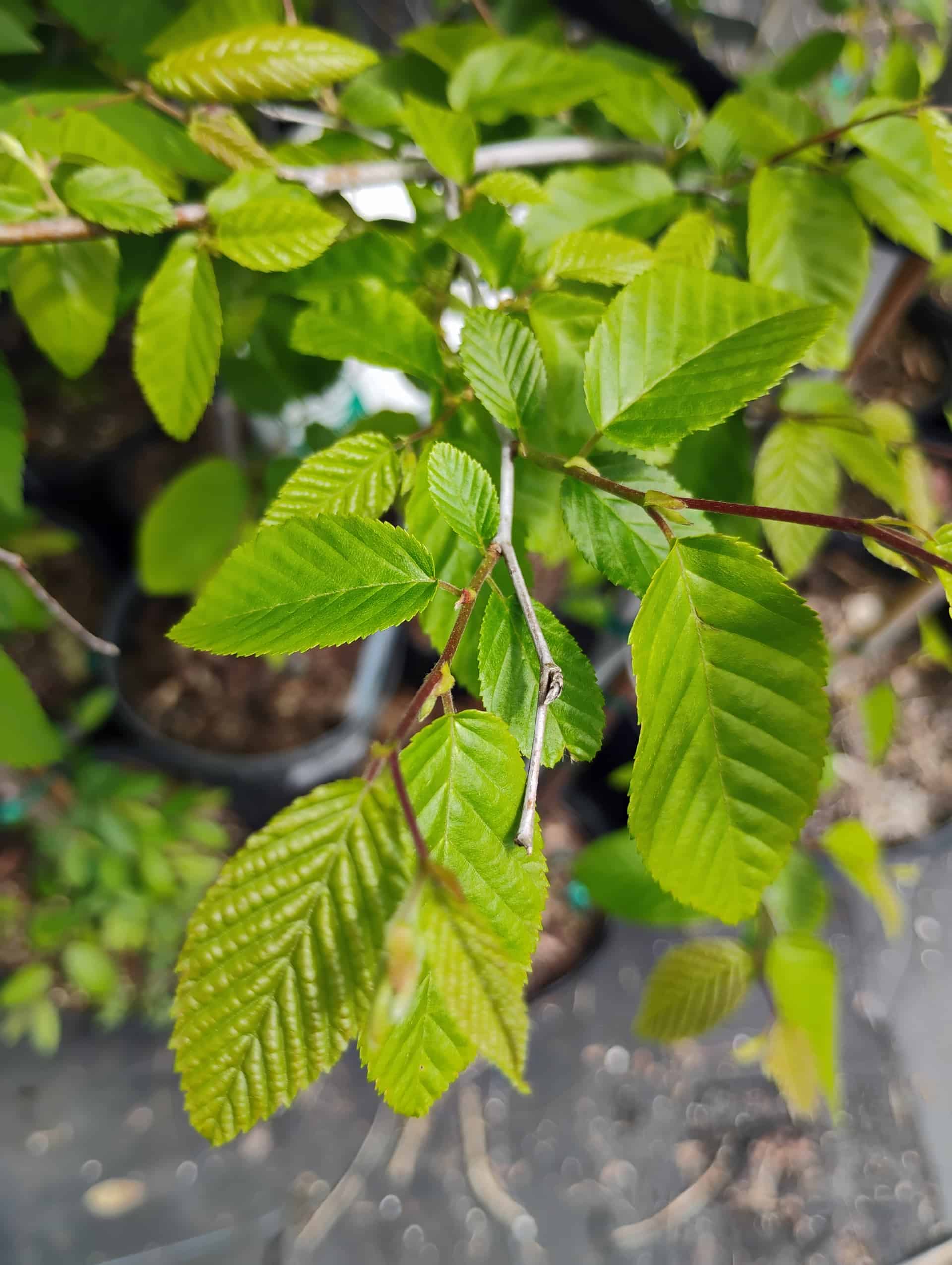
American Hornbeam
Shares 3 of the same needs: full sun, sandy, and zone 9a hardiness.

Autumn Fern
Shares 3 of the same needs: shade, sandy, and zone 9a hardiness.

Creeping Fig
Shares 3 of the same needs: shade, sandy, and zone 9a hardiness.
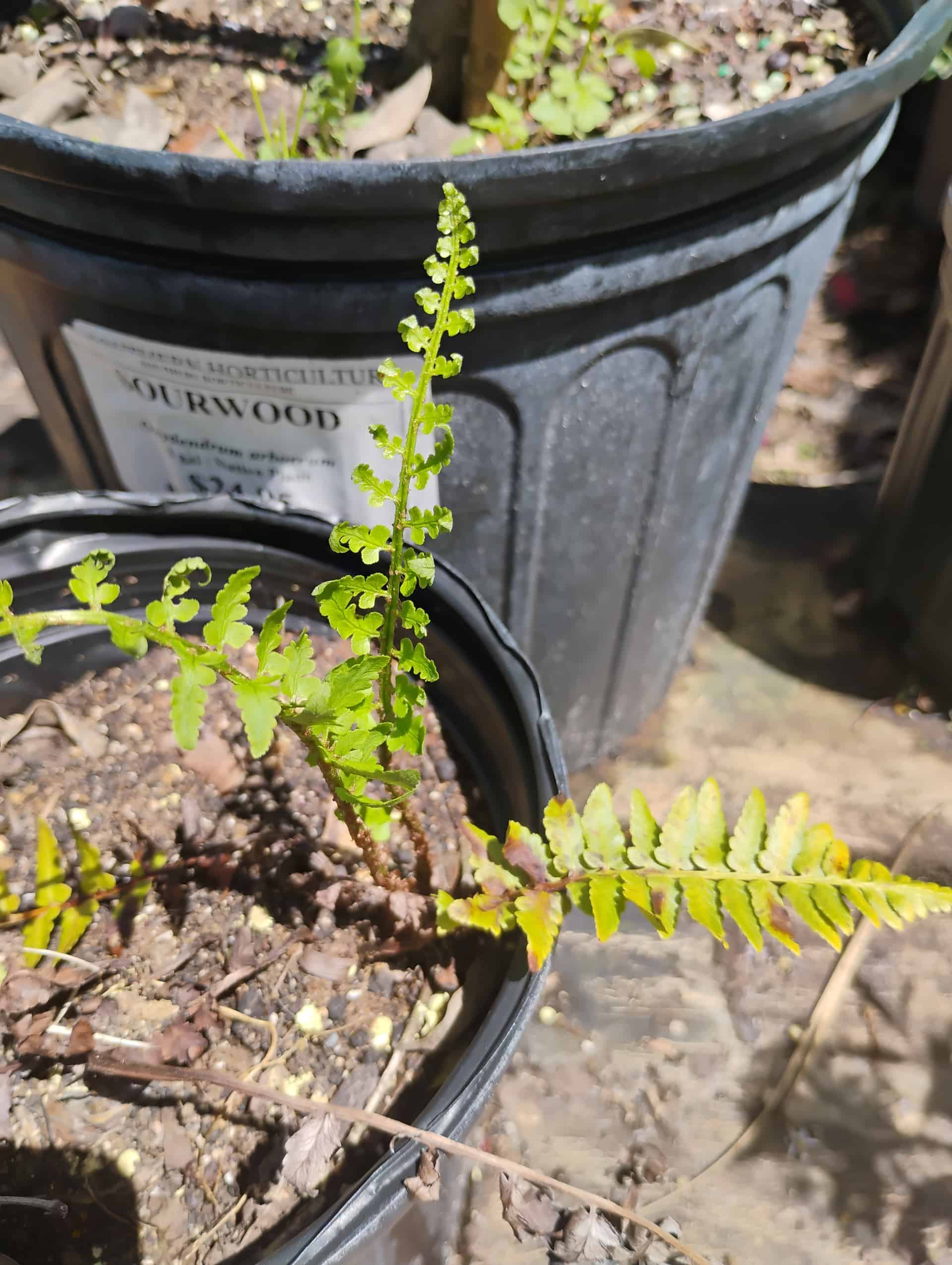
Southern Wood Fern
Shares 3 of the same needs: shade, sandy, and zone 9a hardiness.
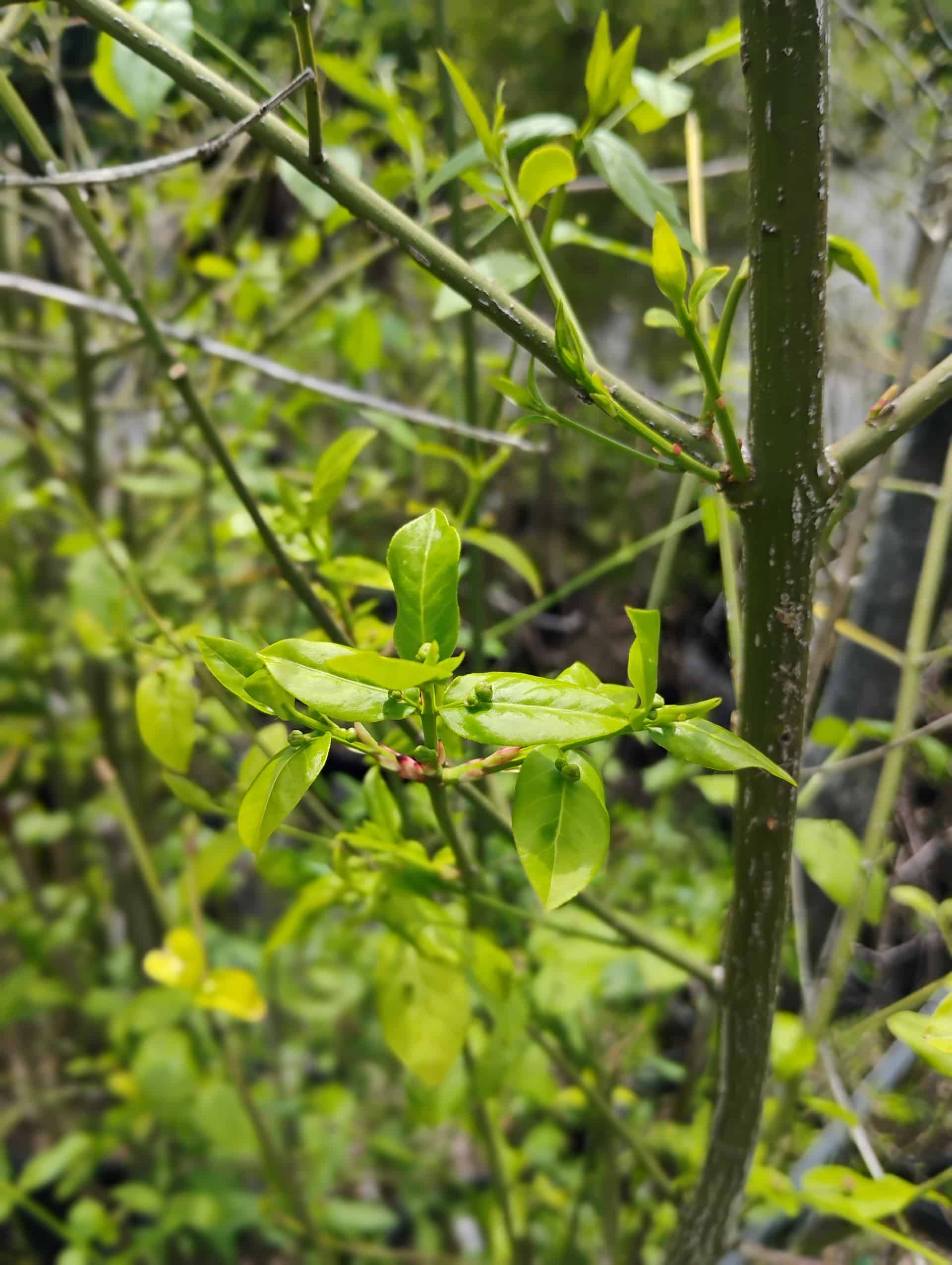
Strawberry Bush
Shares 3 of the same needs: shade, sandy, and zone 9a hardiness.
You may also like
 Groundcover
Baby Sun Rose
Aptenia cordifolia
Baby Tears
Soleirolia soleirolii
 Groundcover
Creeping Raspberry
Rubus hayata-koidzumii
Common questions
Is Asiatic Jasmine a good plant for St. Augustine?
Asiatic Jasmine is a groundcover. Mature size: 0.5-1.5 feet × 3+ feet (spreads indefinitely as groundcover). Light: Full Sun, Part Shade, Full Shade. Water needs: Low. Recorded hardiness zone: 9a.
What is the recorded pet toxicity for Asiatic Jasmine?
Non-toxic to dogs and cats
Care information verified from
Last reviewed March 2026. Our care guidance comes from trusted horticulture sources and decades of helping St. Augustine gardeners. Conditions here can vary dramatically from one area to the next, so come ask us and we'll tailor it to your yard.