
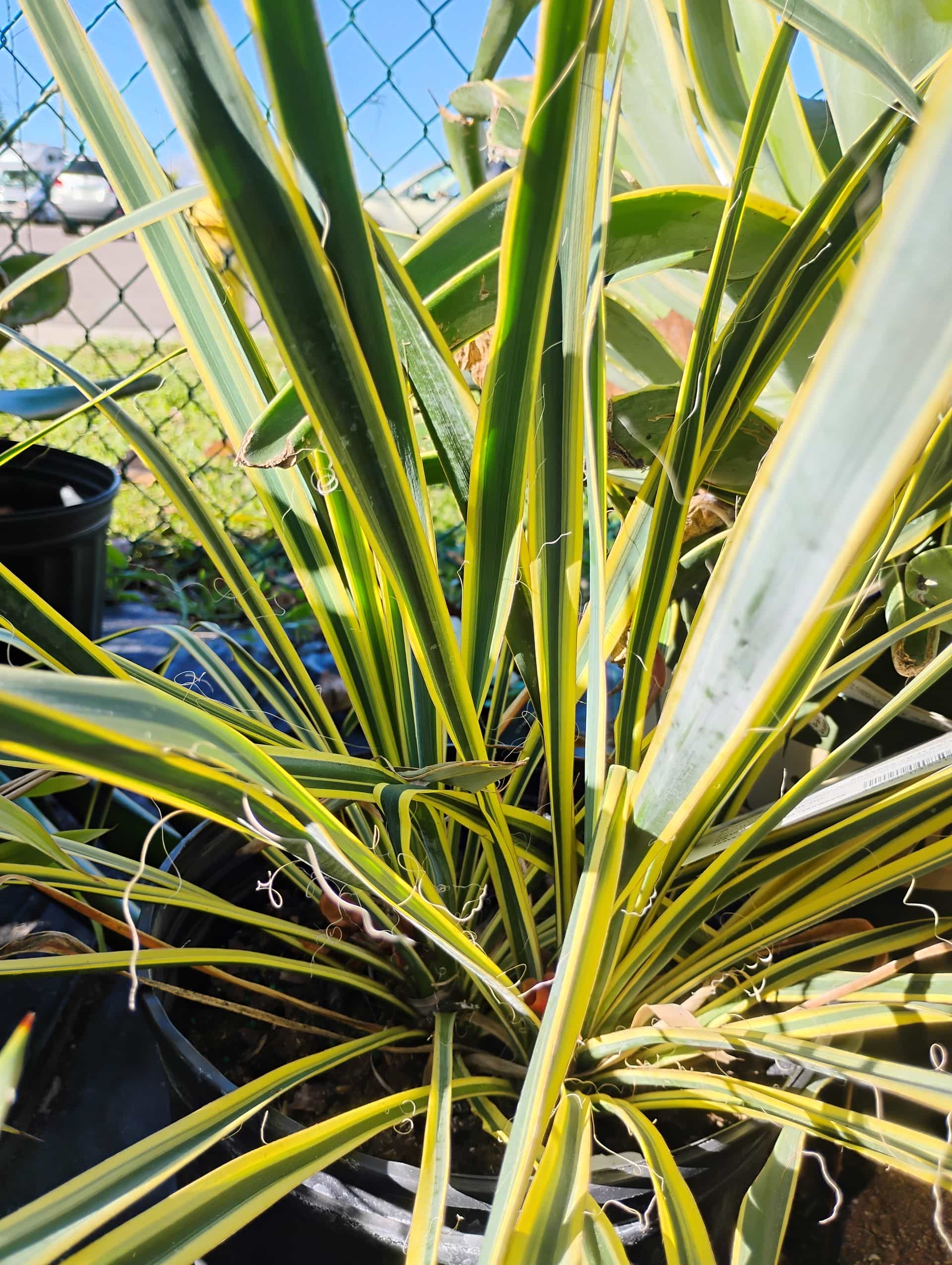
 Shrub
Adam's Needle
Yucca filamentosa
- Light
- Full Sun
- Water
- Low
- Size
- 2-4 feet; flower stalks 4-8 feet × 3-5 feet
Plants built for life near the beach: salt spray, sandy soil, wind, heat, and bright coastal exposure.
Beach-proof picks for exposed gardens.
Read salt guideBrowse the collection
ShrubYucca filamentosa
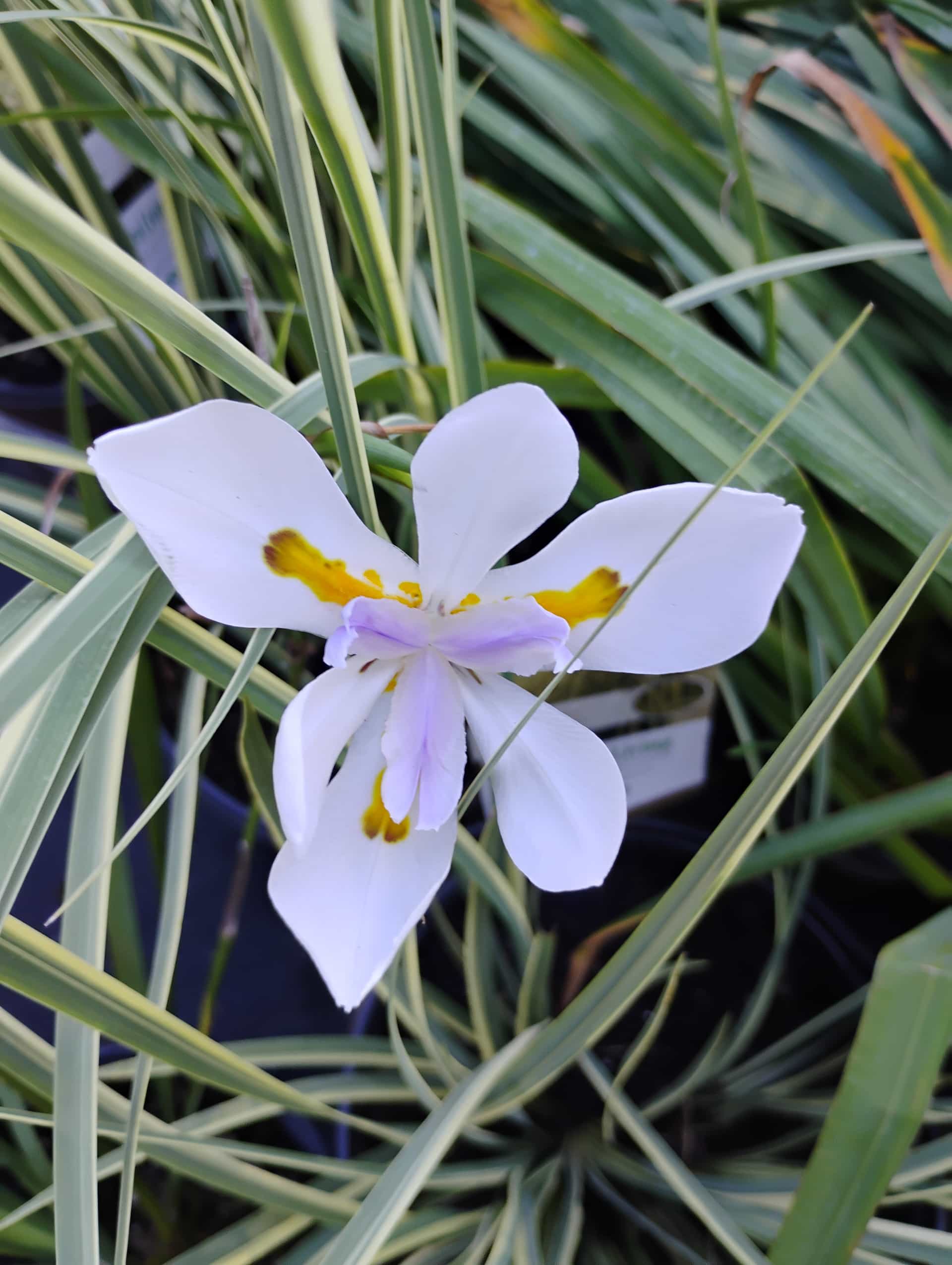 Perennial
Dietes iridioides
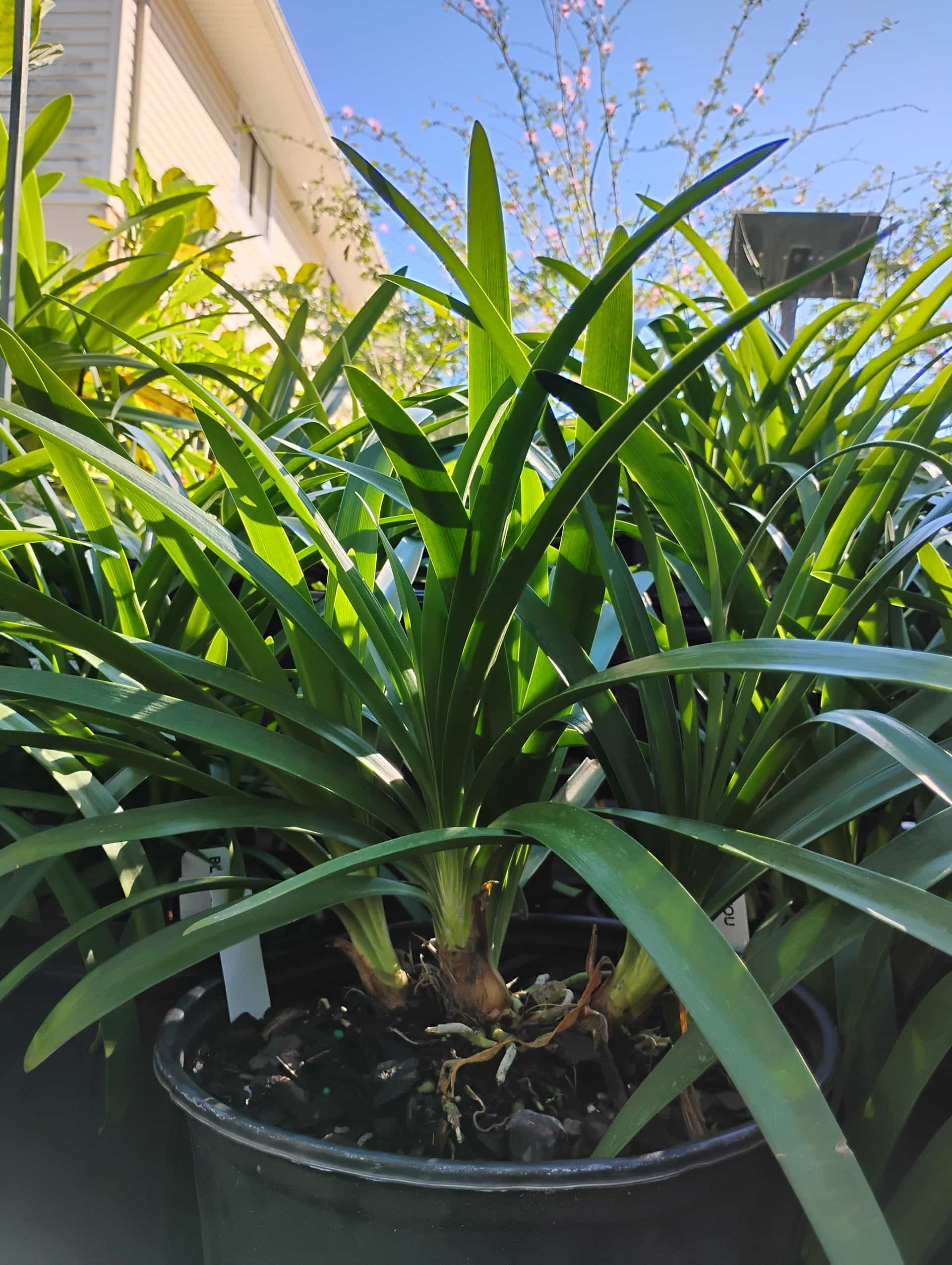 Perennial
Agapanthus praecox
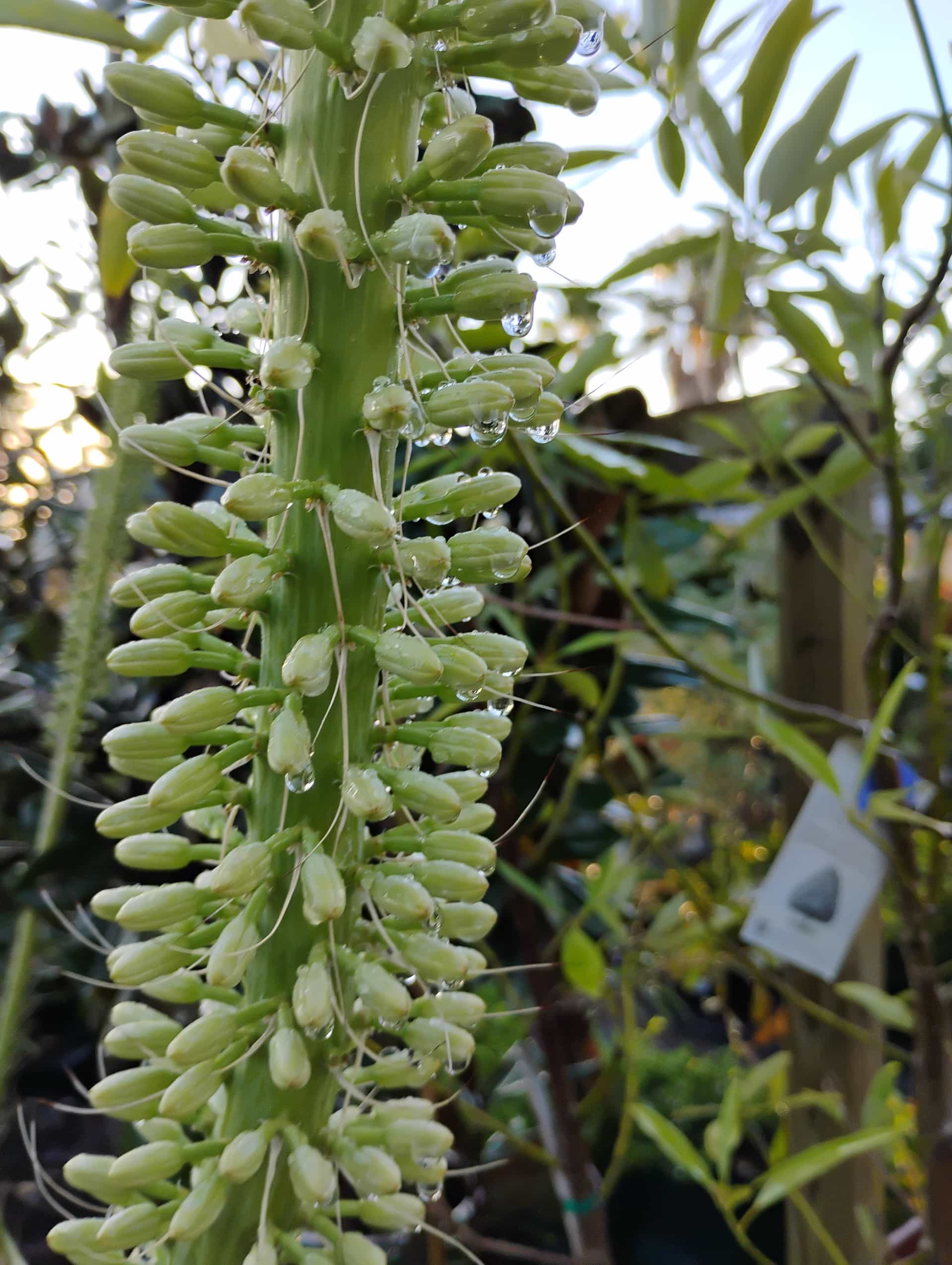 Succulent
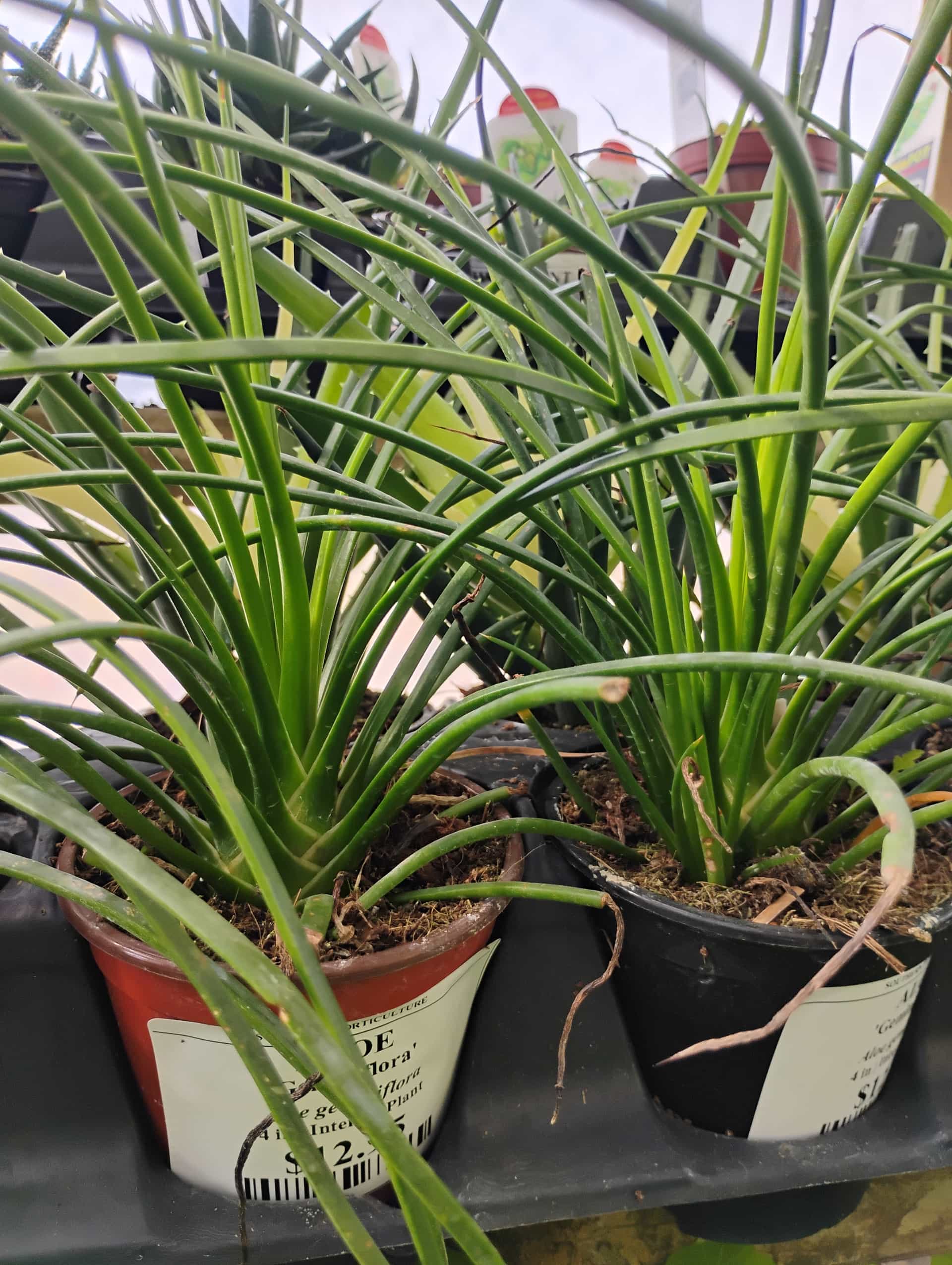 Succulent
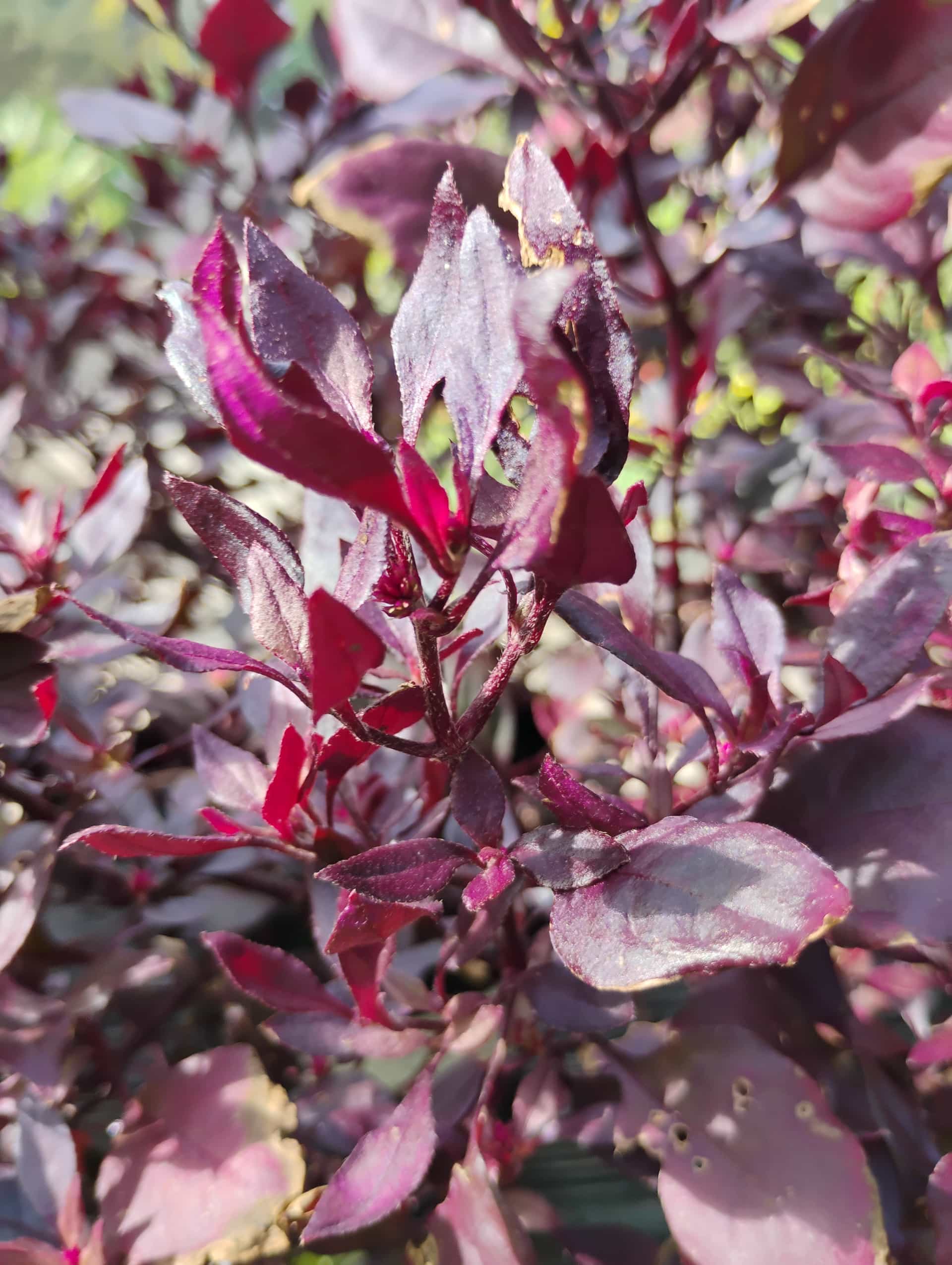 Perennial
Alternanthera brasiliana
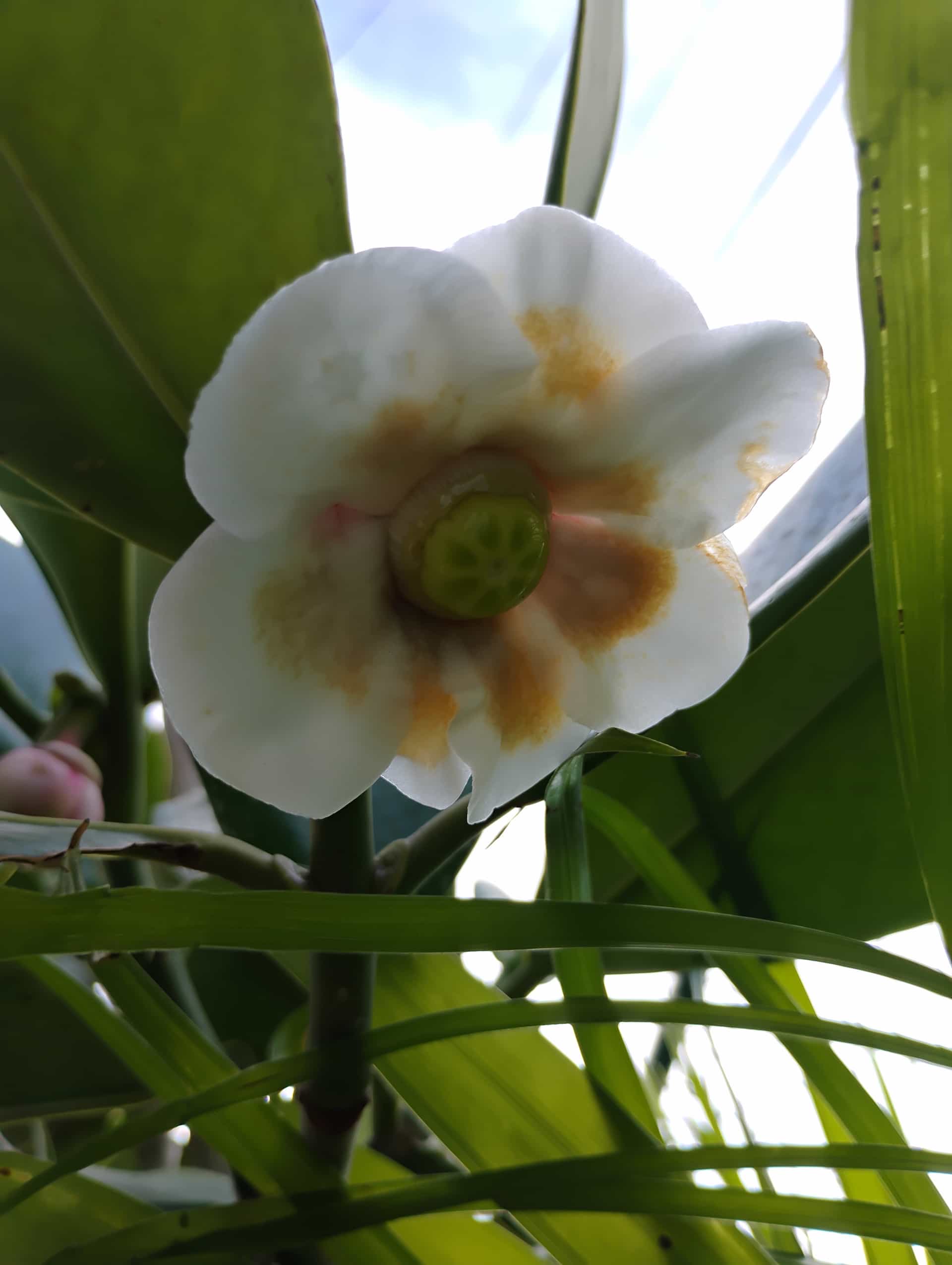 Tree
Clusia rosea
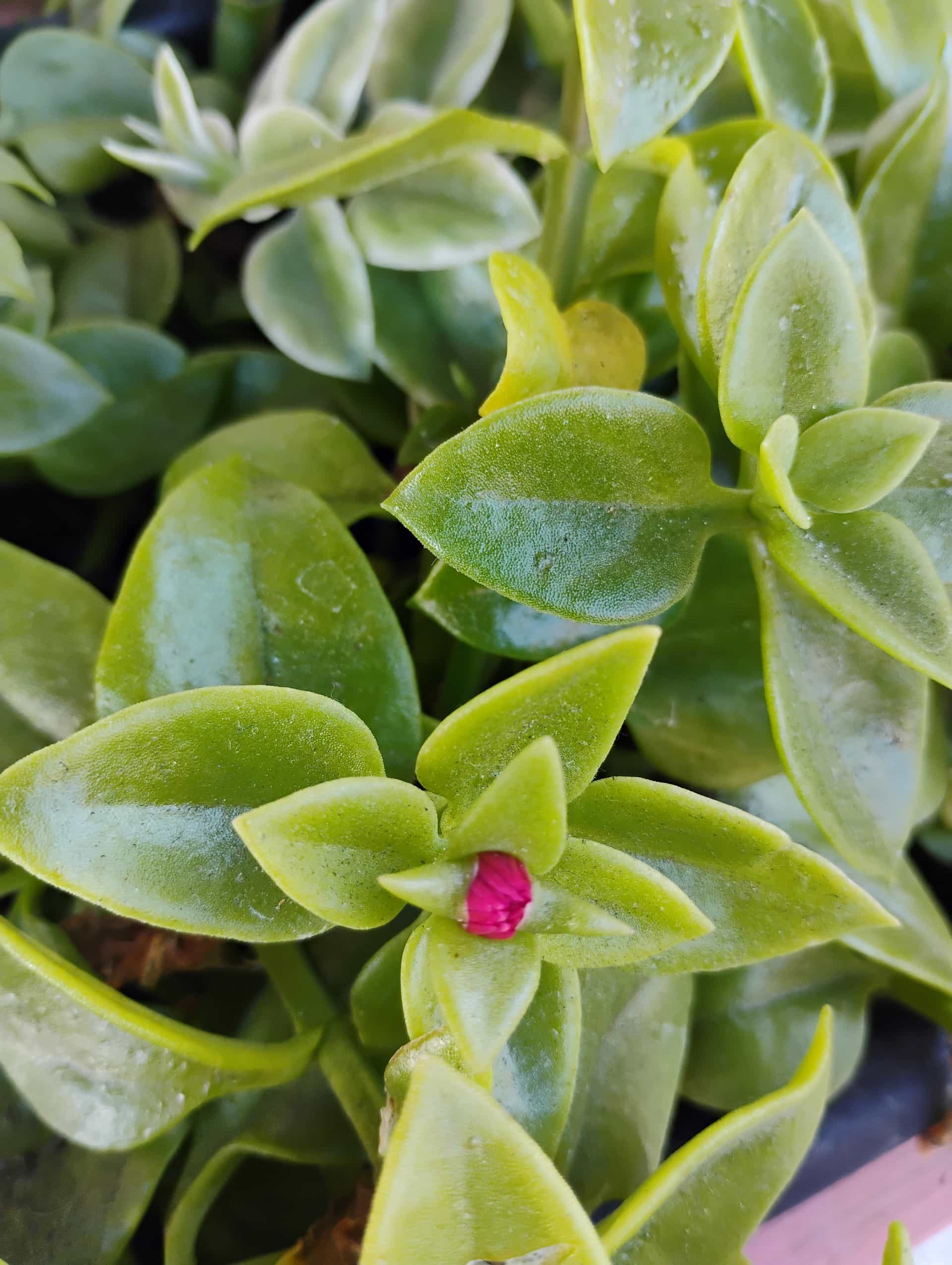 Groundcover
Aptenia cordifolia
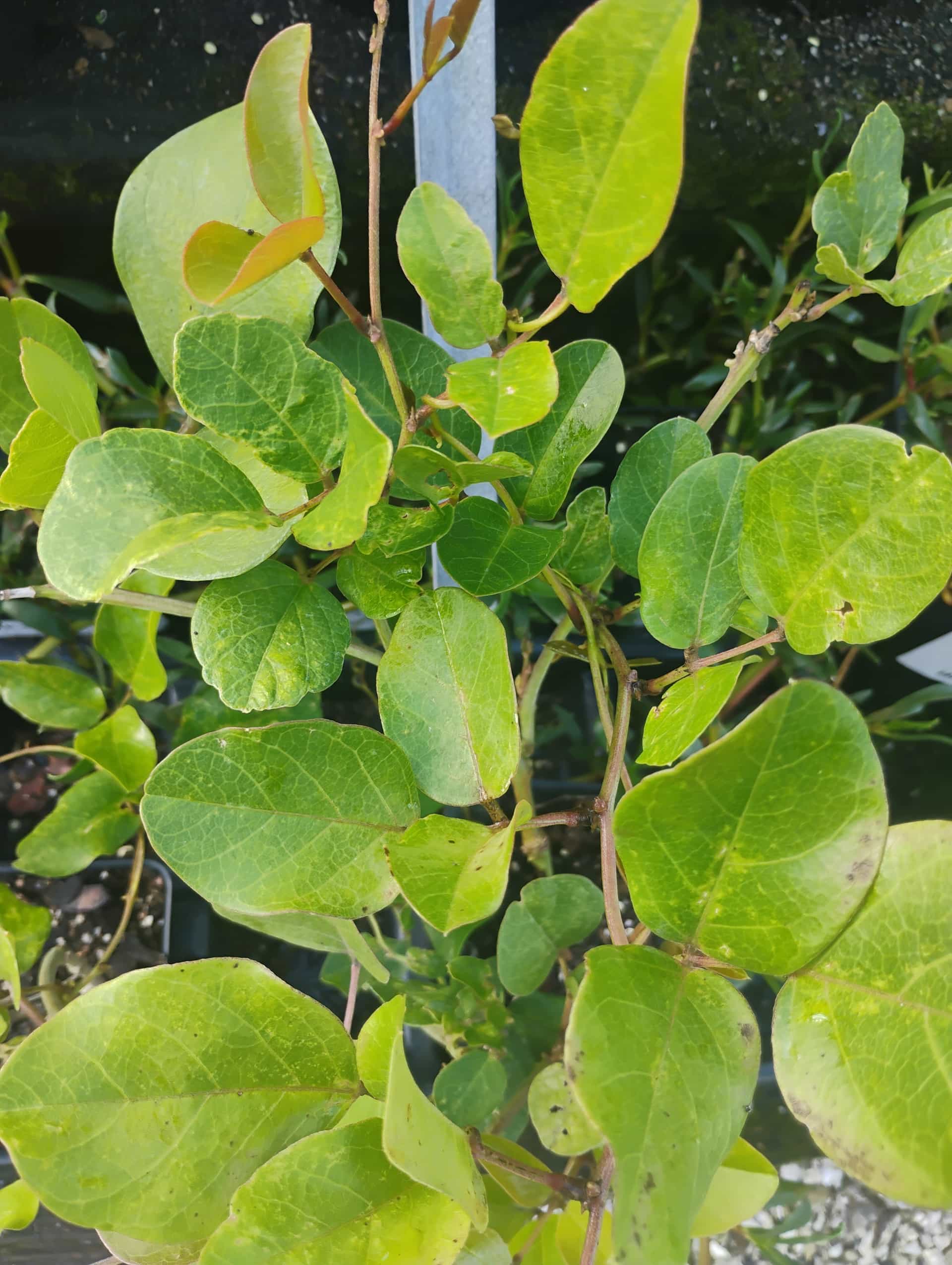 Vine
Canavalia rosea
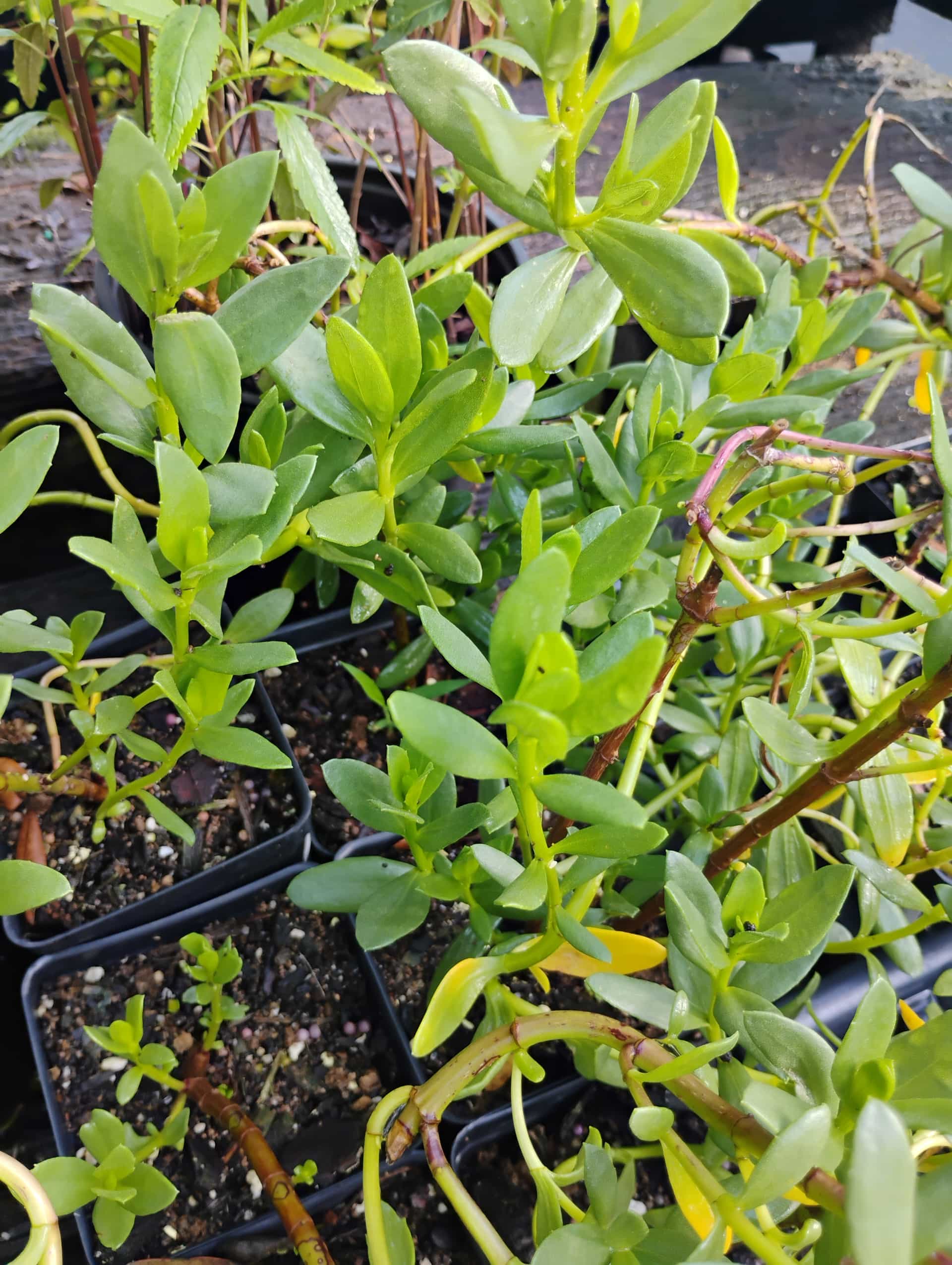 Shrub
Iva imbricata
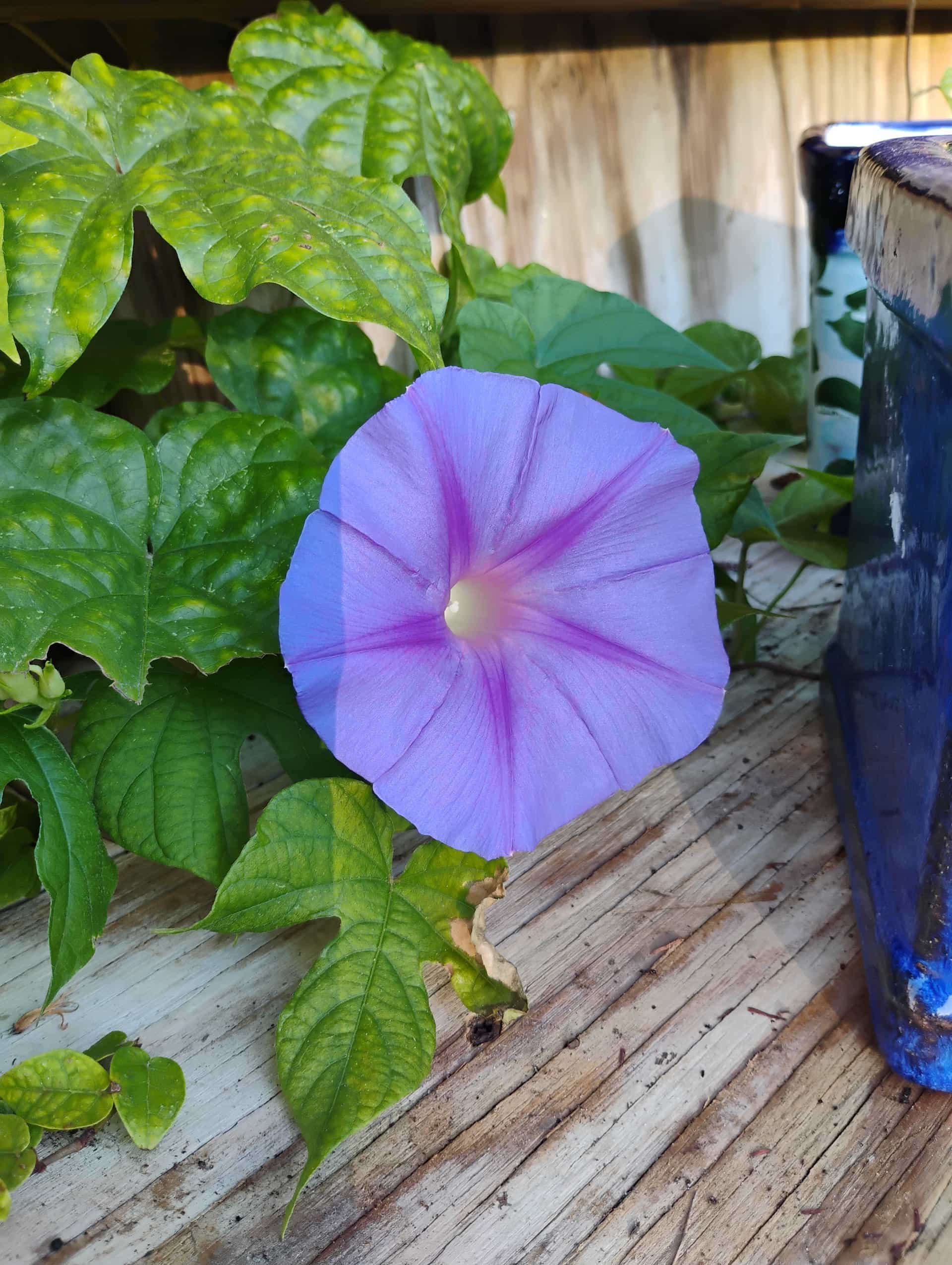 Vine
Ipomoea imperati
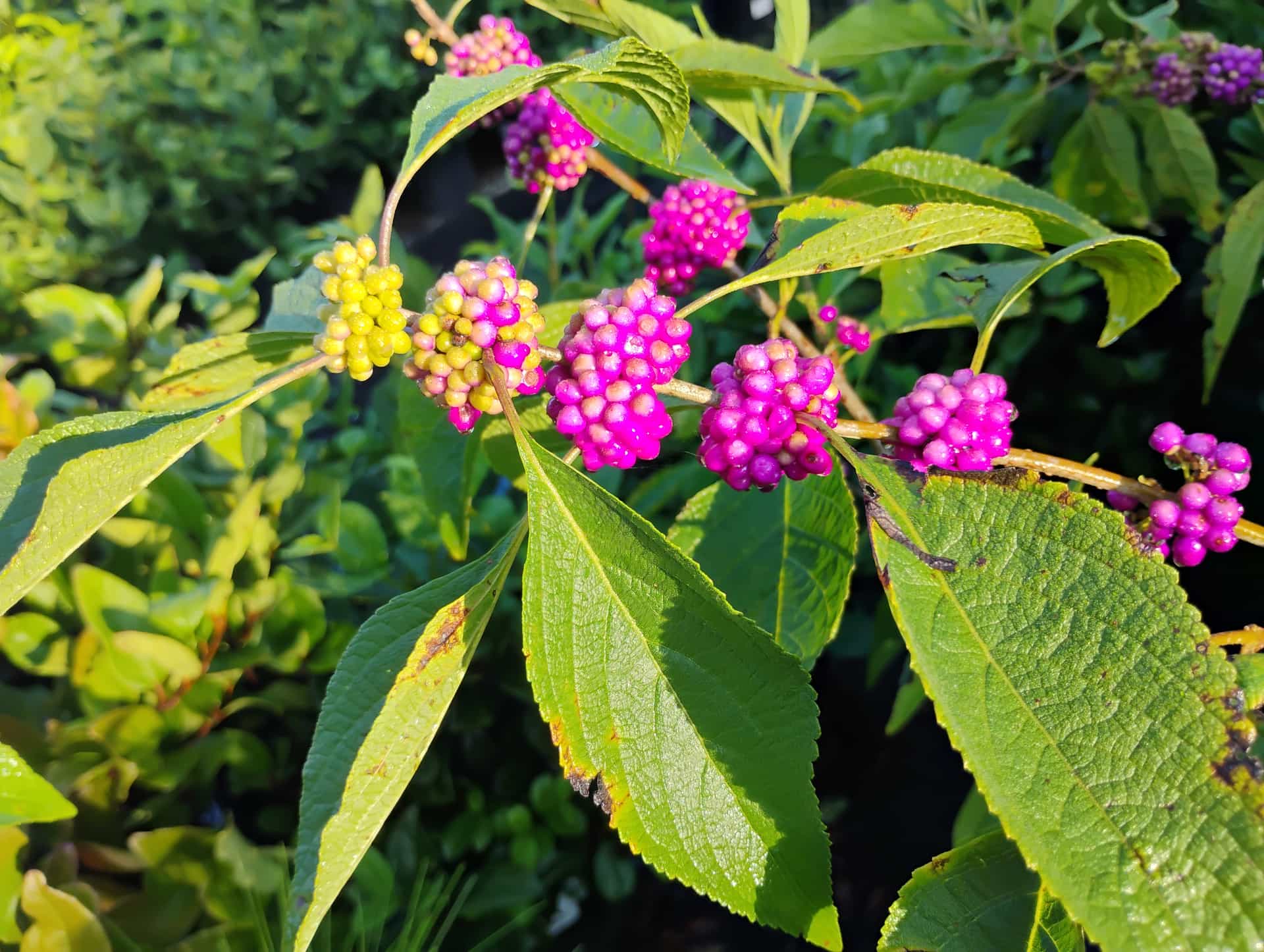 Shrub
Callicarpa americana
Beachfront, transition, and inland sites do not need the same plants. Salt-tolerant selections work best when the toughest species face the spray and more sensitive plants sit behind protection.
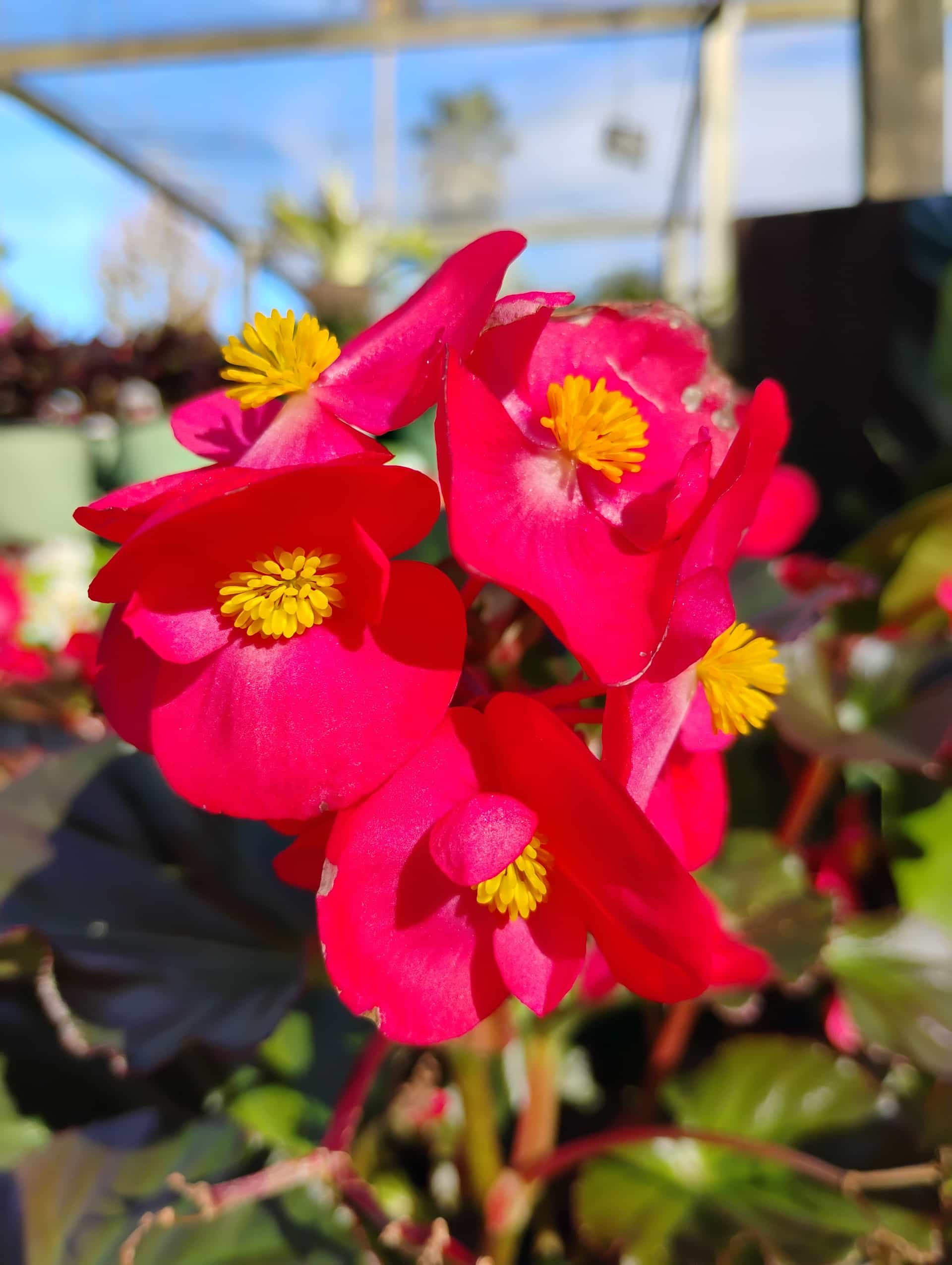 Annual
Begonia hybrida
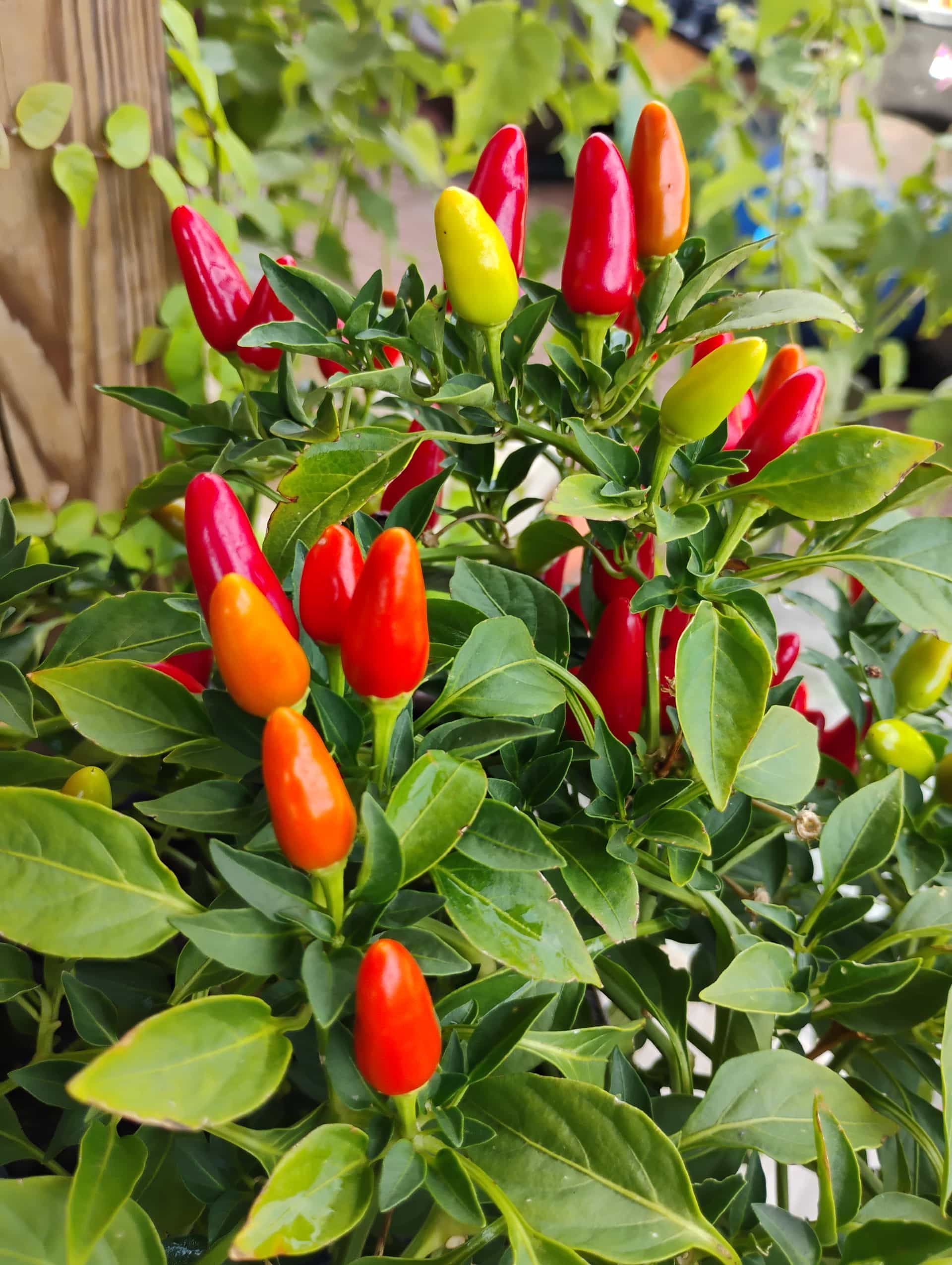 Annual
Capsicum annuum
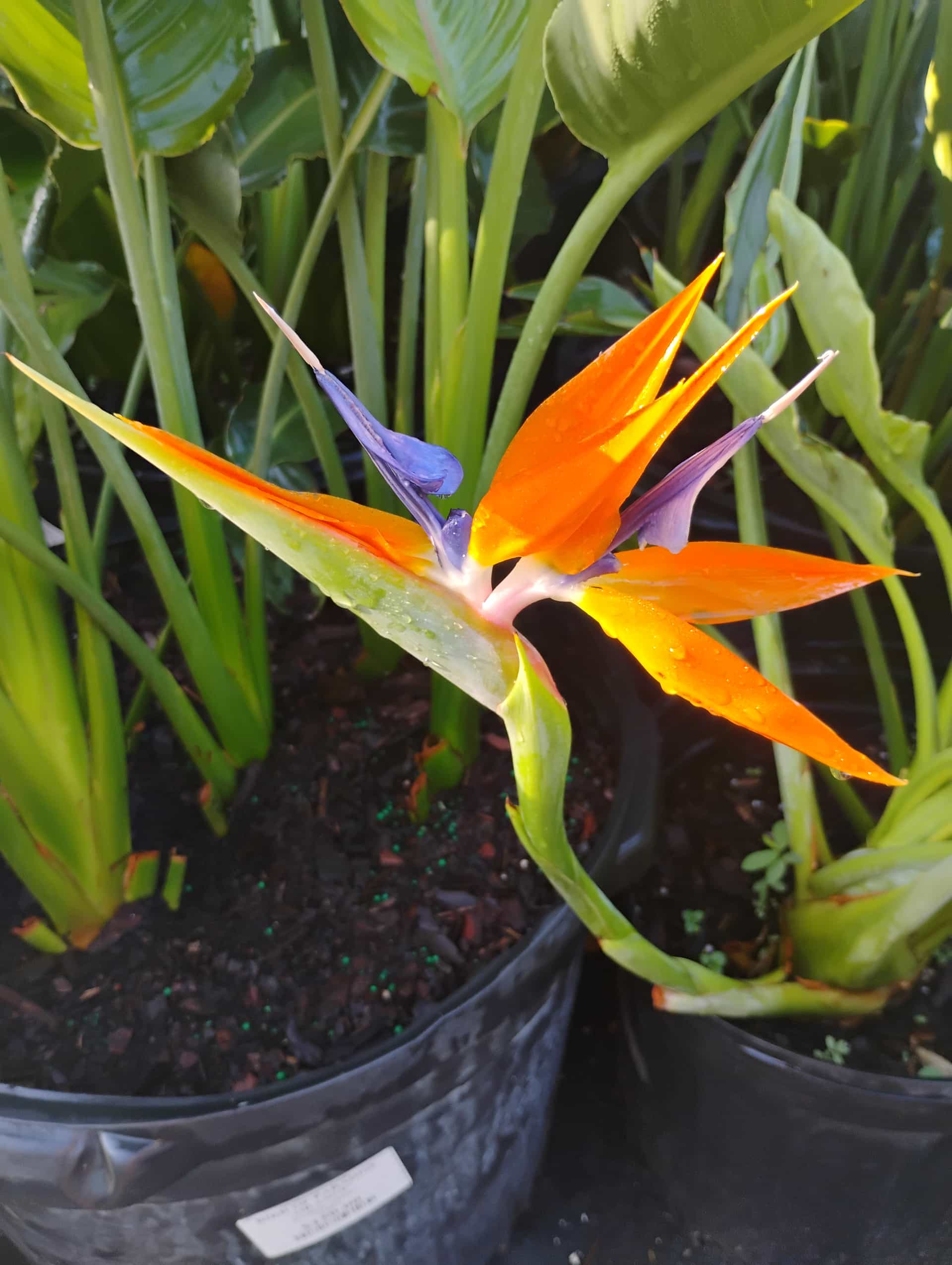 Perennial
Strelitzia reginae
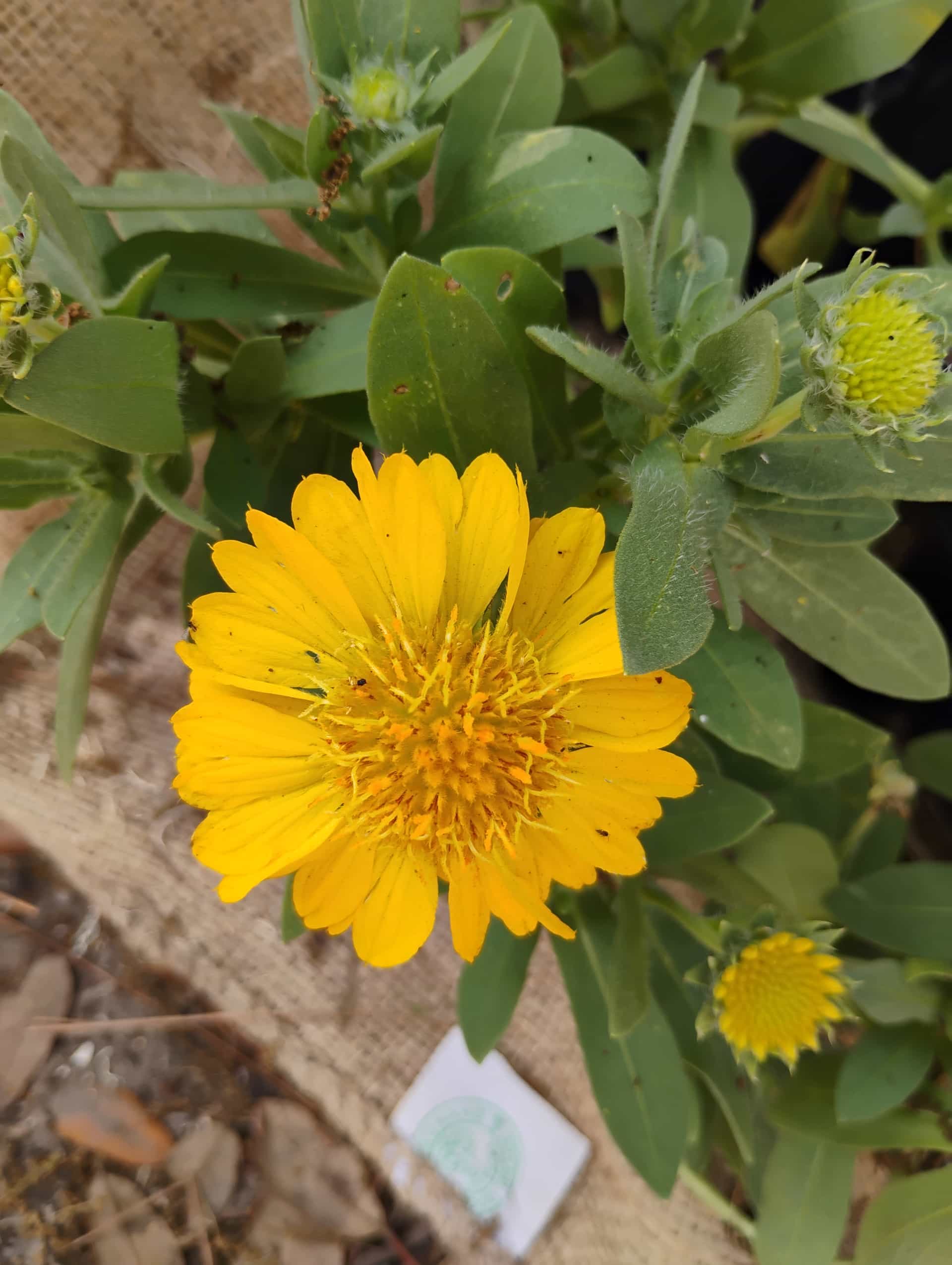 Perennial
Gaillardia pulchella
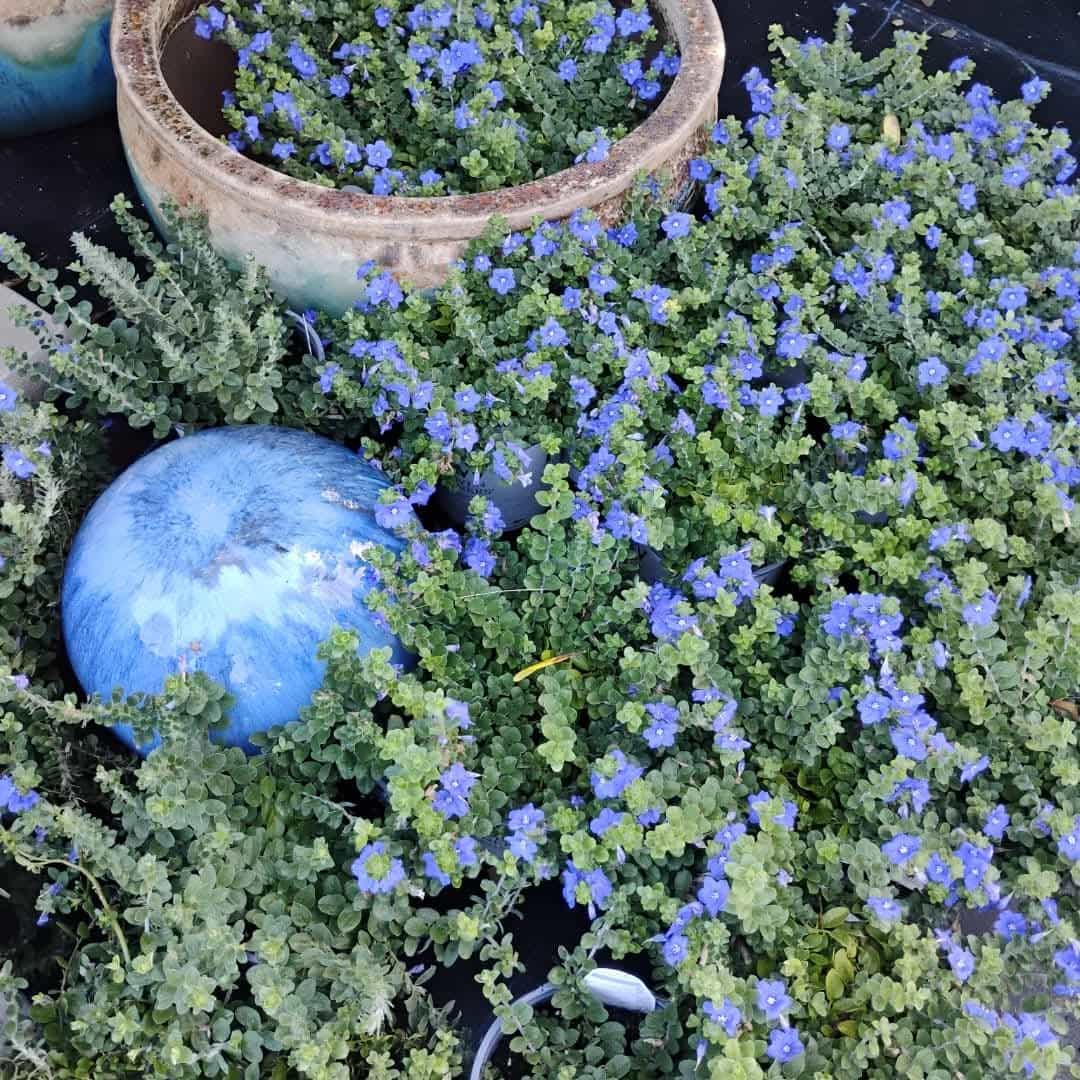 Groundcover
Evolvulus glomeratus
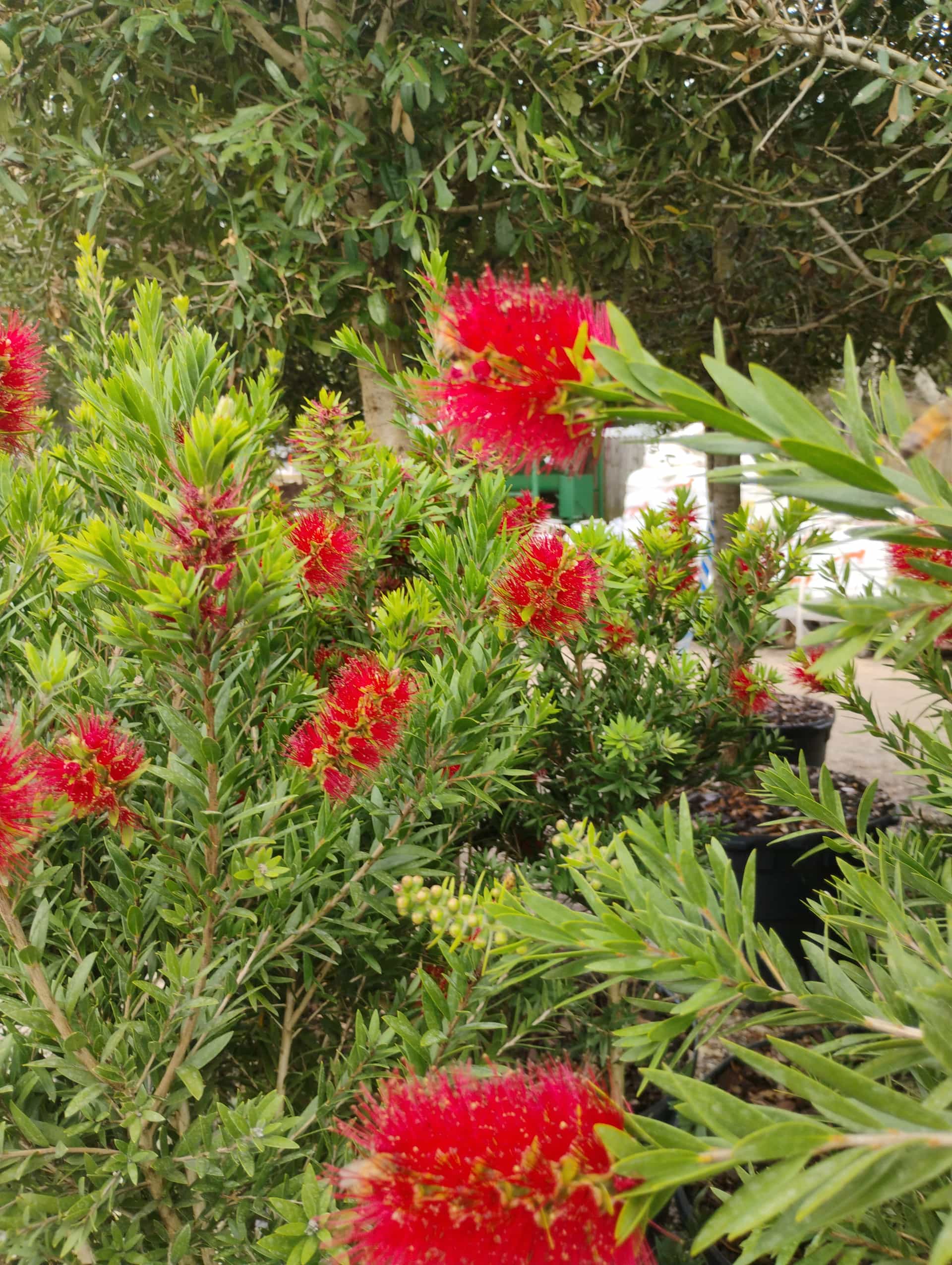 Tree
Callistemon
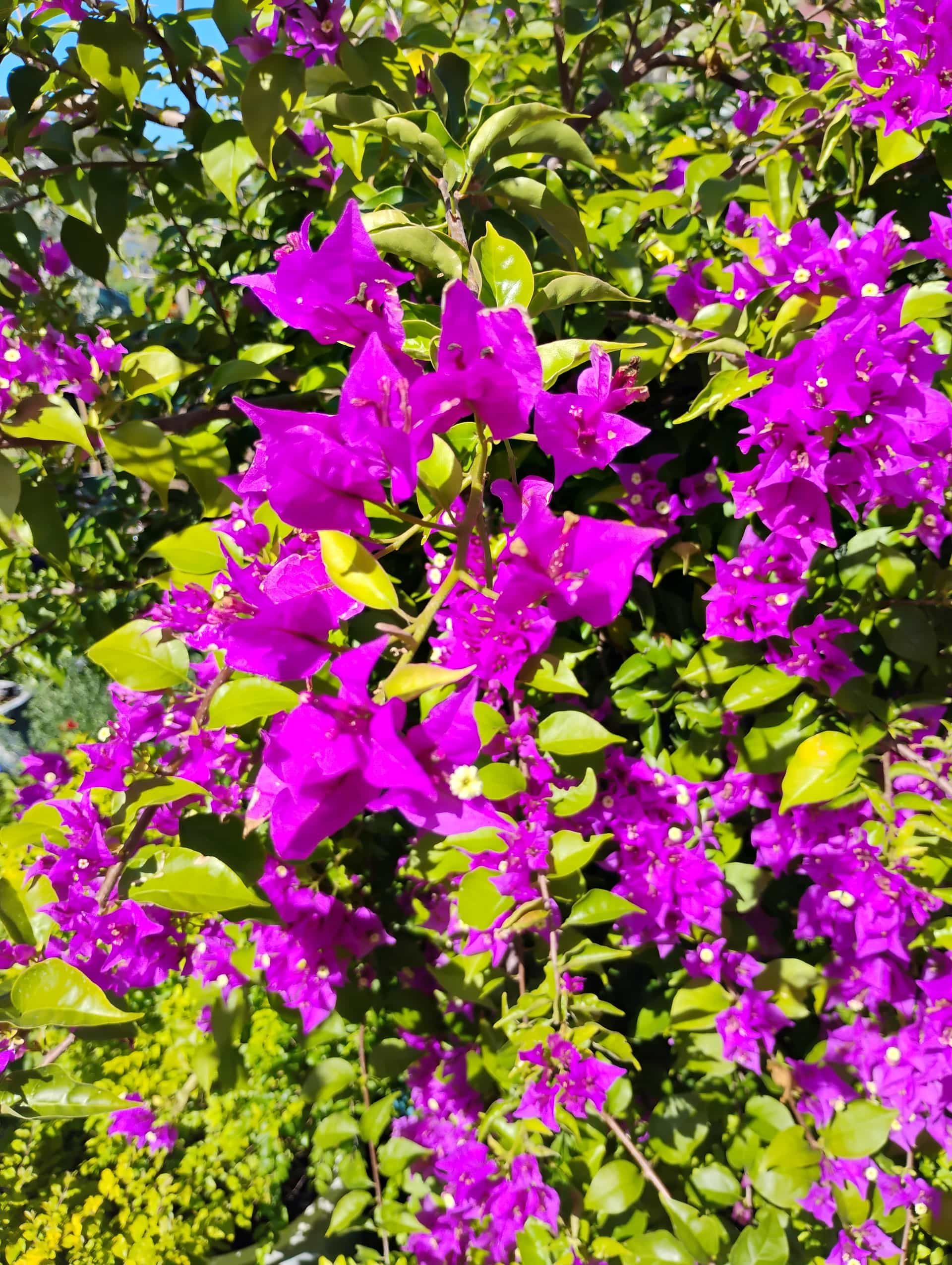 Vine
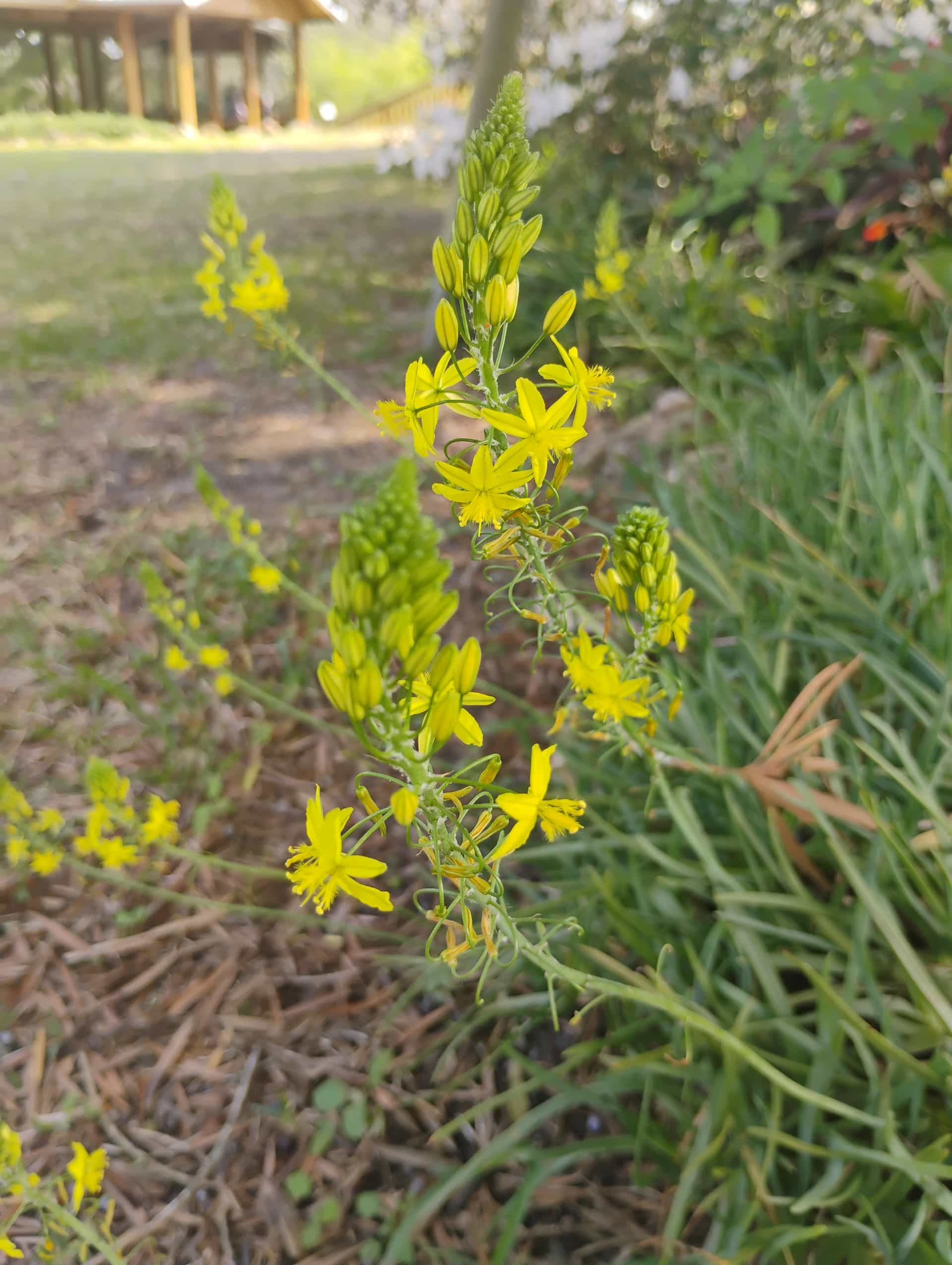 Succulent
Bulbine
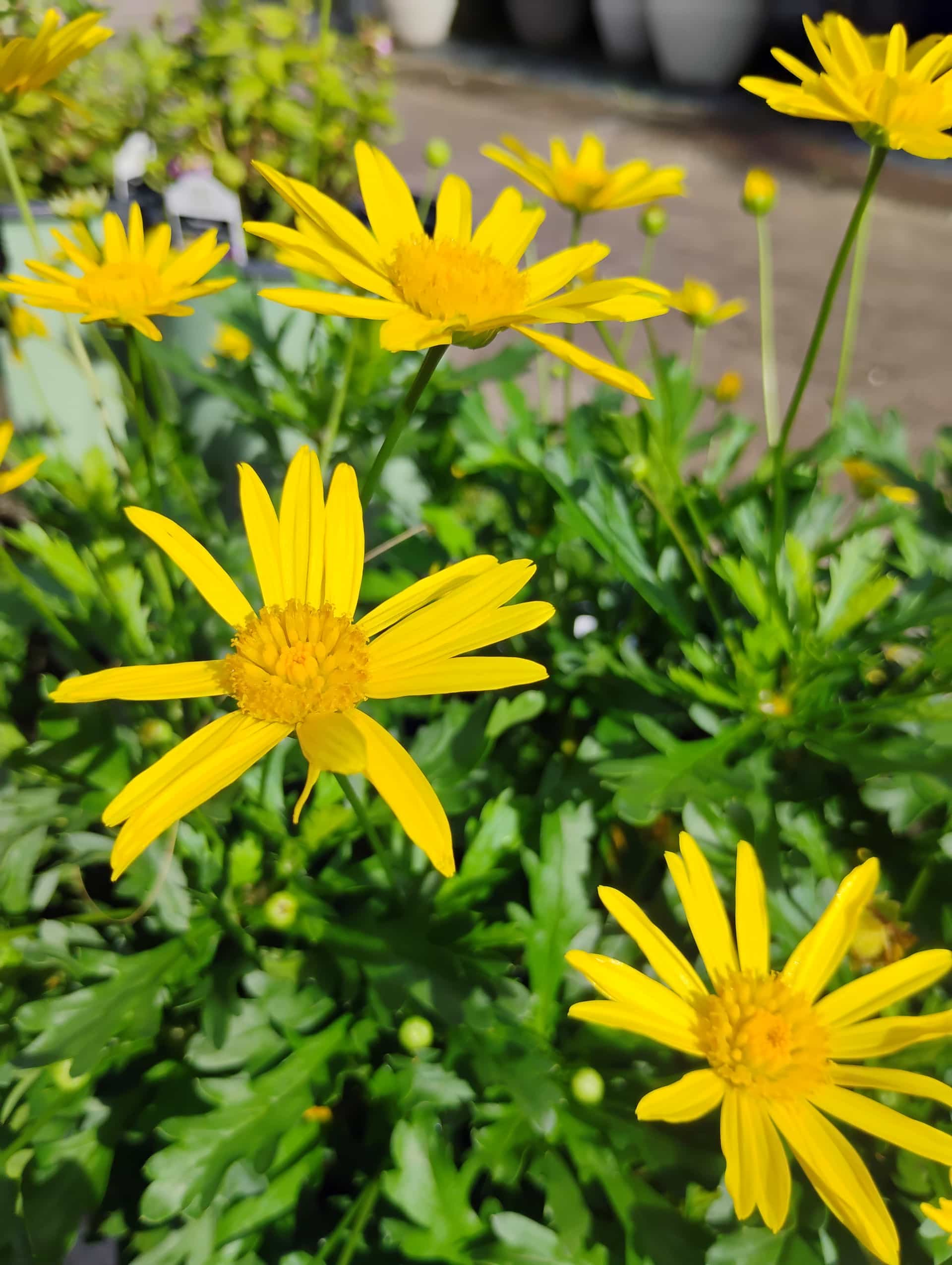 Shrub
Euryops pectinatus
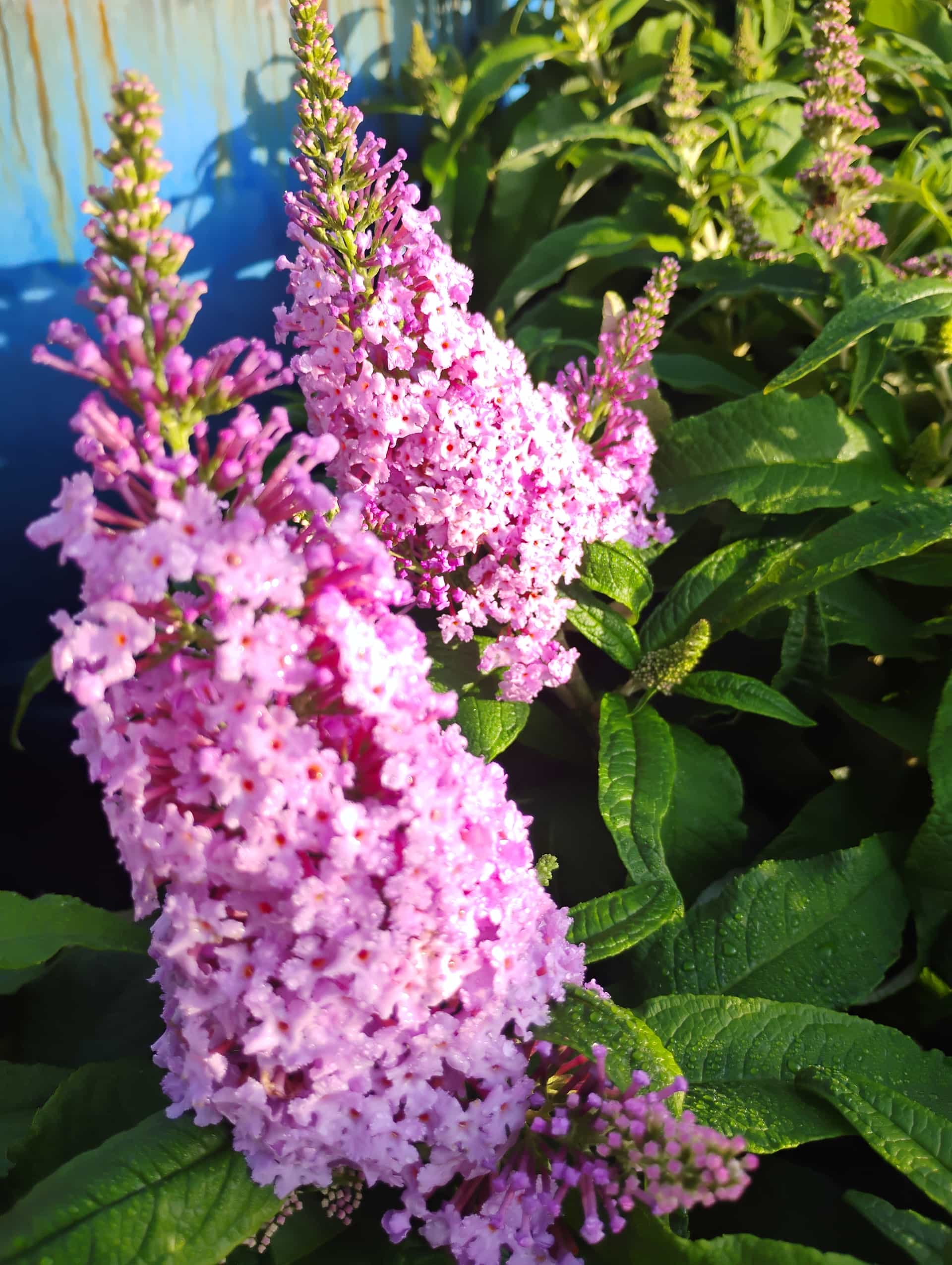 Shrub
Buddleja davidii
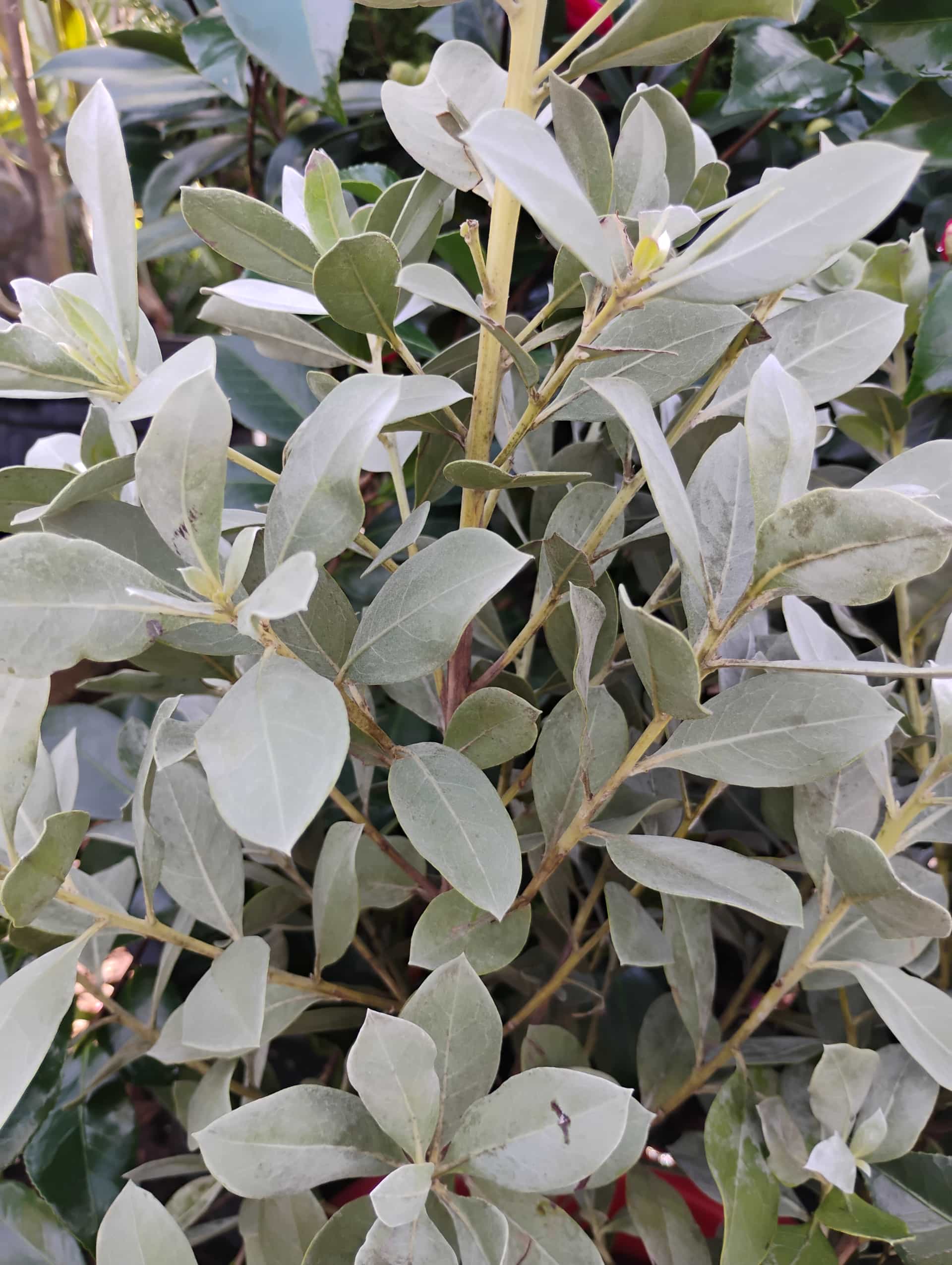 Tree
Conocarpus erectus
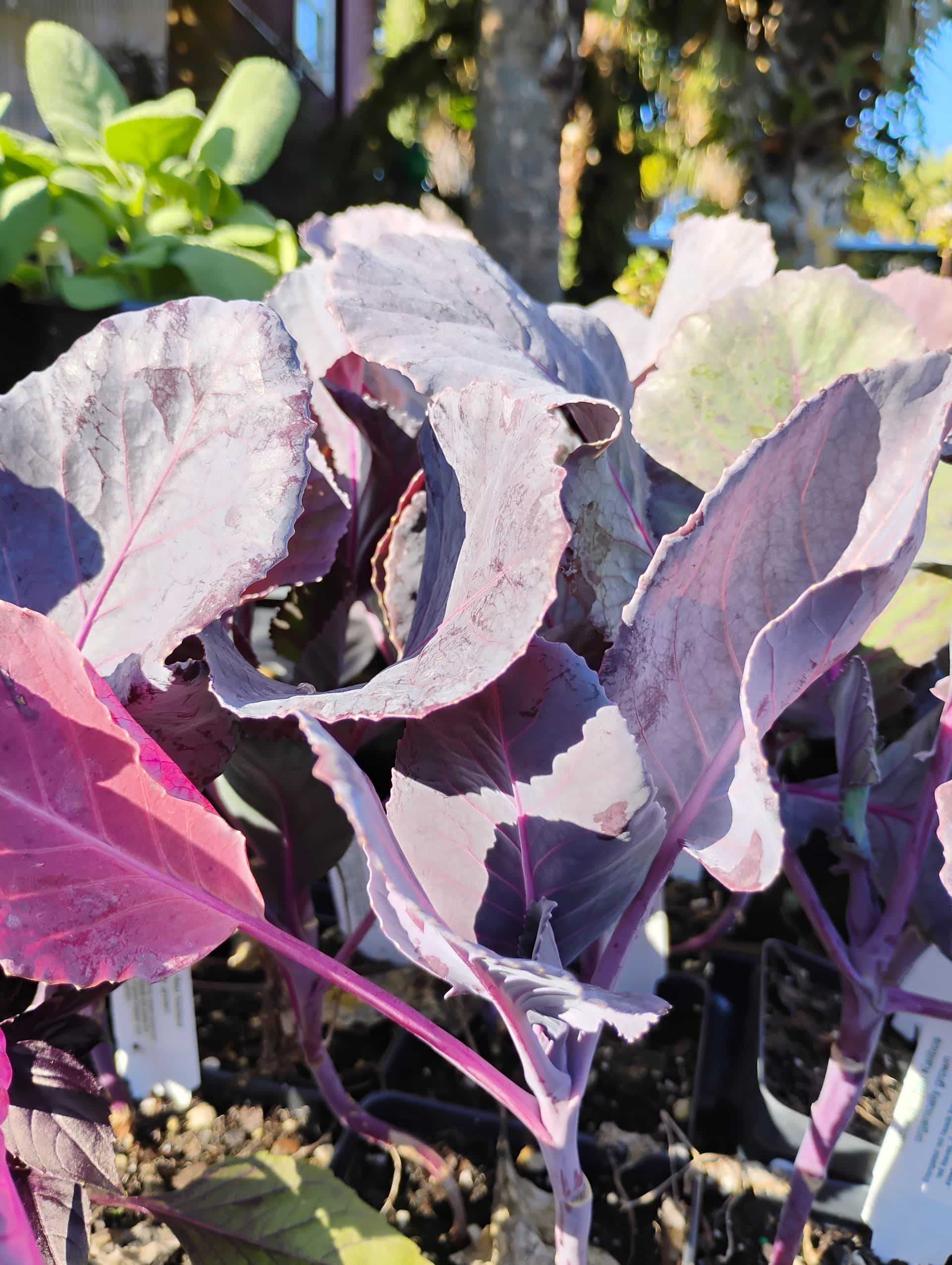 Annual
Brassica oleracea var. capitata
Page 1 of 5
Salt-tolerant plants handle some salt spray, sandy soil, wind, or coastal exposure better than sensitive landscape plants.
Beachfront sites need the toughest high-salt plants; inland coastal yards can often use moderate salt-tolerant selections.
Yes. Salt tolerance does not replace establishment watering, especially during hot, windy, or dry weeks after planting.
Match the plant to how much salt it actually faces. Front-line beach beds need high-salt plants, while inland coastal yards can use moderate ones. We can help you match by site.
Fall and winter let roots establish before summer heat and storms, though container plants can go in year round with steady establishment water.
Salt-tolerant groundcovers for Florida include beach sunflower, railroad vine, sunshine mimosa, and perennial peanut. They handle coastal exposure, sandy soil, and heat while filling beds and slopes.