
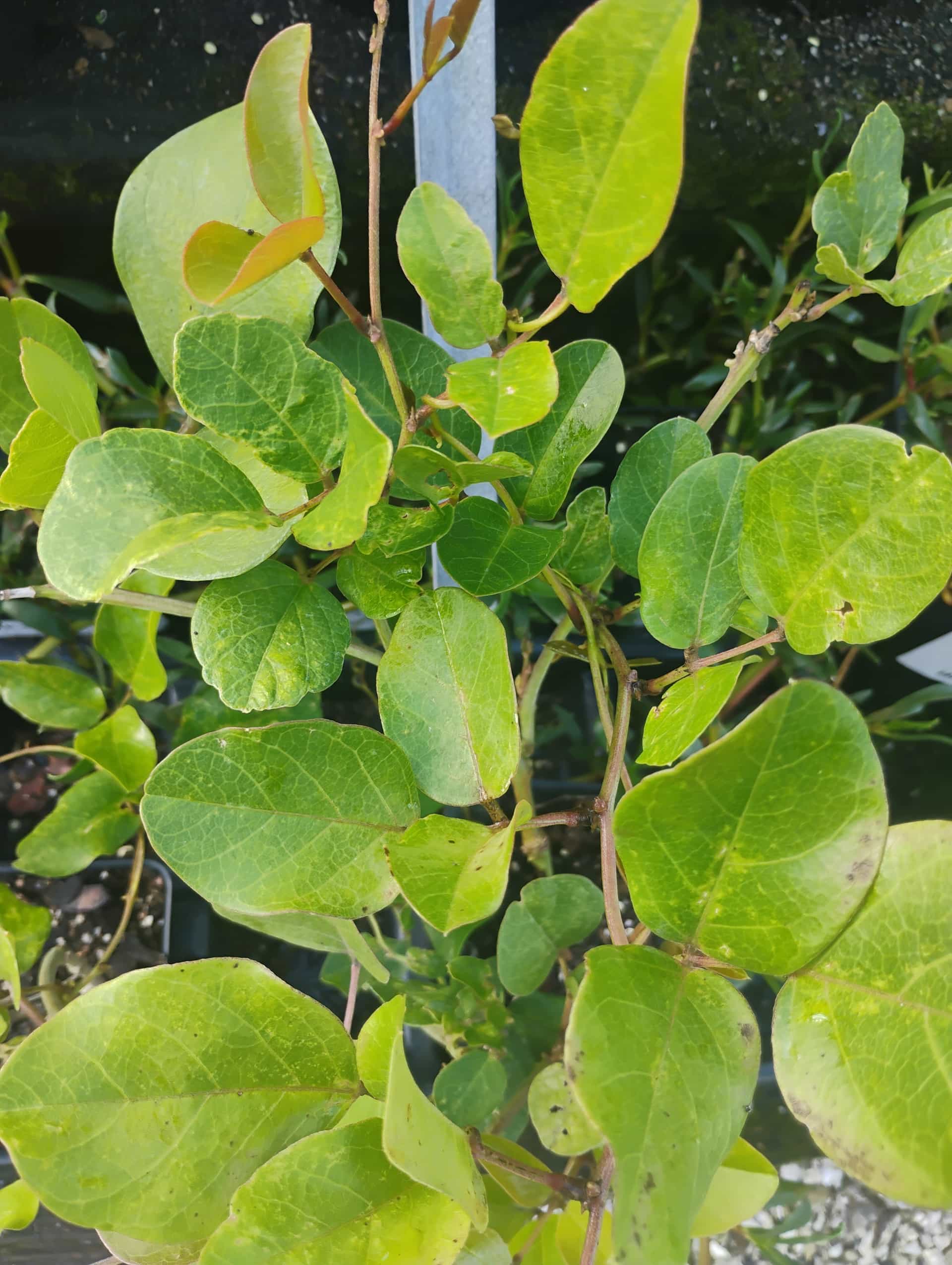
Varieties We Bring In
Purple
Purple
We received some Beach Bean on Jul 19, 2026.
We bring this in seasonally, so what is on the lot changes week to week. A received date shows when it last came in, not that it is here today.
Call (904) 471-0440 to confirm this plant and size before you make the trip.
Last received Jul 19, 2026.
We bring this in seasonally, so what is on the lot changes week to week. A received date shows when it last came in, not that it is here today.
Call (904) 471-0440 to confirm this plant and size before you make the trip.
Pet toxicity: not on file, check before planting where pets chew
Pet safety guideAbout Beach Bean
Beach Bean (Canavalia rosea) is a robust sprawling vine native to tropical coastlines worldwide, producing showy rose-pink pea flowers and long seed pods. It spreads quickly across sandy shores and dunes, stabilizing coastal soils with its deep root system.
Plant details
- Bloom Season
- Spring, Summer, Fall, Winter
- Flower Color
- Pink
- Growth Rate
- Fast
- Foliage
- Evergreen
- Soil
- Sandy, Well-drained, Alkaline
Best planting months
Recommended months: March, April, May, September, October, November.
Seasonal care
Bloom season. Good planting window.
Bloom season. Handles summer heat well once established.
Bloom season. Ideal planting window.
Bloom season. Retains foliage through winter.
Care essentials
Beach Bean requires full sun and is ideally suited to NE Florida's coastal and barrier island landscapes. It thrives in the intense reflected heat and light of open sandy dunes with no shade tolerance needed.
Once established, Beach Bean is highly drought tolerant and relies primarily on rainfall; supplemental irrigation is rarely needed in coastal NE Florida. Overwatering in poorly drained sites can cause root rot — this plant is built for dry, sandy conditions.
Beach Bean thrives in dry, well-drained sandy or alkaline coastal soils and requires no fertilization — as a legume it fixes its own nitrogen. Avoid rich soils or fertilizers, which promote excessive vine growth at the expense of flowers and ecological function.
Similar needs
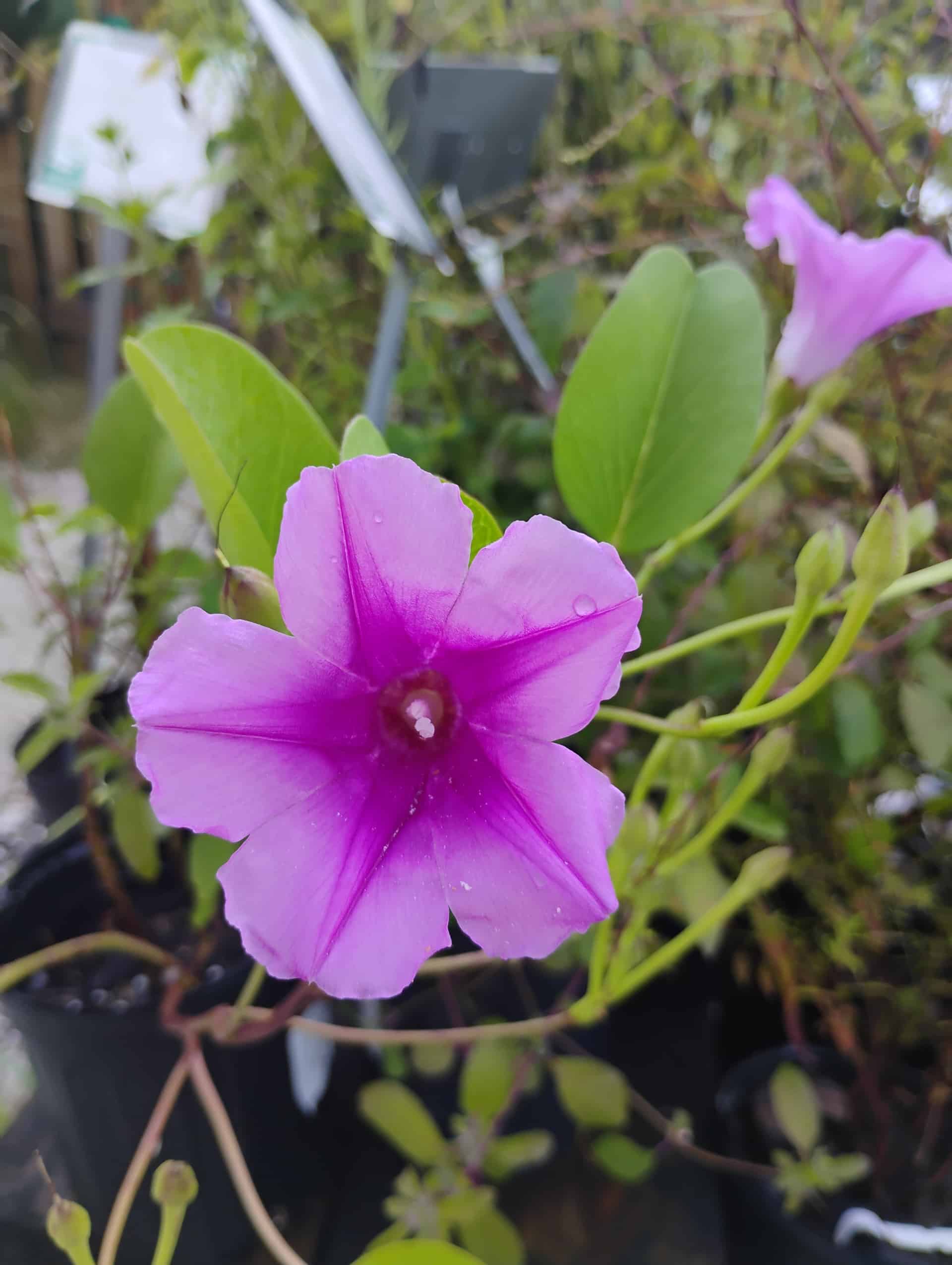
Railroad Vine
Shares 5 of the same needs: full sun, low water, sandy, zone 9a hardiness, and pollinator-friendly.
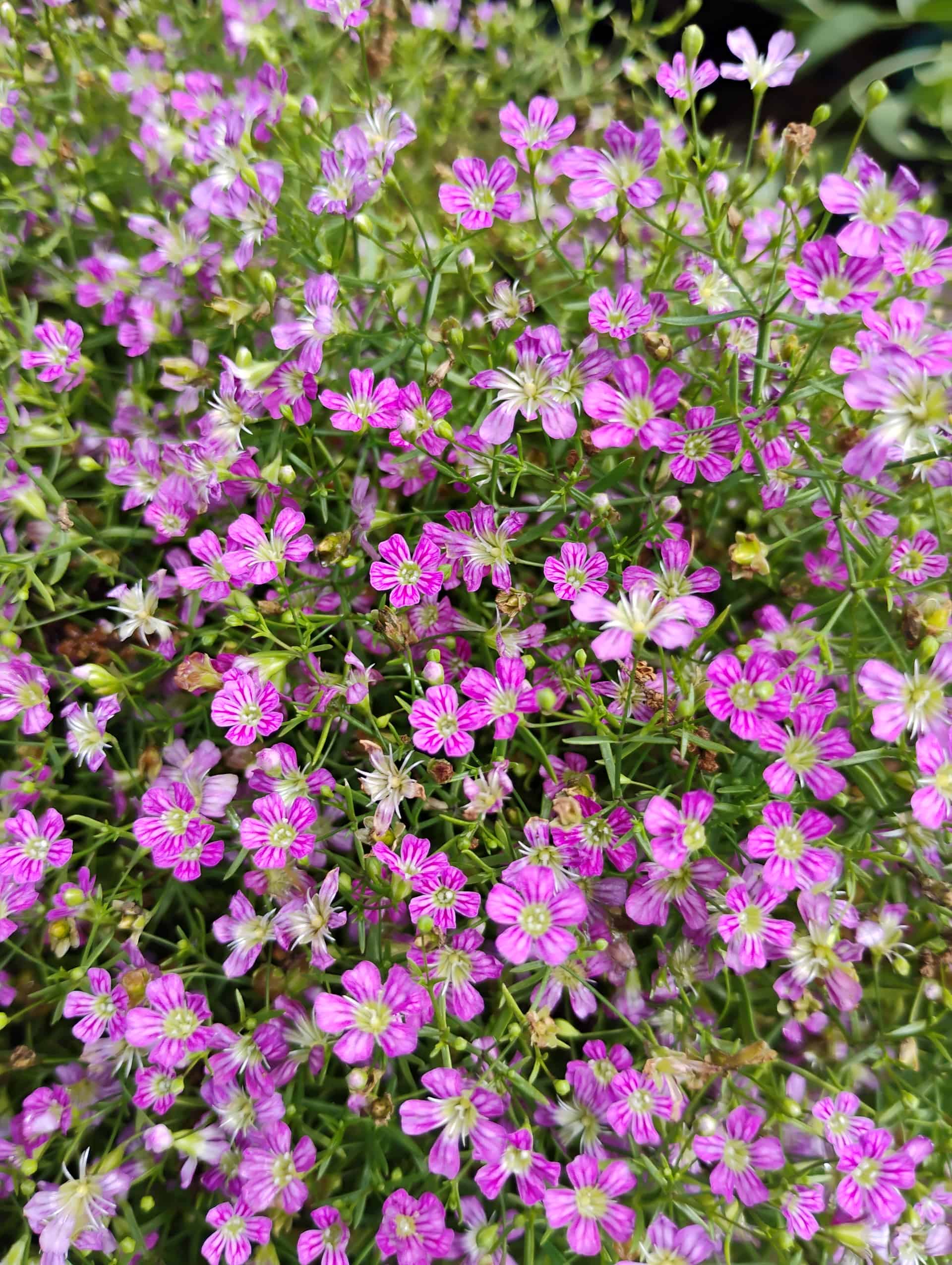
Baby's Breath
Shares 5 of the same needs: full sun, low water, sandy, zone 9a hardiness, and pollinator-friendly.
Dwarf Poinciana
Shares 5 of the same needs: full sun, low water, sandy, zone 9a hardiness, and pollinator-friendly.
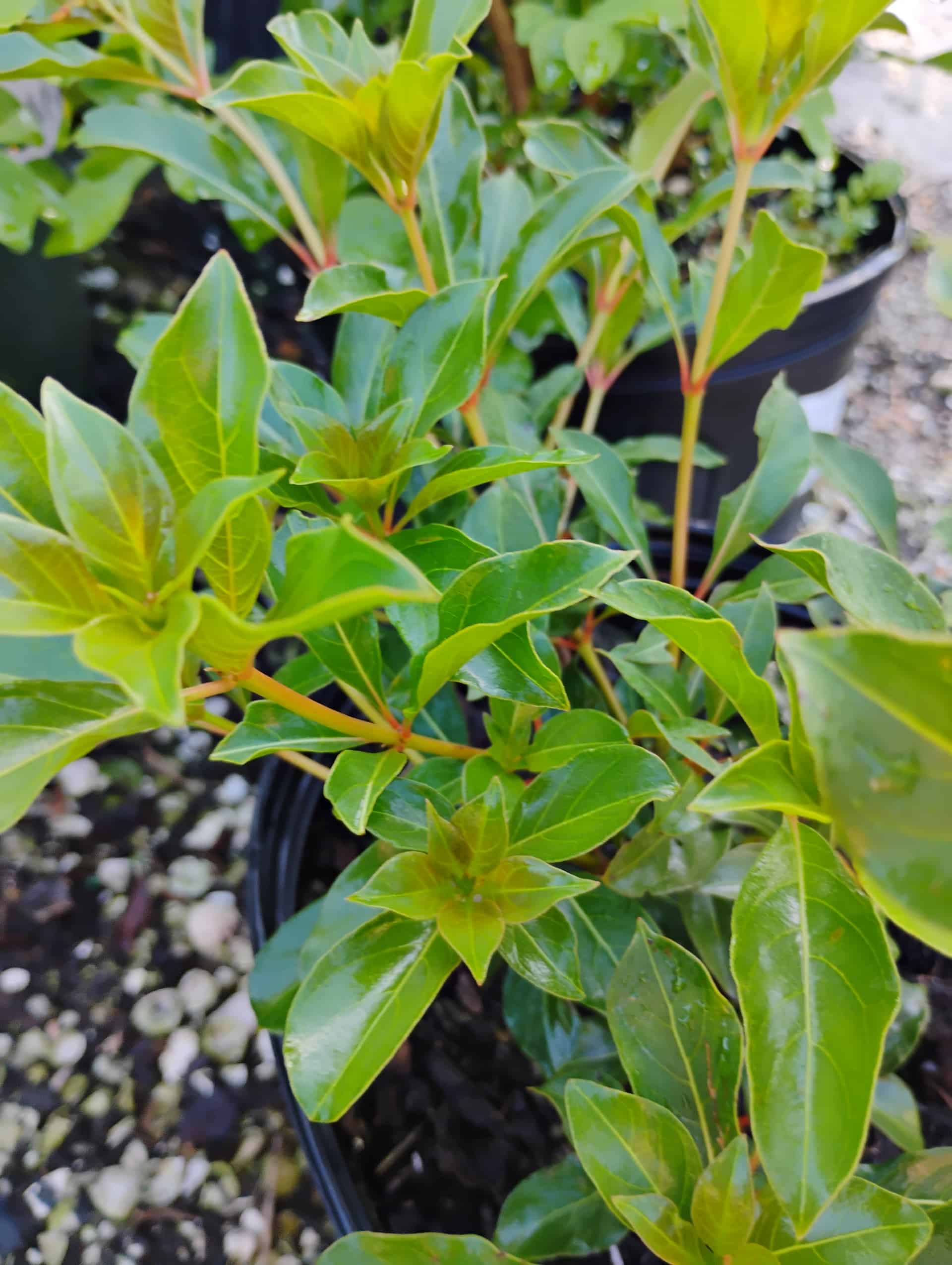
Firebush
Shares 5 of the same needs: full sun, low water, sandy, zone 9a hardiness, and pollinator-friendly.
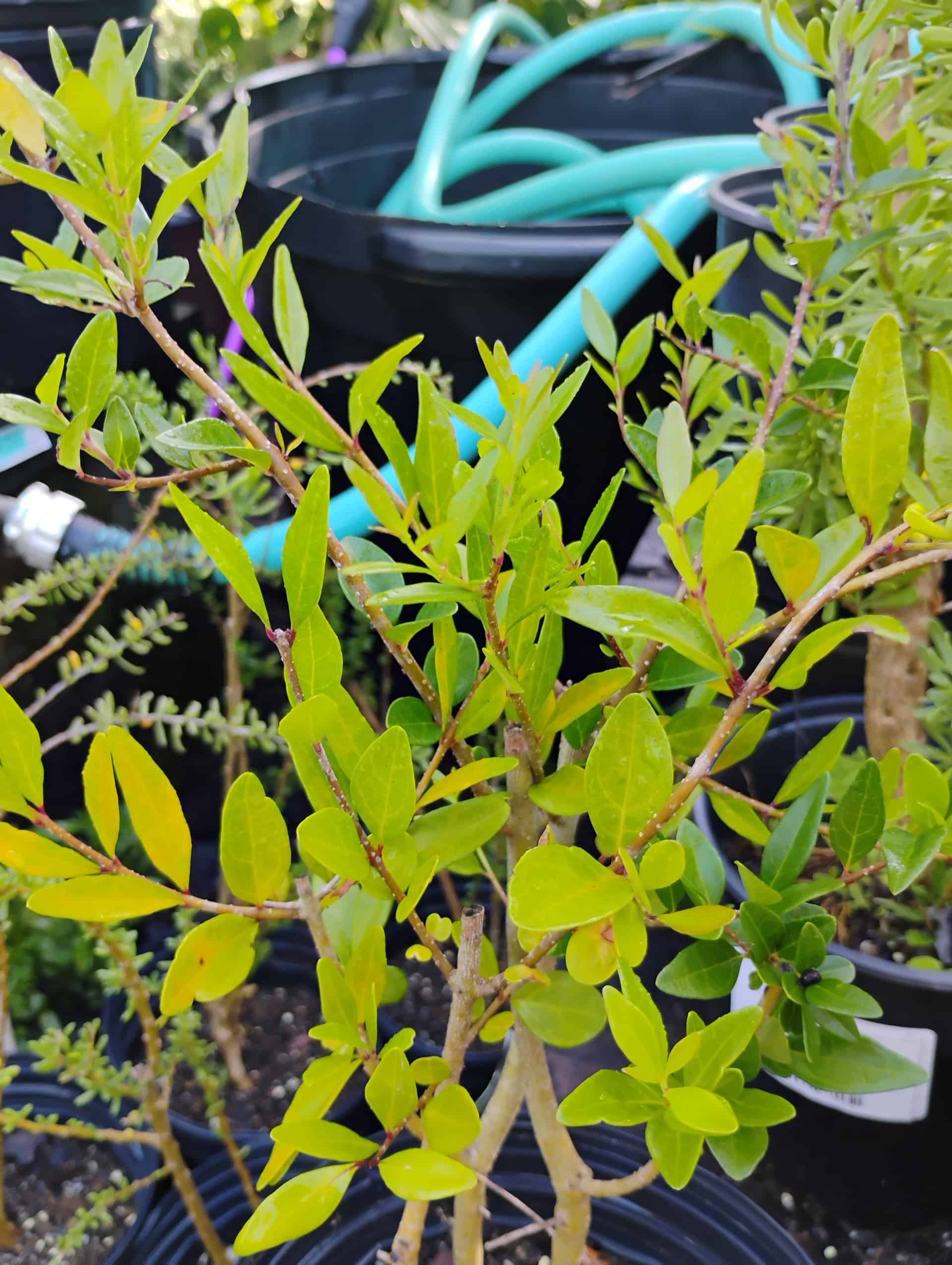
Florida Privet
Shares 5 of the same needs: full sun, low water, sandy, zone 9a hardiness, and pollinator-friendly.

Florida Soapberry
Shares 5 of the same needs: full sun, low water, sandy, zone 9a hardiness, and pollinator-friendly.
You may also like
 Vine
Kiwi Vine
Actinidia deliciosa
 Vine
Purple Allamanda
Allamanda blanchetii
 Vine
Beach Morning Glory
Ipomoea imperati
Common questions
Is Beach Bean a good plant for St. Augustine?
Beach Bean is a vine. Mature size: 0.5-1.5 feet × 20-40 feet. Light: Full Sun. Water needs: Low. Beach Bean is native to Florida. Recorded hardiness zone: 9a. Recorded salt tolerance: high.
Care information verified from
Last reviewed March 2026. Our care guidance comes from trusted horticulture sources and decades of helping St. Augustine gardeners. Conditions here can vary dramatically from one area to the next, so come ask us and we'll tailor it to your yard.