
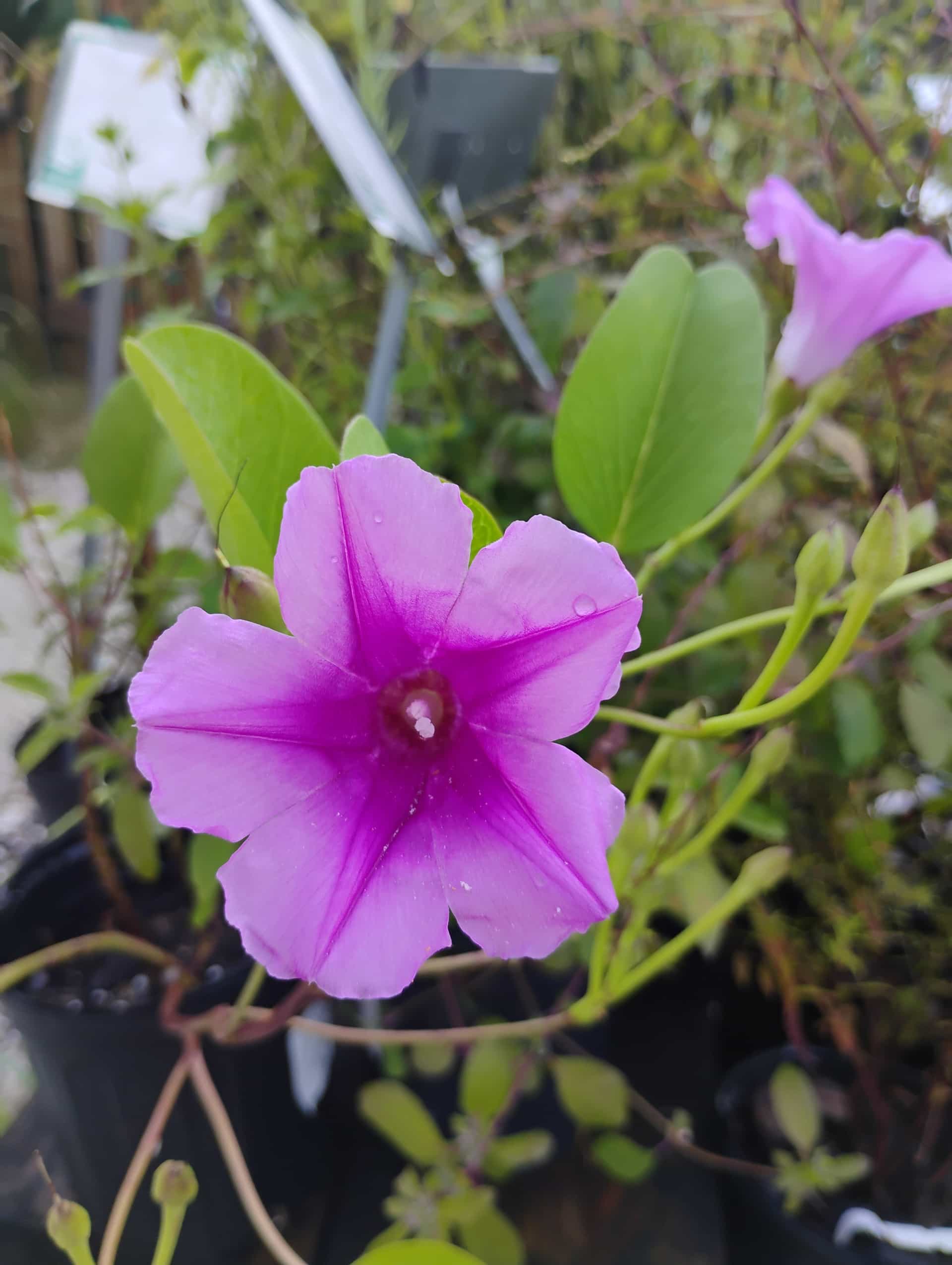
Varieties We Bring In
Standard
We received some Railroad Vine on Aug 4, 2026.
We bring this in seasonally, so what is on the lot changes week to week. A received date shows when it last came in, not that it is here today.
Call (904) 471-0440 to confirm this plant and size before you make the trip.
Last received Aug 4, 2026.
We bring this in seasonally, so what is on the lot changes week to week. A received date shows when it last came in, not that it is here today.
Call (904) 471-0440 to confirm this plant and size before you make the trip.
Pet toxicity: Non-toxic to dogs and cats
Pet safety guideAbout Railroad Vine
Railroad Vine (Ipomoea pes-caprae) is a fast-spreading coastal groundcover native to Florida's beach dunes, with distinctive two-lobed leaves and pink-purple funnel flowers. UF/IFAS rates it for zones 10B-11; in NE Florida zone 9b it may suffer frost dieback in cold winters and is best suited to coastal dune sites rather than inland landscapes.
Plant details
- Bloom Season
- Year-round
- Flower Color
- Pink, Purple
- Growth Rate
- Fast
- Foliage
- Evergreen
- Soil
- Sandy, Alkaline, Well-drained
Best planting months
Recommended months: March, April, May, October, November.
Seasonal care
Bloom season. Good planting window.
Bloom season. Handles summer heat well once established.
Bloom season. Ideal planting window.
Retains foliage through winter.
Care essentials
Requires full sun; Railroad Vine is a beach and coastal dune species that performs poorly in shade. Best suited for coastal sites in NE Florida with direct sun exposure.
Highly drought tolerant once established; thrives with no supplemental irrigation in coastal sandy soils. In inland NE Florida, establish with regular watering for the first few weeks, then reduce to minimal irrigation.
Thrives in lean, well-drained sandy or alkaline coastal soils with no fertilization required. Avoid heavy or clay soils. Best used as a beach dune stabilizer or coastal groundcover; may be overly aggressive in managed landscapes.
Similar needs
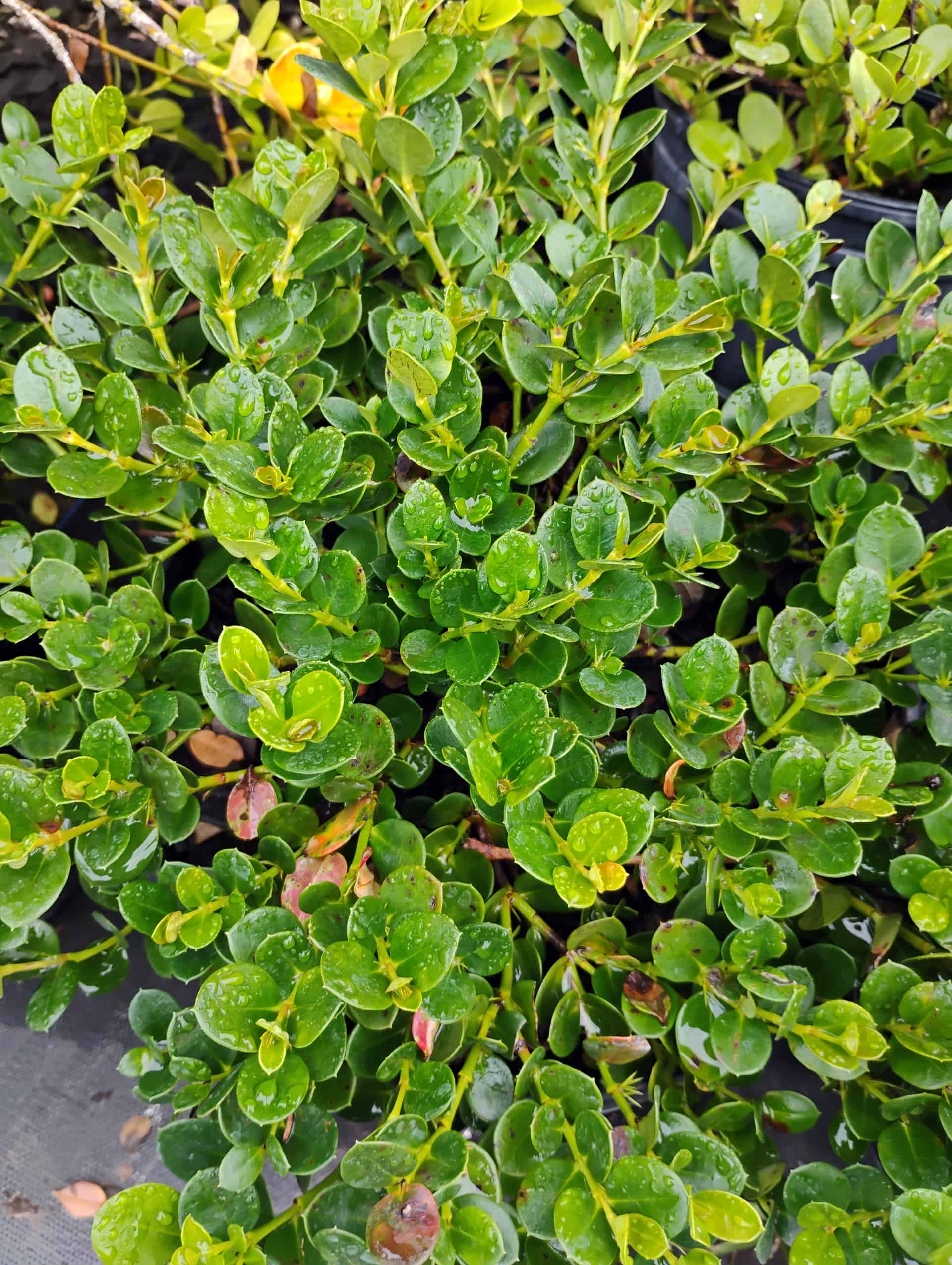
Natal Plum
Shares 6 of the same needs: full sun, low water, sandy, salt tolerance, zone 9a hardiness, and pollinator-friendly.

Oleander
Shares 6 of the same needs: full sun, low water, sandy, salt tolerance, zone 9a hardiness, and pollinator-friendly.
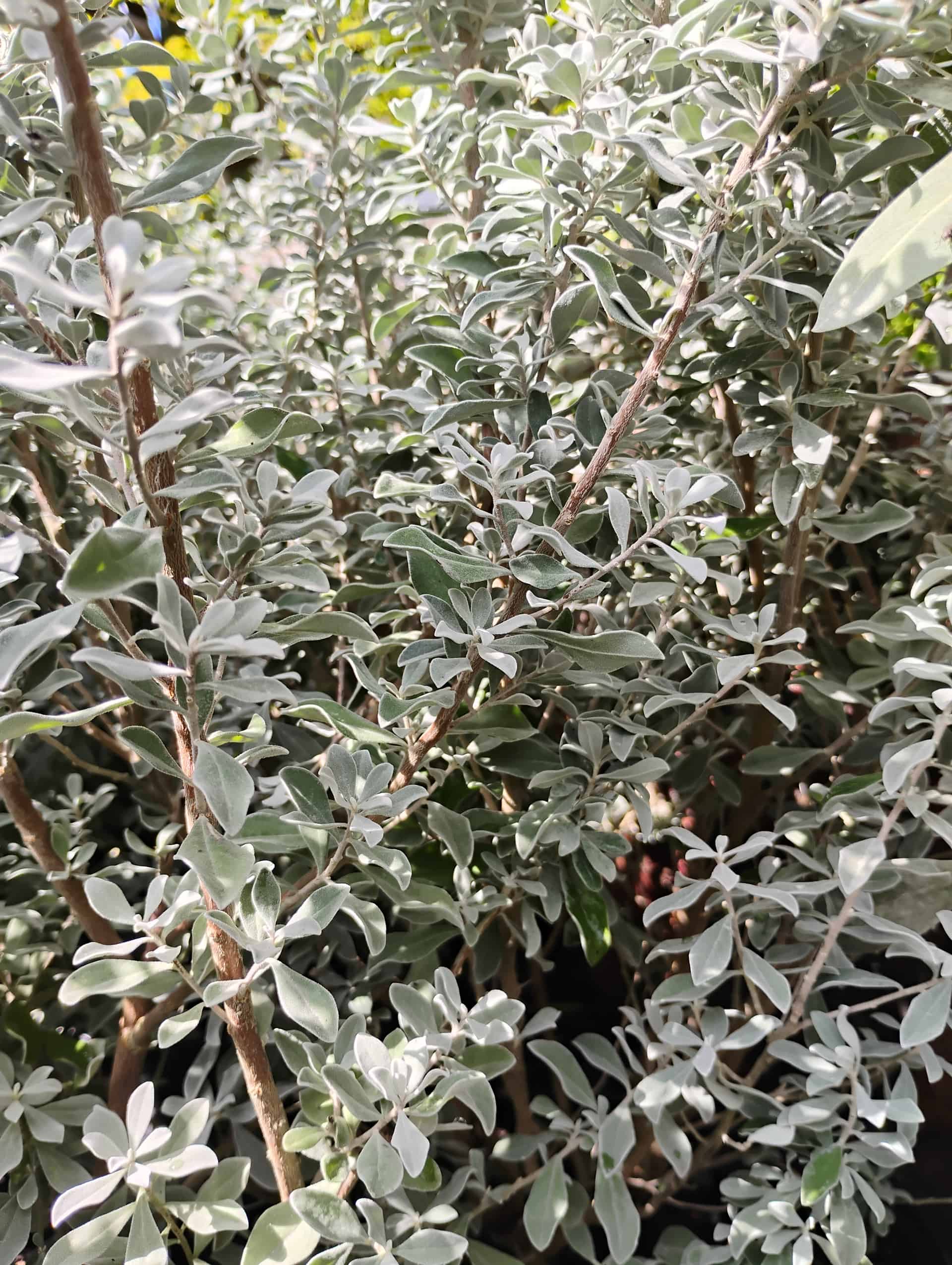
Texas Sage
Shares 6 of the same needs: full sun, low water, sandy, salt tolerance, zone 9a hardiness, and pollinator-friendly.
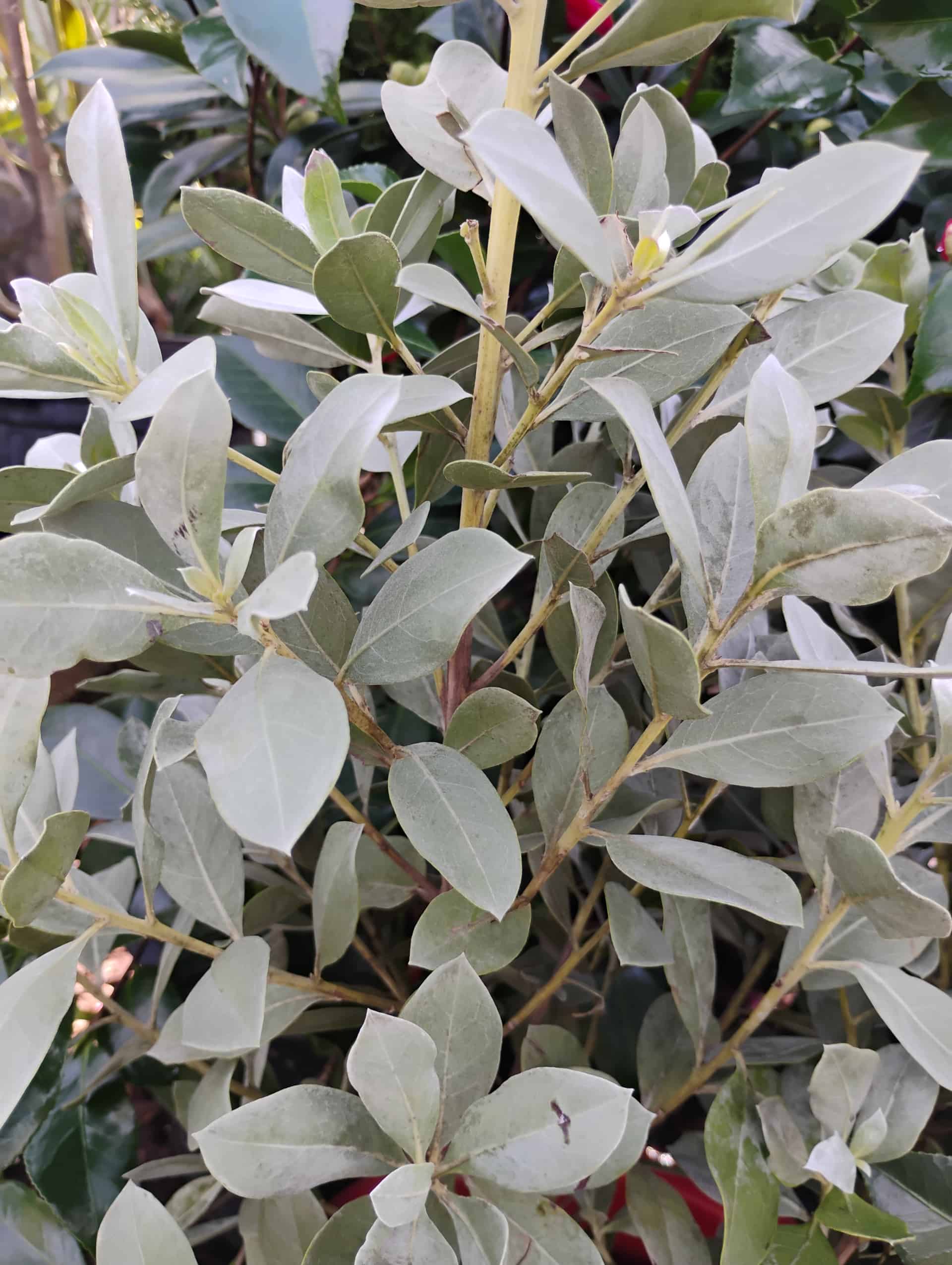
Buttonwood
Shares 5 of the same needs: full sun, sandy, salt tolerance, zone 9a hardiness, and pollinator-friendly.

Sea Grape
Shares 5 of the same needs: full sun, sandy, salt tolerance, zone 9a hardiness, and pollinator-friendly.

Sea Hibiscus
Shares 5 of the same needs: full sun, sandy, salt tolerance, zone 9a hardiness, and pollinator-friendly.
You may also like
 Vine
Kiwi Vine
Actinidia deliciosa
 Vine
Purple Allamanda
Allamanda blanchetii
 Vine
Beach Morning Glory
Ipomoea imperati
Common questions
Is Railroad Vine a good plant for St. Augustine?
Railroad Vine is a vine. Mature size: 6-12 inches tall, spreading indefinitely × 10-50 feet (can reach 100+ feet). Light: Full Sun. Water needs: Low. Railroad Vine is native to Florida. Recorded hardiness zone: 9a. Recorded salt tolerance: high.
What is the recorded pet toxicity for Railroad Vine?
Non-toxic to dogs and cats
Care information verified from
Last reviewed February 2026. Our care guidance comes from trusted horticulture sources and decades of helping St. Augustine gardeners. Conditions here can vary dramatically from one area to the next, so come ask us and we'll tailor it to your yard.