
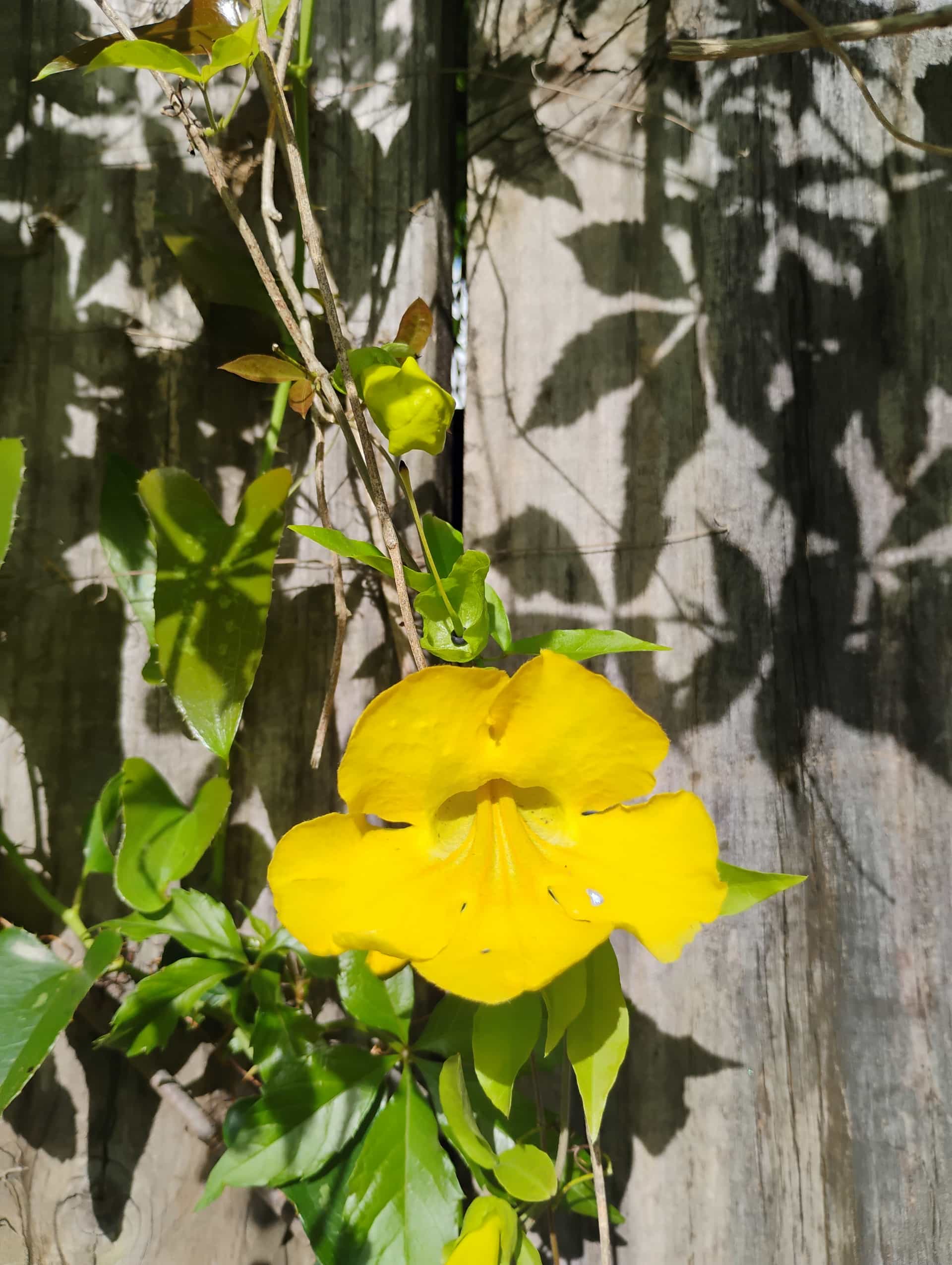
Varieties We Bring In
Dwarf · Dwarf Compacta
We received some Purple Allamanda on Oct 12, 2026.
We bring this in seasonally, so what is on the lot changes week to week. A received date shows when it last came in, not that it is here today.
Call (904) 471-0440 to confirm this plant and size before you make the trip.
Last received Oct 12, 2026.
We bring this in seasonally, so what is on the lot changes week to week. A received date shows when it last came in, not that it is here today.
Call (904) 471-0440 to confirm this plant and size before you make the trip.
Pet toxicity: Toxic to dogs and cats
Pet safety guideAbout Purple Allamanda
Purple Allamanda (Allamanda blanchetii) is a tropical sprawling shrub or vine from Brazil, bearing bold reddish-purple to pink funnel-shaped flowers during warm months. In NE Florida it performs best in frost-protected locations; a hard freeze will kill it to the ground. Grows 6–10 feet tall with support; excellent on trellises, arbors, or fences. All plant parts are poisonous.
Plant details
- Bloom Season
- Spring, Summer, Fall
- Flower Color
- Pink, Purple
- Growth Rate
- Moderate
- Foliage
- Evergreen
- Soil
- Loam, Sandy, Well-drained
Best planting months
Recommended months: March, April, May, September, October, November.
Seasonal care
Bloom season. Good planting window.
Bloom season.
Bloom season. Ideal planting window.
Bloom season. Retains foliage through winter.
Care essentials
Requires full sun for best flowering; plant in the sunniest available spot in NE Florida. In zone 9b, site in a frost-protected, south-facing microclimate — allamanda is killed or severely damaged by frost.
Water generously until established, then maintain moderate moisture. During NE Florida's summer rainy season, supplemental irrigation is usually unnecessary; ensure excellent drainage to prevent nematode and root issues.
Plant in well-drained, nematode-free soil — nematodes are the primary pest concern in Florida sandy soils. Feed regularly with a balanced slow-release fertilizer during the warm growing season. Pinch new growth to encourage bushiness and more blooms; avoid over-pruning which removes flower buds.
Similar needs

Blue Sky Vine
Shares 5 of the same needs: full sun, moderate water, loam, zone 9a hardiness, and pollinator-friendly.

Carolina Coralbead
Shares 5 of the same needs: full sun, moderate water, loam, zone 9a hardiness, and pollinator-friendly.

Carolina Jessamine
Shares 5 of the same needs: full sun, moderate water, loam, zone 9a hardiness, and pollinator-friendly.
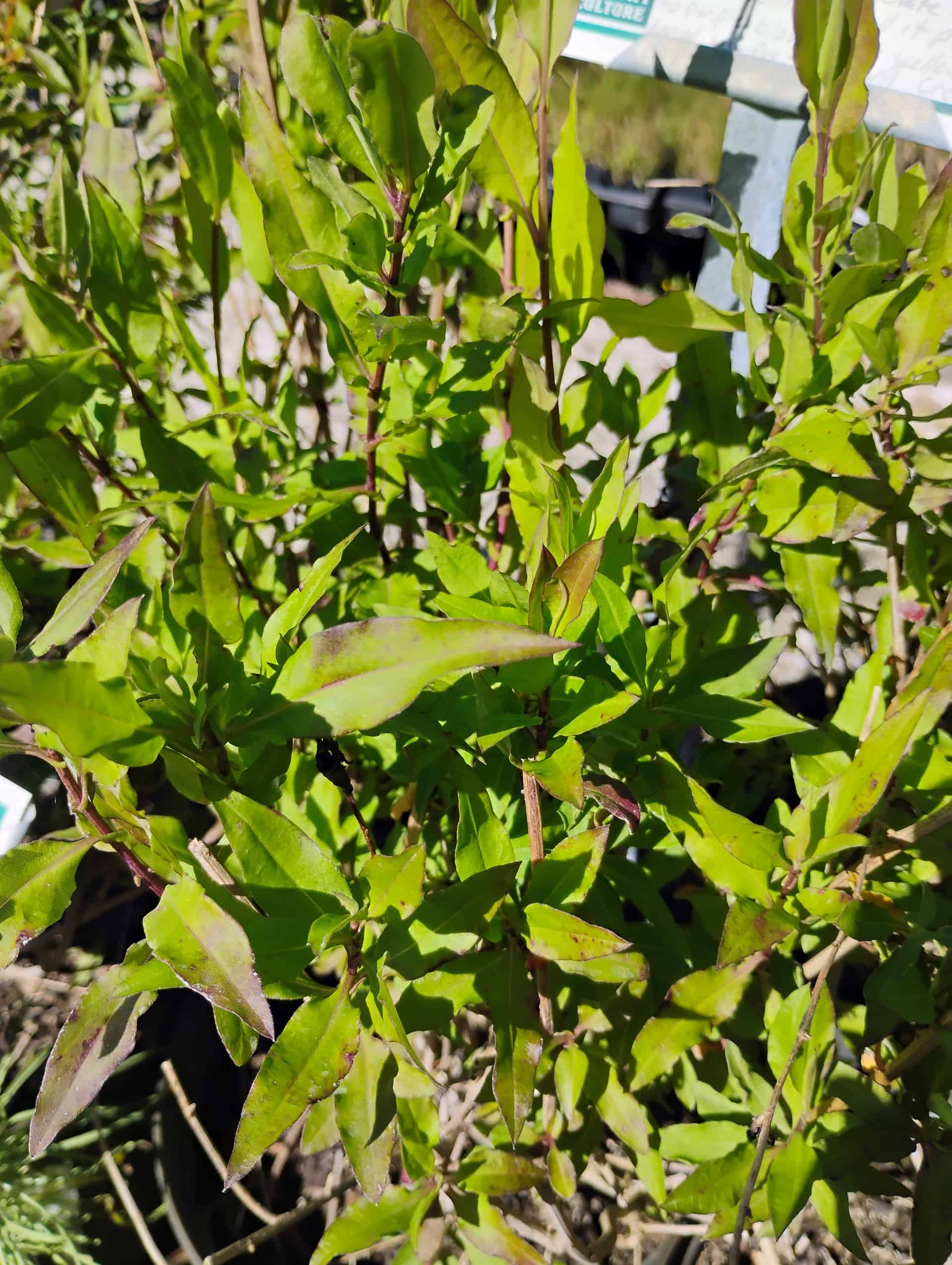
Climbing Aster
Shares 5 of the same needs: full sun, moderate water, loam, zone 9a hardiness, and pollinator-friendly.

Climbing Rose
Shares 5 of the same needs: full sun, moderate water, loam, zone 9a hardiness, and pollinator-friendly.

Coral Honeysuckle
Shares 5 of the same needs: full sun, moderate water, loam, zone 9a hardiness, and pollinator-friendly.
You may also like
 Vine
Kiwi Vine
Actinidia deliciosa
 Vine
Beach Morning Glory
Ipomoea imperati
 Vine
Cross Vine
Bignonia capreolata
Common questions
Is Purple Allamanda a good plant for St. Augustine?
Purple Allamanda is a vine. Mature size: 6-10 feet × 3-5 feet. Light: Full Sun. Water needs: Moderate. Recorded hardiness zone: 9a.
What is the recorded pet toxicity for Purple Allamanda?
Toxic to dogs and cats
Care information verified from
Last reviewed February 2026. Our care guidance comes from trusted horticulture sources and decades of helping St. Augustine gardeners. Conditions here can vary dramatically from one area to the next, so come ask us and we'll tailor it to your yard.