
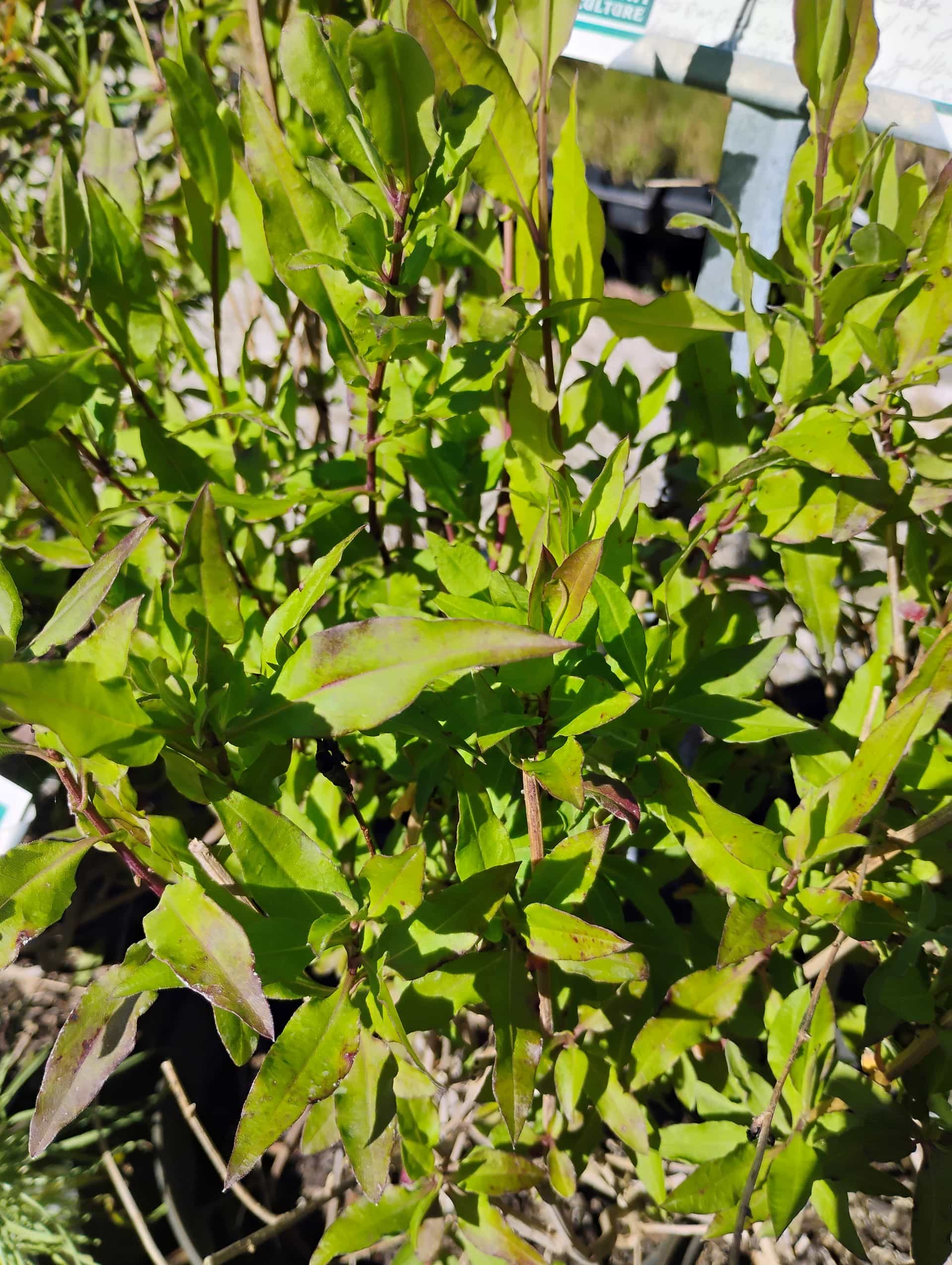
Varieties We Bring In
Standard
We received some Climbing Aster on Apr 12, 2026.
We bring this in seasonally, so what is on the lot changes week to week. A received date shows when it last came in, not that it is here today.
Call (904) 471-0440 to confirm this plant and size before you make the trip.
Last received Apr 12, 2026.
We bring this in seasonally, so what is on the lot changes week to week. A received date shows when it last came in, not that it is here today.
Call (904) 471-0440 to confirm this plant and size before you make the trip.
Pet toxicity: Non-toxic to dogs and cats
Pet safety guideAbout Climbing Aster
Climbing Aster (Symphyotrichum carolinianum) is a rare native Florida vine in the aster family, unique among North American asters for its scrambling, semi-woody habit that can reach 10–15 feet. It produces abundant lavender daisy-like flowers with yellow centers in fall, offering exceptional wildlife value.
Plant details
- Bloom Season
- Fall
- Flower Color
- Pink, Purple
- Growth Rate
- Fast
- Foliage
- Semi-evergreen
- Soil
- Sandy, Loam, Clay, Well-drained, Wet
Best planting months
Recommended months: March, April, May, September, October, November.
Seasonal care
Good planting window.
Active growing season.
Bloom season. Ideal planting window.
Bloom season. May lose some foliage in cold snaps.
Care essentials
Climbing Aster performs best in full sun to part sun. In NE Florida, a site with at least 4–6 hours of direct sun produces the most abundant fall bloom. It tolerates dappled shade under pines but flowers less.
This native tolerates both wet and moderately dry conditions once established. Water regularly the first season; thereafter, it is well-suited to NE Florida's rainfall patterns and does not require supplemental irrigation except during extended droughts.
Adaptable to a wide range of soils — sandy, loamy, clay, moist, or periodically wet. No fertilization is needed for in-ground plantings. Provide a fence, trellis, or shrub for the scrambling stems to climb.
Similar needs
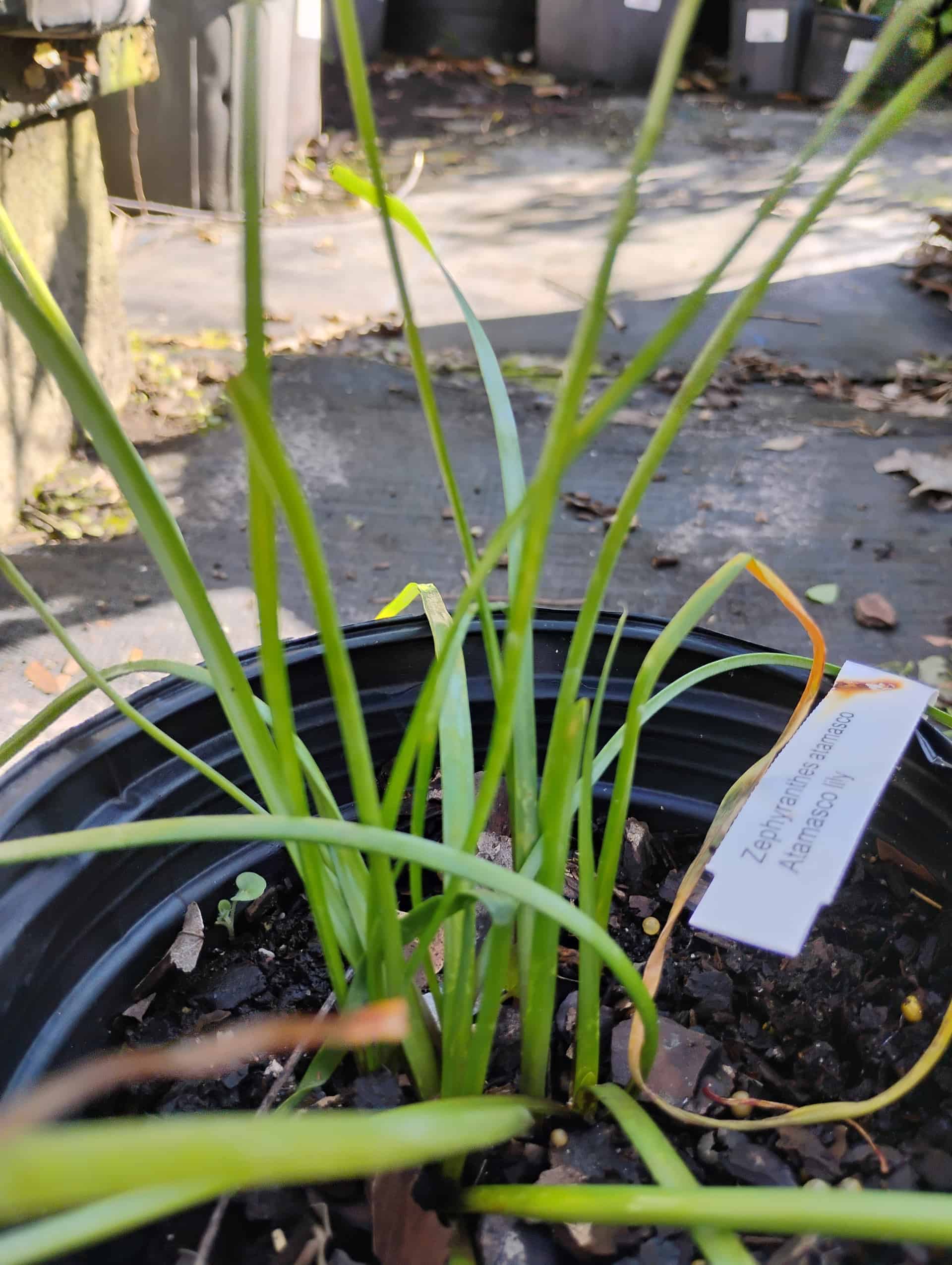
Atamasco Lily
Shares 5 of the same needs: full sun, moderate water, sandy, zone 9a hardiness, and pollinator-friendly.

Dwarf Fakahatchee Grass
Shares 5 of the same needs: full sun, moderate water, sandy, zone 9a hardiness, and pollinator-friendly.
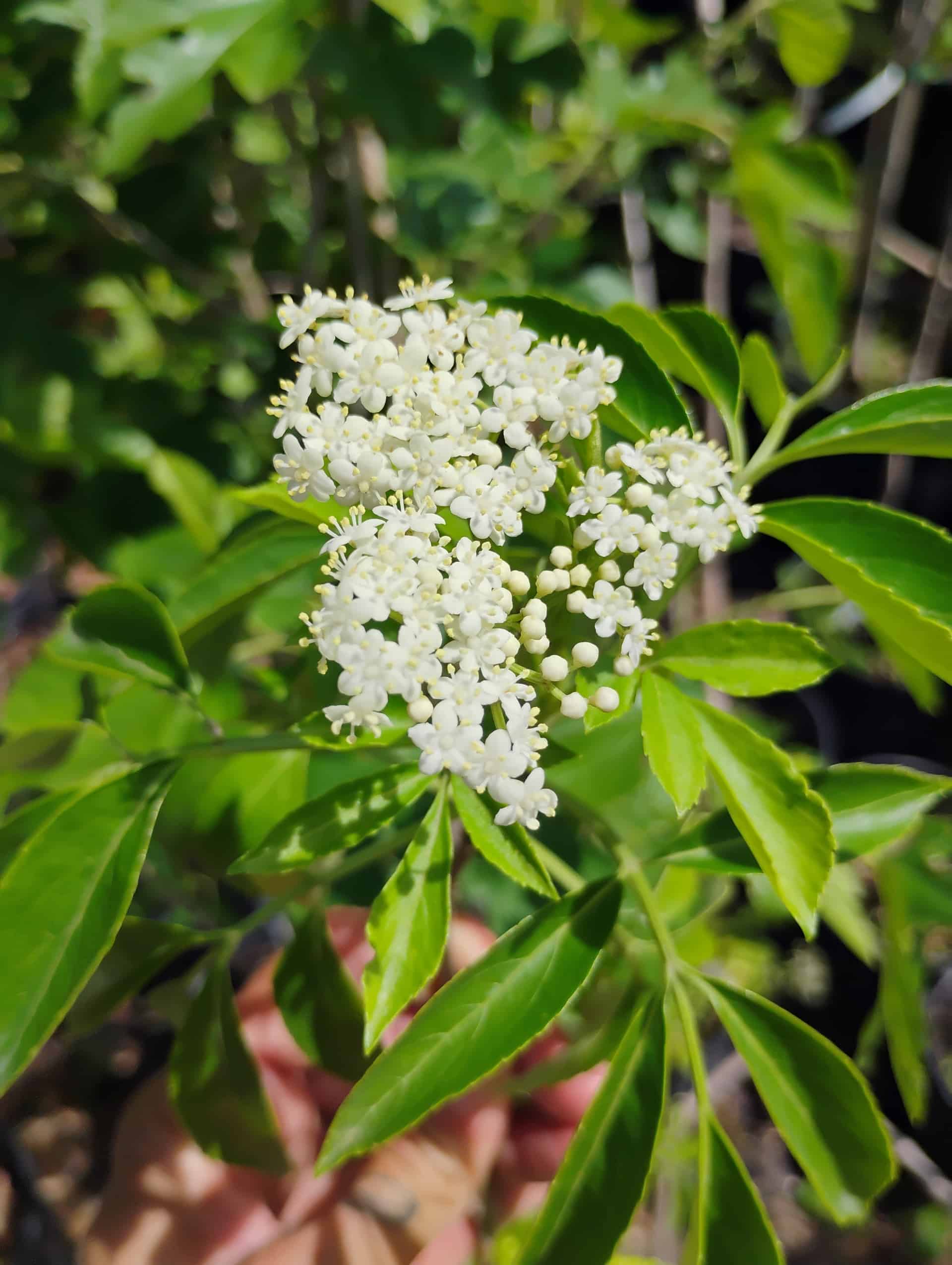
Elderberry
Shares 5 of the same needs: full sun, moderate water, sandy, zone 9a hardiness, and pollinator-friendly.
Golden Alexanders
Shares 5 of the same needs: similar light, moderate water, loam, zone 9a hardiness, and pollinator-friendly.
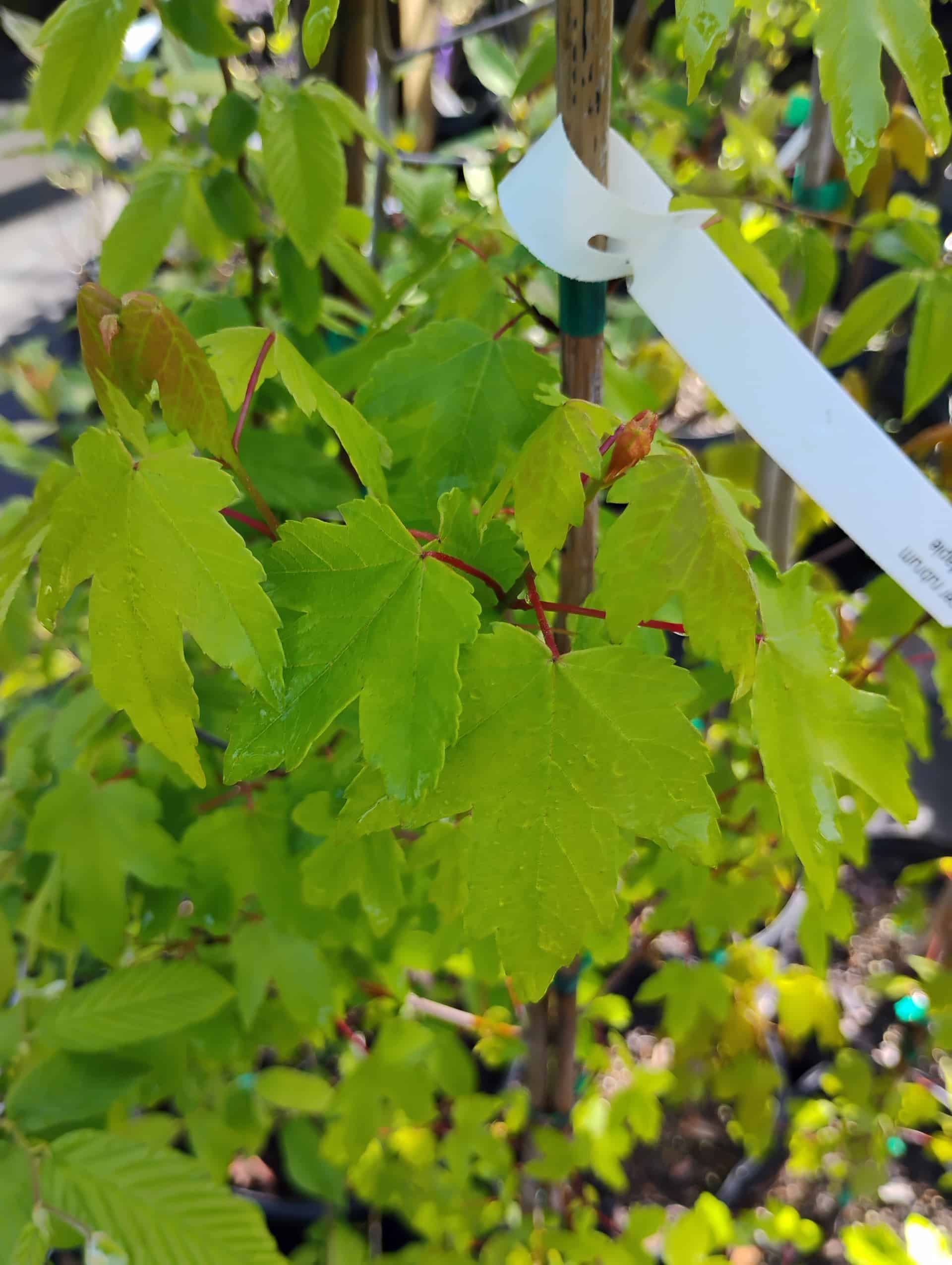
Red Maple
Shares 5 of the same needs: full sun, moderate water, sandy, zone 9a hardiness, and pollinator-friendly.
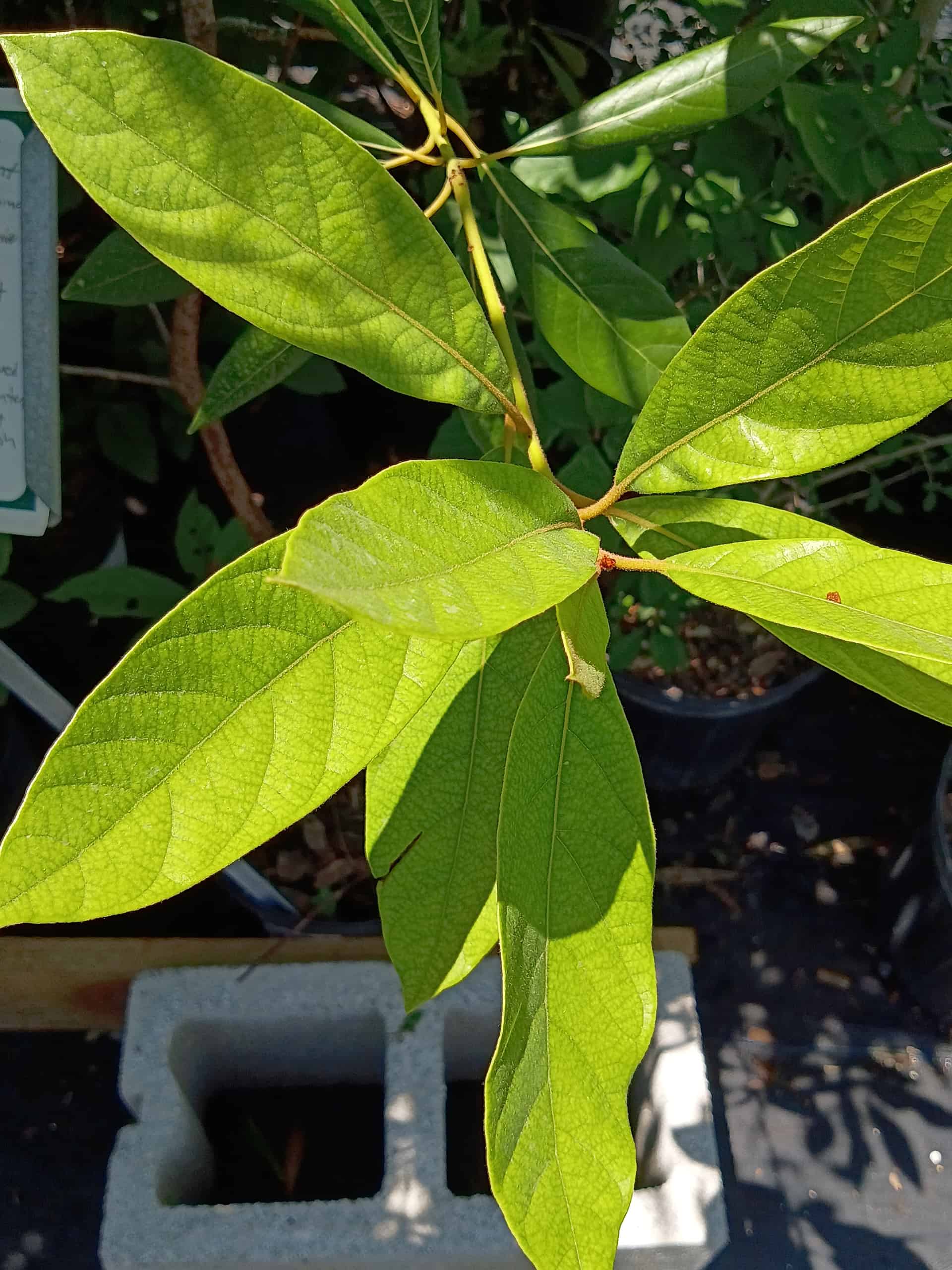
Redbay
Shares 5 of the same needs: full sun, moderate water, sandy, zone 9a hardiness, and pollinator-friendly.
You may also like
 Vine
Kiwi Vine
Actinidia deliciosa
 Vine
Purple Allamanda
Allamanda blanchetii
 Vine
Beach Morning Glory
Ipomoea imperati
Common questions
Is Climbing Aster a good plant for St. Augustine?
Climbing Aster is a vine. Mature size: 6-12 feet × 2-5 feet. Light: Full Sun, Part Sun. Water needs: Moderate. Climbing Aster is native to Florida. Recorded hardiness zone: 9a.
What is the recorded pet toxicity for Climbing Aster?
Non-toxic to dogs and cats
Care information verified from
Last reviewed February 2026. Our care guidance comes from trusted horticulture sources and decades of helping St. Augustine gardeners. Conditions here can vary dramatically from one area to the next, so come ask us and we'll tailor it to your yard.