
Varieties We Bring In
Standard
Brandywine
We received some Red Maple on Jul 16, 2026.
We bring this in seasonally, so what is on the lot changes week to week. A received date shows when it last came in, not that it is here today.
Call (904) 471-0440 to confirm this plant and size before you make the trip.
Last received Jul 16, 2026.
We bring this in seasonally, so what is on the lot changes week to week. A received date shows when it last came in, not that it is here today.
Call (904) 471-0440 to confirm this plant and size before you make the trip.
Pet toxicity: Non-toxic to dogs and cats
Pet safety guideAbout Red Maple
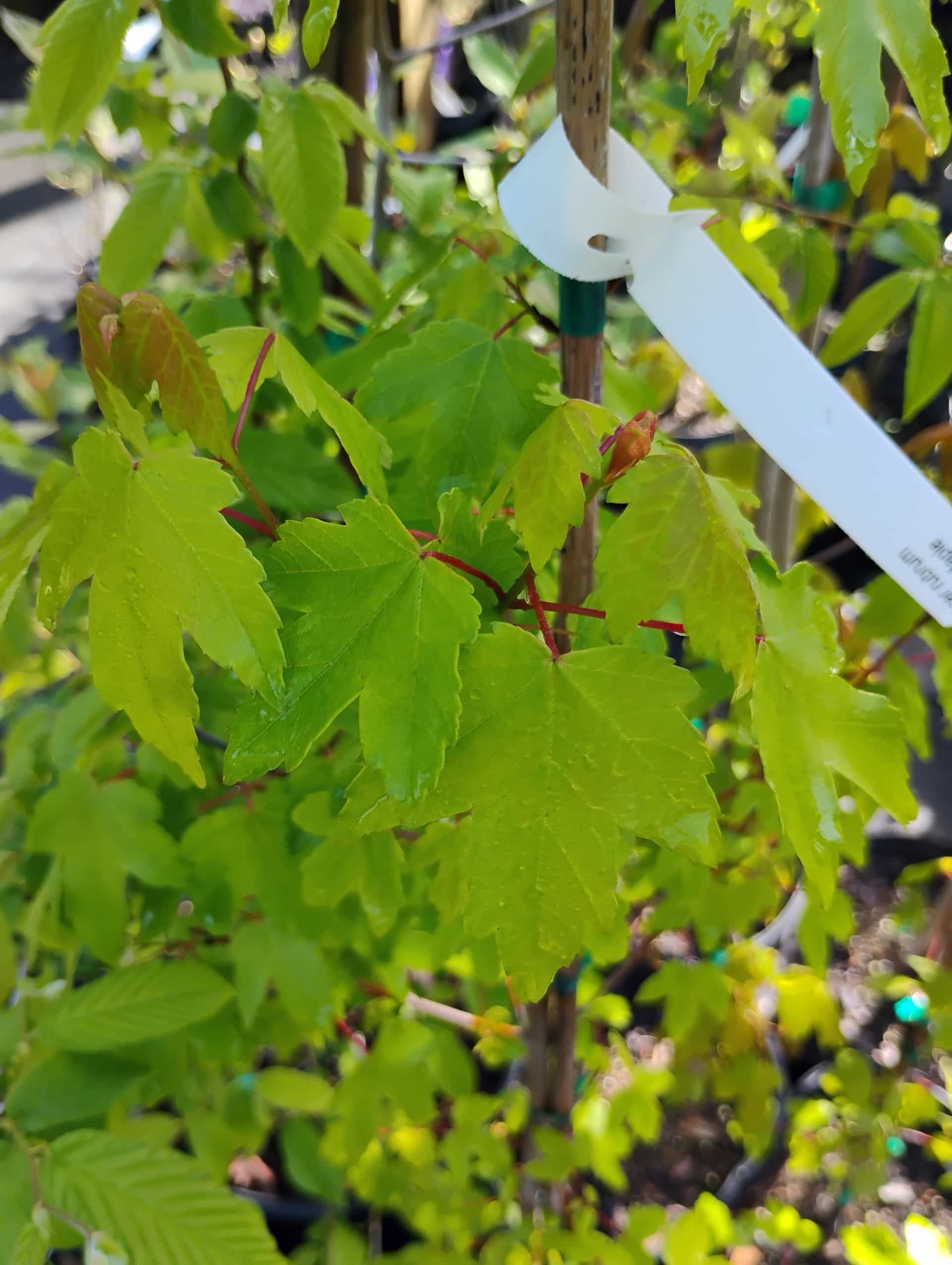
Red Maple (Acer rubrum) is a fast-growing, deciduous tree native to eastern North America, one of the most abundant and adaptable trees on the continent, notable for the red color it displays in multiple seasons — red buds and flowers in late winter, red leaf stems in summer, and brilliant scarlet to orange fall foliage. Small red winged samaras appear in spring, among the earliest native tree fruits to ripen. It thrives in a wide range of soils from wet lowlands to dry uplands.
Plant details
- Bloom Season
- Winter, Spring
- Flower Color
- Red
- Growth Rate
- Fast
- Foliage
- Deciduous
- Soil
- Sandy, Clay, Loam, Acidic, Wet, Well-drained
Best planting months
Recommended months: January, February, March, October, November, December.
Seasonal care
Bloom season. New foliage emerges. Good planting window.
Active growing season.
Foliage may begin to change or drop. Ideal planting window.
Bloom season. Dormant — drops foliage. Can be planted in mild winter periods.
Care essentials
Adaptable to full sun through partial shade. In NE Florida, full sun to partial sun produces the best form and fall color. Avoid sites with poor air circulation to reduce fungal disease pressure during the rainy season.
Red Maple tolerates wet to moderately dry soils, but performs best with consistent moisture. In NE Florida, summer drought can cause leaf scorch — mulch generously and irrigate during dry spells, particularly for young trees.
Thrives in NE Florida's acidic sandy to clay soils. Amend at planting with compost and maintain a 3–4 inch mulch ring. Apply a balanced slow-release fertilizer for acid-loving trees in early spring; avoid high-phosphorus fertilizers on Florida's sandy soils.
Similar needs
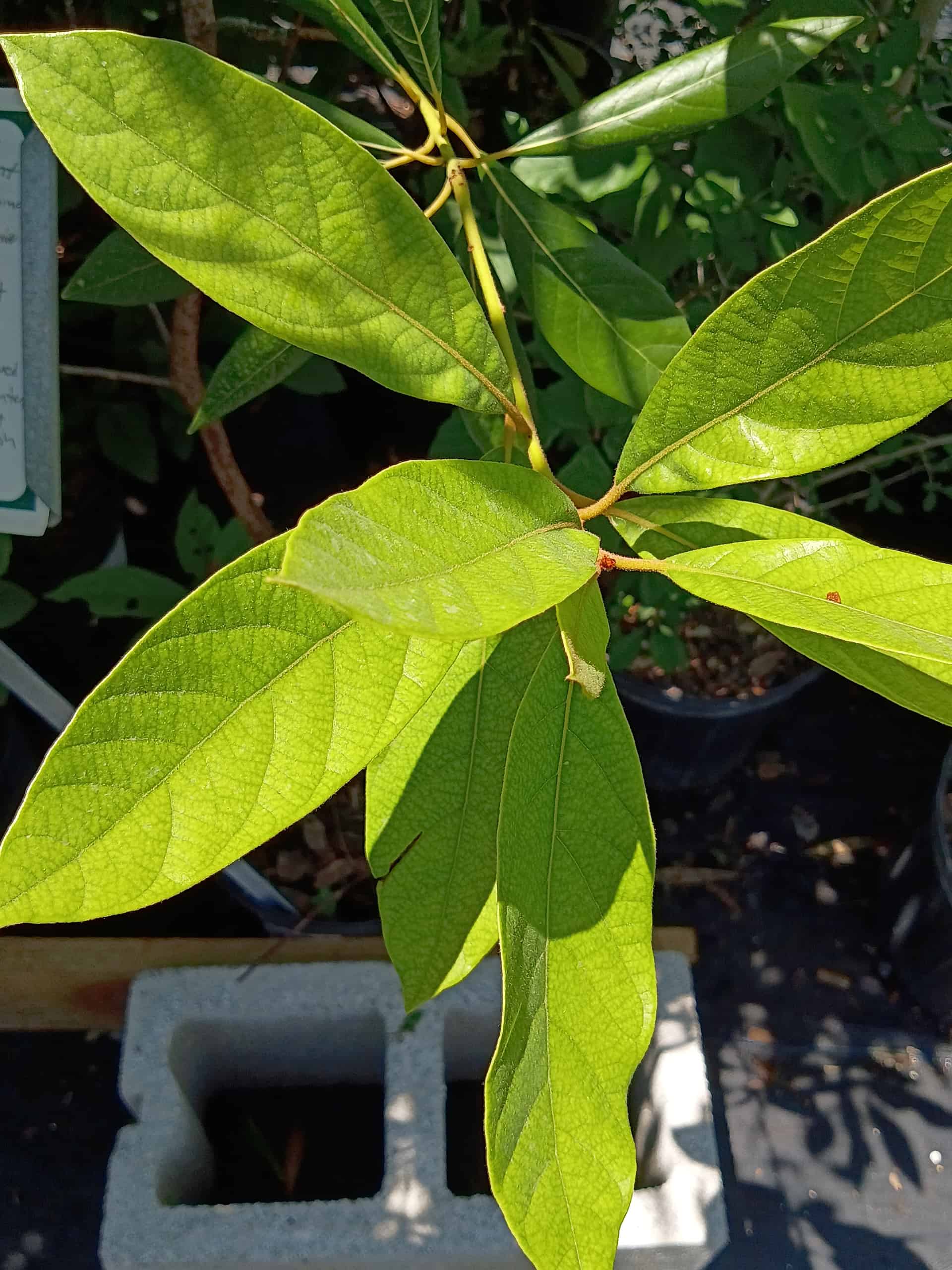
Redbay
Shares 5 of the same needs: full sun, moderate water, sandy, zone 9a hardiness, and pollinator-friendly.
Sugarberry
Shares 5 of the same needs: full sun, moderate water, sandy, zone 9a hardiness, and pollinator-friendly.
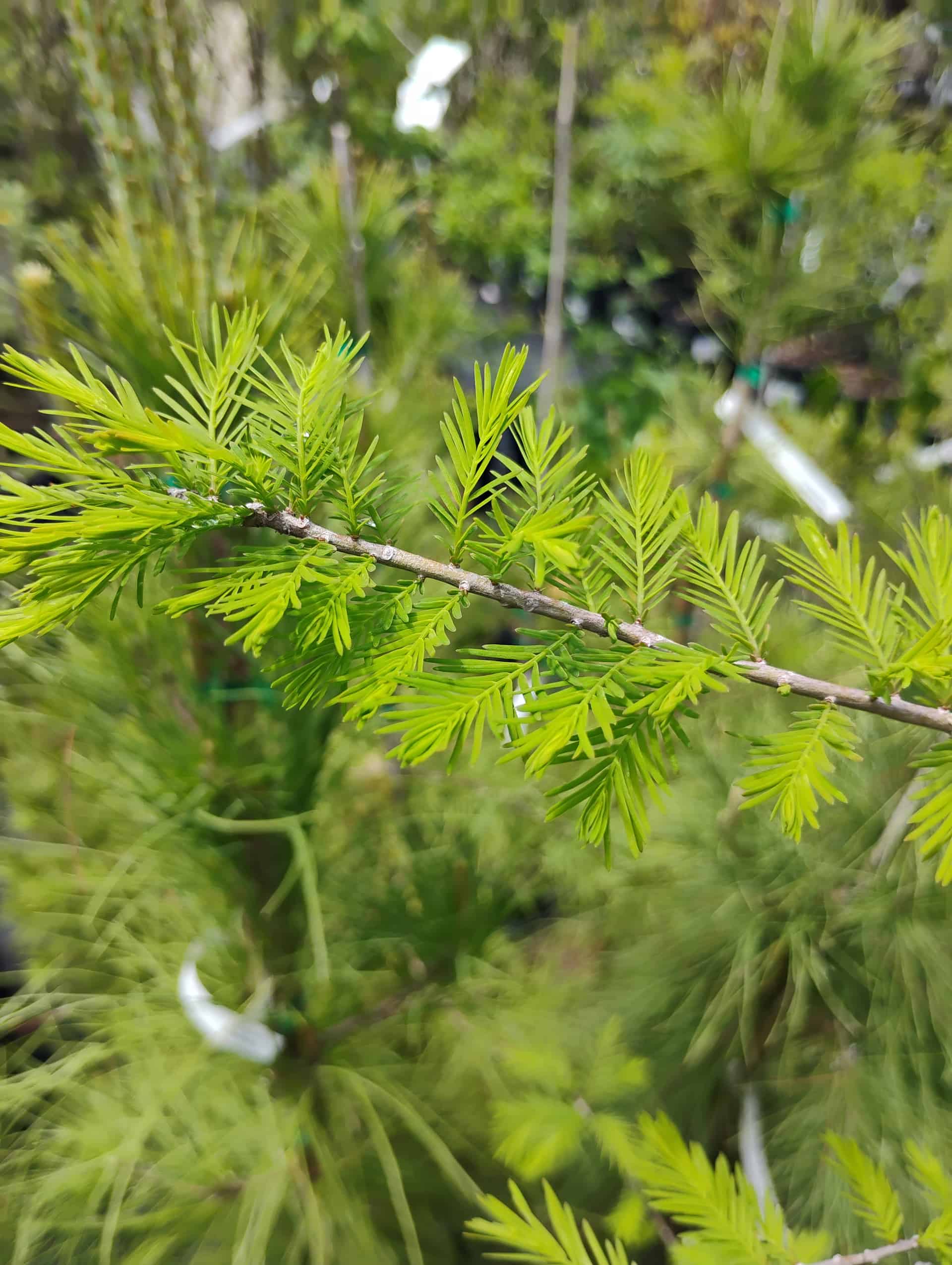
Bald Cypress
Shares 4 of the same needs: full sun, moderate water, sandy, and zone 9a hardiness.
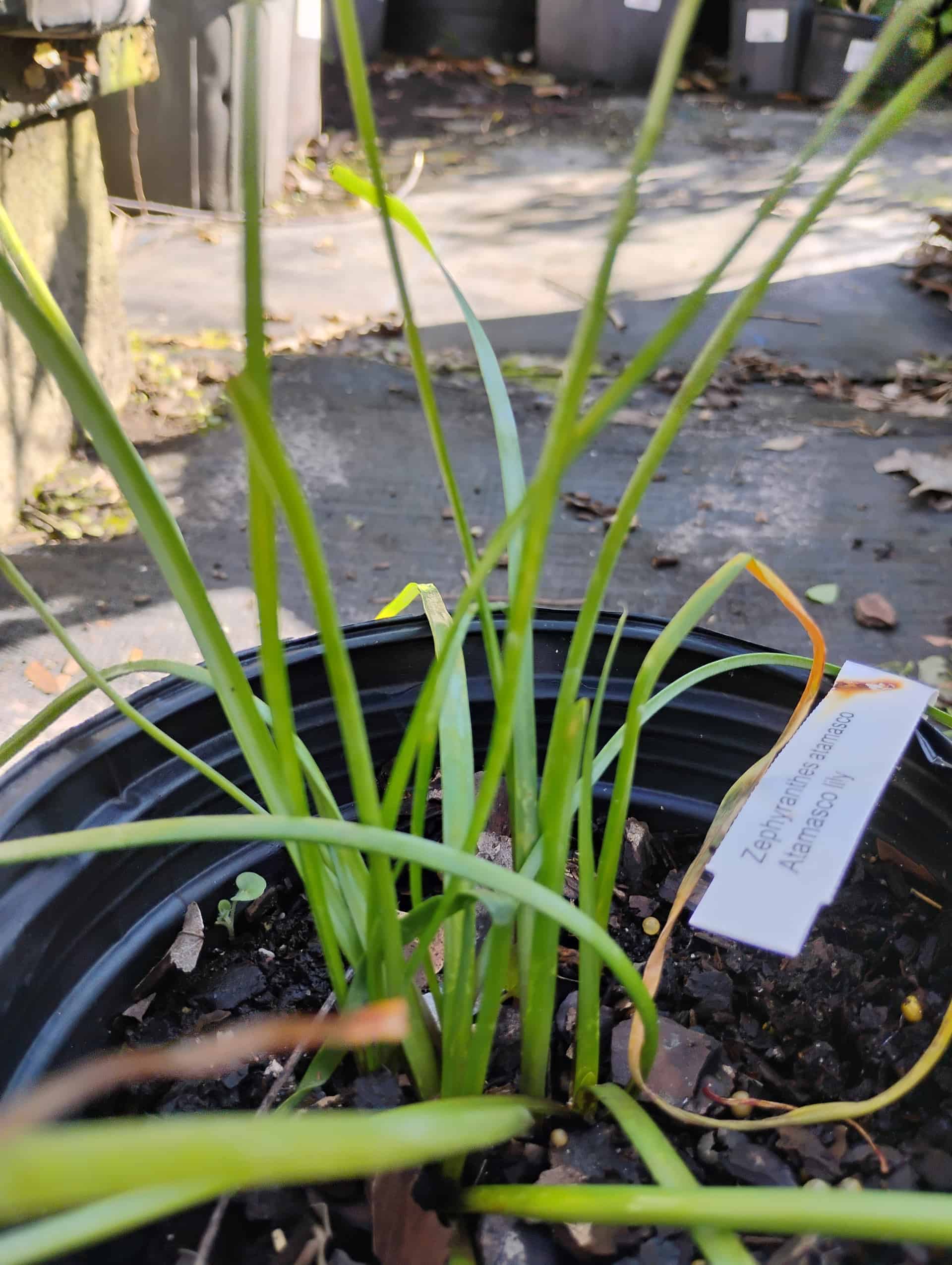
Atamasco Lily
Shares 5 of the same needs: full sun, moderate water, sandy, zone 9a hardiness, and pollinator-friendly.
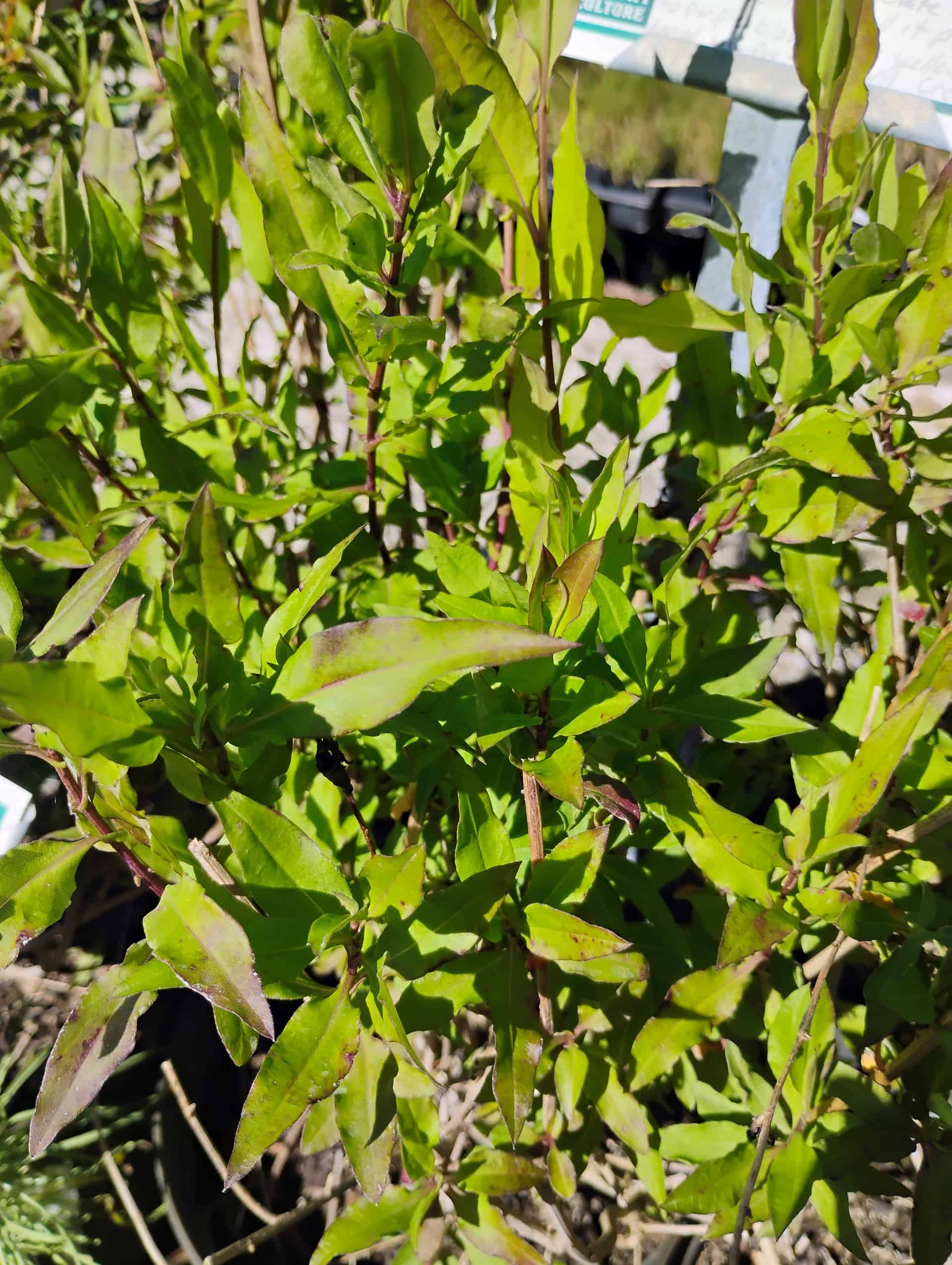
Climbing Aster
Shares 5 of the same needs: full sun, moderate water, sandy, zone 9a hardiness, and pollinator-friendly.

Dwarf Fakahatchee Grass
Shares 5 of the same needs: full sun, moderate water, sandy, zone 9a hardiness, and pollinator-friendly.
You may also like
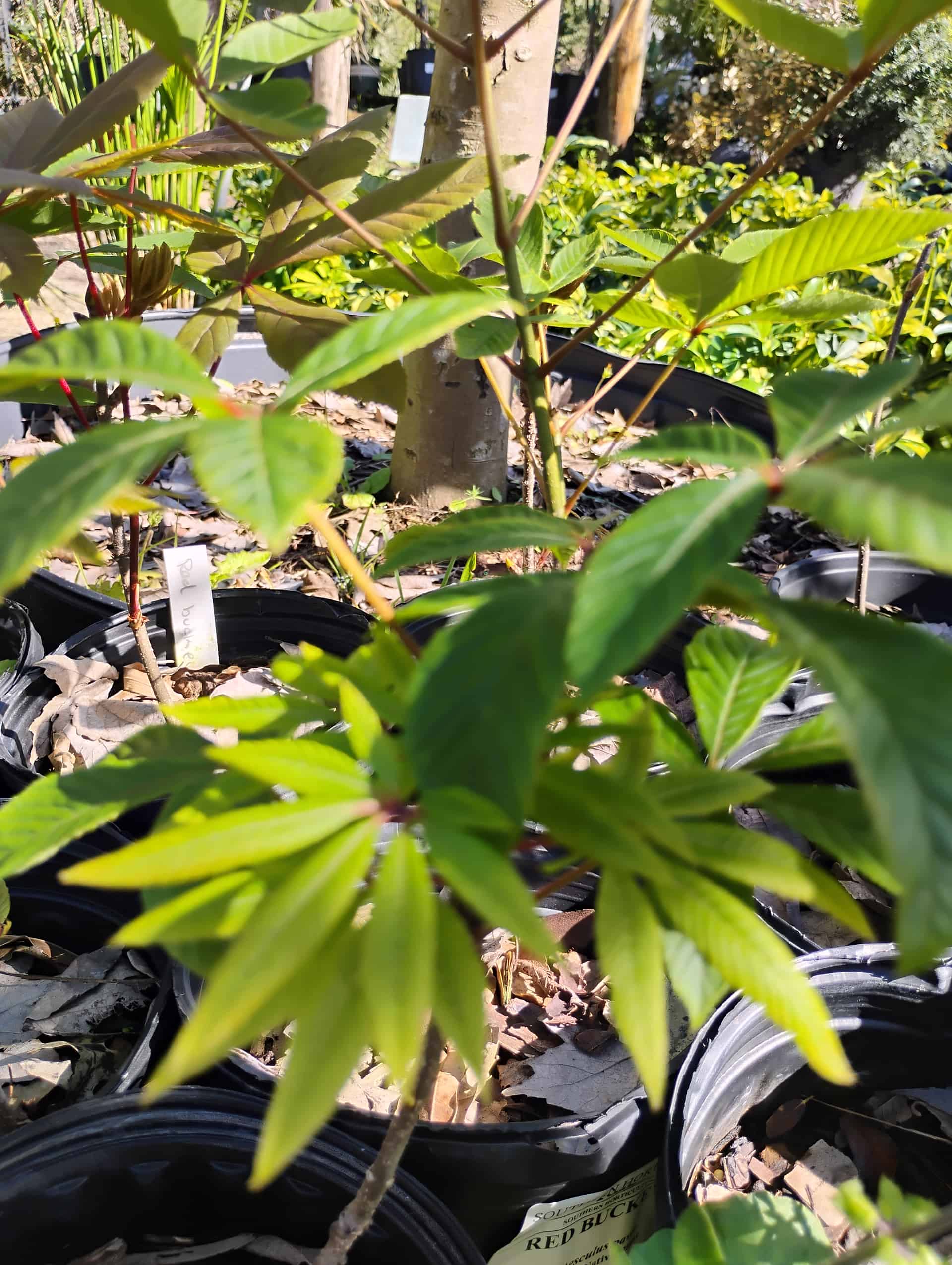 Tree
Red Buckeye
Aesculus pavia
Serviceberry
Amelanchier arborea
American Beech
Fagus grandifolia
Common questions
Is Red Maple a good plant for St. Augustine?
Red Maple is a tree. Mature size: 60-75 feet × 25-35 feet. Light: Full Sun, Part Sun, Part Shade. Water needs: Moderate. Red Maple is native to Florida. Recorded hardiness zone: 9a.
What is the recorded pet toxicity for Red Maple?
Non-toxic to dogs and cats
Care information verified from
Last reviewed March 2026. Our care guidance comes from trusted horticulture sources and decades of helping St. Augustine gardeners. Conditions here can vary dramatically from one area to the next, so come ask us and we'll tailor it to your yard.