
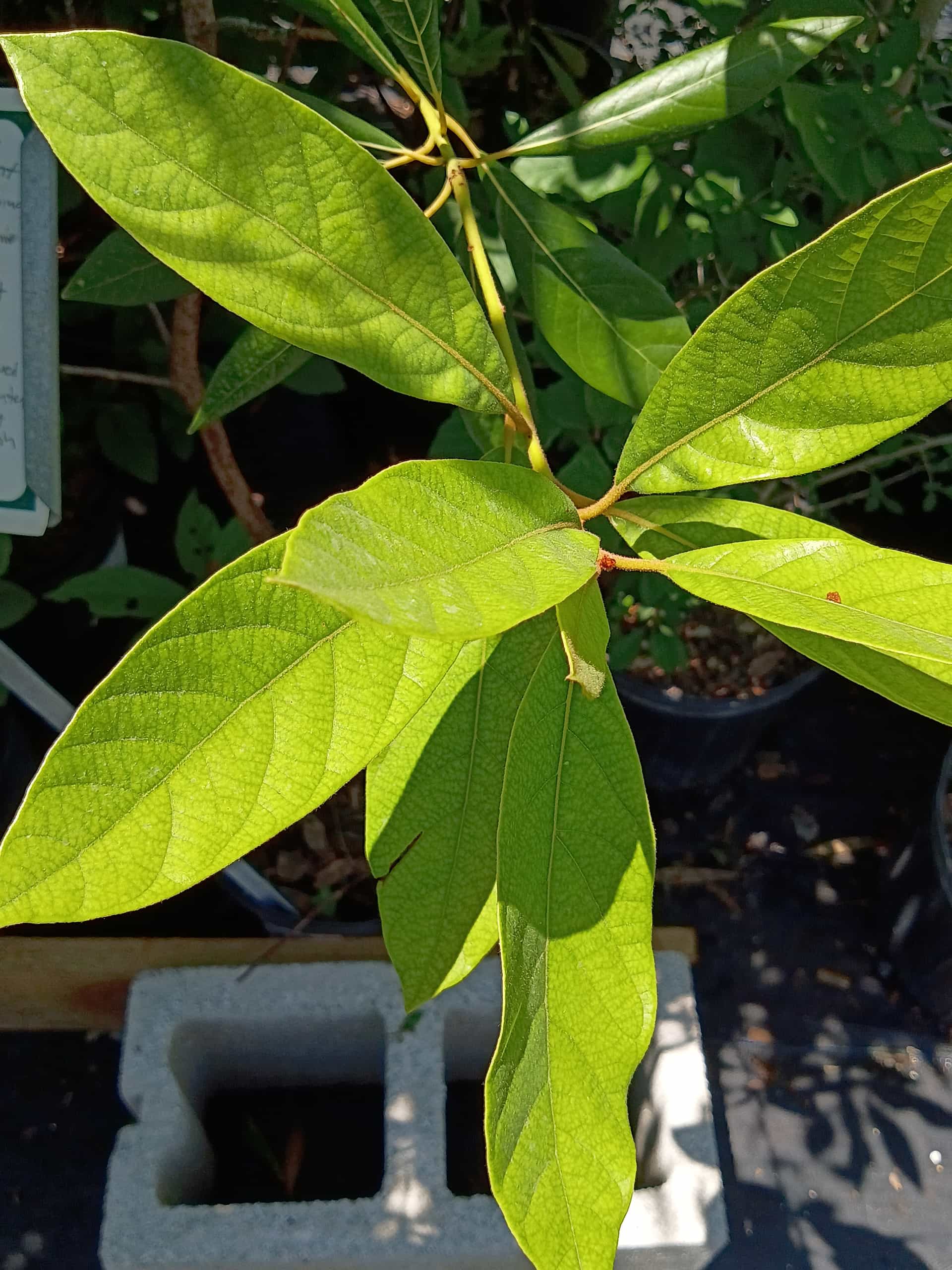
Varieties We Bring In
Standard
We received some Redbay on Mar 11, 2026.
We bring this in seasonally, so what is on the lot changes week to week. A received date shows when it last came in, not that it is here today.
Call (904) 471-0440 to confirm this plant and size before you make the trip.
Last received Mar 11, 2026.
We bring this in seasonally, so what is on the lot changes week to week. A received date shows when it last came in, not that it is here today.
Call (904) 471-0440 to confirm this plant and size before you make the trip.
Pet toxicity: not on file, check before planting where pets chew
Pet safety guideAbout Redbay
Red Bay (Persea borbonia) is a native, aromatic evergreen tree of the southeastern United States coastal plain, a member of the laurel family (Lauraceae) closely related to the edible avocado. Its lance-shaped, glossy leaves are fragrant when crushed and have been used as a culinary bay substitute, while the dark blue drupes are eaten by a variety of birds. Populations throughout the Southeast have been severely impacted by laurel wilt disease spread by the introduced redbay ambrosia beetle.
Plant details
- Bloom Season
- Spring
- Flower Color
- Yellow
- Growth Rate
- Moderate
- Foliage
- Evergreen
- Soil
- Sandy, Loam, Acidic, Well-drained, Wet
Best planting months
Recommended months: January, February, March, October, November, December.
Seasonal care
Bloom season. Good planting window.
Active growing season.
Ideal planting window.
Retains foliage through winter. Can be planted in mild winter periods.
Care essentials
Thrives in full sun to partial shade and is adaptable to NE Florida's canopy and open landscape conditions alike. Prune lateral branches to maintain structure and reduce wind-throw risk.
Tolerates a wide moisture range from moist to periodically wet soils. Once established in NE Florida it requires little supplemental irrigation. Young trees benefit from regular watering until rooted.
Well-suited to NE Florida's sandy, loamy, and seasonally wet acidic soils. Little fertilization is needed. Important: Redbay is highly susceptible to laurel wilt disease spread by the redbay ambrosia beetle — inspect regularly for wilting foliage and discolored sapwood, and promptly remove and destroy infected material to limit spread.
Similar needs
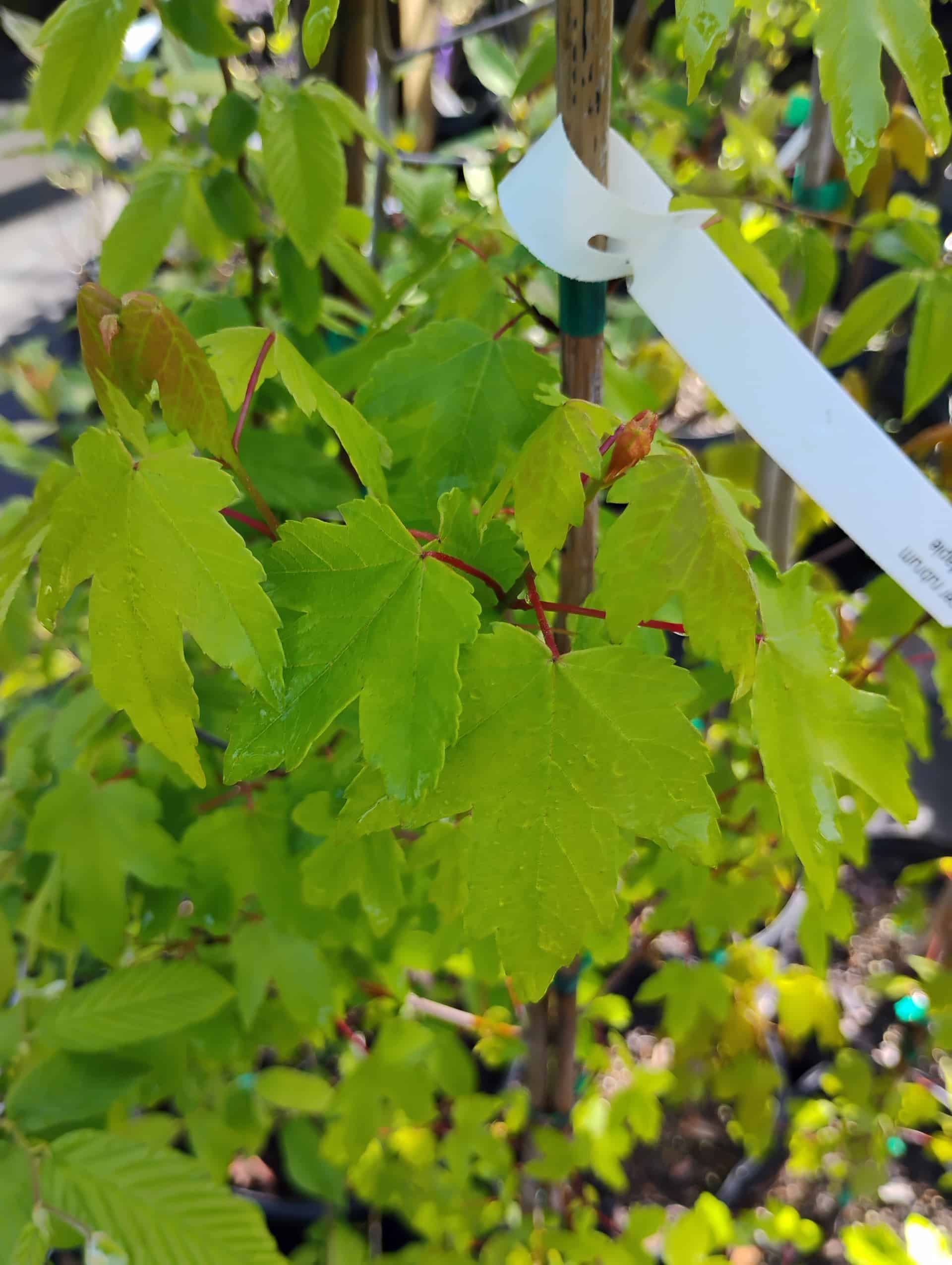
Red Maple
Shares 5 of the same needs: full sun, moderate water, sandy, zone 9a hardiness, and pollinator-friendly.
Sugarberry
Shares 5 of the same needs: full sun, moderate water, sandy, zone 9a hardiness, and pollinator-friendly.
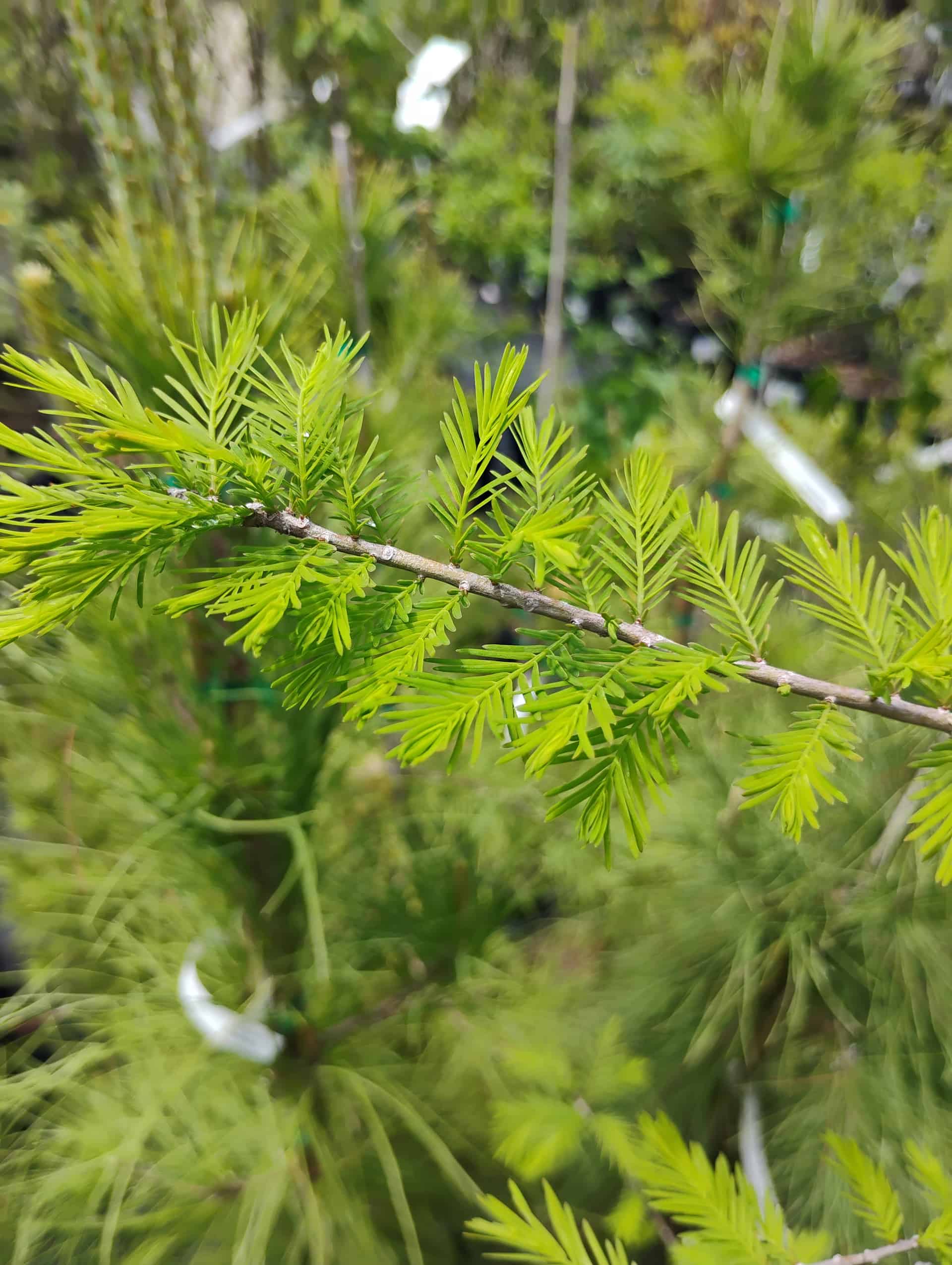
Bald Cypress
Shares 4 of the same needs: full sun, moderate water, sandy, and zone 9a hardiness.
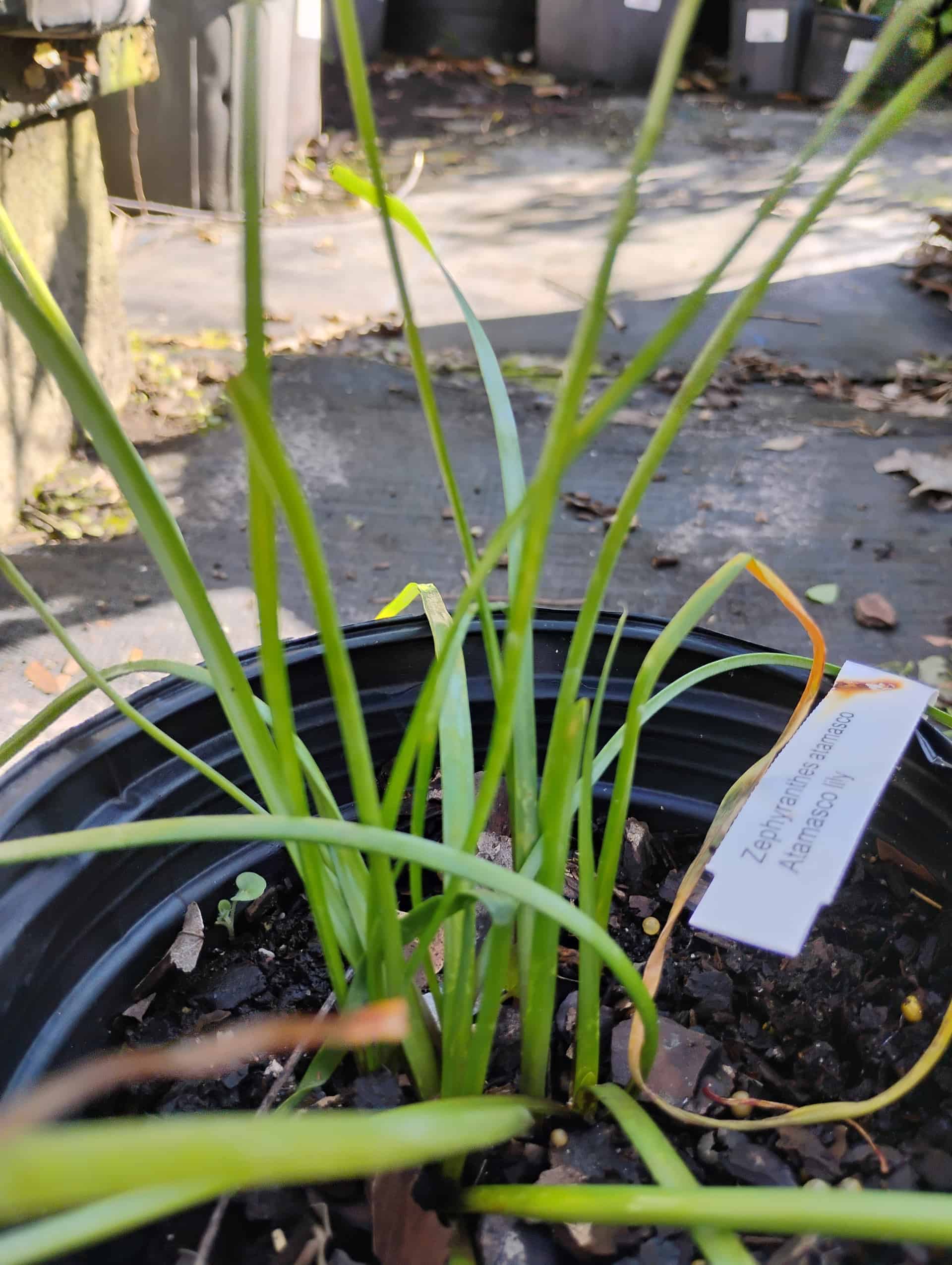
Atamasco Lily
Shares 5 of the same needs: full sun, moderate water, sandy, zone 9a hardiness, and pollinator-friendly.
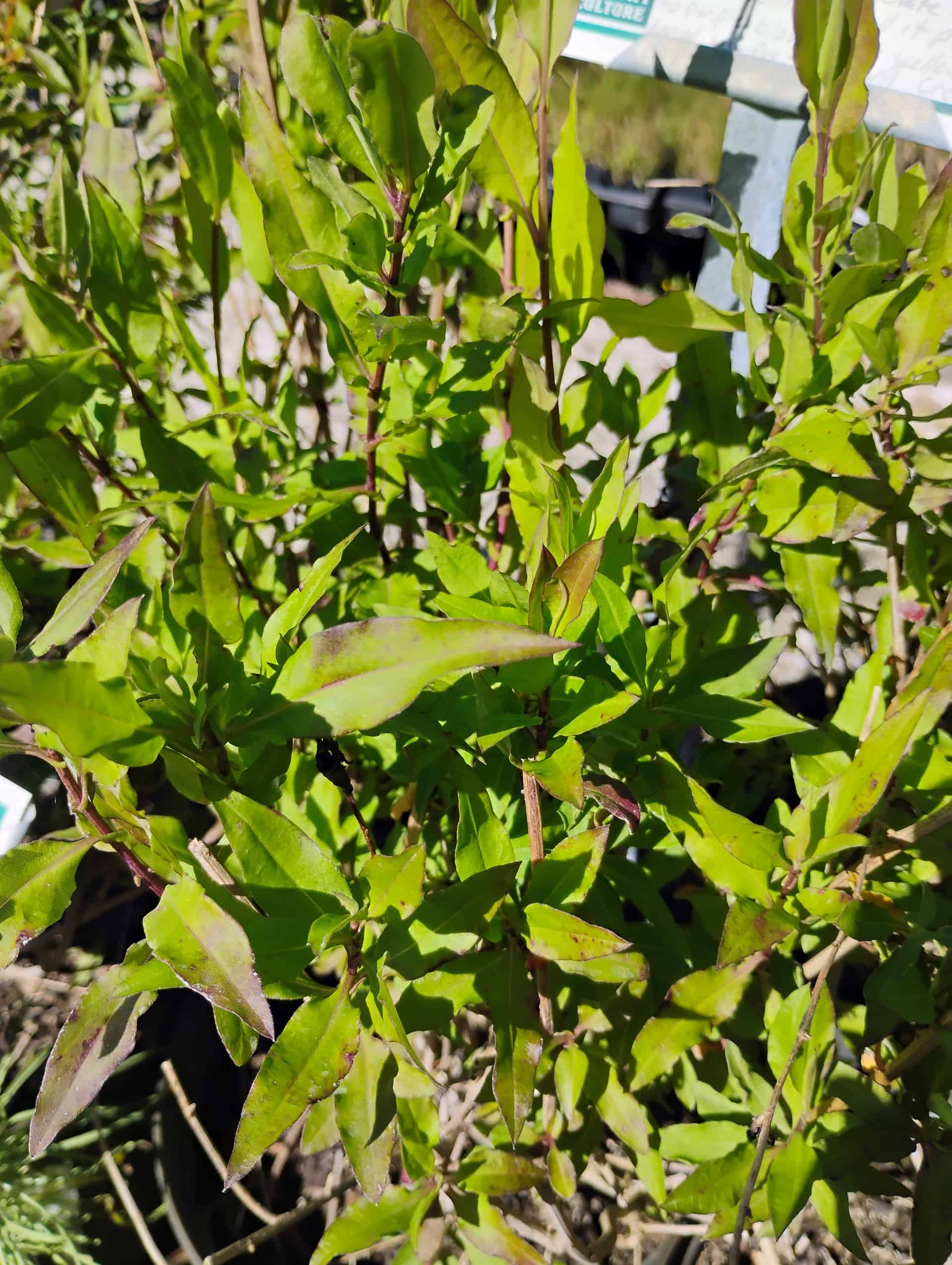
Climbing Aster
Shares 5 of the same needs: full sun, moderate water, sandy, zone 9a hardiness, and pollinator-friendly.

Dwarf Fakahatchee Grass
Shares 5 of the same needs: full sun, moderate water, sandy, zone 9a hardiness, and pollinator-friendly.
You may also like
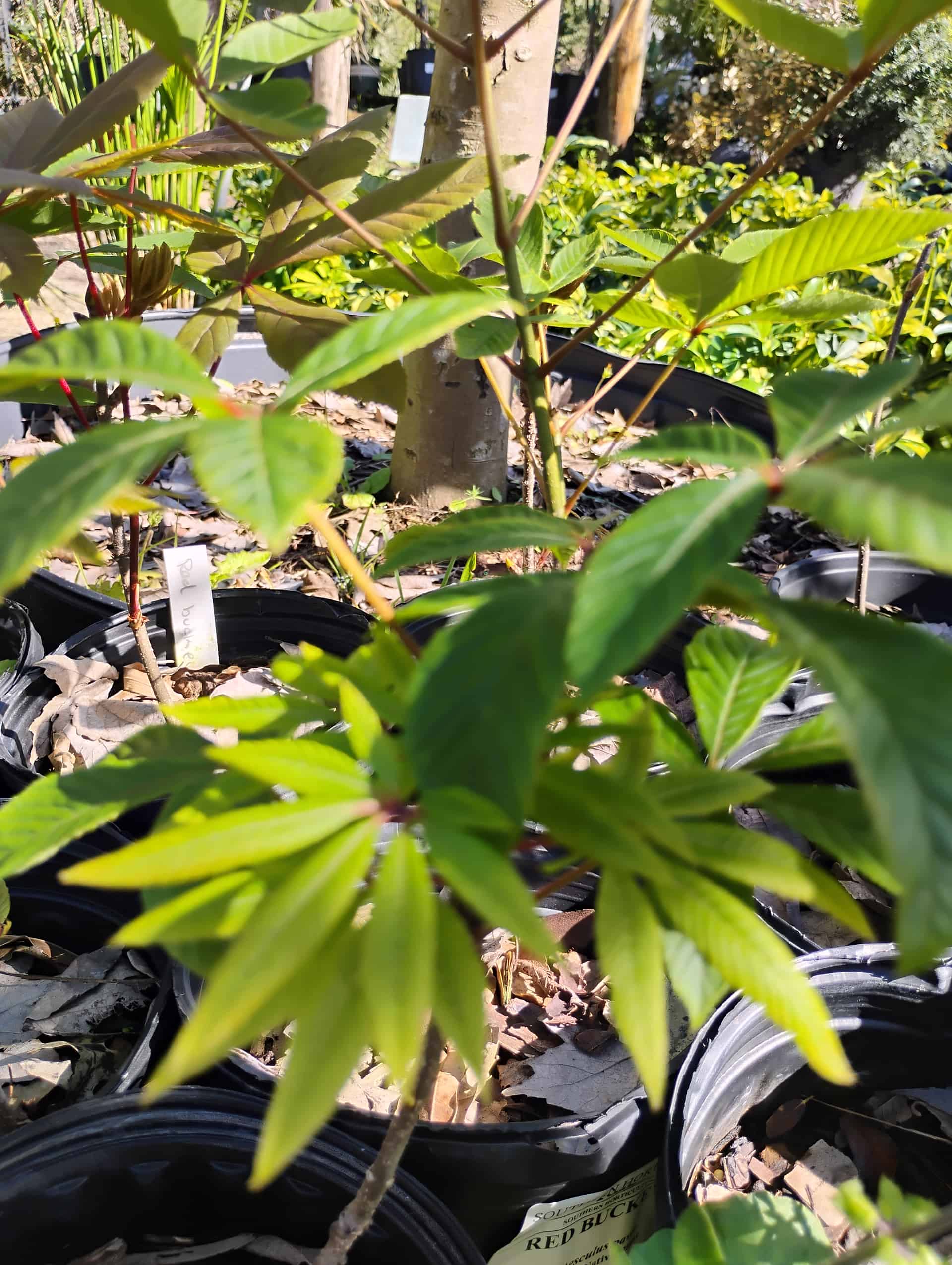 Tree
Red Buckeye
Aesculus pavia
Serviceberry
Amelanchier arborea
American Beech
Fagus grandifolia
Common questions
Is Redbay a good plant for St. Augustine?
Redbay is a tree. Mature size: 30-50 feet × 25-35 feet. Light: Full Sun, Part Sun, Part Shade. Water needs: Moderate. Redbay is native to Florida. Recorded hardiness zone: 9a.
Care information verified from
Last reviewed February 2026. Our care guidance comes from trusted horticulture sources and decades of helping St. Augustine gardeners. Conditions here can vary dramatically from one area to the next, so come ask us and we'll tailor it to your yard.