
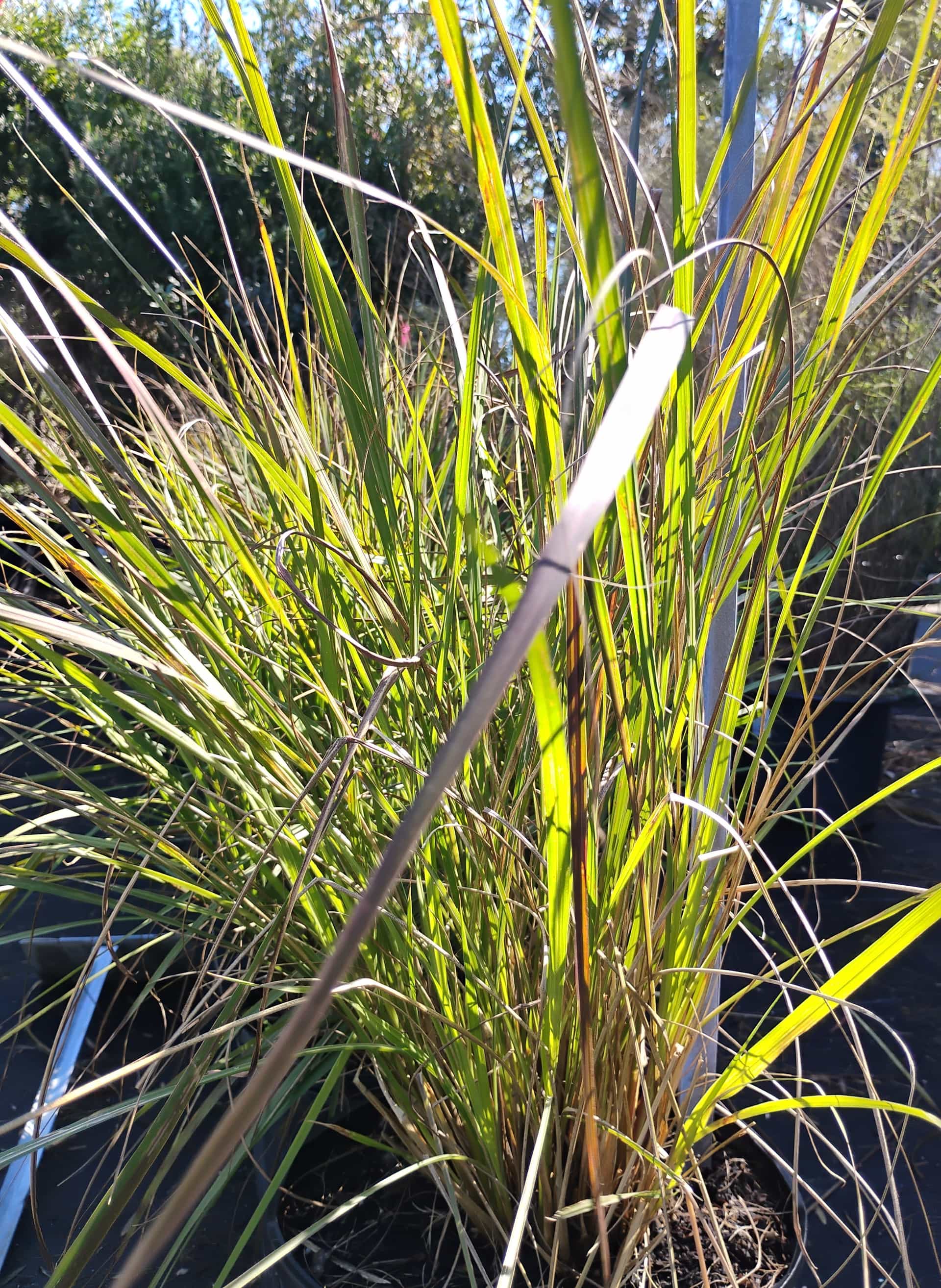
Dwarf Fakahatchee Grass
Tripsacum floridanum
Varieties We Bring In
Last received Jul 19, 2026.
We bring this in seasonally, so what is on the lot changes week to week. A received date shows when it last came in, not that it is here today.
Call (904) 471-0440 to confirm this plant and size before you make the trip.
About Dwarf Fakahatchee Grass
Dwarf Fakahatchee Grass (Tripsacum floridanum) is a compact, clumping Florida native bunch grass that forms graceful mounds of narrow, arching green blades typically 2–3 feet tall and wide. Tolerant of drought, flooding, and a wide range of soils, it is an adaptable, low-maintenance choice for naturalistic NE Florida landscapes and is listed as a threatened species in Florida. Starting at $6.95.
Plant details
- Bloom Season
- Fall
- Flower Color
- White, Pink, Yellow
- Growth Rate
- Moderate
- Foliage
- Evergreen
- Soil
- Sandy, Loam, Well-drained, Wet
Best planting months
Seasonal care
Bloom season. Good planting window.
Active growing season.
Growth slows as temperatures cool.
Retains foliage through winter.
Care essentials
Dwarf Fakahatchee Grass grows best in full sun to part shade. In NE Florida it adapts readily to a range of exposures but produces the most vigorous clumps with at least 4–6 hours of direct sun; it also tolerates the light shade beneath taller plantings.
This Florida native tolerates both drought and periodic flooding once established, making it highly adaptable to NE Florida's variable rainfall. Water regularly during the first season to establish roots; after that, supplemental irrigation is rarely needed except during severe drought.
Grows in a wide range of soils from dry sandy uplands to moist clay or wet areas — a key advantage in NE Florida landscapes. No fertilizer is needed in most sites; in very lean sandy soils, a single light application of balanced slow-release fertilizer in spring supports establishment. Divide large clumps every 3–4 years in spring to maintain vigor. Note: this species is listed as threatened in Florida.
Similar needs
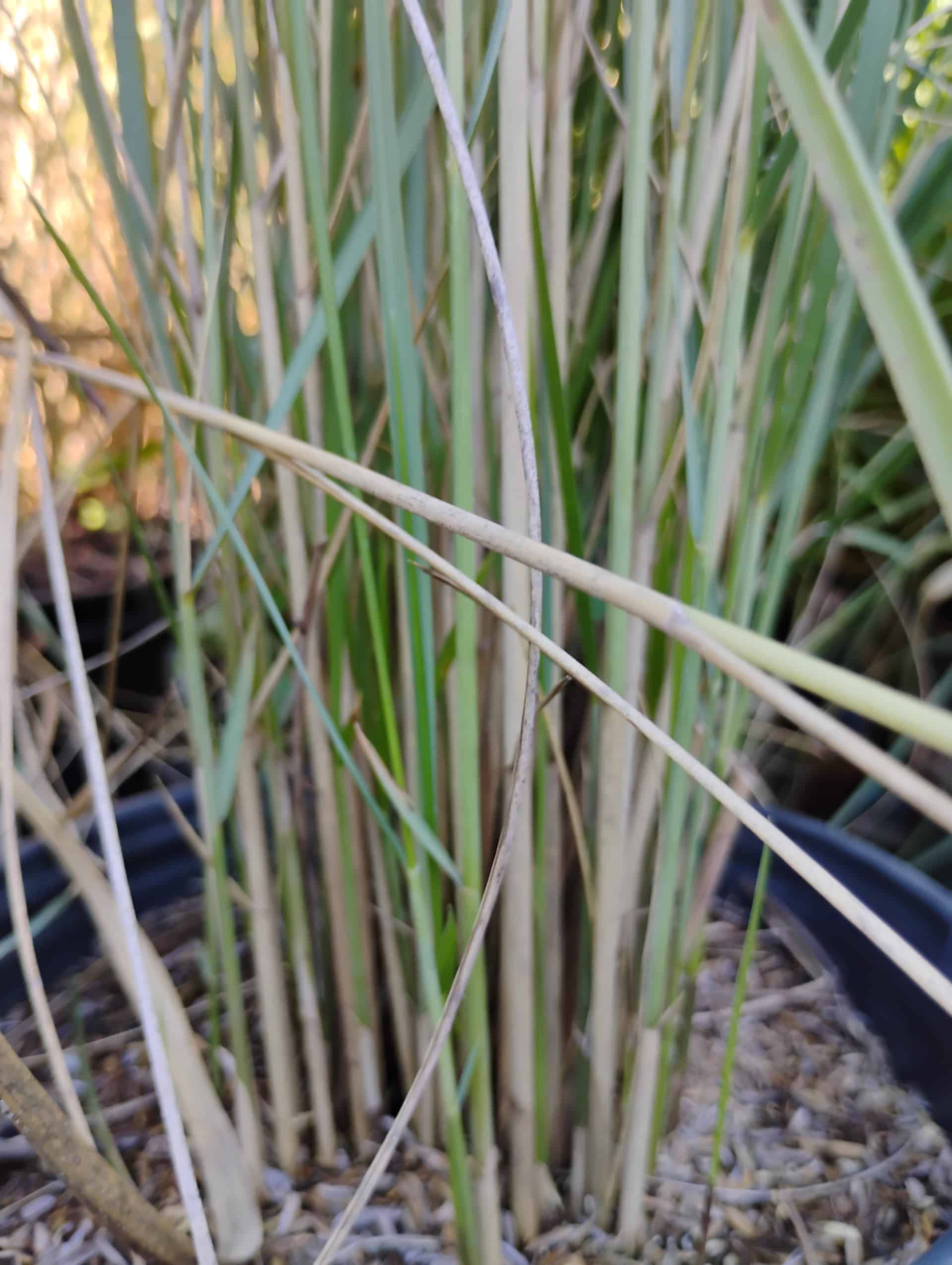
Sand Cordgrass
Shares 4 of the same needs: full sun, moderate water, sandy, and zone 9a hardiness.
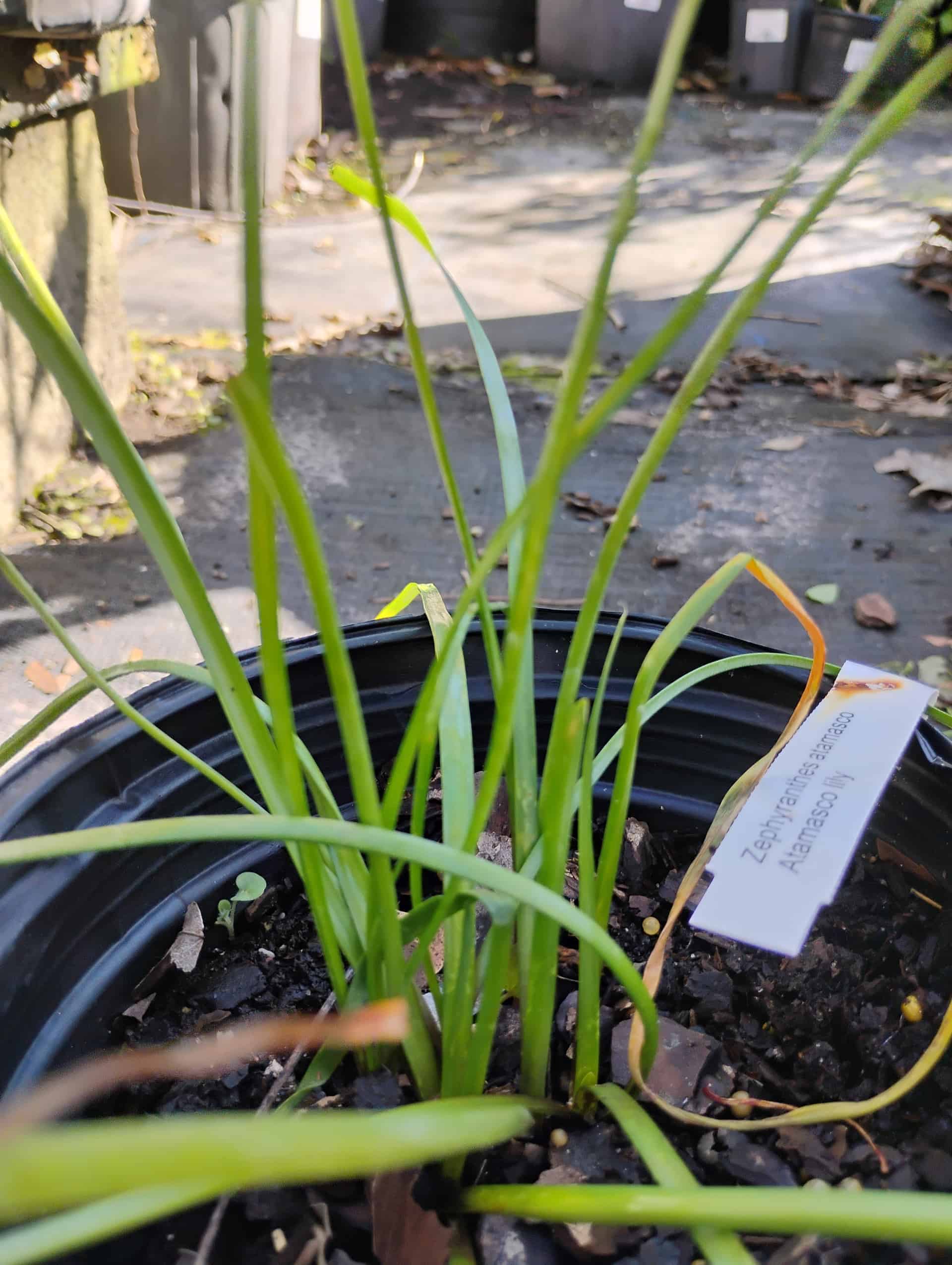
Atamasco Lily
Shares 5 of the same needs: full sun, moderate water, sandy, zone 9a hardiness, and pollinator-friendly.
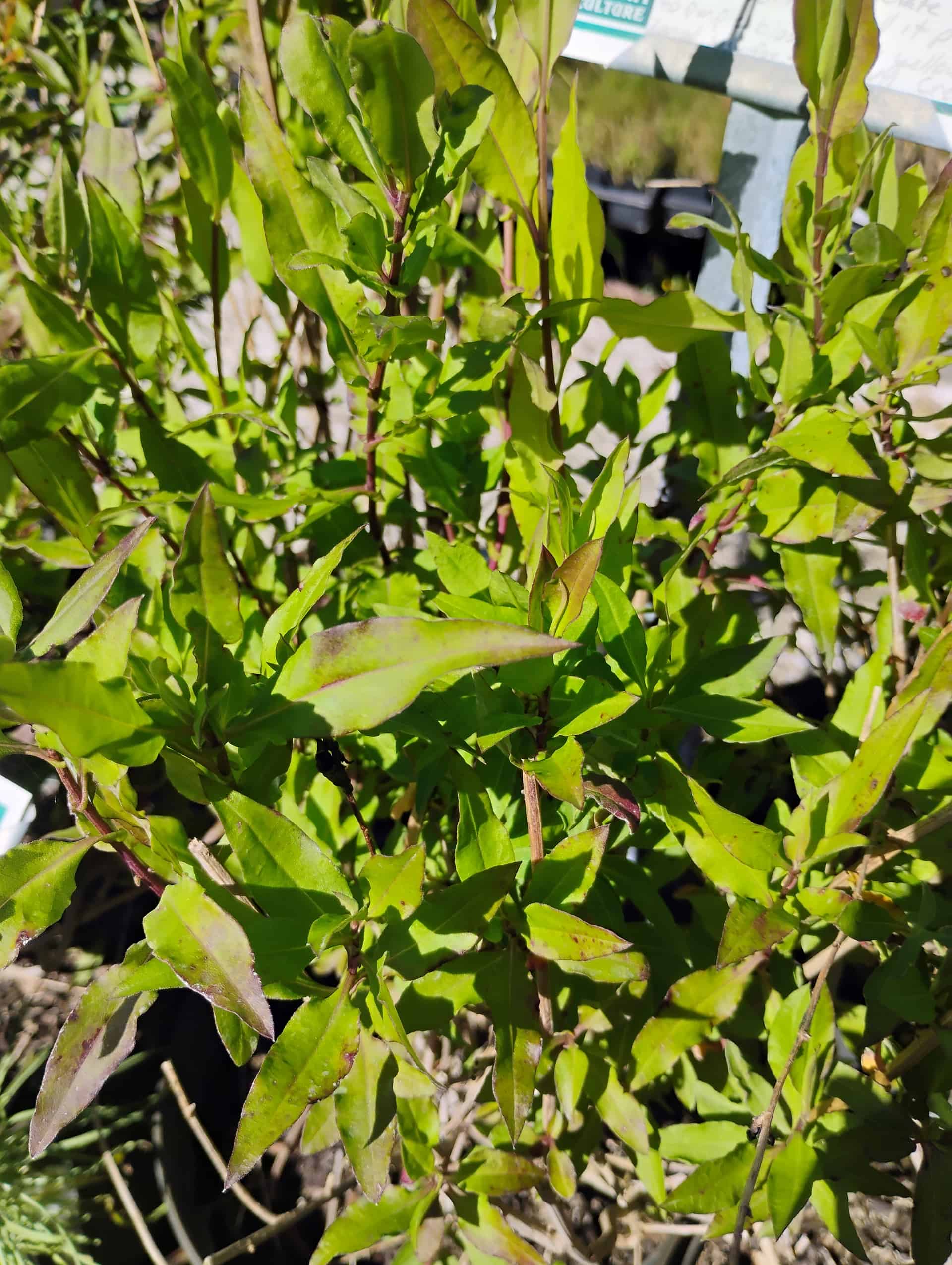
Climbing Aster
Shares 5 of the same needs: full sun, moderate water, sandy, zone 9a hardiness, and pollinator-friendly.
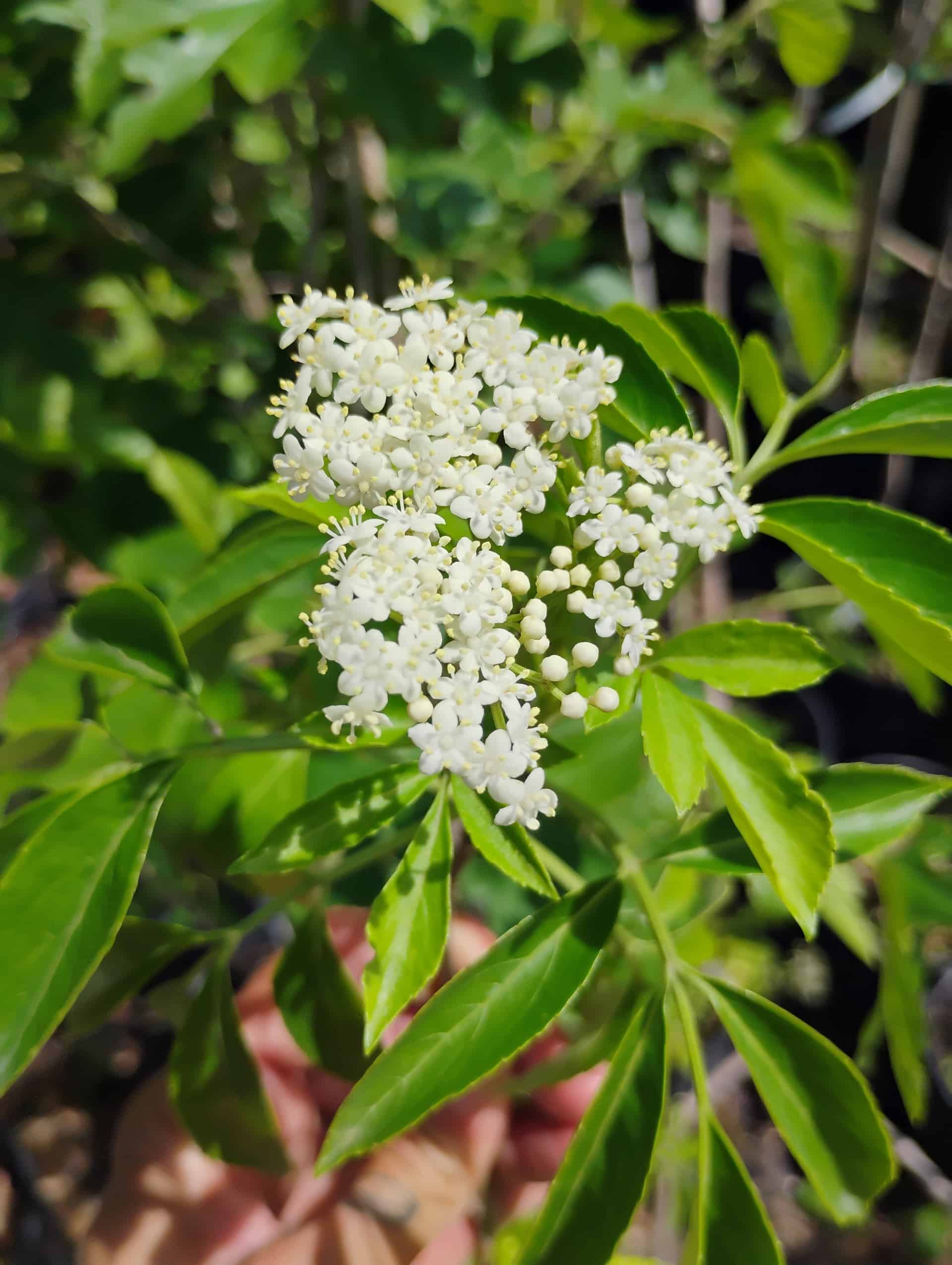
Elderberry
Shares 5 of the same needs: full sun, moderate water, sandy, zone 9a hardiness, and pollinator-friendly.
Golden Alexanders
Shares 5 of the same needs: similar light, moderate water, loam, zone 9a hardiness, and pollinator-friendly.
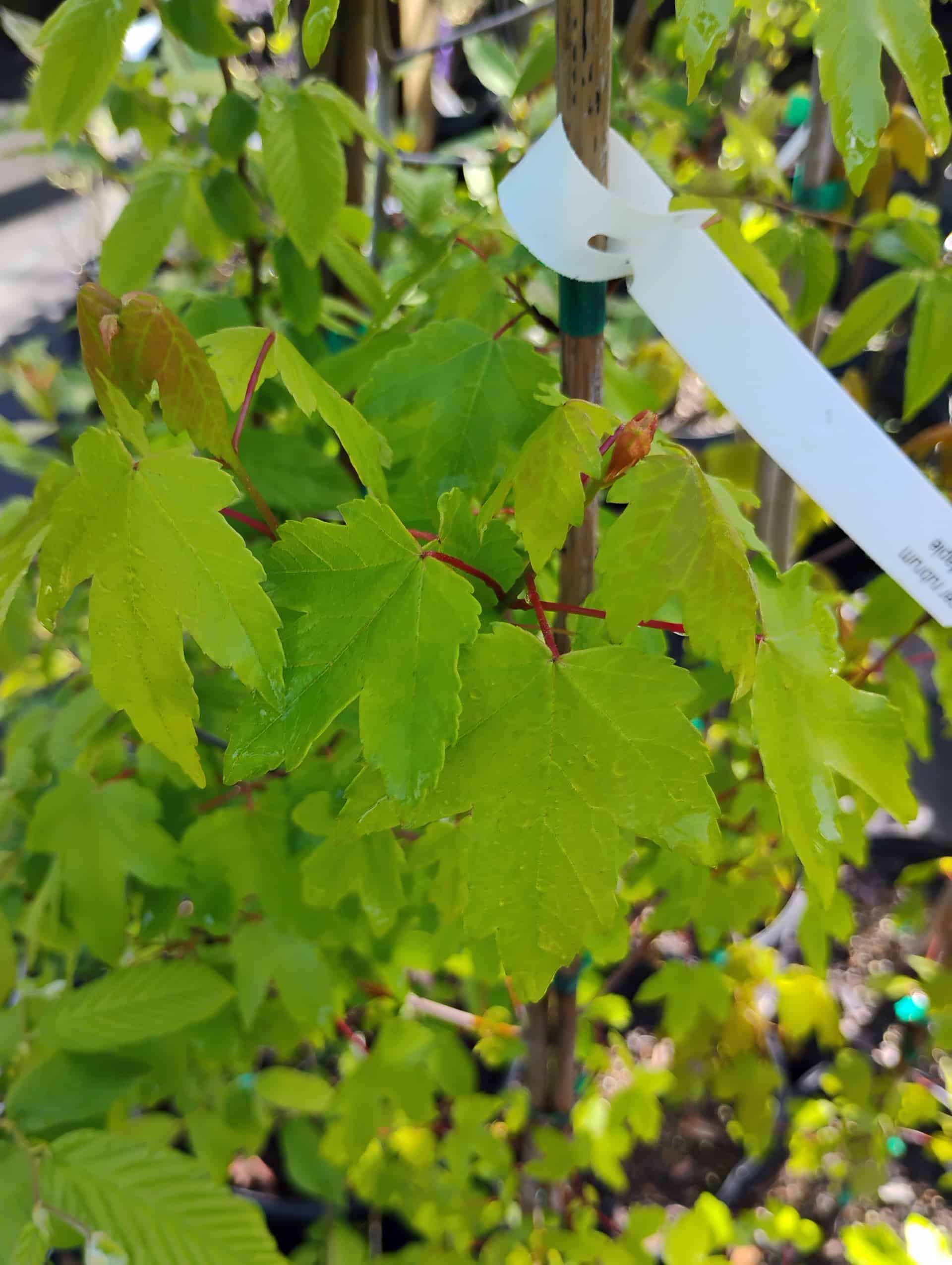
Red Maple
Shares 5 of the same needs: full sun, moderate water, sandy, zone 9a hardiness, and pollinator-friendly.
You may also like
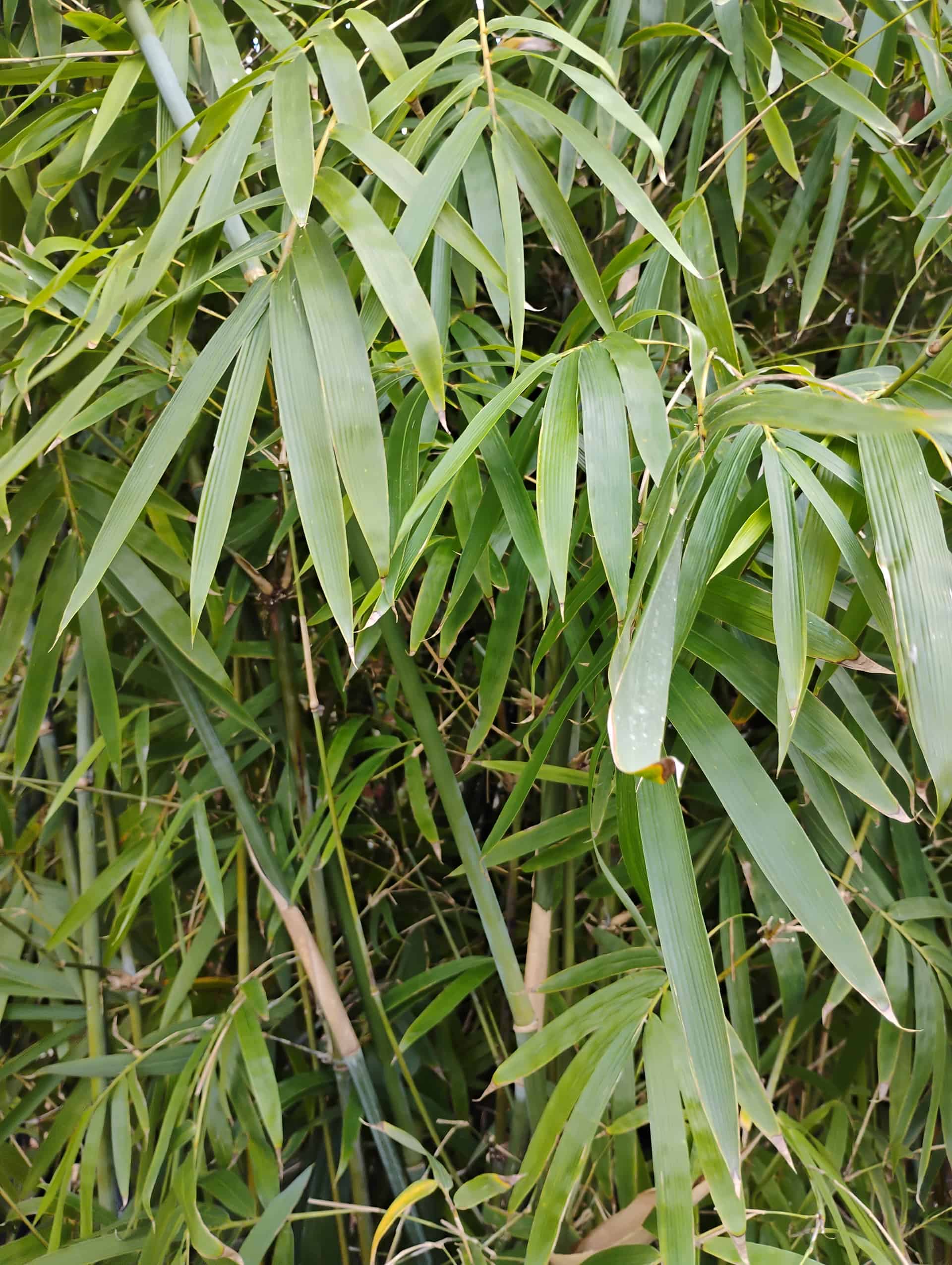 Grass
GrassBamboo
Bambusa
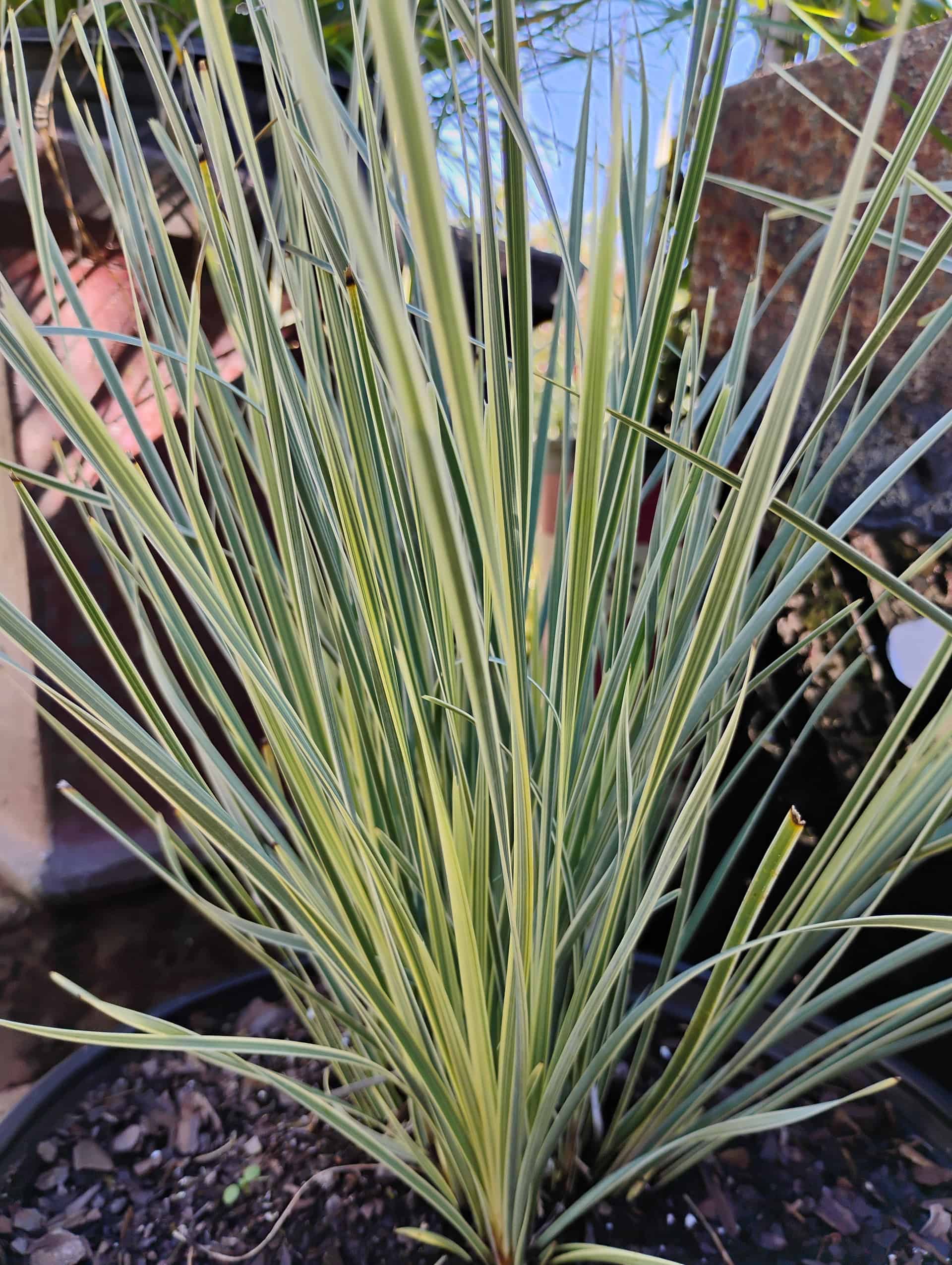 Grass
GrassMat Rush
Lomandra longifolia
 Grass
GrassPapyrus
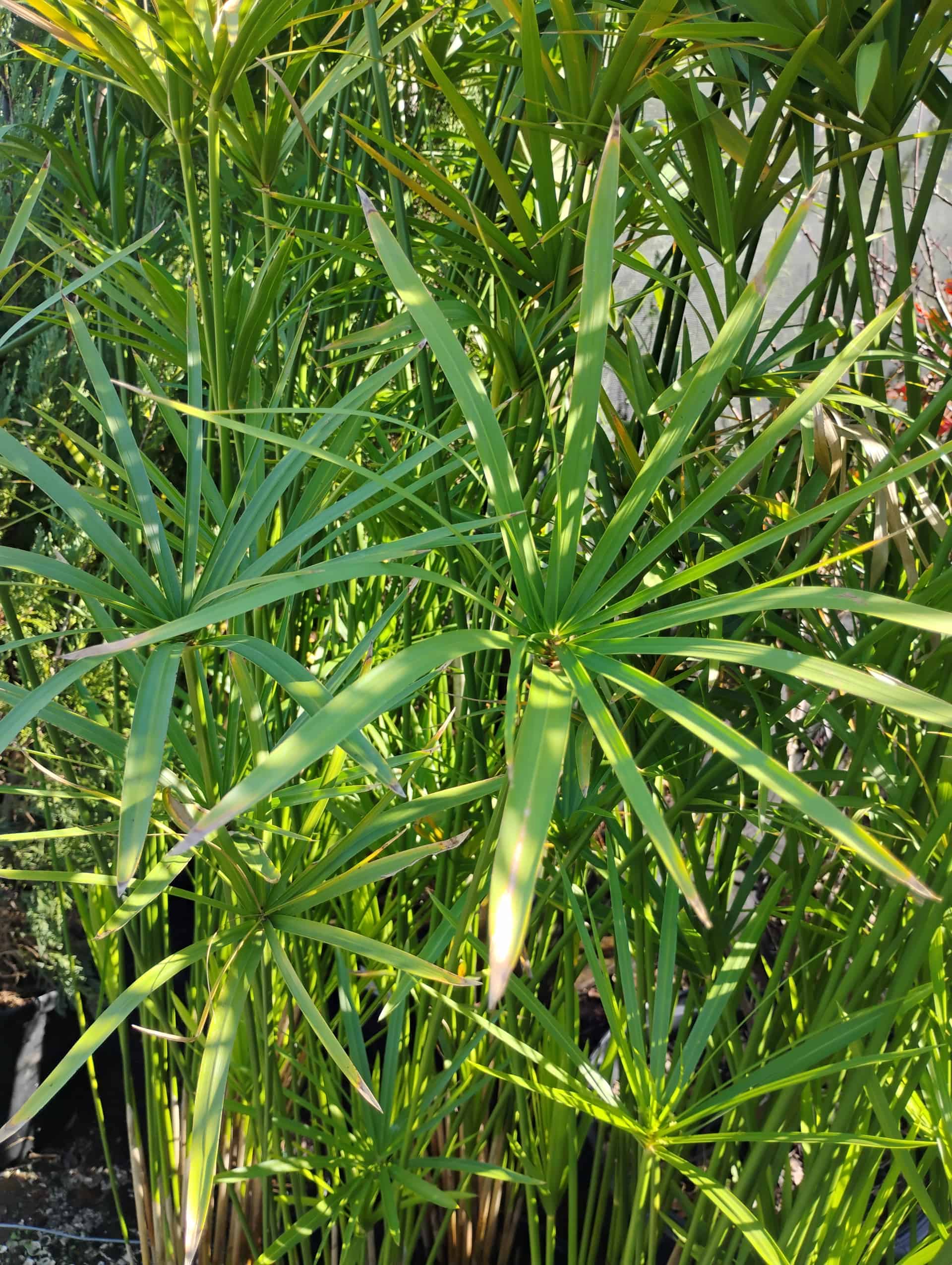
Cyperus papyrus
Common questions
Is Dwarf Fakahatchee Grass a good plant for St. Augustine?
Dwarf Fakahatchee Grass is a grass for Zone 9b coastal Florida gardens, reaching 2-3 feet × 2-4 feet.
Care information verified from
Last reviewed March 2026. Our care guidance comes from trusted horticulture sources and decades of helping St. Augustine gardeners. Conditions here can vary dramatically from one area to the next, so come ask us and we'll tailor it to your yard.