
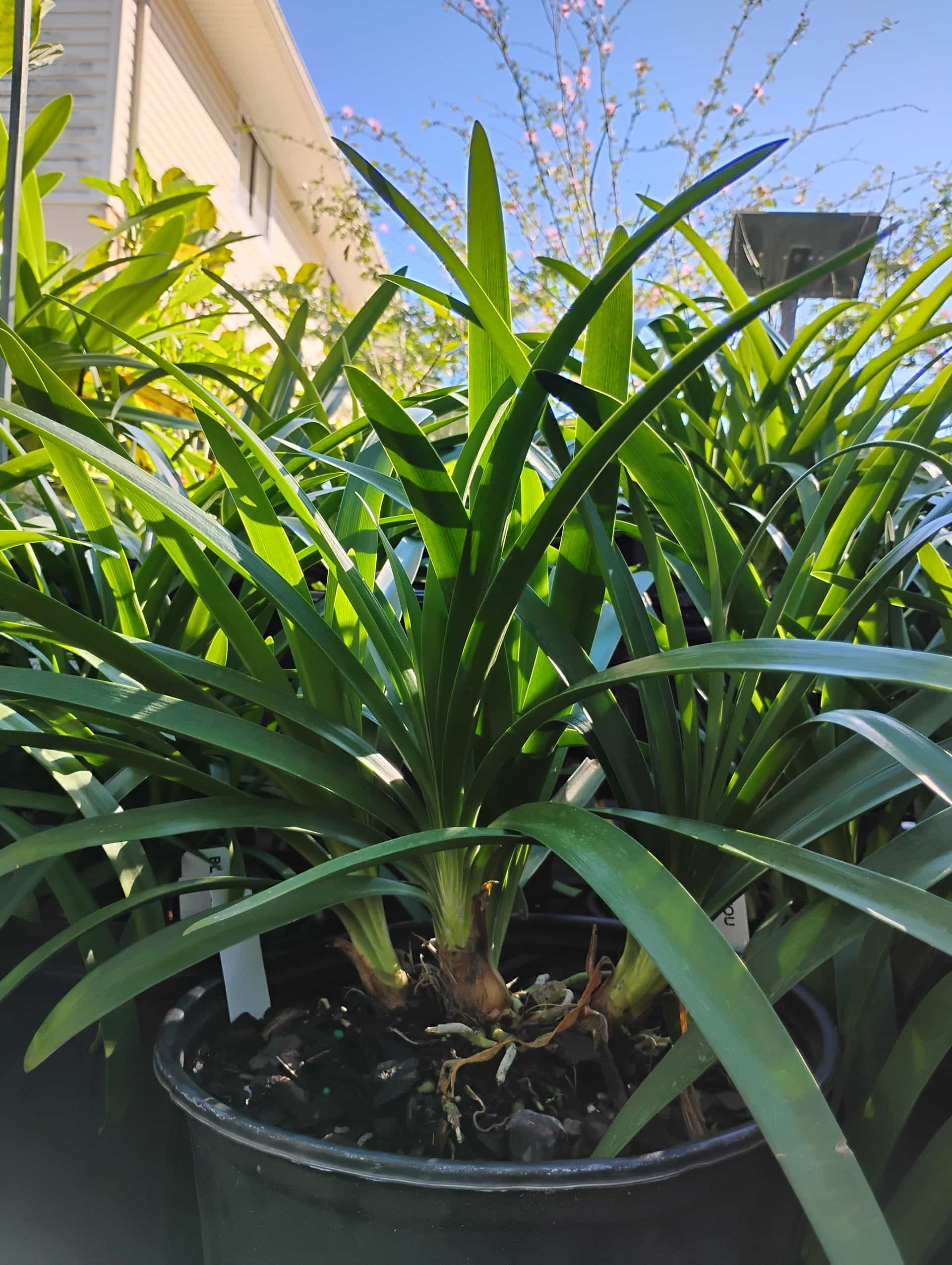
Varieties We Bring In
Standard · Africanus · Afric Fireworks
Afric Zambezi
Standard · Indigo Princess · Barley Blue · Blue Flare · Blue Bayou · Shona Dwarf · Ever Amethyst
We received some Agapanthus on Sep 8, 2026.
We bring this in seasonally, so what is on the lot changes week to week. A received date shows when it last came in, not that it is here today.
Call (904) 471-0440 to confirm this plant and size before you make the trip.
Last received Sep 8, 2026.
We bring this in seasonally, so what is on the lot changes week to week. A received date shows when it last came in, not that it is here today.
Call (904) 471-0440 to confirm this plant and size before you make the trip.
Pet toxicity: Toxic to dogs and cats
Pet safety guideAbout Agapanthus
Agapanthus (Agapanthus praecox) is a robust South African perennial producing arching, strap-like evergreen leaves and tall scapes topped with showy spherical umbels of blue to violet flowers in summer. A Florida-Friendly plant for zone 9b, it thrives in full sun to part shade with consistent moisture, forms attractive clumps over time, and draws hummingbirds and pollinators.
Plant details
- Bloom Season
- Summer
- Flower Color
- Purple, Blue
- Growth Rate
- Moderate
- Foliage
- Evergreen
- Soil
- Sandy, Loam, Well-drained, Moist
Best planting months
Recommended months: March, April, May, September, October, November.
Seasonal care
Good planting window.
Bloom season.
Ideal planting window.
Retains foliage through winter.
Care essentials
Agapanthus grows best in full sun to partial shade in NE Florida. Full sun with adequate moisture produces the tallest, most floriferous scapes; partial shade is acceptable but may reduce bloom count. Avoid deep shade.
Water regularly from spring through fall to maintain moist, organically rich soil; agapanthus is moderately drought tolerant once established in NE Florida but performs best with consistent irrigation during the blooming season. Reduce watering in winter.
Plant in moist, well-drained sandy or loamy soil amended with organic matter; avoid heavy wet clay. Agapanthus is adaptable to NE Florida's sandy soils with compost addition. Apply a balanced slow-release fertilizer in spring; divide clumps every 4–6 years to maintain vigor. Watch for Botrytis in humid conditions.
Similar needs
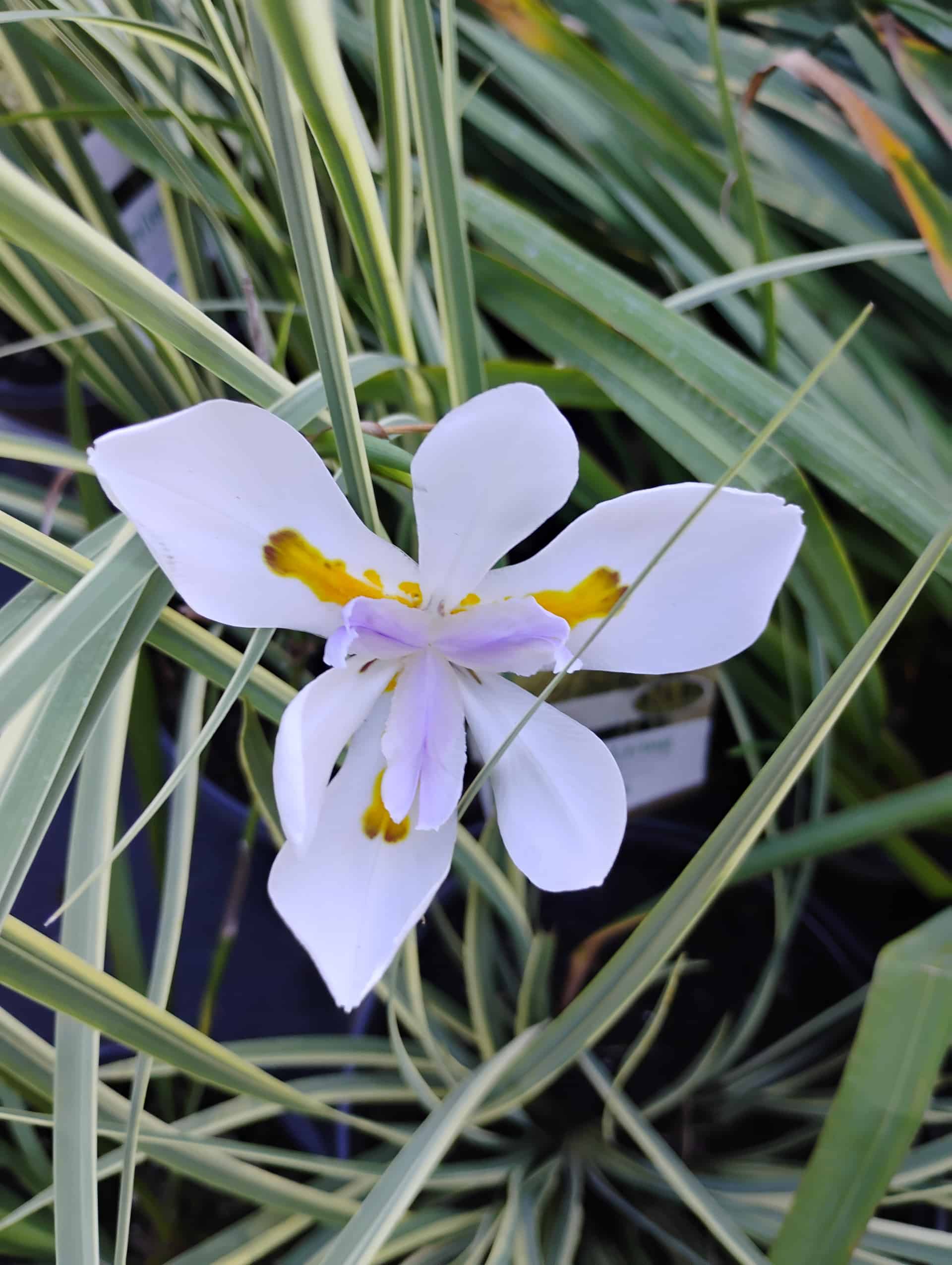
African Iris
Shares 6 of the same needs: full sun, moderate water, sandy, salt tolerance, zone 9a hardiness, and pollinator-friendly.
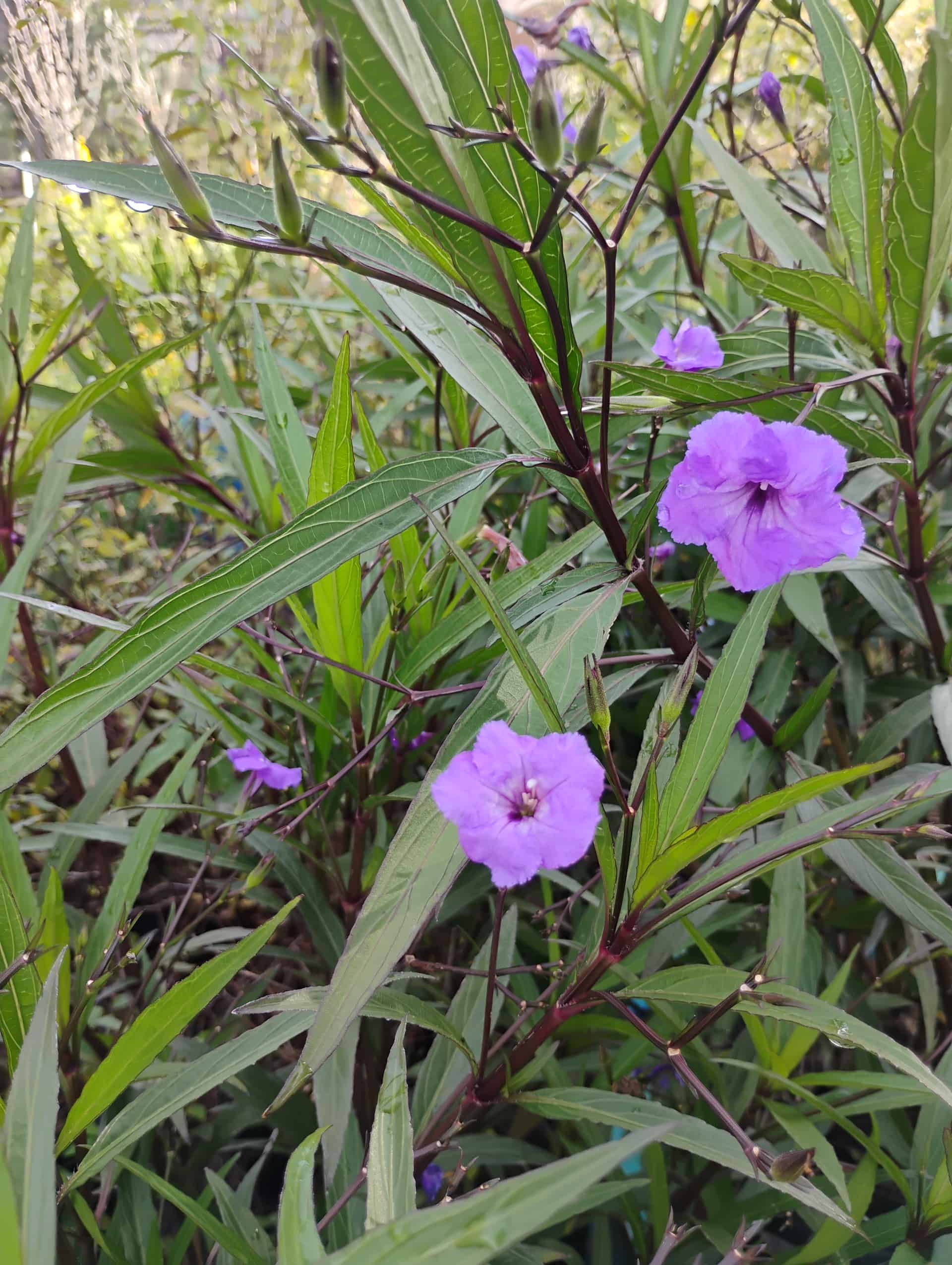
Mexican Petunia
Shares 6 of the same needs: full sun, moderate water, sandy, salt tolerance, zone 9a hardiness, and pollinator-friendly.

Frogfruit
Shares 6 of the same needs: full sun, moderate water, sandy, salt tolerance, zone 9a hardiness, and pollinator-friendly.
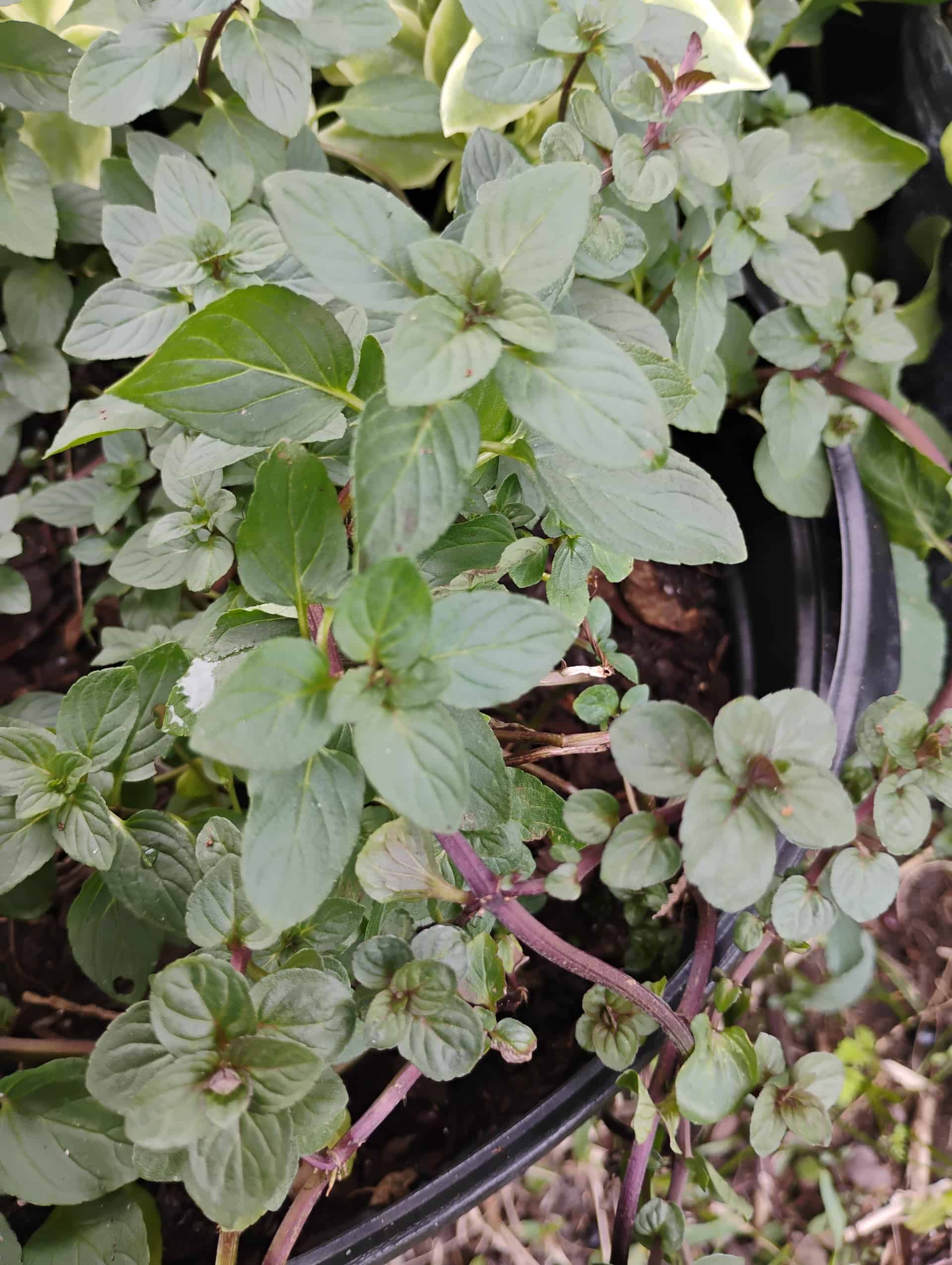
Mint
Shares 4 of the same needs: loam, salt tolerance, zone 9a hardiness, and pollinator-friendly.

Crinum Lily
Shares 6 of the same needs: full sun, moderate water, sandy, salt tolerance, zone 9a hardiness, and pollinator-friendly.

Daylily
Shares 6 of the same needs: full sun, moderate water, sandy, salt tolerance, zone 9a hardiness, and pollinator-friendly.
You may also like
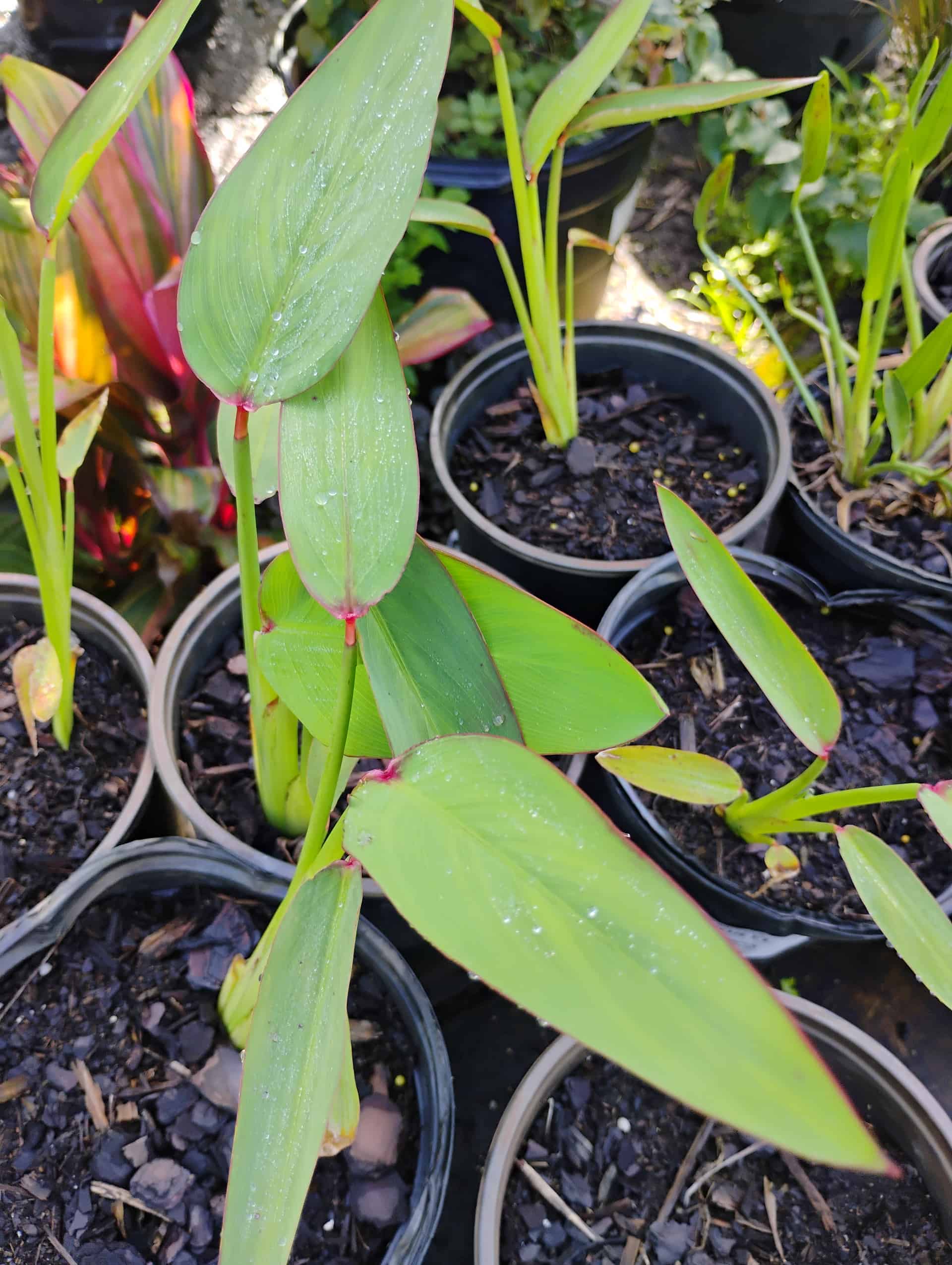 Perennial
Alligator Flag
Thalia geniculata
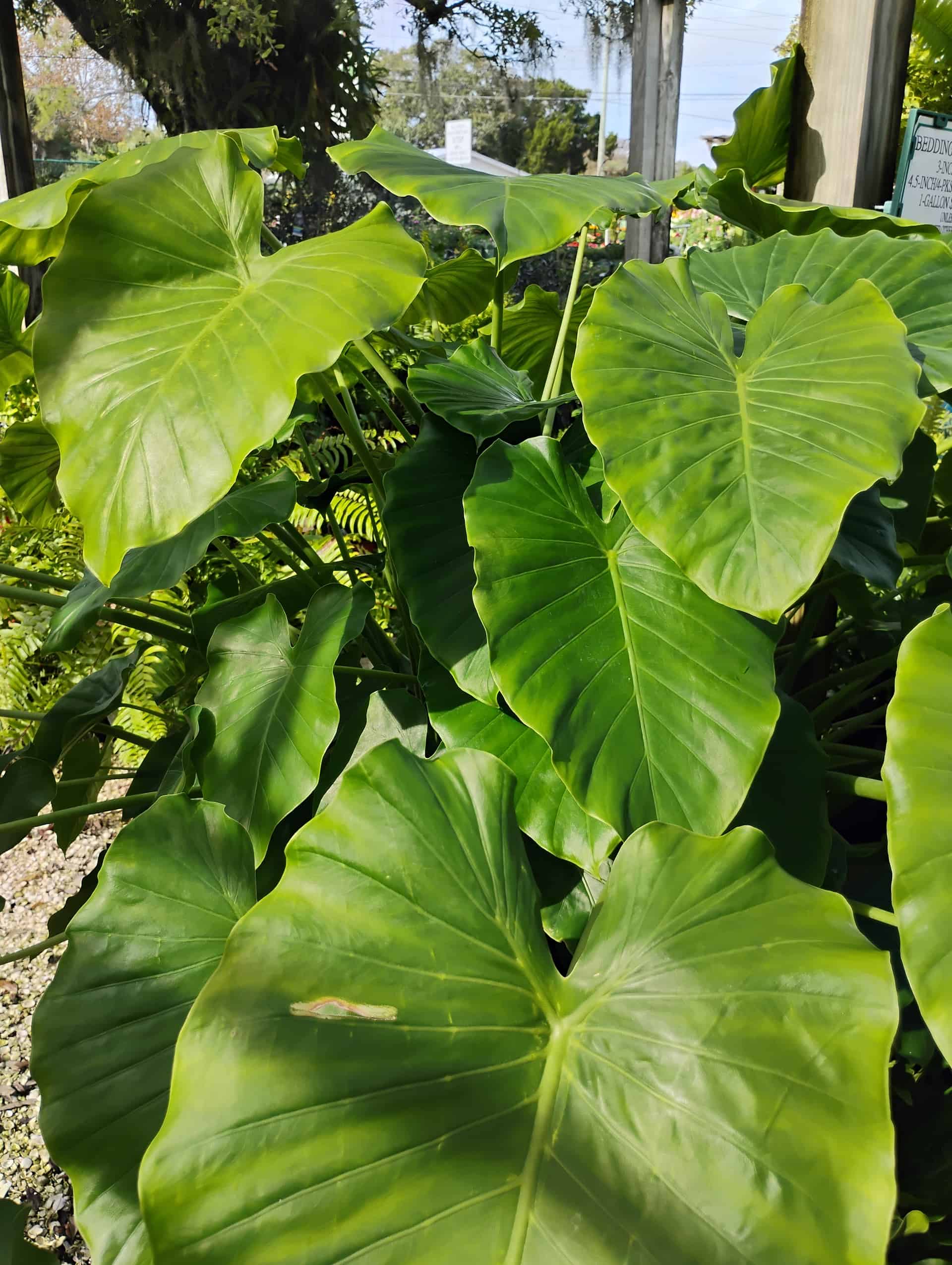 Perennial
Alocasia
Alocasia
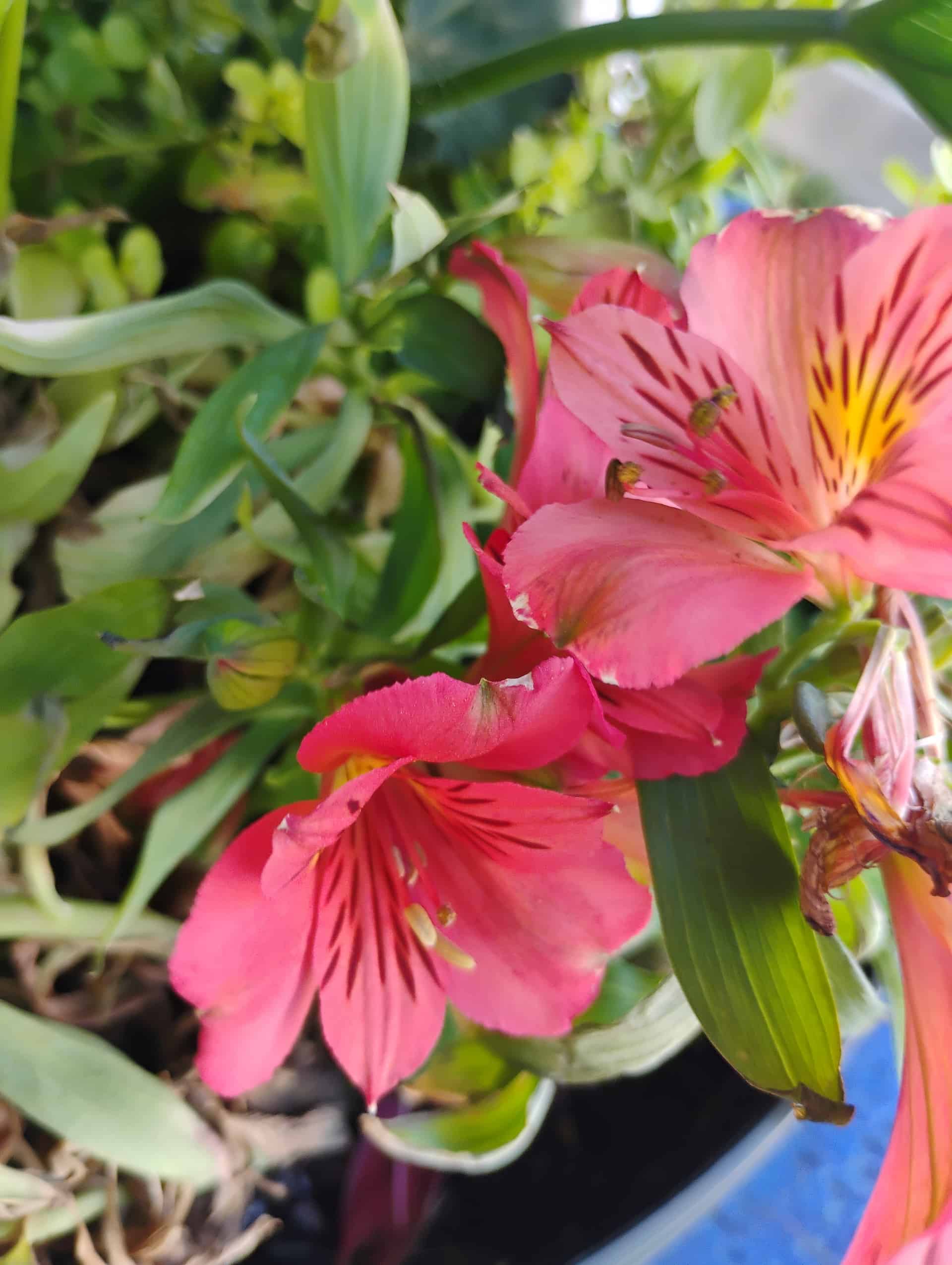 Perennial
Alstroemeria
Alstroemeria
Common questions
Is Agapanthus a good plant for St. Augustine?
Agapanthus is a perennial. Mature size: 1-4 feet (foliage); flower scapes 2-4 feet above foliage × 1.5-3 feet. Light: Part Shade, Full Sun. Water needs: Moderate. Recorded hardiness zone: 9a. Recorded salt tolerance: moderate.
What is the recorded pet toxicity for Agapanthus?
Toxic to dogs and cats
Care information verified from
Last reviewed February 2026. Our care guidance comes from trusted horticulture sources and decades of helping St. Augustine gardeners. Conditions here can vary dramatically from one area to the next, so come ask us and we'll tailor it to your yard.