
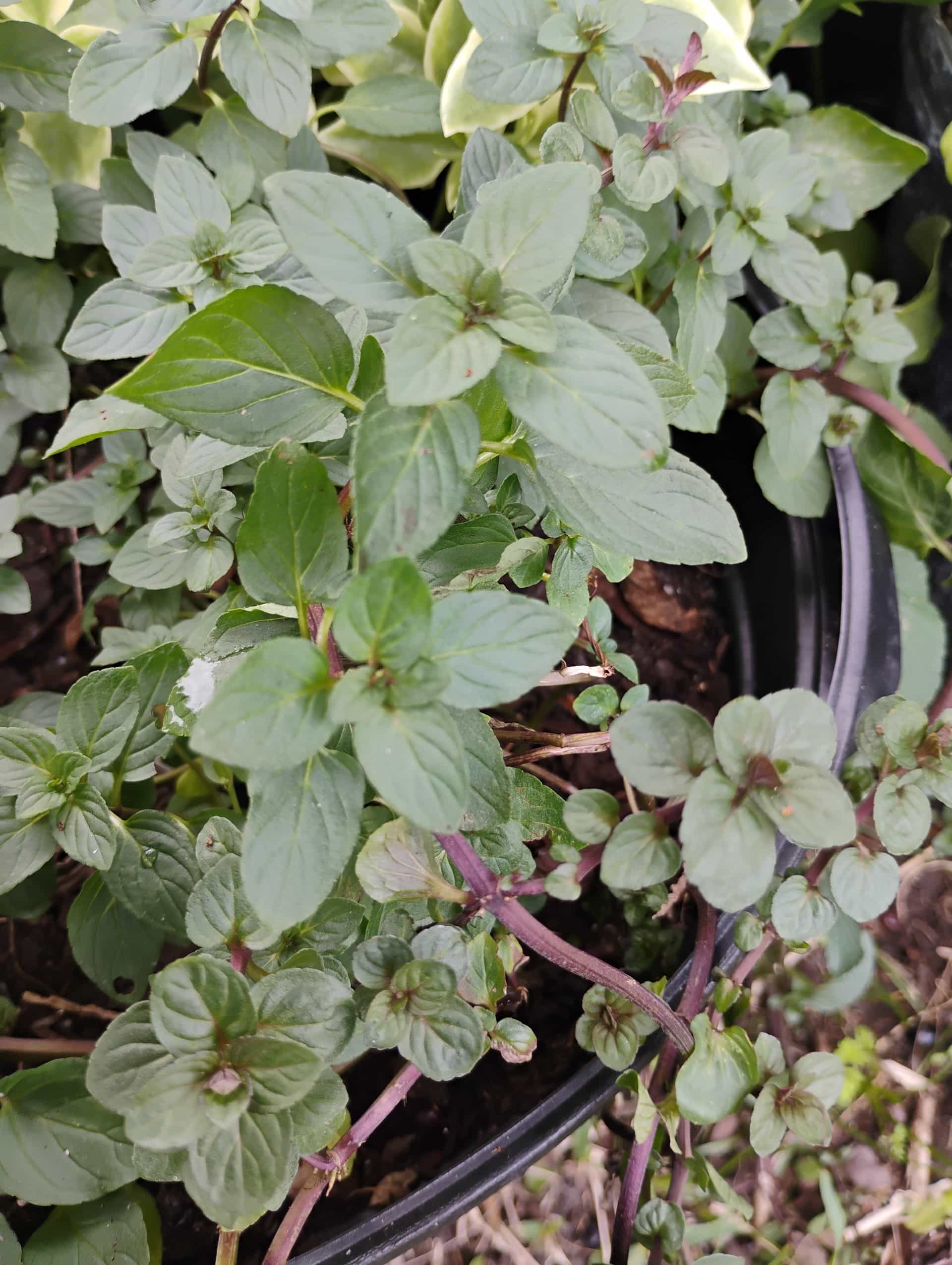
Varieties We Bring In
Madeline Hill Double · Kentucky Colonel · Citrus · Chocolate · Lebanese · Pineapple · Peppermint · Mojito · Apple
Kentucky Colonel · Chocolate · Lebanese · Mojito · Moroccan · MinTea
Apple
We received some Mint on Nov 5, 2026.
We bring this in seasonally, so what is on the lot changes week to week. A received date shows when it last came in, not that it is here today.
Call (904) 471-0440 to confirm this plant and size before you make the trip.
Last received Nov 5, 2026.
We bring this in seasonally, so what is on the lot changes week to week. A received date shows when it last came in, not that it is here today.
Call (904) 471-0440 to confirm this plant and size before you make the trip.
Pet toxicity: Non-toxic to dogs and cats
Pet safety guideAbout Mint
Mint (Mentha spp.) encompasses dozens of aromatic perennial herbs including spearmint, peppermint, and apple mint, all thriving year-round in NE Florida's warm climate. Extremely easy to grow, it spreads vigorously by underground runners — plant in containers to keep it from overrunning garden beds. Leaves and flowers are used fresh or dried in teas, cocktails, and cooking.
Plant details
- Bloom Season
- Summer
- Flower Color
- White, Purple
- Growth Rate
- Fast
- Foliage
- Evergreen
- Soil
- Loam, Well-drained, Moist
Best planting months
Recommended months: March, April, May.
Seasonal care
New foliage emerges. Good planting window.
Bloom season. Higher water demand in summer heat.
Foliage may begin to change or drop.
Dormant — drops foliage.
Care essentials
Mint grows vigorously in full sun to part shade in NE Florida. In the intense summer heat, afternoon shade helps prevent wilting and leaf scorch; morning sun with afternoon shade is the sweet spot for best flavor and yield.
Keep soil consistently moist — mint dislikes drying out. Water regularly, especially in Florida's dry winter months and during summer heat. Container growing (highly recommended) makes moisture management easier and prevents invasive spreading.
Grow mint in rich, moist, well-drained soil with generous organic matter. In NE Florida's sandy soil, amend with compost and mulch heavily. Feed lightly with a balanced fertilizer monthly during the growing season; avoid heavy nitrogen which encourages runners over leaf flavor.
Similar needs
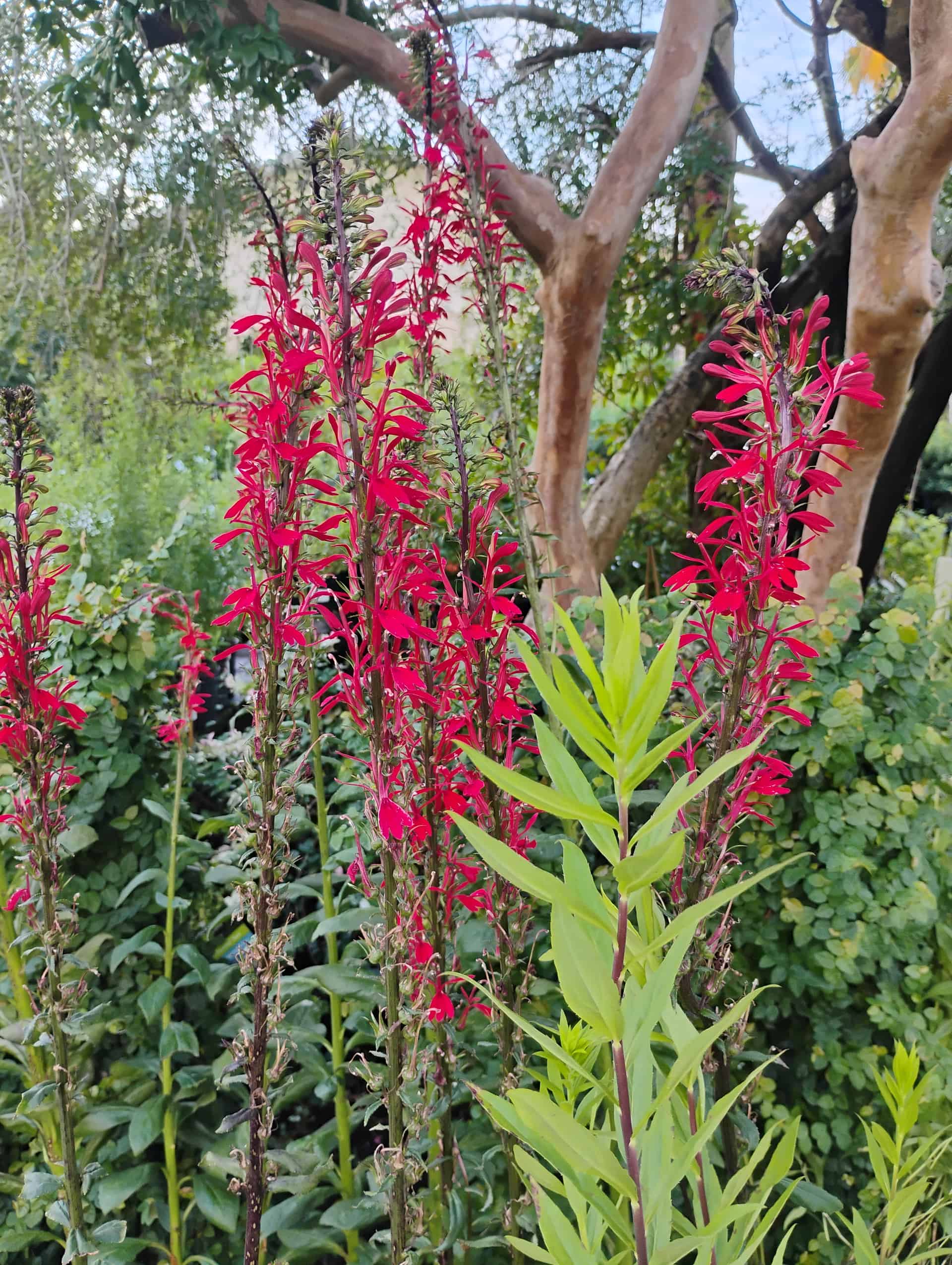
Cardinal Flower
Shares 6 of the same needs: similar light, high water, loam, salt tolerance, zone 9a hardiness, and pollinator-friendly.
Boltonia
Shares 4 of the same needs: similar light, high water, loam, and pollinator-friendly.
Butterfly Ginger
Shares 4 of the same needs: similar light, high water, loam, and pollinator-friendly.
Italian Flat-Leaf Parsley
Shares 4 of the same needs: similar light, high water, loam, and pollinator-friendly.
Spider Lily
Shares 4 of the same needs: similar light, high water, loam, and pollinator-friendly.
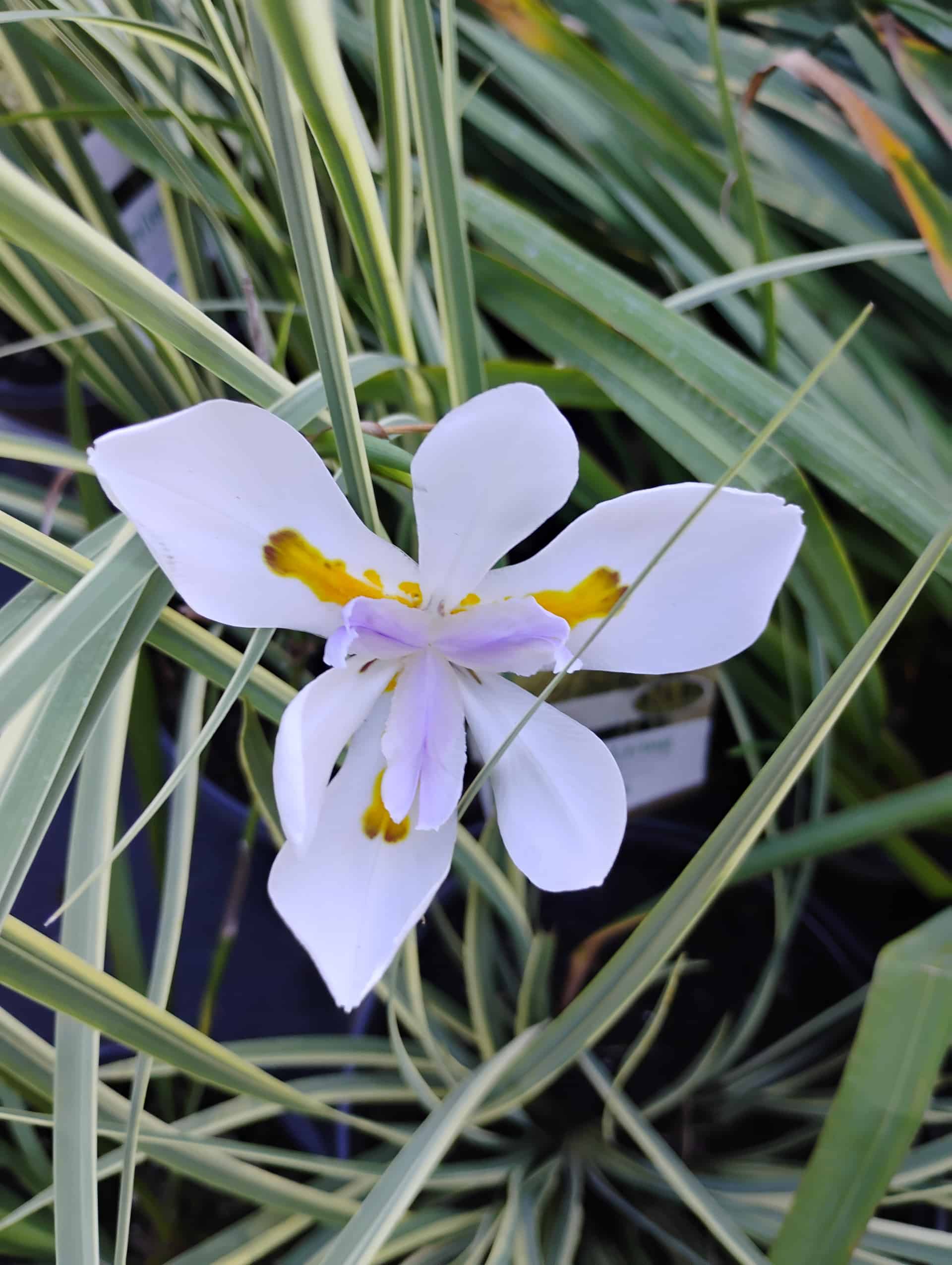
African Iris
Shares 5 of the same needs: loam, salt tolerance, deer resistance, zone 9a hardiness, and pollinator-friendly.
You may also like
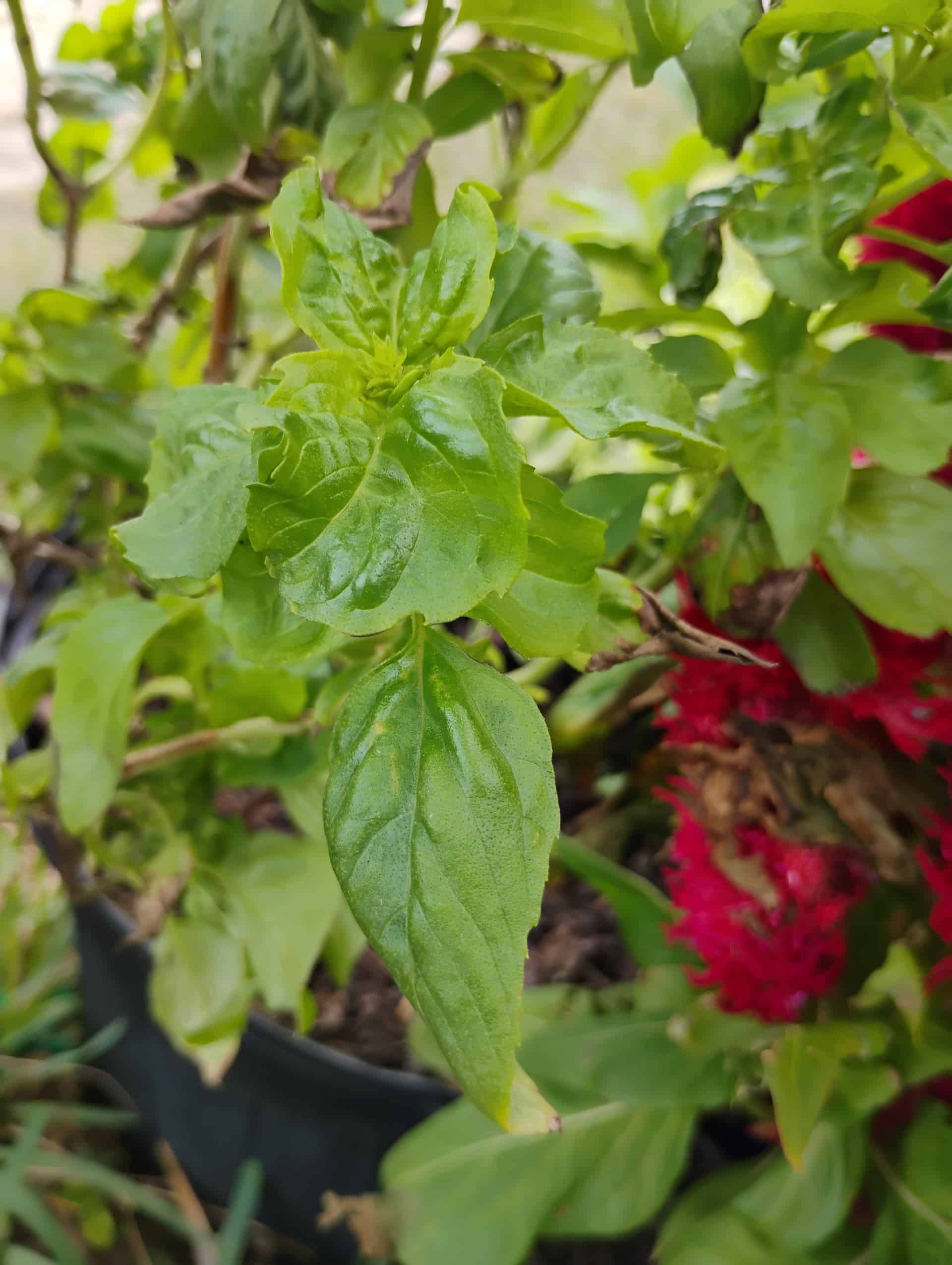 Herb
Basil
Ocimum basilicum
 Herb
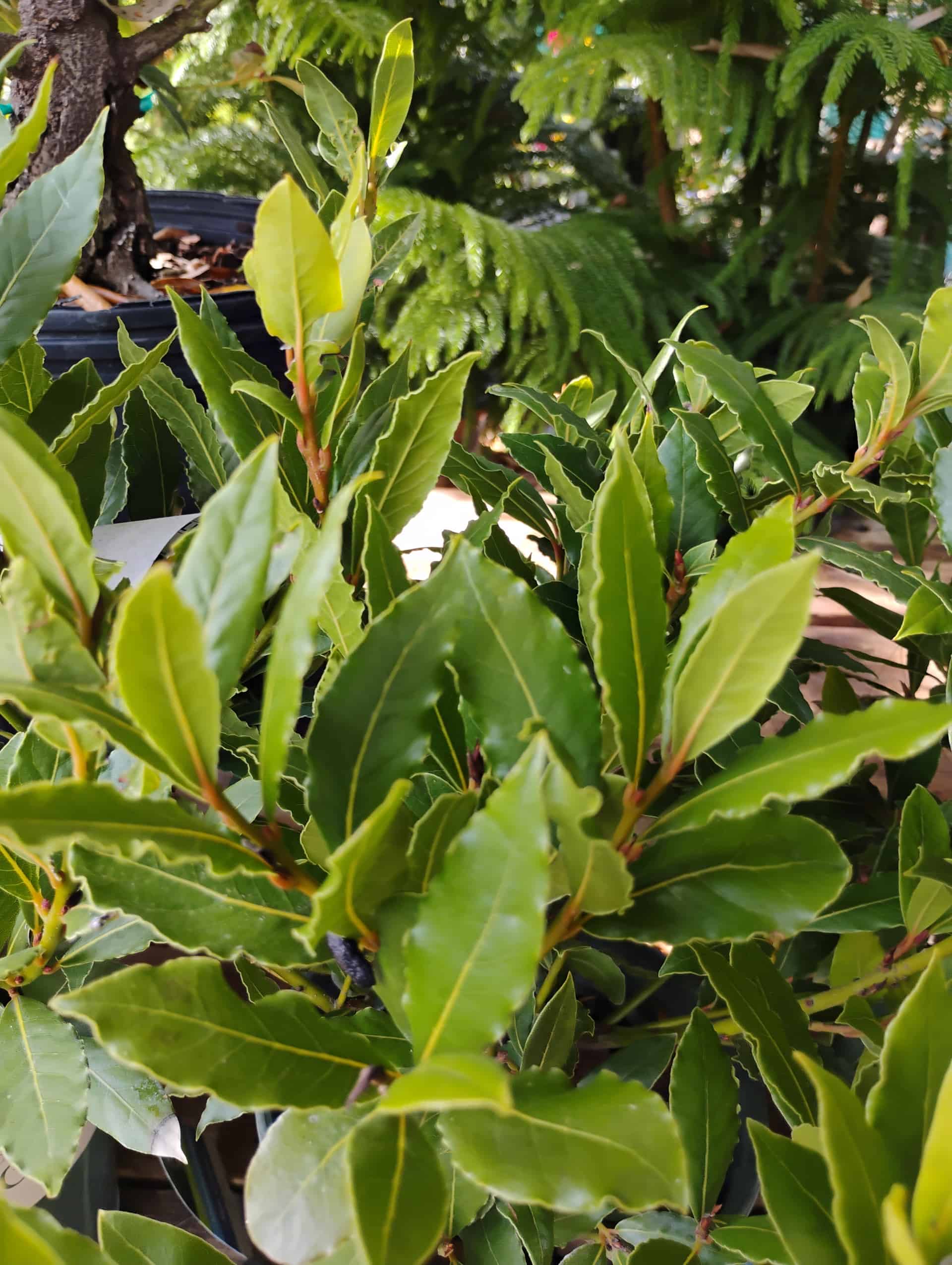
Bay Laurel
Laurus nobilis
 Herb
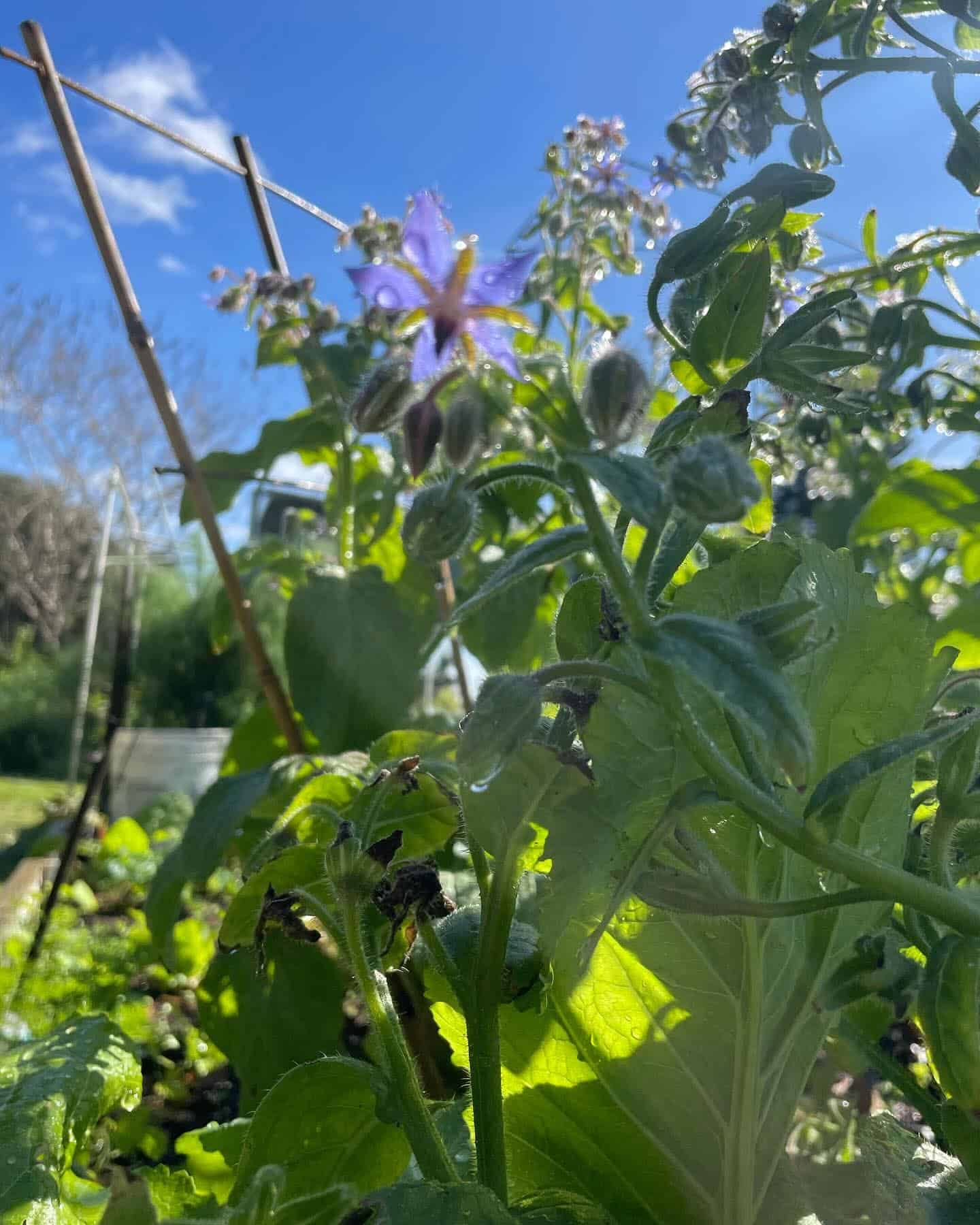
Borage
Borago officinalis
Common questions
Is Mint a good plant for St. Augustine?
Mint is a herb. Mature size: 12-24 inches × 12-24 inches. Light: Full Sun, Part Shade. Water needs: High. Recorded hardiness zone: 9a. Recorded salt tolerance: moderate.
What is the recorded pet toxicity for Mint?
Non-toxic to dogs and cats
Care information verified from
Last reviewed February 2026. Our care guidance comes from trusted horticulture sources and decades of helping St. Augustine gardeners. Conditions here can vary dramatically from one area to the next, so come ask us and we'll tailor it to your yard.