
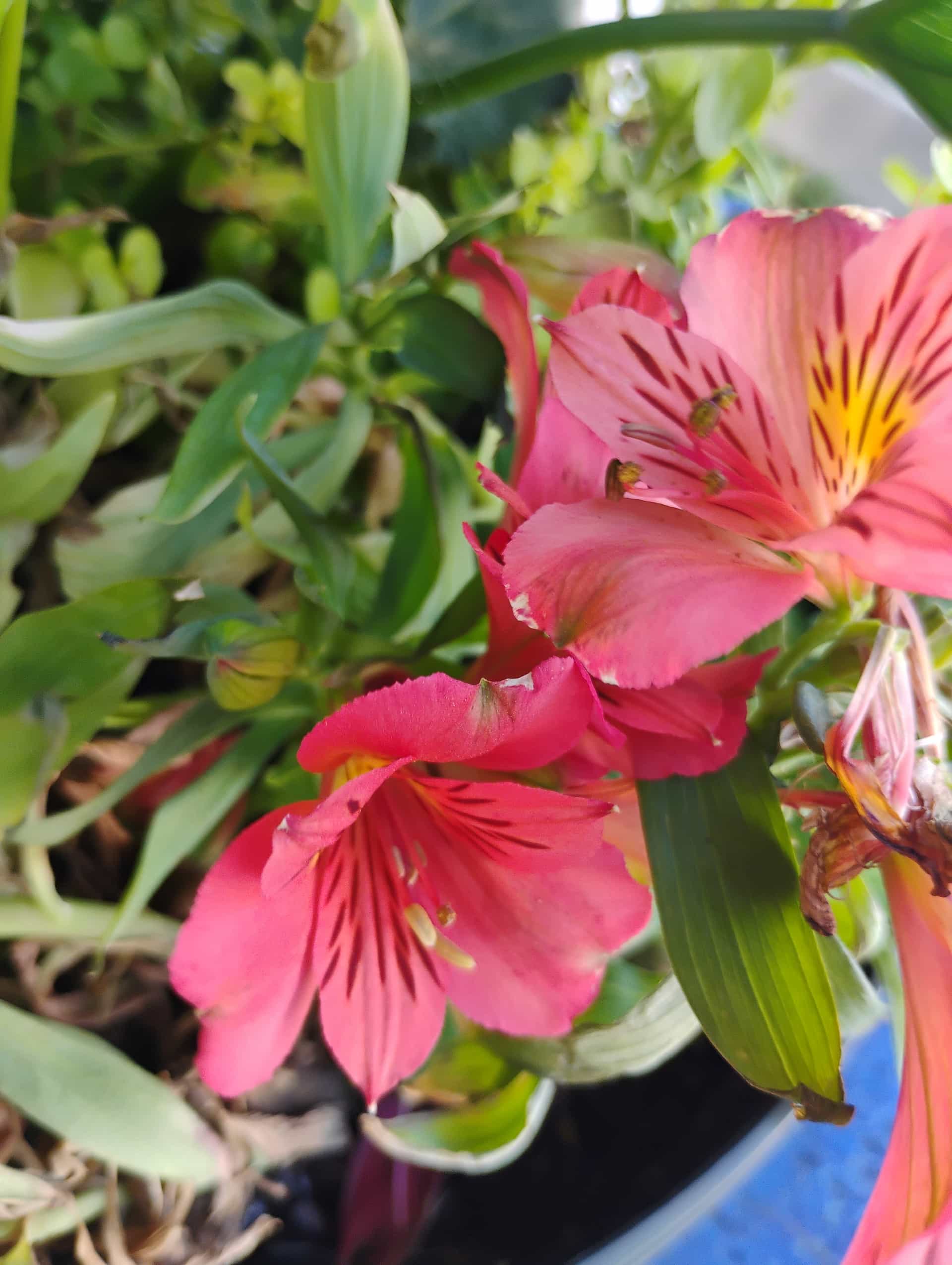
Varieties We Bring In
Claressa White Variegated · Clrt Kate Red · Clrt Lisa Yellow · Colorita Elaine · Colorita Mulan · Katiana Red Variegated · Rock & Roll · Sara · Summer
We received some Alstroemeria on Aug 4, 2026.
We bring this in seasonally, so what is on the lot changes week to week. A received date shows when it last came in, not that it is here today.
Call (904) 471-0440 to confirm this plant and size before you make the trip.
Last received Aug 4, 2026.
We bring this in seasonally, so what is on the lot changes week to week. A received date shows when it last came in, not that it is here today.
Call (904) 471-0440 to confirm this plant and size before you make the trip.
Pet toxicity: Non-toxic to dogs and cats
Pet safety guideAbout Alstroemeria
Alstroemeria, or Peruvian Lily, encompasses a range of hybrids derived from South American species, producing upright stems of funnel-shaped flowers in vivid shades of pink, orange, red, yellow, and white, often with contrasting streaks and spots. They form spreading rhizomatous clumps and are valued as both long-lasting cut flowers and garden perennials.
Plant details
- Bloom Season
- Spring
- Flower Color
- Yellow, Orange, Red, Pink, Multi
- Growth Rate
- Moderate
- Foliage
- Deciduous
- Soil
- Sandy, Loam, Acidic, Well-drained
Best planting months
Recommended months: March, April, May, September, October, November.
Seasonal care
Bloom season. New foliage emerges. Good planting window.
Bloom season.
Foliage may begin to change or drop. Ideal planting window.
Dormant — drops foliage.
Care essentials
Plant Alstroemeria in full sun to part shade; in Northeast Florida's intense summer, afternoon shade helps prevent heat stress, extend blooming, and protect the rhizomes from overheating.
Water consistently to maintain even moisture, about one inch per week; excellent drainage is critical — Alstroemeria rhizomes rot quickly in waterlogged Florida soils. Plants may go dormant during peak summer heat and resume growth in fall.
Plant in fertile, well-drained, amended soil; work compost into sandy Florida soils before planting. Apply a balanced slow-release fertilizer in spring as growth resumes; mulch heavily to insulate rhizomes and retain moisture.
Similar needs
Cardinal Flower
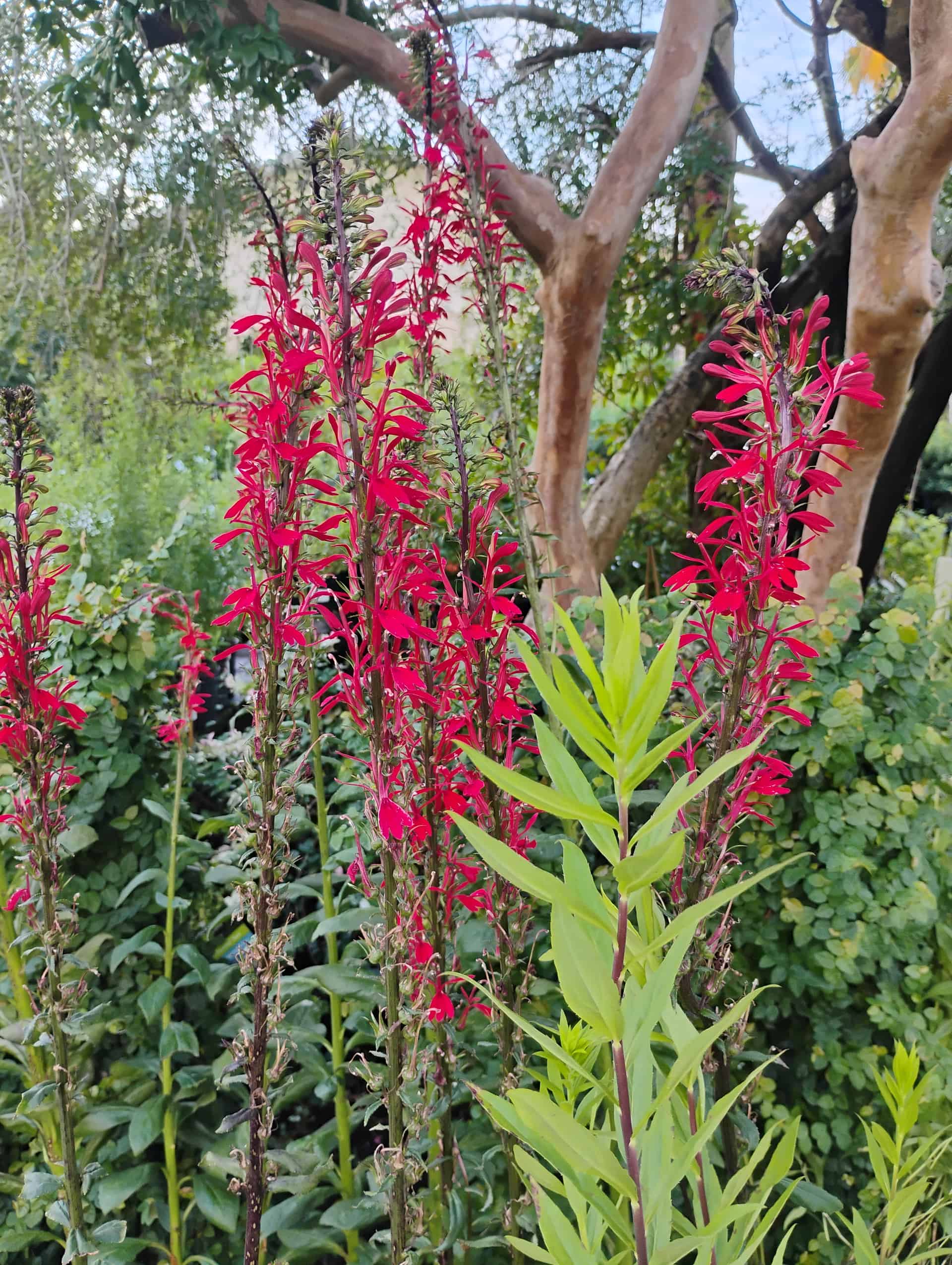
Shares 4 of the same needs: similar light, sandy, zone 9a hardiness, and pollinator-friendly.
Crape Jasmine
Shares 4 of the same needs: similar light, moderate water, sandy, and pollinator-friendly.
American Beech
Shares 4 of the same needs: similar light, moderate water, loam, and zone 9a hardiness.
Blue China Fir
Shares 4 of the same needs: similar light, moderate water, sandy, and zone 9a hardiness.
Japanese Holly
Shares 4 of the same needs: similar light, moderate water, sandy, and zone 9a hardiness.
Elephant Ear
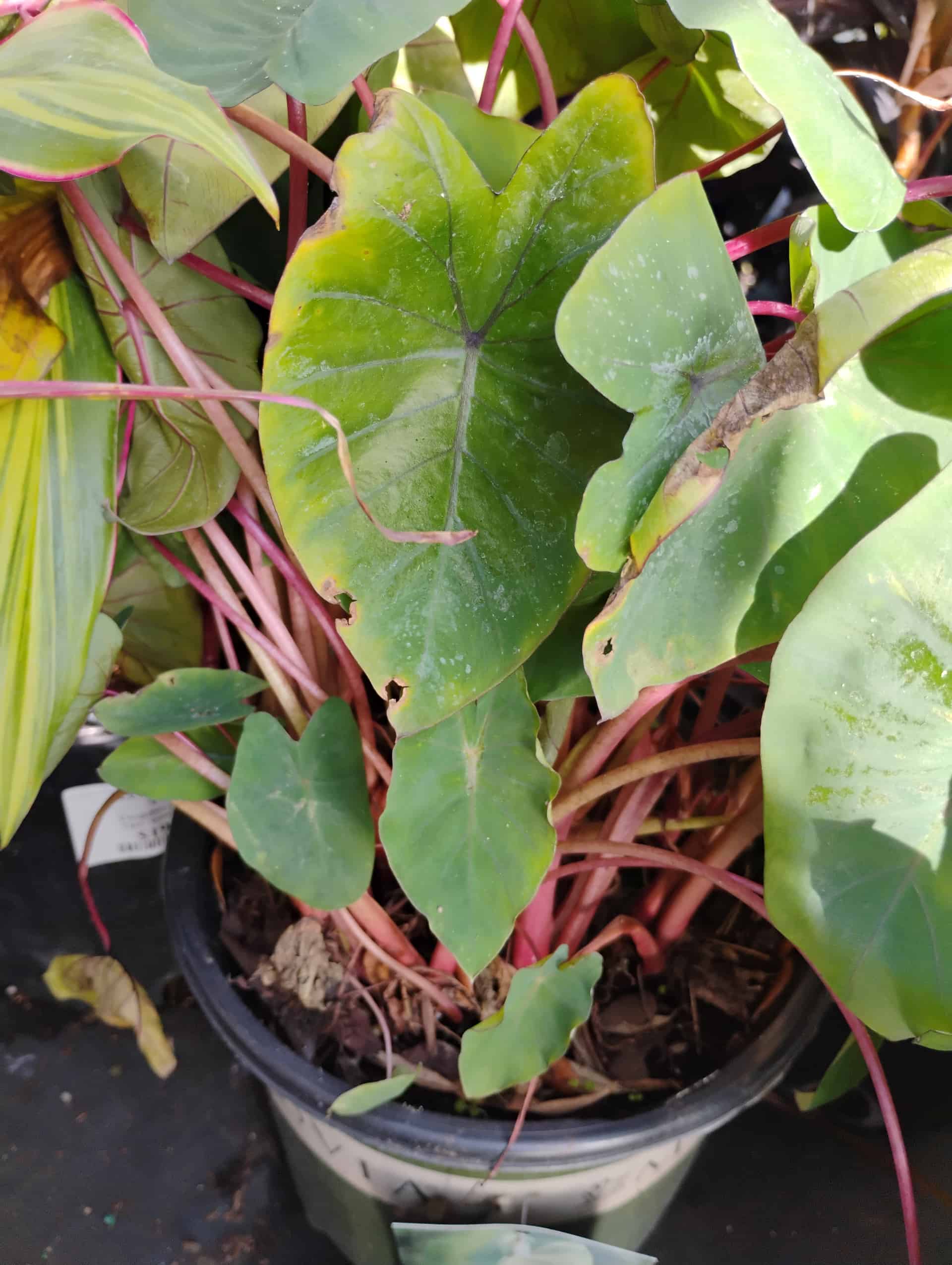
Shares 3 of the same needs: similar light, loam, and zone 9a hardiness.
You may also like
 Perennial
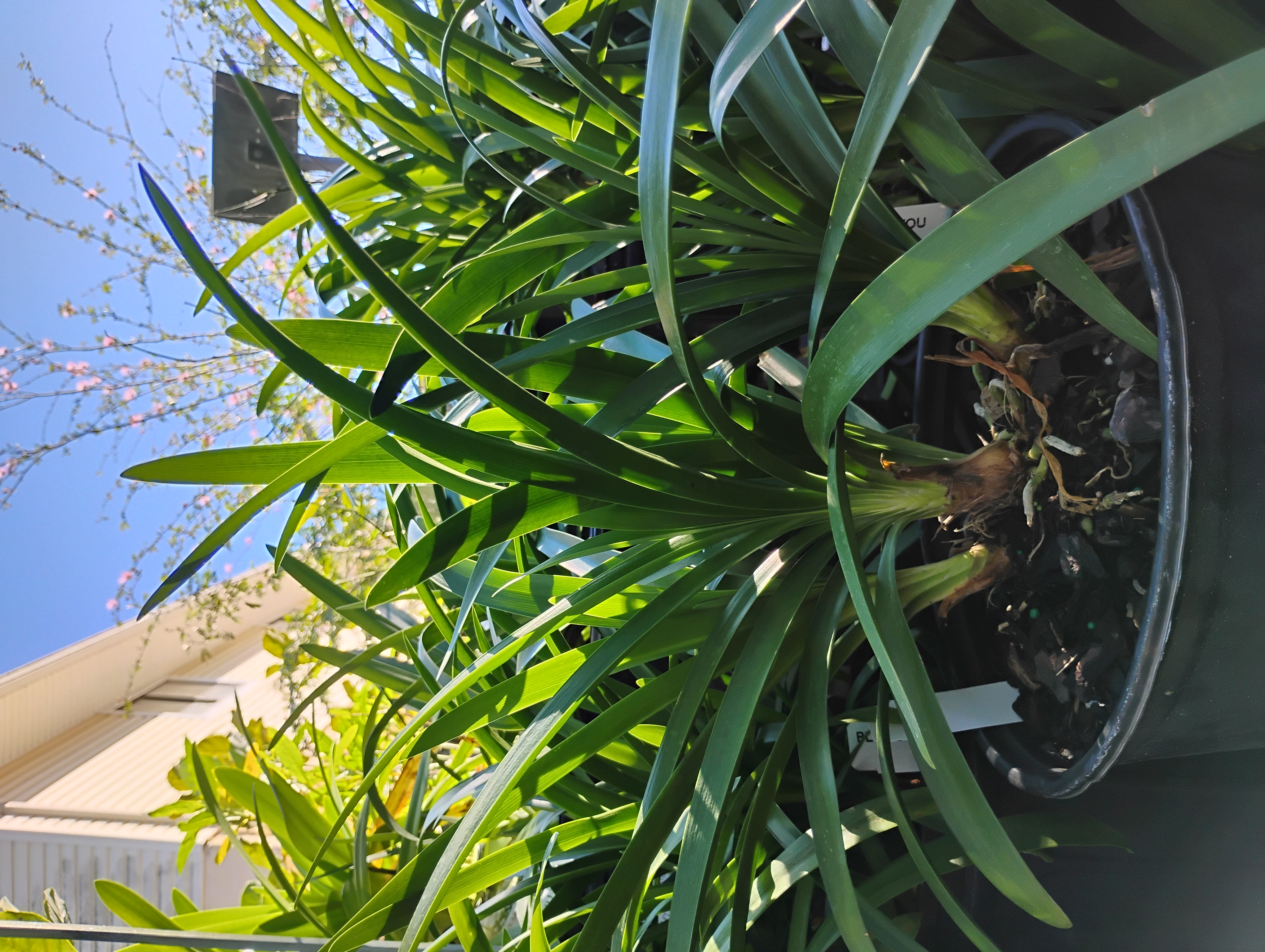
Agapanthus
Agapanthus praecox
 Perennial
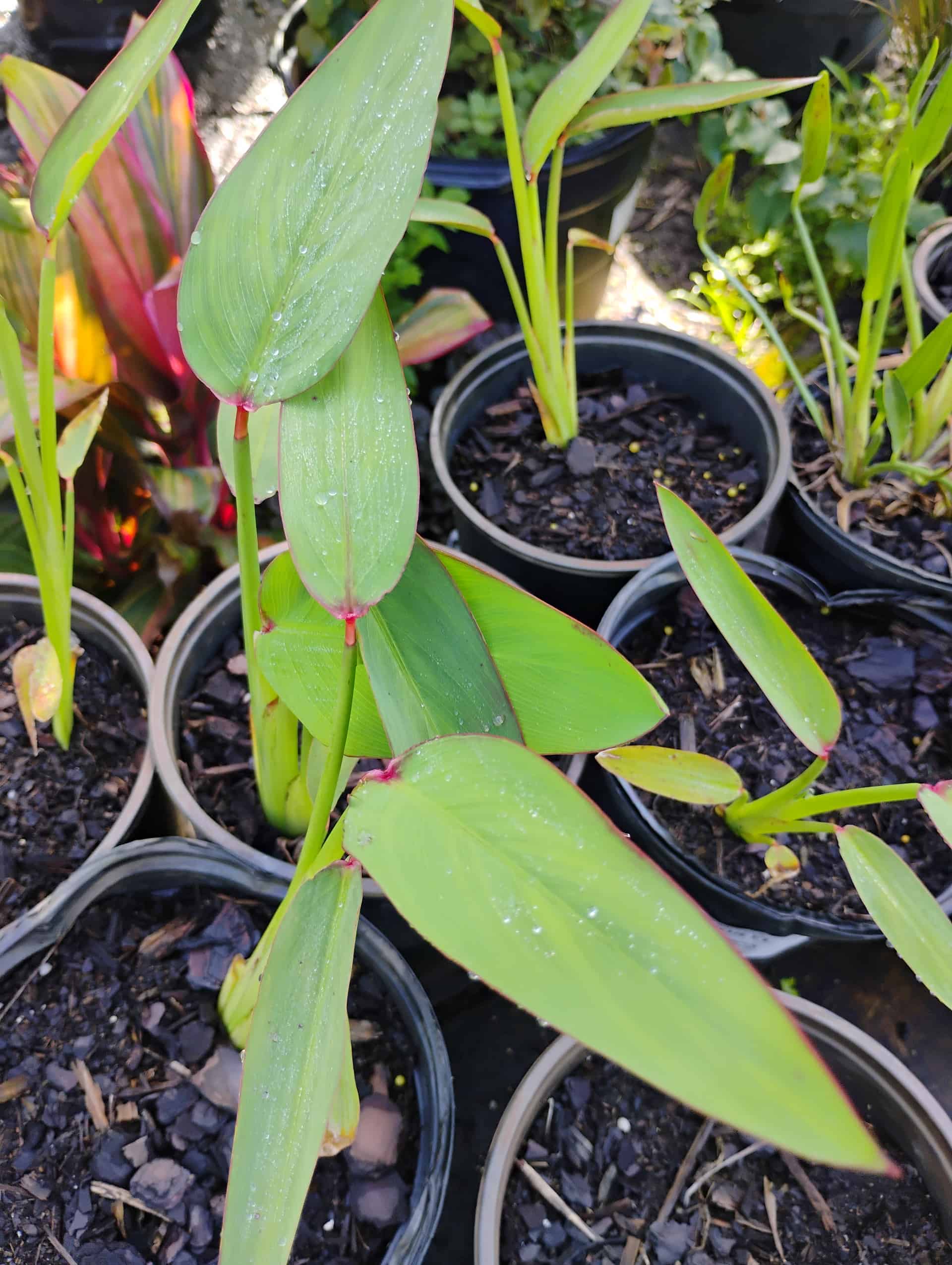
Alligator Flag
Thalia geniculata
 Perennial
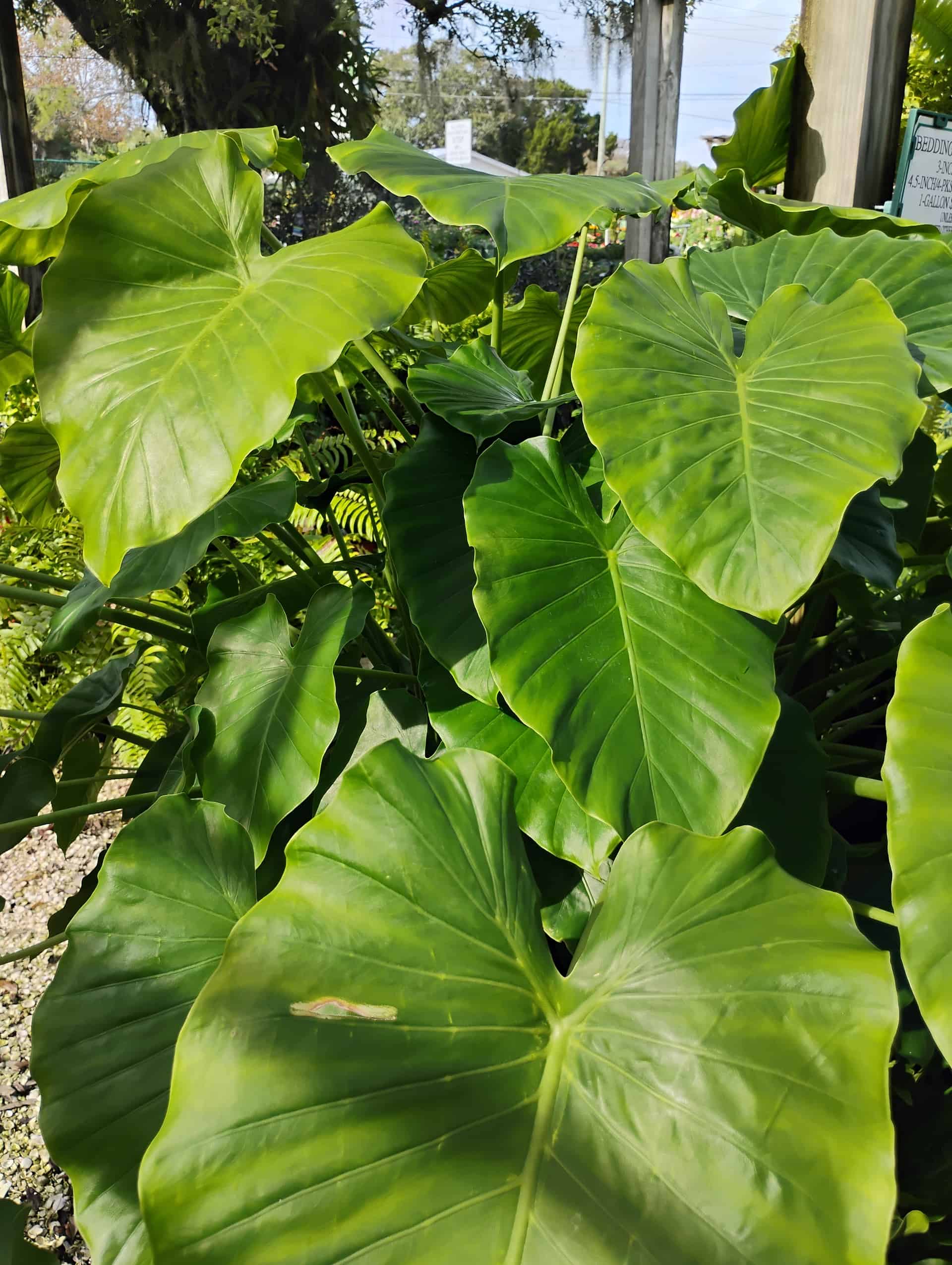
Alocasia
Alocasia
Common questions
Is Alstroemeria a good plant for St. Augustine?
Alstroemeria is a perennial. Mature size: 1-3 feet × 1-2 feet. Light: Full Sun, Part Shade. Water needs: Moderate. Recorded hardiness zone: 9a.
What is the recorded pet toxicity for Alstroemeria?
Non-toxic to dogs and cats
Care information verified from
Last reviewed February 2026. Our care guidance comes from trusted horticulture sources and decades of helping St. Augustine gardeners. Conditions here can vary dramatically from one area to the next, so come ask us and we'll tailor it to your yard.