
American Beech
Fagus grandifolia
Traits
Varieties We Bring In
Last received Mar 9, 2026.
We bring this in seasonally, so what is on the lot changes week to week. A received date shows when it last came in, not that it is here today.
Call (904) 471-0440 to confirm this plant and size before you make the trip.
About American Beech
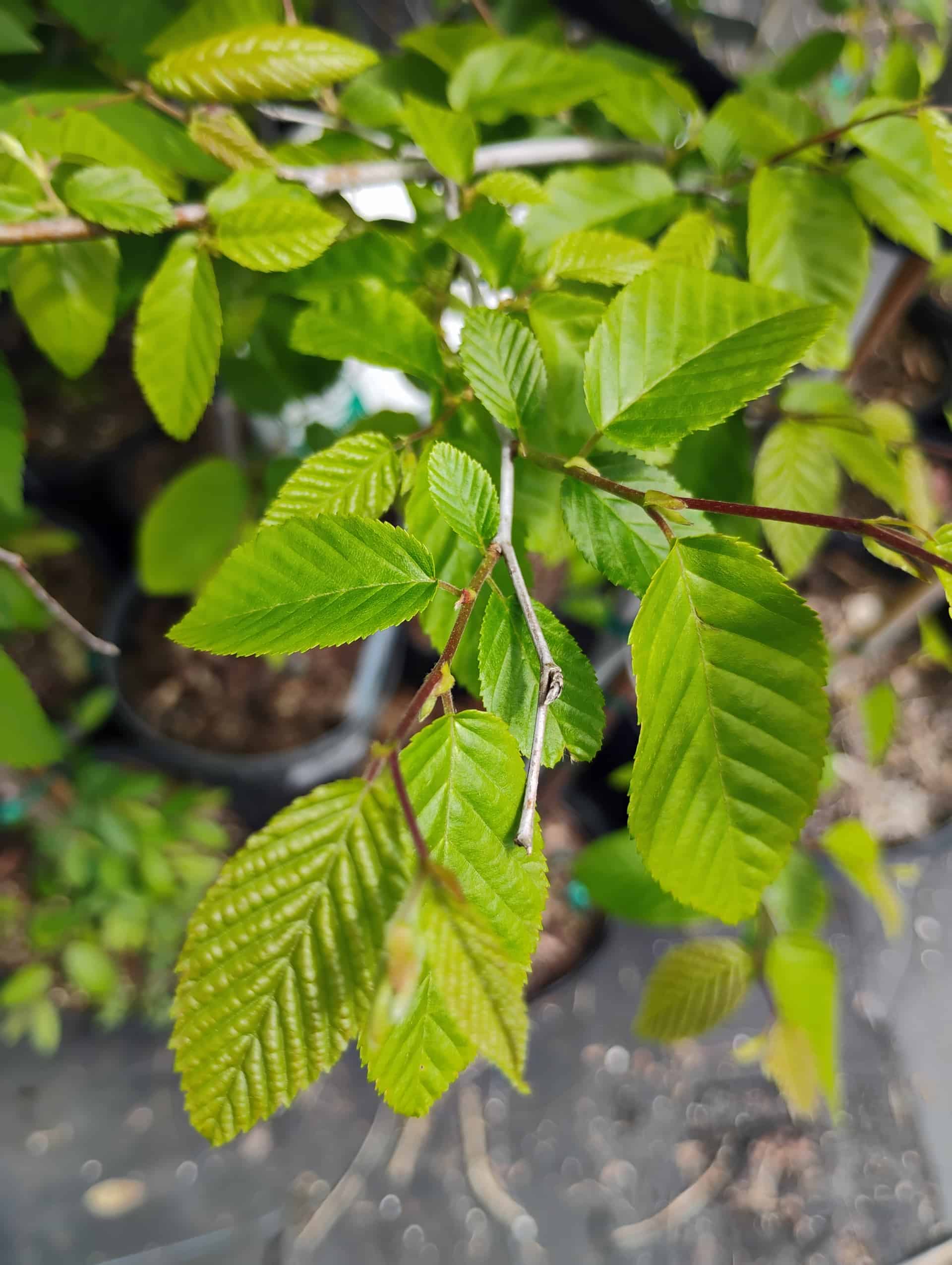
American Beech (Fagus grandifolia) is a stately deciduous native tree of eastern North America, recognized by its smooth, silver-gray bark and glossy dark green leaves that turn golden bronze in autumn. Note for Northeast Florida customers: this species is rated hardy only through USDA zone 8 and is not recommended for zone 9b — it will decline in the region's heat and mild winters. Starting at $29.95.
Plant details
- Bloom Season
- Spring
- Flower Color
- Non-flowering
- Growth Rate
- Slow
- Foliage
- Deciduous
- Soil
- Loam, Acidic, Well-drained
Best planting months
Seasonal care
Bloom season. New foliage emerges. Good planting window.
Active growing season.
Foliage may begin to change or drop. Ideal planting window.
Dormant — drops foliage. Can be planted in mild winter periods.
Care essentials
American Beech grows in full sun to partial shade in its native range; however, this tree is not recommended for planting in Northeast Florida (zone 9b), as UF/IFAS rates its hardiness only through zone 8 — the heat and mild winters of zone 9b cause chronic stress and poor performance.
Requires moderate, consistent moisture in well-drained, acidic soil; American Beech does not tolerate drought or compacted clay. Note: this species is outside its recommended zone for Northeast Florida and will struggle long-term.
Prefers deep, moist, well-drained, acidic loam. This species is not suited to the sandy, warm soils of Northeast Florida and is not recommended for zone 9b landscapes; consider native alternatives such as Southern Live Oak (Quercus virginiana) for similar landscape impact.
Similar needs
Blue China Fir
Shares 4 of the same needs: similar light, moderate water, loam, and zone 9a hardiness.
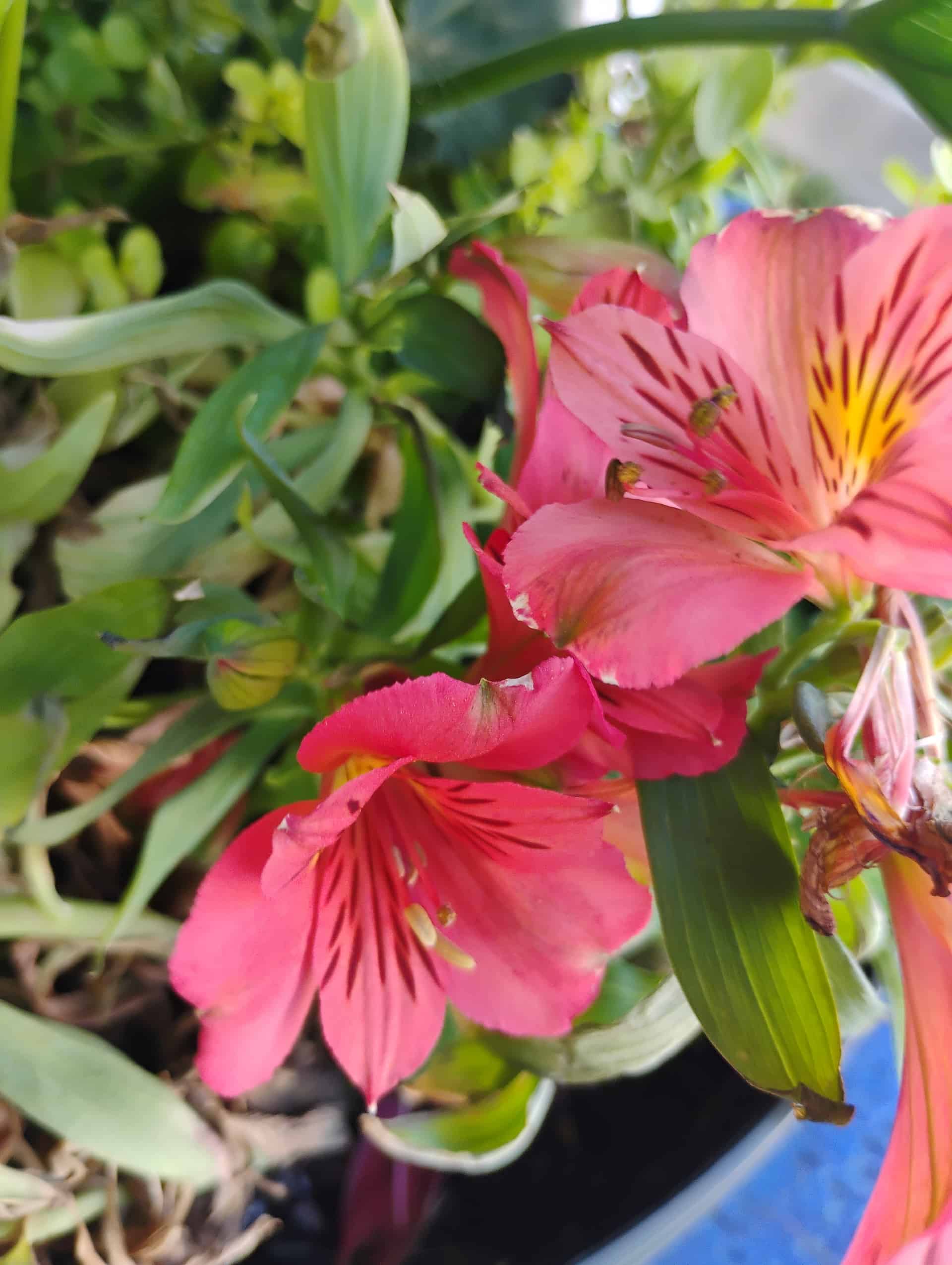
Alstroemeria
Shares 4 of the same needs: similar light, moderate water, loam, and zone 9a hardiness.
Japanese Holly
Shares 4 of the same needs: similar light, moderate water, loam, and zone 9a hardiness.
Crape Jasmine
Shares 3 of the same needs: similar light, moderate water, and loam.
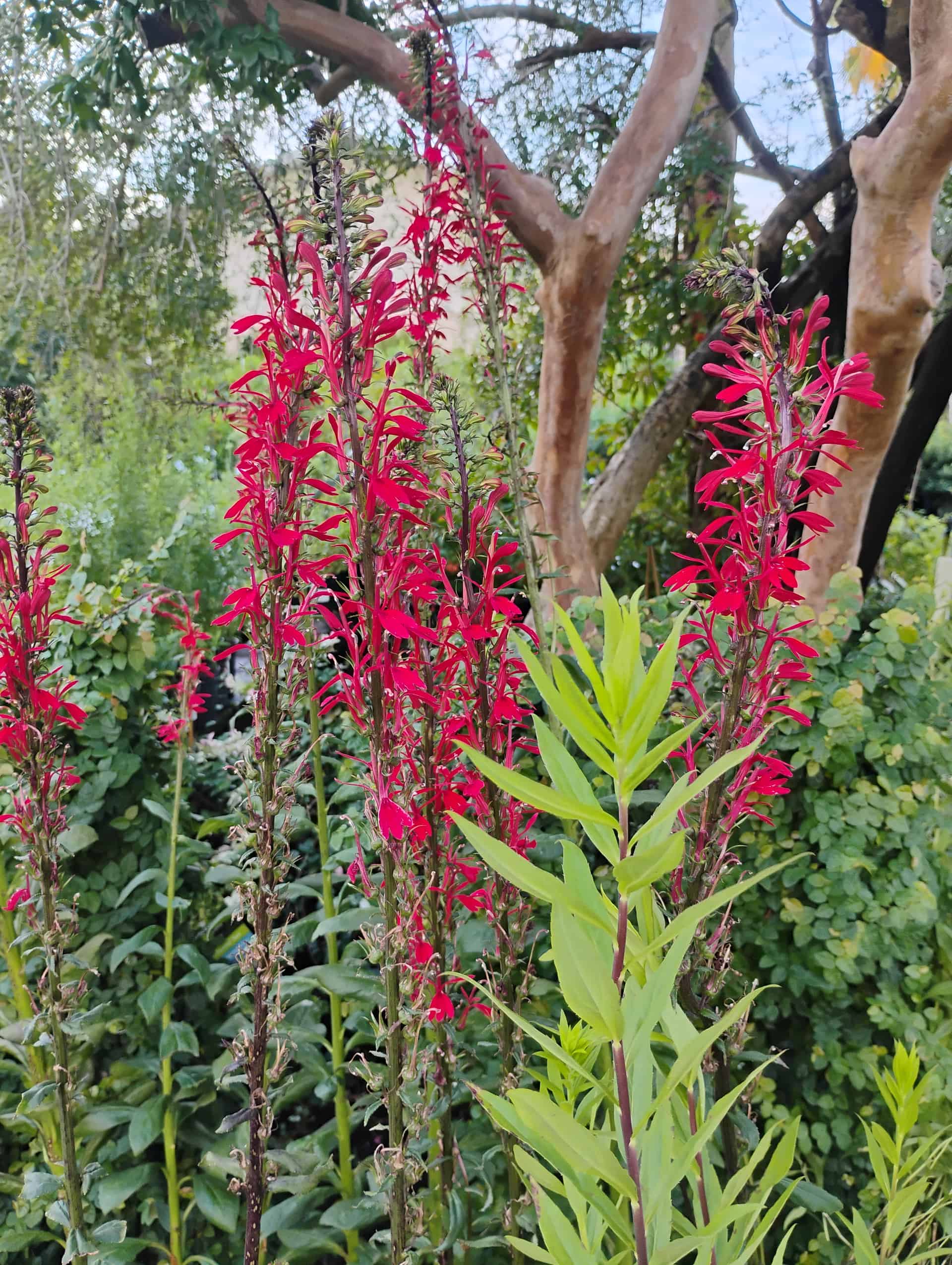
Cardinal Flower
Shares 3 of the same needs: similar light, loam, and zone 9a hardiness.
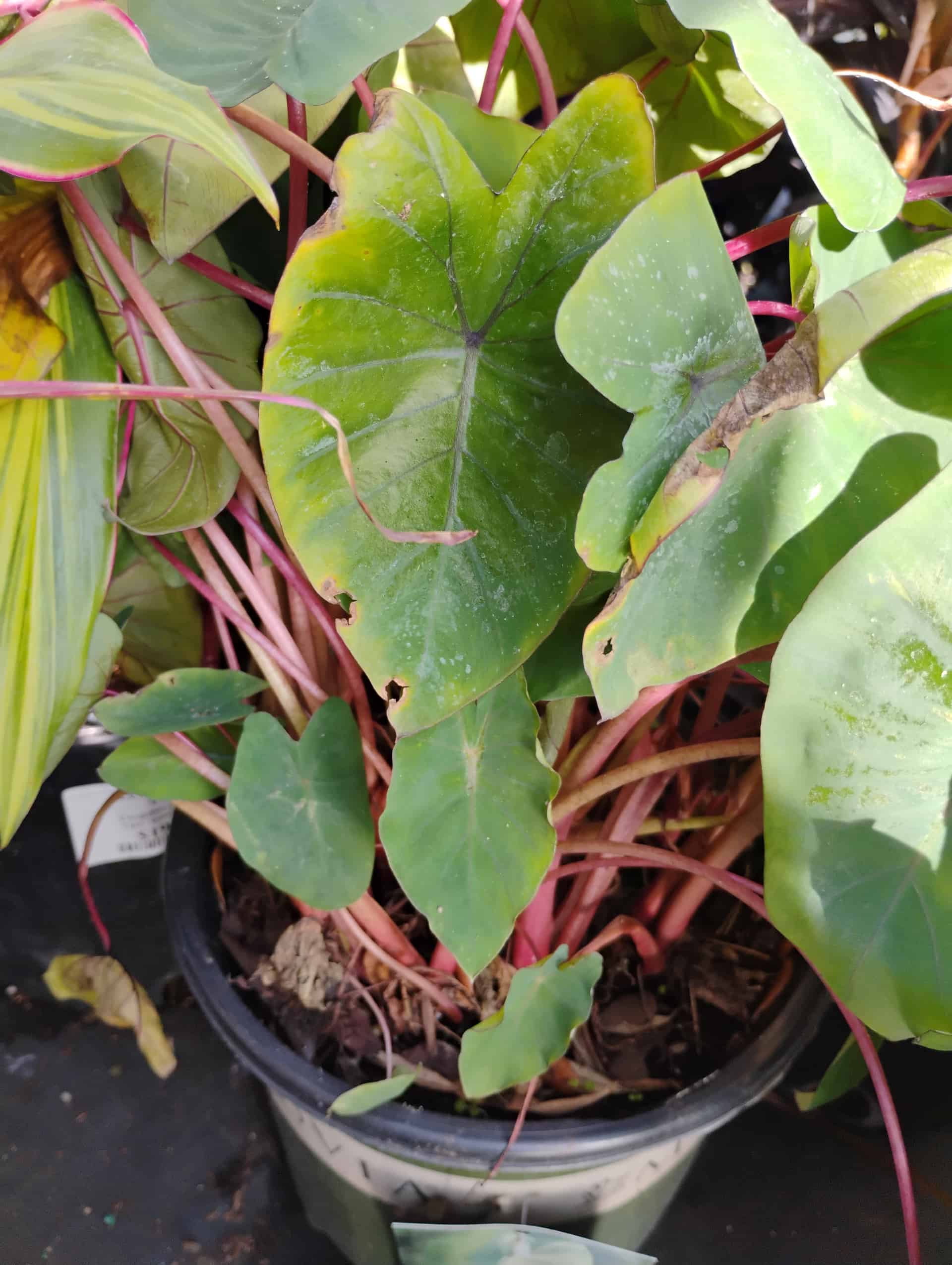
Elephant Ear
Shares 3 of the same needs: similar light, loam, and zone 9a hardiness.
You may also like
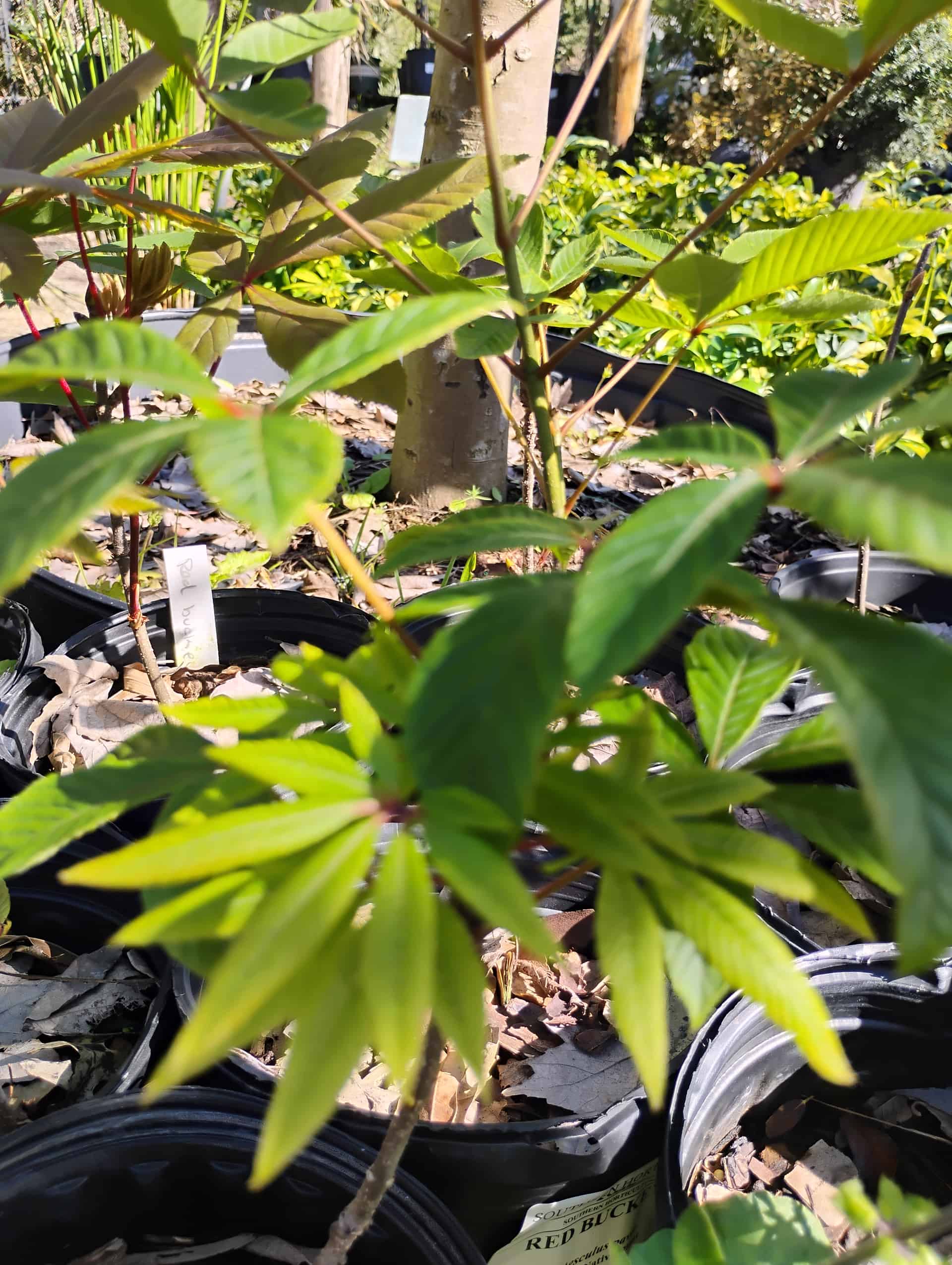 Tree
TreeRed Buckeye
Aesculus pavia
Serviceberry
Amelanchier arborea
 Tree
TreeAmerican Hornbeam
Carpinus caroliniana
Common questions
Is American Beech a good plant for St. Augustine?
American Beech is a tree for Zone 9b coastal Florida gardens, reaching 50-70 feet × 40-50 feet.
Care information verified from
Last reviewed February 2026. Our care guidance comes from trusted horticulture sources and decades of helping St. Augustine gardeners. Conditions here can vary dramatically from one area to the next, so come ask us and we'll tailor it to your yard.