
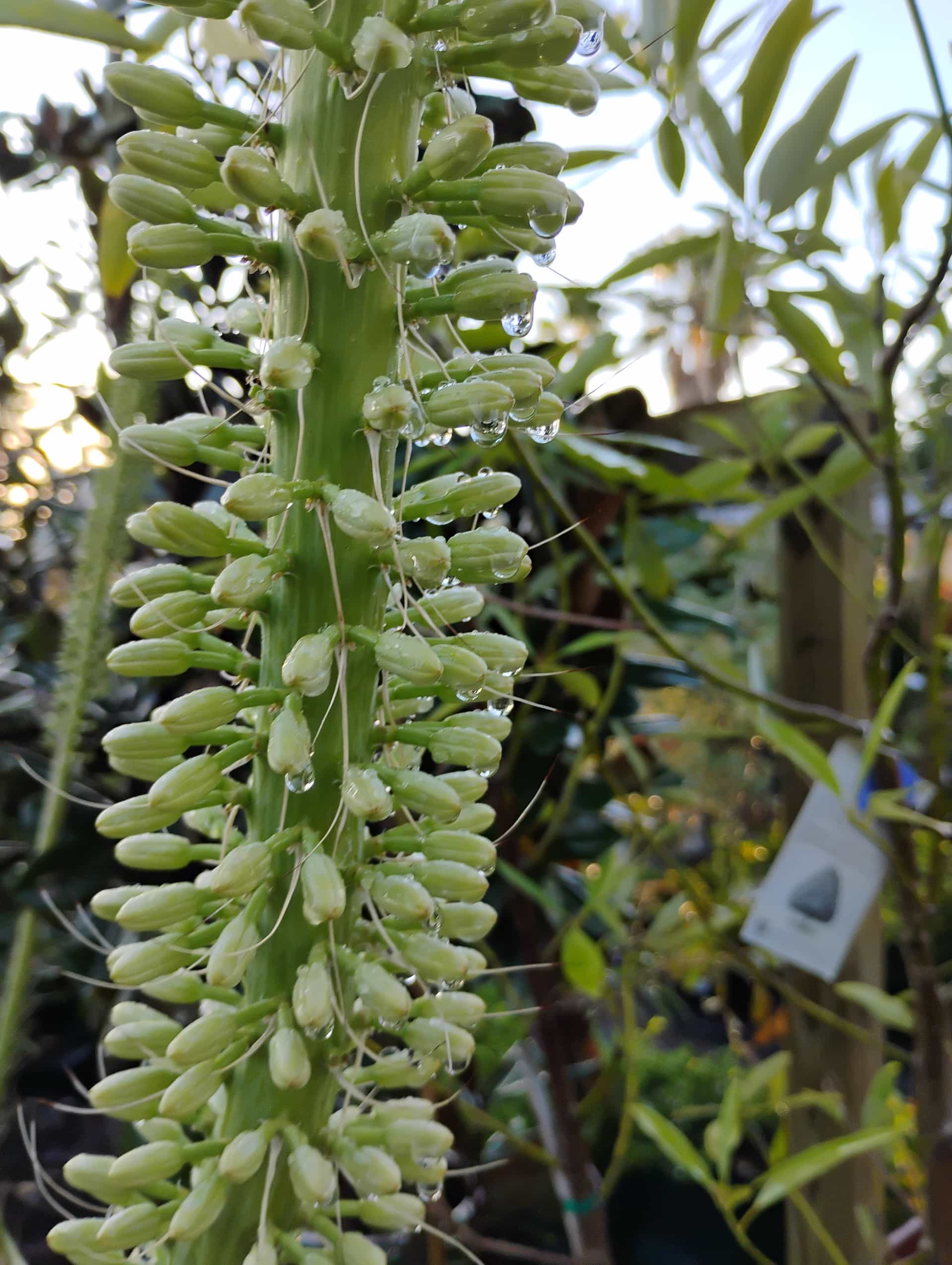
Varieties We Bring In
Desmettiana Variegated · Royal Flush · Truncata
Desmettiana Variegated · Royal Flush · Mint Chocolate Chip
Mint Chocolate Chip · Americana
Mint Chocolate Chip · Blue Ember
Americana
We received some Agave on Aug 4, 2026.
We bring this in seasonally, so what is on the lot changes week to week. A received date shows when it last came in, not that it is here today.
Call (904) 471-0440 to confirm this plant and size before you make the trip.
Last received Aug 4, 2026.
We bring this in seasonally, so what is on the lot changes week to week. A received date shows when it last came in, not that it is here today.
Call (904) 471-0440 to confirm this plant and size before you make the trip.
Pet toxicity: Toxic to dogs and cats
Pet safety guideAbout Agave
Agave (Agave spp.) is a diverse genus of bold succulent plants native to the Americas, forming striking symmetrical rosettes of thick, spine-tipped leaves that range from compact to massive depending on species. Hardy and Florida-Friendly in zone 9b, agaves thrive in full sun and NE Florida's sandy soils with minimal irrigation, making them ideal drought-tolerant specimen plants for xeriscape and coastal landscapes.
Plant details
- Bloom Season
- Summer
- Flower Color
- Non-flowering
- Growth Rate
- Slow
- Foliage
- Evergreen
- Soil
- Sandy, Well-drained
Best planting months
Recommended months: March, April, May, September, October, November.
Seasonal care
Good planting window.
Handles summer heat well once established.
Ideal planting window.
Retains foliage through winter.
Care essentials
Agave thrives in full sun — at least 6 hours of direct sunlight daily — in NE Florida. It tolerates light shade but produces its most compact, symmetrical rosette and best color in full sun; shade causes elongated, floppy growth and increases disease risk.
Agave is highly drought tolerant and rarely needs supplemental irrigation once established in NE Florida's sandy soils. Water only during extended dry spells; excessive moisture or poor drainage leads to rapid root rot, especially in Florida's summer rainy season.
Plant in fast-draining sandy soil, which is abundant throughout NE Florida; avoid clay or poorly drained sites. No fertilization is needed or recommended — excess nutrients cause weak, over-large growth. Remove spent rosettes after bloom; propagate offsets ('pups') freely produced around the base.
Similar needs
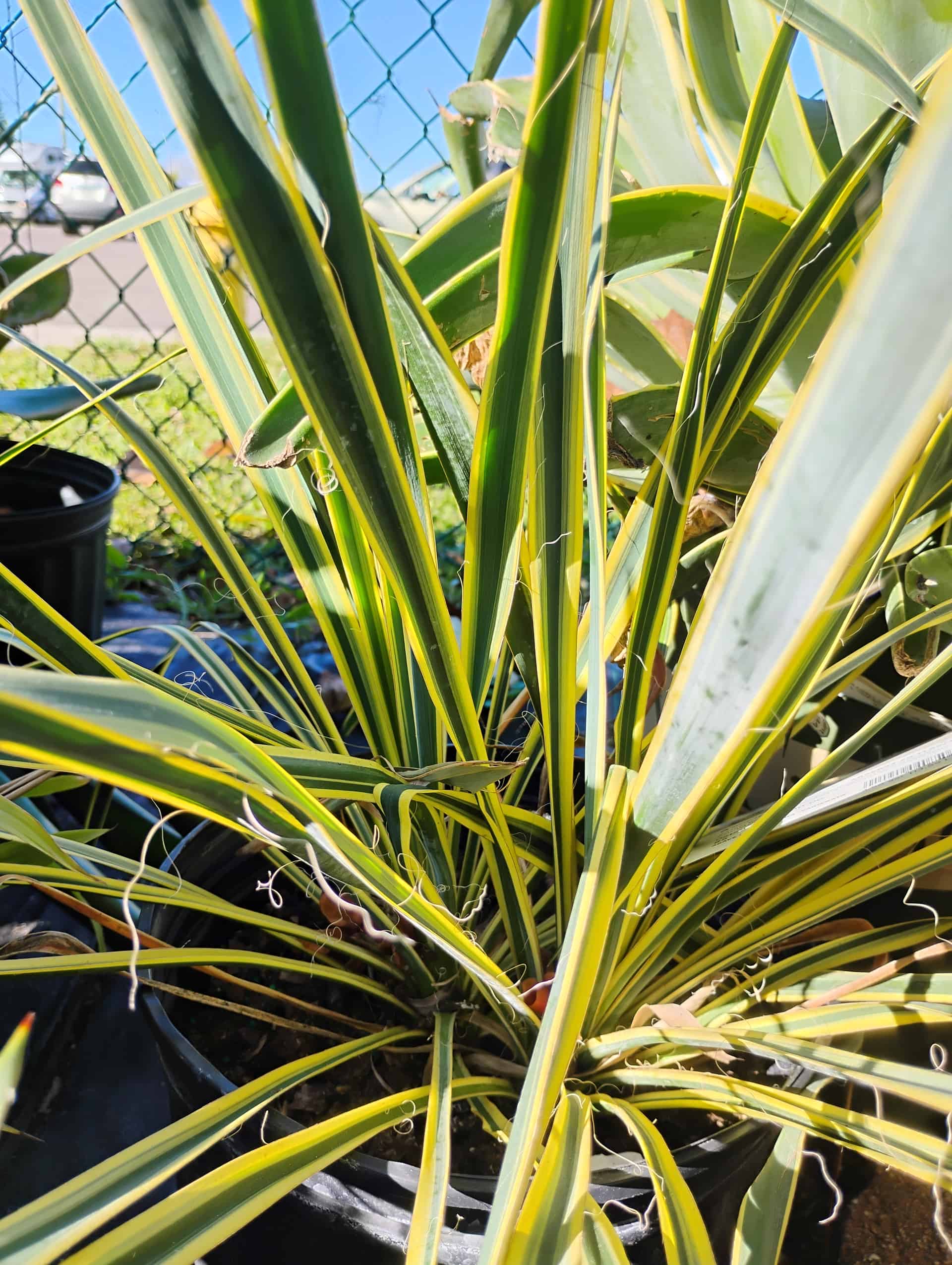
Adam's Needle
Shares 7 of the same needs: full sun, low water, sandy, salt tolerance, deer resistance, zone 9a hardiness, and pollinator-friendly.

Bougainvillea
Shares 7 of the same needs: full sun, low water, sandy, salt tolerance, deer resistance, zone 9a hardiness, and pollinator-friendly.
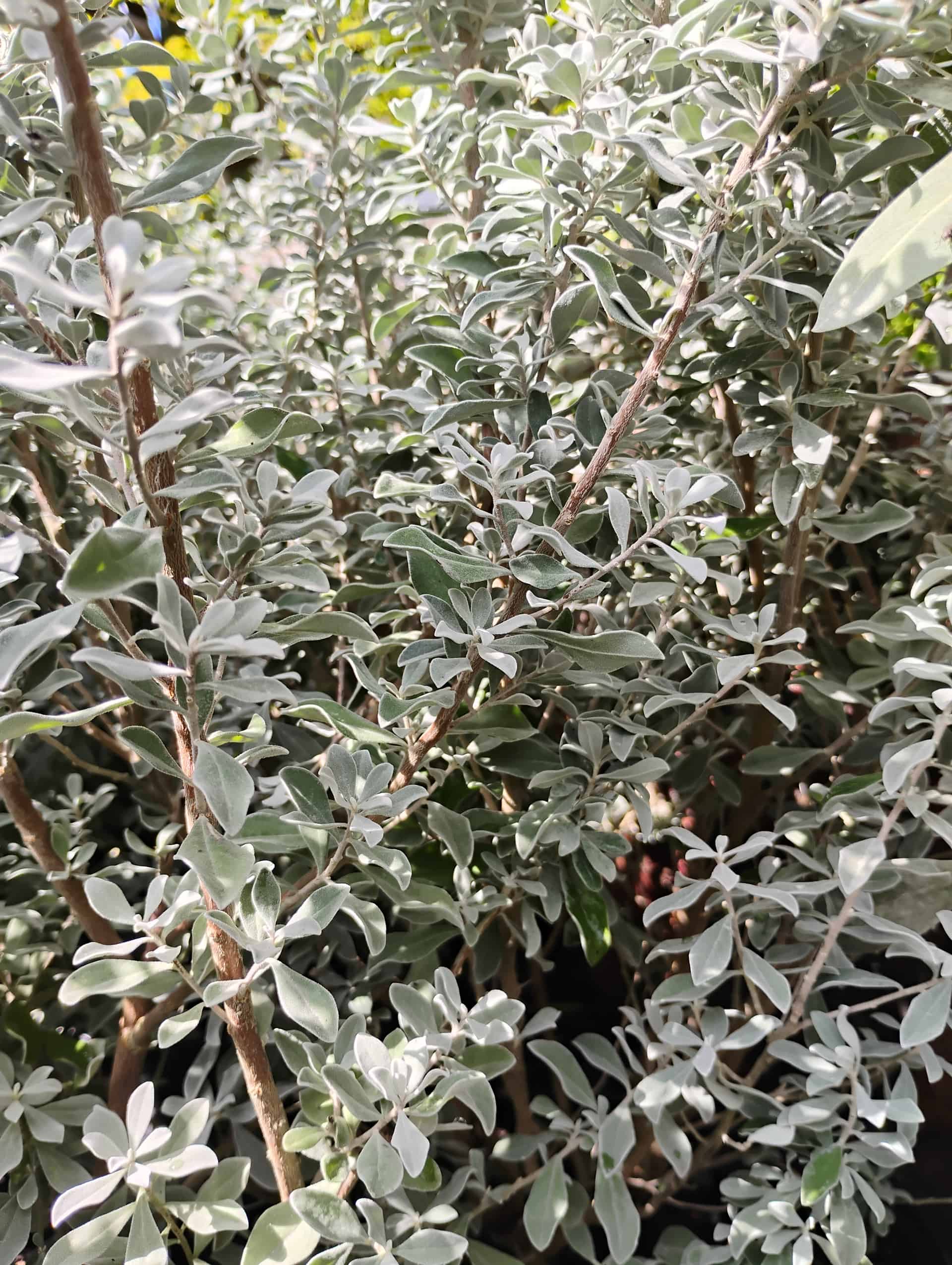
Texas Sage
Shares 7 of the same needs: full sun, low water, sandy, salt tolerance, deer resistance, zone 9a hardiness, and pollinator-friendly.

Bush Daisy
Shares 6 of the same needs: full sun, sandy, salt tolerance, deer resistance, zone 9a hardiness, and pollinator-friendly.

Jatropha
Shares 6 of the same needs: full sun, sandy, salt tolerance, deer resistance, zone 9a hardiness, and pollinator-friendly.

Marigold
Shares 6 of the same needs: full sun, sandy, salt tolerance, deer resistance, zone 9a hardiness, and pollinator-friendly.
You may also like
 Succulent
Aloe
Aloe
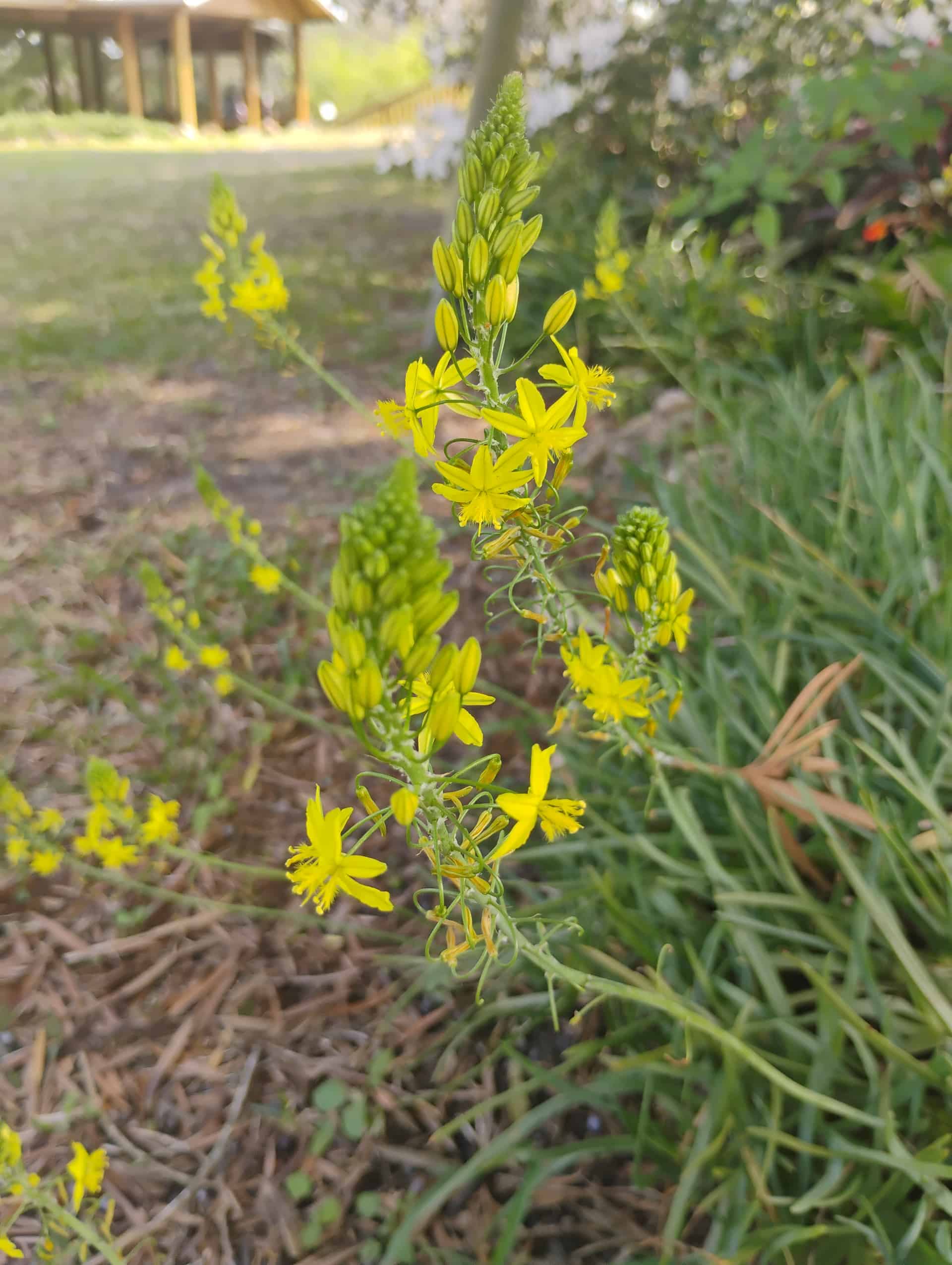 Succulent
Bulbine Lily
Bulbine
 Succulent
Orchid Cactus
Epiphyllum
Common questions
Is Agave a good plant for St. Augustine?
Agave is a succulent. Mature size: 1-6 feet (rosette, varies widely by species) × 3-8 feet (varies by species). Light: Full Sun. Water needs: Low. Recorded hardiness zone: 9a. Recorded salt tolerance: high.
What is the recorded pet toxicity for Agave?
Toxic to dogs and cats
Care information verified from
Last reviewed February 2026. Our care guidance comes from trusted horticulture sources and decades of helping St. Augustine gardeners. Conditions here can vary dramatically from one area to the next, so come ask us and we'll tailor it to your yard.