
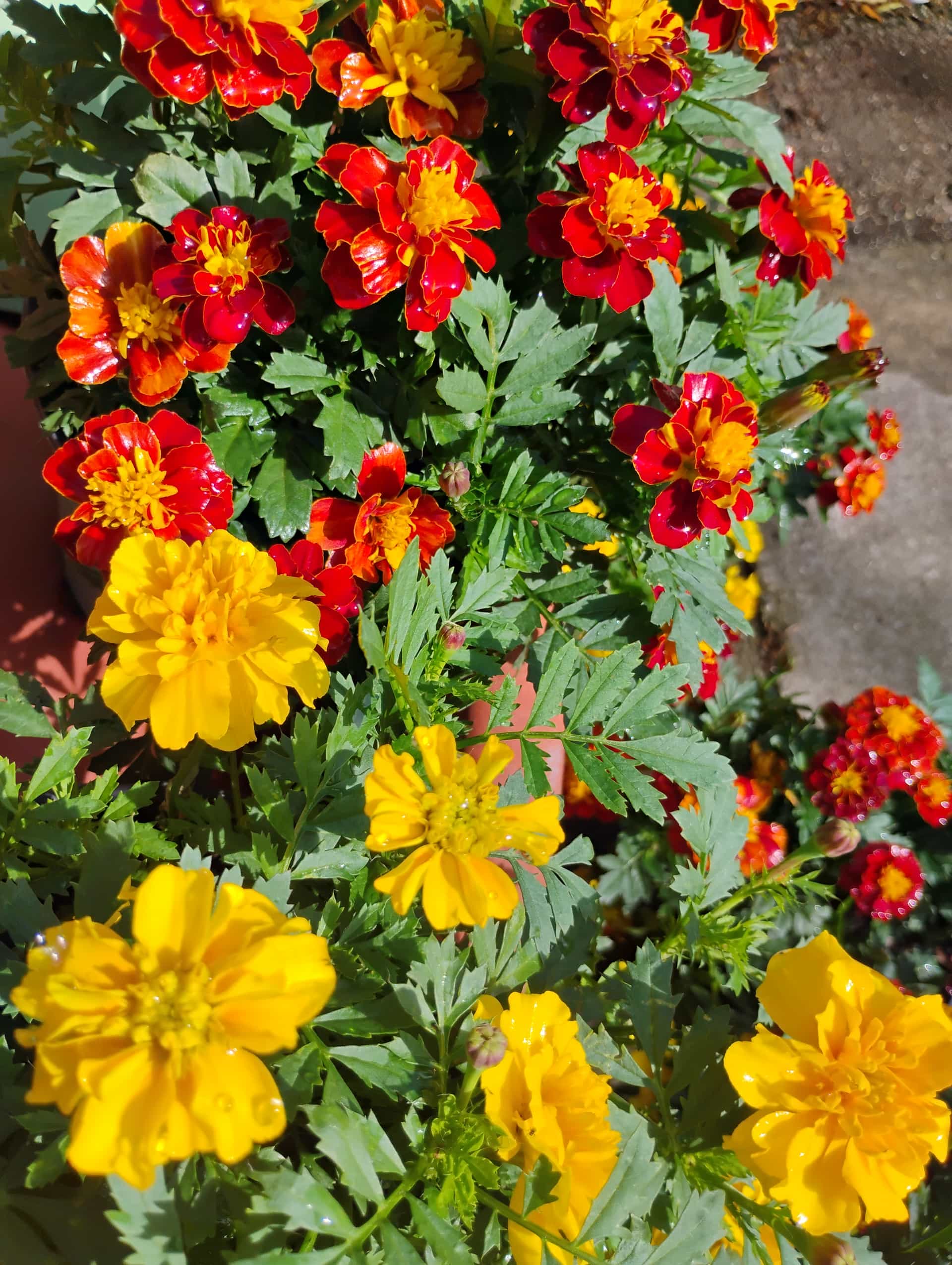
Varieties We Bring In
Hot Pak Flame · Hot Pak Spry · Hot Pak Yellow · Hot Pak Orange · Hot Pak Gold
Standard · Bonanza Bolero · Fireball · Super Hero Orange · Taishan Orange · Taishan Yellow
Starfire · Spinning Wheels Mix · Orange & Yellow Beast
We received some Marigold on Oct 22, 2026.
We bring this in seasonally, so what is on the lot changes week to week. A received date shows when it last came in, not that it is here today.
Call (904) 471-0440 to confirm this plant and size before you make the trip.
Last received Oct 22, 2026.
We bring this in seasonally, so what is on the lot changes week to week. A received date shows when it last came in, not that it is here today.
Call (904) 471-0440 to confirm this plant and size before you make the trip.
Pet toxicity: Non-toxic to dogs and cats
Pet safety guideAbout Marigold
Marigold (Tagetes spp.) is a fast-growing warm-season annual used for borders, containers, and vegetable gardens throughout Florida. In NE Florida, it is most reliably grown as a fall-through-spring flower, as summer heat and humidity can stress plants, though French marigold types tolerate heat best. Bonus: marigold roots release compounds that help suppress plant-parasitic nematodes — a key benefit in Florida's sandy soils.
Plant details
- Bloom Season
- Fall, Winter, Spring
- Flower Color
- Yellow, Orange, Red, Multi
- Growth Rate
- Fast
- Foliage
- Annual
- Soil
- Sandy, Loam, Well-drained
Best planting months
Recommended months: March, April, May.
Seasonal care
Bloom season. New foliage emerges. Good planting window.
Bloom season.
Bloom season. Foliage may begin to change or drop.
Dormant — drops foliage.
Care essentials
Grow marigolds in full sun (minimum 6 hours daily). In NE Florida, shade or excess nitrogen causes leafy plants with few flowers; avoid overhead irrigation to prevent powdery mildew.
Water moderately at the base — overhead watering promotes fungal disease. In NE Florida's hot summers, spider mites and caterpillars can damage plants; French marigold types handle heat best in North Florida when watered consistently.
Marigolds thrive in poor to average, well-drained soil and actually bloom best with little to no fertilizer — excess nitrogen promotes foliage over flowers. Sandy NE Florida soils are ideal with no amendment needed.
Similar needs

Salvia
Shares 7 of the same needs: full sun, moderate water, sandy, salt tolerance, deer resistance, zone 9a hardiness, and pollinator-friendly.

Zinnia
Shares 7 of the same needs: full sun, moderate water, sandy, salt tolerance, deer resistance, zone 9a hardiness, and pollinator-friendly.

Dianthus
Shares 7 of the same needs: full sun, moderate water, loam, salt tolerance, deer resistance, zone 9a hardiness, and pollinator-friendly.

Bush Daisy
Shares 7 of the same needs: full sun, moderate water, sandy, salt tolerance, deer resistance, zone 9a hardiness, and pollinator-friendly.

Jatropha
Shares 7 of the same needs: full sun, moderate water, sandy, salt tolerance, deer resistance, zone 9a hardiness, and pollinator-friendly.

Shumard Oak
Shares 7 of the same needs: full sun, moderate water, sandy, salt tolerance, deer resistance, zone 9a hardiness, and pollinator-friendly.
You may also like
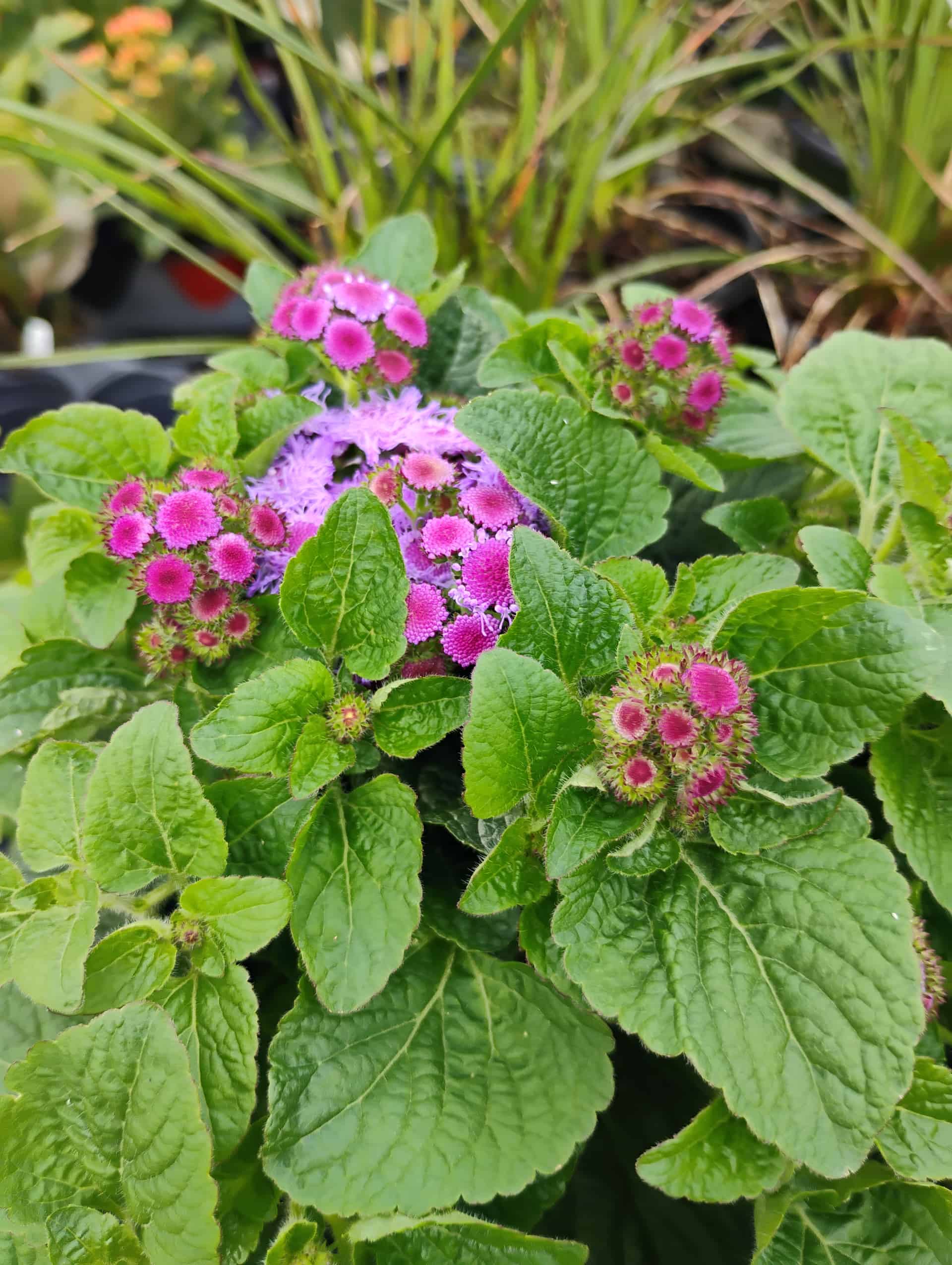 Annual
Ageratum
Ageratum houstonianum
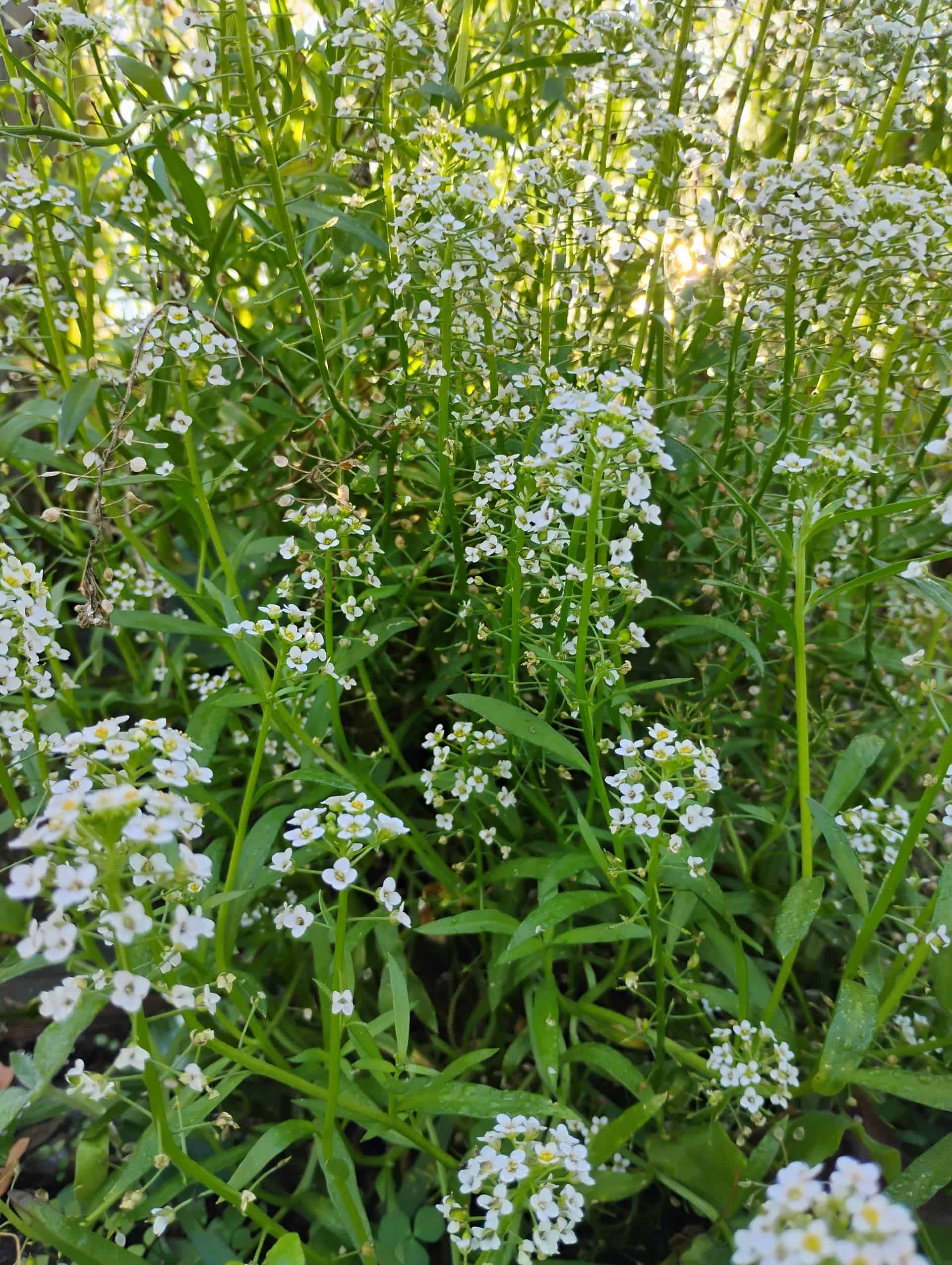 Annual
Alyssum
Lobularia maritima
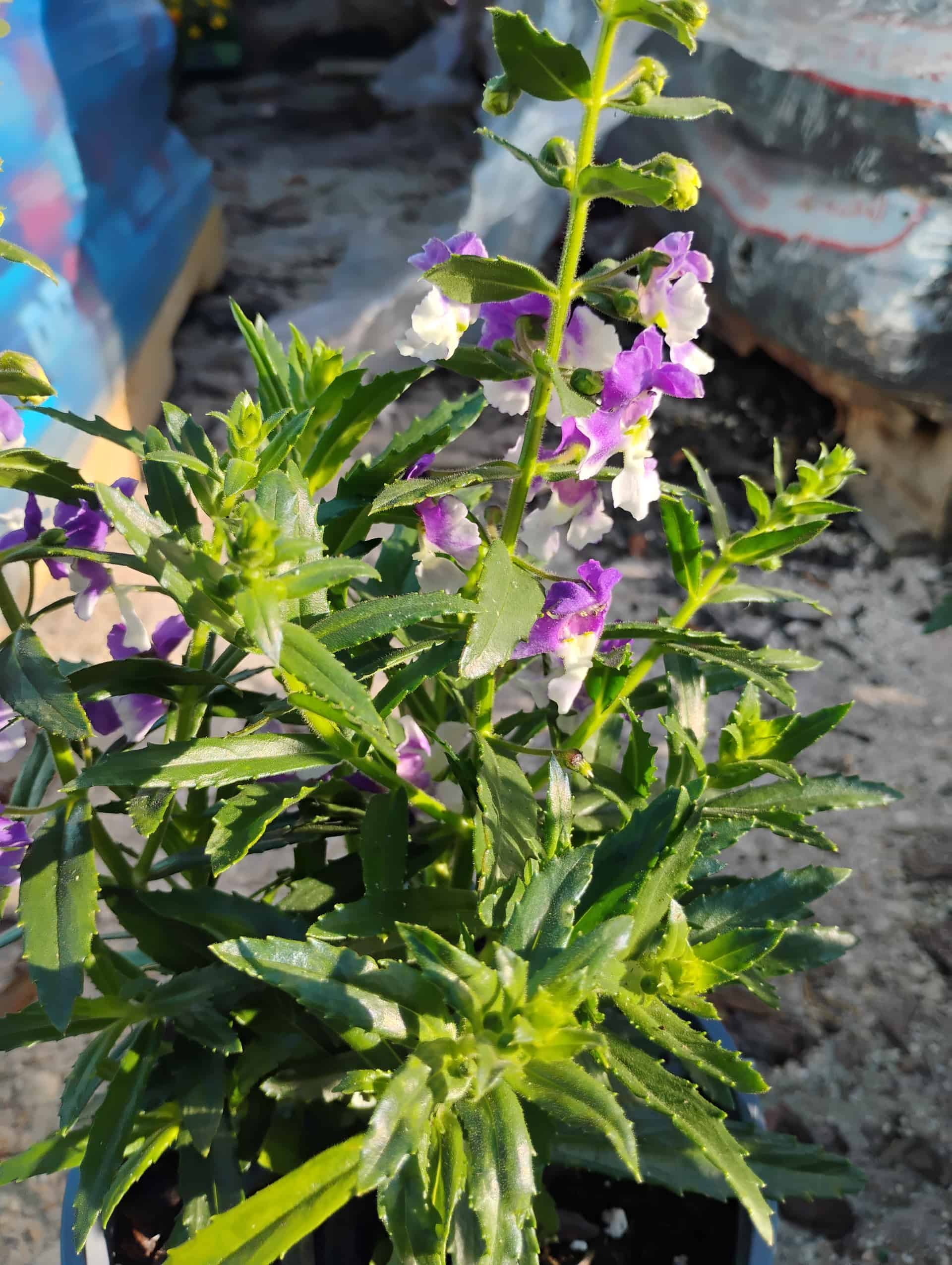 Annual
Angelonia
Angelonia angustifolia
Common questions
Is Marigold a good plant for St. Augustine?
Marigold is an annual. Mature size: 6 inches to 3 feet × 6-24 inches (varies by type). Light: Full Sun. Water needs: Moderate. Recorded hardiness zone: 9a. Recorded salt tolerance: high.
What is the recorded pet toxicity for Marigold?
Non-toxic to dogs and cats
Care information verified from
Last reviewed February 2026. Our care guidance comes from trusted horticulture sources and decades of helping St. Augustine gardeners. Conditions here can vary dramatically from one area to the next, so come ask us and we'll tailor it to your yard.