
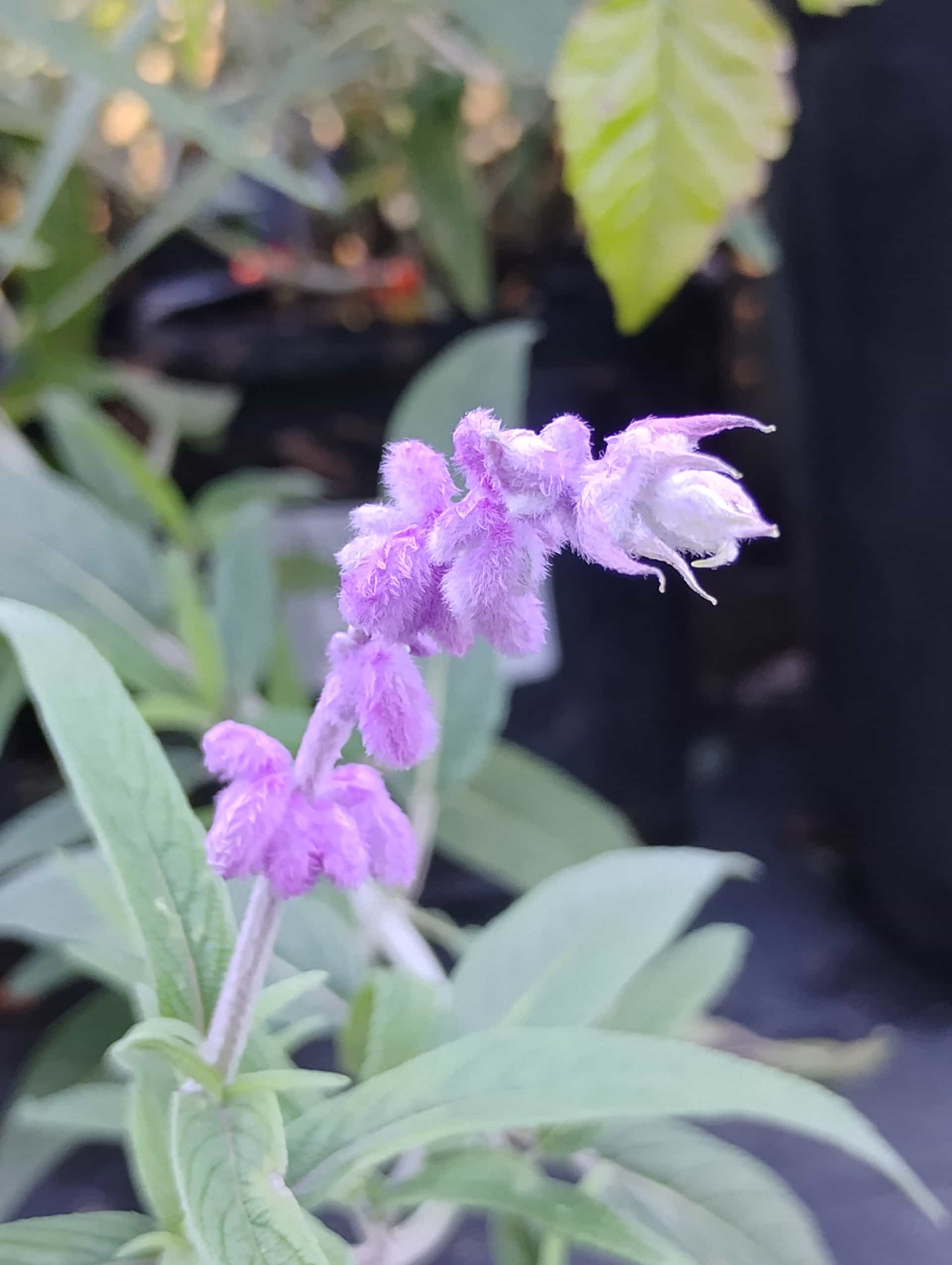
Varieties We Bring In
Blue · Mysty · Grandstand Purple · Rockin Purple · Unplugged So Blue · Mystic Spires Blue · Nem Dark Matter · Gre Visional Purple · Gre X Vibe Ignition Orange · Nem Apx Pink · Nem Clarity White · Nem Noble Princess Pink · Nem Pink Nebula · Radio Red · Gre Hot Lips · Standard · Apiana · Allen Chickering
Sallyfun Blue Lagoon
Rhythm & Blues · Rockin Blue Suede Shoes
Firelight · Bee Heaven
We received some Salvia on Oct 12, 2026.
We bring this in seasonally, so what is on the lot changes week to week. A received date shows when it last came in, not that it is here today.
Call (904) 471-0440 to confirm this plant and size before you make the trip.
Last received Oct 12, 2026.
We bring this in seasonally, so what is on the lot changes week to week. A received date shows when it last came in, not that it is here today.
Call (904) 471-0440 to confirm this plant and size before you make the trip.
Pet toxicity: Non-toxic to dogs and cats
Pet safety guideAbout Salvia
Salvia (Salvia spp.) is a large genus of annuals and perennials producing spikes of tubular flowers in red, pink, purple, blue, and white that attract hummingbirds and butterflies. In NE Florida, heat-tolerant species such as Salvia coccinea thrive in full sun with well-drained soil, blooming spring through fall and often self-seeding in warm winters.
Plant details
- Bloom Season
- Spring, Summer, Fall
- Flower Color
- White, Red, Pink, Purple
- Growth Rate
- Fast
- Foliage
- Semi-evergreen
- Soil
- Sandy, Loam, Well-drained
Best planting months
Recommended months: March, April, May, October, November.
Seasonal care
Bloom season. Good planting window.
Bloom season.
Bloom season. Ideal planting window.
Retains foliage through winter.
Care essentials
Plant salvias in full sun for best flowering; partial shade is tolerated but reduces bloom. In NE Florida, some afternoon shade helps tender annual types like Salvia splendens endure intense summer heat.
Water regularly until established, then reduce frequency — most salvias are drought-tolerant once rooted. Avoid waterlogged soil; NE Florida's well-drained sandy soils suit them naturally.
Grow in well-drained, average to fertile soil. Apply a balanced slow-release fertilizer at planting and supplement lightly mid-season. Excessive nitrogen promotes foliage over flowers.
Similar needs
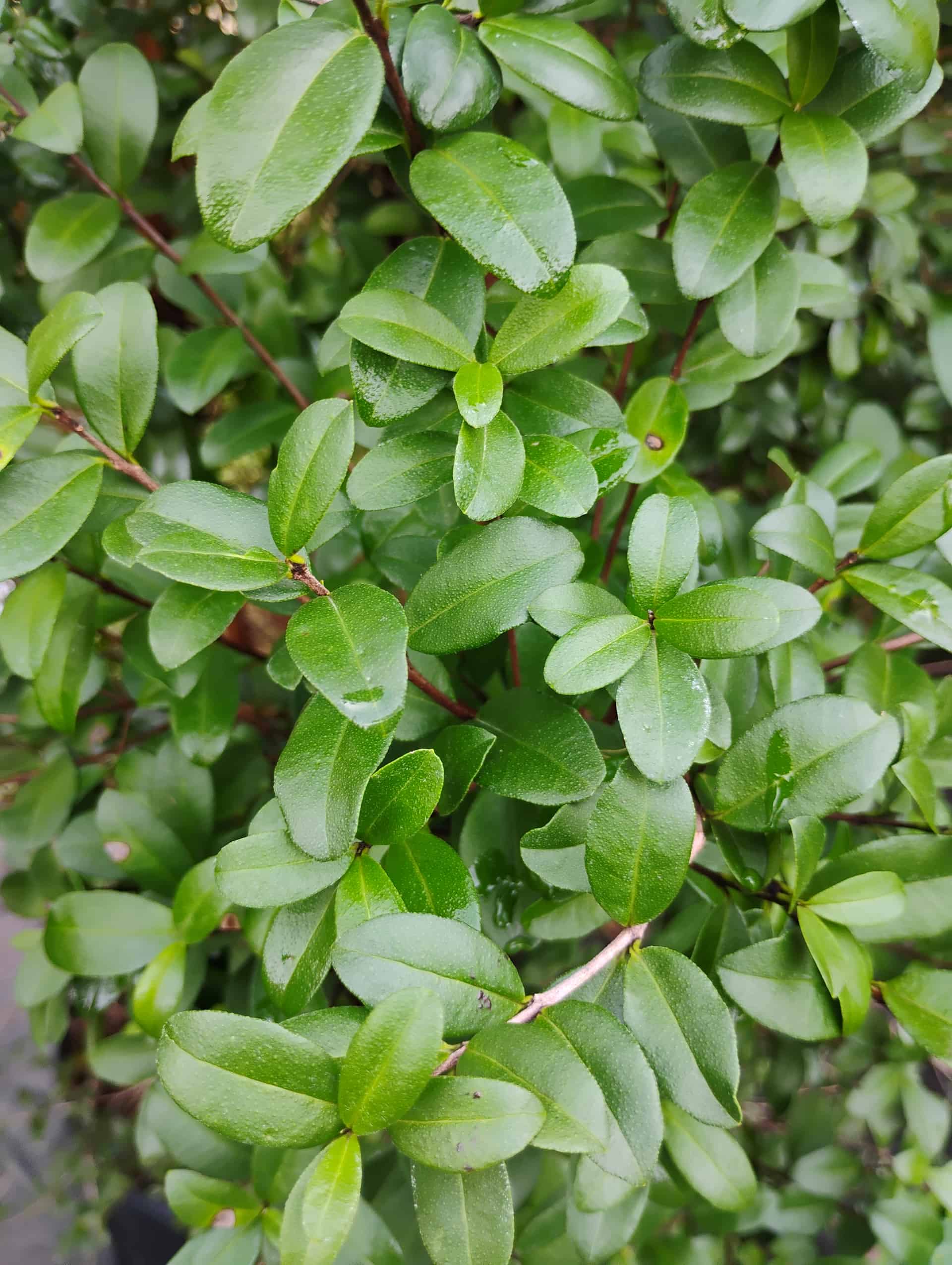
Simpson's Stopper
Shares 7 of the same needs: full sun, moderate water, sandy, salt tolerance, deer resistance, zone 9a hardiness, and pollinator-friendly.

Marigold
Shares 7 of the same needs: full sun, moderate water, sandy, salt tolerance, deer resistance, zone 9a hardiness, and pollinator-friendly.

Zinnia
Shares 7 of the same needs: full sun, moderate water, sandy, salt tolerance, deer resistance, zone 9a hardiness, and pollinator-friendly.

Autograph Tree
Shares 6 of the same needs: full sun, moderate water, sandy, salt tolerance, deer resistance, and zone 9a hardiness.

Dianthus
Shares 7 of the same needs: full sun, moderate water, loam, salt tolerance, deer resistance, zone 9a hardiness, and pollinator-friendly.

Spider Plant
Shares 6 of the same needs: shade, moderate water, loam, salt tolerance, deer resistance, and zone 9a hardiness.
You may also like
 Annual
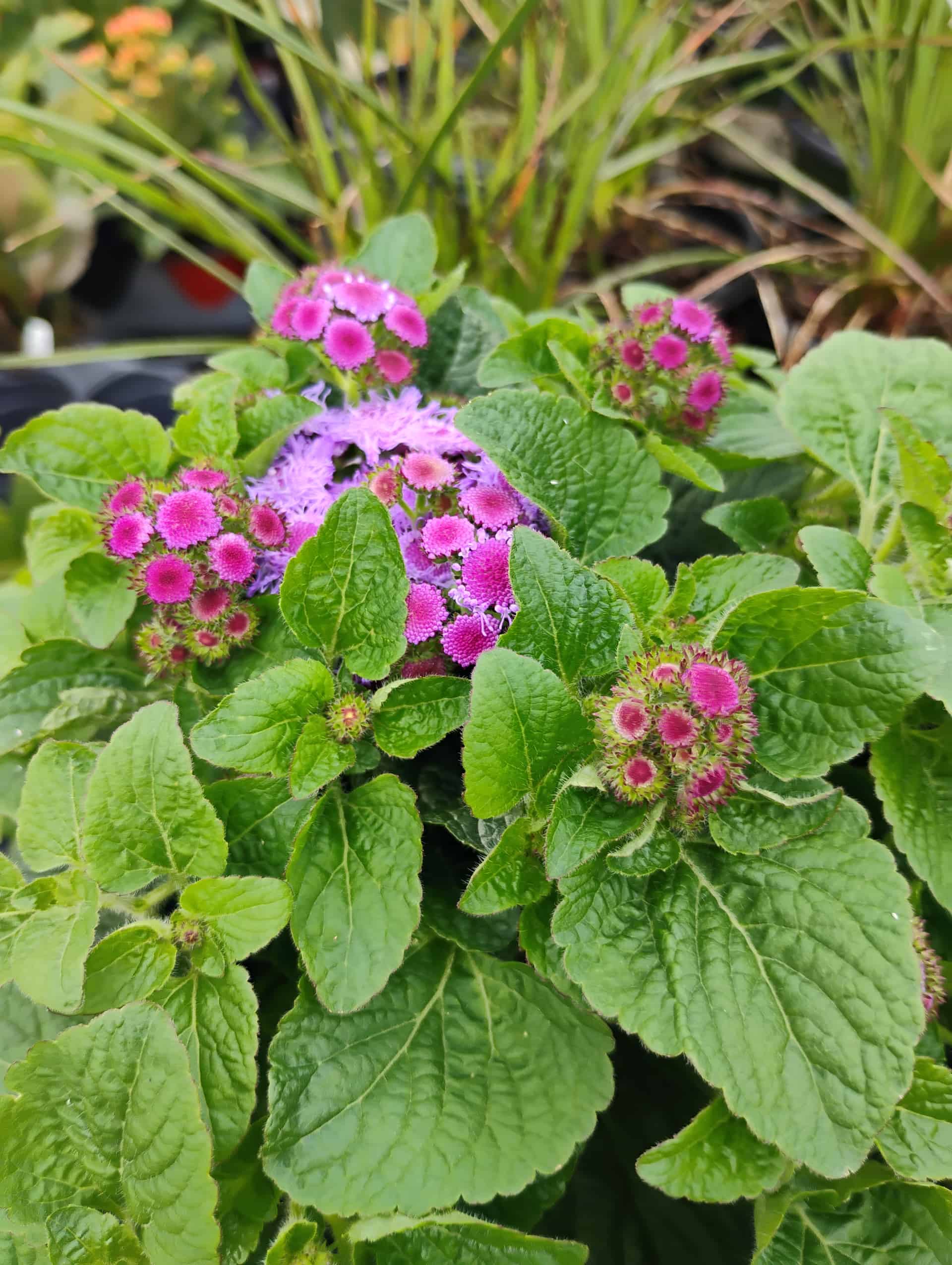
Ageratum
Ageratum houstonianum
 Annual
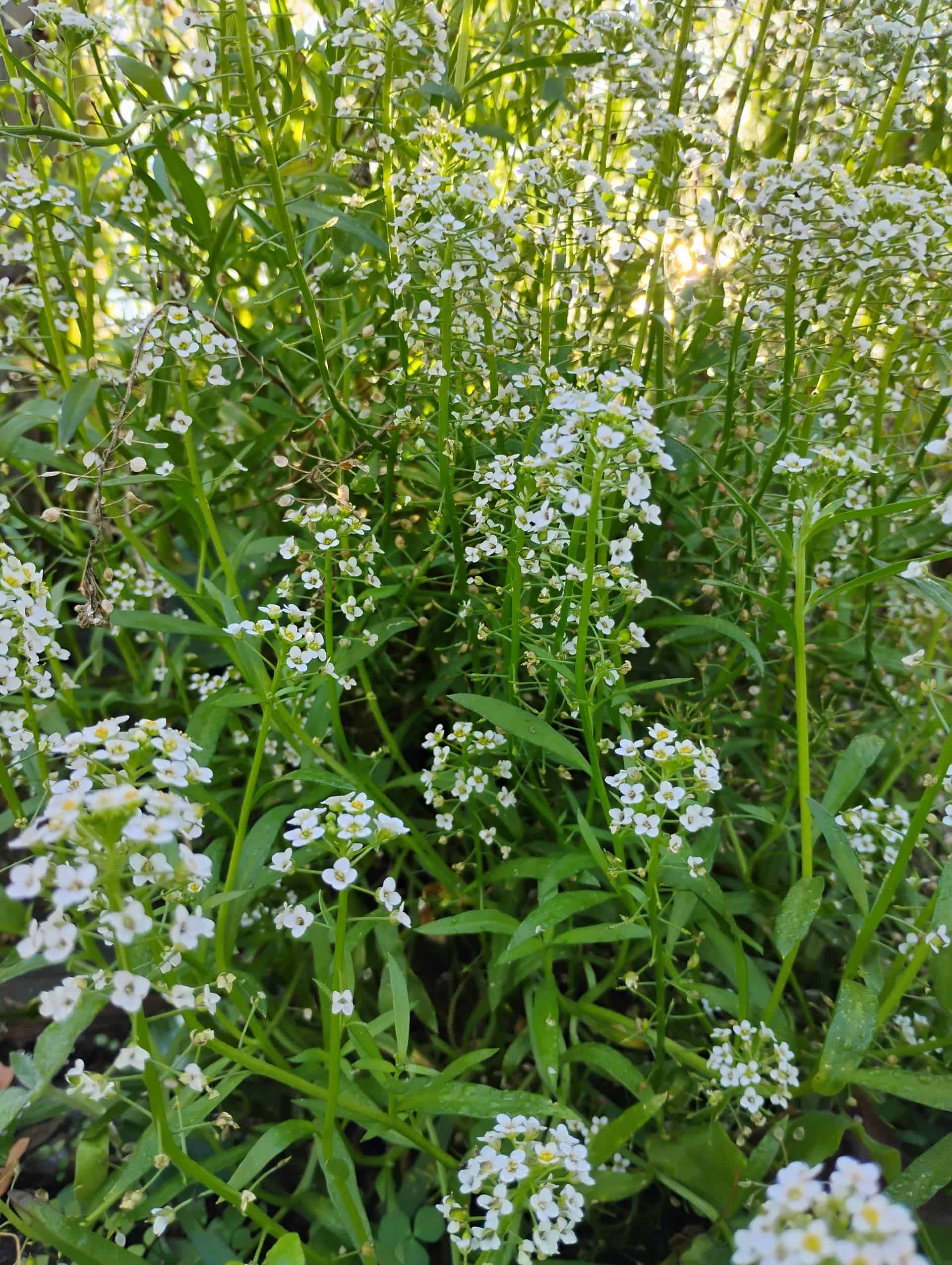
Alyssum
Lobularia maritima
 Annual
Angelonia
Angelonia angustifolia
Common questions
Is Salvia a good plant for St. Augustine?
Salvia is an annual. Mature size: 1-4 feet × 1-4 feet (highly variable by species). Light: Full Sun, Part Shade. Water needs: Low to Moderate. Recorded hardiness zone: 9a. Recorded salt tolerance: high.
What is the recorded pet toxicity for Salvia?
Non-toxic to dogs and cats
Care information verified from
Last reviewed February 2026. Our care guidance comes from trusted horticulture sources and decades of helping St. Augustine gardeners. Conditions here can vary dramatically from one area to the next, so come ask us and we'll tailor it to your yard.