
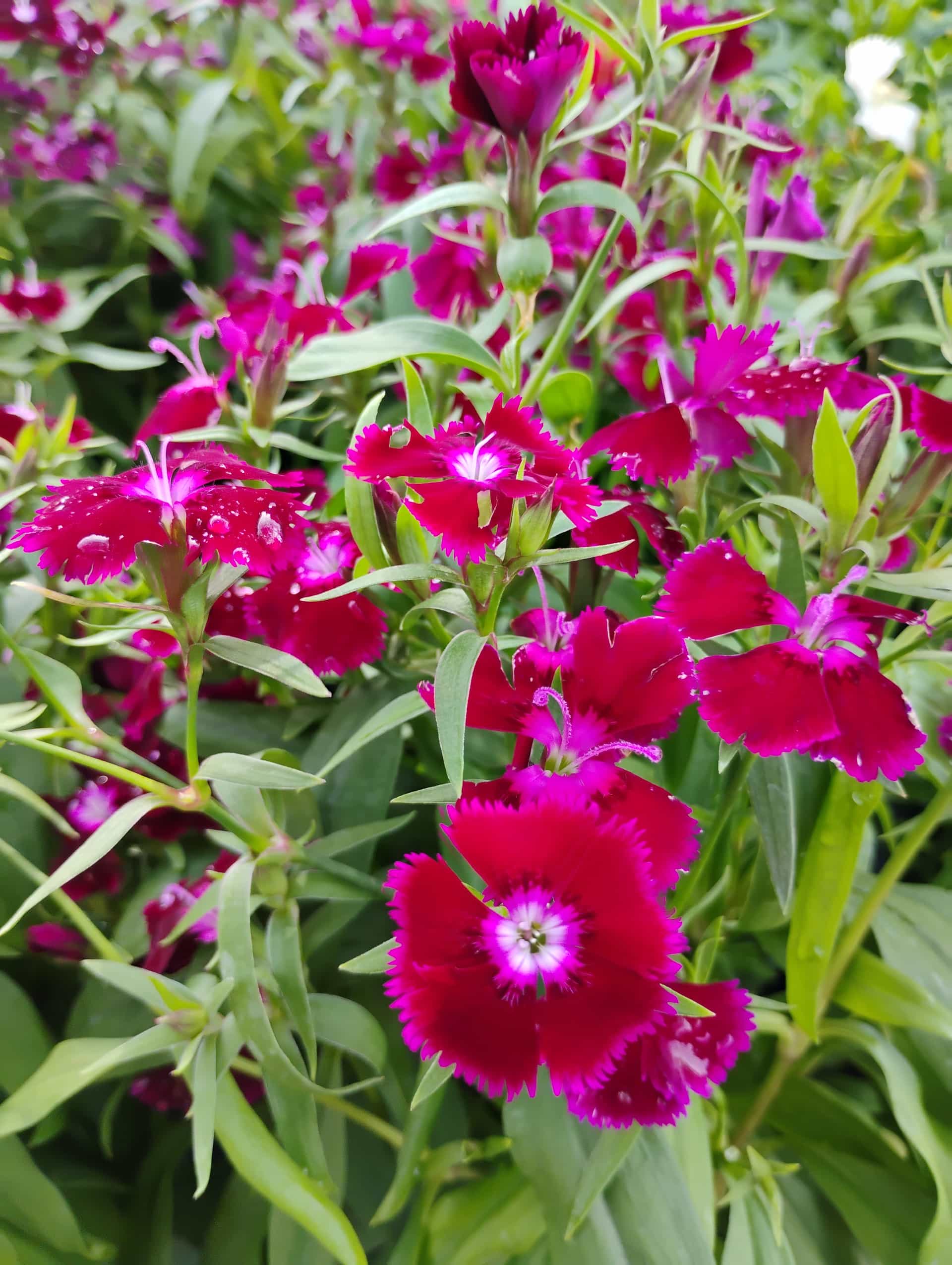
Varieties We Bring In
Standard · Frosty Fire · Coronet Cherry Red · Coronet Rose · Coronet Strawberry · Coronet White · Dash Magician · Firewitch · Floral Lace Cherry · Floral Lace Cherry Imp · Floral Lace Picotee · Floral Lace Purple · Floral Lace Purple Imp · Floral Lace Red · Floral Lace Red Imp · Floral Lace White · Jolt · Rockin Purple · Rockin Red · Rockin Rose · Amrcn P Berry a La Mode · Georgia Peach · Vivid Bright Light · Orange Sparkler · Sfh Angel of Hope · Jolt, Cherry
Standard
We received some Dianthus on Nov 4, 2026.
We bring this in seasonally, so what is on the lot changes week to week. A received date shows when it last came in, not that it is here today.
Call (904) 471-0440 to confirm this plant and size before you make the trip.
Last received Nov 4, 2026.
We bring this in seasonally, so what is on the lot changes week to week. A received date shows when it last came in, not that it is here today.
Call (904) 471-0440 to confirm this plant and size before you make the trip.
Pet toxicity: Toxic to dogs and cats
Pet safety guideAbout Dianthus
Dianthus (Pinks) is a cool-season annual in NE Florida, producing fragrant, fringed blooms in shades of red, pink, white, and bicolor from fall through late spring. Plant in October for a full season of color; it declines when summer heat arrives.
Plant details
- Bloom Season
- Fall, Winter, Spring
- Flower Color
- White, Red, Pink, Purple
- Growth Rate
- Moderate
- Foliage
- Annual
- Soil
- Loam, Well-drained
Best planting months
Recommended months: March, April, May.
Seasonal care
Bloom season. Good planting window.
Higher water demand in summer heat.
Growth slows as temperatures cool.
Bloom season. Retains foliage through winter.
Care essentials
Provide full sun — at least 6 hours of direct light daily. In NE Florida, plant in a bright, open bed for the strongest bloom production during the cool season.
Water regularly to keep soil evenly moist but never soggy; avoid overhead irrigation as wet foliage promotes powdery mildew in Florida's humid conditions. Water at the base and allow the top inch of soil to dry slightly between waterings.
Plant in well-drained, slightly alkaline to neutral soil (pH 6.5–7.0). Apply a balanced granular fertilizer at planting and monthly during the cool season; avoid excess nitrogen, which promotes foliage at the expense of flowers.
Similar needs

Marigold
Shares 7 of the same needs: full sun, moderate water, loam, salt tolerance, deer resistance, zone 9a hardiness, and pollinator-friendly.

Salvia
Shares 7 of the same needs: full sun, moderate water, loam, salt tolerance, deer resistance, zone 9a hardiness, and pollinator-friendly.

Zinnia
Shares 7 of the same needs: full sun, moderate water, loam, salt tolerance, deer resistance, zone 9a hardiness, and pollinator-friendly.

Bush Daisy
Shares 7 of the same needs: full sun, moderate water, loam, salt tolerance, deer resistance, zone 9a hardiness, and pollinator-friendly.

Jatropha
Shares 7 of the same needs: full sun, moderate water, loam, salt tolerance, deer resistance, zone 9a hardiness, and pollinator-friendly.

Shumard Oak
Shares 7 of the same needs: full sun, moderate water, loam, salt tolerance, deer resistance, zone 9a hardiness, and pollinator-friendly.
You may also like
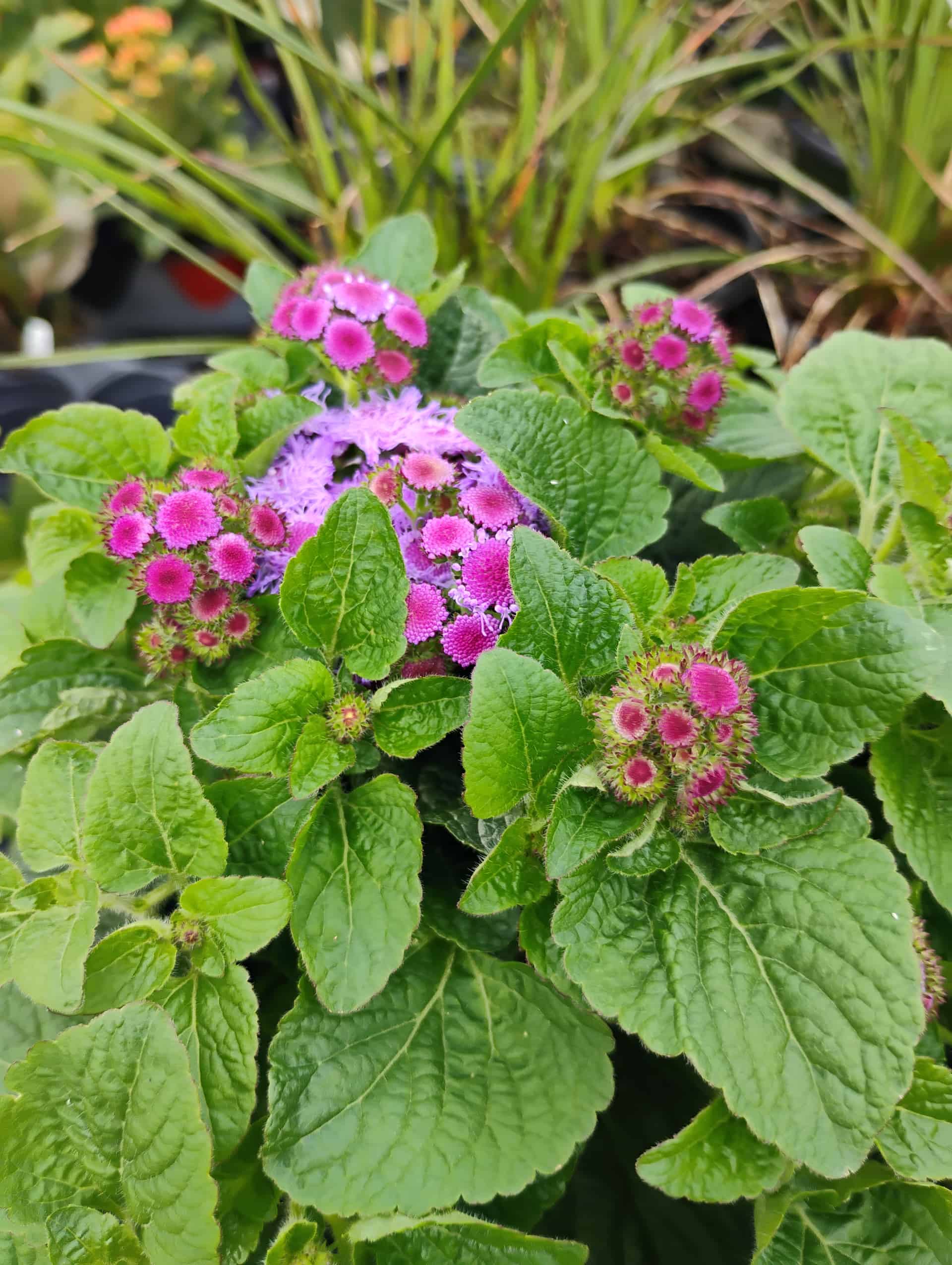 Annual
Ageratum
Ageratum houstonianum
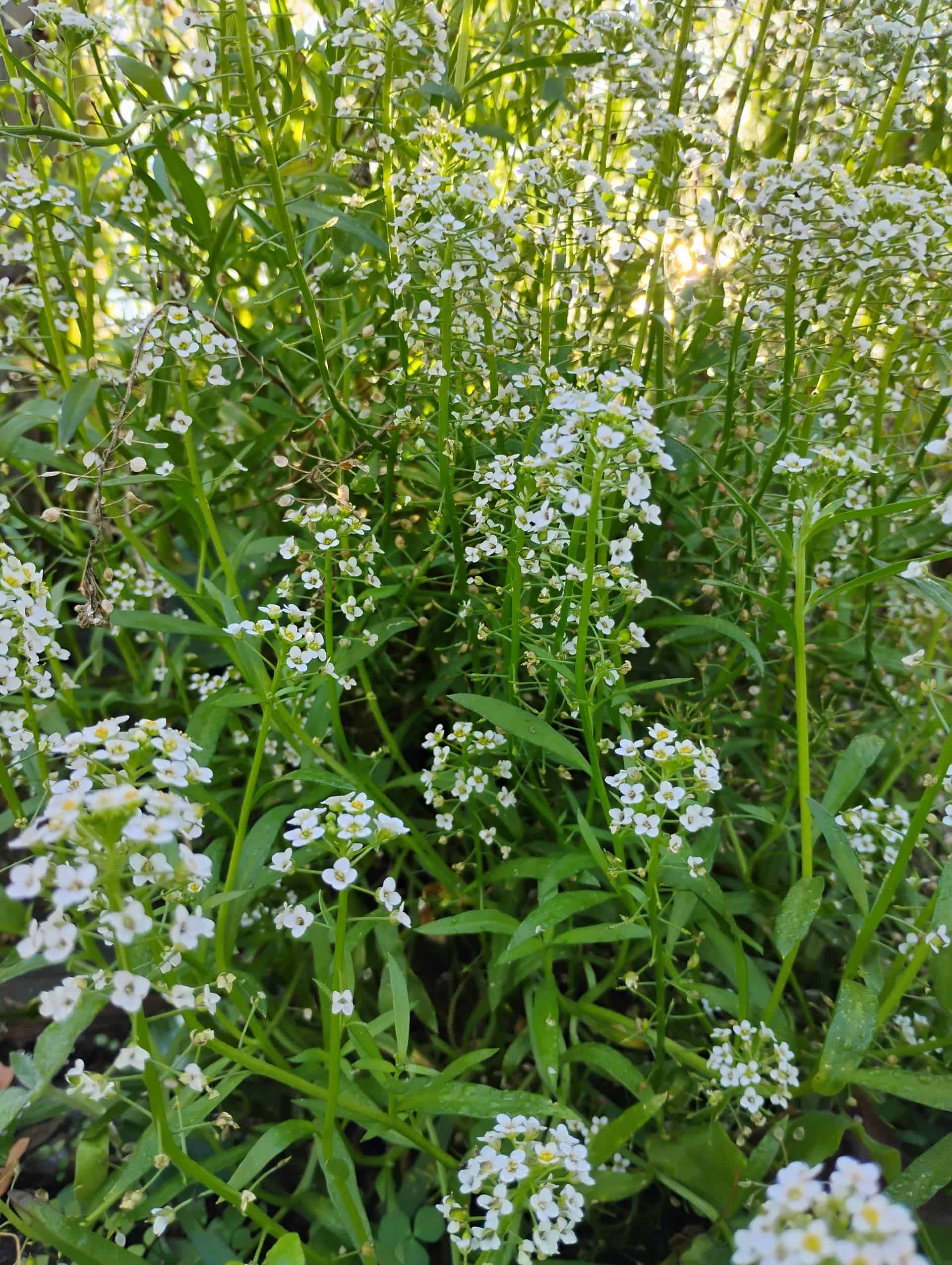 Annual
Alyssum
Lobularia maritima
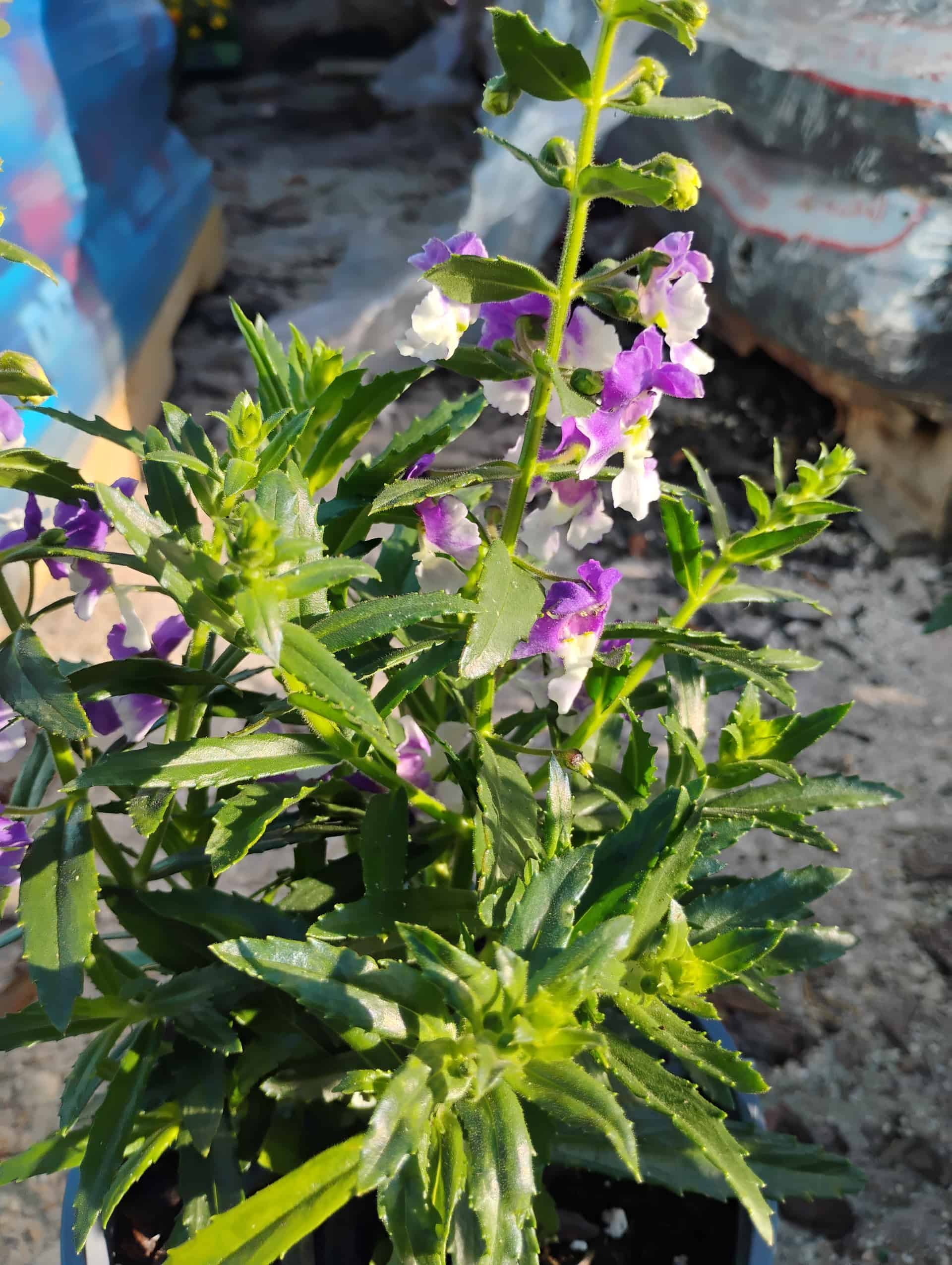 Annual
Angelonia
Angelonia angustifolia
Common questions
Is Dianthus a good plant for St. Augustine?
Dianthus is an annual. Mature size: 6-12 inches × 8-12 inches (varies by variety). Light: Full Sun. Water needs: Moderate. Recorded hardiness zone: 9a. Recorded salt tolerance: high.
What is the recorded pet toxicity for Dianthus?
Toxic to dogs and cats
Care information verified from
Last reviewed February 2026. Our care guidance comes from trusted horticulture sources and decades of helping St. Augustine gardeners. Conditions here can vary dramatically from one area to the next, so come ask us and we'll tailor it to your yard.