
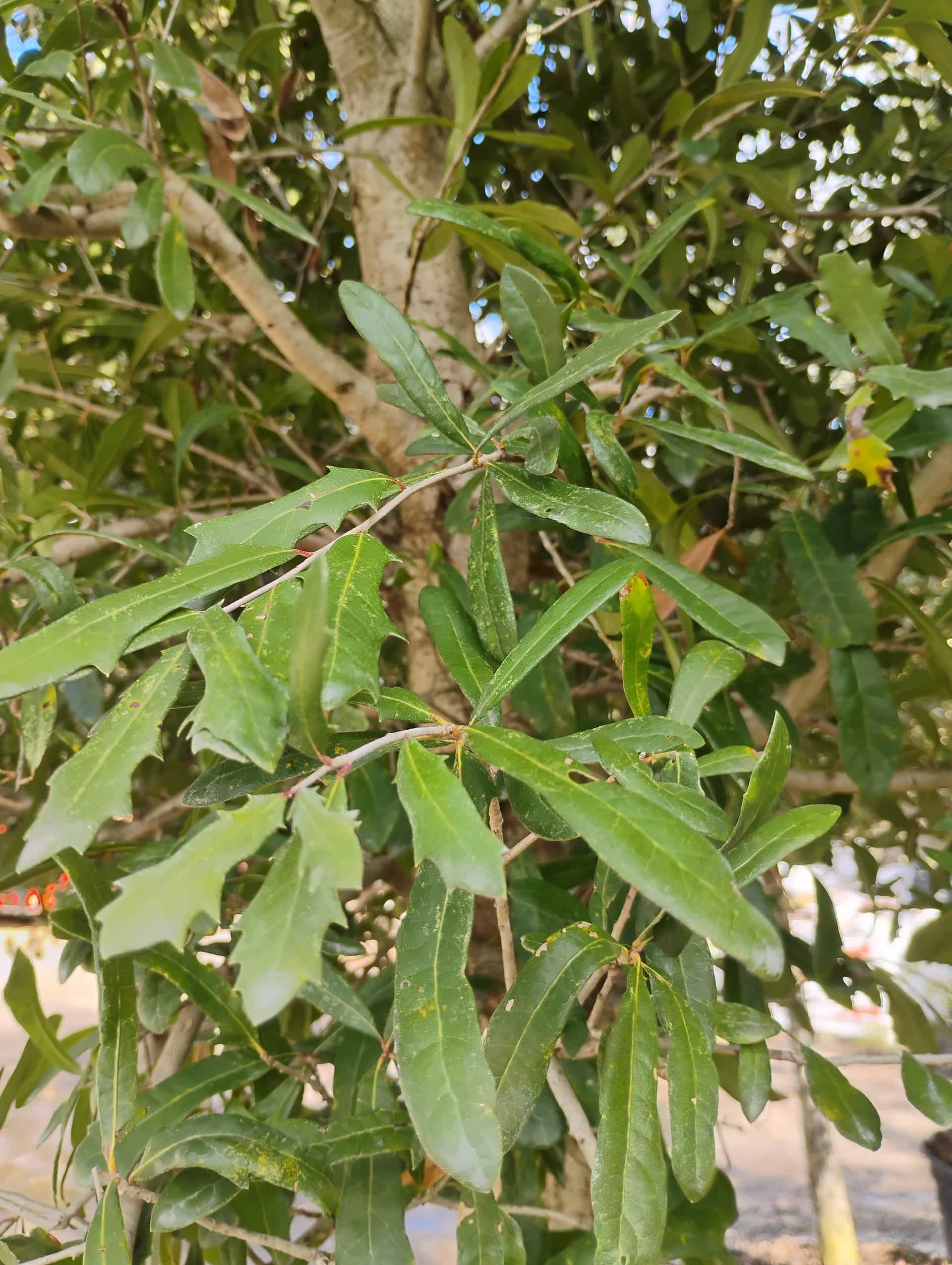
Varieties We Bring In
Shumard
Shumard
Shumard
We received some Shumard Oak on May 11, 2026.
We bring this in seasonally, so what is on the lot changes week to week. A received date shows when it last came in, not that it is here today.
Call (904) 471-0440 to confirm this plant and size before you make the trip.
Last received May 11, 2026.
We bring this in seasonally, so what is on the lot changes week to week. A received date shows when it last came in, not that it is here today.
Call (904) 471-0440 to confirm this plant and size before you make the trip.
Pet toxicity: not on file, check before planting where pets chew
Pet safety guideAbout Shumard Oak
Shumard Oak (Quercus shumardii) is a large, fast-growing deciduous oak native to the southeastern and south-central United States, prized for its deeply lobed, pointed leaves that turn brilliant red to orange-red in autumn. It produces small acorns that are an important food source for wildlife including deer and wild turkeys. Its sturdy form, attractive fall color, and adaptability to a range of soils make it a valued shade tree.
Plant details
- Bloom Season
- Spring
- Flower Color
- Non-flowering
- Growth Rate
- Fast
- Foliage
- Deciduous
- Soil
- Sandy, Loam, Clay, Acidic, Well-drained
Best planting months
Recommended months: March, April, October, November, December.
Seasonal care
Bloom season. New foliage emerges. Good planting window.
Active growing season.
Foliage may begin to change or drop. Ideal planting window.
Dormant — drops foliage. Can be planted in mild winter periods.
Care essentials
Shumard oak requires full sun and performs well in open landscapes, parking lots, and street tree applications across NE Florida. It tolerates urban conditions including compacted soils and air pollution.
Water regularly during the establishment period (first 1–2 years); once established, Shumard oak is drought tolerant and thrives on NE Florida's summer rainfall with little supplemental irrigation.
Adaptable to a wide range of soils including sandy, loam, and clay; tolerates both moist bottomland and drier upland conditions. Fertilize young trees annually with a balanced fertilizer; established trees rarely require supplemental feeding.
Similar needs
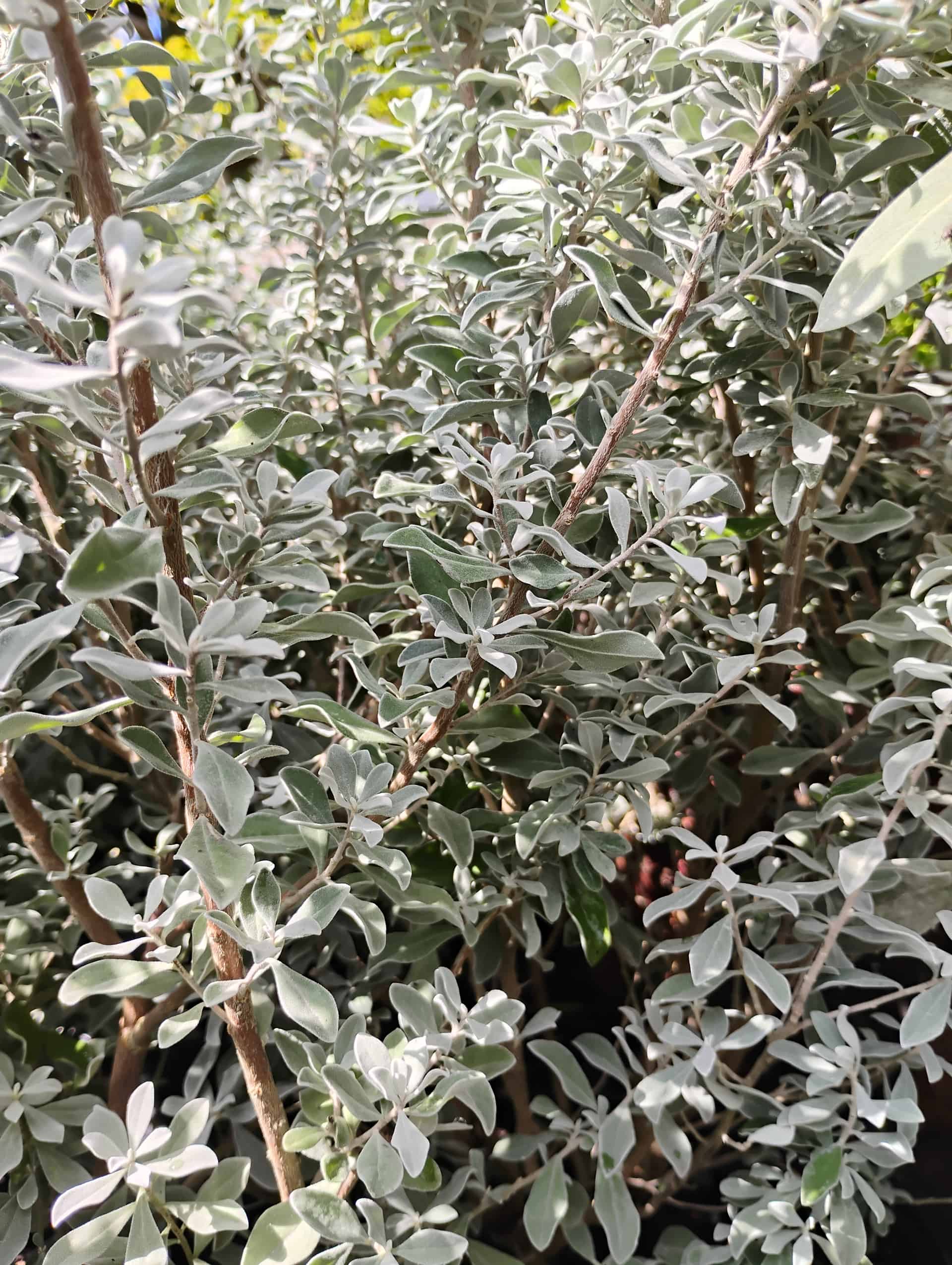
Texas Sage
Shares 6 of the same needs: full sun, sandy, salt tolerance, deer resistance, zone 9a hardiness, and pollinator-friendly.

Autograph Tree
Shares 6 of the same needs: full sun, moderate water, sandy, salt tolerance, deer resistance, and zone 9a hardiness.

Bush Daisy
Shares 7 of the same needs: full sun, moderate water, sandy, salt tolerance, deer resistance, zone 9a hardiness, and pollinator-friendly.

Jatropha
Shares 7 of the same needs: full sun, moderate water, sandy, salt tolerance, deer resistance, zone 9a hardiness, and pollinator-friendly.

Marigold
Shares 7 of the same needs: full sun, moderate water, sandy, salt tolerance, deer resistance, zone 9a hardiness, and pollinator-friendly.

Salvia
Shares 7 of the same needs: full sun, moderate water, sandy, salt tolerance, deer resistance, zone 9a hardiness, and pollinator-friendly.
You may also like
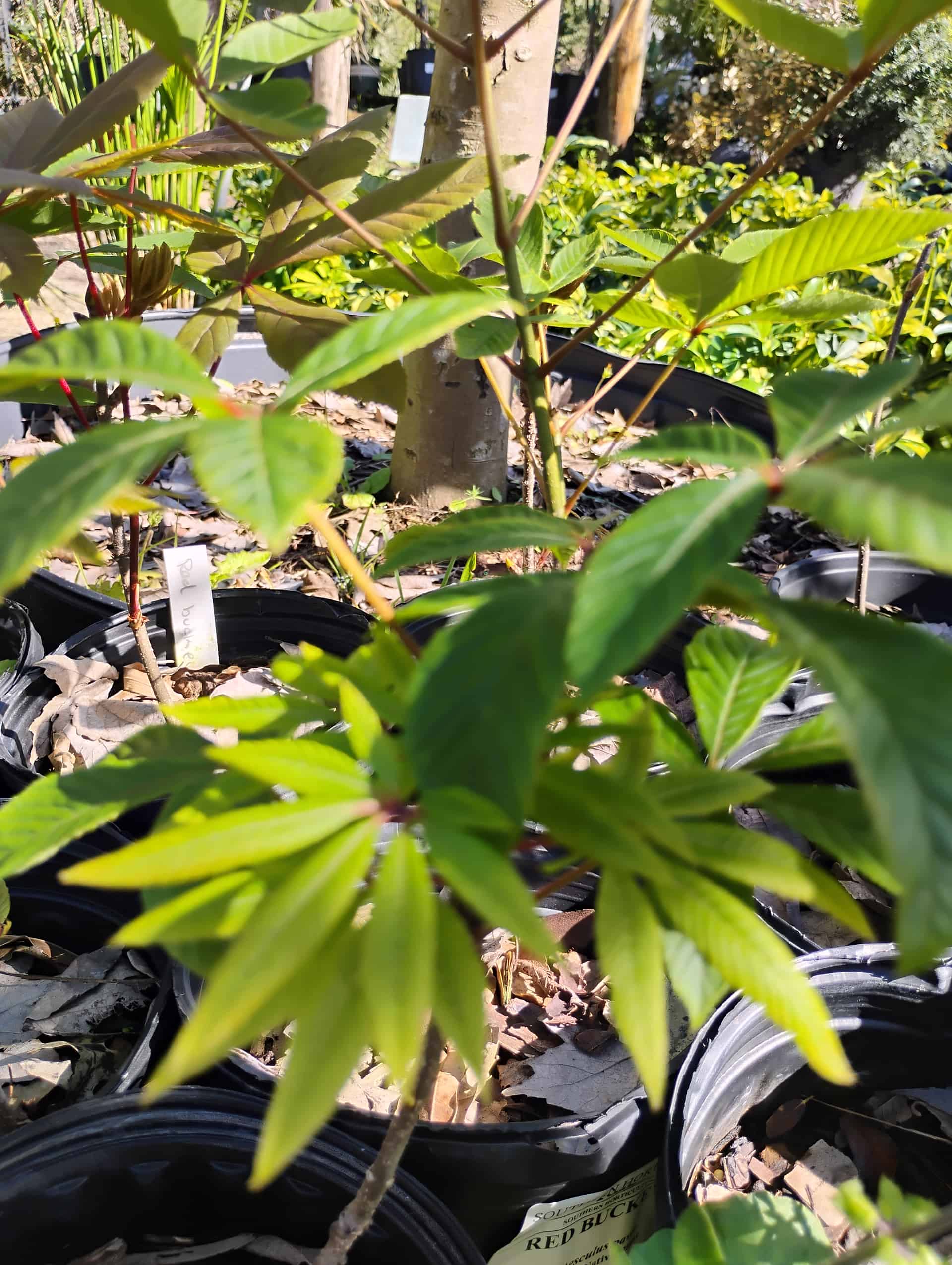 Tree
Red Buckeye
Aesculus pavia
Serviceberry
Amelanchier arborea
American Beech
Fagus grandifolia
Common questions
Is Shumard Oak a good plant for St. Augustine?
Shumard Oak is a tree. Mature size: 55-80 feet × 40-50 feet. Light: Full Sun. Water needs: Moderate. Shumard Oak is Florida-Friendly. Recorded hardiness zone: 9a. Recorded salt tolerance: high.
Care information verified from
Last reviewed February 2026. Our care guidance comes from trusted horticulture sources and decades of helping St. Augustine gardeners. Conditions here can vary dramatically from one area to the next, so come ask us and we'll tailor it to your yard.