
Serviceberry
Amelanchier arborea
Varieties We Bring In
Last received Mar 11, 2026.
We bring this in seasonally, so what is on the lot changes week to week. A received date shows when it last came in, not that it is here today.
Call (904) 471-0440 to confirm this plant and size before you make the trip.
About Serviceberry
Serviceberry (Amelanchier arborea) is a graceful deciduous native tree of eastern North America, flowering in early spring with delicate white blossoms and producing sweet, bird-attracting purple berries in early summer. Technically rated to Zone 9b, it is best suited to the northernmost parts of Northeast Florida where sufficient winter chill is available; provide moist, acidic soil and afternoon shade relief in summer heat. Starting at $34.95.
Plant details
- Bloom Season
- Spring
- Flower Color
- White
- Growth Rate
- Moderate
- Foliage
- Deciduous
- Soil
- Sandy, Loam, Acidic, Well-drained
Best planting months
Seasonal care
Bloom season. New foliage emerges. Good planting window.
Active growing season.
Foliage may begin to change or drop. Ideal planting window.
Dormant — drops foliage. Can be planted in mild winter periods.
Care essentials
Serviceberry grows best in full sun to partial shade; in Northeast Florida's heat, a site with morning sun and afternoon shade improves summer performance.
Keep soil consistently moist, especially during the first two years while establishing; may lose leaves during drought stress in Florida's dry season. Mulch well to conserve moisture.
Prefers moist, well-drained, acidic (pH 5.5–6.5) sandy or loamy soil. Fertilize in early spring with a slow-release acidic fertilizer; avoid over-fertilizing, which promotes weak growth. Native to North Florida's understory; suits the northernmost reaches of Zone 9b best.
Similar needs
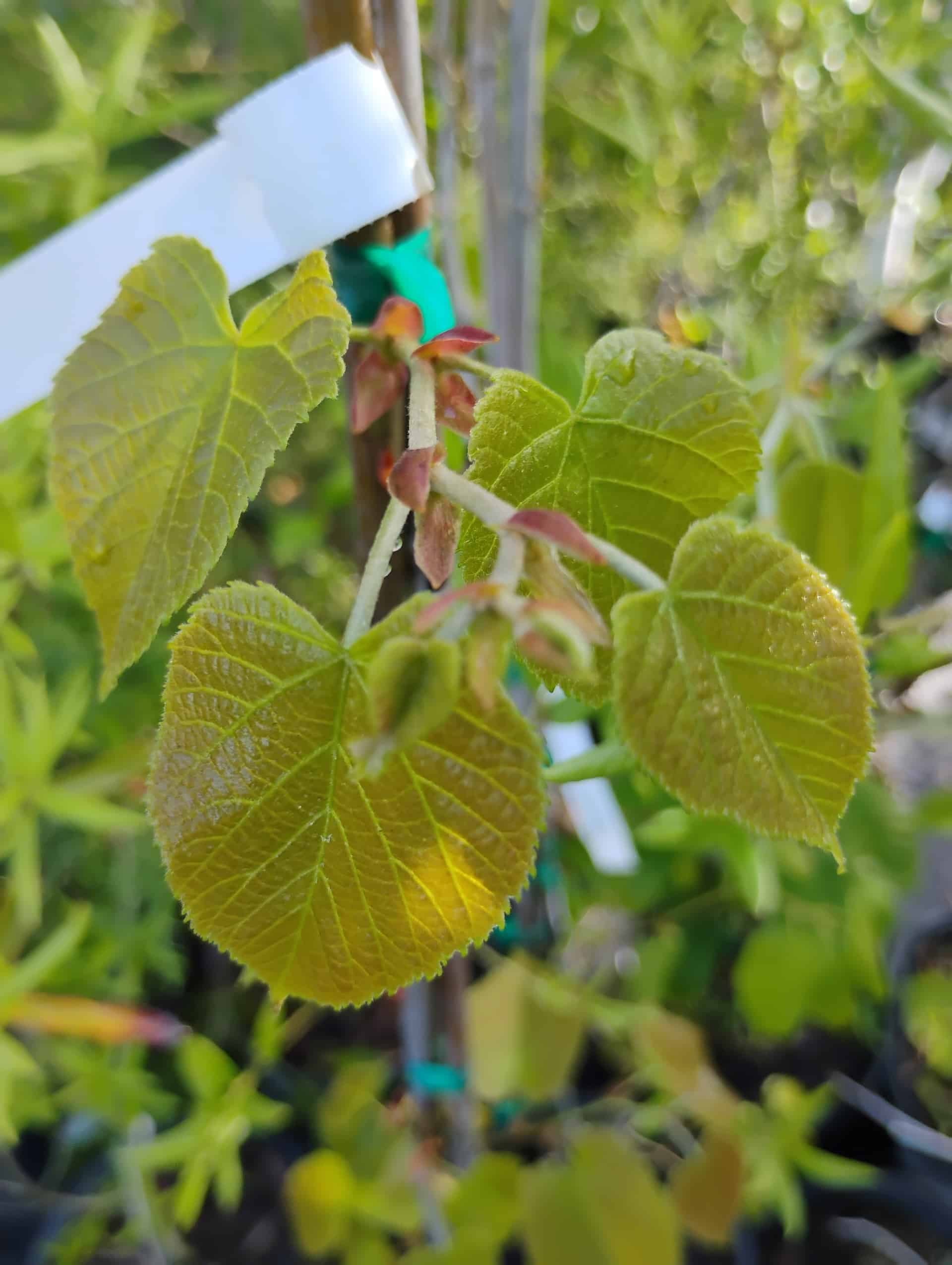
Basswood
Shares 5 of the same needs: full sun, moderate water, loam, zone 9a hardiness, and pollinator-friendly.
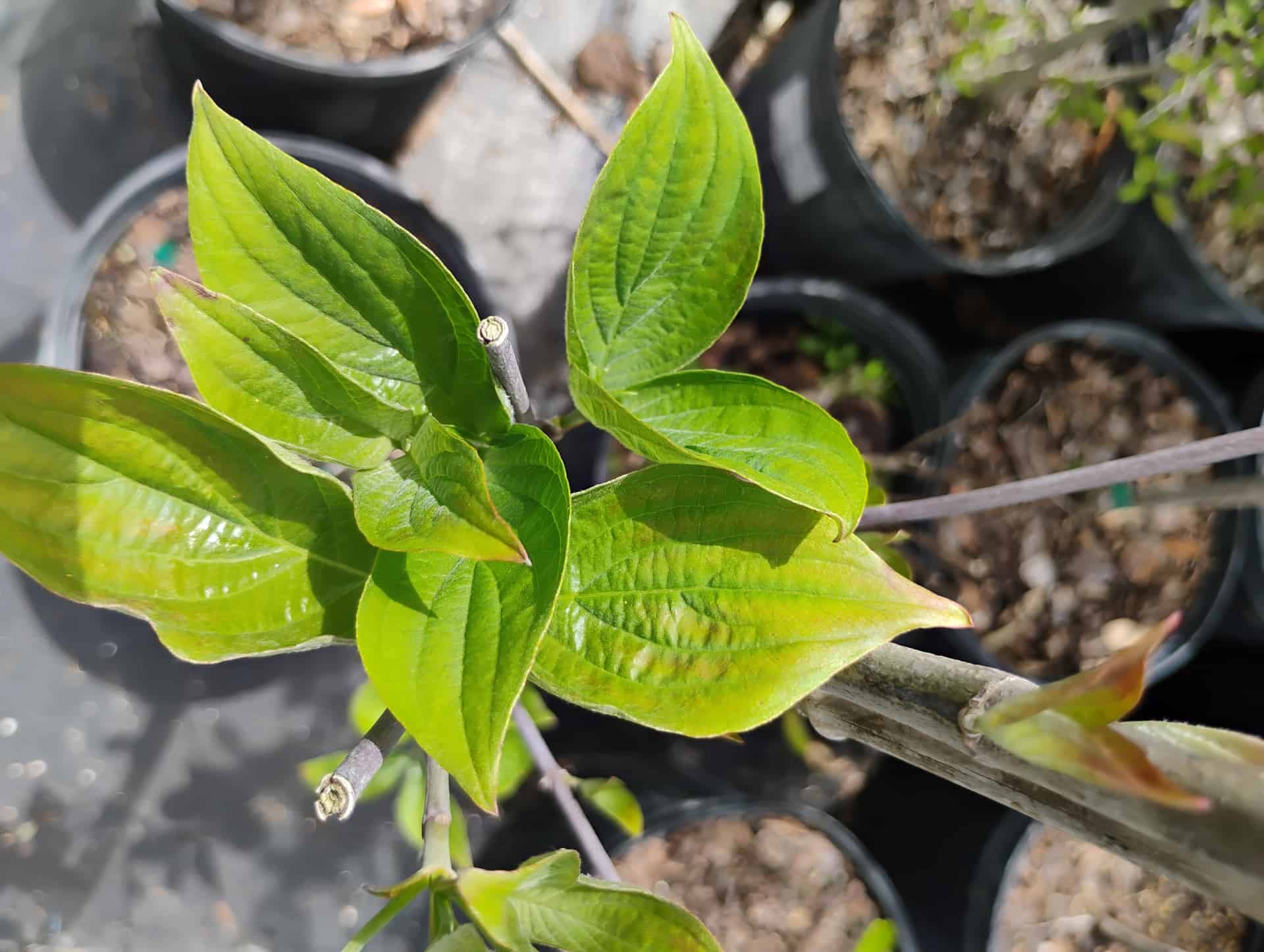
Flowering Dogwood
Shares 5 of the same needs: similar light, moderate water, loam, zone 9a hardiness, and pollinator-friendly.
Fringe Tree
Shares 5 of the same needs: full sun, moderate water, sandy, zone 9a hardiness, and pollinator-friendly.
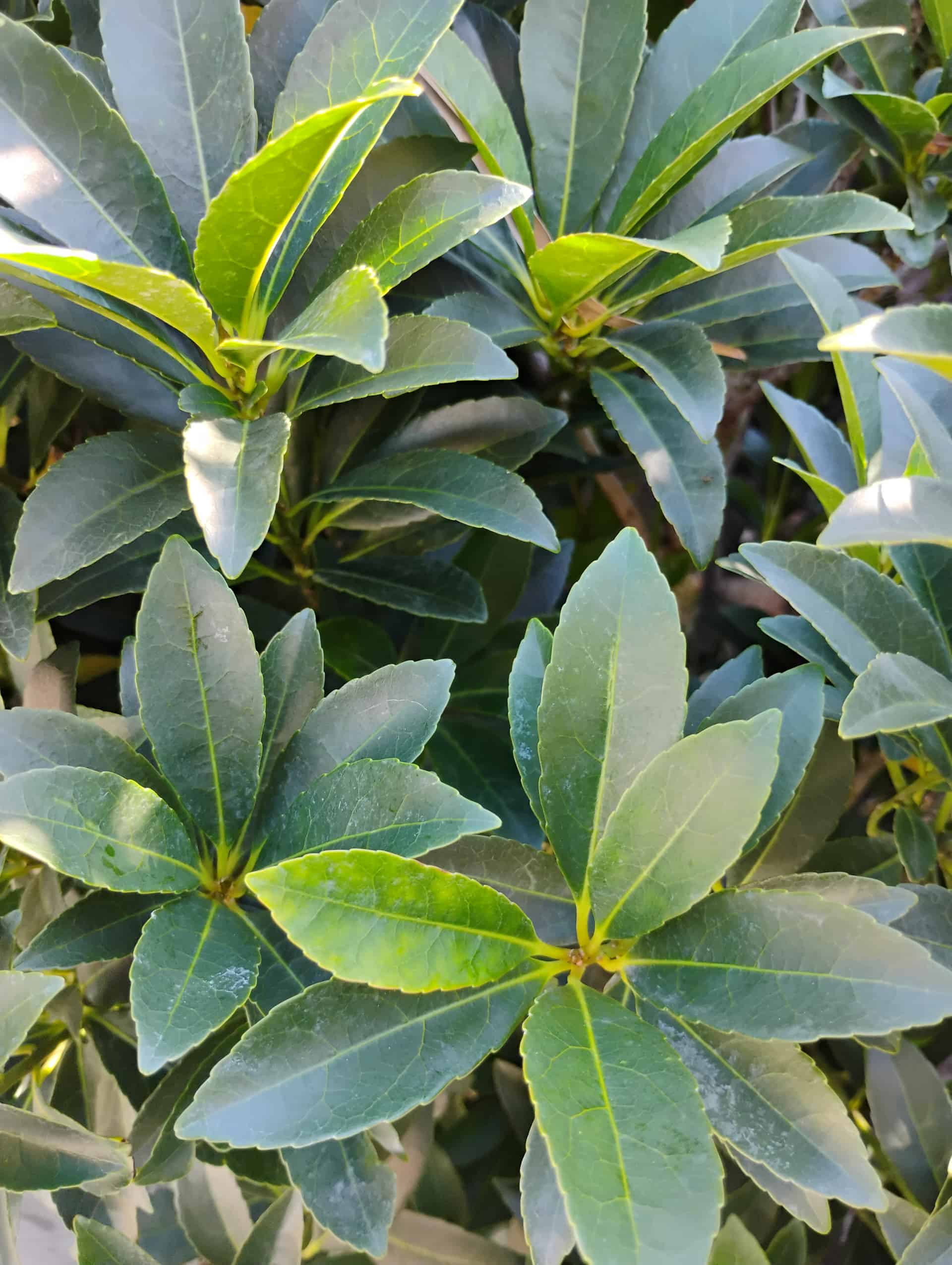
Japanese Blueberry Tree
Shares 5 of the same needs: full sun, moderate water, sandy, zone 9a hardiness, and pollinator-friendly.
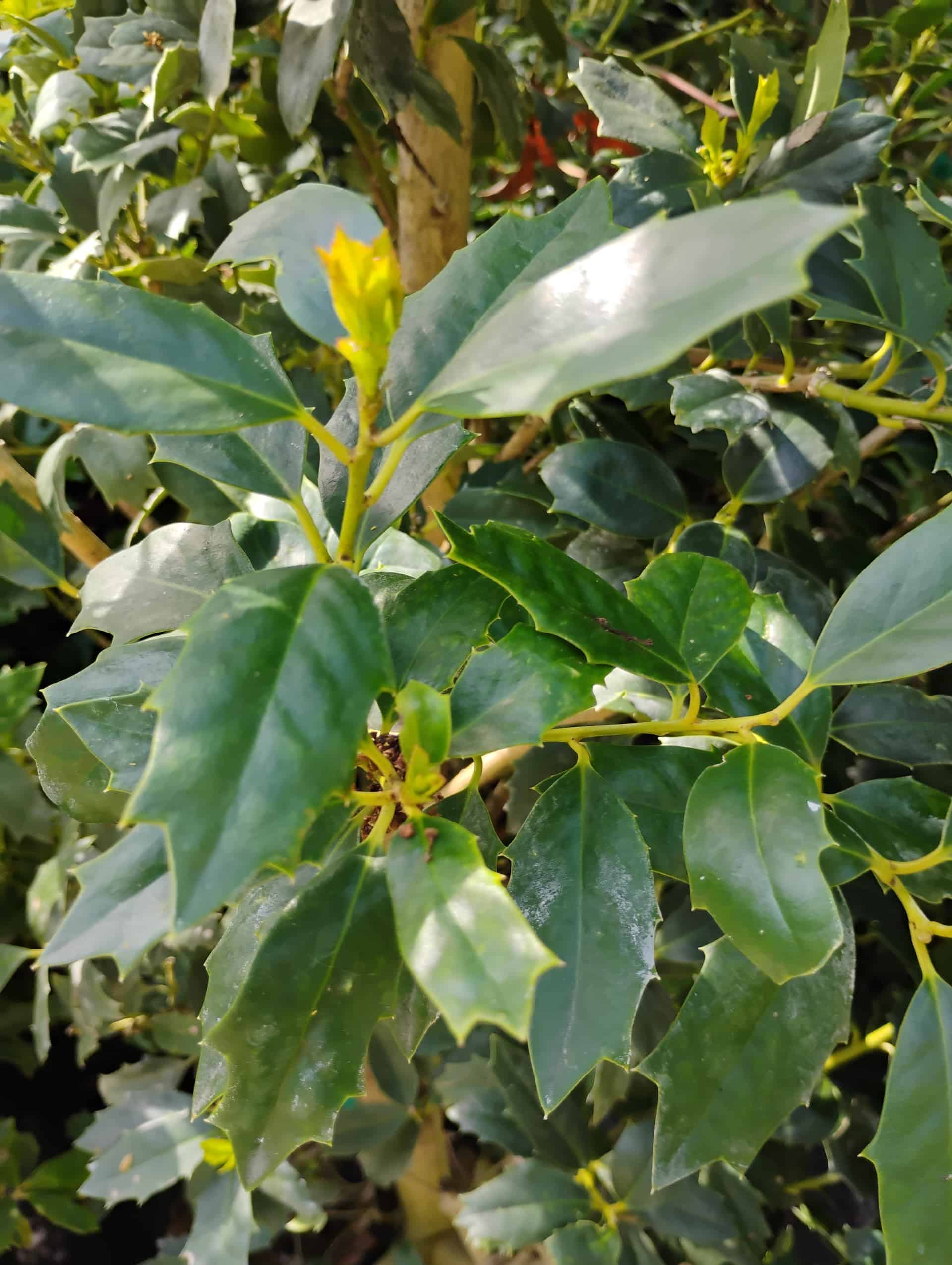
Oakland Holly
Shares 5 of the same needs: full sun, moderate water, sandy, zone 9a hardiness, and pollinator-friendly.
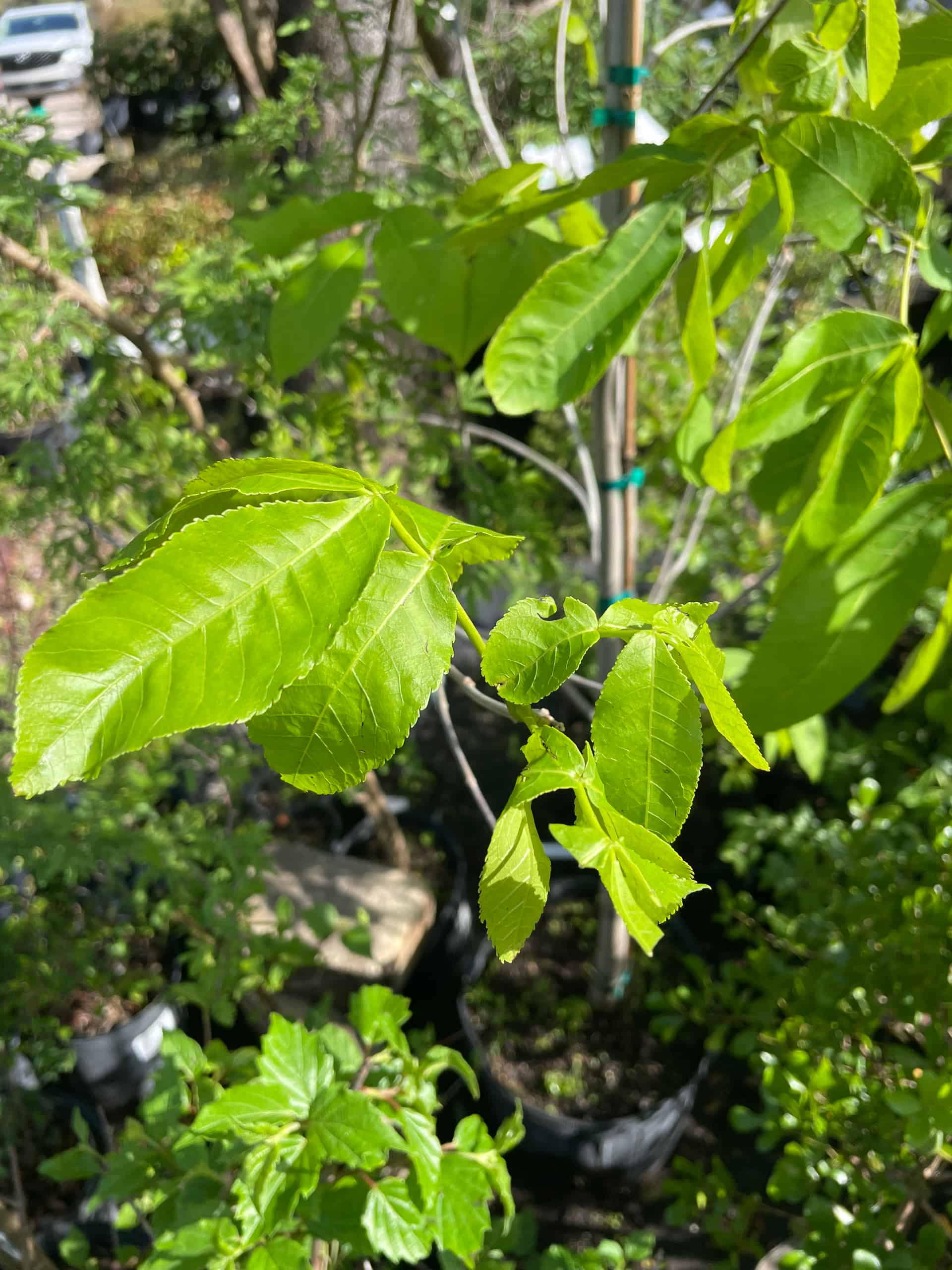
Pignut Hickory
Shares 5 of the same needs: full sun, moderate water, sandy, zone 9a hardiness, and pollinator-friendly.
You may also like
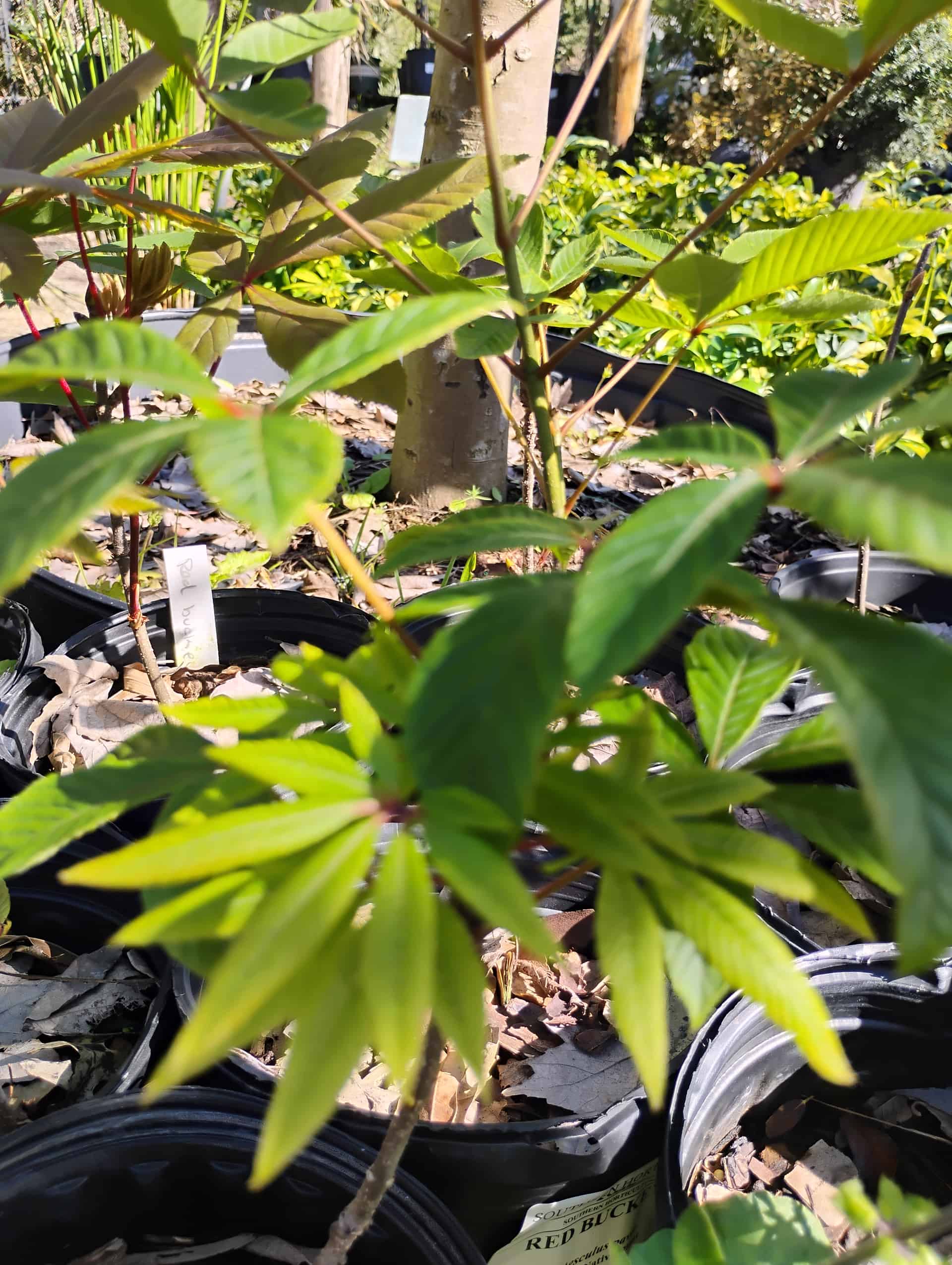 Tree
TreeRed Buckeye
Aesculus pavia
American Beech
Fagus grandifolia
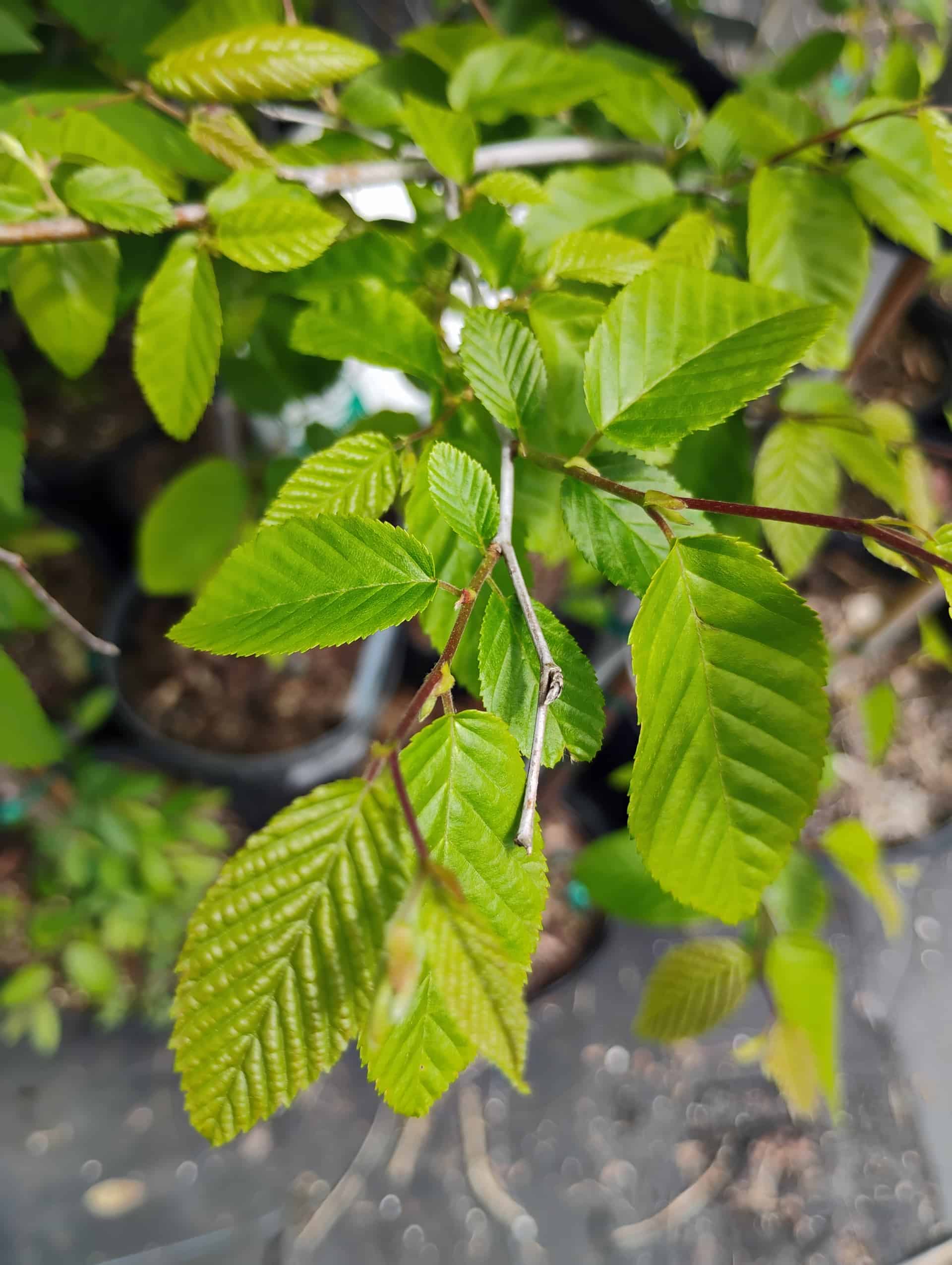 Tree
TreeAmerican Hornbeam
Carpinus caroliniana
Common questions
Is Serviceberry a good plant for St. Augustine?
Serviceberry is a tree for Zone 9b coastal Florida gardens, reaching 15-25 feet × 15-20 feet.
Care information verified from
Last reviewed February 2026. Our care guidance comes from trusted horticulture sources and decades of helping St. Augustine gardeners. Conditions here can vary dramatically from one area to the next, so come ask us and we'll tailor it to your yard.