
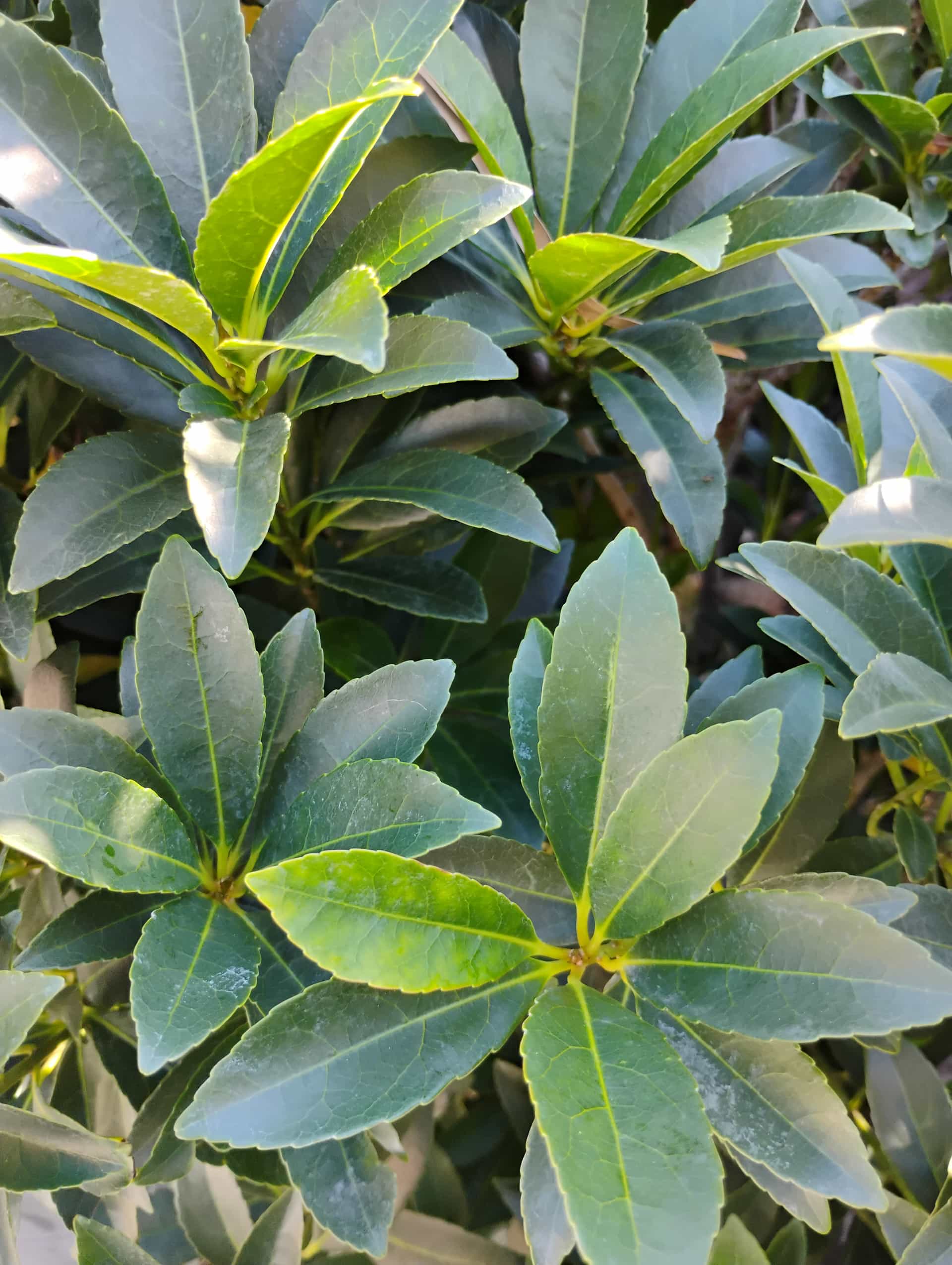
Japanese Blueberry Tree
Elaeocarpus decipiens
Varieties We Bring In
Last received Jul 19, 2026.
We bring this in seasonally, so what is on the lot changes week to week. A received date shows when it last came in, not that it is here today.
Call (904) 471-0440 to confirm this plant and size before you make the trip.
About Japanese Blueberry Tree
Japanese blueberry tree (Elaeocarpus decipiens) is a dense, evergreen tree native to East Asia, admired for its glossy dark-green foliage and striking red leaves that appear sporadically year-round as older foliage turns before falling. Fragrant, cream-colored bell-shaped flowers bloom in summer, followed by blue-black ornamental berries. Hardy in NE Florida zone 9b, it is widely used as a specimen, street, or screening tree. Starting at $29.95.
Plant details
- Bloom Season
- Spring, Summer
- Flower Color
- White
- Growth Rate
- Moderate
- Foliage
- Evergreen
- Soil
- Sandy, Loam, Acidic, Well-drained
Best planting months
Seasonal care
Bloom season.
Active growing season.
Growth slows as temperatures cool.
Retains foliage through winter. Can be planted in mild winter periods.
Care essentials
Japanese blueberry tree grows best in full sun to partial shade in NE Florida, requiring at least 6 hours of direct sun for dense, symmetrical growth. It tolerates some afternoon shade and makes an excellent street or specimen tree.
Water regularly during establishment (first 1–2 years). Once established, it is moderately drought-tolerant; water during prolonged dry periods in NE Florida. Avoid waterlogged soils.
Thrives in well-drained, slightly acidic to neutral sandy or loamy soils common in NE Florida. Fertilize three times per year (spring, summer, fall) with a balanced slow-release granular fertilizer.
Similar needs
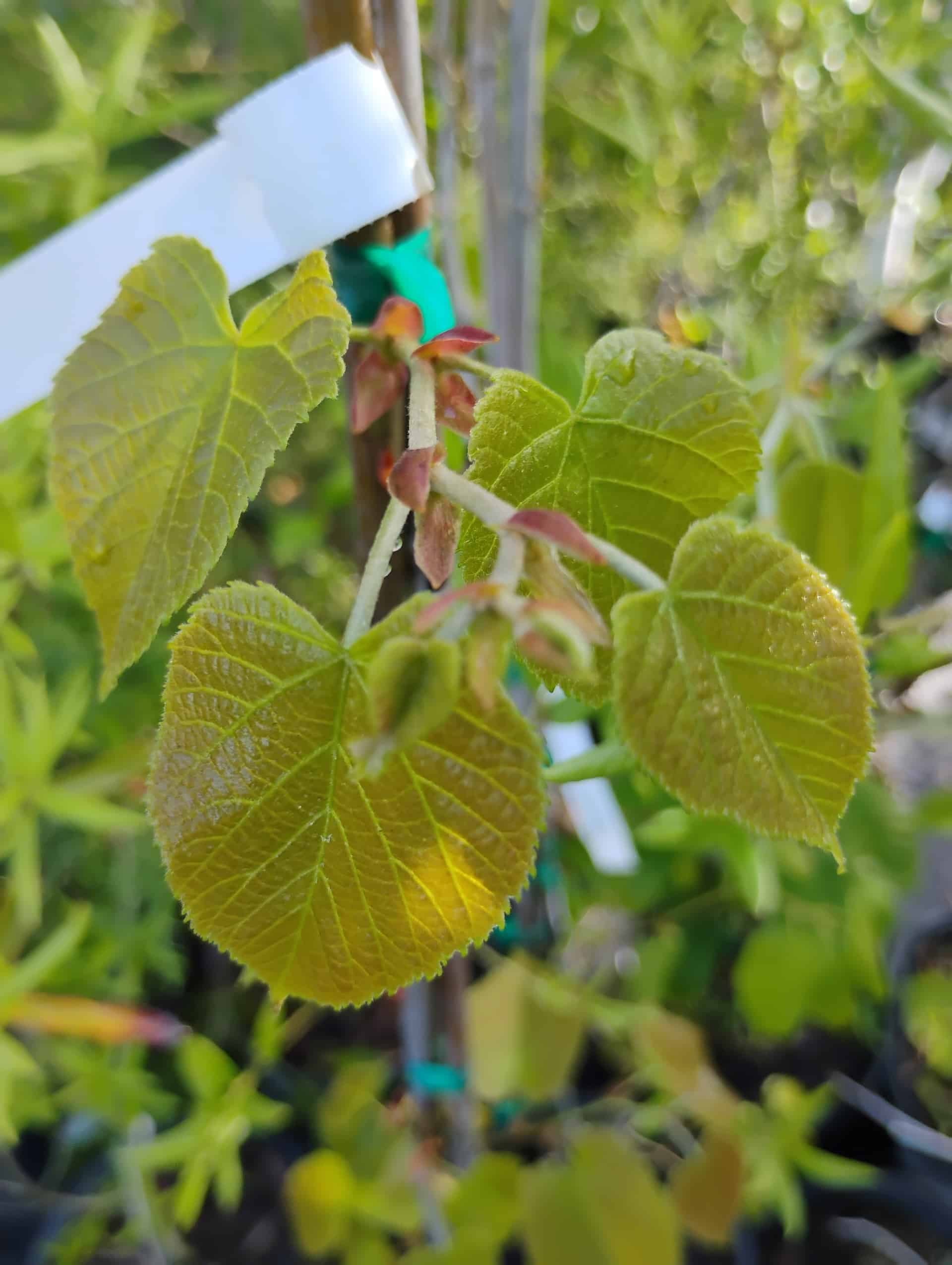
Basswood
Shares 5 of the same needs: full sun, moderate water, loam, zone 9a hardiness, and pollinator-friendly.
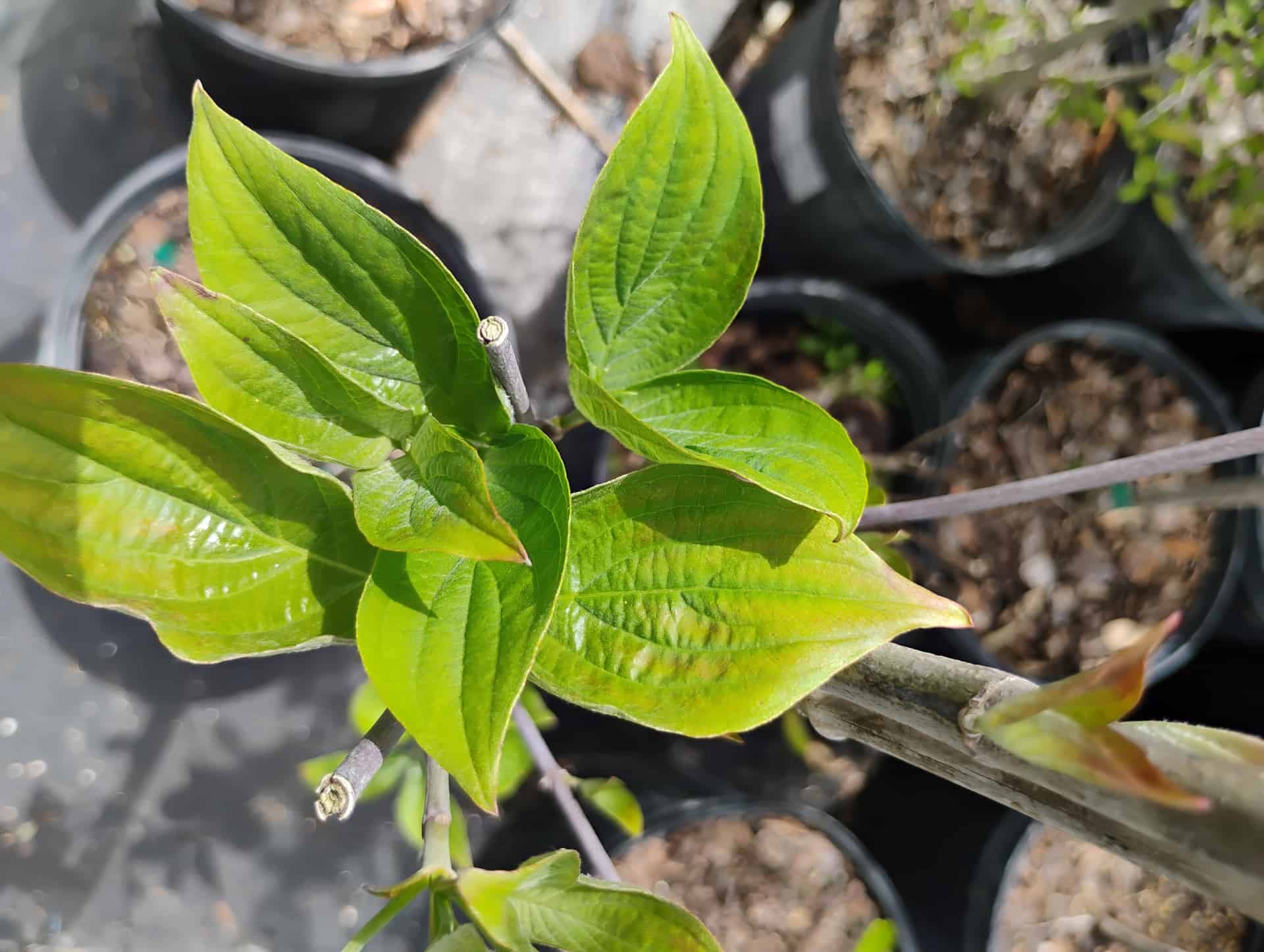
Flowering Dogwood
Shares 5 of the same needs: similar light, moderate water, loam, zone 9a hardiness, and pollinator-friendly.
Fringe Tree
Shares 5 of the same needs: full sun, moderate water, sandy, zone 9a hardiness, and pollinator-friendly.
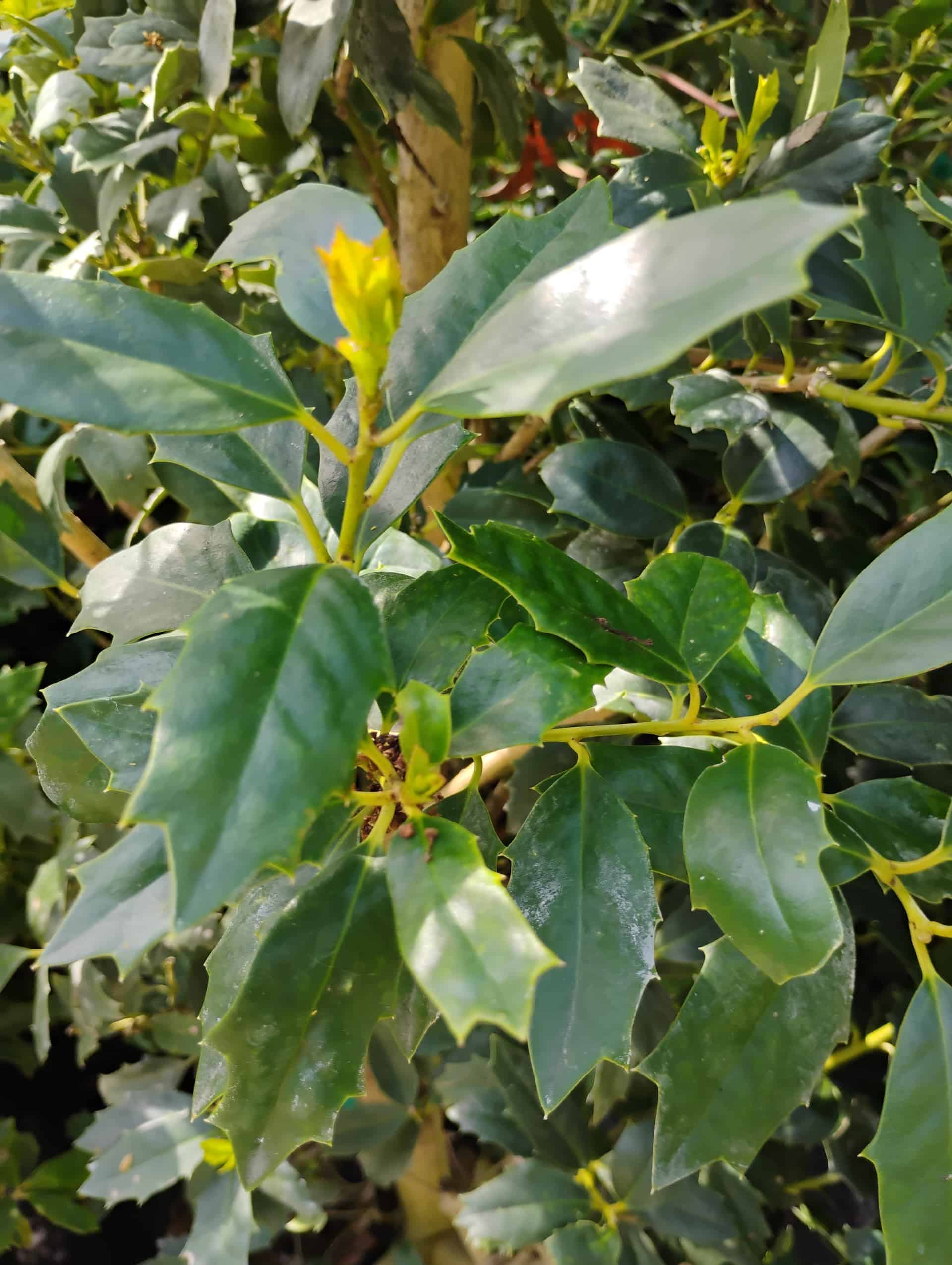
Oakland Holly
Shares 5 of the same needs: full sun, moderate water, sandy, zone 9a hardiness, and pollinator-friendly.
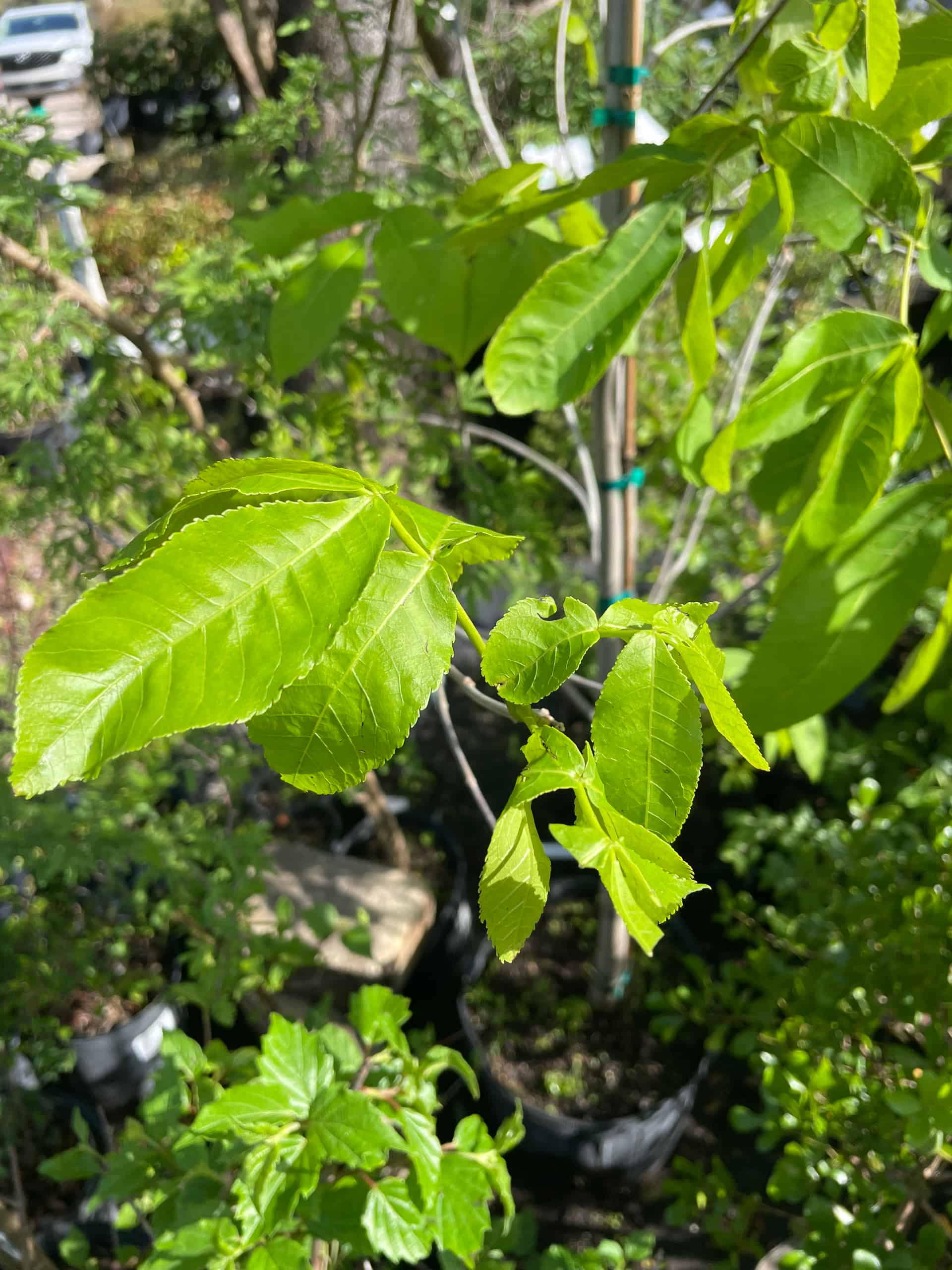
Pignut Hickory
Shares 5 of the same needs: full sun, moderate water, sandy, zone 9a hardiness, and pollinator-friendly.
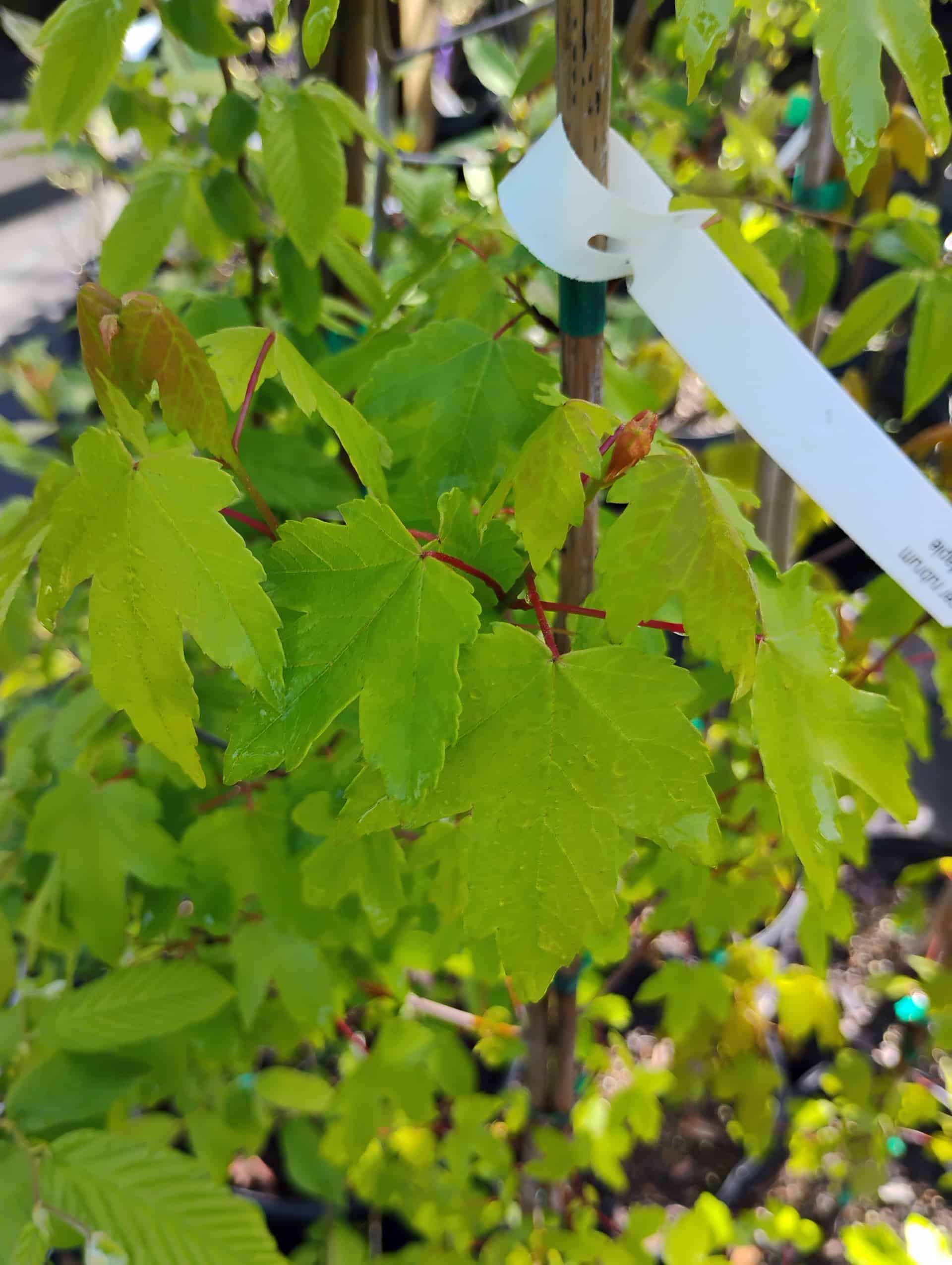
Red Maple
Shares 5 of the same needs: full sun, moderate water, sandy, zone 9a hardiness, and pollinator-friendly.
You may also like
Common questions
Is Japanese Blueberry Tree a good plant for St. Augustine?
Japanese Blueberry Tree is a tree for Zone 9b coastal Florida gardens, reaching 20-35 feet × 15-25 feet.
Care information verified from
Last reviewed February 2026. Our care guidance comes from trusted horticulture sources and decades of helping St. Augustine gardeners. Conditions here can vary dramatically from one area to the next, so come ask us and we'll tailor it to your yard.