
Varieties We Bring In
Standard
Standard
Standard · Bonnie Curly Green
We received some Spider Plant on Aug 4, 2026.
We bring this in seasonally, so what is on the lot changes week to week. A received date shows when it last came in, not that it is here today.
Call (904) 471-0440 to confirm this plant and size before you make the trip.
Last received Aug 4, 2026.
We bring this in seasonally, so what is on the lot changes week to week. A received date shows when it last came in, not that it is here today.
Call (904) 471-0440 to confirm this plant and size before you make the trip.
Pet toxicity: Non-toxic to dogs and cats
Pet safety guideAbout Spider Plant
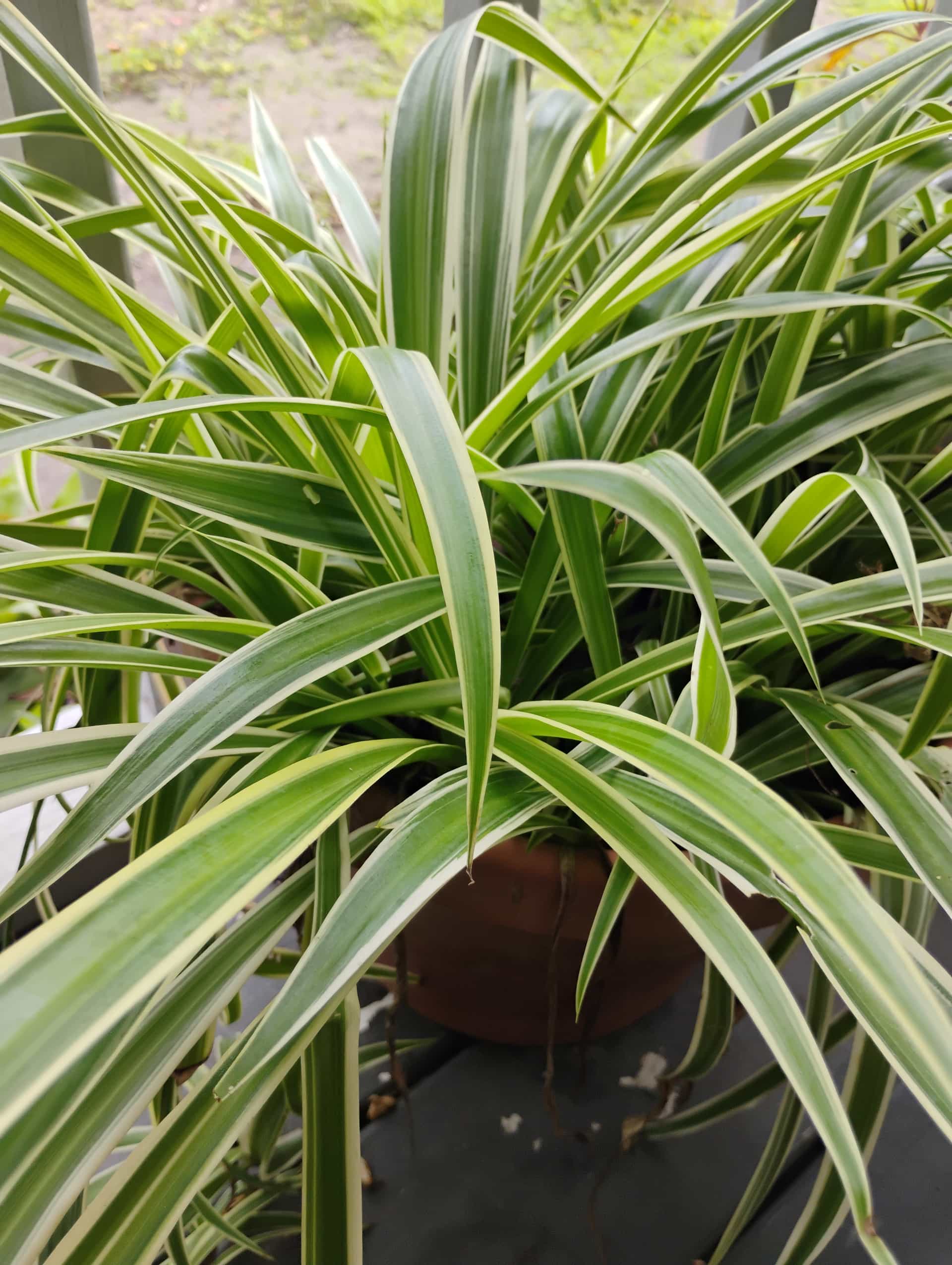
Spider plant (Chlorophytum comosum) is a clump-forming perennial native to tropical and southern Africa, producing arching, strap-like leaves in solid green or with a central or marginal cream stripe. It readily sends out long stolons tipped with plantlets — the 'spiderettes' that give it its common name — making it one of the most easily propagated houseplants.
Plant details
- Bloom Season
- Spring, Summer
- Flower Color
- White
- Growth Rate
- Fast
- Foliage
- Evergreen
- Soil
- Loam, Well-drained
Best planting months
Recommended months: January, February, March, April, May, June, July, August, September, October, November, December.
Seasonal care
Bloom season. Good planting window.
Bloom season. Can be planted with extra attention to watering.
Ideal planting window.
Retains foliage through winter. Can be planted in mild winter periods.
Care essentials
Grow in bright indirect light or part shade; avoid direct afternoon sun, which scorches the long strap-like leaves. In NE Florida, a shaded porch, lanai, or north/east-facing exposure works well.
Water when the top inch of soil feels dry, keeping the soil evenly moist but never soggy. During Florida's rainy season reduce supplemental irrigation; let the mix dry slightly between waterings in winter to prevent root rot.
Use a well-draining potting mix. Feed monthly spring through fall with a balanced, fluoride-free liquid fertilizer (3-1-2 ratio); spider plants are sensitive to fluoride and boron — avoid tap water high in these minerals.
Similar needs

Autograph Tree
Shares 6 of the same needs: shade, moderate water, loam, salt tolerance, deer resistance, and zone 9a hardiness.

Salvia
Shares 6 of the same needs: shade, moderate water, loam, salt tolerance, deer resistance, and zone 9a hardiness.
Simpson's Stopper
Shares 6 of the same needs: shade, moderate water, loam, salt tolerance, deer resistance, and zone 9a hardiness.

Bush Daisy
Shares 5 of the same needs: moderate water, loam, salt tolerance, deer resistance, and zone 9a hardiness.

Dianthus
Shares 5 of the same needs: moderate water, loam, salt tolerance, deer resistance, and zone 9a hardiness.

Jatropha
Shares 5 of the same needs: moderate water, loam, salt tolerance, deer resistance, and zone 9a hardiness.
You may also like
 Houseplant
African Violet
Streptocarpus ionanthus
 Houseplant
Chinese Evergreen
Aglaonema commutatum
 Houseplant
Anthurium
Anthurium andraeanum
Common questions
Is Spider Plant a good plant for St. Augustine?
Spider Plant is a houseplant. Mature size: 12-18 inches × 12-24 inches (cascading). Light: Part Shade. Water needs: Moderate. Recorded hardiness zone: 9a. Recorded salt tolerance: high.
What is the recorded pet toxicity for Spider Plant?
Non-toxic to dogs and cats
Care information verified from
Last reviewed February 2026. Our care guidance comes from trusted horticulture sources and decades of helping St. Augustine gardeners. Conditions here can vary dramatically from one area to the next, so come ask us and we'll tailor it to your yard.