
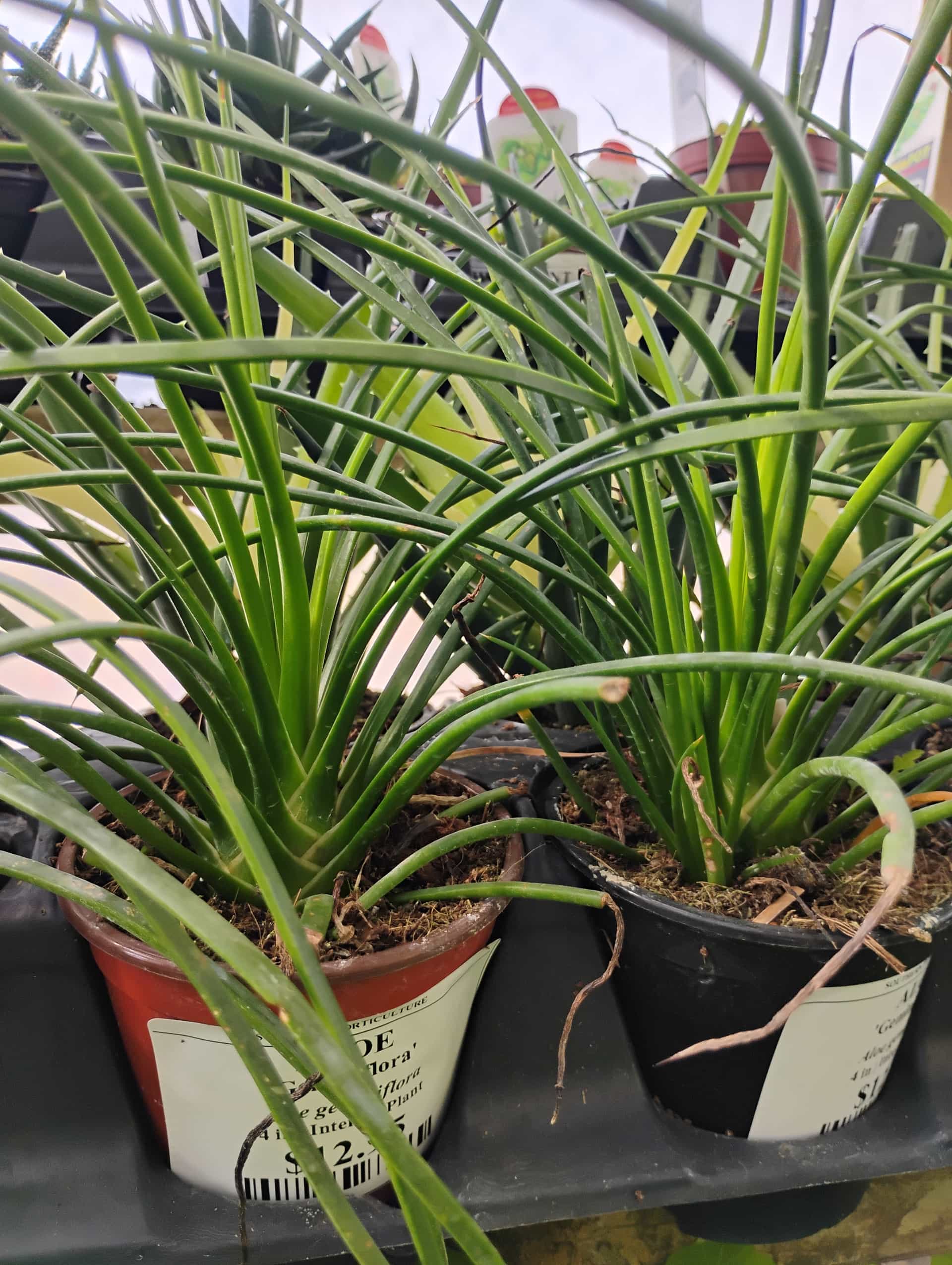
Varieties We Bring In
Solar Flare · Geminiflora
Blue Elf · Safari Sunrise · Christmas Carol · Dorotheae Canary Yellow · Guido
Hedgehog
We received some Aloe on Aug 4, 2026.
We bring this in seasonally, so what is on the lot changes week to week. A received date shows when it last came in, not that it is here today.
Call (904) 471-0440 to confirm this plant and size before you make the trip.
Last received Aug 4, 2026.
We bring this in seasonally, so what is on the lot changes week to week. A received date shows when it last came in, not that it is here today.
Call (904) 471-0440 to confirm this plant and size before you make the trip.
Pet toxicity: Toxic to dogs and cats
Pet safety guideAbout Aloe
Aloe (Aloe spp.) encompasses a diverse group of succulent perennials that thrive outdoors year-round in Northeast Florida, forming evergreen rosettes of fleshy, spined leaves and producing tubular orange, red, or yellow flower spikes from winter through spring that attract hummingbirds and bees. Extremely drought tolerant, they are ideal for sunny, dry beds, rock gardens, and containers in well-drained sandy soil.
Plant details
- Bloom Season
- Winter, Spring
- Flower Color
- Orange, Red
- Growth Rate
- Slow
- Foliage
- Evergreen
- Soil
- Sandy, Well-drained
Best planting months
Recommended months: January, February, March, April, May, June, July, August, September, October, November, December.
Seasonal care
Bloom season. Good planting window.
Handles summer heat well once established. Can be planted with extra attention to watering.
Ideal planting window.
Retains foliage through winter. Can be planted in mild winter periods.
Care essentials
Grow Aloe in full sun to light shade; Northeast Florida's intense summer sun suits most aloes well, and sandy, well-drained soil with maximum sun exposure produces the healthiest plants and most prolific bloom.
Aloe is highly drought tolerant once established and thrives in Florida's sandy soils without amendment or supplemental irrigation; water deeply but infrequently during extended drought and avoid overwatering, which causes root rot.
Plant in sandy, fast-draining soil — no amendment needed in typical Northeast Florida sandy loam. Fertilize sparingly with a low-nitrogen, cactus-type fertilizer once in spring; excess nutrients produce lush, weak growth.
Similar needs
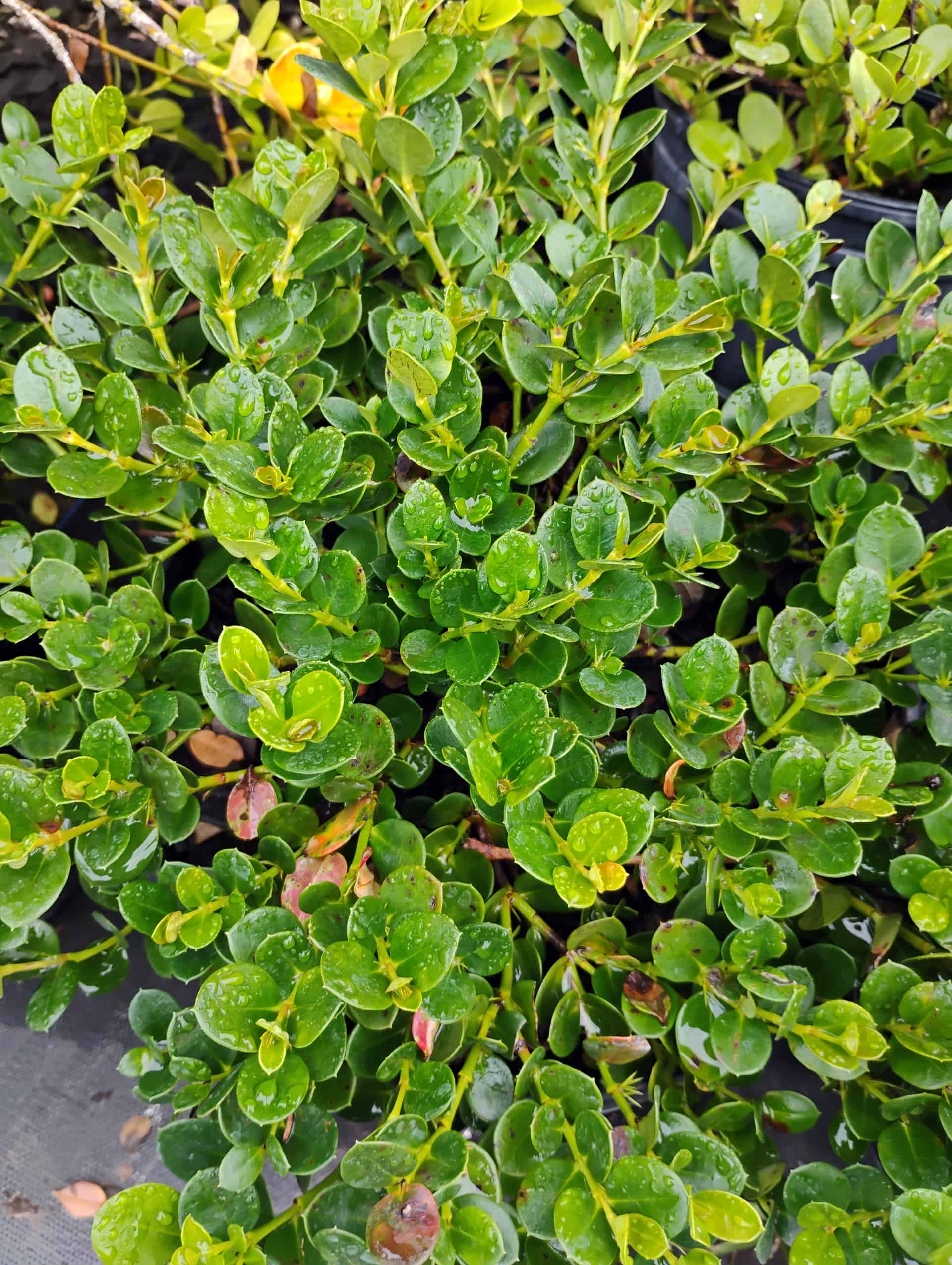
Natal Plum
Shares 6 of the same needs: full sun, low water, sandy, salt tolerance, zone 9a hardiness, and pollinator-friendly.
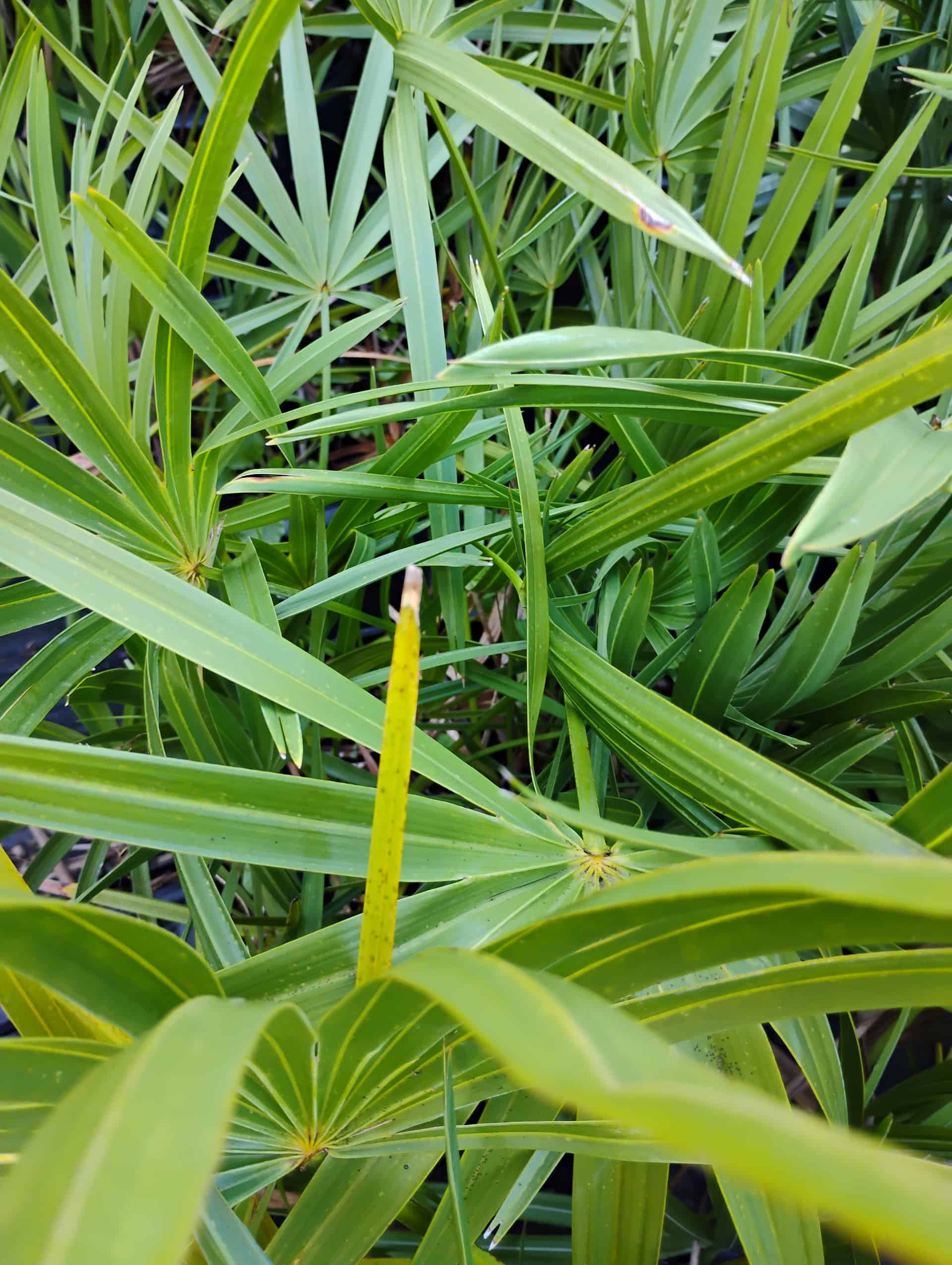
Saw Palmetto
Shares 6 of the same needs: full sun, low water, sandy, salt tolerance, zone 9a hardiness, and pollinator-friendly.
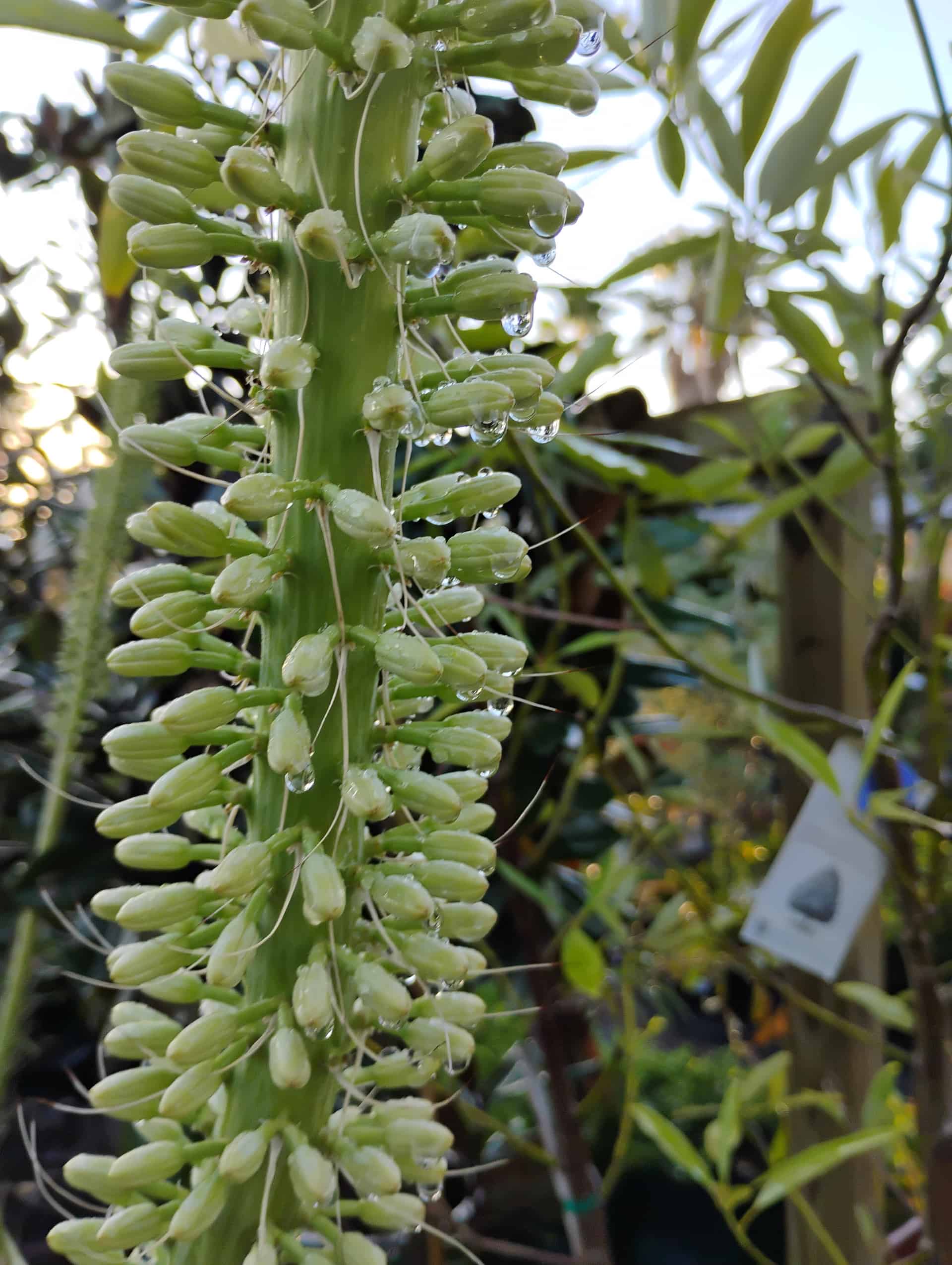
Agave
Shares 6 of the same needs: full sun, low water, sandy, salt tolerance, zone 9a hardiness, and pollinator-friendly.
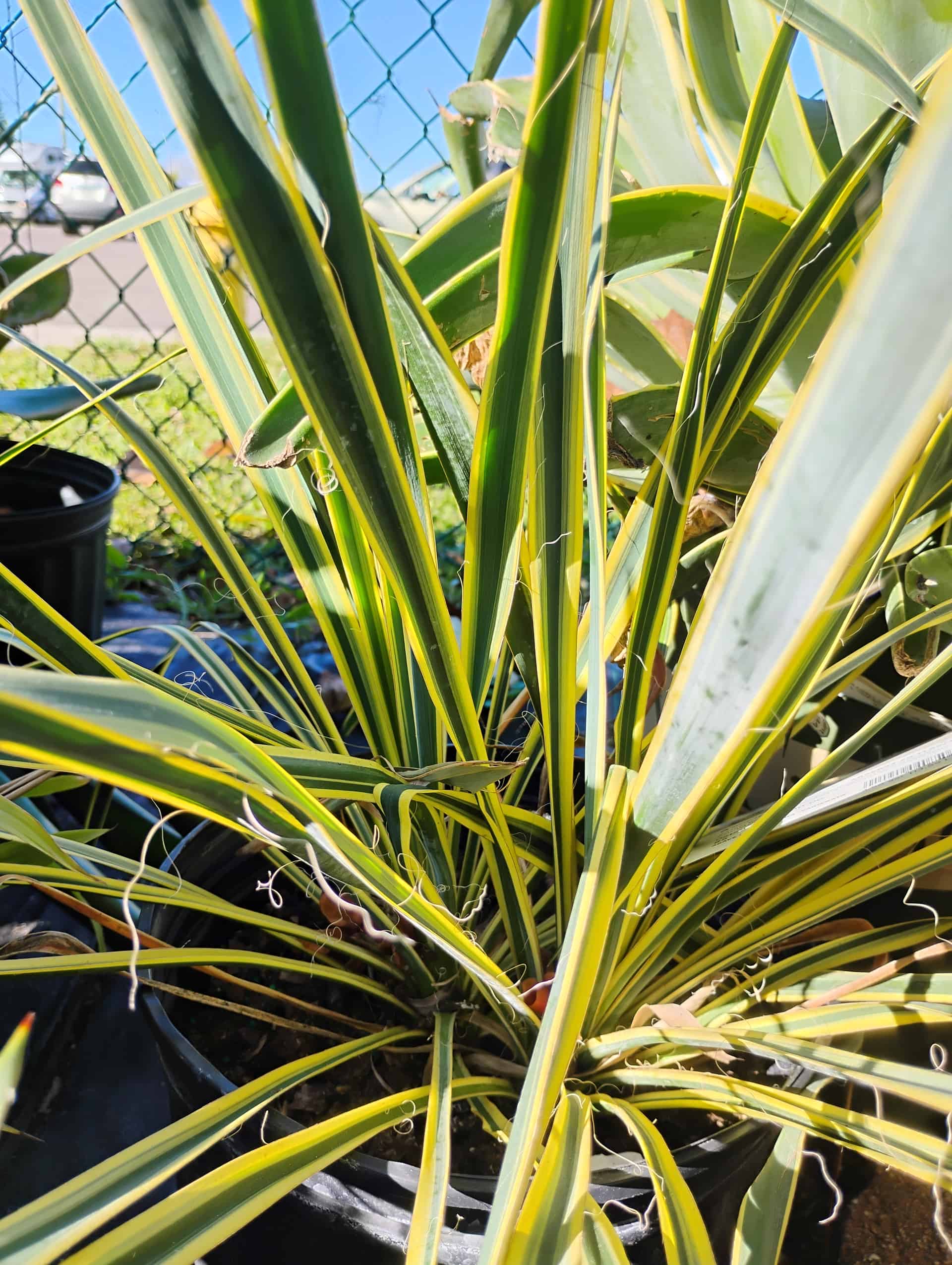
Adam's Needle
Shares 6 of the same needs: full sun, low water, sandy, salt tolerance, zone 9a hardiness, and pollinator-friendly.

Beach Morning Glory
Shares 6 of the same needs: full sun, low water, sandy, salt tolerance, zone 9a hardiness, and pollinator-friendly.

Bougainvillea
Shares 6 of the same needs: full sun, low water, sandy, salt tolerance, zone 9a hardiness, and pollinator-friendly.
You may also like
SucculentAgave
Agave
 Succulent
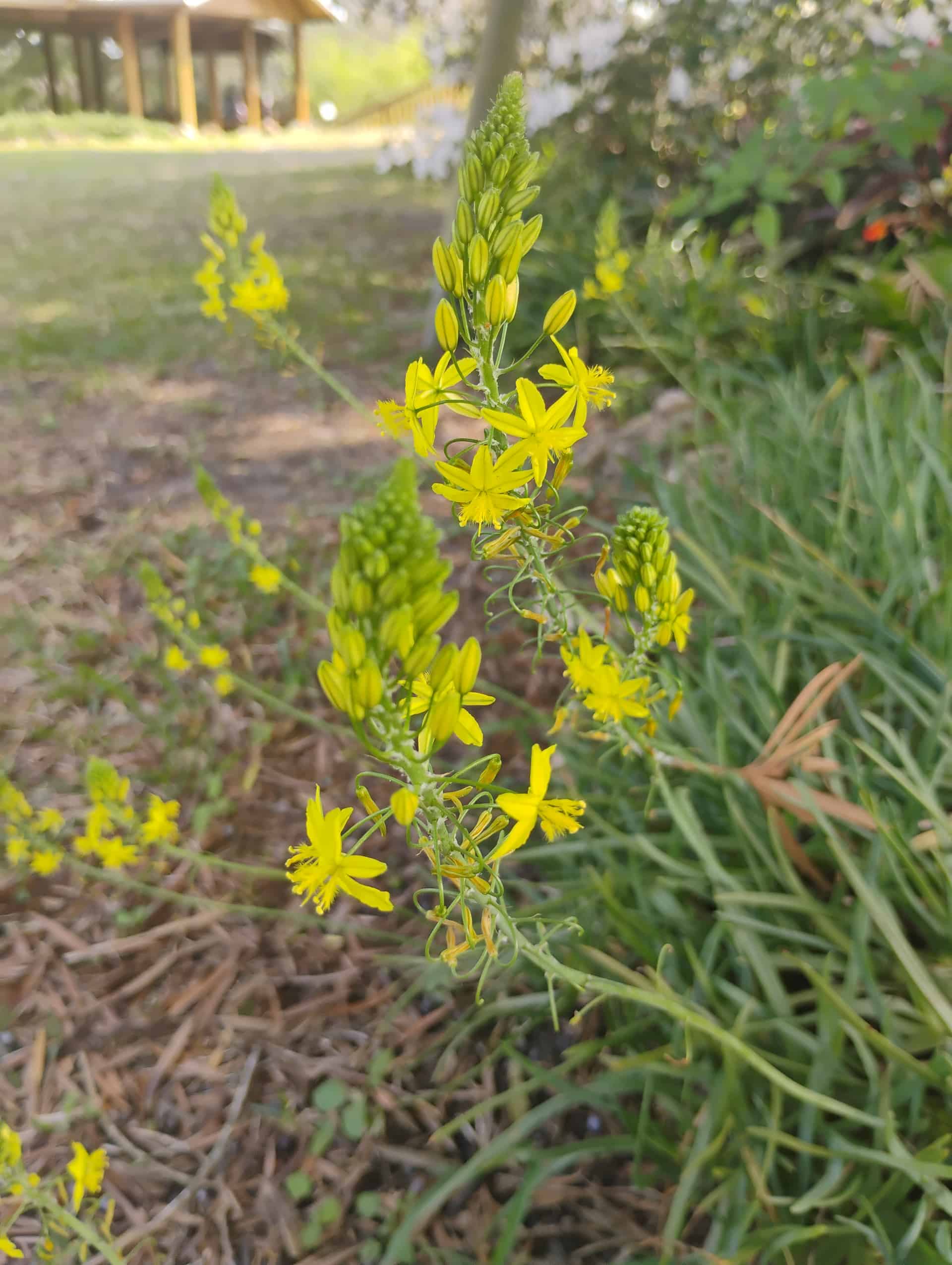
Bulbine Lily
Bulbine
 Succulent
Orchid Cactus
Epiphyllum
Common questions
Is Aloe a good plant for St. Augustine?
Aloe is a succulent. Mature size: 1-2 feet × 2-3 feet (clumping). Light: Full Sun, Part Shade. Water needs: Low. Recorded hardiness zone: 9a. Recorded salt tolerance: high.
What is the recorded pet toxicity for Aloe?
Toxic to dogs and cats
Care information verified from
Last reviewed February 2026. Our care guidance comes from trusted horticulture sources and decades of helping St. Augustine gardeners. Conditions here can vary dramatically from one area to the next, so come ask us and we'll tailor it to your yard.