
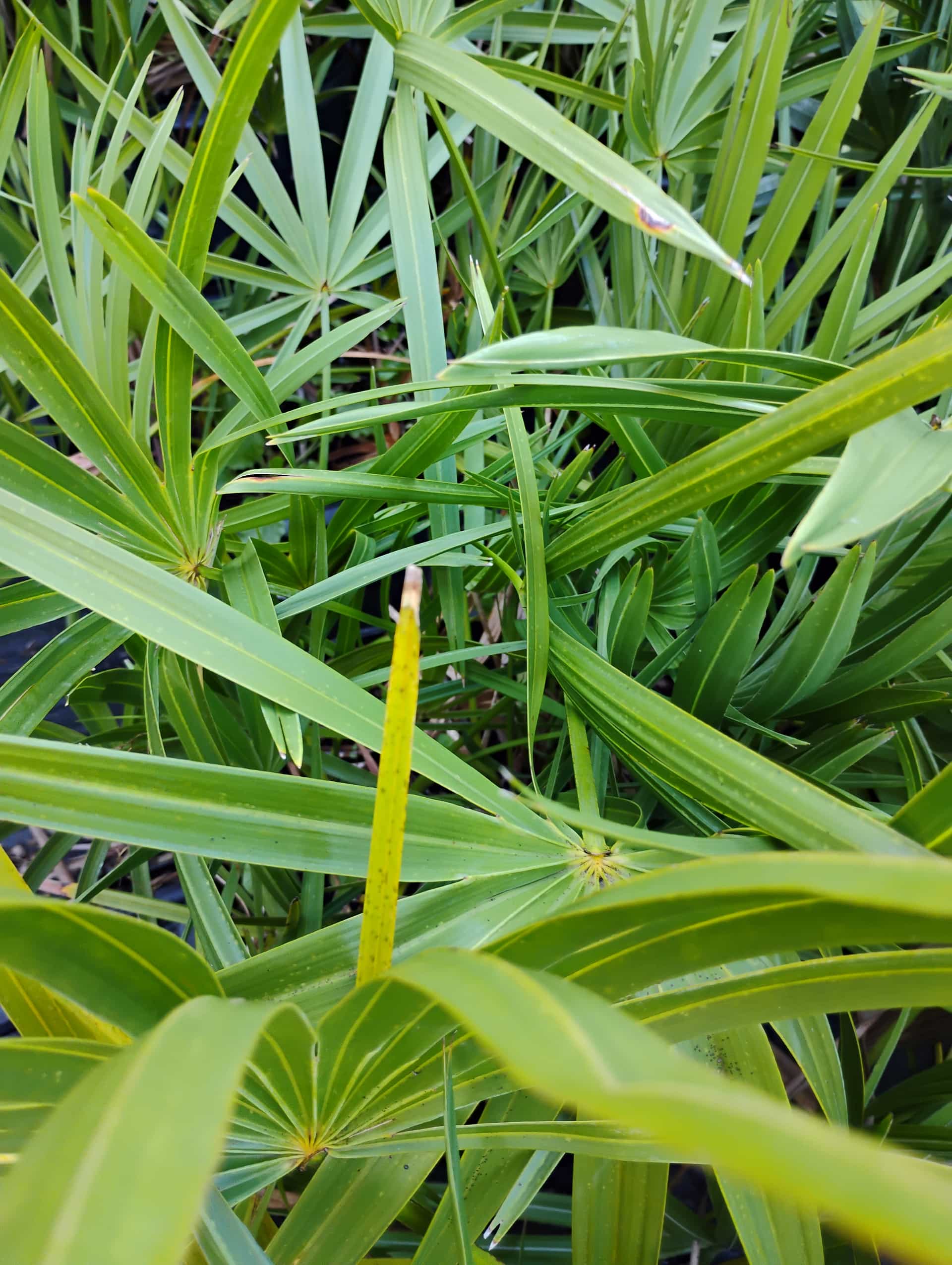
Saw Palmetto
Serenoa repens
Varieties We Bring In
Last received Jul 19, 2026.
We bring this in seasonally, so what is on the lot changes week to week. A received date shows when it last came in, not that it is here today.
Call (904) 471-0440 to confirm this plant and size before you make the trip.
About Saw Palmetto
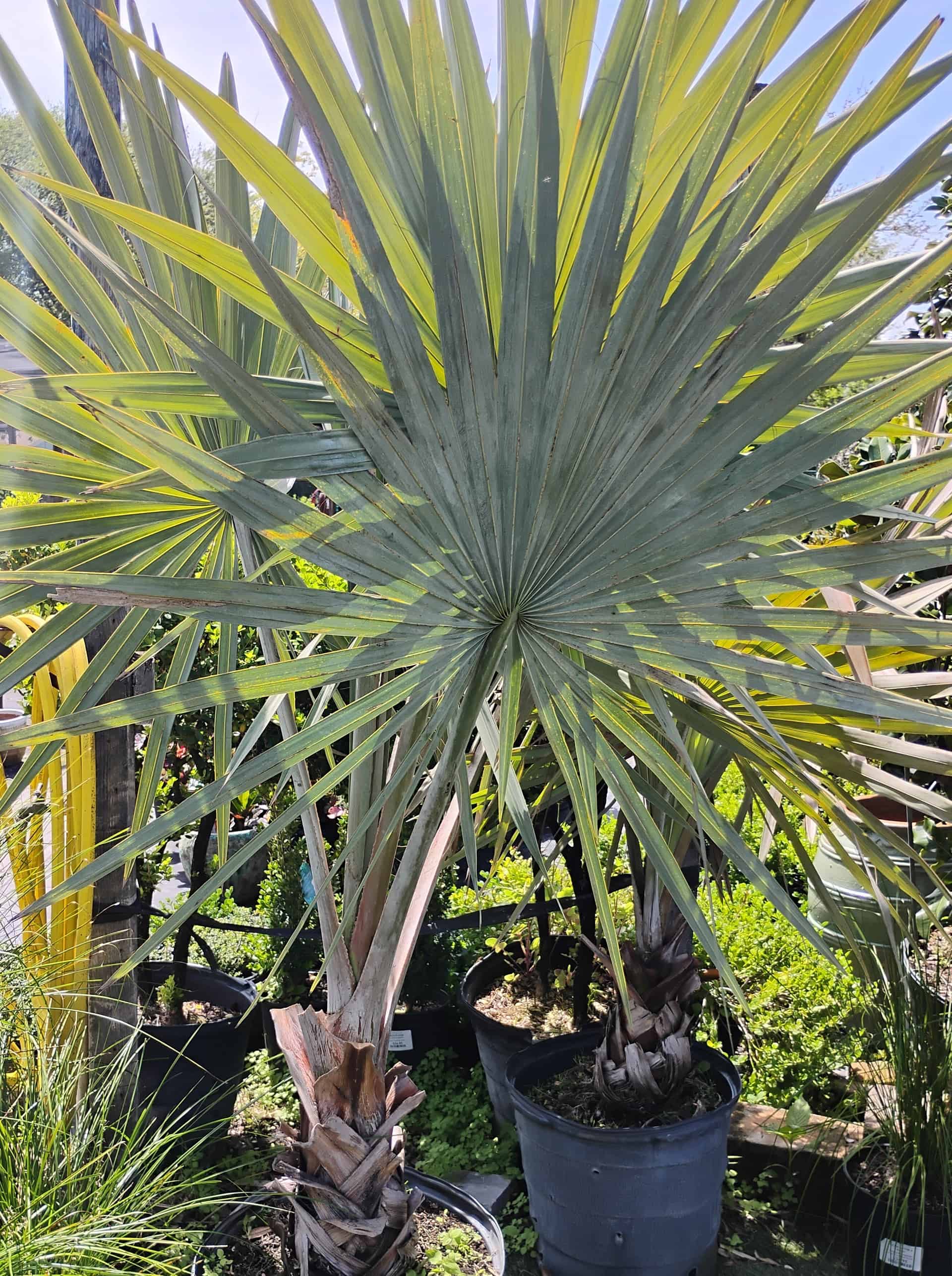
Saw Palmetto (Serenoa repens) is the only species in its genus — a native, clump-forming palm of the southeastern United States coastal plain, characterized by fan-shaped fronds with sharp, saw-toothed petioles and a sprawling, multi-stemmed habit. It produces small, fragrant cream flowers followed by olive-to-black fleshy drupes that are among the most important wildlife foods in Florida ecosystems. An extremely long-lived, slow-growing native foundational plant of Florida flatwoods and scrub habitats. Starting at $19.95.
Plant details
- Bloom Season
- Spring, Summer
- Flower Color
- White, Yellow
- Growth Rate
- Slow
- Foliage
- Evergreen
- Soil
- Sandy, Loam, Acidic, Well-drained
Best planting months
Seasonal care
Bloom season. Good planting window.
Bloom season. Handles summer heat well once established.
Ideal planting window.
Retains foliage through winter.
Care essentials
Saw palmetto thrives in full sun to part shade across NE Florida, adapting to open flatwoods, scrub, and shaded hammock edges alike. Plant wherever a tough, low-maintenance native palm is needed.
Extremely drought-tolerant once established. Water regularly only during the first season to encourage root development; after establishment, natural rainfall is sufficient. Tolerates both periodic flooding and extended dry spells.
Thrives in poor, sandy, acidic, well-drained soils — the native condition in NE Florida flatwoods and scrub. No fertilizer is required; this native performs best with minimal inputs and is not suited to rich or alkaline soils.
Similar needs
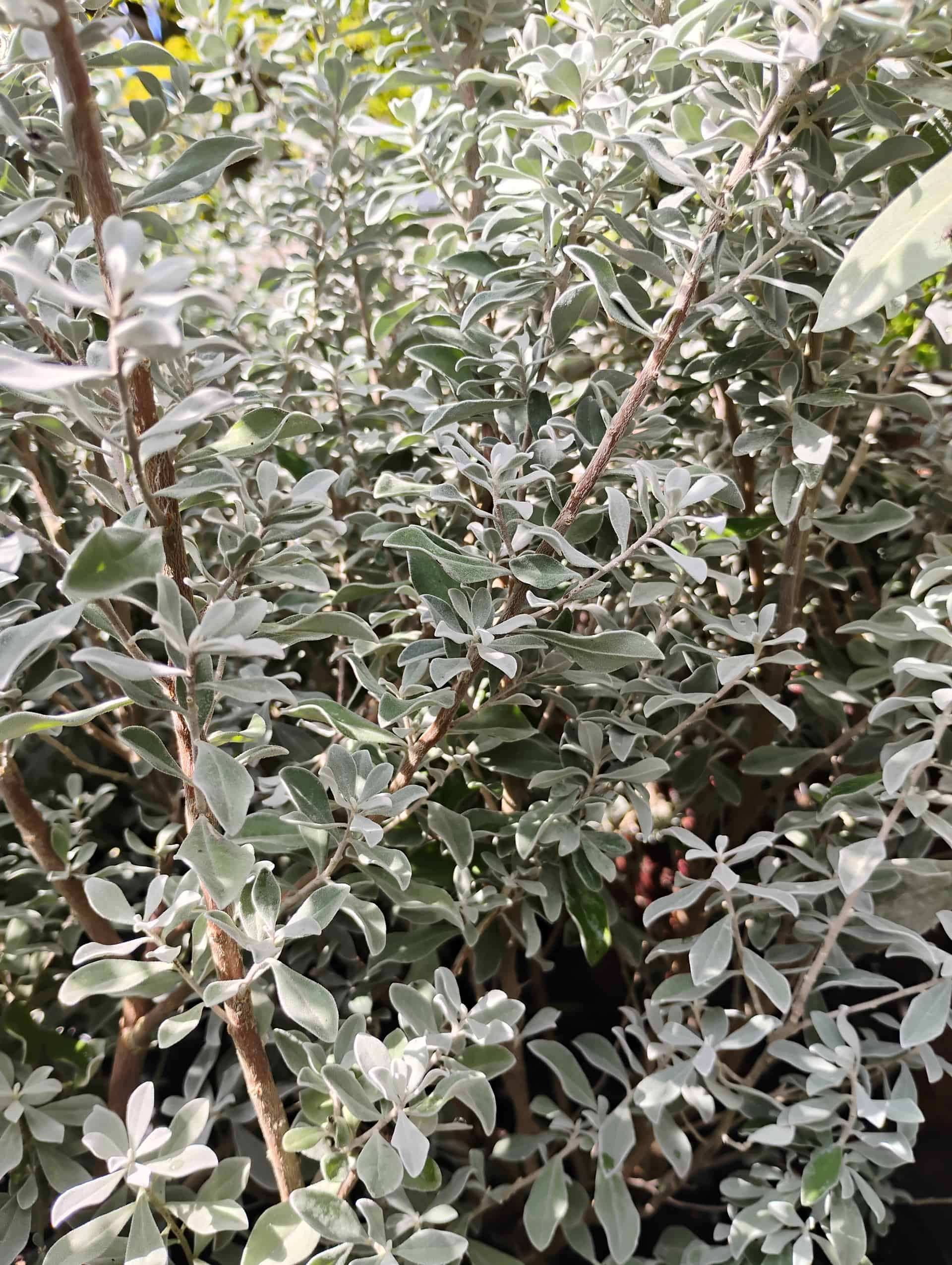
Texas Sage
Shares 6 of the same needs: full sun, low water, sandy, salt tolerance, zone 9a hardiness, and pollinator-friendly.
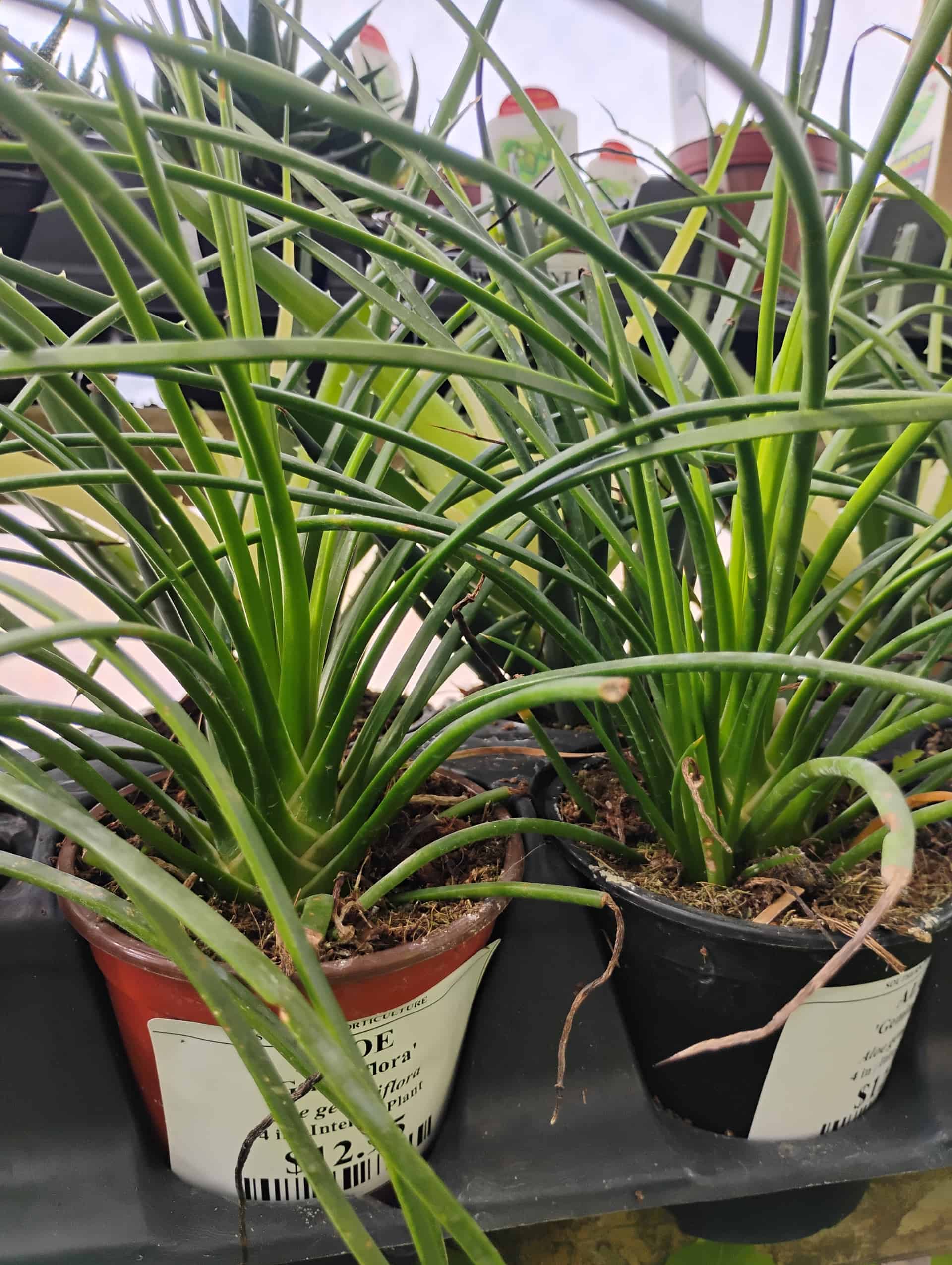
Aloe
Shares 6 of the same needs: full sun, low water, sandy, salt tolerance, zone 9a hardiness, and pollinator-friendly.
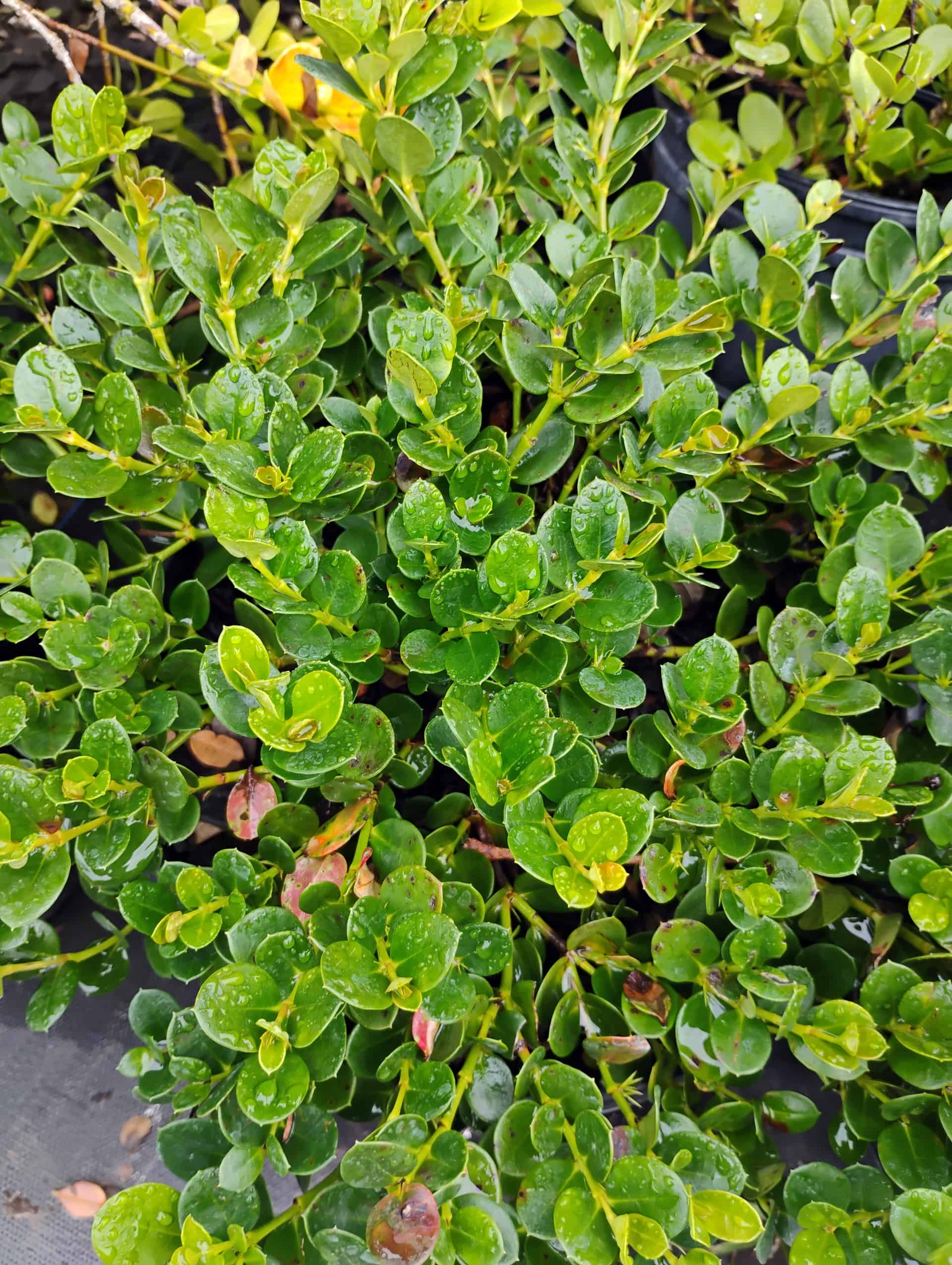
Natal Plum
Shares 6 of the same needs: full sun, low water, sandy, salt tolerance, zone 9a hardiness, and pollinator-friendly.
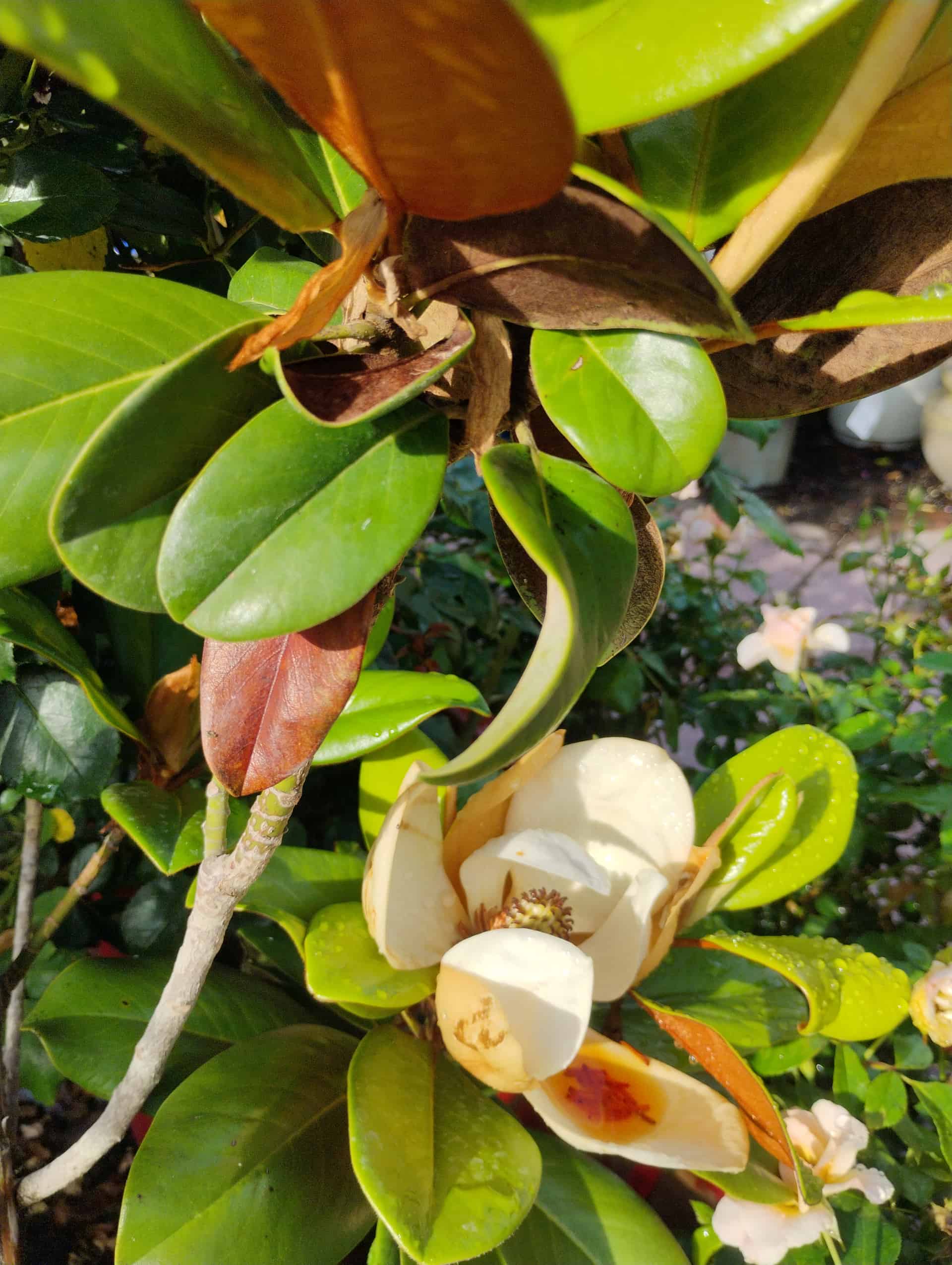
Magnolia
Shares 5 of the same needs: full sun, loam, salt tolerance, zone 9a hardiness, and pollinator-friendly.
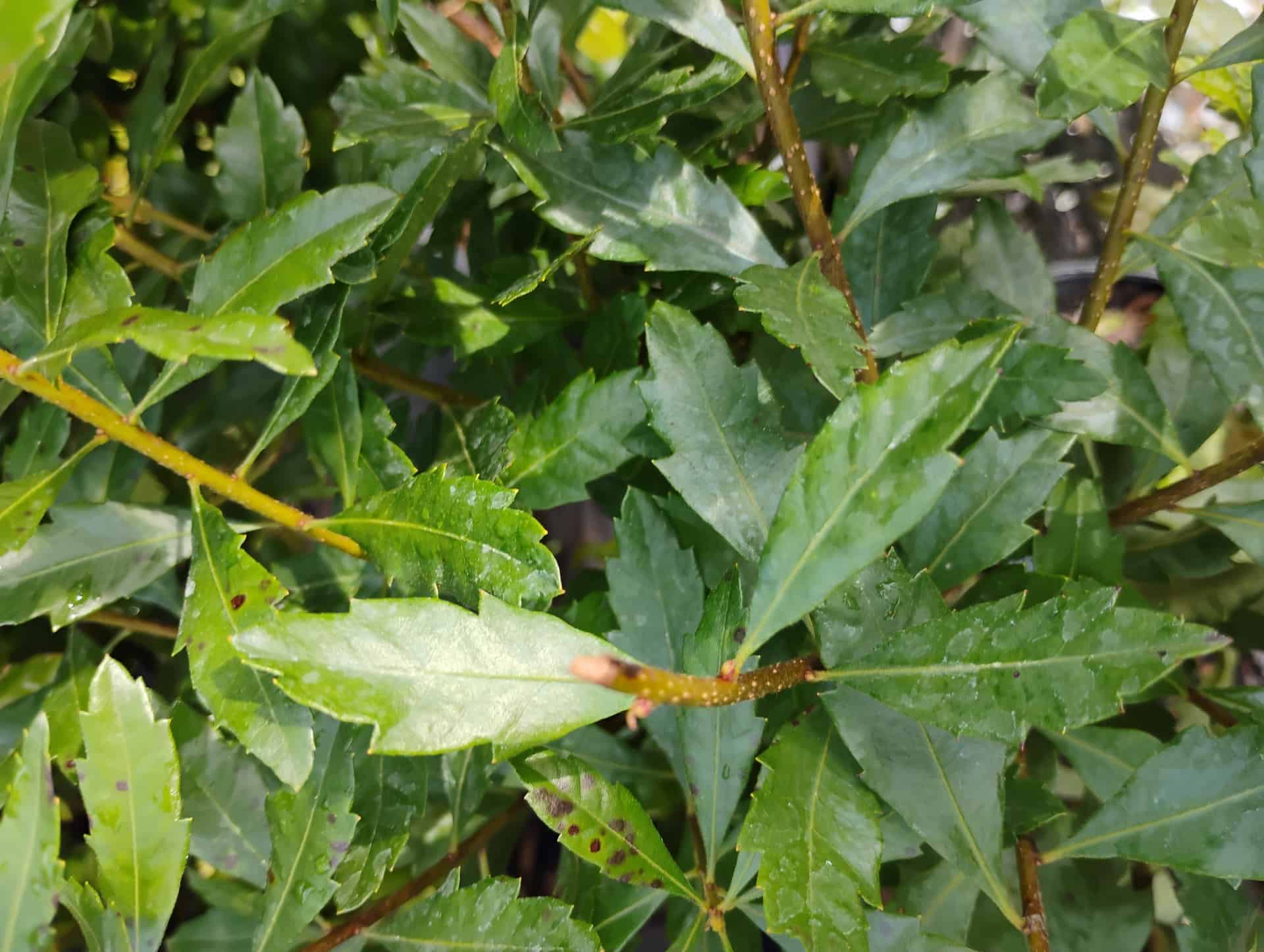
Wax Myrtle
Shares 5 of the same needs: full sun, sandy, salt tolerance, zone 9a hardiness, and pollinator-friendly.
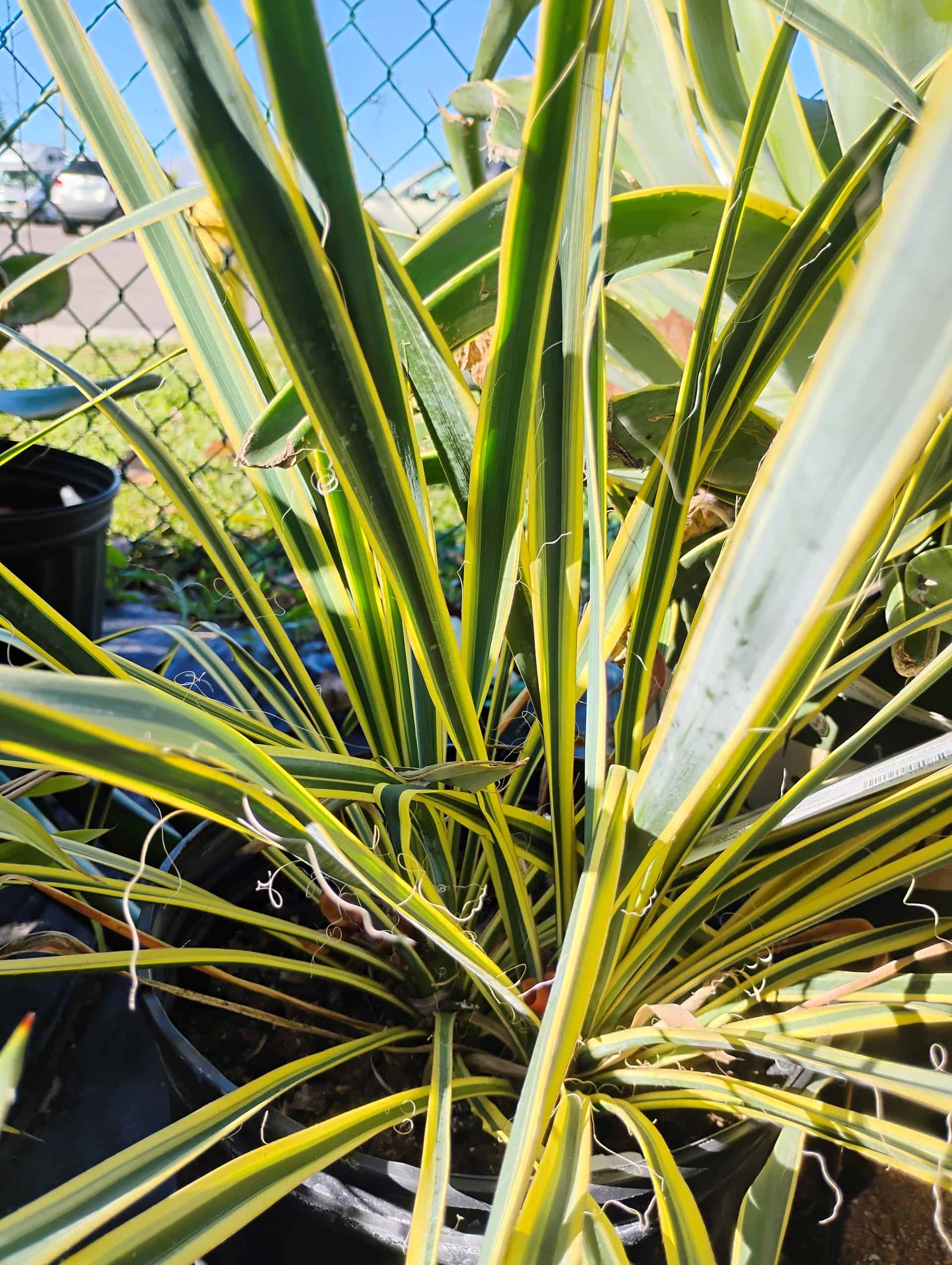
Adam's Needle
Shares 6 of the same needs: full sun, low water, sandy, salt tolerance, zone 9a hardiness, and pollinator-friendly.
You may also like
Common questions
Is Saw Palmetto a good plant for St. Augustine?
Saw Palmetto is a palm for Zone 9b coastal Florida gardens, with high salt tolerance, reaching 4-10 feet × 4-10 feet.
Care information verified from
Last reviewed February 2026. Our care guidance comes from trusted horticulture sources and decades of helping St. Augustine gardeners. Conditions here can vary dramatically from one area to the next, so come ask us and we'll tailor it to your yard.