
Palms
Tropical palms that define the Florida landscape.
Browse the collection
23 plants found
Palms Plants
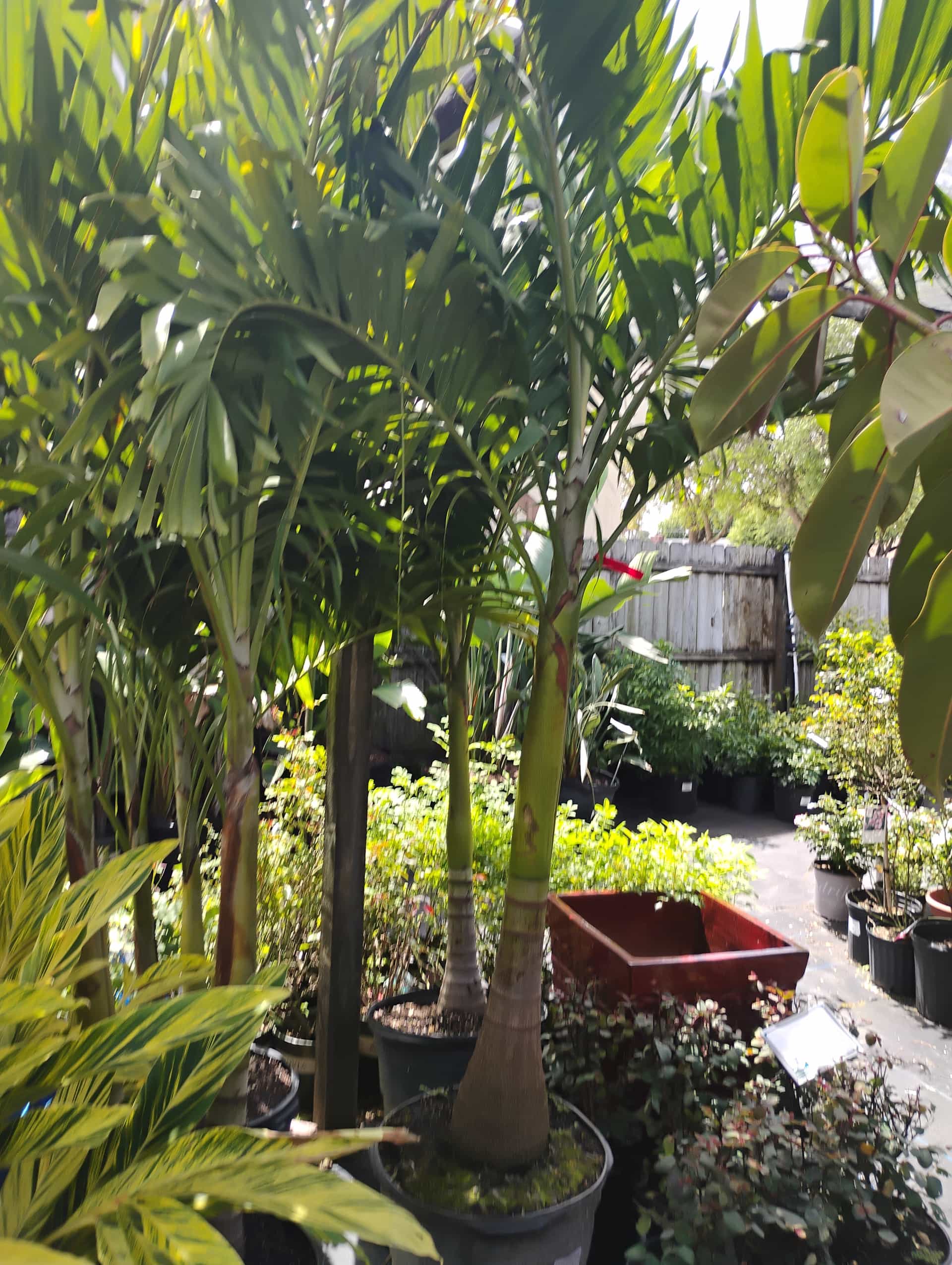 Palm
PalmAdonidia Palm
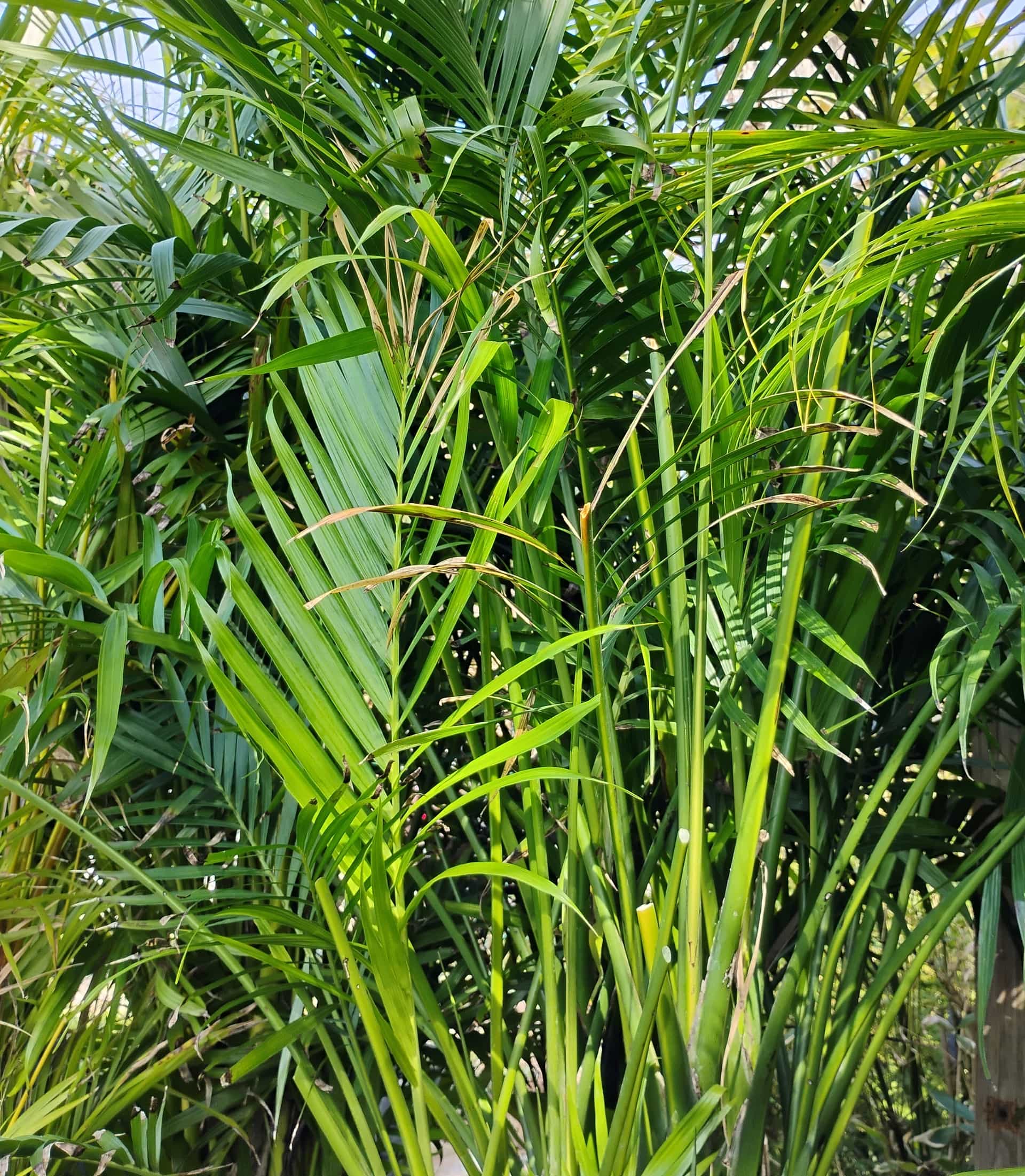 Palm
PalmAreca Palm
 Palm
PalmBamboo Palm
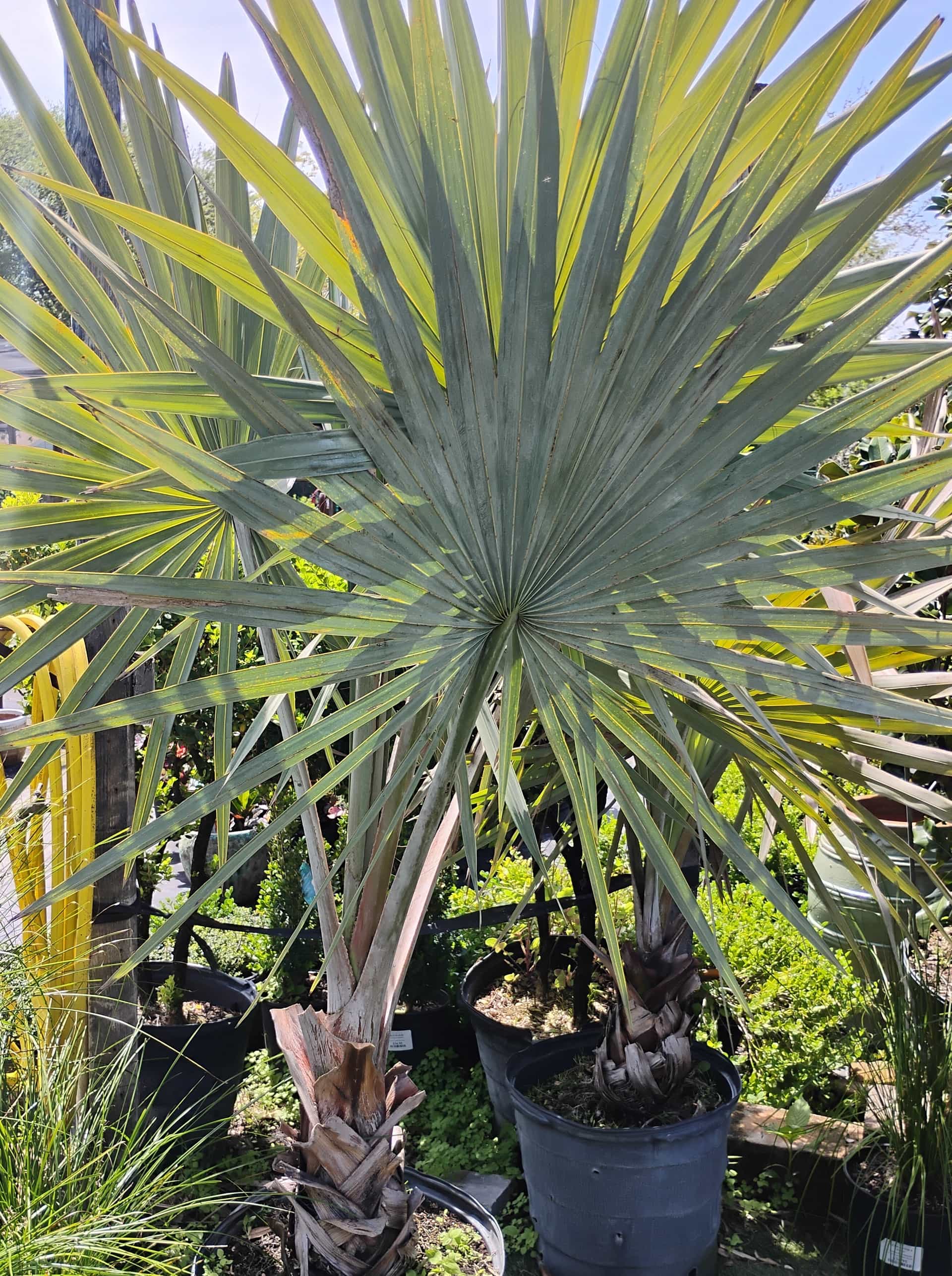 Palm
PalmBismarck Palm
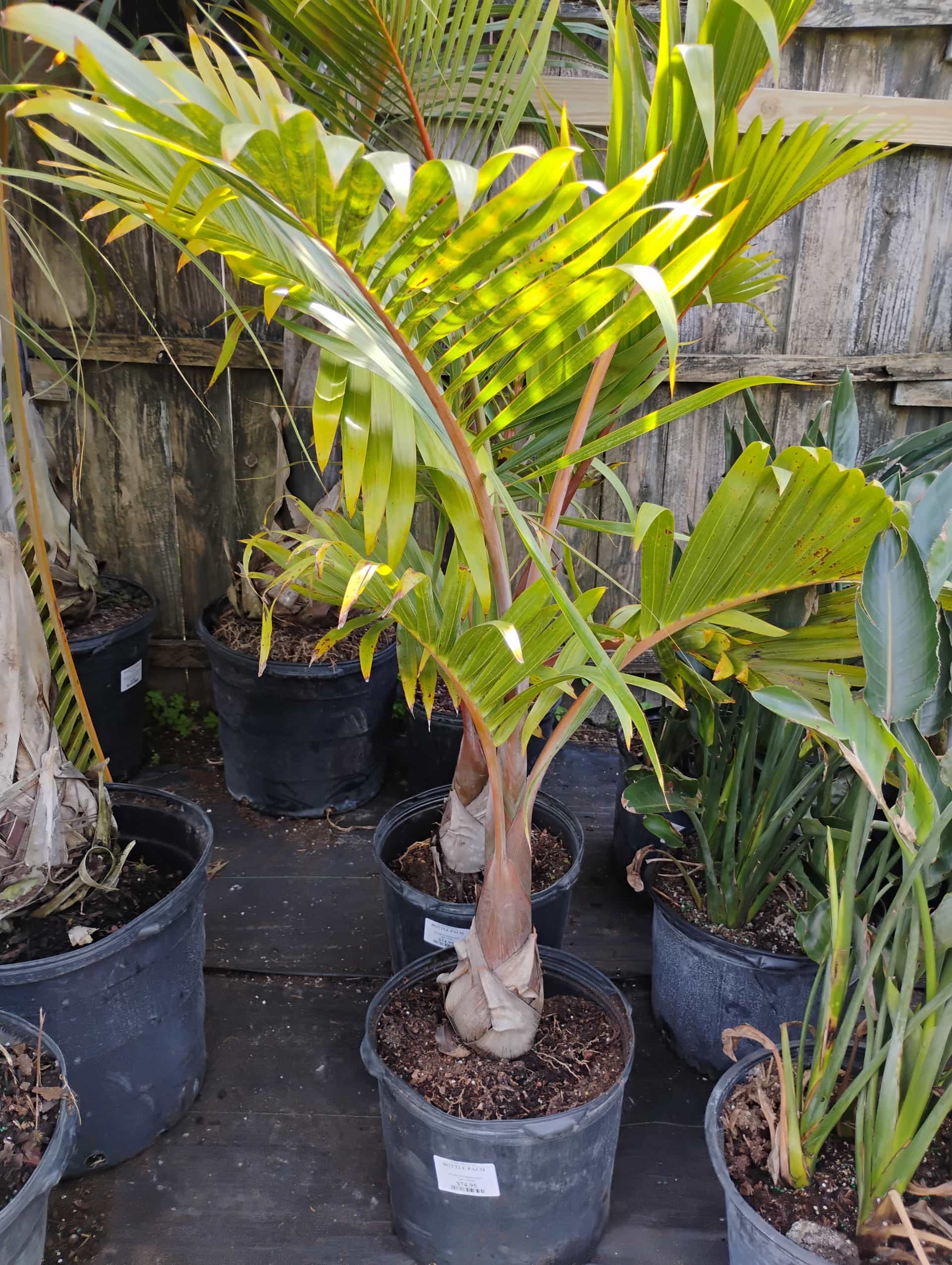 Palm
PalmBottle Palm
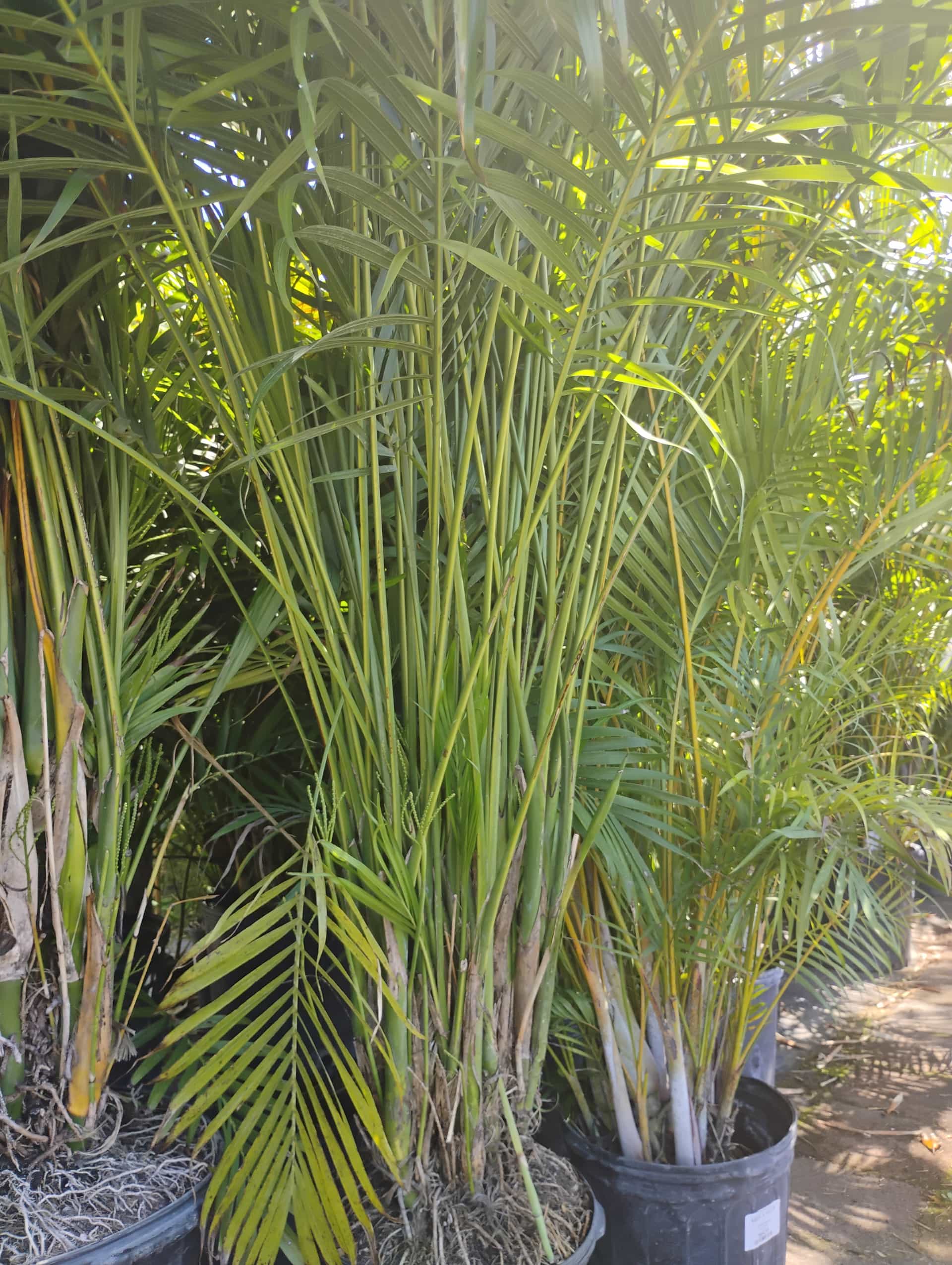 Palm
PalmCat Palm
PalmCoconut Palm
PalmDwarf Palmetto
PalmEuropean Fan Palm
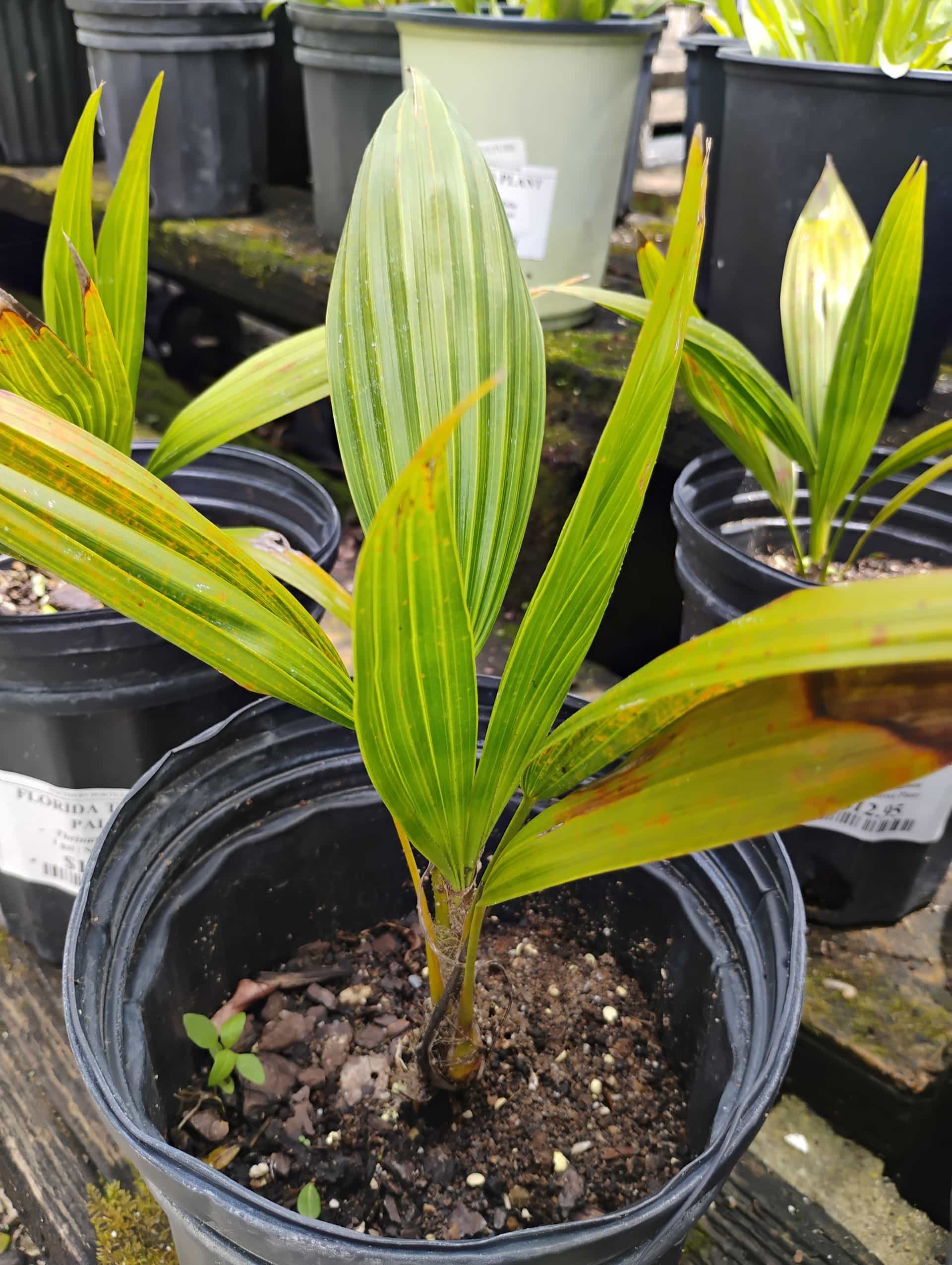 Palm
PalmFlorida Thatch Palm
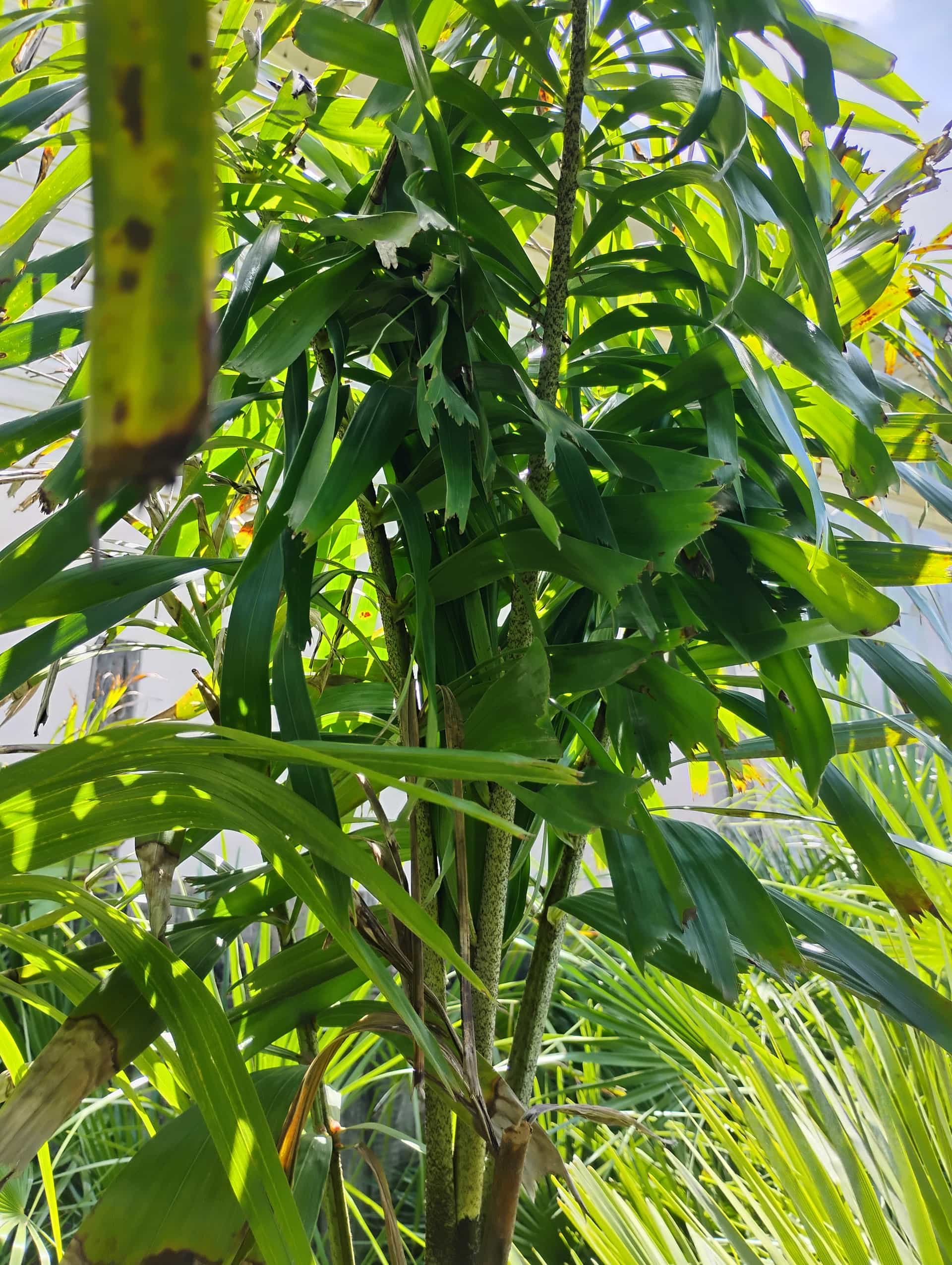 Palm
PalmFoxtail Palm
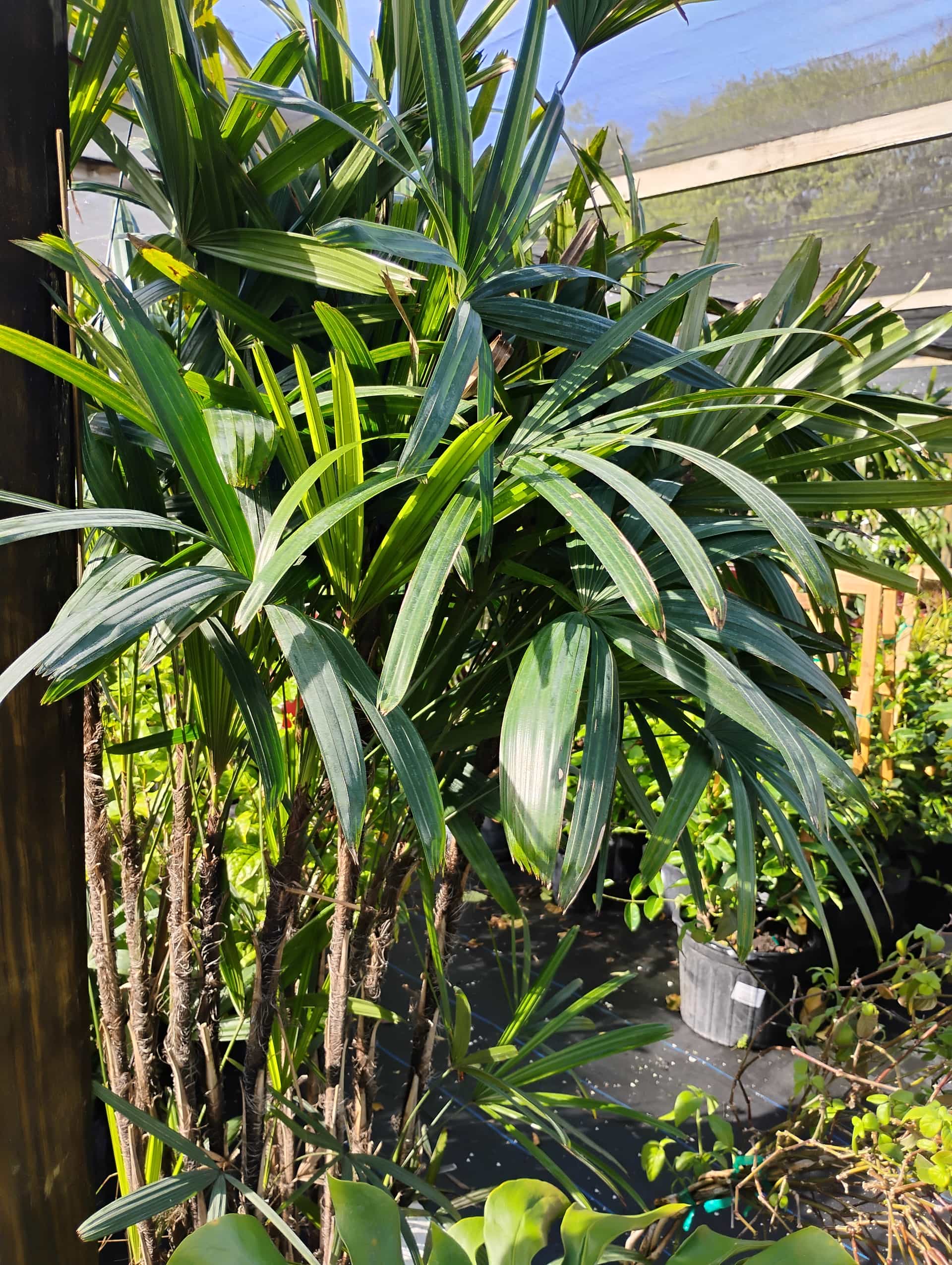 Palm
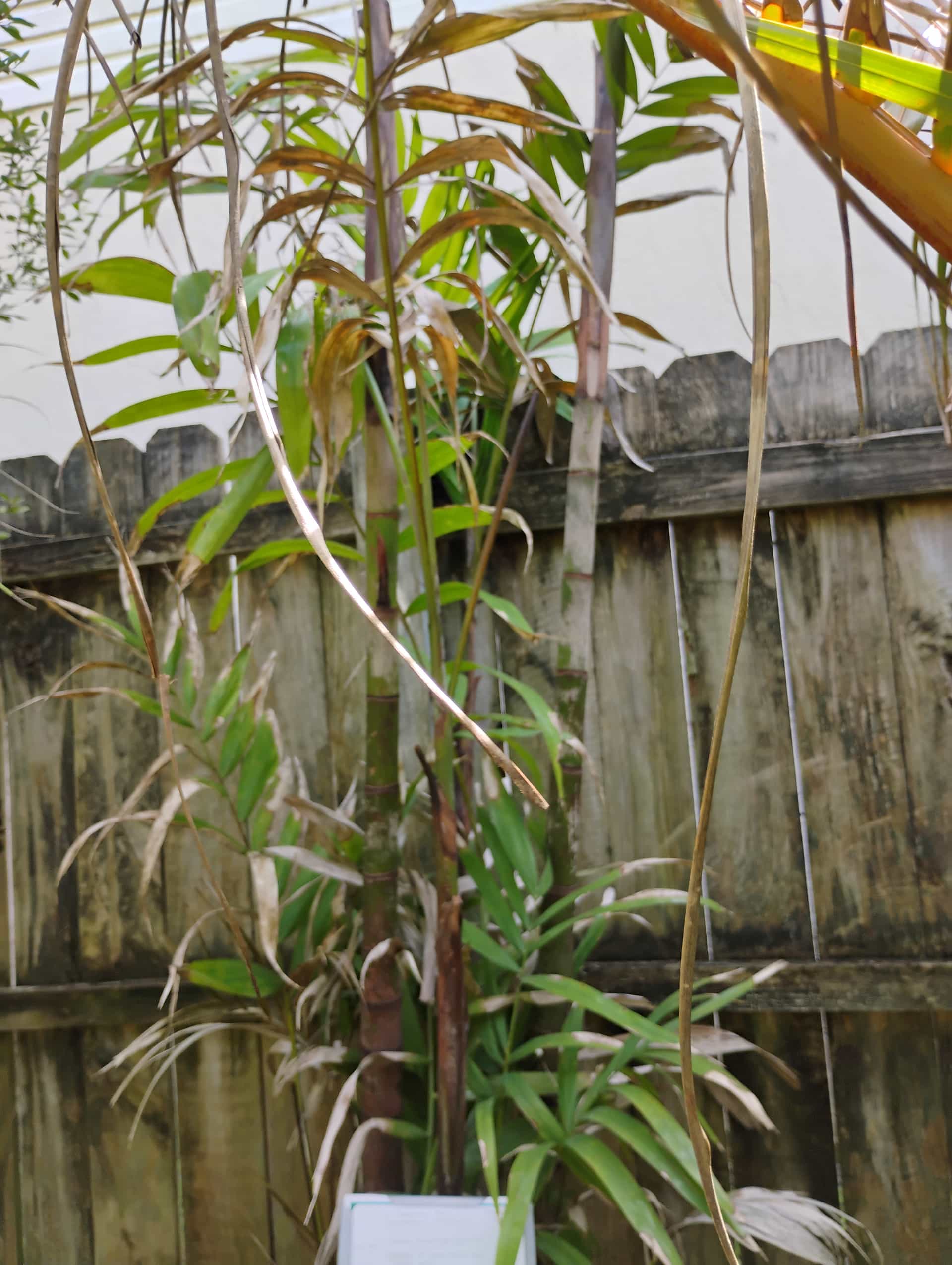
PalmLady Palm
 Palm
PalmMacarthur Palm
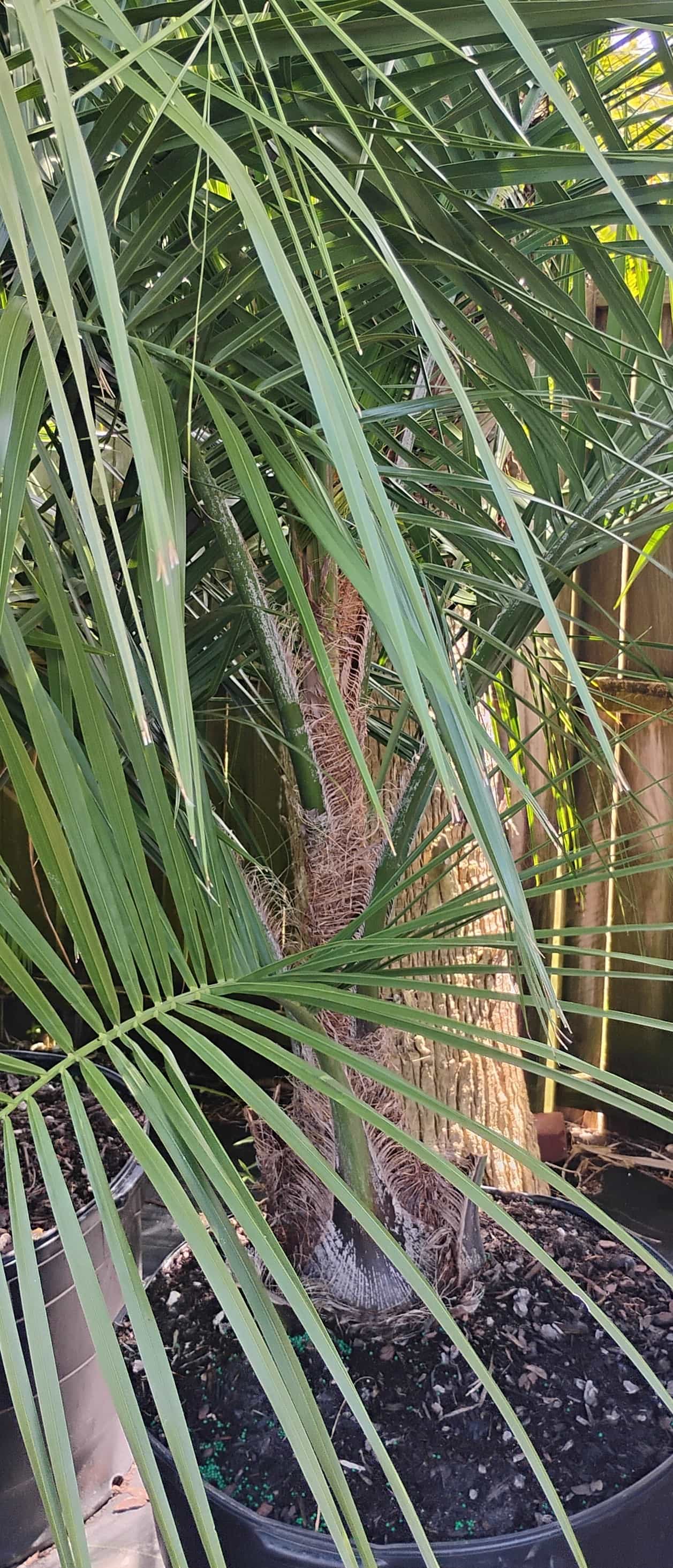
PalmMajesty Palm
 Palm
PalmMule Palm
 Palm
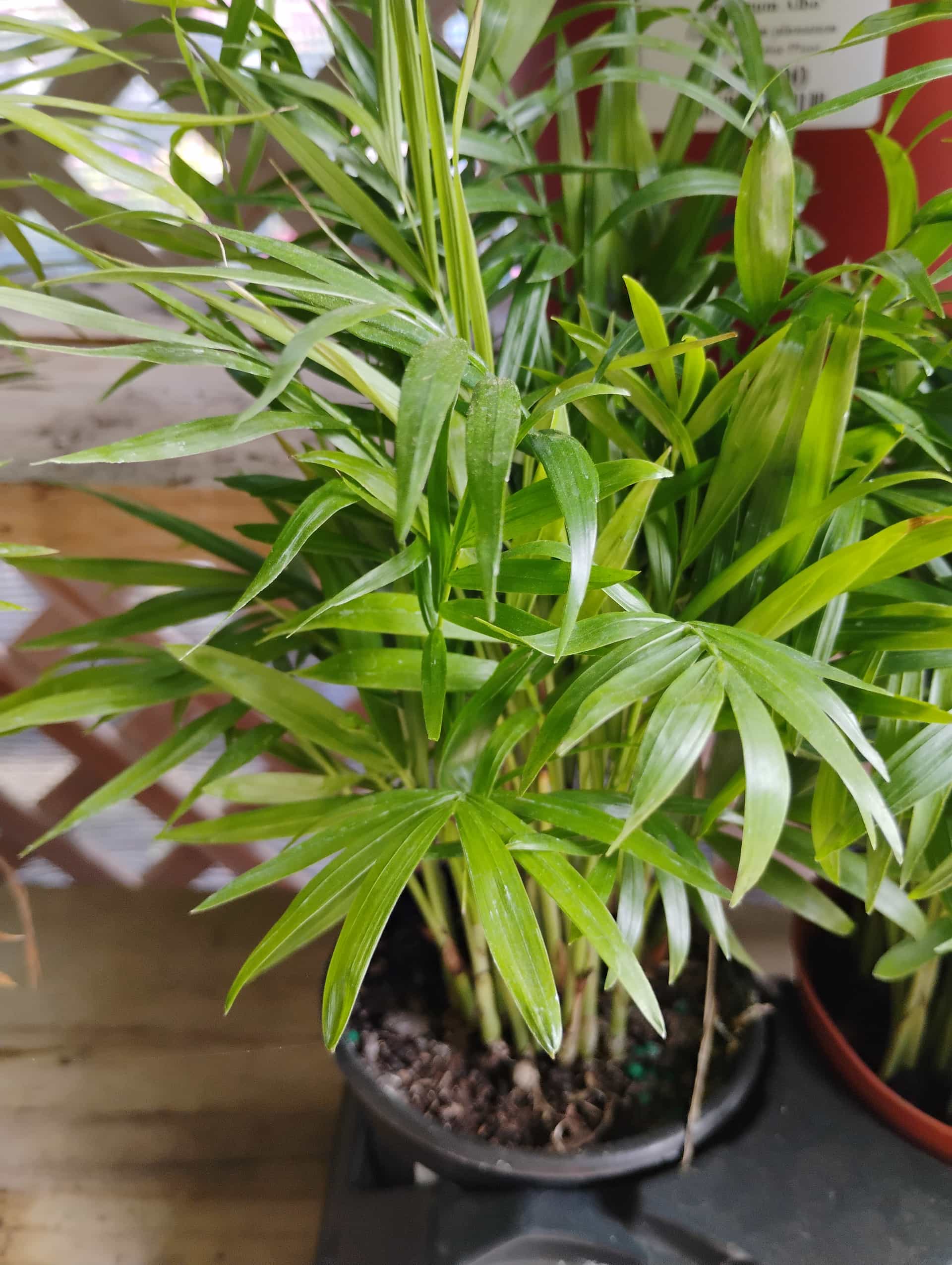
PalmNeanthe Bella Palm
PalmPaurotis Palm
 Palm
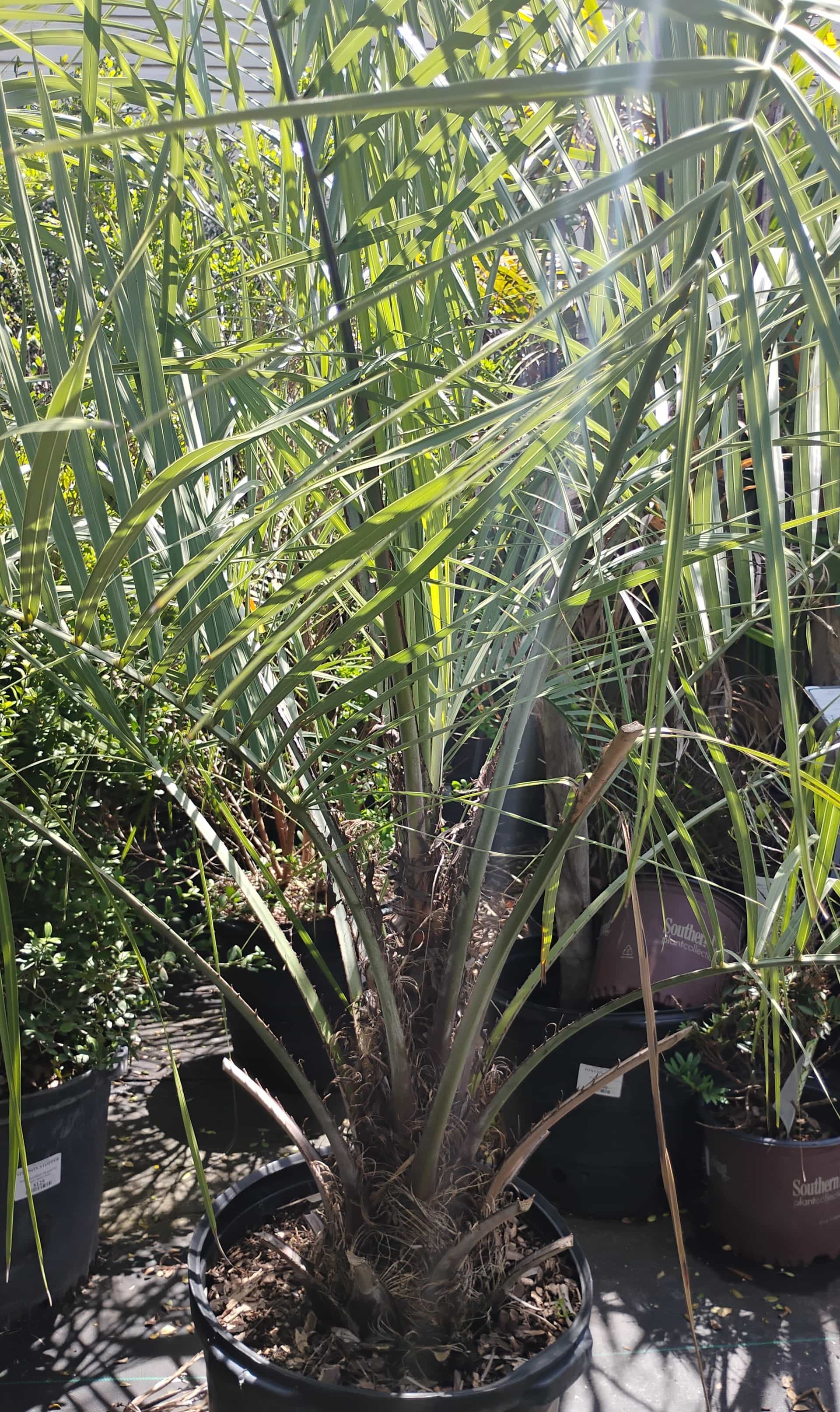
PalmPindo Palm
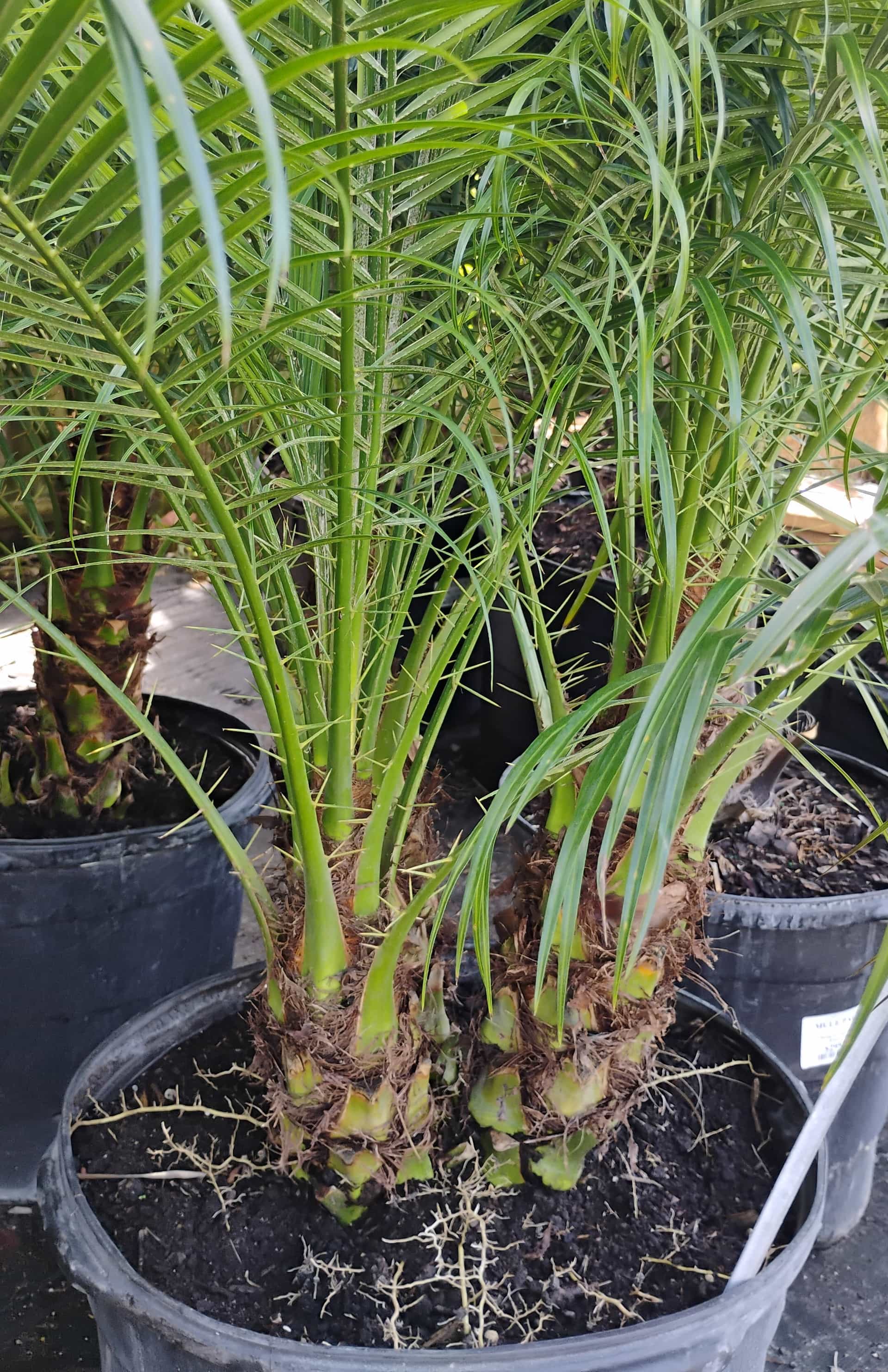 Palm
PalmPygmy Date Palm
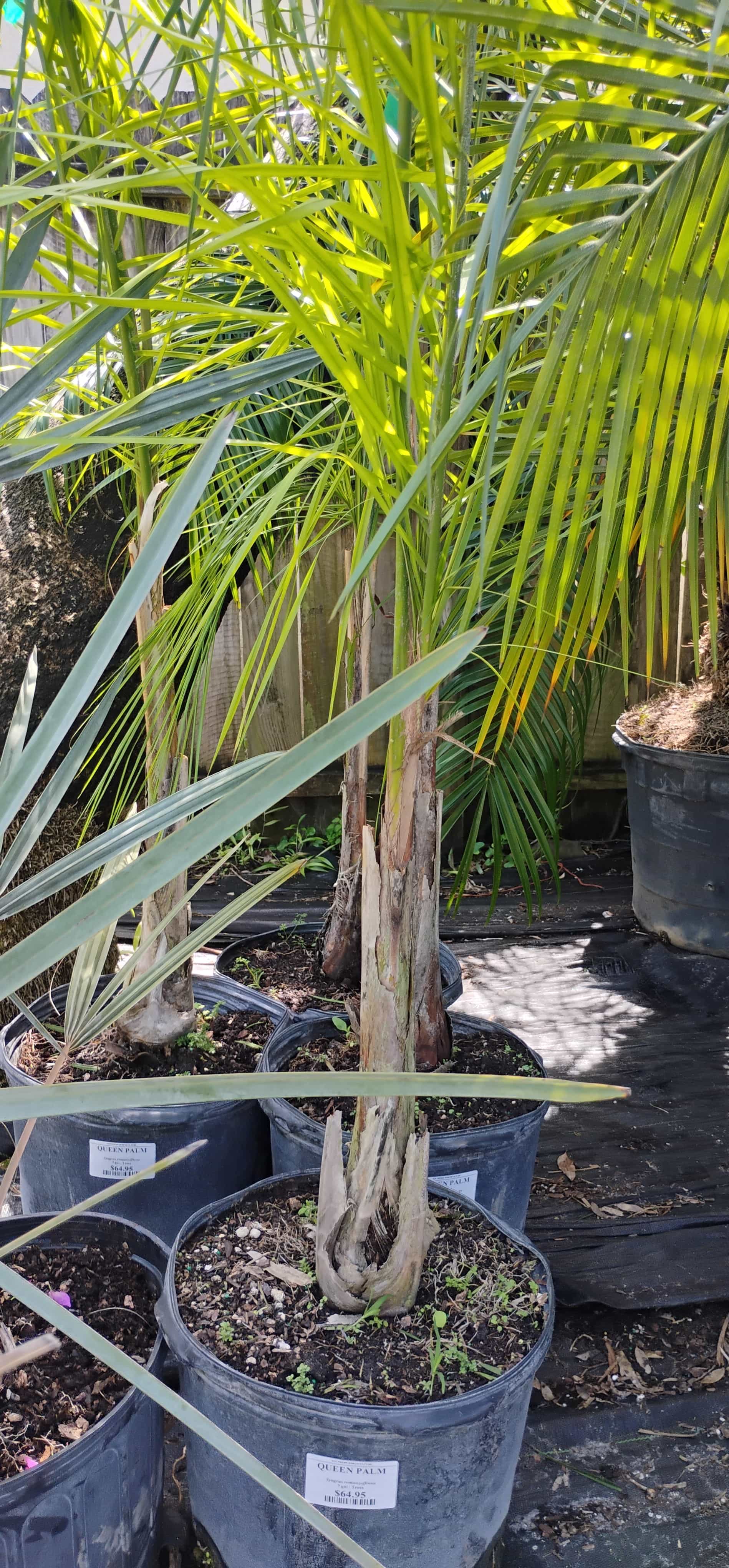 Palm
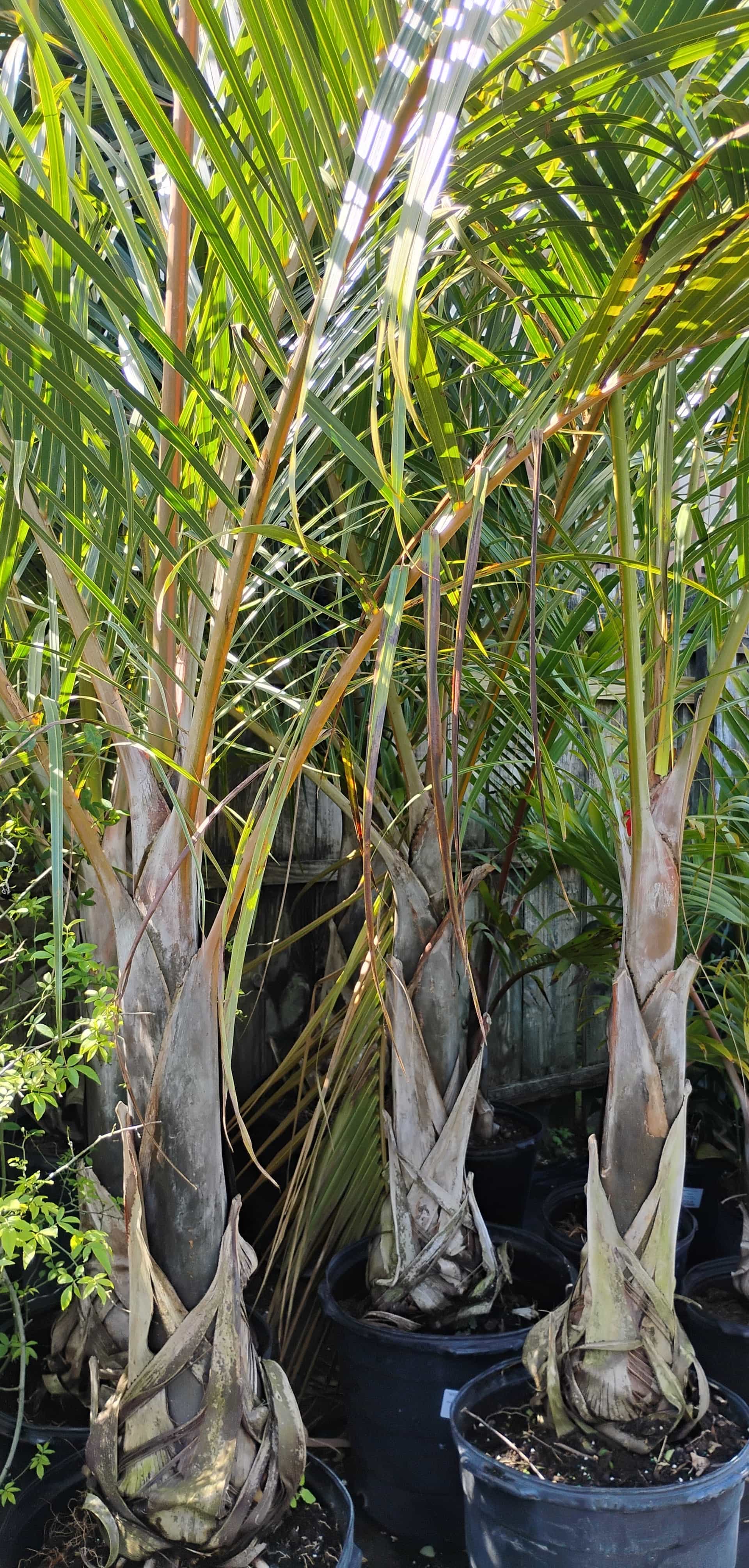
PalmQueen Palm
 Palm
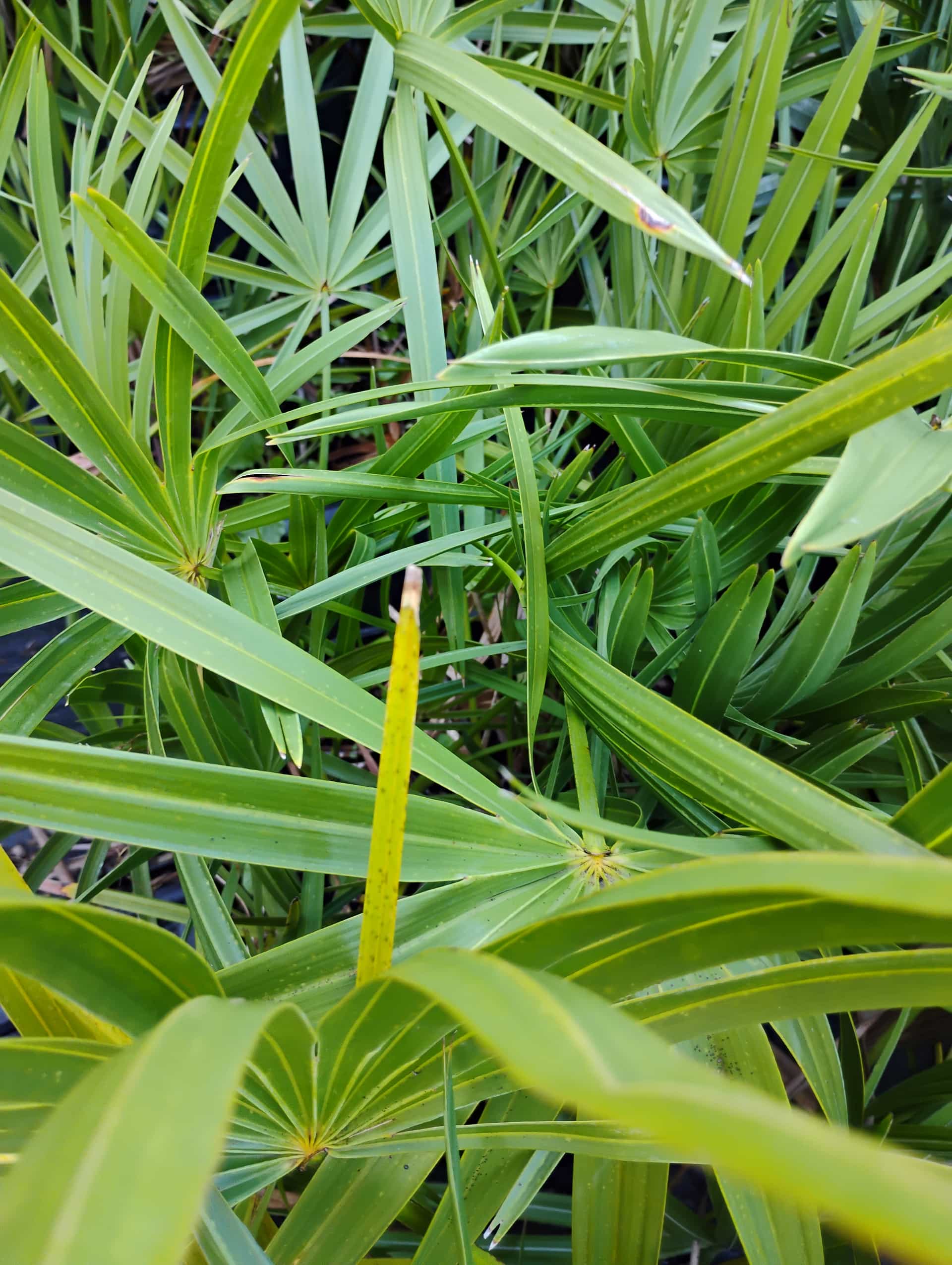
PalmSaw Palmetto
 Palm
PalmSpindle Palm
PalmWindmill Palm
Page 1 of 1
Palms Questions
What palms grow in St. Augustine?+
Several cold-hardy and tropical-look palms grow in Zone 9b; choose by mature height, cold tolerance, and how much space the crown needs.
When is the best time to plant palms?+
Palms establish best in the warm season when soil is warm and roots grow actively.
How do I care for a palm after planting?+
Keep new palms watered while they establish and avoid over-pruning green fronds, which the palm needs for energy.
How do I choose a palm for my yard?+
Match the mature height and spread to the space, and check cold tolerance for Zone 9b. Tell us the spot and look you want and our team can help you choose.
Do palms need special fertilizer?+
Palms often benefit from a balanced palm fertilizer with micronutrients, since our sandy soils can run low on the magnesium and potassium palms need.
Which palms are cold-hardy enough for Northeast Florida?+
Sabal (cabbage) palm, the Florida state tree, along with windmill palm, pindo palm, needle palm, and European fan palm, handle the occasional hard freezes in our zone 9a.
How do I protect a palm from a hard freeze?+
Water well before a freeze, and on tender species tie up the fronds and wrap the trunk. Hold off on late-season fertilizer. Cold-hardy palms usually need no protection at all.