
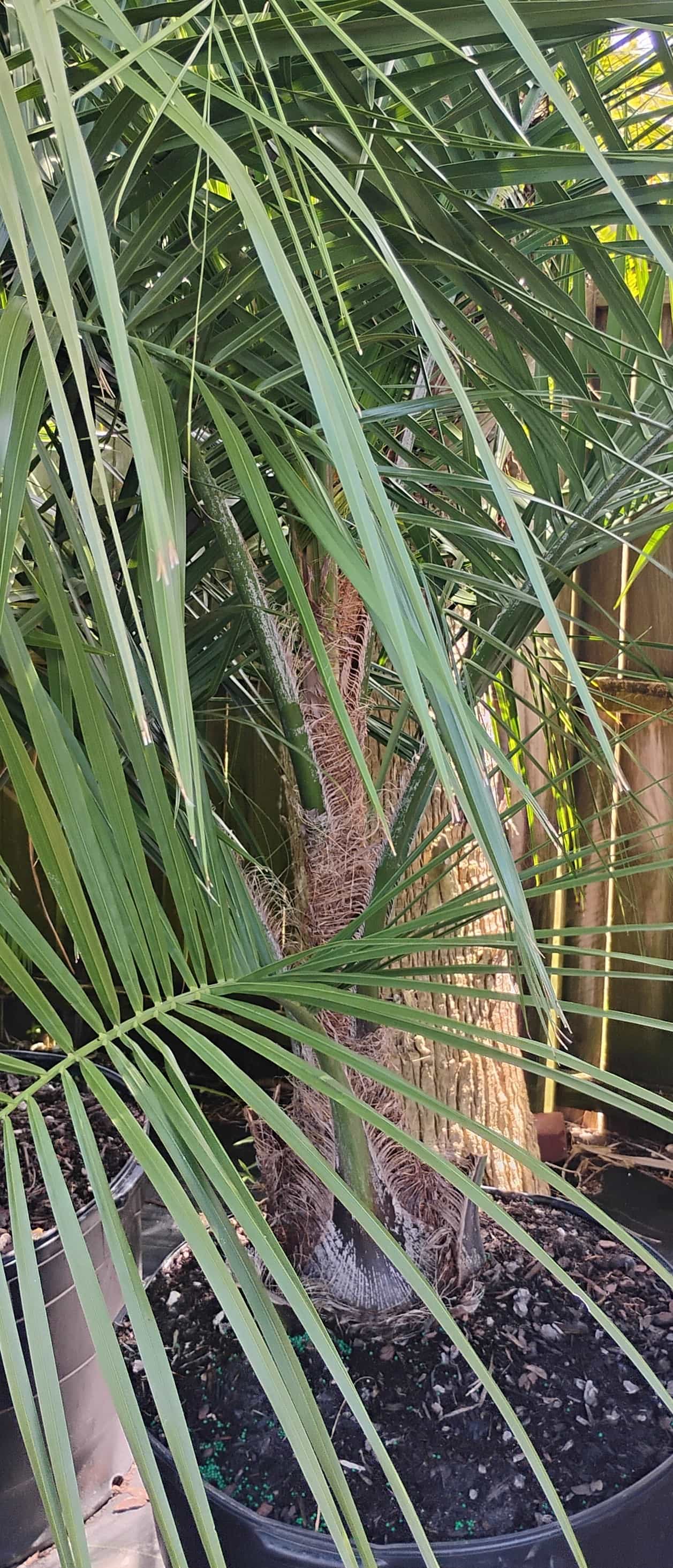
Mule Palm
Butyagrus nabonnandii
Traits
Varieties We Bring In
Last received Aug 20, 2026.
We bring this in seasonally, so what is on the lot changes week to week. A received date shows when it last came in, not that it is here today.
Call (904) 471-0440 to confirm this plant and size before you make the trip.
About Mule Palm
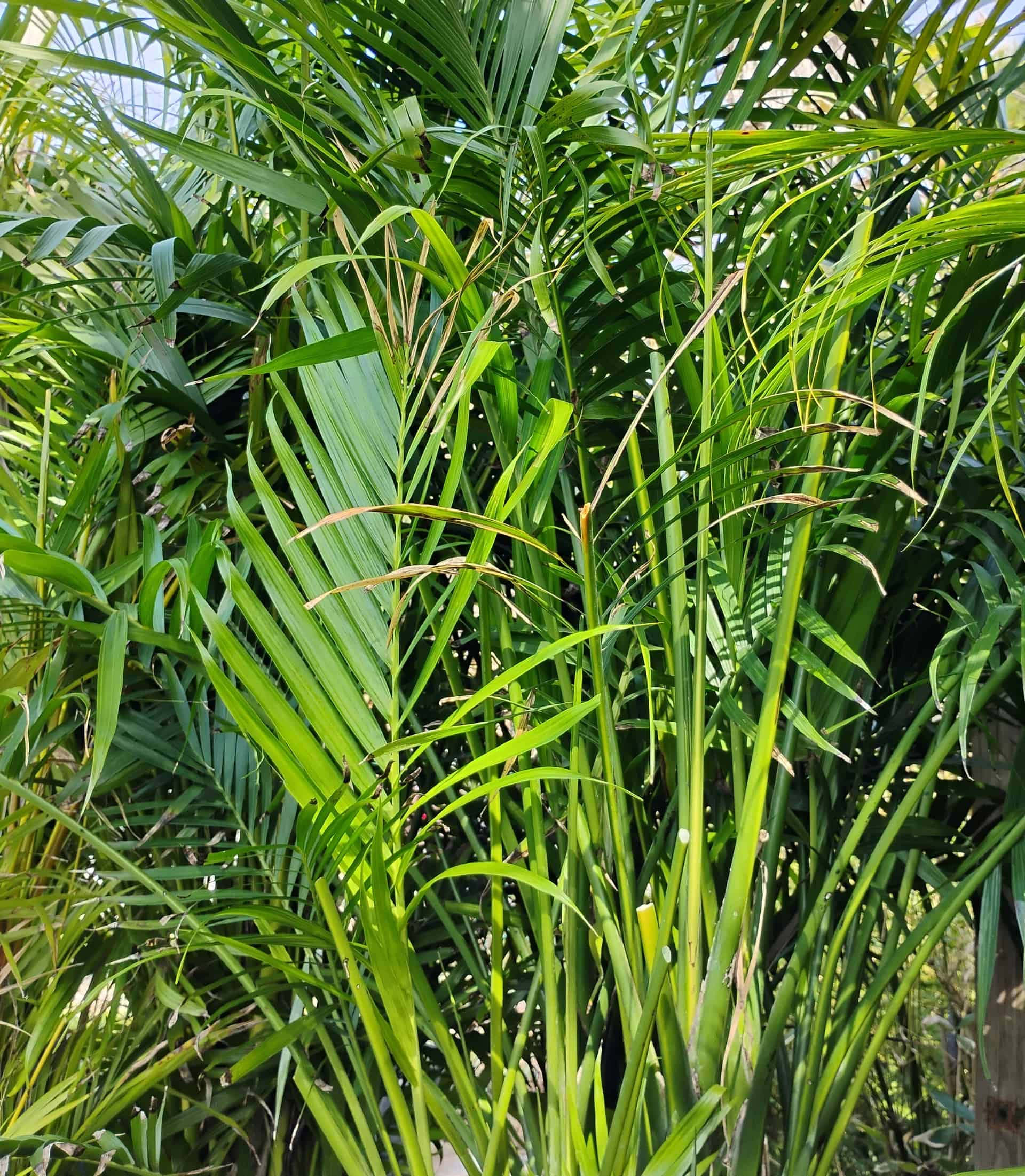
Mule Palm (× Butyagrus nabonnandii) is a vigorous intergeneric hybrid of Pindo Palm (Butia odorata) and Queen Palm (Syagrus romanzoffiana), combining the cold tolerance of its Butia parent with the faster growth and lush fronds of Syagrus. It produces a tall, solitary trunk with feathery, arching pinnate fronds and ornamental fruit clusters. Starting at $85.95.
Plant details
- Bloom Season
- Spring, Summer
- Flower Color
- Yellow
- Growth Rate
- Moderate to fast
- Foliage
- Evergreen
- Soil
- Sandy, Clay, Loam, Well-drained
Best planting months
Seasonal care
Bloom season. Good planting window.
Bloom season. Can be planted with extra attention to watering.
Ideal planting window.
Retains foliage through winter.
Care essentials
Mule palm thrives in full sun and tolerates light shade; plant in the most open location available for best trunk development and frond color.
Water regularly during establishment; once established, mule palm is moderately drought-tolerant but performs best with consistent moisture in NE Florida's sandy soils.
Tolerates a wide range of soils from clay to sand; ensure good drainage to prevent root rot. Fertilize with a slow-release palm special (8-2-12-4Mg) four times per year; never fertilize going into winter.
Similar needs
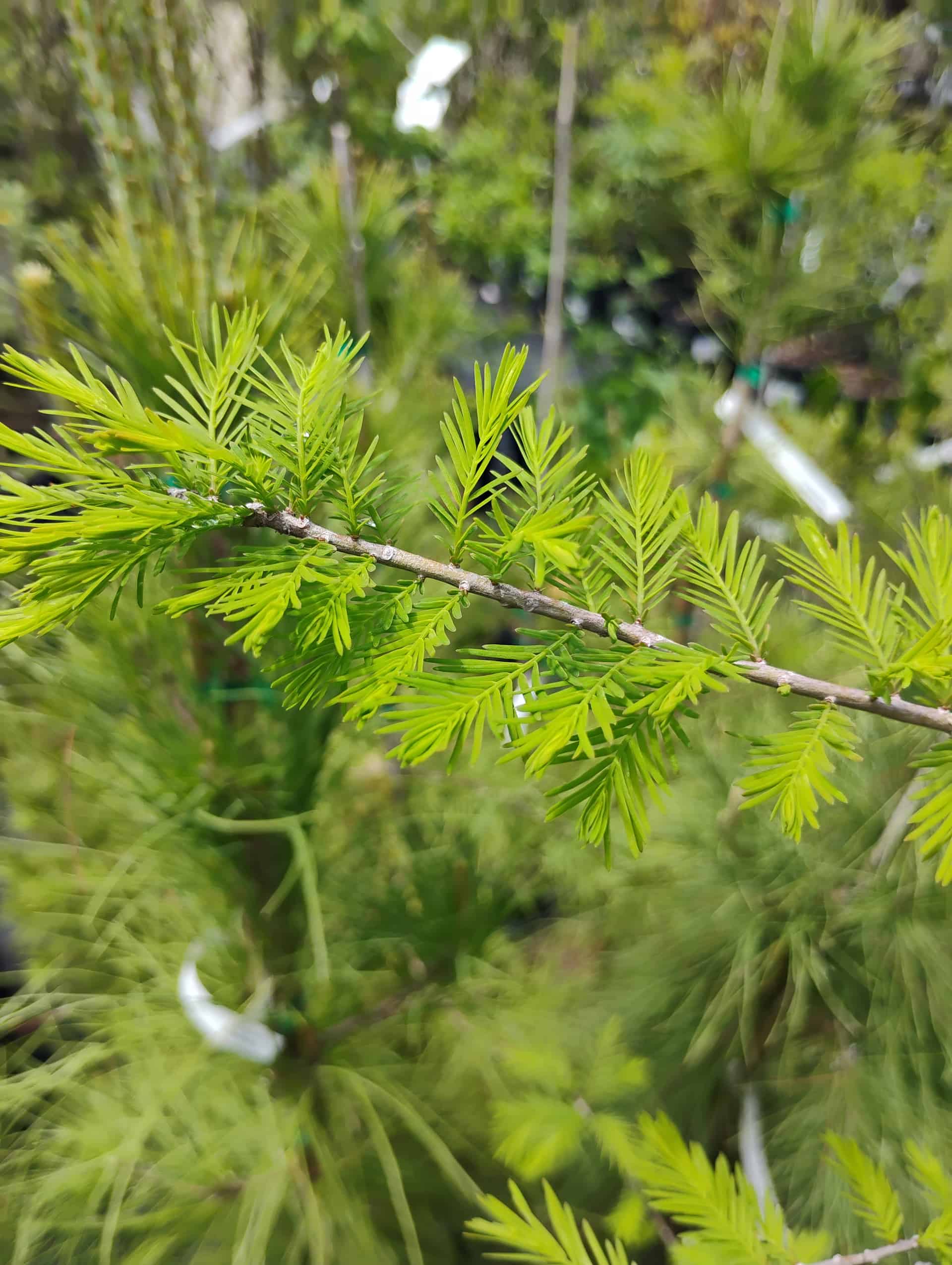
Bald Cypress
Shares 4 of the same needs: full sun, moderate water, sandy, and zone 9a hardiness.
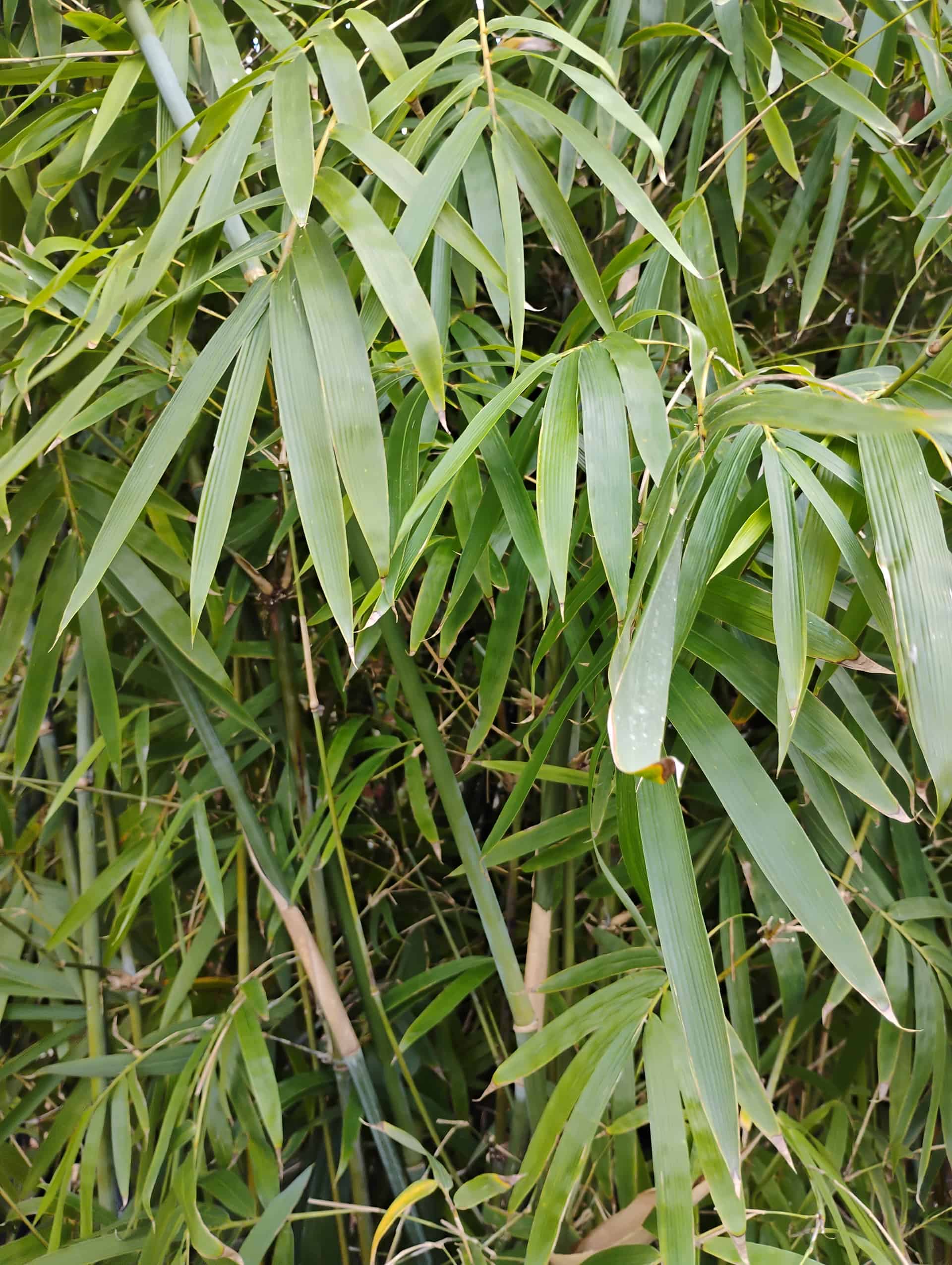
Bamboo
Shares 4 of the same needs: full sun, moderate water, sandy, and zone 9a hardiness.
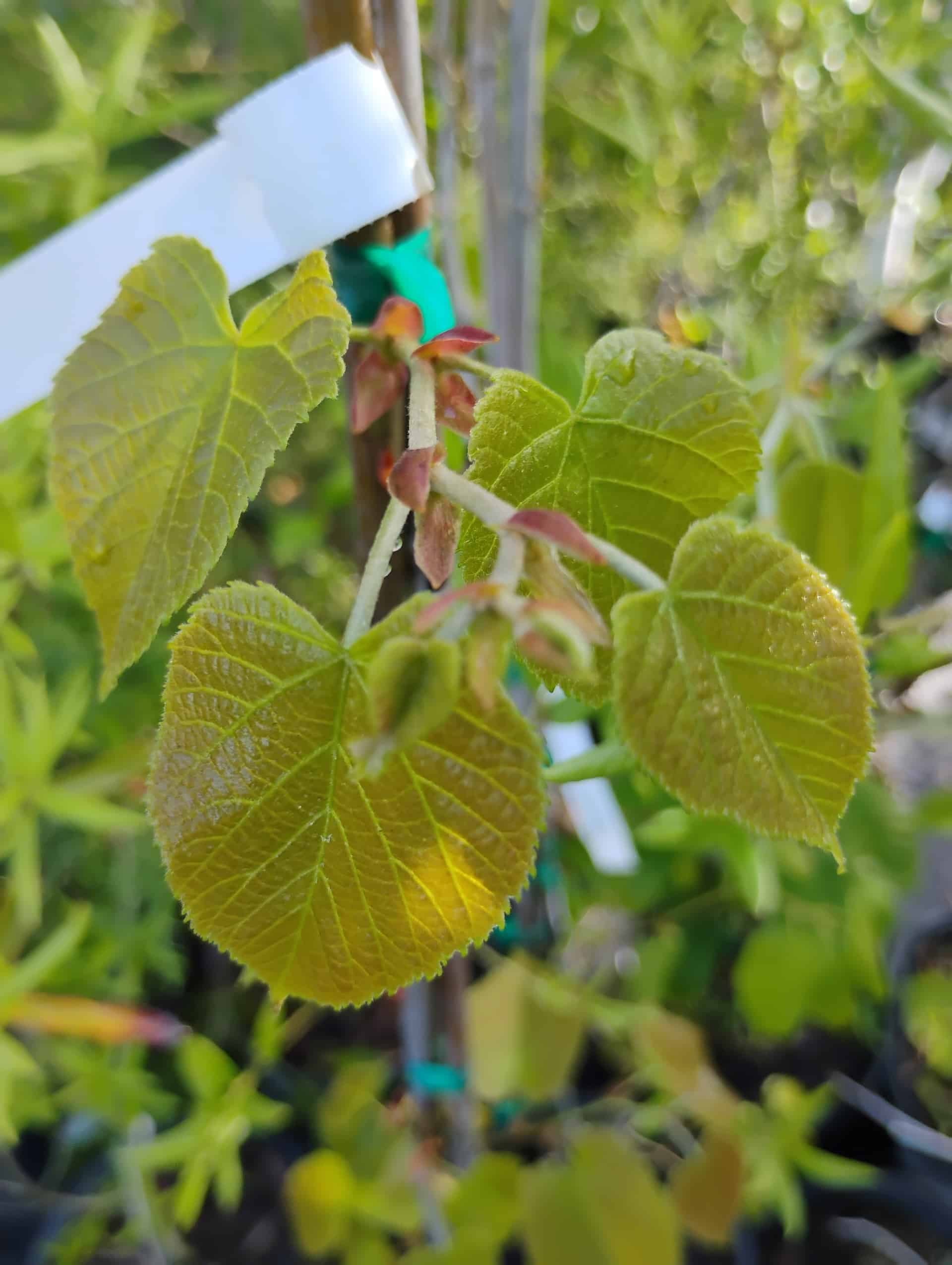
Basswood
Shares 4 of the same needs: full sun, moderate water, clay, and zone 9a hardiness.
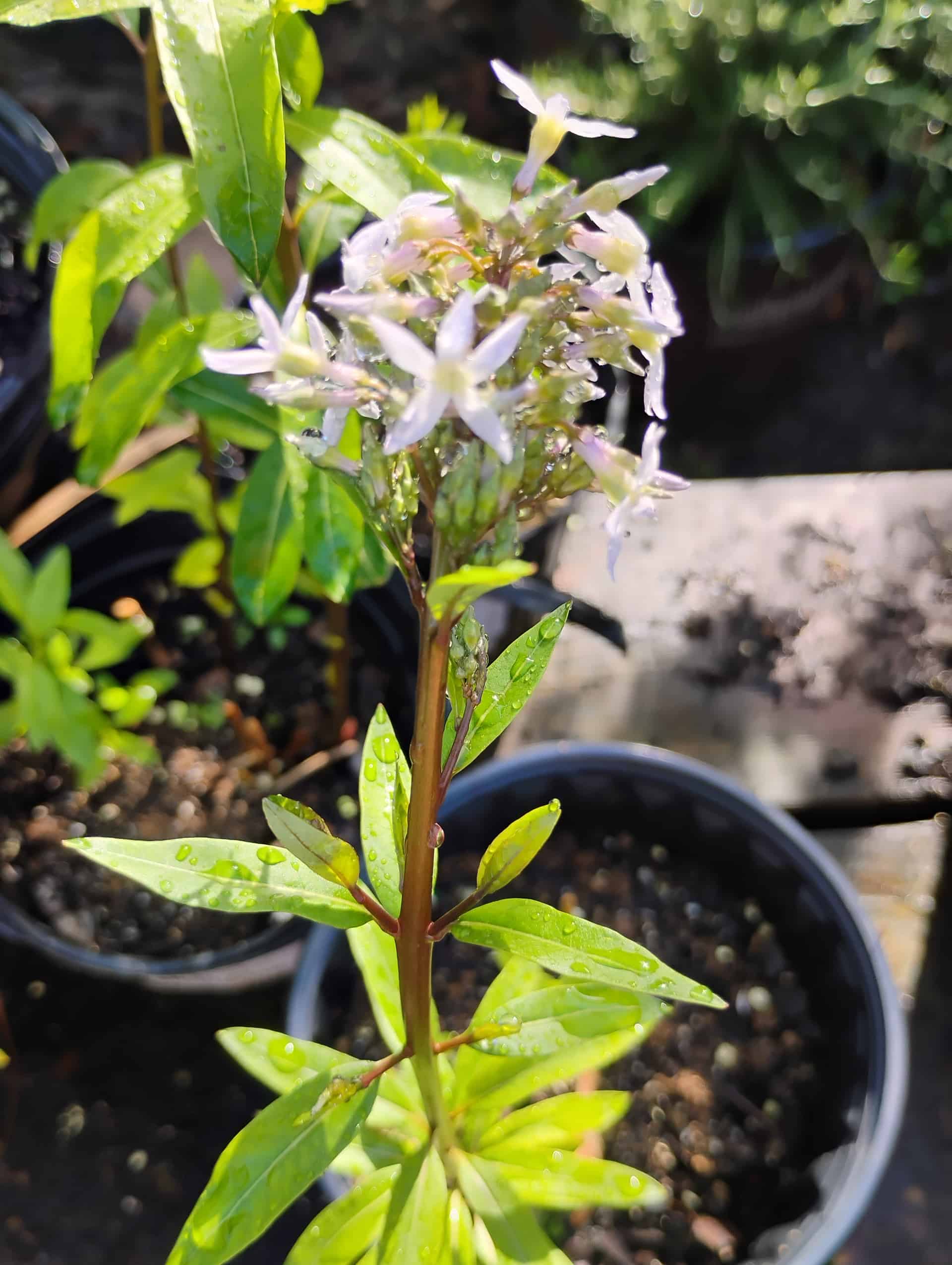
Bluestar
Shares 4 of the same needs: full sun, moderate water, sandy, and zone 9a hardiness.
Boston Fern
Shares 4 of the same needs: similar light, moderate water, sandy, and zone 9a hardiness.
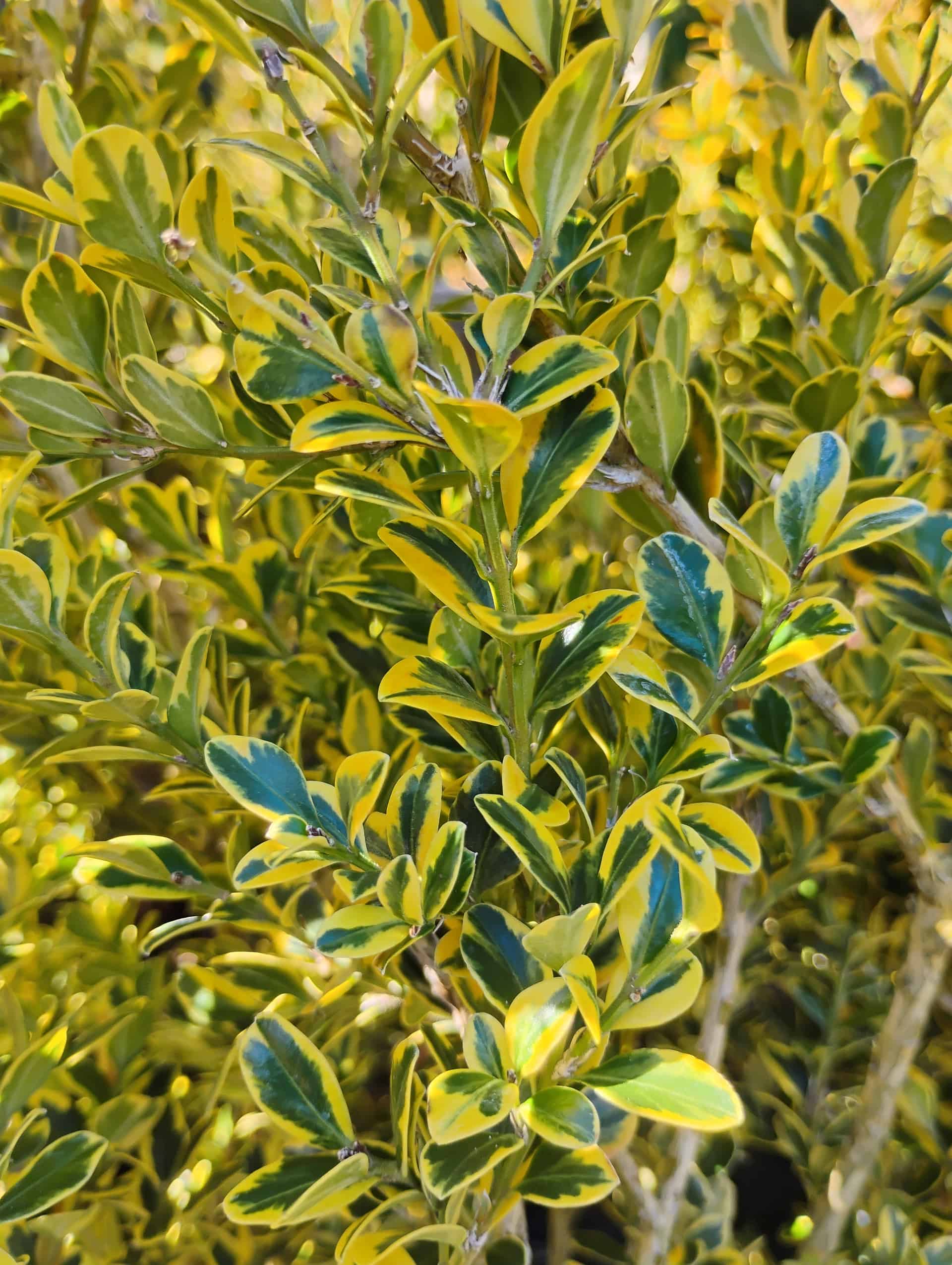
Boxwood
Shares 4 of the same needs: similar light, moderate water, clay, and zone 9a hardiness.
You may also like
Common questions
Is Mule Palm a good plant for St. Augustine?
Mule Palm is a palm for Zone 9b coastal Florida gardens, reaching 20-30 feet × 15-20 feet.
Care information verified from
Last reviewed March 2026. Our care guidance comes from trusted horticulture sources and decades of helping St. Augustine gardeners. Conditions here can vary dramatically from one area to the next, so come ask us and we'll tailor it to your yard.