
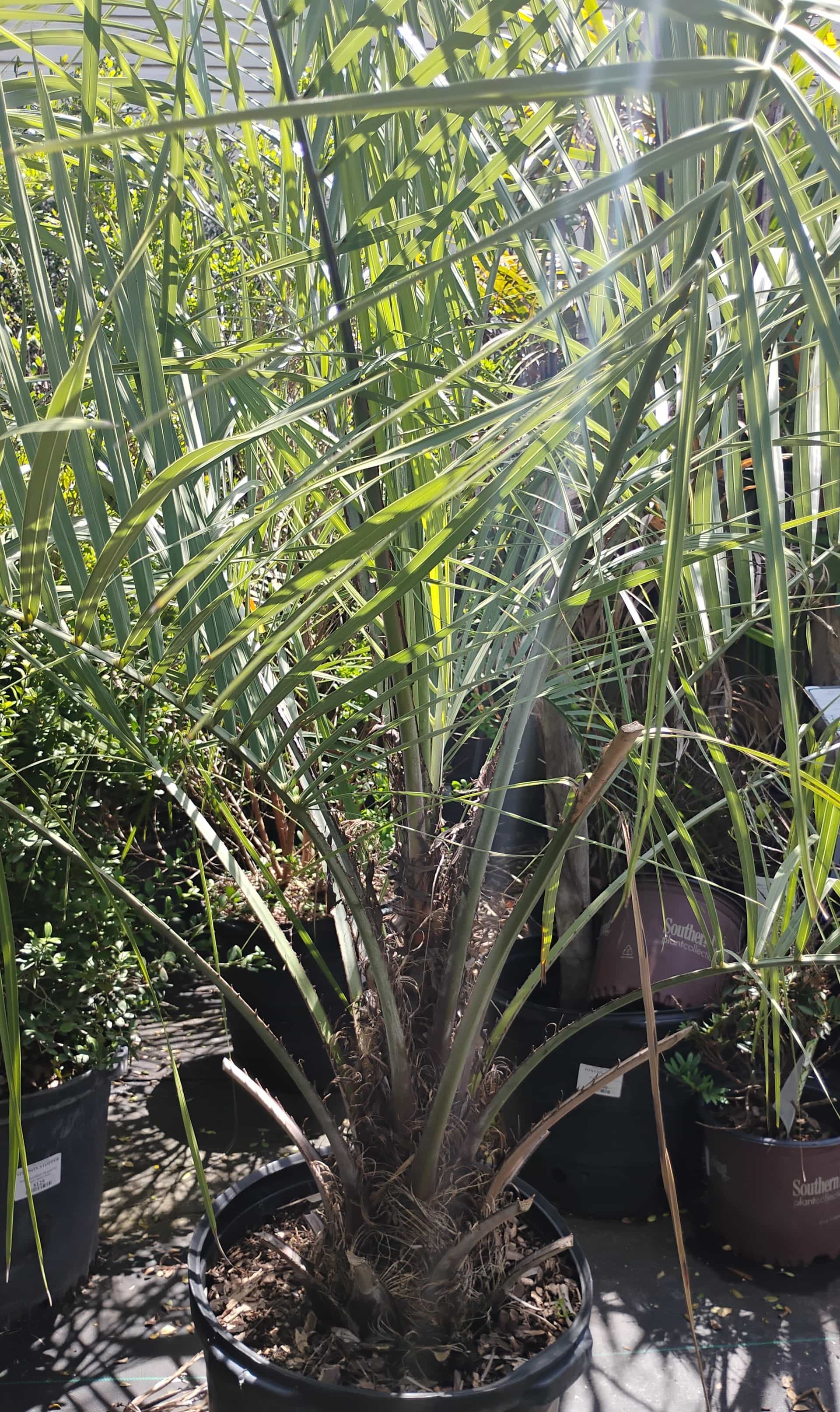
Pindo Palm
Butia capitata
Traits
Varieties We Bring In
Last received Aug 20, 2026.
We bring this in seasonally, so what is on the lot changes week to week. A received date shows when it last came in, not that it is here today.
Call (904) 471-0440 to confirm this plant and size before you make the trip.
About Pindo Palm
Pindo Palm, or Jelly Palm (Butia capitata), is a cold-hardy feather palm from South America with a stout, rough-textured trunk and gracefully arching, blue-green pinnate fronds. It bears clusters of fragrant, edible orange-yellow fruits used to make jelly, and is widely grown as a durable ornamental in warm and subtropical climates. Starting at $125.00.
Plant details
- Bloom Season
- Spring, Summer
- Flower Color
- Yellow
- Growth Rate
- Slow
- Foliage
- Evergreen
- Soil
- Sandy, Clay, Loam, Alkaline, Acidic, Well-drained
Best planting months
Seasonal care
Bloom season. Good planting window.
Bloom season. Handles summer heat well once established. Can be planted with extra attention to watering.
Ideal planting window.
Retains foliage through winter.
Care essentials
Plant pindo palm in full sun for best growth; it tolerates partial shade but produces a denser, more attractive form in full sun. Excellent choice for open lawns and specimen planting in Northeast Florida.
Drought-tolerant once established; water young trees regularly during the first year to encourage deep rooting. Mature palms rarely need supplemental irrigation in Northeast Florida's rainfall.
Adapts to a wide range of soils including sandy, clay, loam, alkaline, and acidic. Apply a palm-specific slow-release fertilizer (8-2-12 or similar) 3–4 times per year to prevent potassium and magnesium deficiencies common in Florida soils.
Similar needs
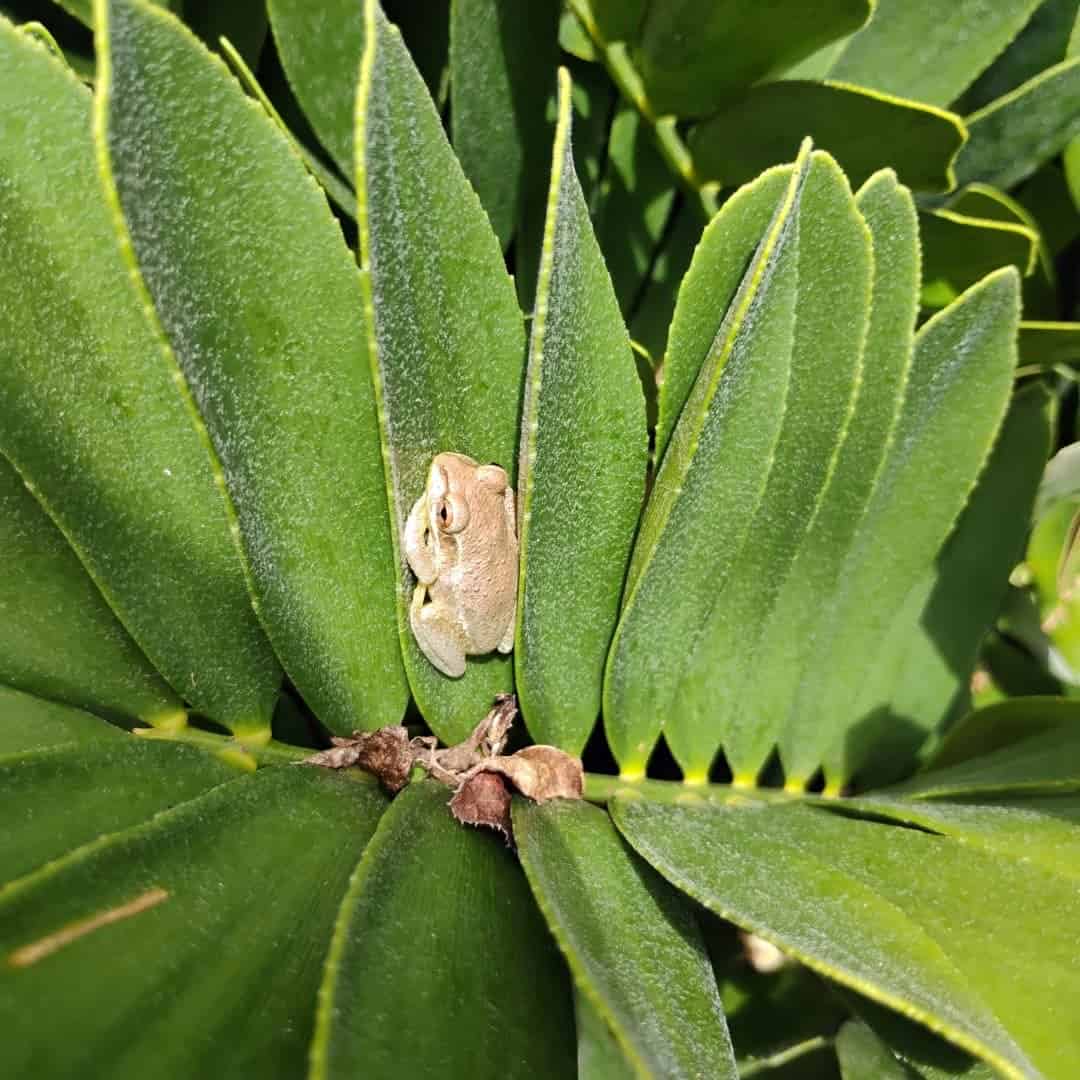
Cardboard Palm
Shares 4 of the same needs: full sun, low water, sandy, and zone 9a hardiness.
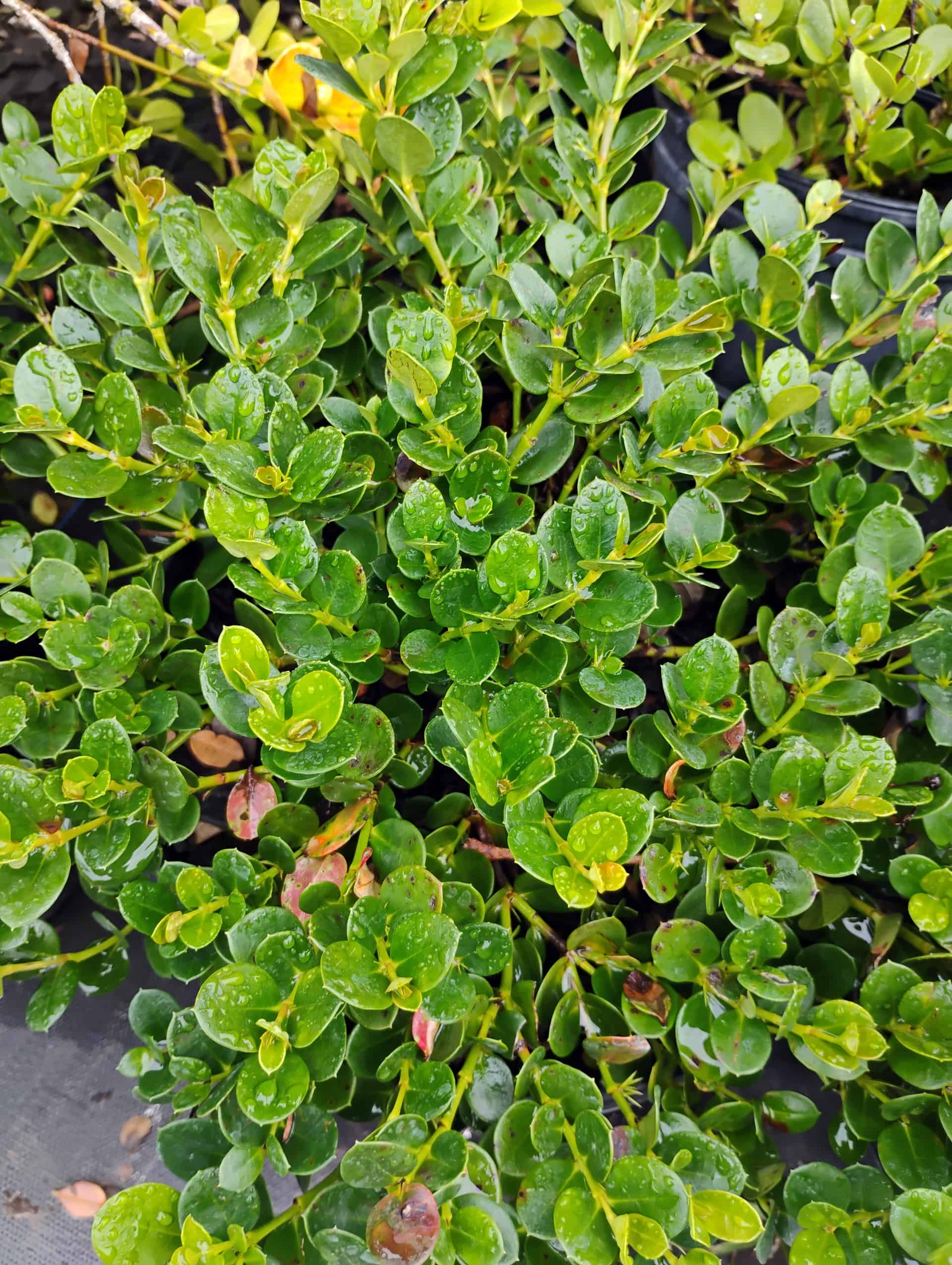
Natal Plum
Shares 4 of the same needs: full sun, low water, sandy, and zone 9a hardiness.
Jamaican Caper
Shares 3 of the same needs: full sun, low water, and sandy.
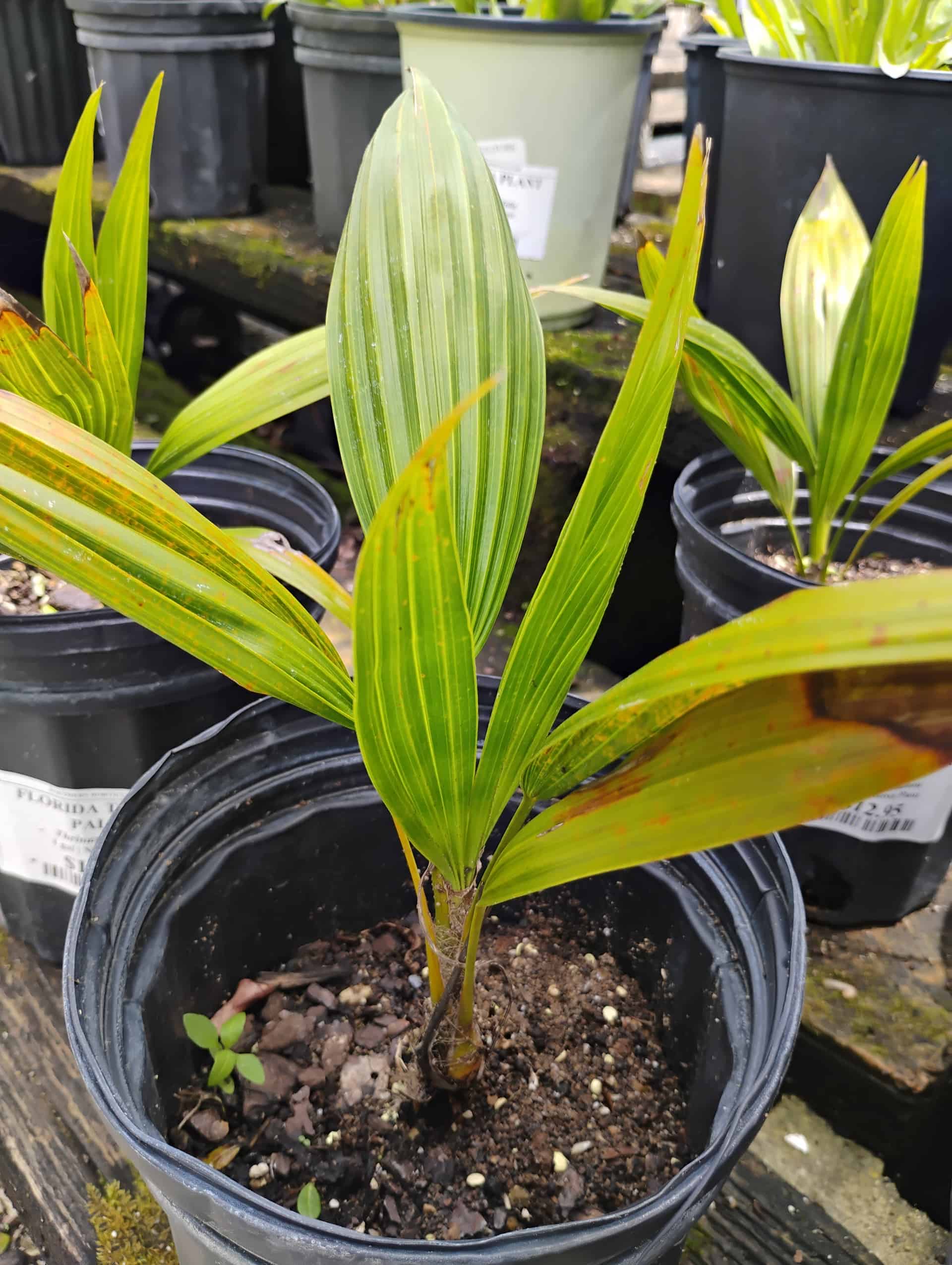
Florida Thatch Palm
Shares 3 of the same needs: full sun, low water, and sandy.
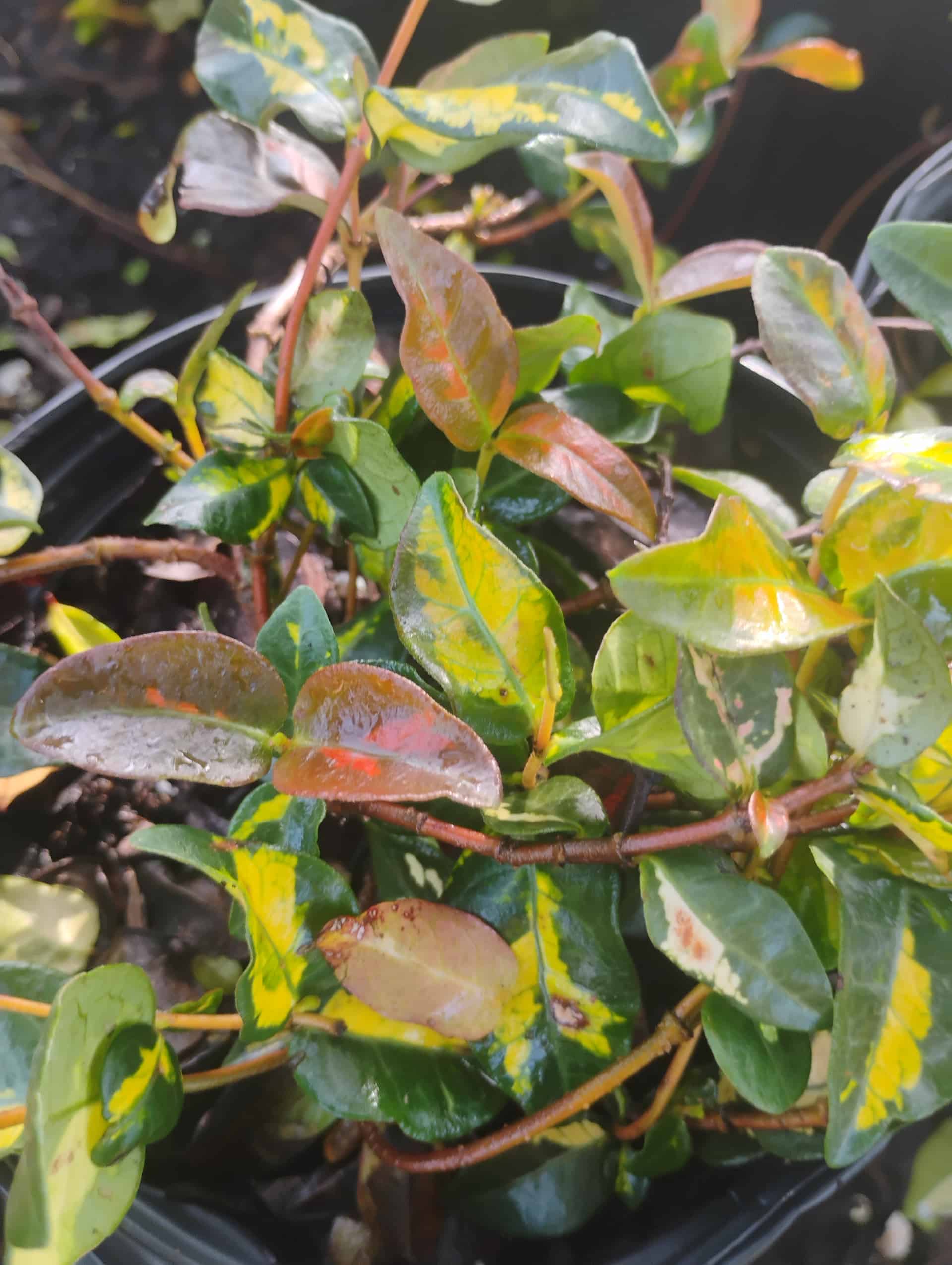
Asiatic Jasmine
Shares 4 of the same needs: full sun, low water, sandy, and zone 9a hardiness.
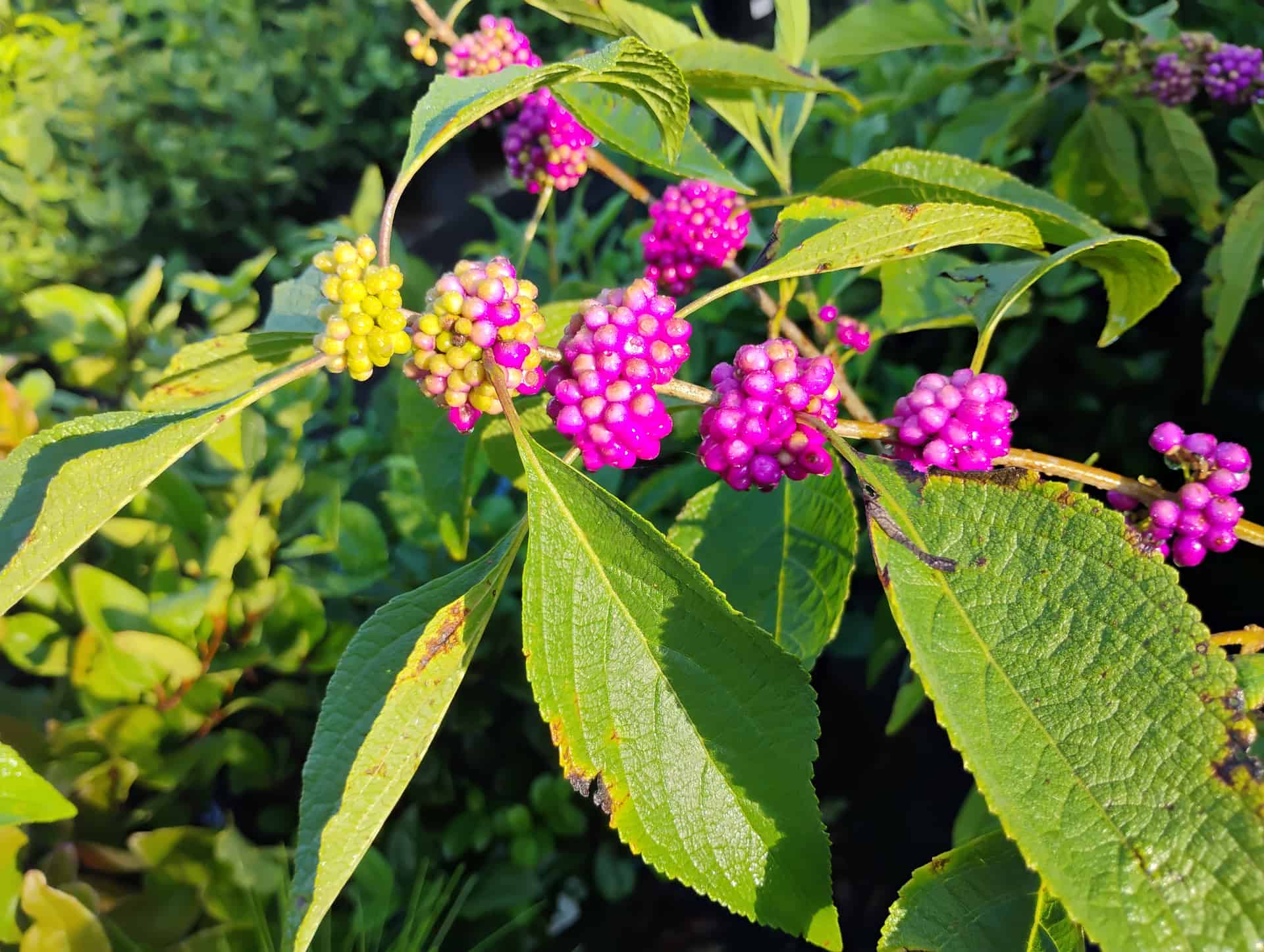
Beautyberry
Shares 4 of the same needs: full sun, low water, sandy, and zone 9a hardiness.
You may also like
Common questions
Is Pindo Palm a good plant for St. Augustine?
Pindo Palm is a palm for Zone 9b coastal Florida gardens, reaching 15-25 feet × 10-15 feet.
Care information verified from
Last reviewed March 2026. Our care guidance comes from trusted horticulture sources and decades of helping St. Augustine gardeners. Conditions here can vary dramatically from one area to the next, so come ask us and we'll tailor it to your yard.