
Traits
Varieties We Bring In
Standard
Standard
Standard
We received some Cardboard Palm on Sep 16, 2026.
We bring this in seasonally, so what is on the lot changes week to week. A received date shows when it last came in, not that it is here today.
Call (904) 471-0440 to confirm this plant and size before you make the trip.
Last received Sep 16, 2026.
We bring this in seasonally, so what is on the lot changes week to week. A received date shows when it last came in, not that it is here today.
Call (904) 471-0440 to confirm this plant and size before you make the trip.
Pet toxicity: Toxic to dogs and cats
Pet safety guideAbout Cardboard Palm
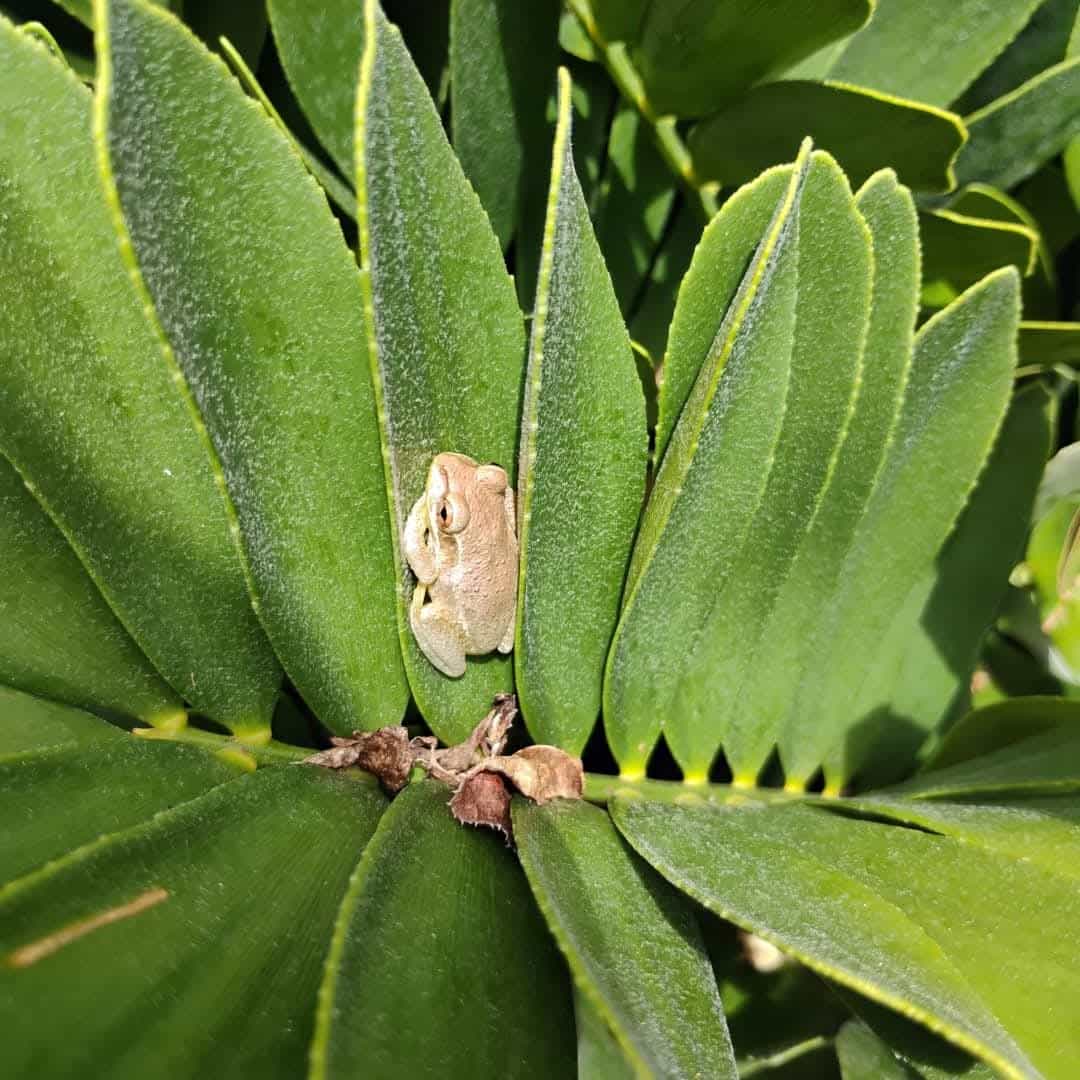
Zamia furfuracea, cardboard palm, is a slow-growing cycad native to eastern Mexico with stiff, arching fronds of leathery, oval leaflets that closely resemble corrugated cardboard in texture. Despite its palm-like appearance, it is a true cycad — an ancient non-flowering plant lineage — commonly used in tropical landscapes and containers.
Plant details
- Bloom Season
- Non-flowering (produces cones, Not true flowers)
- Flower Color
- Non-flowering
- Growth Rate
- Slow
- Foliage
- Evergreen
- Soil
- Sandy, Loam, Alkaline, Acidic, Well-drained
Best planting months
Recommended months: April, May, June.
Seasonal care
Good planting window.
Handles summer heat well once established. Can be planted with extra attention to watering.
Growth slows as temperatures cool.
Retains foliage through winter.
Care essentials
Thrives in full sun to part shade; acclimate slowly from shade-grown stock to avoid leaf scorch. In NE Florida, afternoon part shade can reduce heat stress.
Highly drought-tolerant once established in well-drained NE Florida soils. Water young plants regularly; reduce frequency as the trunk builds its water-storing reserves. Avoid overwatering — root rot is the primary risk.
Tolerates sandy, loamy, and even alkaline soils typical of NE Florida, provided drainage is excellent. Feed lightly with a slow-release cycad or palm fertilizer (8-2-12 with micronutrients) twice per year; avoid high-nitrogen formulas.
Similar needs
Natal Plum
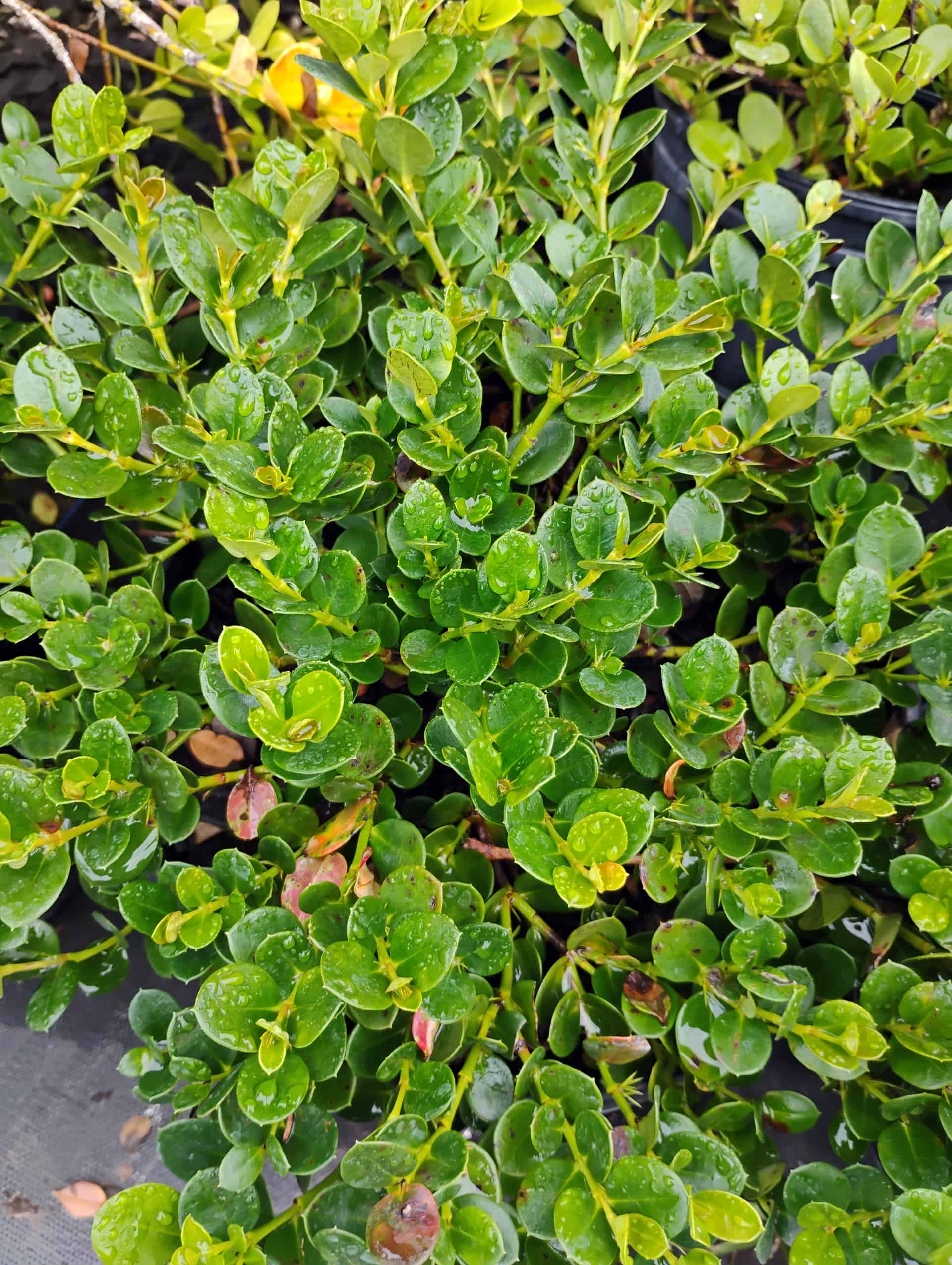
Shares 4 of the same needs: full sun, low water, sandy, and zone 9a hardiness.

Pindo Palm
Shares 4 of the same needs: full sun, low water, sandy, and zone 9a hardiness.
Jamaican Caper
Shares 3 of the same needs: full sun, low water, and sandy.
Baby's Breath
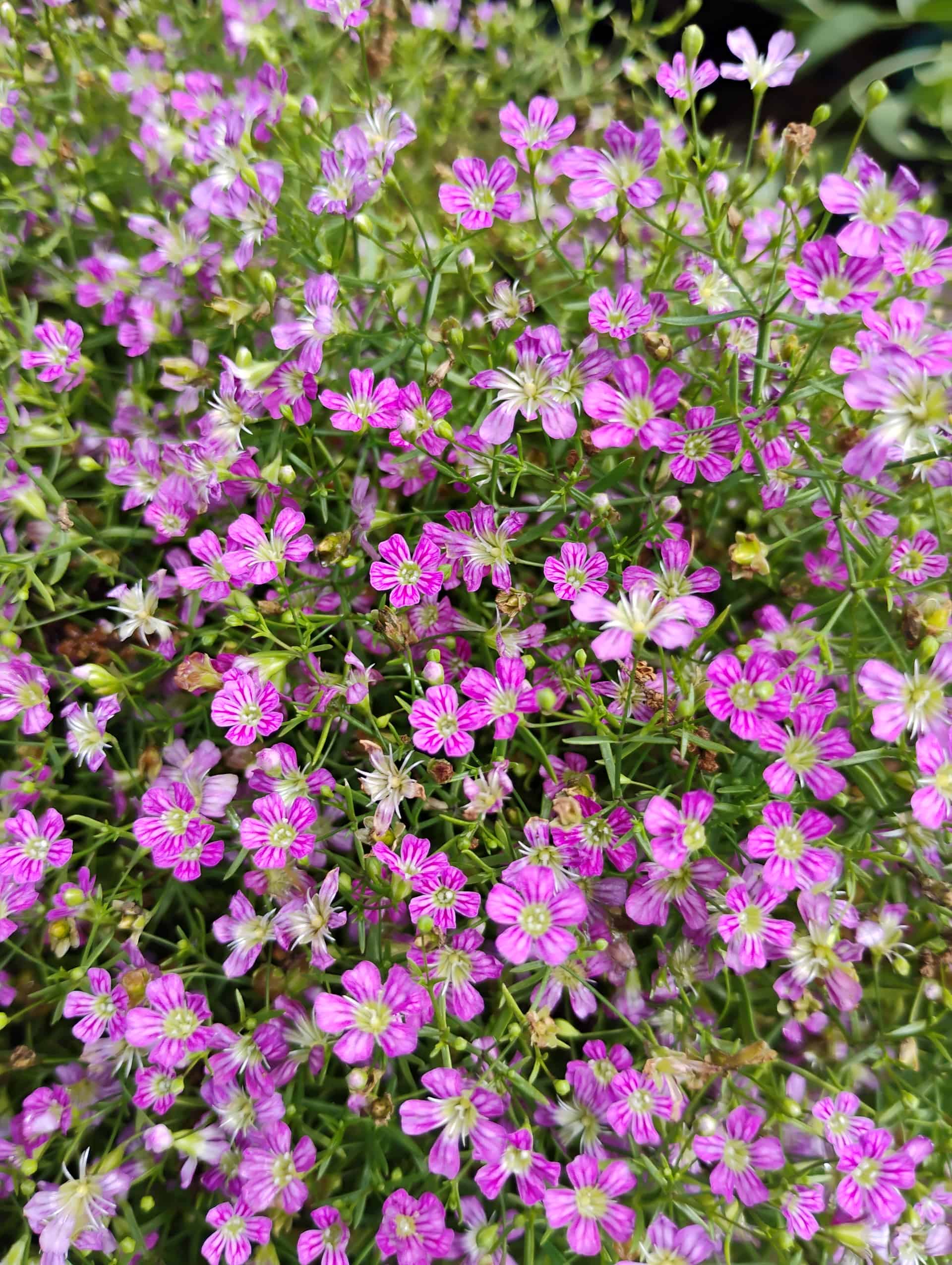
Shares 4 of the same needs: full sun, low water, sandy, and zone 9a hardiness.

Beach Bean
Shares 4 of the same needs: full sun, low water, sandy, and zone 9a hardiness.
Dwarf Poinciana
Shares 4 of the same needs: full sun, low water, sandy, and zone 9a hardiness.
You may also like


Common questions
Is Cardboard Palm a good plant for St. Augustine?
Cardboard Palm is a cycad. Mature size: 2-5 feet × 5-8 feet. Light: Full Sun, Part Shade. Water needs: Low. Recorded hardiness zone: 9a.
What is the recorded pet toxicity for Cardboard Palm?
Toxic to dogs and cats
Care information verified from
Last reviewed March 2026. Our care guidance comes from trusted horticulture sources and decades of helping St. Augustine gardeners. Conditions here can vary dramatically from one area to the next, so come ask us and we'll tailor it to your yard.