
Coconut Palm
Cocos nucifera
Varieties We Bring In
Last received Mar 11, 2026.
We bring this in seasonally, so what is on the lot changes week to week. A received date shows when it last came in, not that it is here today.
Call (904) 471-0440 to confirm this plant and size before you make the trip.
About Coconut Palm
Coconut Palm (Cocos nucifera) is the iconic tropical palm of pantropical coastlines, bearing large pinnate fronds and the familiar large, fibrous coconut fruit. In northeast Florida it is marginal — zone 9b winters can kill or severely damage coconut palms, which are reliably cold-hardy only in Zone 10a and warmer. Best reserved for the most frost-protected coastal microclimates. Starting at $44.95.
Plant details
- Bloom Season
- Year-round
- Flower Color
- Yellow
- Growth Rate
- Moderate
- Foliage
- Evergreen
- Soil
- Sandy, Well-drained
Best planting months
Seasonal care
In bloom. Good planting window.
In bloom. Can be planted with extra attention to watering.
In bloom. Ideal planting window.
In bloom. Retains foliage through winter. May need protection below 25°F.
Care essentials
Requires full sun — at least 6–8 hours of direct sunlight daily. Insufficient light reduces growth and fruit production.
Water regularly while establishing; once mature, coconut palms are moderately drought-tolerant but perform best with consistent moisture and high humidity. Do not allow soil to remain waterlogged.
Plant in well-drained sandy or loamy soil. Fertilize with a palm-specialty fertilizer (8-2-12 with micronutrients) three to four times per year to prevent potassium and manganese deficiency common in Florida sands.
Similar needs
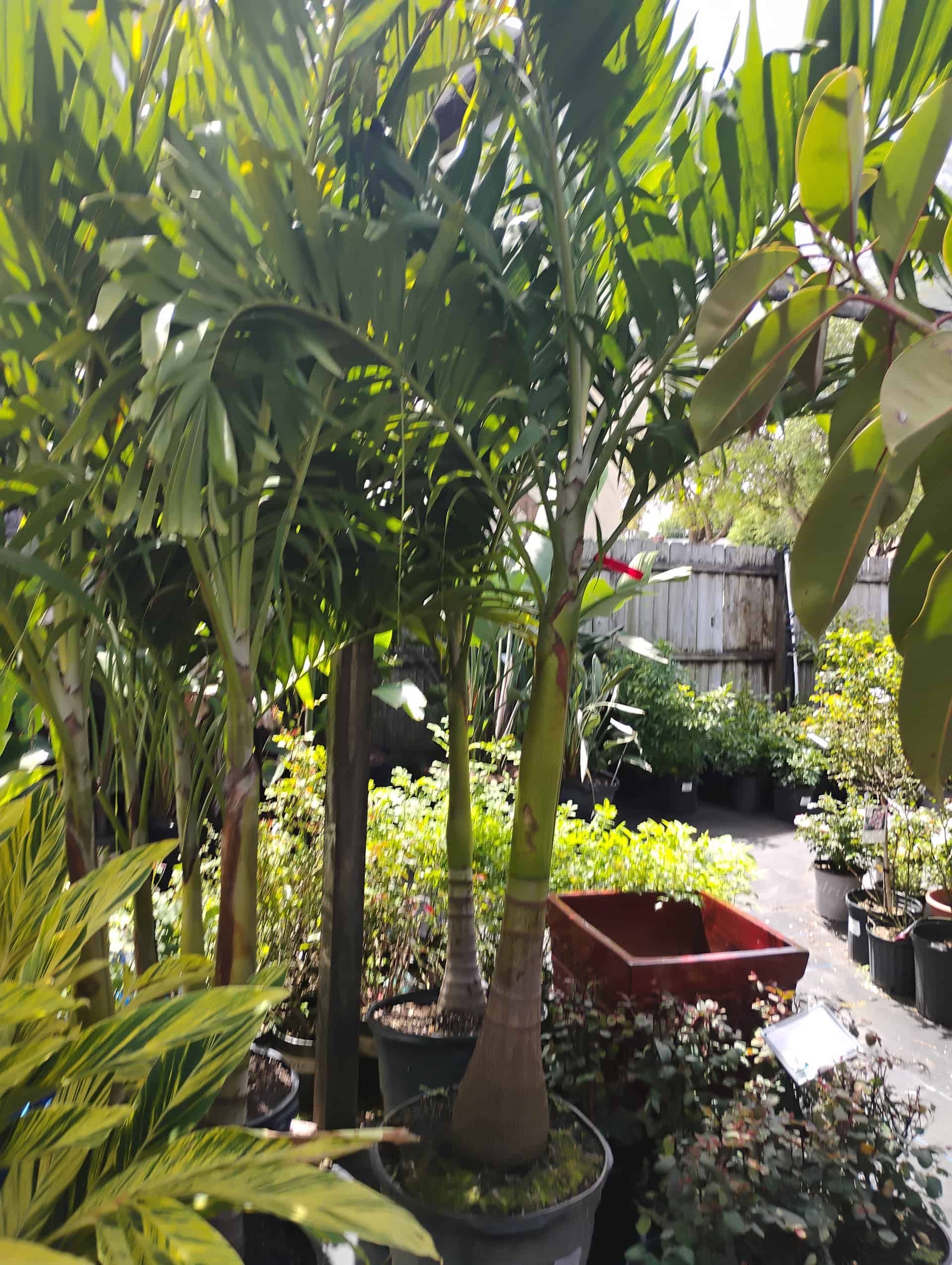
Adonidia Palm
Shares 3 of the same needs: full sun, moderate water, and sandy.
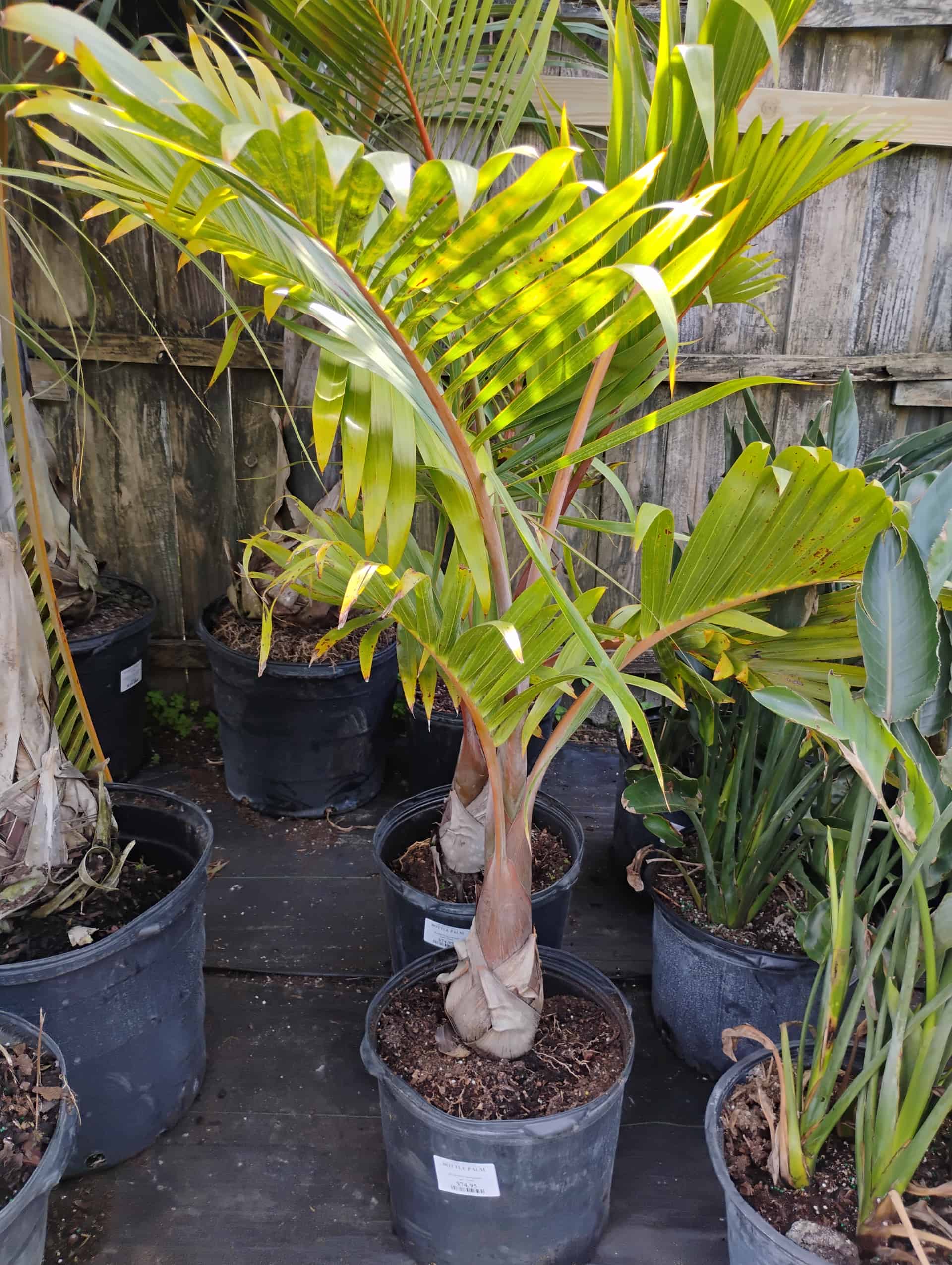
Bottle Palm
Shares 3 of the same needs: full sun, moderate water, and sandy.
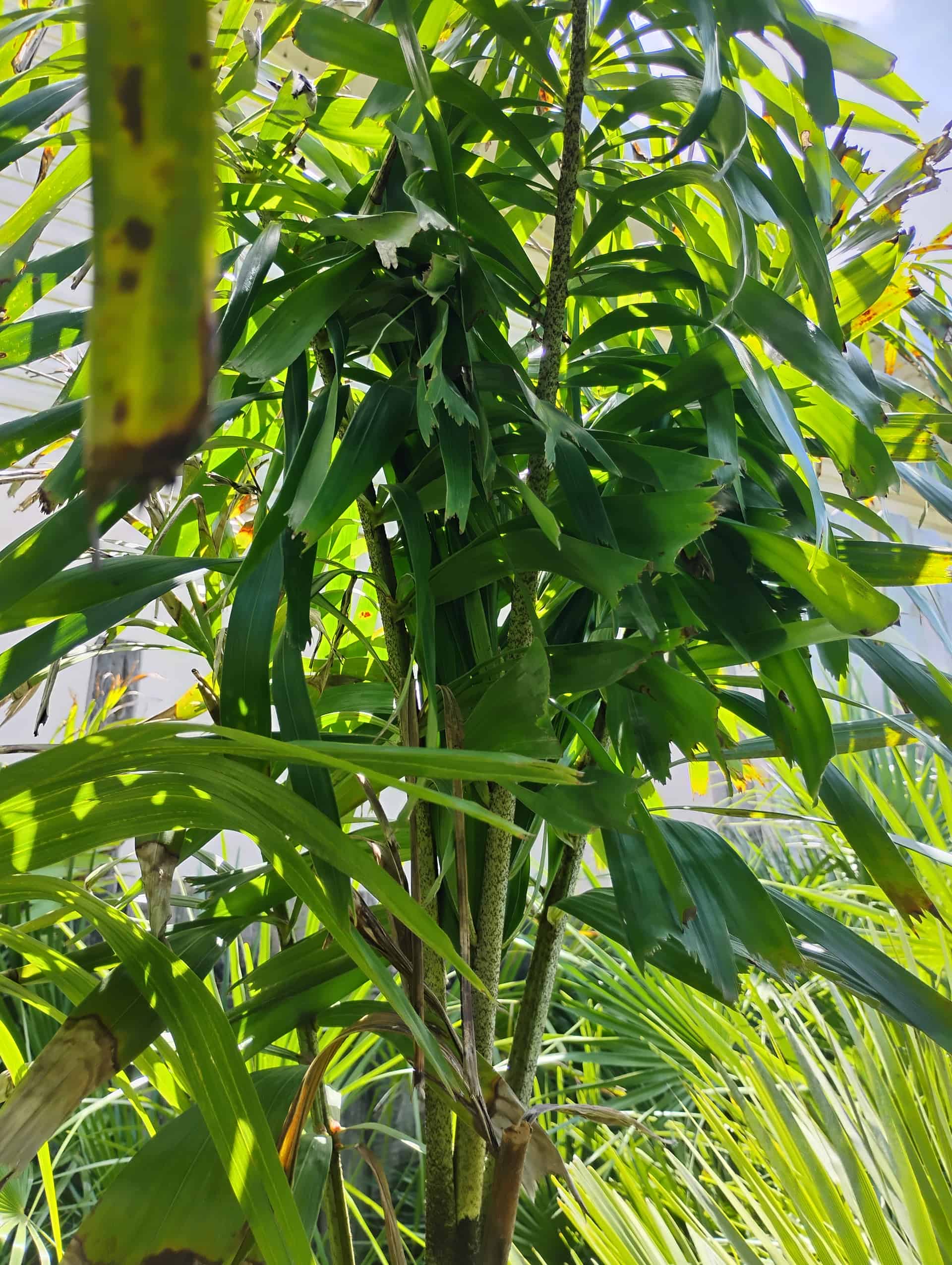
Foxtail Palm
Shares 3 of the same needs: full sun, moderate water, and sandy.
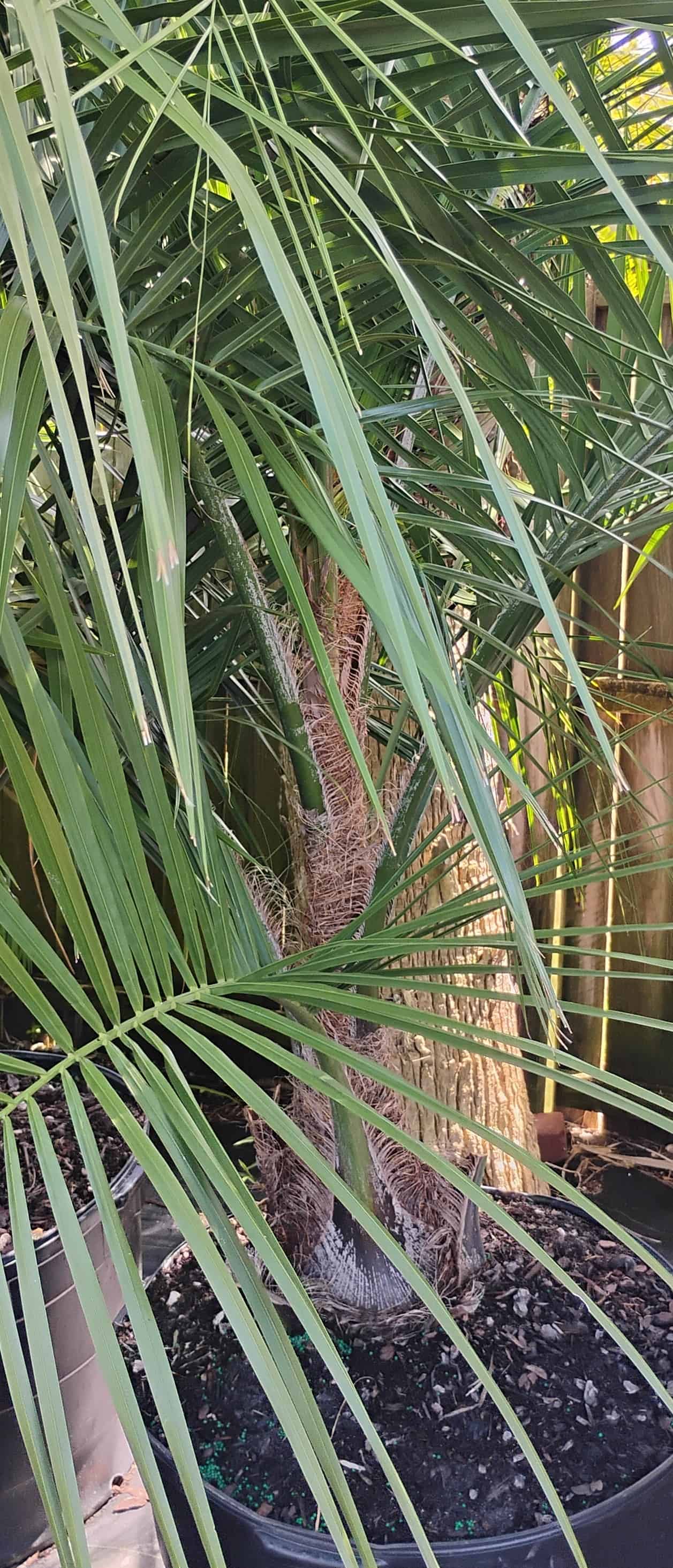
Mule Palm
Shares 3 of the same needs: full sun, moderate water, and sandy.
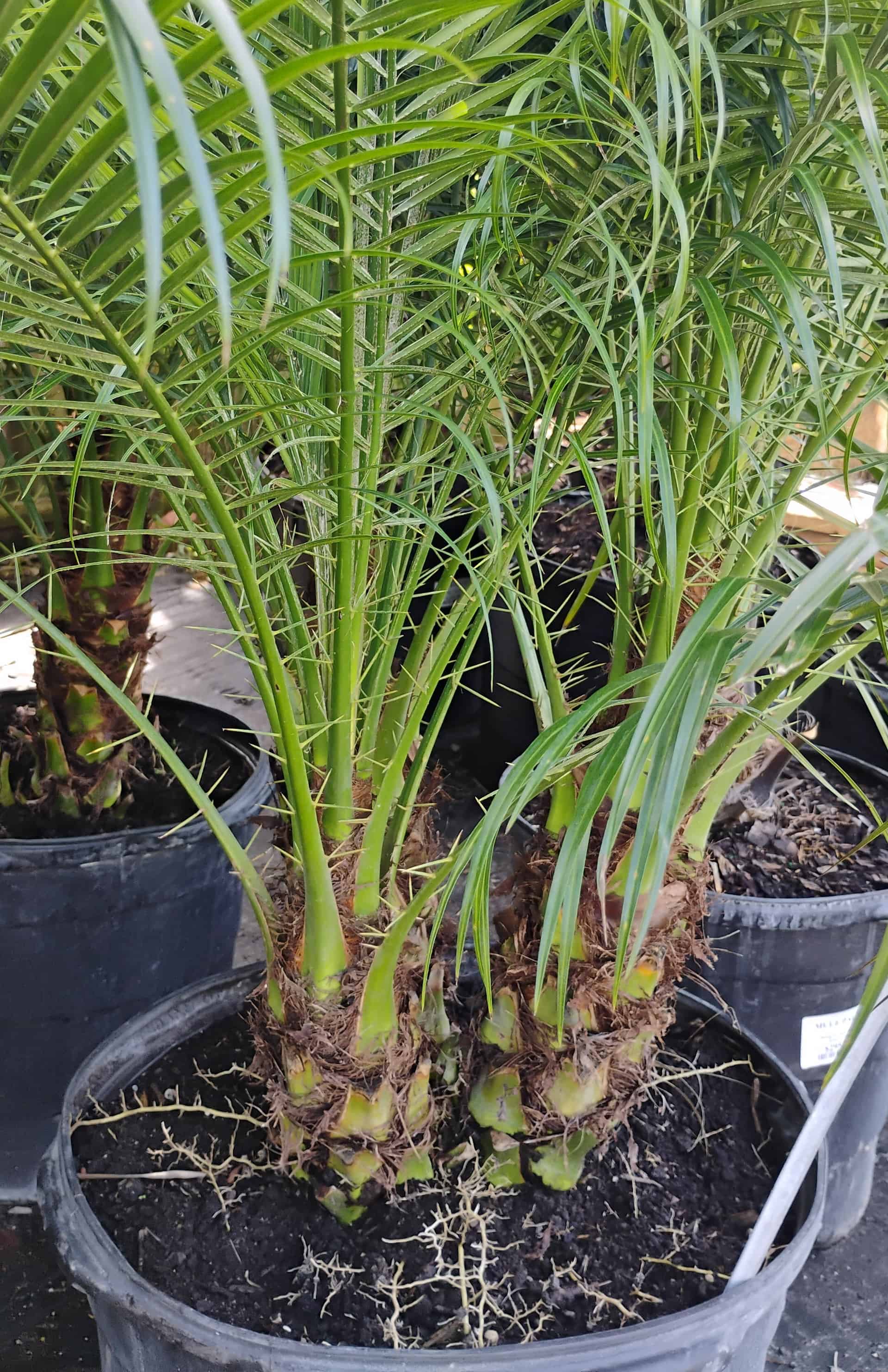
Pygmy Date Palm
Shares 3 of the same needs: full sun, moderate water, and sandy.
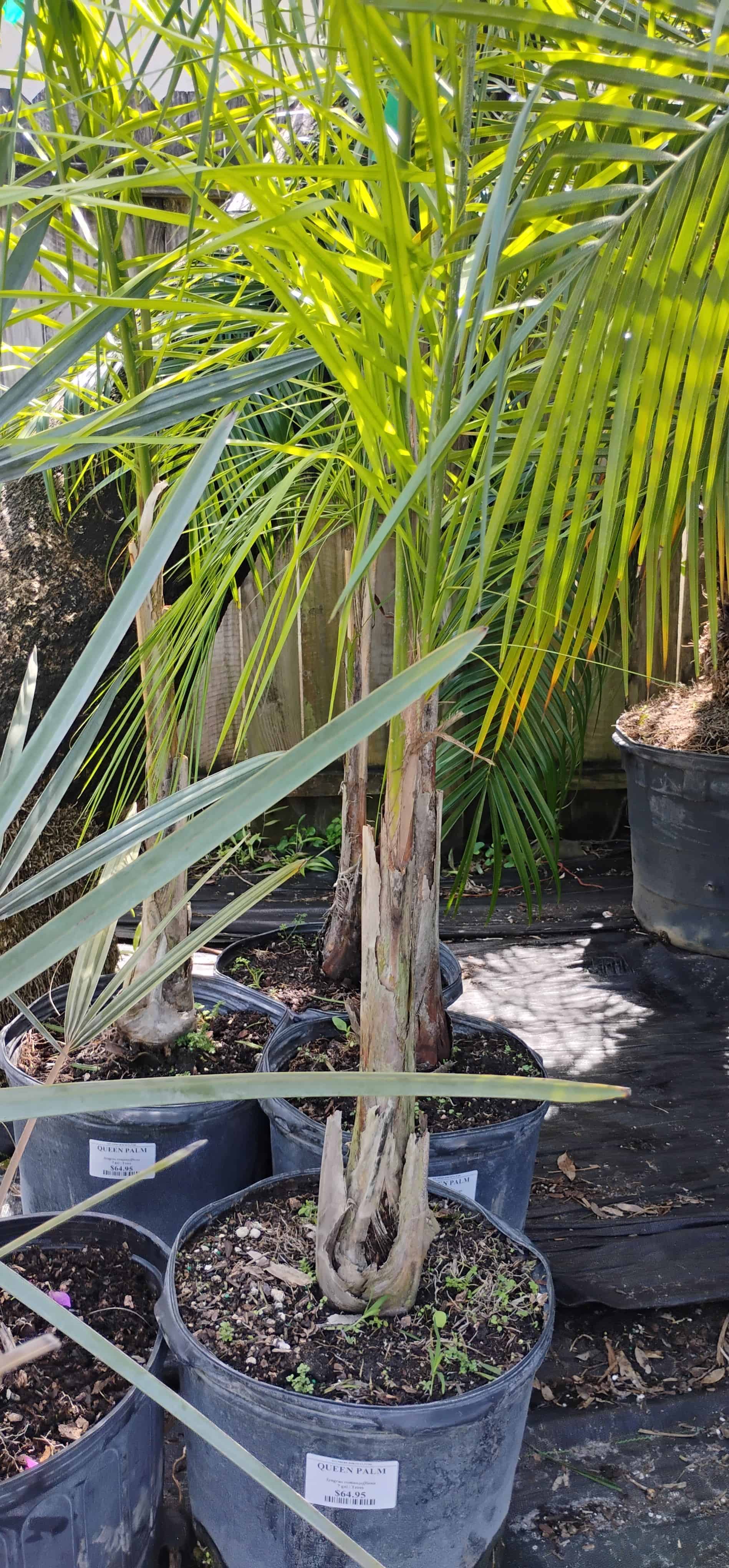
Queen Palm
Shares 3 of the same needs: full sun, moderate water, and sandy.
You may also like
Common questions
Is Coconut Palm a good plant for St. Augustine?
Coconut Palm is a palm for Zone 9b coastal Florida gardens, reaching 80-100 feet × 20-25 feet.
Care information verified from
Last reviewed March 2026. Our care guidance comes from trusted horticulture sources and decades of helping St. Augustine gardeners. Conditions here can vary dramatically from one area to the next, so come ask us and we'll tailor it to your yard.