
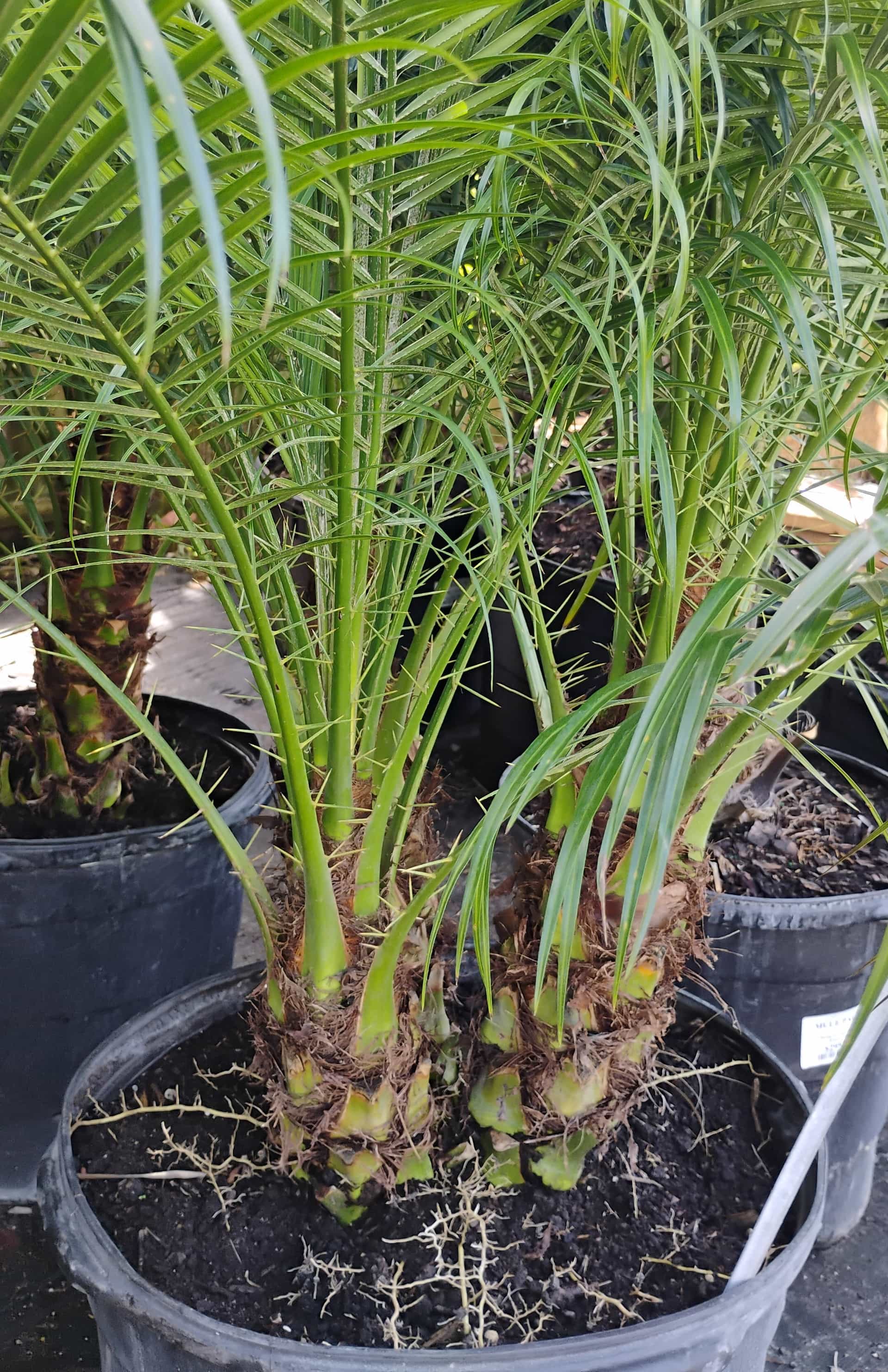
Varieties We Bring In
Standard
Standard · Triple
Standard
Triple · Double
We received some Pygmy Date Palm on Nov 4, 2026.
We bring this in seasonally, so what is on the lot changes week to week. A received date shows when it last came in, not that it is here today.
Call (904) 471-0440 to confirm this plant and size before you make the trip.
Last received Nov 4, 2026.
We bring this in seasonally, so what is on the lot changes week to week. A received date shows when it last came in, not that it is here today.
Call (904) 471-0440 to confirm this plant and size before you make the trip.
Pet toxicity: Non-toxic to dogs and cats
Pet safety guideAbout Pygmy Date Palm
Pygmy Date Palm (Phoenix roebelenii) is a delicate, slow-growing solitary or clustering palm native to Laos and southern China, with a slender, rough-textured trunk and a fine-textured canopy of arching, dark green pinnate fronds. Its compact size and graceful form make it a versatile specimen for tropical garden beds, containers, and entryways.
Plant details
- Bloom Season
- Spring
- Flower Color
- White
- Growth Rate
- Slow
- Foliage
- Evergreen
- Soil
- Sandy, Loam, Well-drained
Best planting months
Recommended months: May, June, July, August, September.
Seasonal care
Bloom season. Good planting window.
Can be planted with extra attention to watering.
Ideal planting window.
Retains foliage through winter. May need protection below 25°F.
Care essentials
Grows best in full sun but tolerates part shade; full sun produces the most compact, attractive form. Avoid deep shade, which causes an open, leggy appearance.
Water regularly during establishment; drought tolerant once established but benefits from supplemental irrigation during dry spells. Ensure excellent drainage — this palm does not tolerate wet feet.
Use a slow-release palm fertilizer with elevated potassium and micronutrients (magnesium, manganese) applied 3 times per year (spring, summer, fall). NE Florida sandy soils are potassium-deficient; do not remove fronds showing yellowing until fully dead, as they supply residual potassium.
Similar needs
Bamboo Palm
Shares 3 of the same needs: shade, moderate water, and sandy.
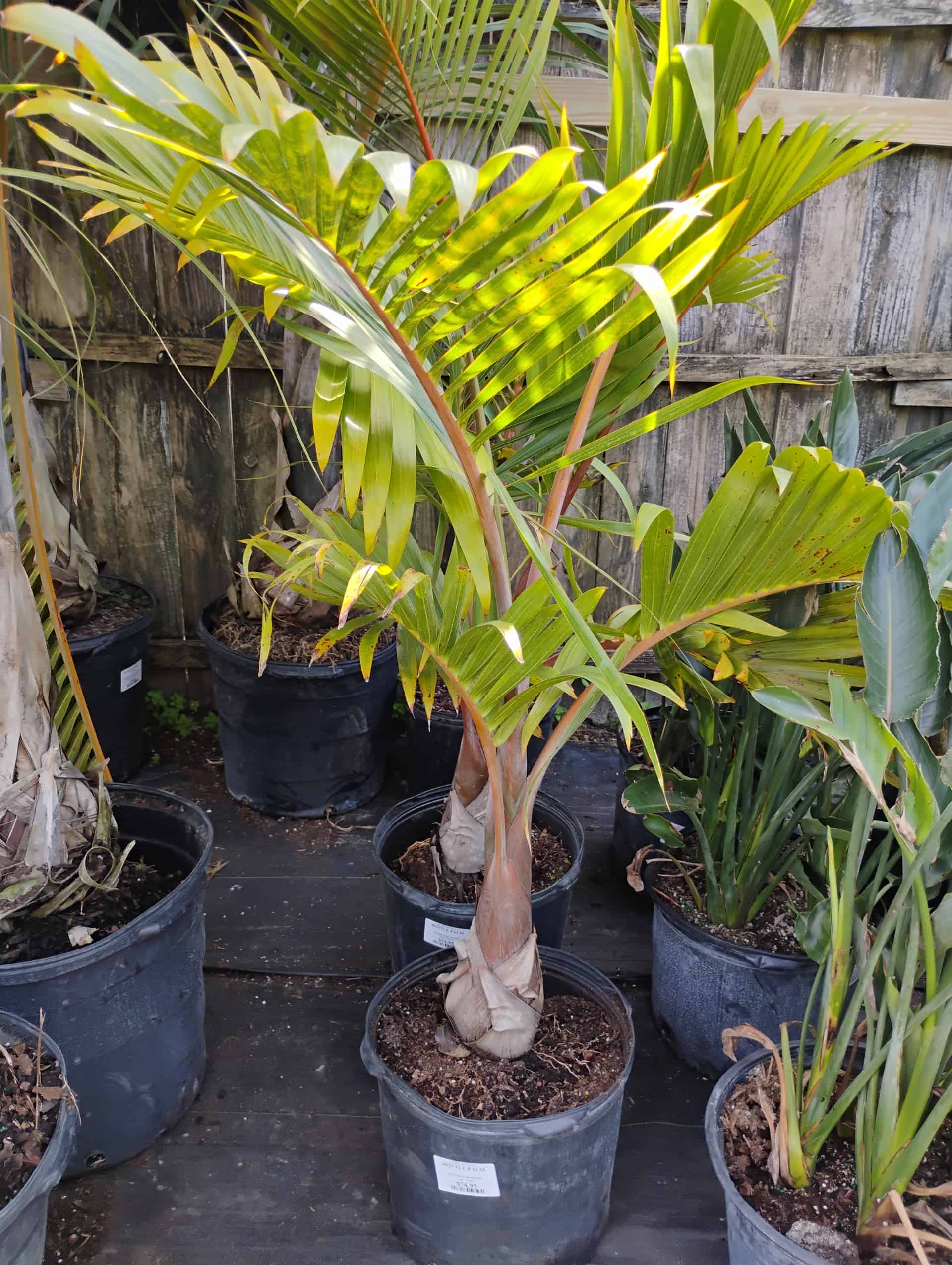
Bottle Palm
Shares 3 of the same needs: full sun, moderate water, and sandy.
Windmill Palm
Shares 3 of the same needs: full sun, moderate water, and sandy.

Lady Palm
Shares 3 of the same needs: shade, moderate water, and loam.

Neanthe Bella Palm
Shares 3 of the same needs: shade, moderate water, and loam.
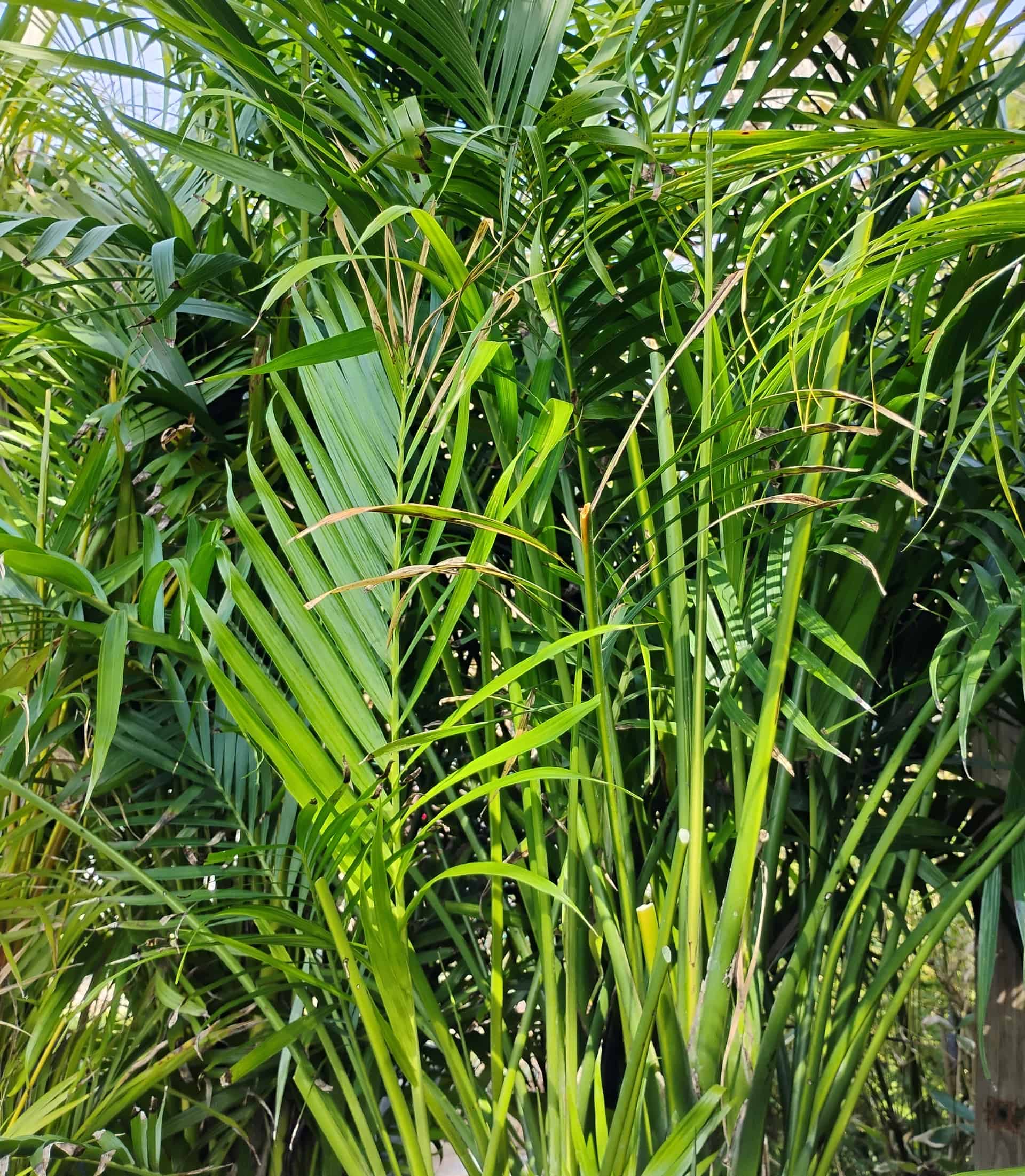
Areca Palm
Shares 3 of the same needs: full sun, moderate water, and well-drained soil.
You may also like
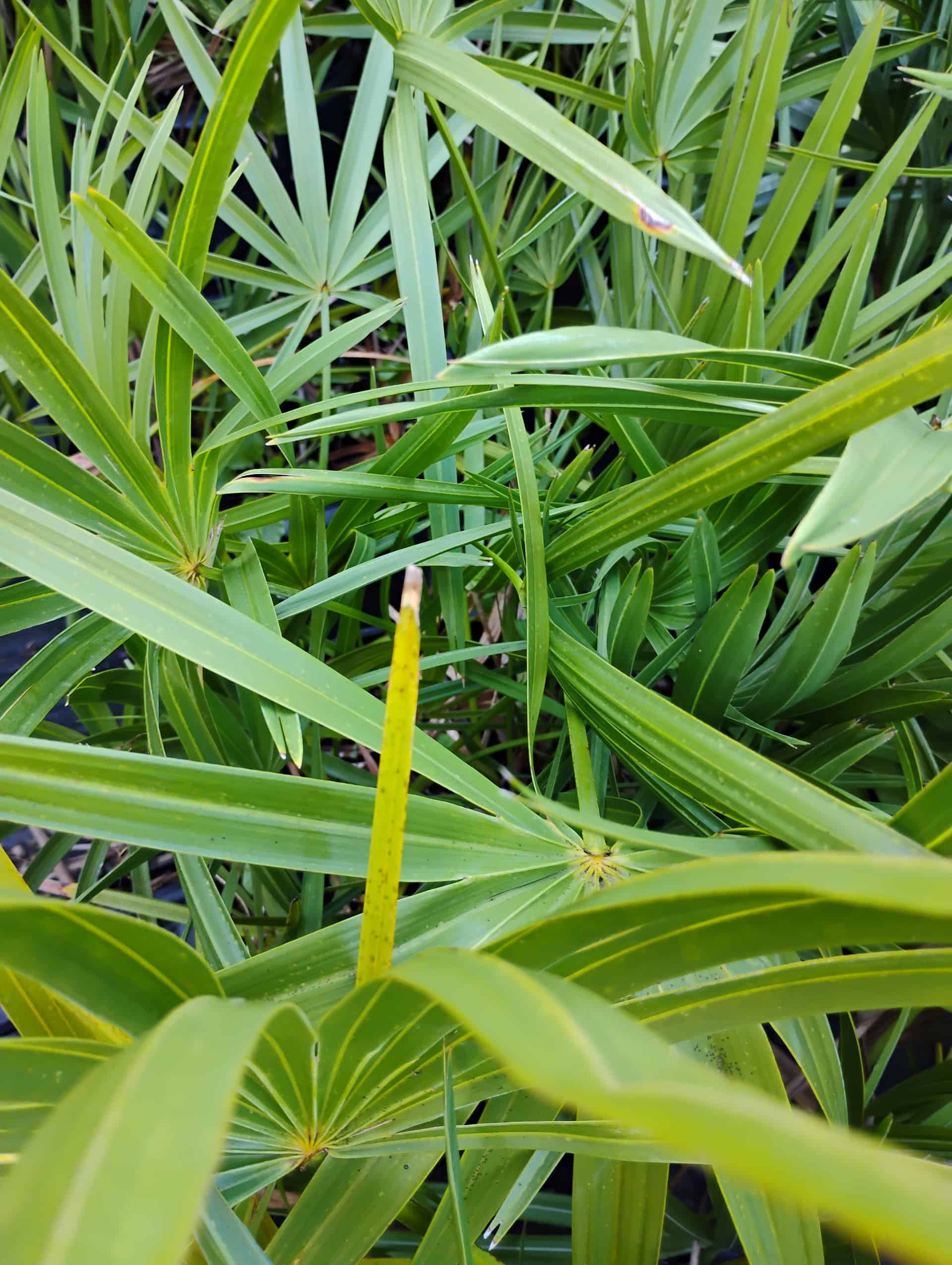 Palm
Saw Palmetto
Serenoa repens
PalmAreca Palm
Dypsis lutescens
Bamboo Palm
Chamaedorea seifrizii
Common questions
Is Pygmy Date Palm a good plant for St. Augustine?
Pygmy Date Palm is a palm. Mature size: 8-12 feet × 6-8 feet. Light: Full Sun, Part Shade. Water needs: Moderate.
What is the recorded pet toxicity for Pygmy Date Palm?
Non-toxic to dogs and cats
Care information verified from
Last reviewed March 2026. Our care guidance comes from trusted horticulture sources and decades of helping St. Augustine gardeners. Conditions here can vary dramatically from one area to the next, so come ask us and we'll tailor it to your yard.