
Varieties We Bring In
Standard
Standard
Standard
We received some Dwarf Palmetto on Jul 16, 2026.
We bring this in seasonally, so what is on the lot changes week to week. A received date shows when it last came in, not that it is here today.
Call (904) 471-0440 to confirm this plant and size before you make the trip.
Last received Jul 16, 2026.
We bring this in seasonally, so what is on the lot changes week to week. A received date shows when it last came in, not that it is here today.
Call (904) 471-0440 to confirm this plant and size before you make the trip.
Pet toxicity: not on file, check before planting where pets chew
Pet safety guideAbout Dwarf Palmetto
A slow-growing native fan palm of the southeastern U.S. with a mostly subterranean trunk and large fan-shaped blue-green palmate leaves. Produces compound flower clusters up to 6 feet long bearing creamy-white fragrant flowers, followed by shiny black fruits.
Plant details
- Bloom Season
- Summer
- Flower Color
- White
- Growth Rate
- Slow
- Foliage
- Evergreen
- Soil
- Sandy, Loam, Clay, Well-drained, Wet
Care essentials
Dwarf Palmetto naturally grows as an understory palm and prefers partial shade, though it adapts well to full sun in NE Florida. Young plants should be established in part shade before transitioning to full sun exposure; mature palms tolerate full sun without issue.
Thrives in moist to wet soils and can tolerate periodic standing water — well suited to NE Florida's wet summers. Once established, it is also moderately drought tolerant. Water regularly for the first 2–3 years; after that, supplemental irrigation is needed only during extended dry periods.
Highly adaptable to NE Florida's range of soils from sandy uplands to moist clay and seasonally flooded sites. Apply a slow-release palm-formula fertilizer (with magnesium and manganese) twice yearly in spring and summer; avoid fertilizing in fall or winter. Mulch around the base to retain moisture and moderate soil temperature.
Similar needs
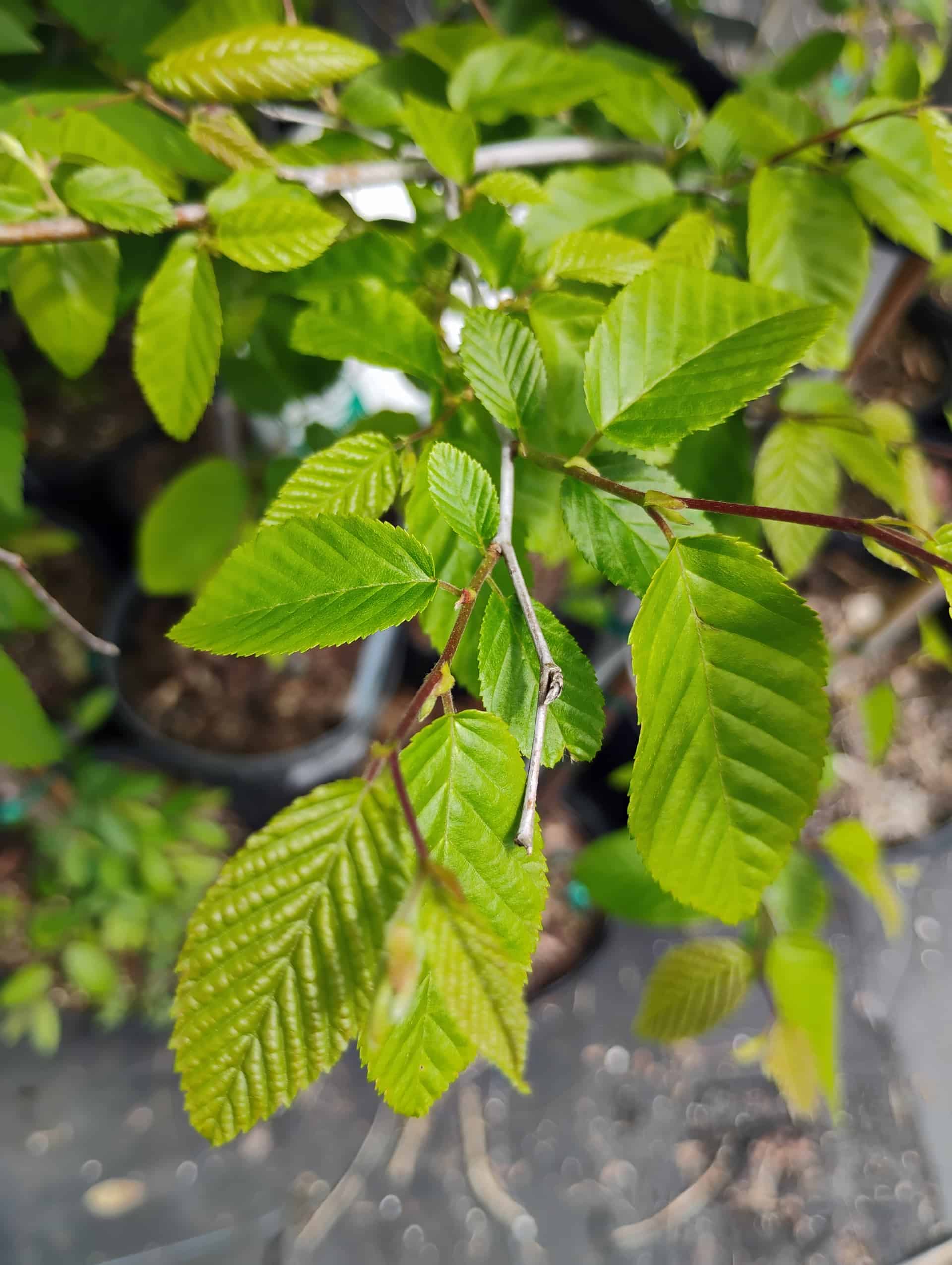
American Hornbeam
Shares 5 of the same needs: full sun, high water, sandy, zone 9a hardiness, and pollinator-friendly.
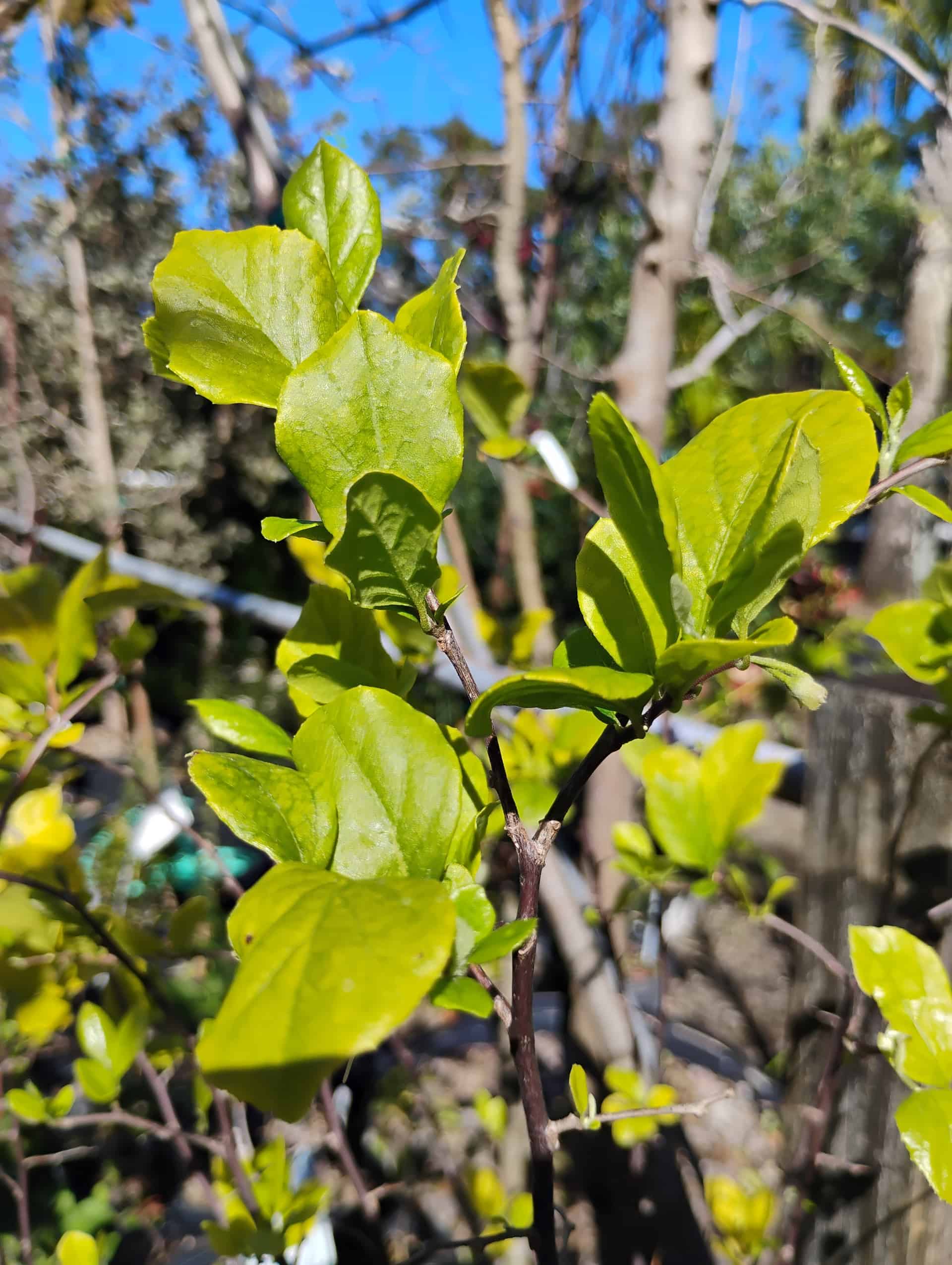
American Snowbell
Shares 5 of the same needs: full sun, high water, loam, zone 9a hardiness, and pollinator-friendly.

Calla Lily
Shares 5 of the same needs: shade, high water, loam, zone 9a hardiness, and pollinator-friendly.
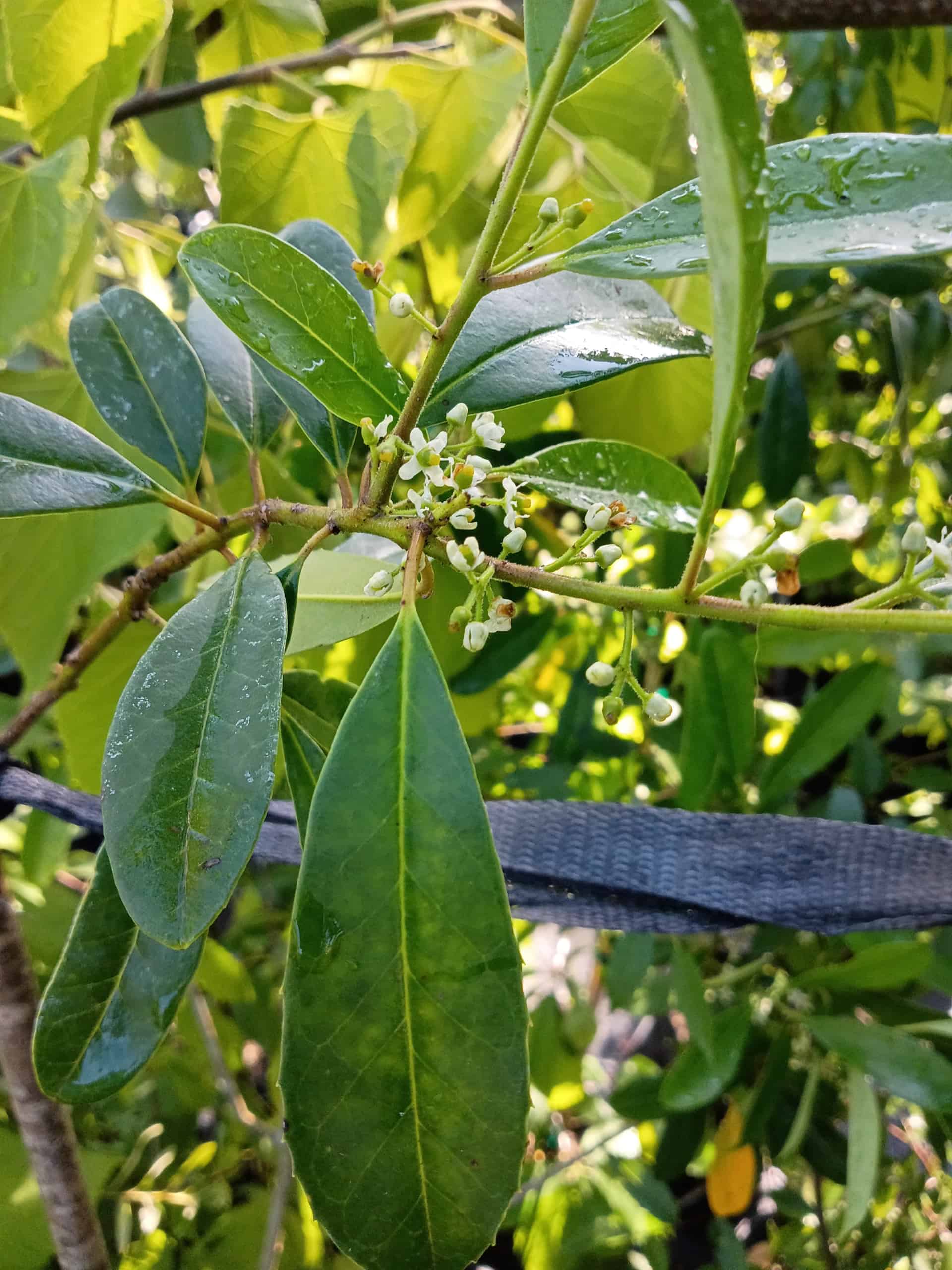
Dahoon Holly
Shares 5 of the same needs: full sun, high water, sandy, zone 9a hardiness, and pollinator-friendly.
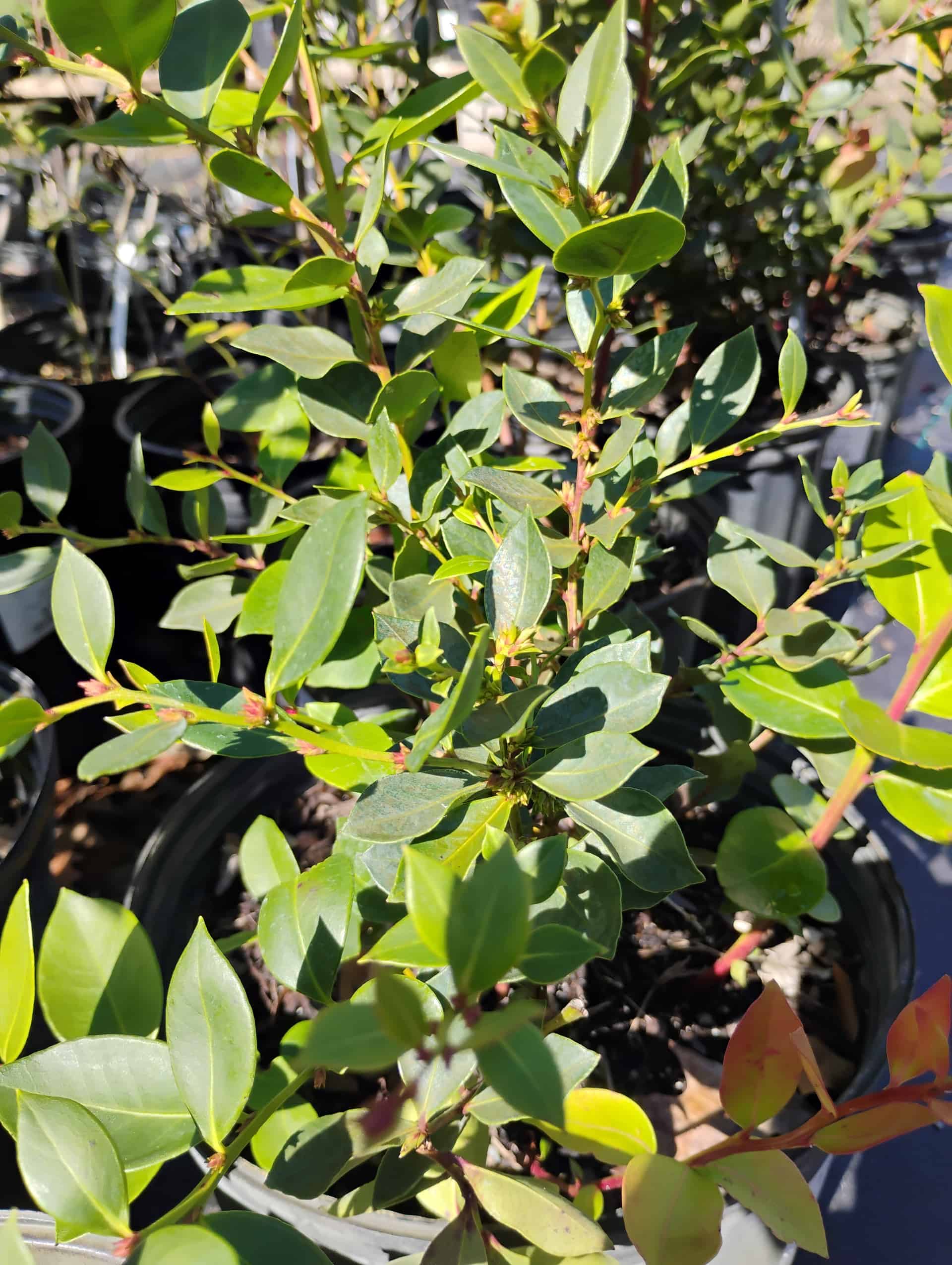
Fetterbush
Shares 5 of the same needs: full sun, high water, sandy, zone 9a hardiness, and pollinator-friendly.
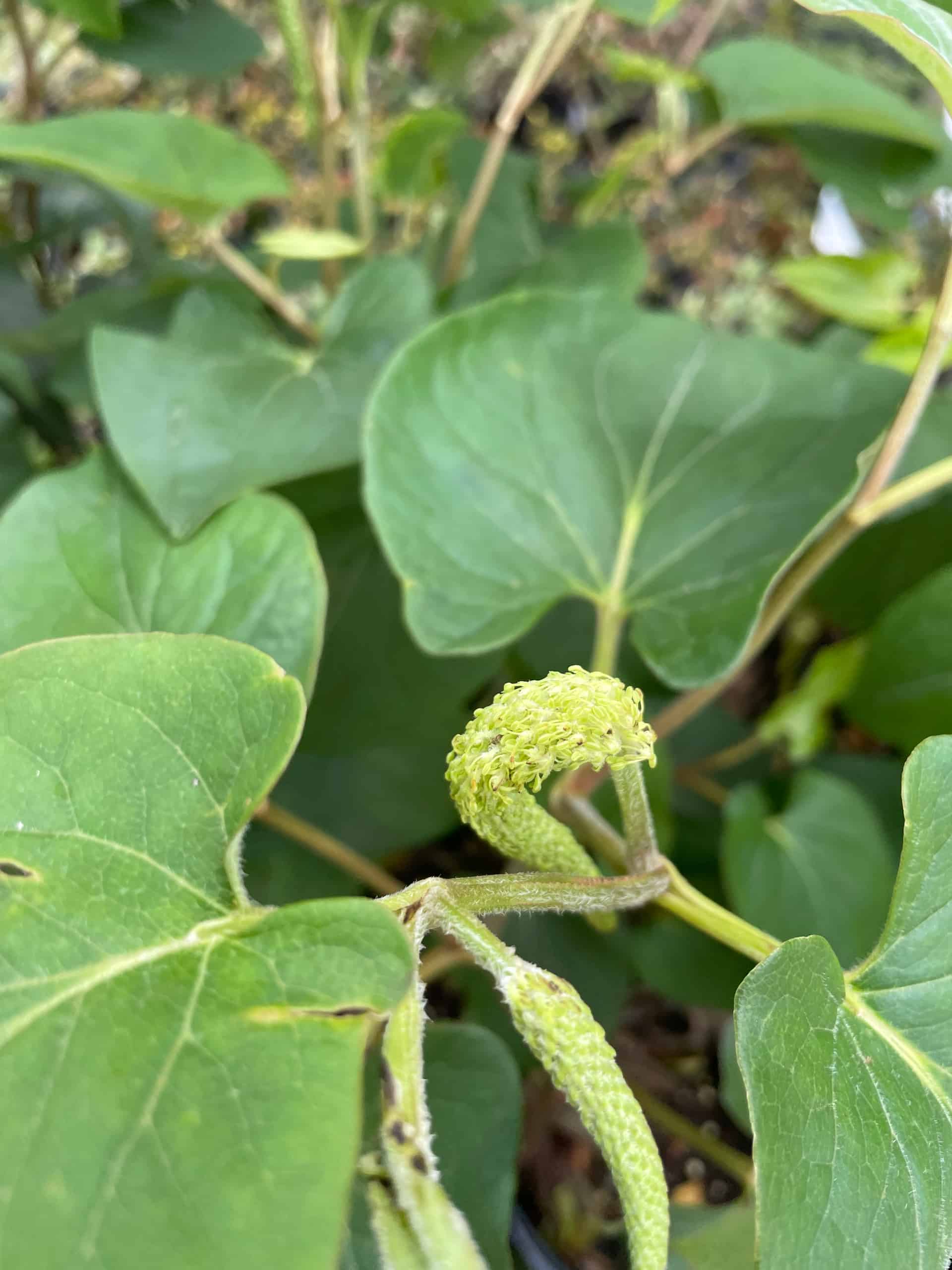
Lizard's Tail
Shares 5 of the same needs: full sun, high water, loam, zone 9a hardiness, and pollinator-friendly.
You may also like
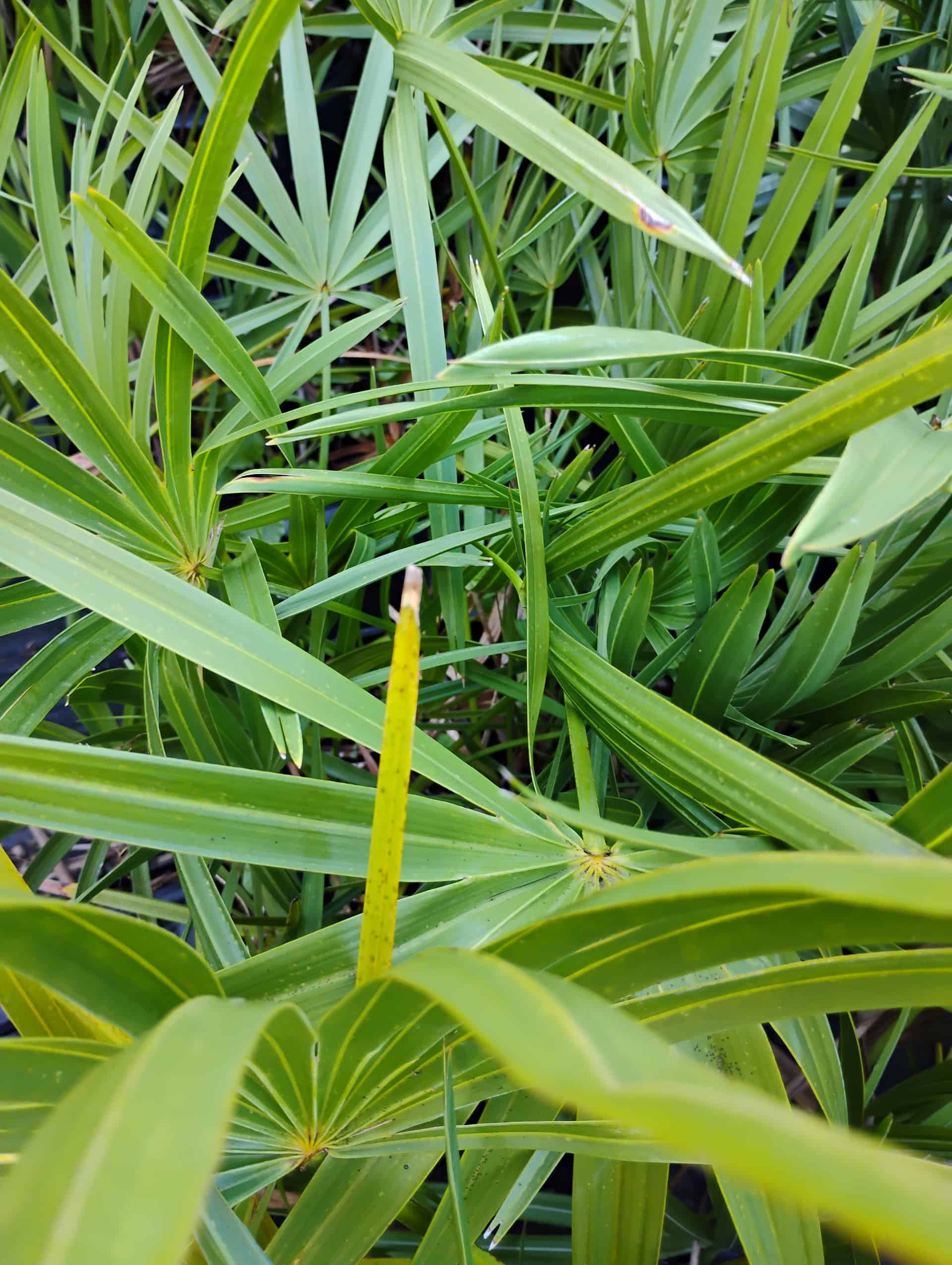 Palm
Saw Palmetto
Serenoa repens
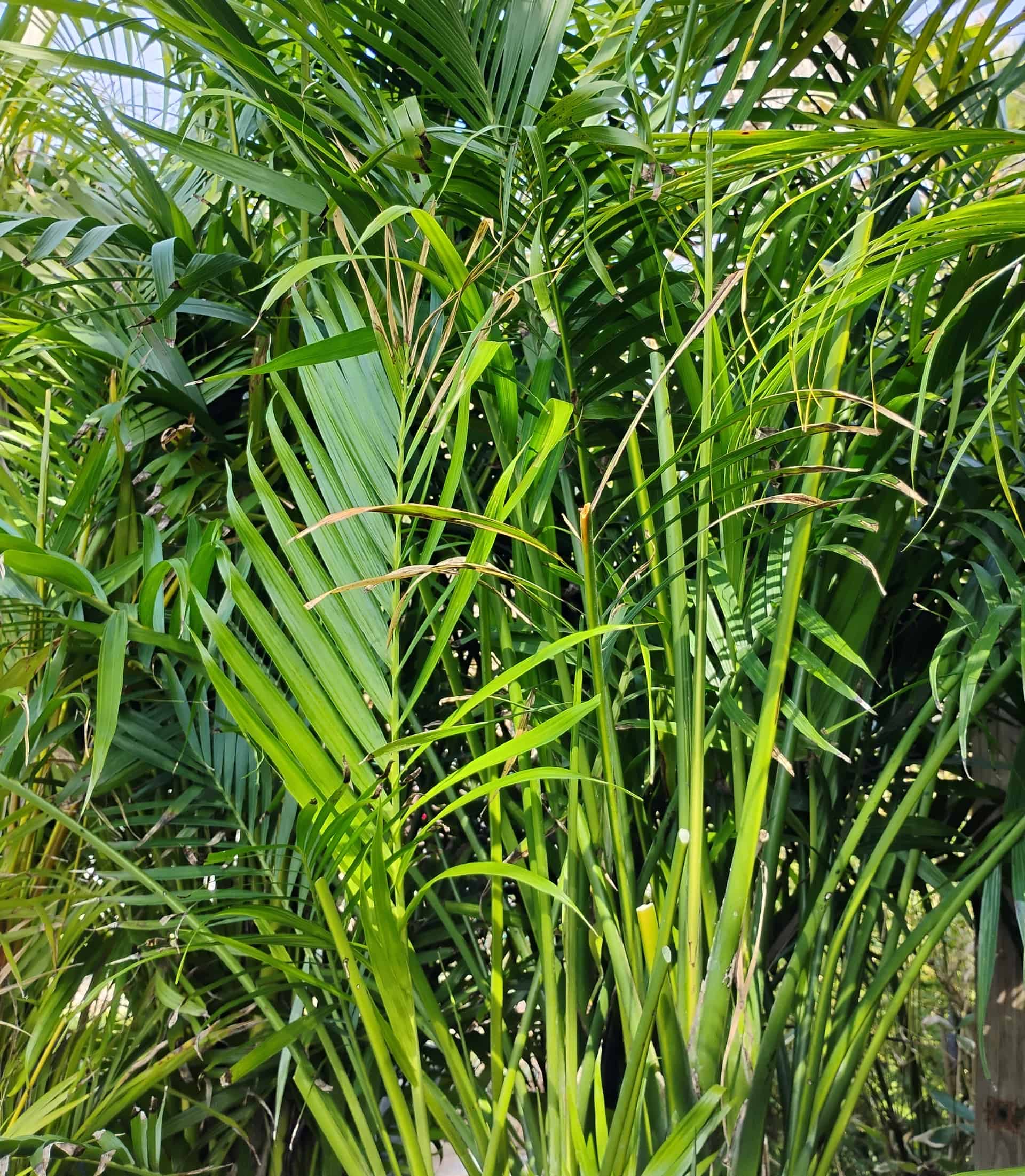 Palm
Areca Palm
Dypsis lutescens
Bamboo Palm
Chamaedorea seifrizii
Common questions
Is Dwarf Palmetto a good plant for St. Augustine?
Dwarf Palmetto is a palm. Mature size: 4-6 feet × 4-6 feet. Light: Part Shade, Full Sun. Water needs: Moderate to High. Dwarf Palmetto is native to Florida. Recorded hardiness zone: 9a.