
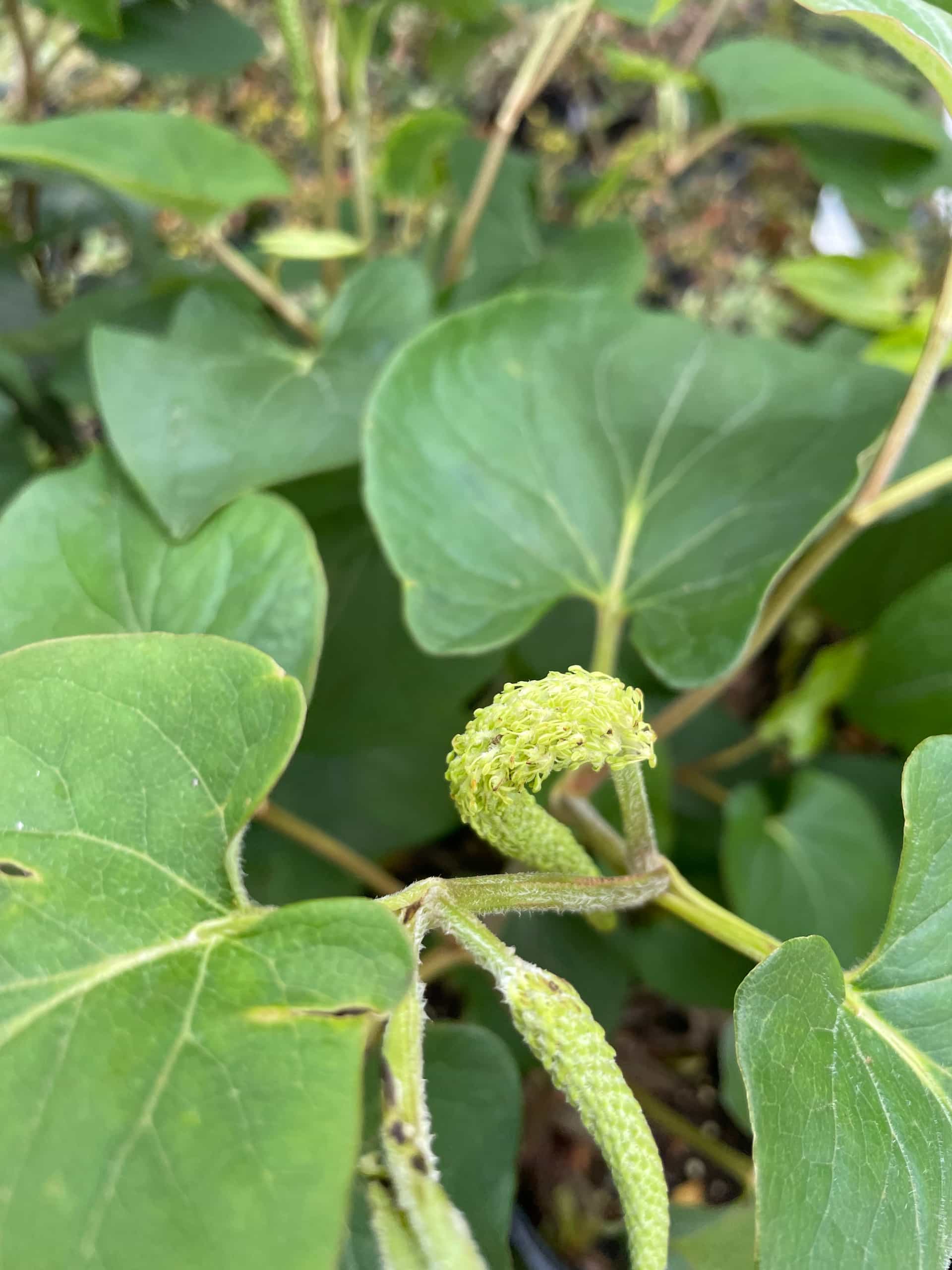
Varieties We Bring In
Standard
Standard
We received some Lizard's Tail on Jul 16, 2026.
We bring this in seasonally, so what is on the lot changes week to week. A received date shows when it last came in, not that it is here today.
Call (904) 471-0440 to confirm this plant and size before you make the trip.
Last received Jul 16, 2026.
We bring this in seasonally, so what is on the lot changes week to week. A received date shows when it last came in, not that it is here today.
Call (904) 471-0440 to confirm this plant and size before you make the trip.
Pet toxicity: not on file, check before planting where pets chew
Pet safety guideAbout Lizard's Tail
Lizard's Tail (Saururus cernuus) is a native North American aquatic and marginal perennial that grows in shallow water and wet soils along stream banks, pond edges, and wetlands. It produces heart-shaped, aromatic leaves and distinctive arching white flower spikes that droop at the tip, resembling a lizard's tail. A valuable native plant for rain gardens, bog gardens, and water features throughout the eastern United States.
Plant details
- Bloom Season
- Spring, Summer
- Flower Color
- White
- Growth Rate
- Moderate
- Foliage
- Deciduous
- Soil
- Loam, Acidic, Wet
Best planting months
Recommended months: March, April, May, October, November.
Seasonal care
Bloom season. New foliage emerges. Good planting window.
Bloom season. Higher water demand in summer heat.
Foliage may begin to change or drop. Ideal planting window.
Dormant — drops foliage.
Care essentials
Grow in full sun to partial shade; Lizard's Tail is notably shade-tolerant compared to most aquatic plants, making it suitable for pond margins under tree canopy in NE Florida. Best flowering occurs with at least half-day sun.
Requires consistently wet to saturated soil or shallow standing water (up to 6 inches deep); ideal for pond margins, rain gardens, and boggy sites in NE Florida. Do not allow the soil to dry out.
Prefers rich, mucky, acidic, or loamy wet soil; tolerates clay. Fertilizer is generally unnecessary in natural wetland settings. In container or constructed rain garden use, a light slow-release fertilizer in spring supports vigorous growth. Spreads by rhizomes — divide clumps every 2–3 years to control spread.
Similar needs
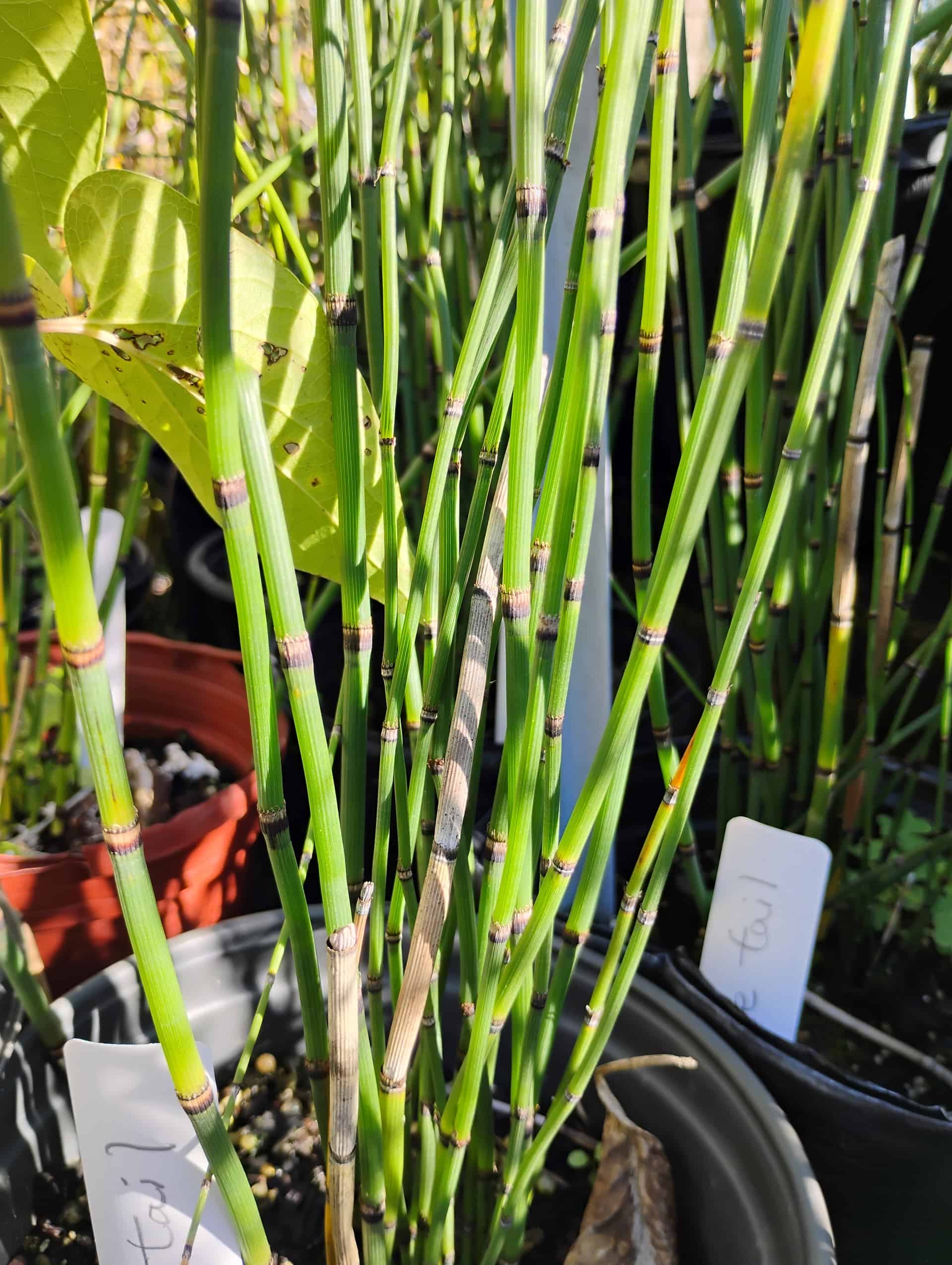
Horsetail
Shares 5 of the same needs: full sun, high water, loam, salt tolerance, and zone 9a hardiness.
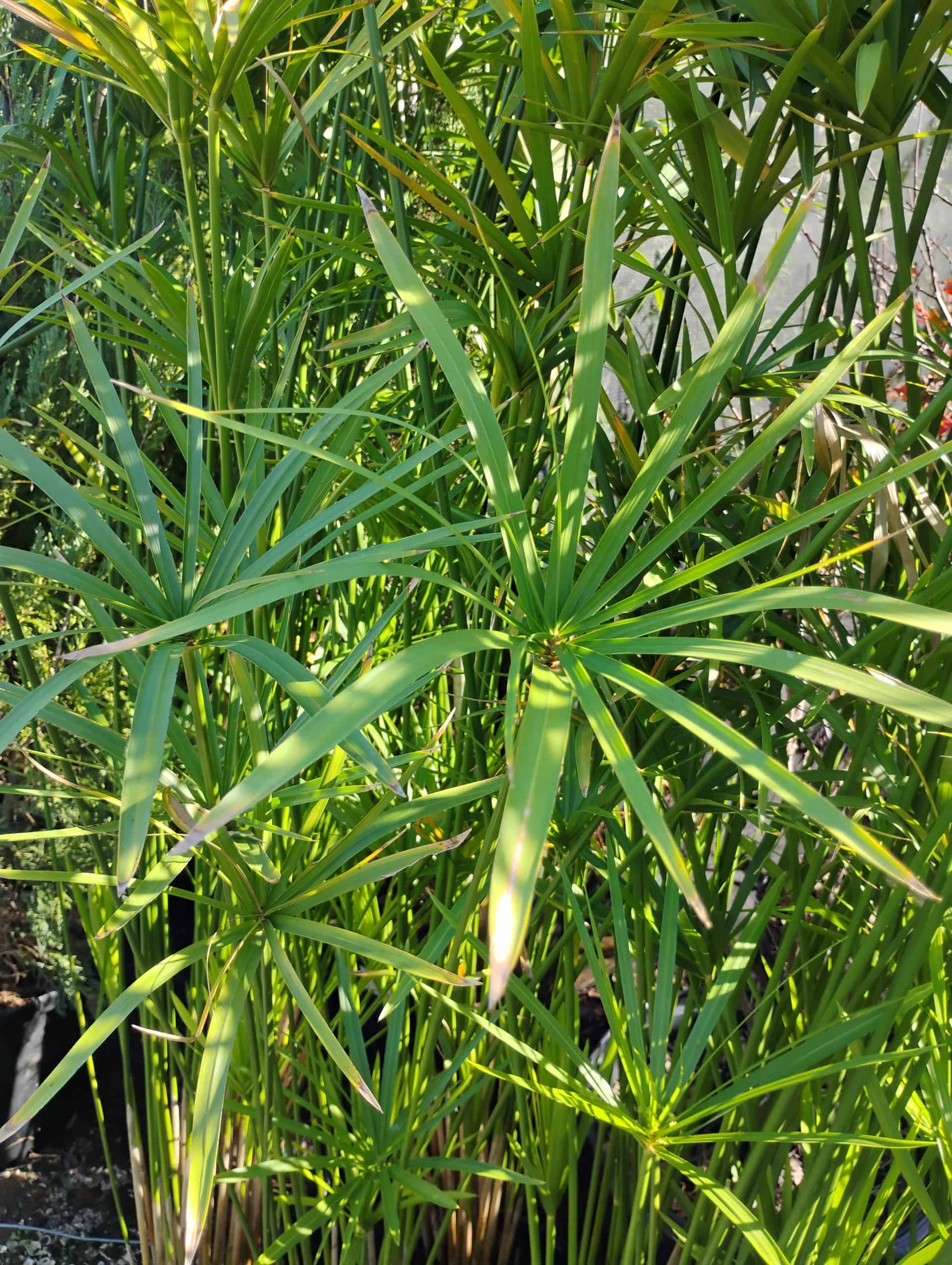
Papyrus
Shares 6 of the same needs: full sun, high water, loam, salt tolerance, zone 9a hardiness, and pollinator-friendly.

Celestial Lily
Shares 6 of the same needs: full sun, high water, loam, salt tolerance, zone 9a hardiness, and pollinator-friendly.
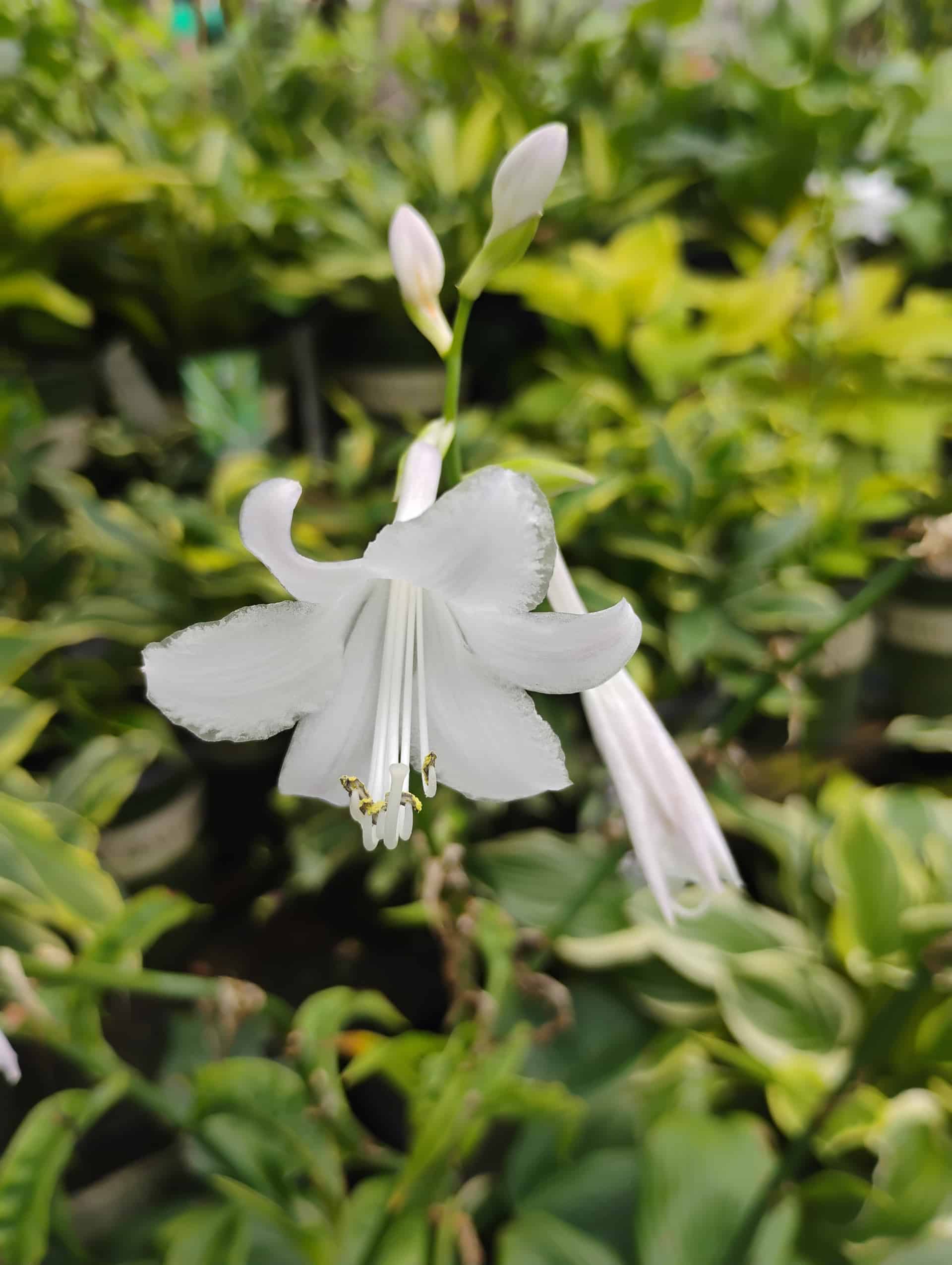
Hosta
Shares 6 of the same needs: shade, high water, loam, salt tolerance, zone 9a hardiness, and pollinator-friendly.

Lobster Claw
Shares 6 of the same needs: full sun, high water, loam, salt tolerance, zone 9a hardiness, and pollinator-friendly.

Tropical Pitcher Plant
Shares 5 of the same needs: shade, high water, acidic, salt tolerance, and zone 9a hardiness.
You may also like
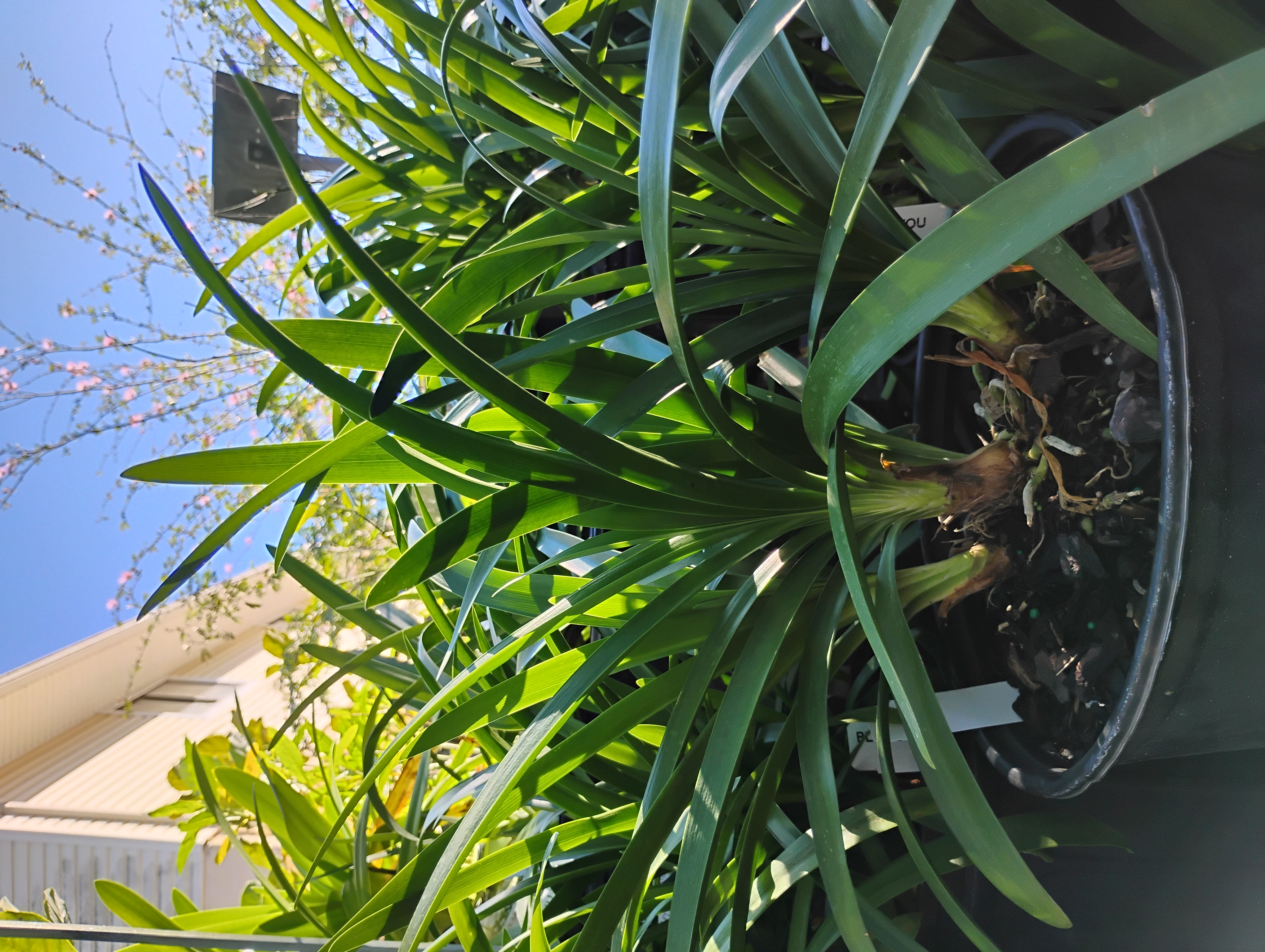 Perennial
Agapanthus
Agapanthus praecox
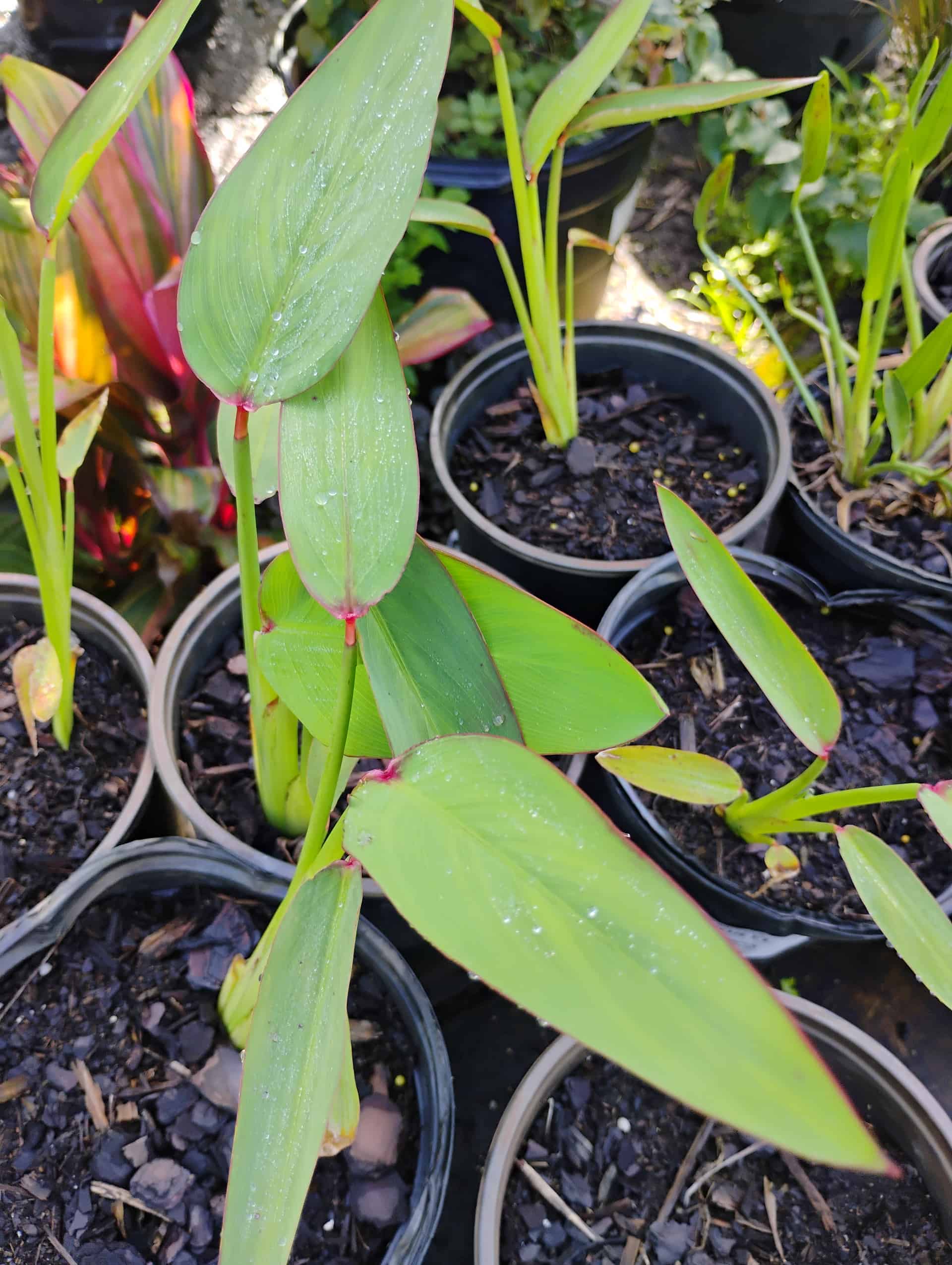 Perennial
Alligator Flag
Thalia geniculata
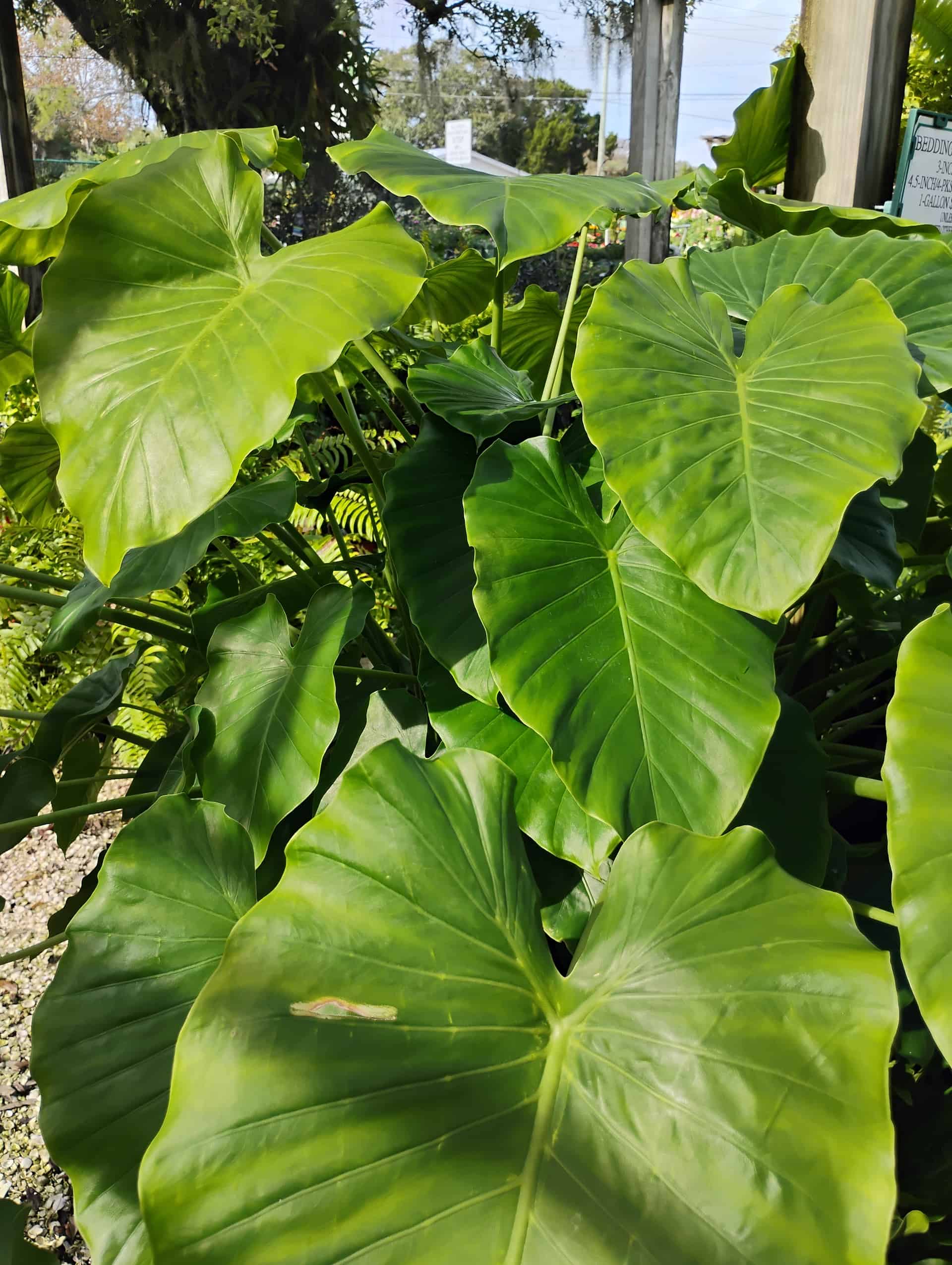 Perennial
Alocasia
Alocasia
Common questions
Is Lizard's Tail a good plant for St. Augustine?
Lizard's Tail is a perennial. Mature size: 2-4 feet × 2-3 feet, spreading by rhizomes. Light: Full Sun, Part Shade. Water needs: High. Lizard's Tail is native to Florida. Recorded hardiness zone: 9a. Recorded salt tolerance: low.
Care information verified from
Last reviewed February 2026. Our care guidance comes from trusted horticulture sources and decades of helping St. Augustine gardeners. Conditions here can vary dramatically from one area to the next, so come ask us and we'll tailor it to your yard.