
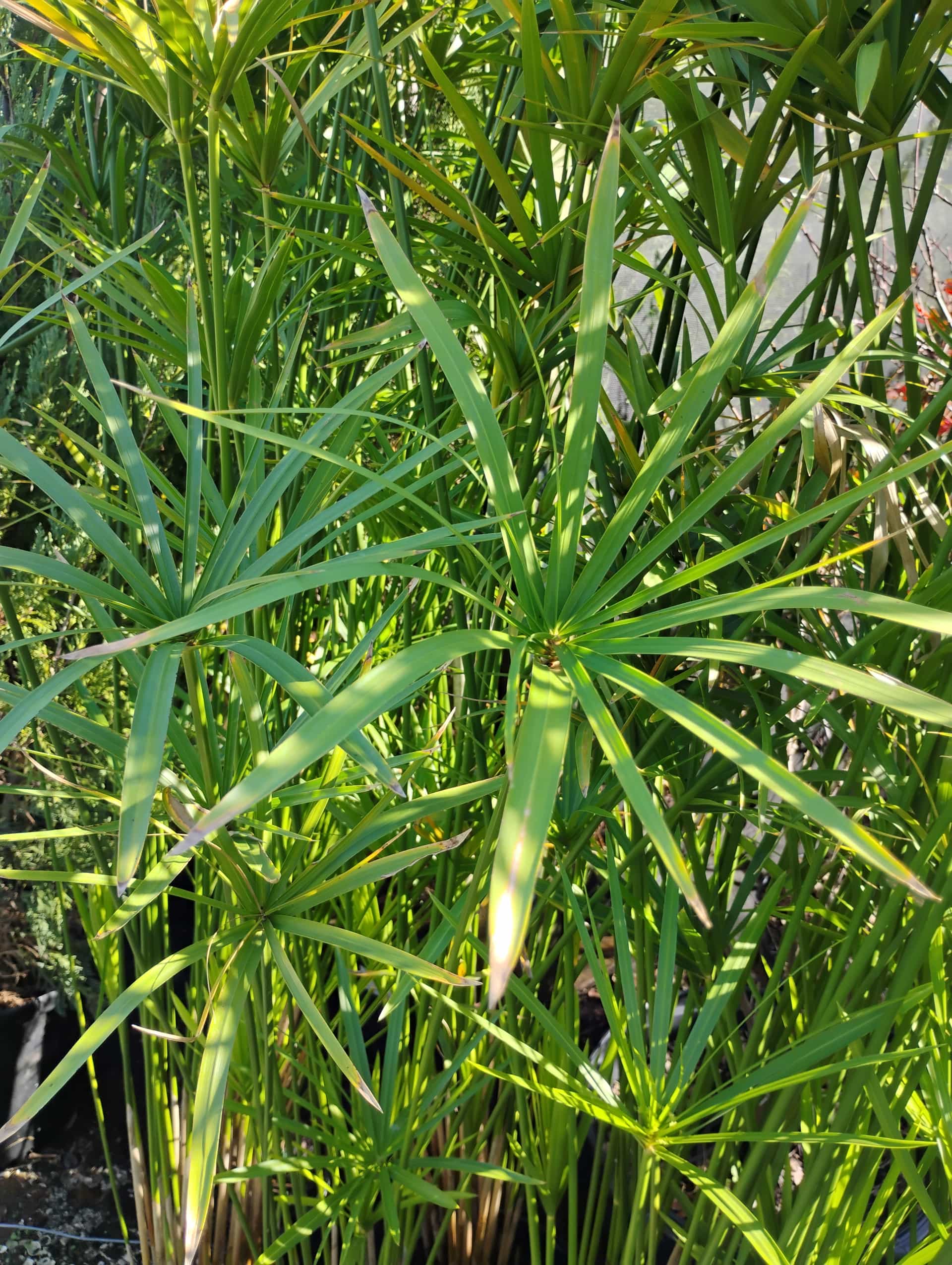
Varieties We Bring In
Standard
We received some Papyrus on Mar 4, 2026.
We bring this in seasonally, so what is on the lot changes week to week. A received date shows when it last came in, not that it is here today.
Call (904) 471-0440 to confirm this plant and size before you make the trip.
Last received Mar 4, 2026.
We bring this in seasonally, so what is on the lot changes week to week. A received date shows when it last came in, not that it is here today.
Call (904) 471-0440 to confirm this plant and size before you make the trip.
Pet toxicity: Non-toxic to dogs and cats
Pet safety guideAbout Papyrus
Papyrus (Cyperus papyrus) is a tall, architectural aquatic sedge native to sub-Saharan Africa, best known as the source of ancient Egyptian writing material. It produces distinctive globe-shaped umbels of thread-like rays atop tall triangular stems, making it a striking accent in water features and pond margins.
Plant details
- Bloom Season
- Summer
- Flower Color
- Non-flowering
- Growth Rate
- Fast
- Foliage
- Evergreen
- Soil
- Loam, Sandy, Wet, Boggy
Best planting months
Recommended months: March, April, May, September, October, November.
Seasonal care
Good planting window.
Bloom season. Higher water demand in summer heat.
Ideal planting window.
Retains foliage through winter.
Care essentials
Papyrus thrives in full sun to part shade and is ideal for pond margins, water features, and rain gardens in NE Florida. Full sun produces the most vigorous growth and tallest stems; part shade is acceptable but may reduce vigor slightly.
A true aquatic—plant in standing water up to 12 inches deep or in perpetually wet, boggy soil at the water's edge. Never allow the roots to dry out. In containers, keep the pot sitting in a saucer of water or submerged in a pond.
Grows in ordinary wet soil, sandy loam, or aquatic planting media in pond baskets. Fertilize with aquatic slow-release tablets pressed into the root zone in spring and summer. Division every 2–3 years keeps clumps vigorous. Hardy in zone 9b but may die back to roots in hard freezes; mulch crowns for protection.
Similar needs
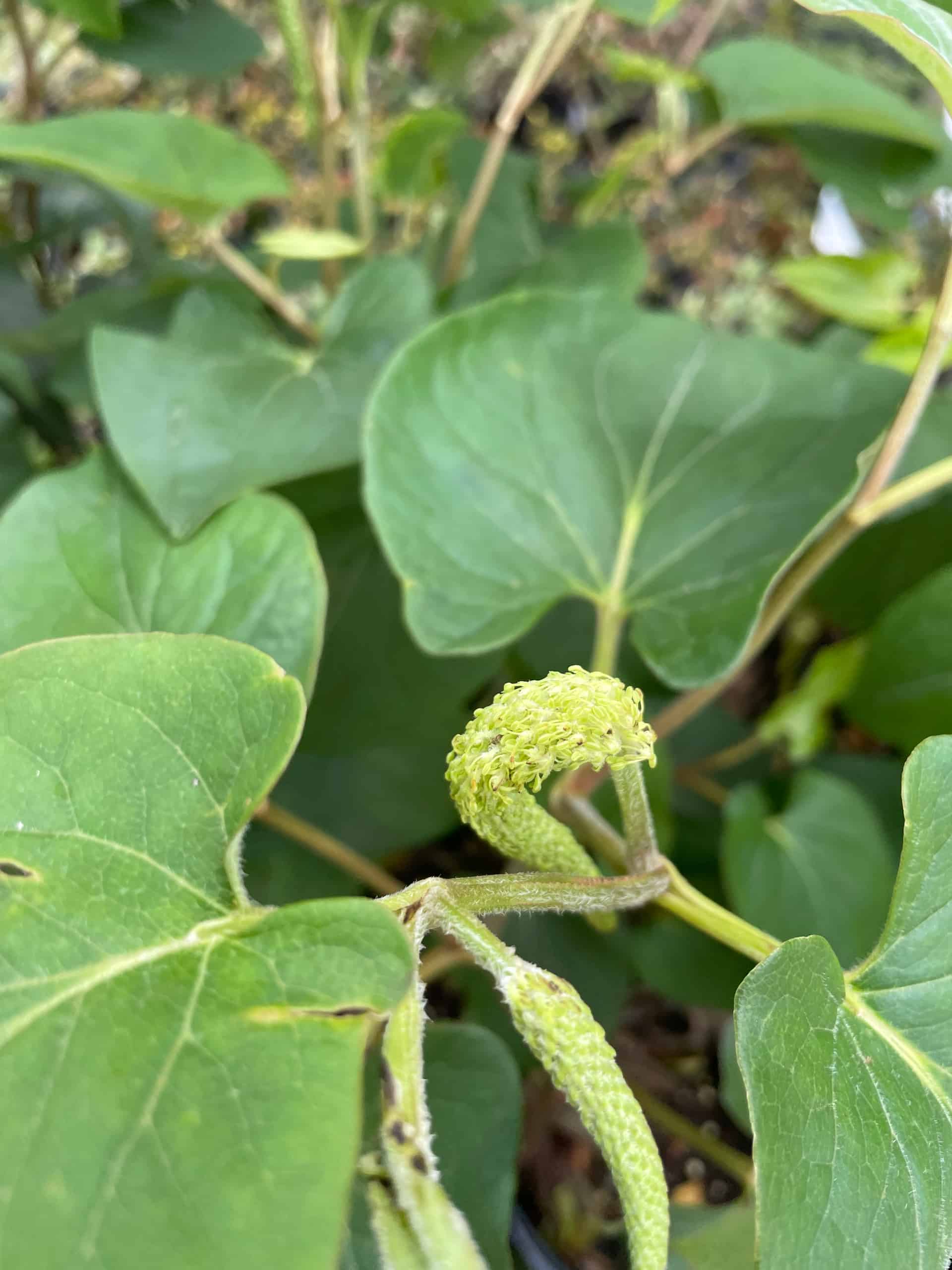
Lizard's Tail
Shares 6 of the same needs: full sun, high water, loam, salt tolerance, zone 9a hardiness, and pollinator-friendly.
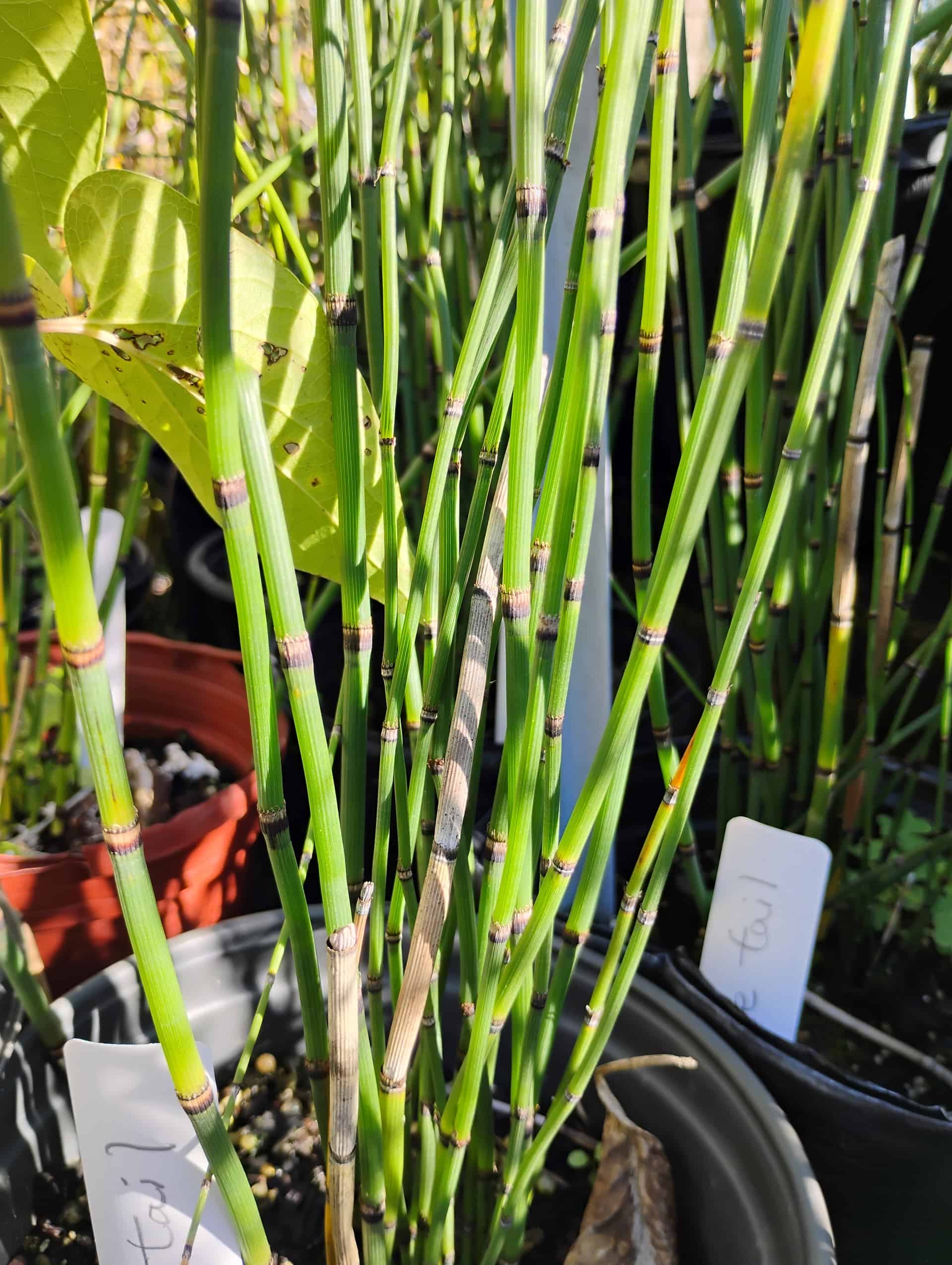
Horsetail
Shares 5 of the same needs: full sun, high water, loam, salt tolerance, and zone 9a hardiness.

Celestial Lily
Shares 6 of the same needs: full sun, high water, loam, salt tolerance, zone 9a hardiness, and pollinator-friendly.
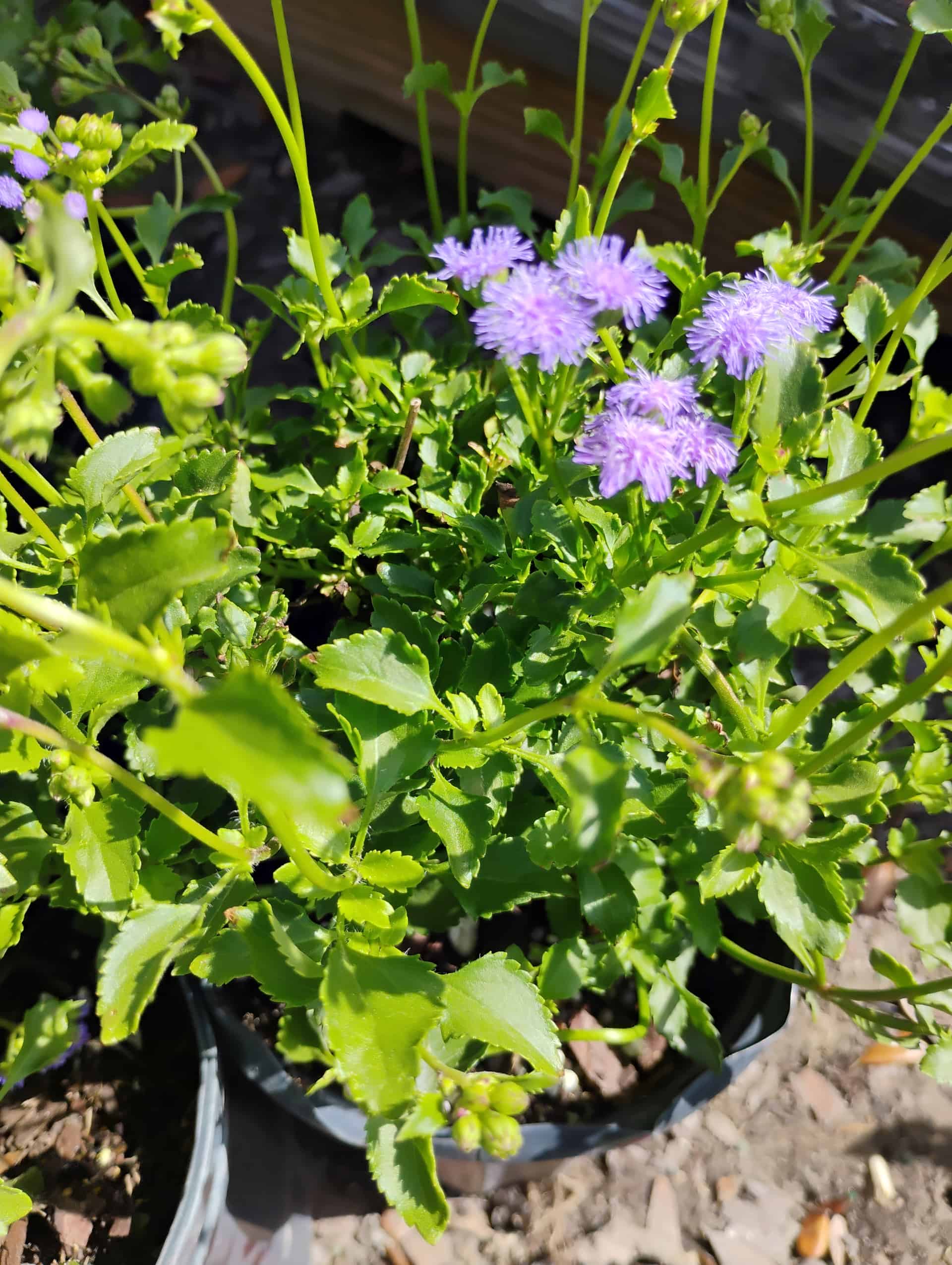
Blue Mistflower
Shares 5 of the same needs: full sun, loam, salt tolerance, zone 9a hardiness, and pollinator-friendly.
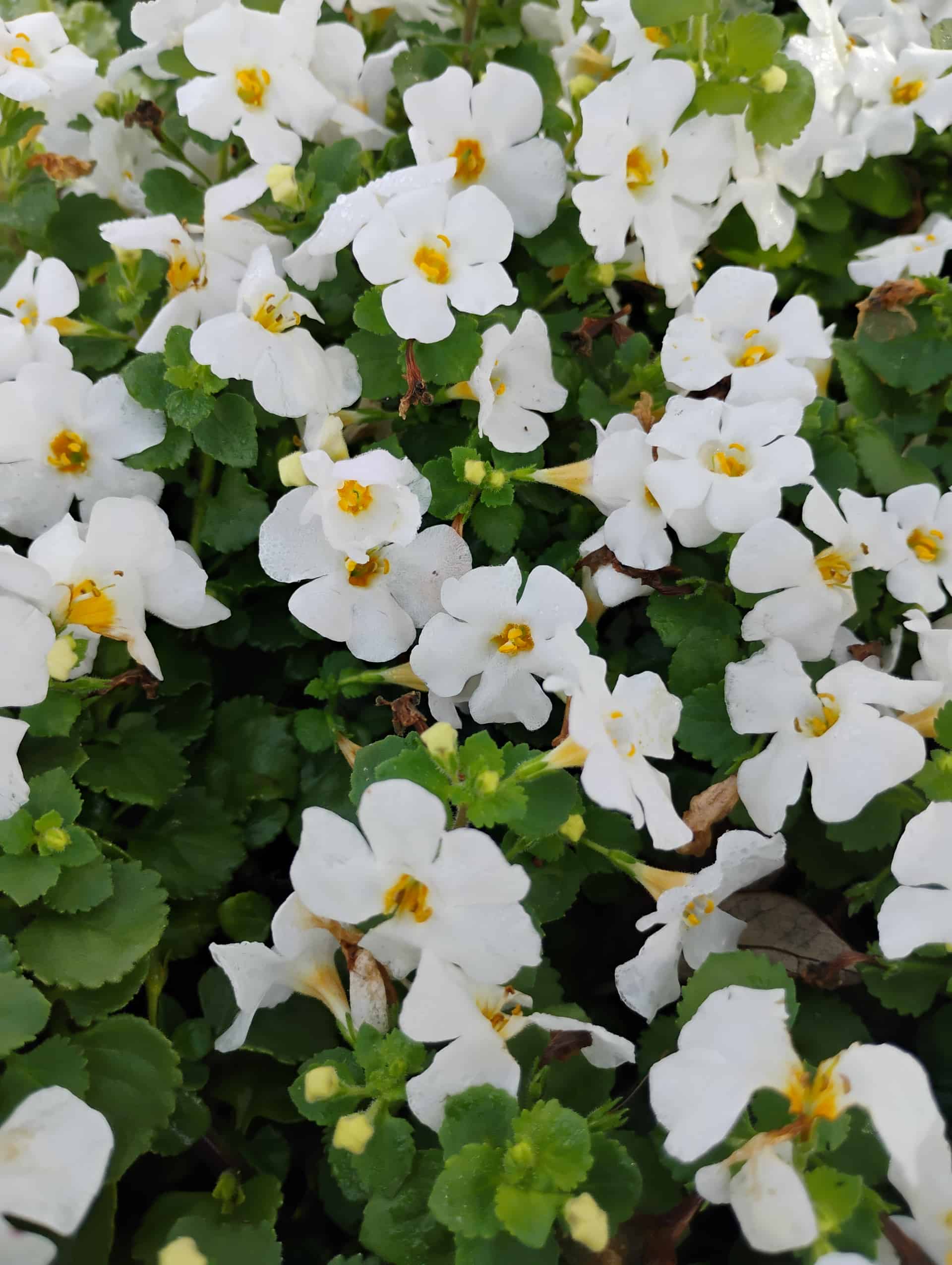
Bacopa
Shares 6 of the same needs: shade, high water, loam, salt tolerance, zone 9a hardiness, and pollinator-friendly.
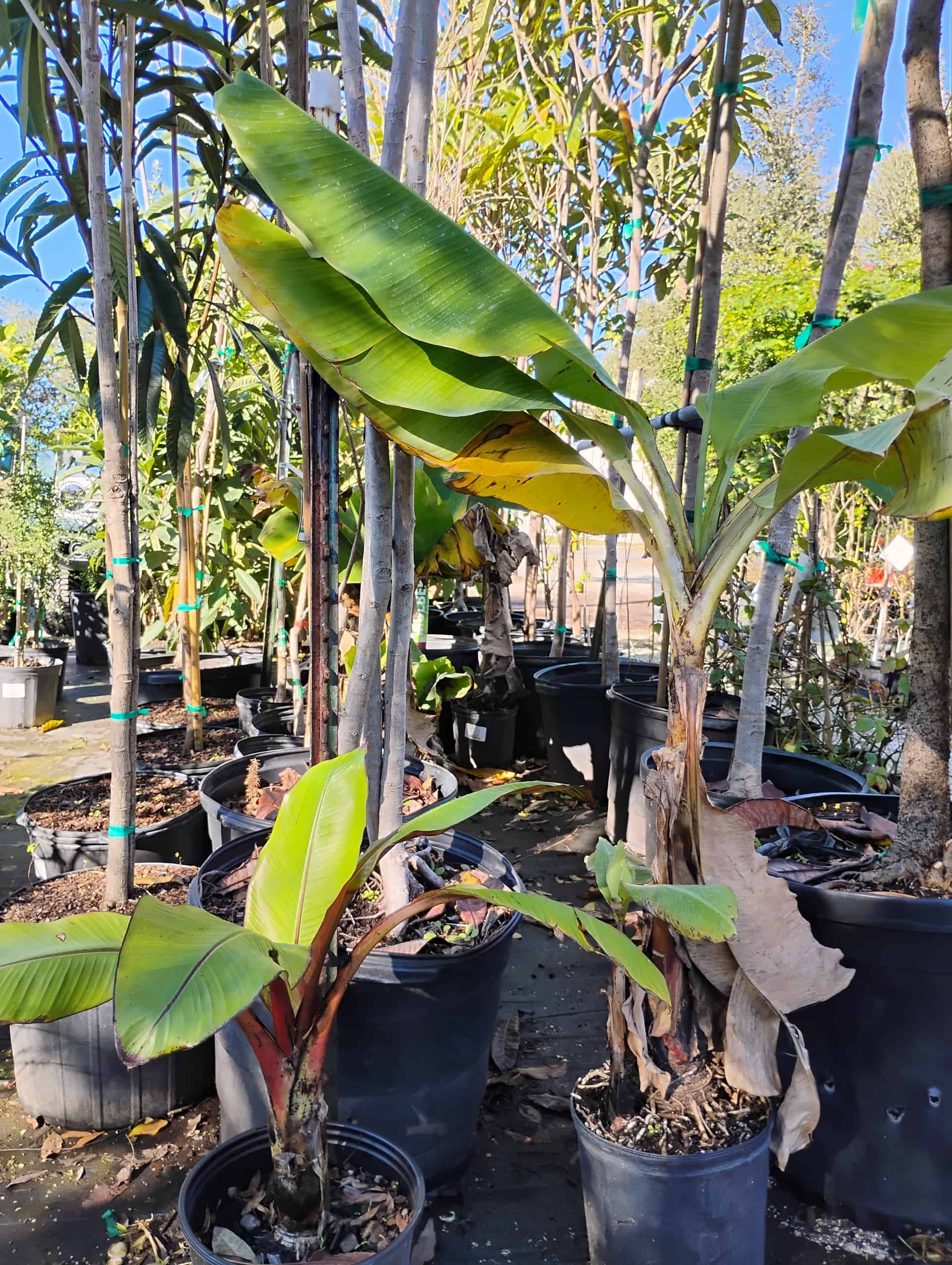
Banana
Shares 6 of the same needs: full sun, high water, loam, salt tolerance, zone 9a hardiness, and pollinator-friendly.
You may also like
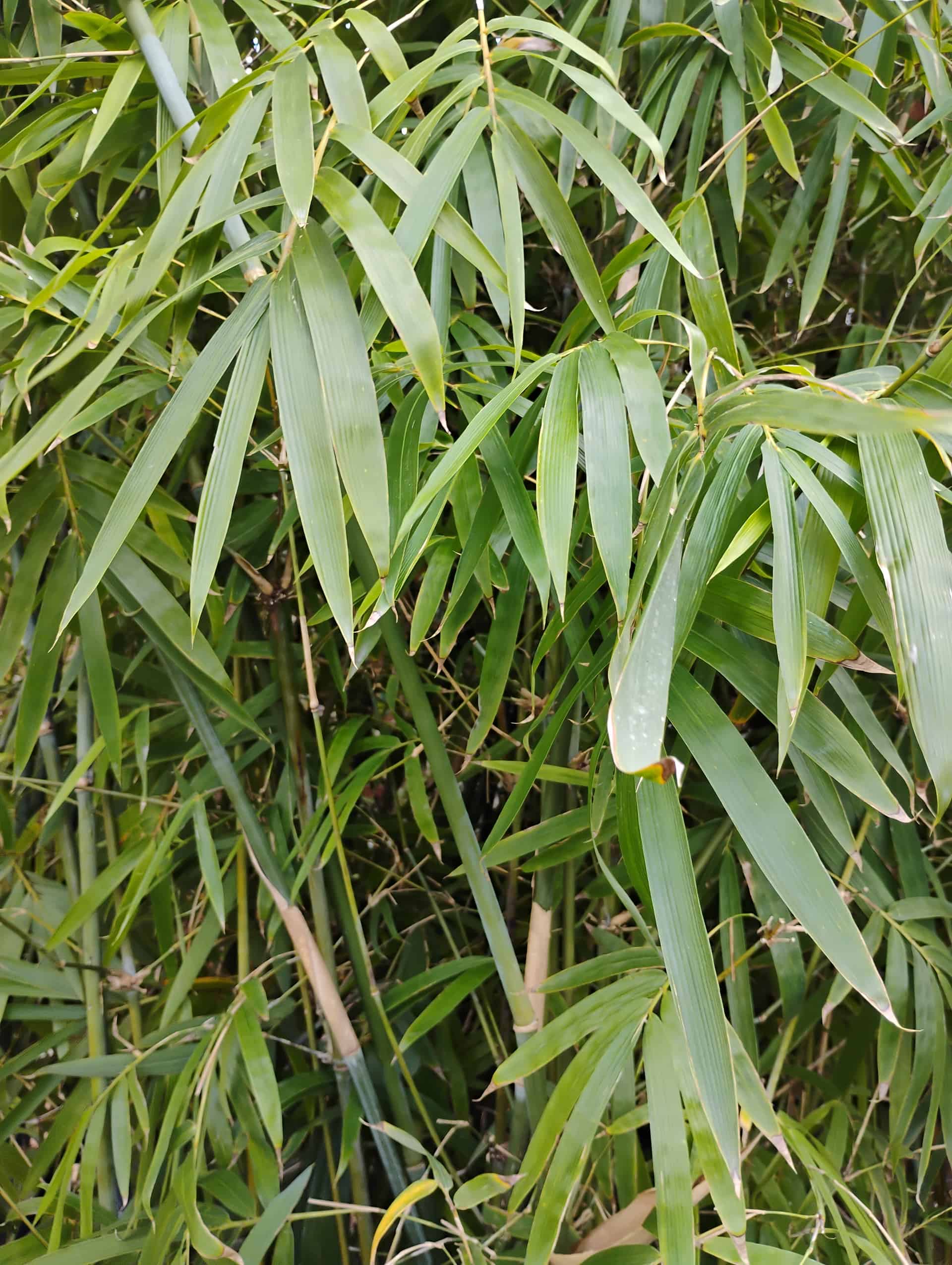 Grass
Bamboo
Bambusa
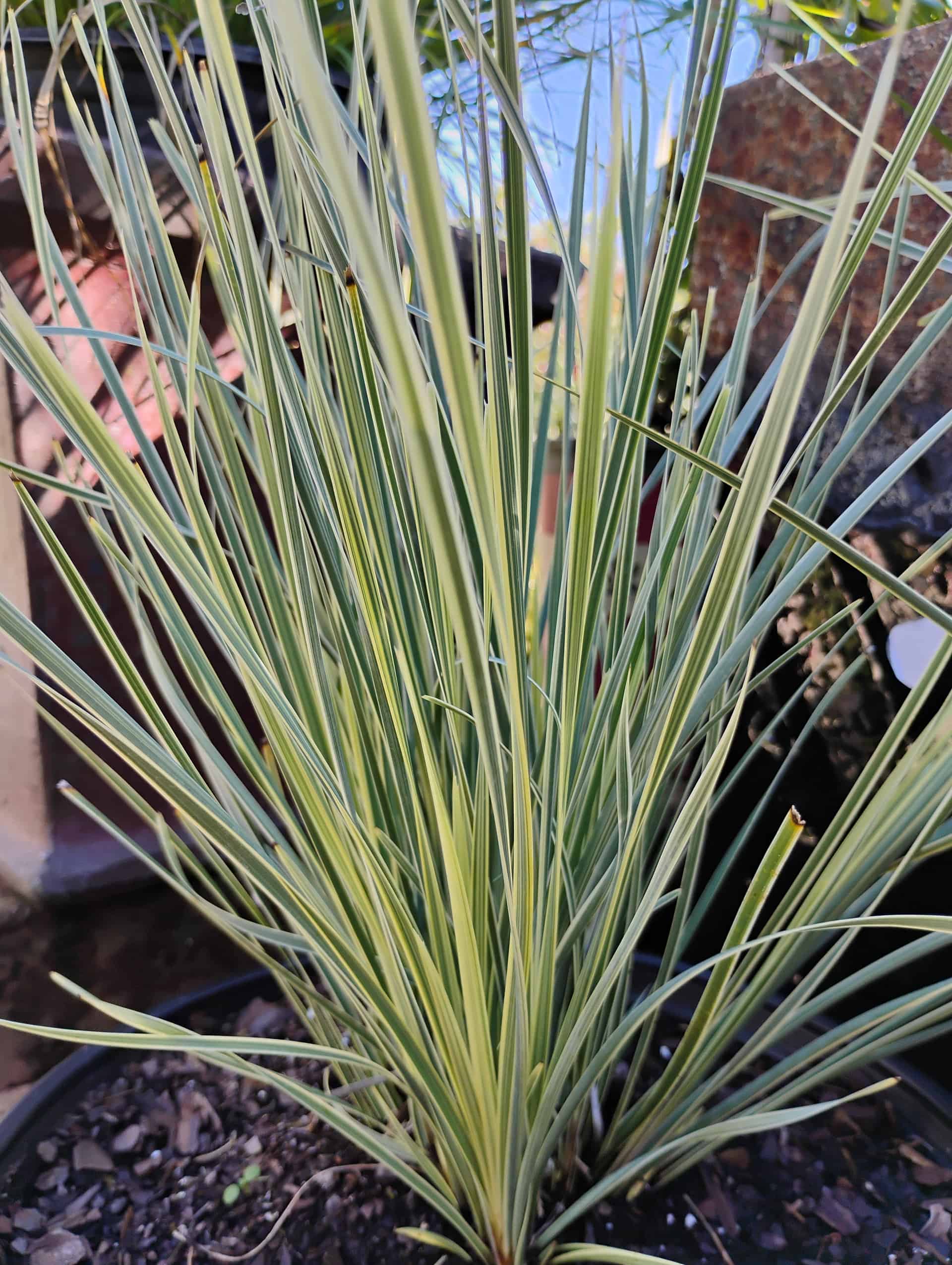 Grass
Mat Rush
Lomandra longifolia
 Grass
Sea Oats
Uniola paniculata
Common questions
Is Papyrus a good plant for St. Augustine?
Papyrus is a grass. Mature size: 8-15 feet × 3-4 feet. Light: Full Sun, Part Shade. Water needs: High. Recorded hardiness zone: 9a. Recorded salt tolerance: low.
What is the recorded pet toxicity for Papyrus?
Non-toxic to dogs and cats
Care information verified from
Last reviewed February 2026. Our care guidance comes from trusted horticulture sources and decades of helping St. Augustine gardeners. Conditions here can vary dramatically from one area to the next, so come ask us and we'll tailor it to your yard.