
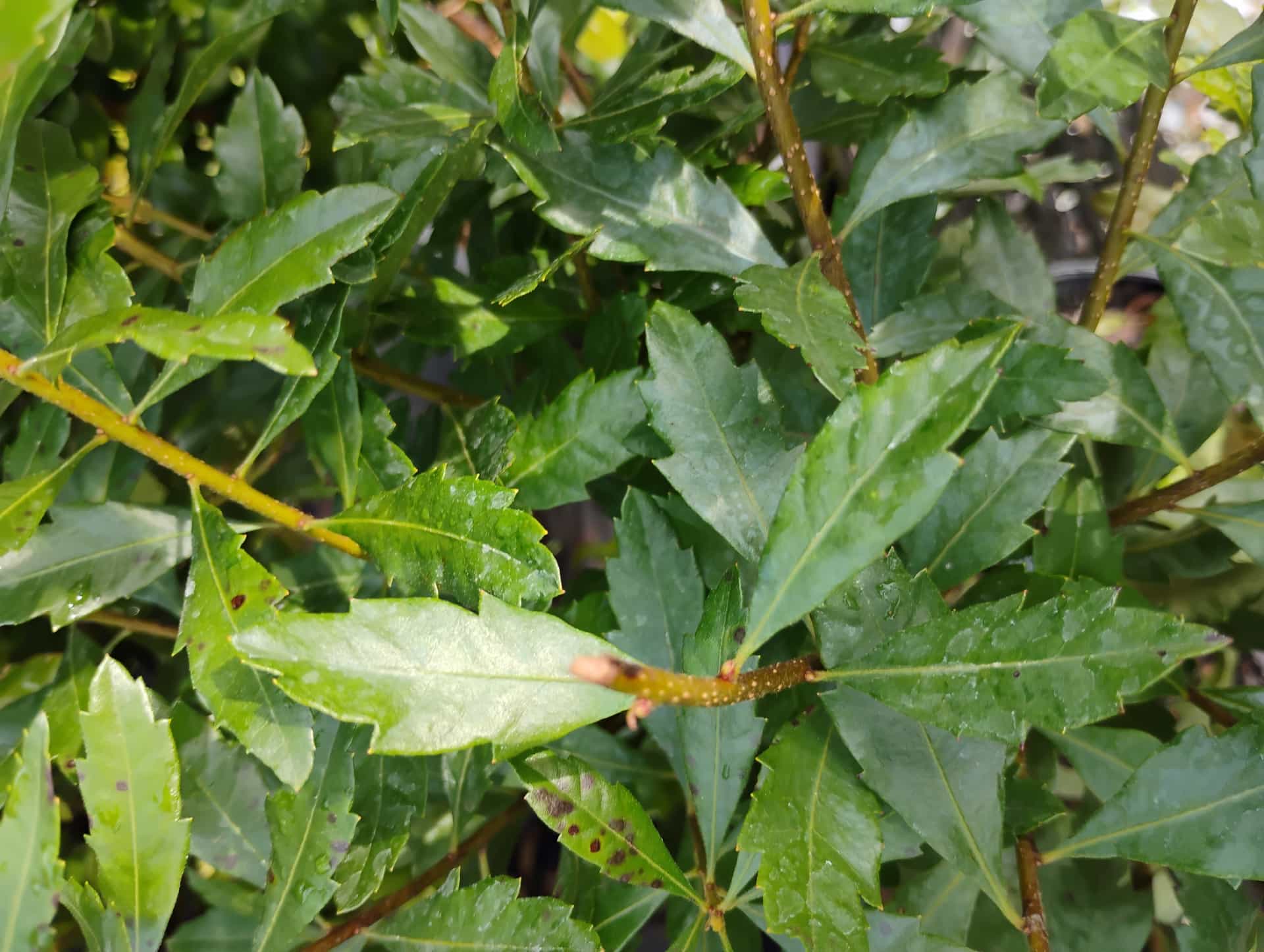
Varieties We Bring In
Standard · Dons Dwarf
Standard
Standard
We received some Wax Myrtle on Oct 23, 2026.
We bring this in seasonally, so what is on the lot changes week to week. A received date shows when it last came in, not that it is here today.
Call (904) 471-0440 to confirm this plant and size before you make the trip.
Last received Oct 23, 2026.
We bring this in seasonally, so what is on the lot changes week to week. A received date shows when it last came in, not that it is here today.
Call (904) 471-0440 to confirm this plant and size before you make the trip.
Pet toxicity: Non-toxic to dogs and cats
Pet safety guideAbout Wax Myrtle
Wax Myrtle (Morella cerifera) is a fast-growing, aromatic native evergreen shrub or small tree found throughout the southeastern US Coastal Plain and into the Caribbean. Its small, waxy, blue-gray berries are a critical winter food source for the Yellow-rumped Warbler and many other birds. The resinous, fragrant foliage and tolerance of wet, dry, and salt-spray conditions make it one of the most versatile native plants in Florida.
Plant details
- Bloom Season
- Spring
- Flower Color
- White
- Growth Rate
- Fast
- Foliage
- Evergreen
- Soil
- Sandy, Loam, Acidic, Well-drained, Wet
Best planting months
Recommended months: March, April, May, October, November.
Seasonal care
Bloom season. Good planting window.
Higher water demand in summer heat.
Ideal planting window.
Retains foliage through winter.
Care essentials
Wax myrtle grows in full sun to part shade. Full sun produces the densest growth and best berry set; it can tolerate part shade but becomes more open and leggy.
Extremely adaptable once established — tolerates both periodic flooding and dry, sandy upland conditions common in NE Florida. Water during establishment (first year); thereafter rain-fed except in extended drought.
Grows in virtually any NE Florida soil: sandy, loamy, wet, or dry. No regular fertilizer needed; it fixes nitrogen via root symbionts. Prune to shape twice yearly to maintain density and prevent leggy branching.
Similar needs
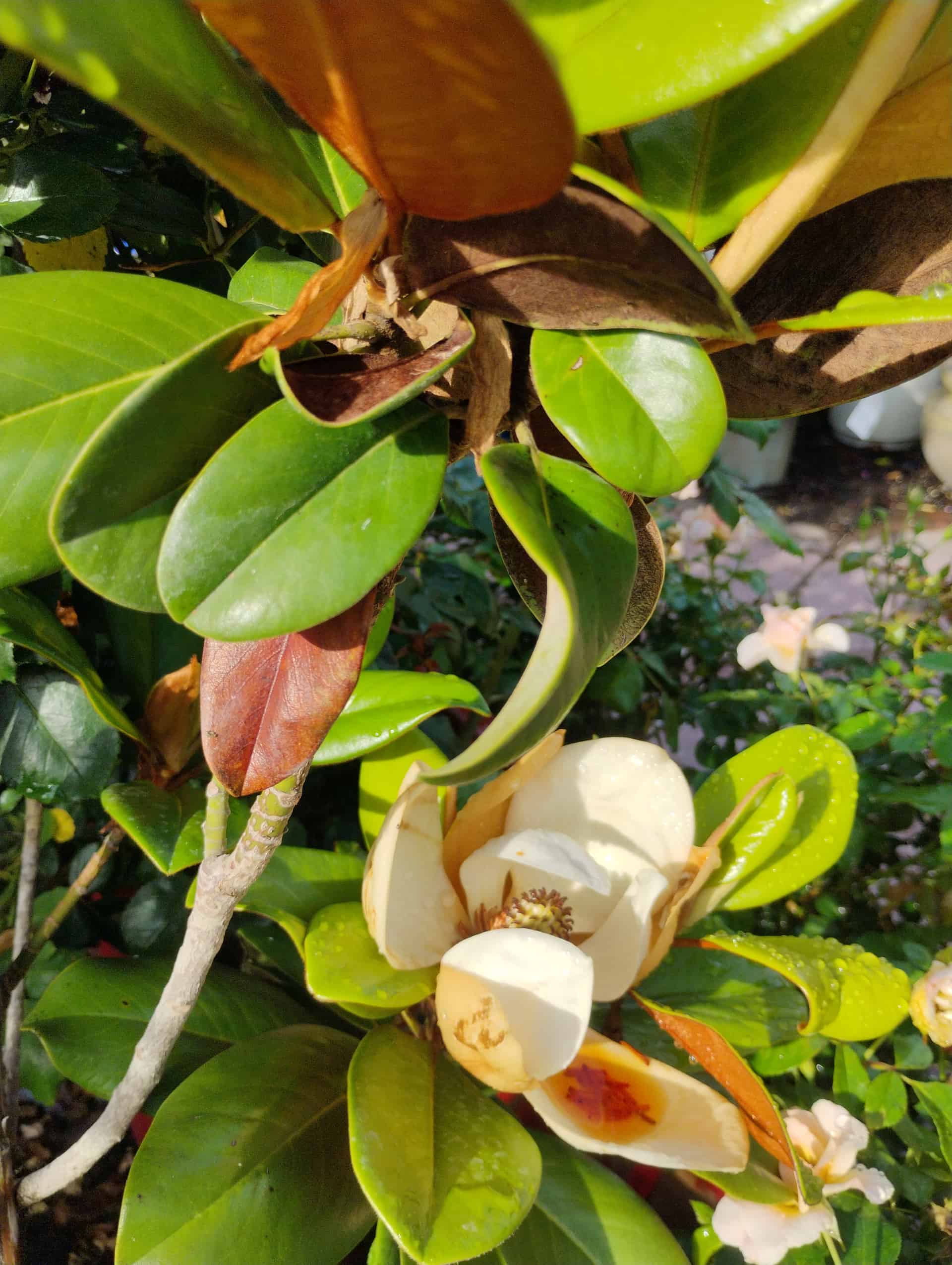
Magnolia
Shares 6 of the same needs: full sun, moderate water, loam, salt tolerance, zone 9a hardiness, and pollinator-friendly.
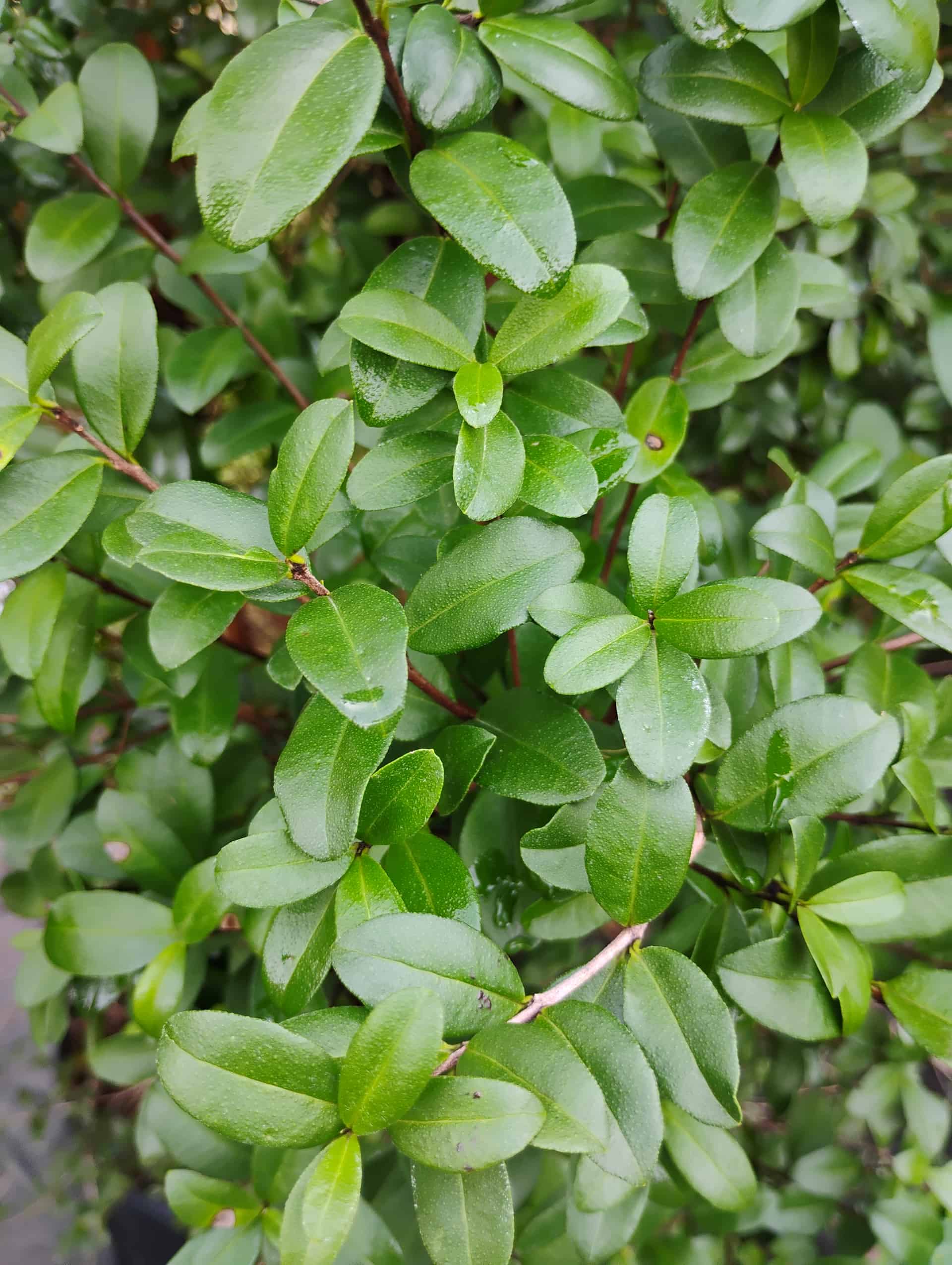
Simpson's Stopper
Shares 6 of the same needs: full sun, moderate water, sandy, salt tolerance, zone 9a hardiness, and pollinator-friendly.
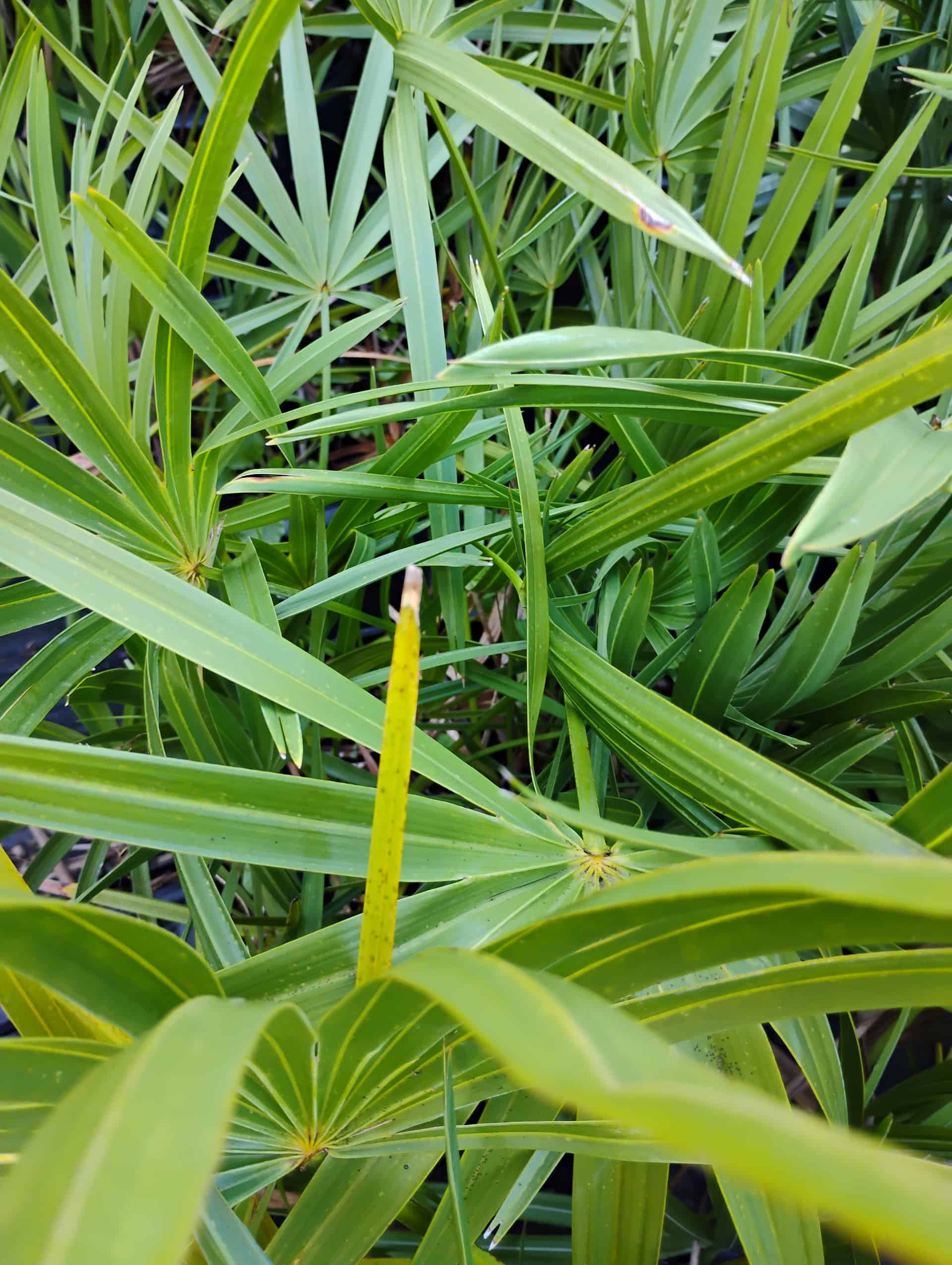
Saw Palmetto
Shares 5 of the same needs: full sun, sandy, salt tolerance, zone 9a hardiness, and pollinator-friendly.

Shumard Oak
Shares 6 of the same needs: full sun, moderate water, sandy, salt tolerance, zone 9a hardiness, and pollinator-friendly.
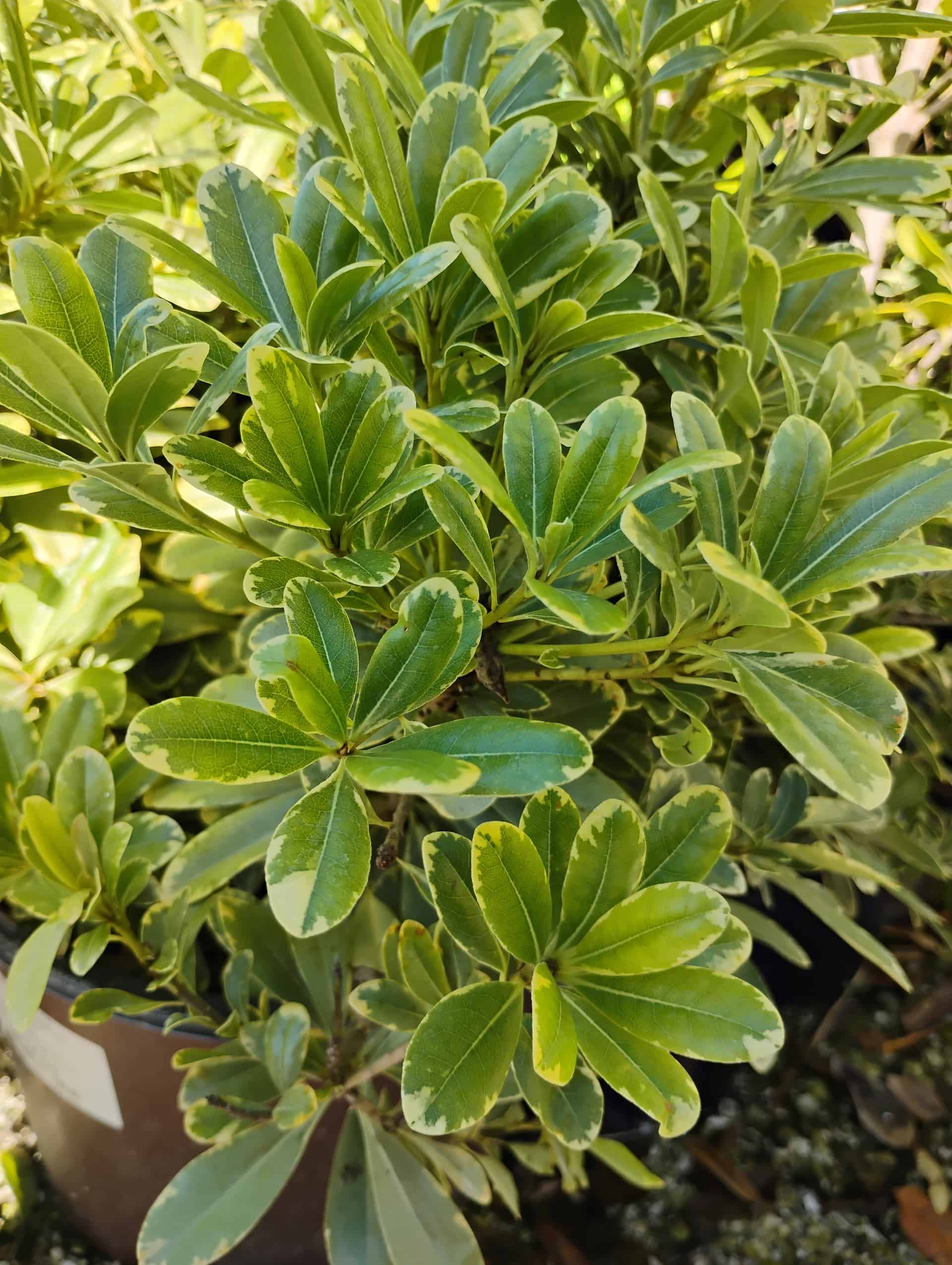
Pittosporum
Shares 5 of the same needs: full sun, moderate water, sandy, salt tolerance, and zone 9a hardiness.
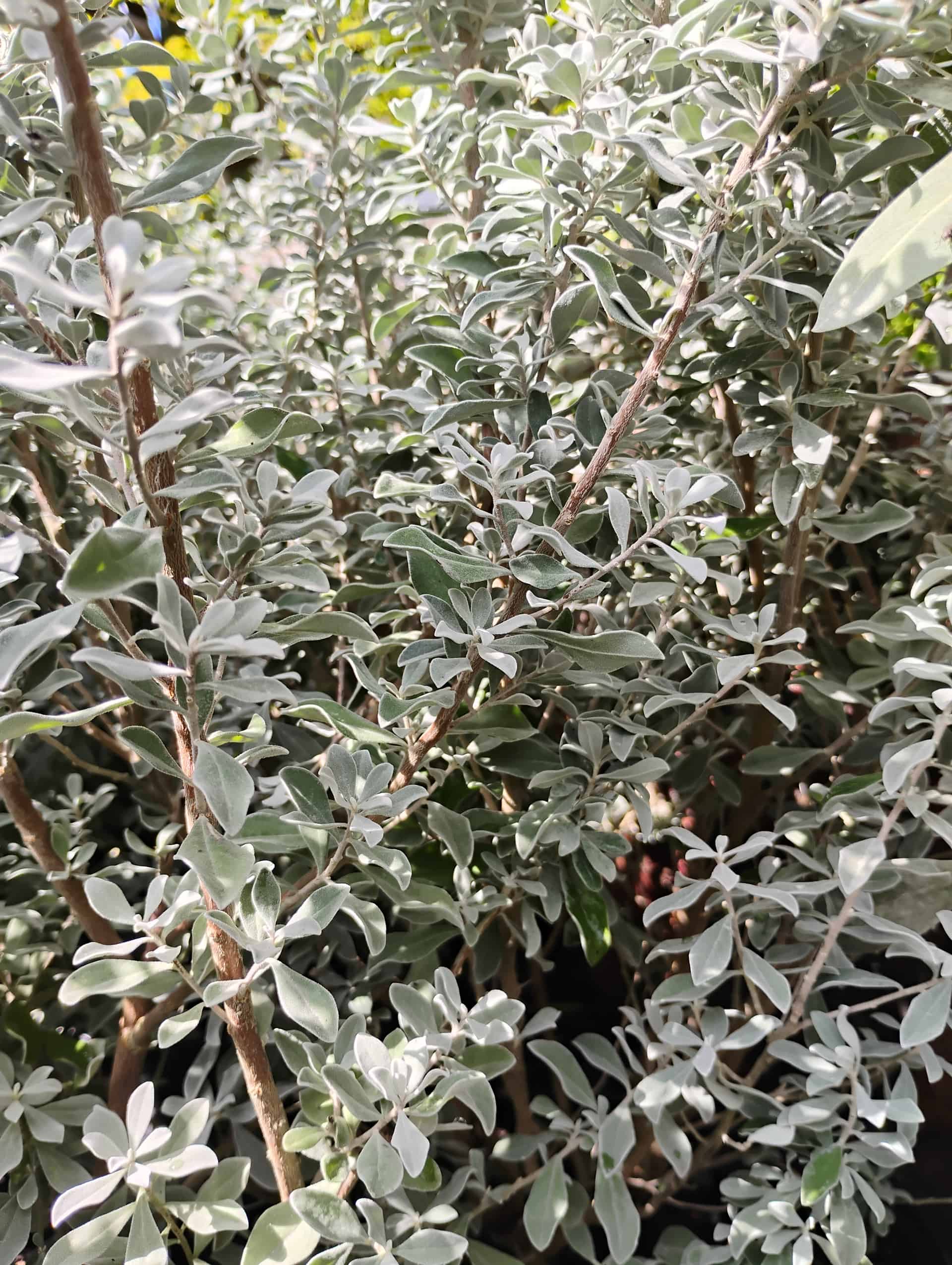
Texas Sage
Shares 5 of the same needs: full sun, sandy, salt tolerance, zone 9a hardiness, and pollinator-friendly.
You may also like
Common questions
Is Wax Myrtle a good plant for St. Augustine?
Wax Myrtle is a shrub. Mature size: 10-20 feet × 10-20 feet. Light: Full Sun, Part Shade. Water needs: Low to Moderate. Wax Myrtle is native to Florida. Recorded hardiness zone: 9a. Recorded salt tolerance: high.
What is the recorded pet toxicity for Wax Myrtle?
Non-toxic to dogs and cats
Care information verified from
Last reviewed February 2026. Our care guidance comes from trusted horticulture sources and decades of helping St. Augustine gardeners. Conditions here can vary dramatically from one area to the next, so come ask us and we'll tailor it to your yard.