
Varieties We Bring In
Ashe
Ashe · Black Tulip · Jane
Black Tulip
D.D. Blanchard
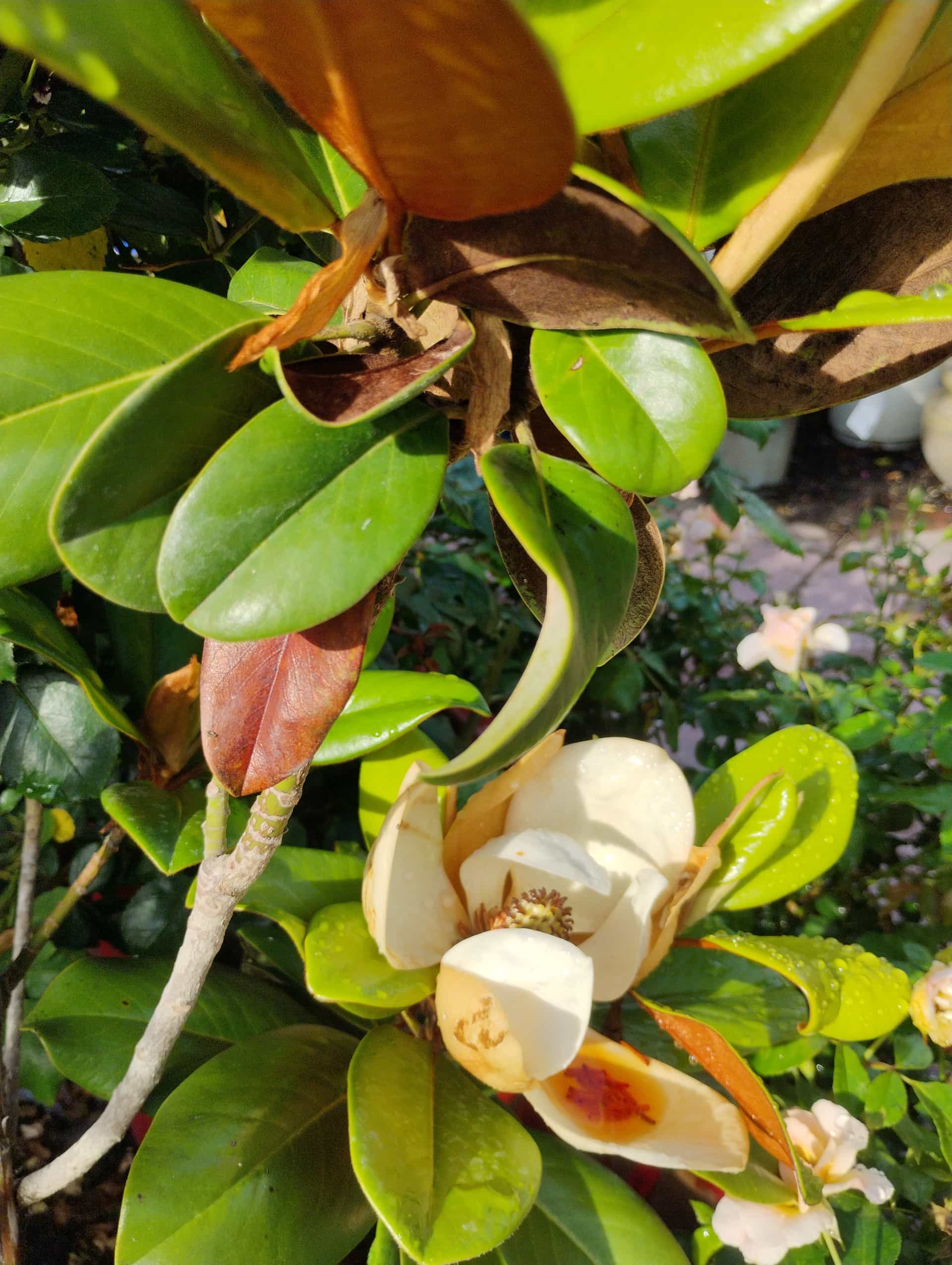
We received some Magnolia on Jul 16, 2026.
We bring this in seasonally, so what is on the lot changes week to week. A received date shows when it last came in, not that it is here today.
Call (904) 471-0440 to confirm this plant and size before you make the trip.
Last received Jul 16, 2026.
We bring this in seasonally, so what is on the lot changes week to week. A received date shows when it last came in, not that it is here today.
Call (904) 471-0440 to confirm this plant and size before you make the trip.
Pet toxicity: Non-toxic to dogs and cats
Pet safety guideAbout Magnolia
Magnolias (Magnolia spp.) are beloved flowering trees and shrubs ranging from the stately Southern magnolia (M. grandiflora), with its large creamy blooms and glossy evergreen leaves, to deciduous saucer and star magnolias that put on a spectacular spring floral display. Multiple species thrive in Northeast Florida's zone 9b climate.
Plant details
- Bloom Season
- Spring, Summer
- Flower Color
- Pink, Purple
- Growth Rate
- Moderate
- Foliage
- Evergreen or deciduous
- Soil
- Loam, Acidic, Well-drained
Best planting months
Recommended months: March, April, October, November, December.
Seasonal care
Bloom season. New foliage emerges. Good planting window.
Active growing season.
Foliage may begin to change or drop. Ideal planting window.
Dormant — drops foliage. Can be planted in mild winter periods.
Care essentials
Magnolias perform best in full sun to partial shade; full sun produces the most abundant bloom. In Northeast Florida, site in a location with good air circulation to reduce fungal leaf spots.
Establish with regular irrigation for the first year, watering the root ball deeply. Once established, magnolias are moderately drought tolerant; water during prolonged dry spells, especially in sandy NE-FL soils.
Plant in well-drained, slightly acidic (pH 5.5–6.5) loamy soil. Mulch the root zone to conserve moisture. Fertilize in spring with a slow-release acidic fertilizer; magnolias are generally low-maintenance once established.
Similar needs
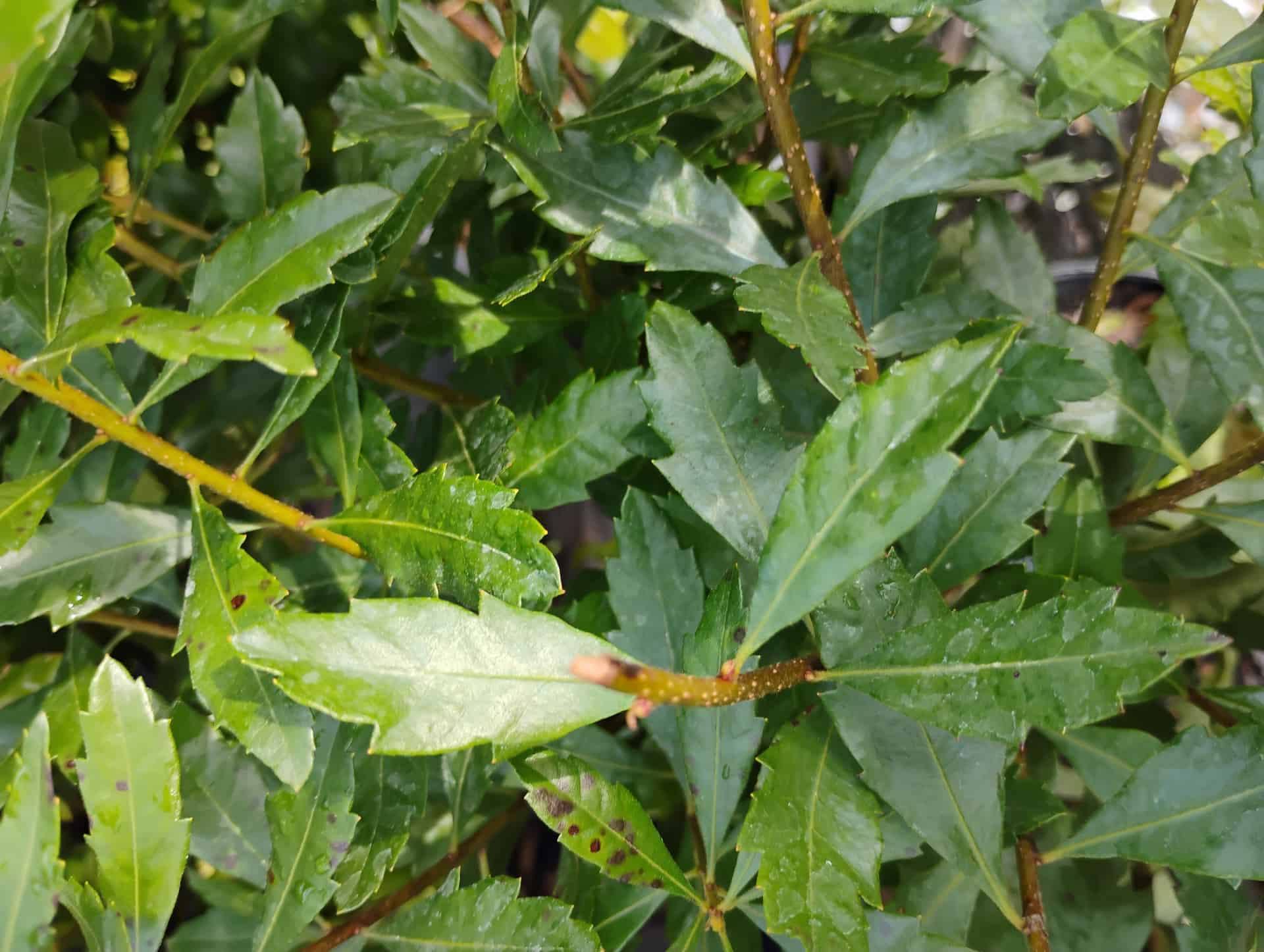
Wax Myrtle
Shares 6 of the same needs: full sun, moderate water, loam, salt tolerance, zone 9a hardiness, and pollinator-friendly.

Shumard Oak
Shares 6 of the same needs: full sun, moderate water, loam, salt tolerance, zone 9a hardiness, and pollinator-friendly.
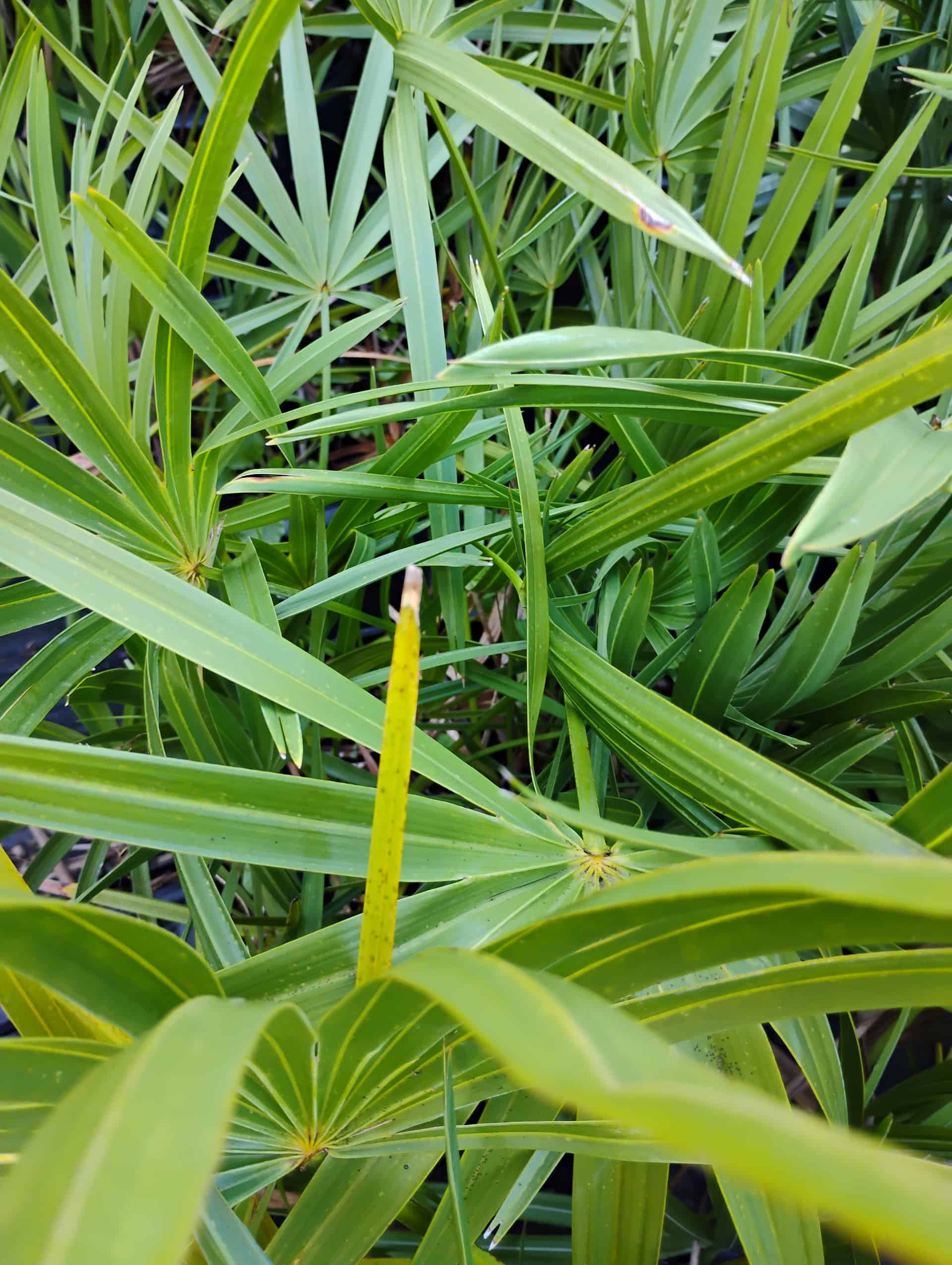
Saw Palmetto
Shares 5 of the same needs: full sun, loam, salt tolerance, zone 9a hardiness, and pollinator-friendly.

Autograph Tree
Shares 5 of the same needs: full sun, moderate water, loam, salt tolerance, and zone 9a hardiness.

Salvia
Shares 6 of the same needs: full sun, moderate water, loam, salt tolerance, zone 9a hardiness, and pollinator-friendly.
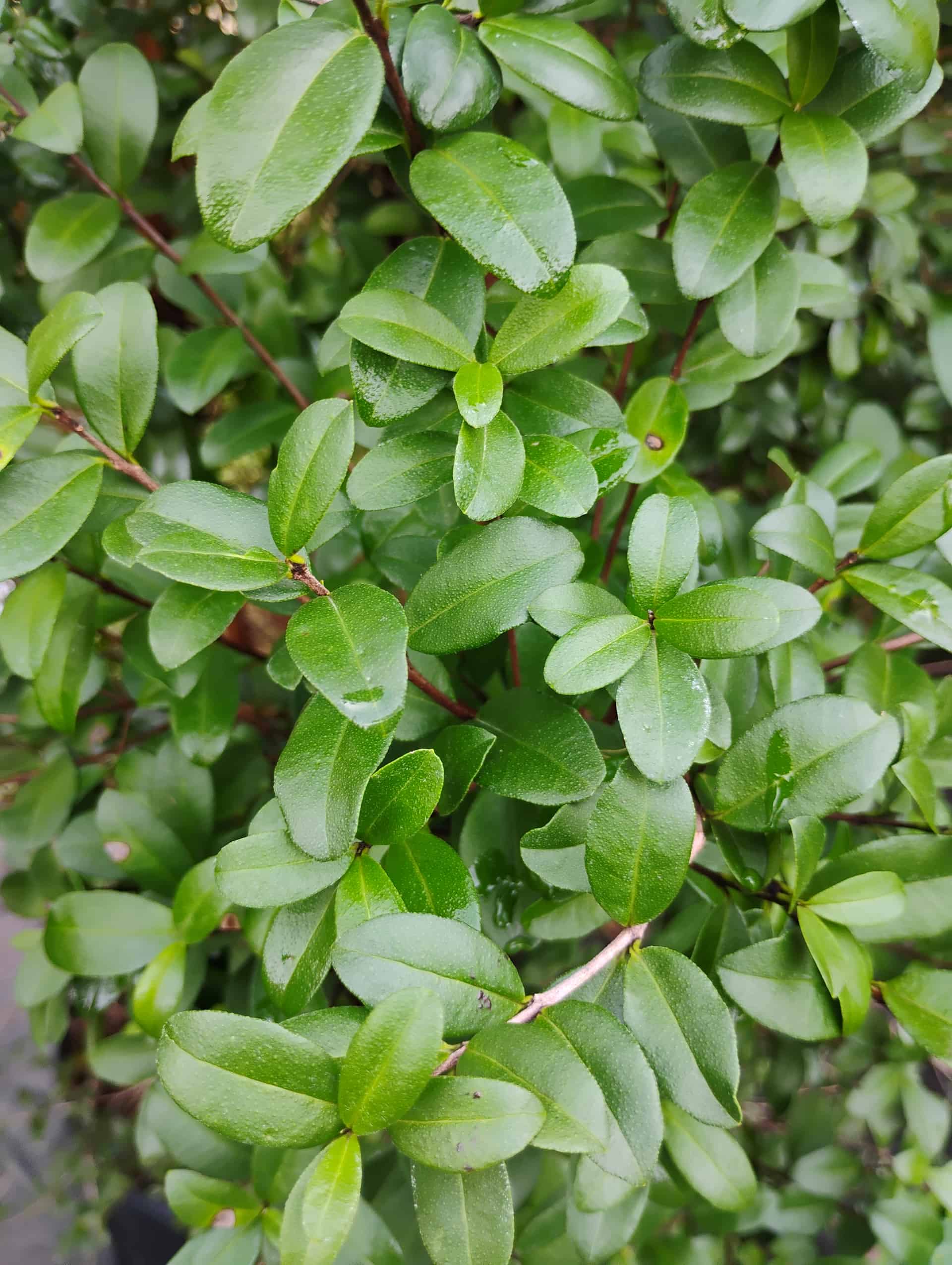
Simpson's Stopper
Shares 6 of the same needs: full sun, moderate water, loam, salt tolerance, zone 9a hardiness, and pollinator-friendly.
You may also like
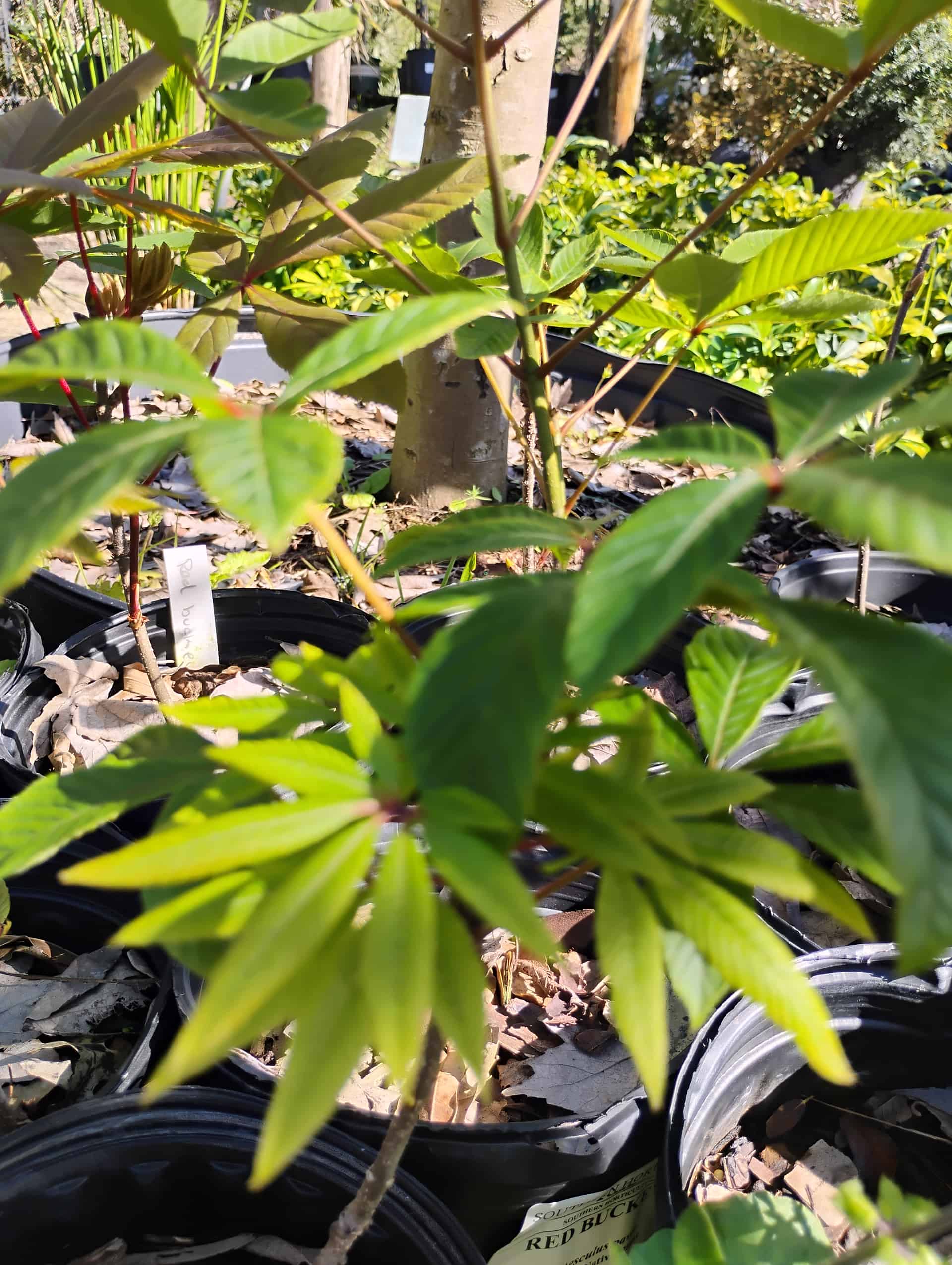 Tree
Red Buckeye
Aesculus pavia
Serviceberry
Amelanchier arborea
American Beech
Fagus grandifolia
Common questions
Is Magnolia a good plant for St. Augustine?
Magnolia is a tree. Mature size: 15-80 feet × 10-40 feet. Light: Full Sun, Part Shade. Water needs: Moderate. Recorded hardiness zone: 9a. Recorded salt tolerance: high.
What is the recorded pet toxicity for Magnolia?
Non-toxic to dogs and cats
Care information verified from
Last reviewed February 2026. Our care guidance comes from trusted horticulture sources and decades of helping St. Augustine gardeners. Conditions here can vary dramatically from one area to the next, so come ask us and we'll tailor it to your yard.