
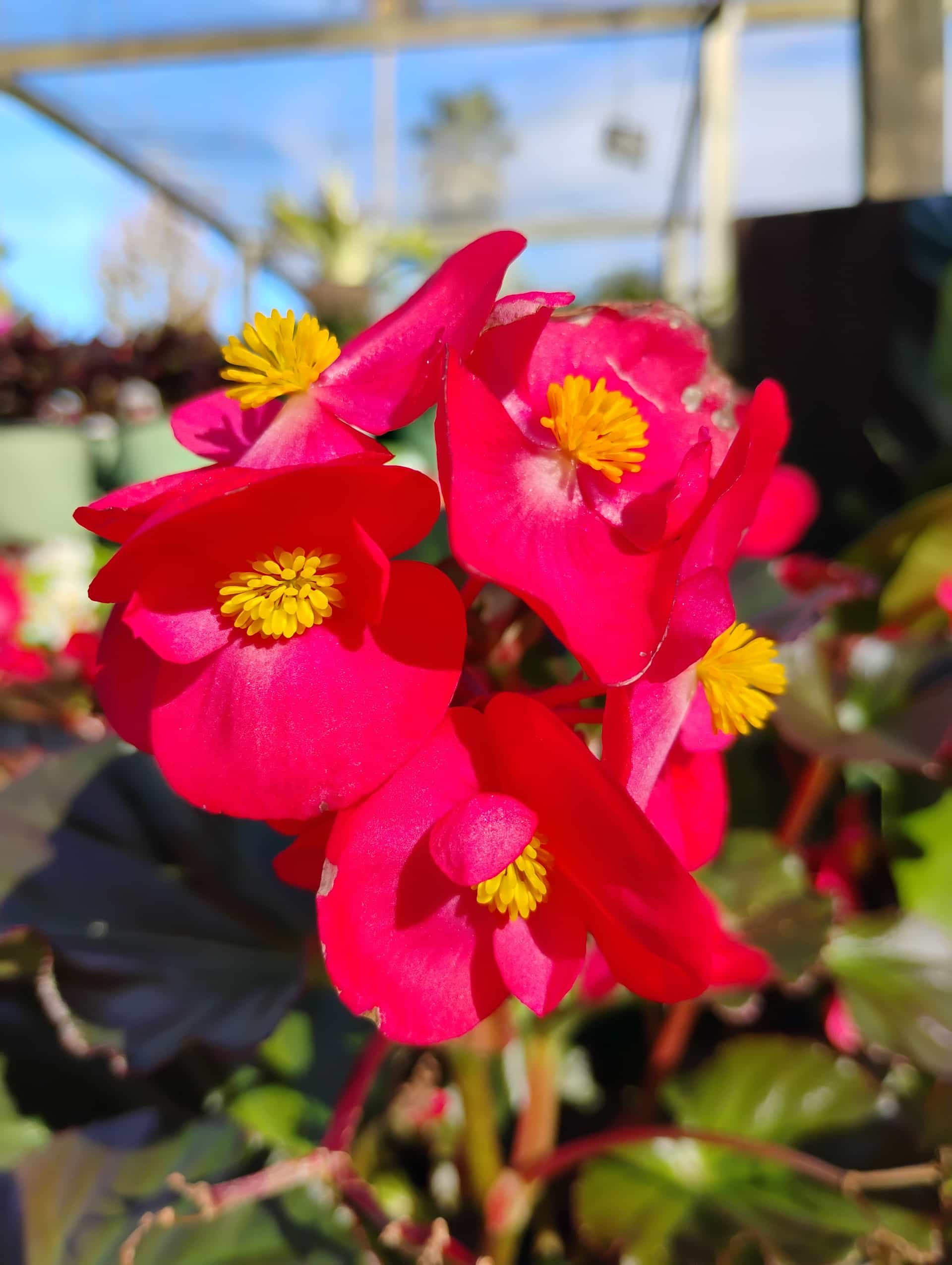
Varieties We Bring In
Viking XL Rose · Viking Explore Red · Viking XL Red · Viking XL Red on Chocolate · Viking Explore Red on Green
Viking Red · Standard · Cocktail DL Vodka · Tectonic Asteroid · Tectonic Magma · Tectonic Shangri-La
Ninetta
Viking
We received some Begonia on Sep 28, 2026.
We bring this in seasonally, so what is on the lot changes week to week. A received date shows when it last came in, not that it is here today.
Call (904) 471-0440 to confirm this plant and size before you make the trip.
Last received Sep 28, 2026.
We bring this in seasonally, so what is on the lot changes week to week. A received date shows when it last came in, not that it is here today.
Call (904) 471-0440 to confirm this plant and size before you make the trip.
Pet toxicity: Toxic to dogs and cats
Pet safety guideAbout Begonia
Hybrid Begonias (Begonia x hybrida) encompass a broad group of garden annuals prized for their waxy, richly colored flowers in red, pink, orange, and white, paired with glossy green or bronze foliage. Compact and versatile, they perform reliably in beds, borders, and containers in both sun and partial shade.
Plant details
- Bloom Season
- Spring, Summer, Fall
- Flower Color
- White, Orange, Red, Pink, Multi
- Growth Rate
- Moderate
- Foliage
- Tender perennial
- Soil
- Loam, Acidic, Well-drained
Best planting months
Recommended months: March, April, May.
Seasonal care
Bloom season. Good planting window.
Bloom season. Higher water demand in summer heat.
Bloom season.
Retains foliage through winter.
Care essentials
Hybrid Begonias perform well in part shade to full sun in NE Florida. Wax-type begonias especially tolerate full sun if kept moist. Avoid deep shade, which reduces flowering; afternoon shade in summer prevents heat scorch on more tender varieties.
Keep soil consistently moist but not waterlogged. In NE Florida's summer heat, begonias in containers may need daily watering; in ground beds, water 2–3 times per week and mulch to retain moisture. Begonias tolerate overhead irrigation better than most annuals.
Plant in well-drained, slightly acidic, organically rich soil. Apply a balanced slow-release fertilizer at planting and monthly liquid feeding throughout the growing season to sustain prolific flowering. Amend Florida's sandy soils with compost to improve moisture retention.
Similar needs
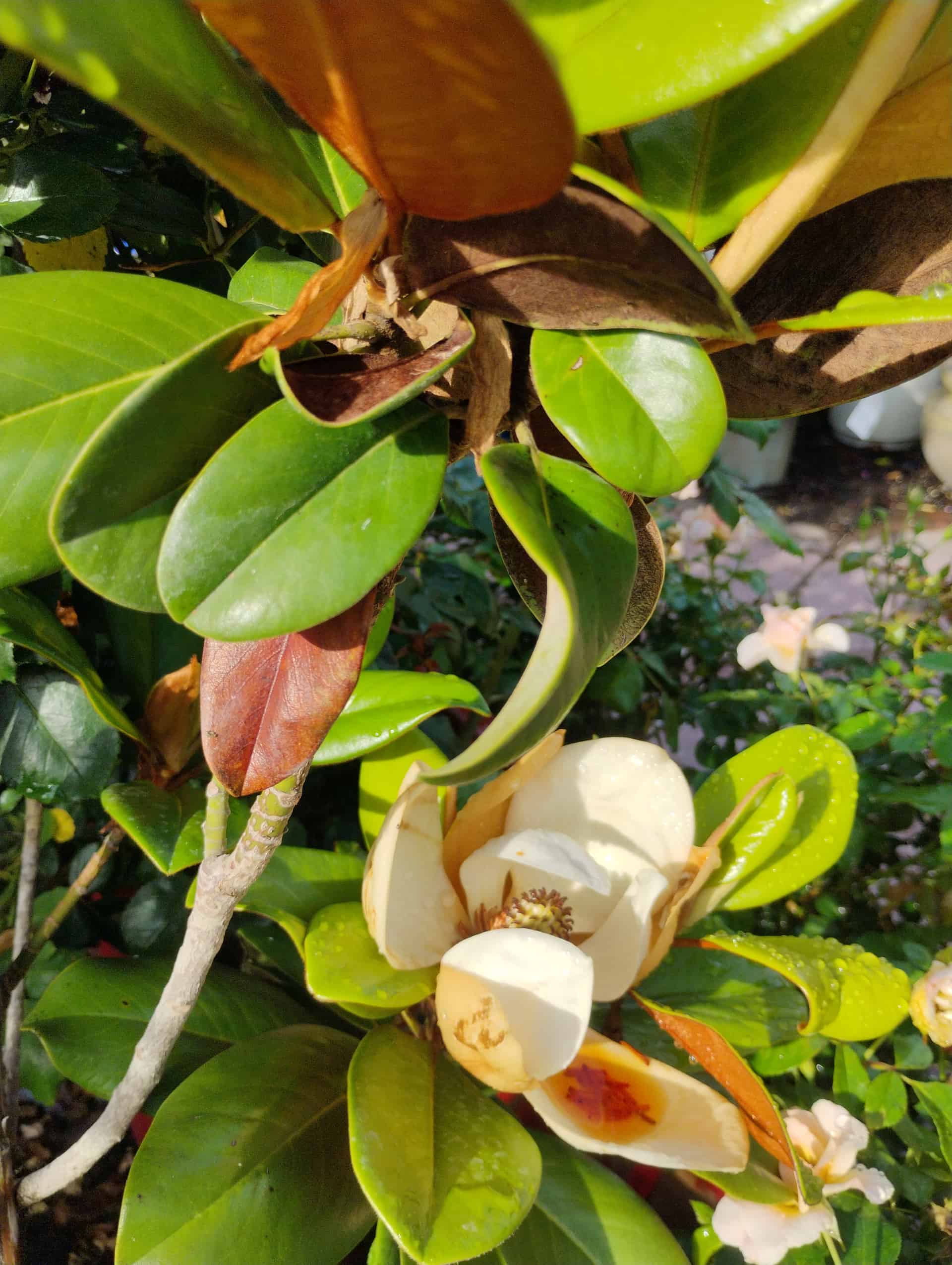
Magnolia
Shares 4 of the same needs: moderate water, loam, salt tolerance, and zone 9a hardiness.

Shumard Oak
Shares 4 of the same needs: moderate water, loam, salt tolerance, and zone 9a hardiness.
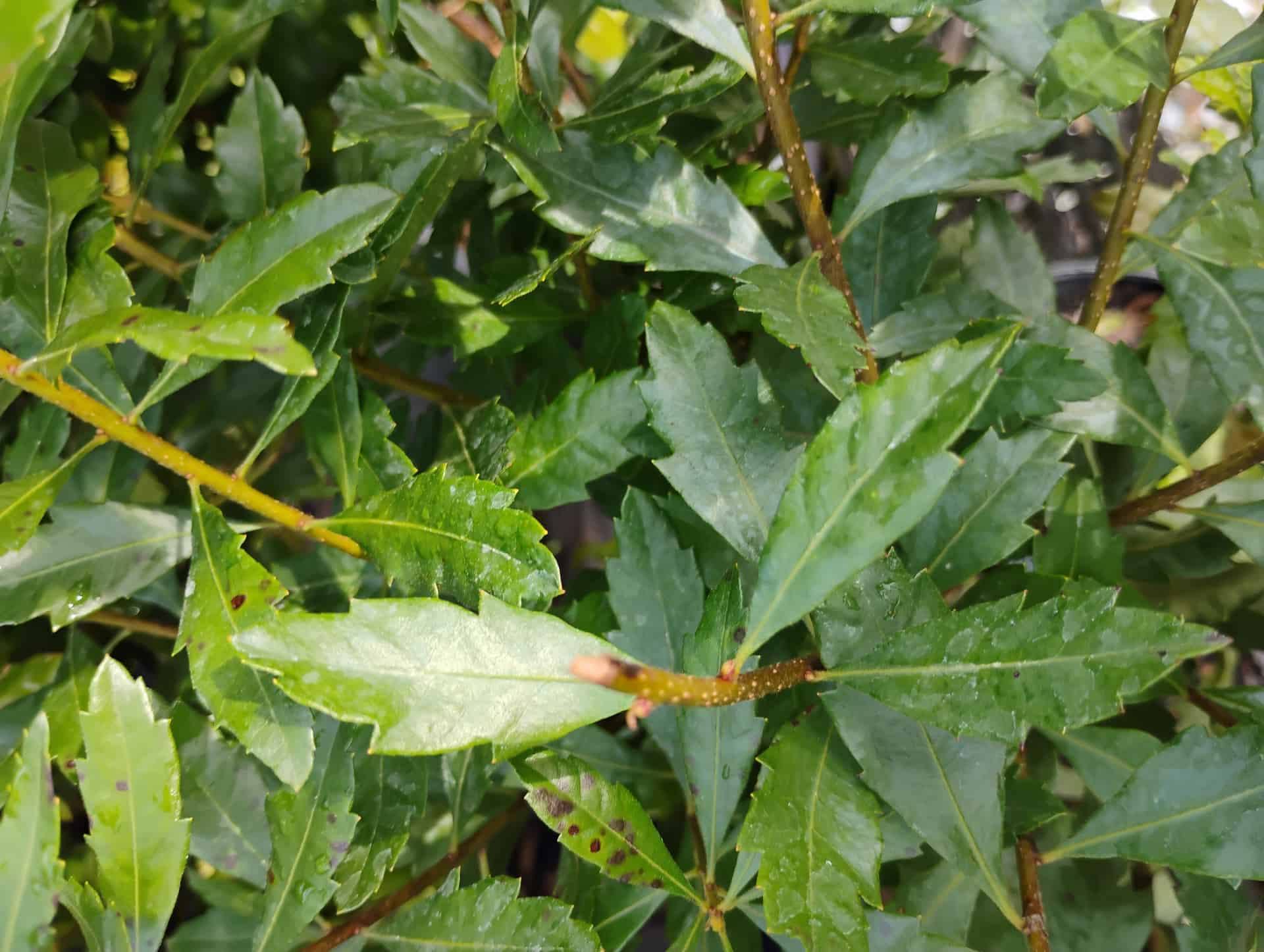
Wax Myrtle
Shares 4 of the same needs: moderate water, loam, salt tolerance, and zone 9a hardiness.
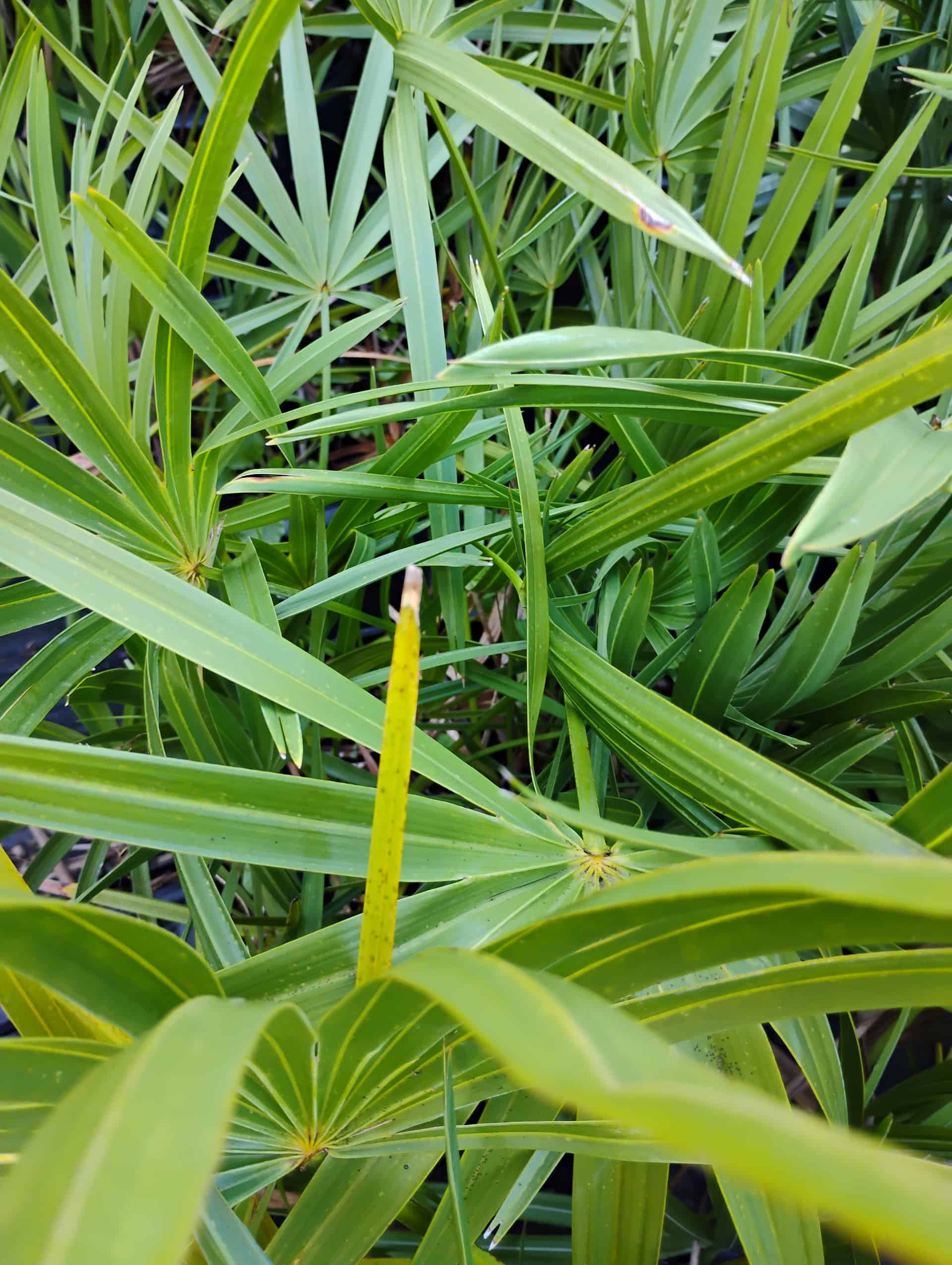
Saw Palmetto
Shares 3 of the same needs: loam, salt tolerance, and zone 9a hardiness.
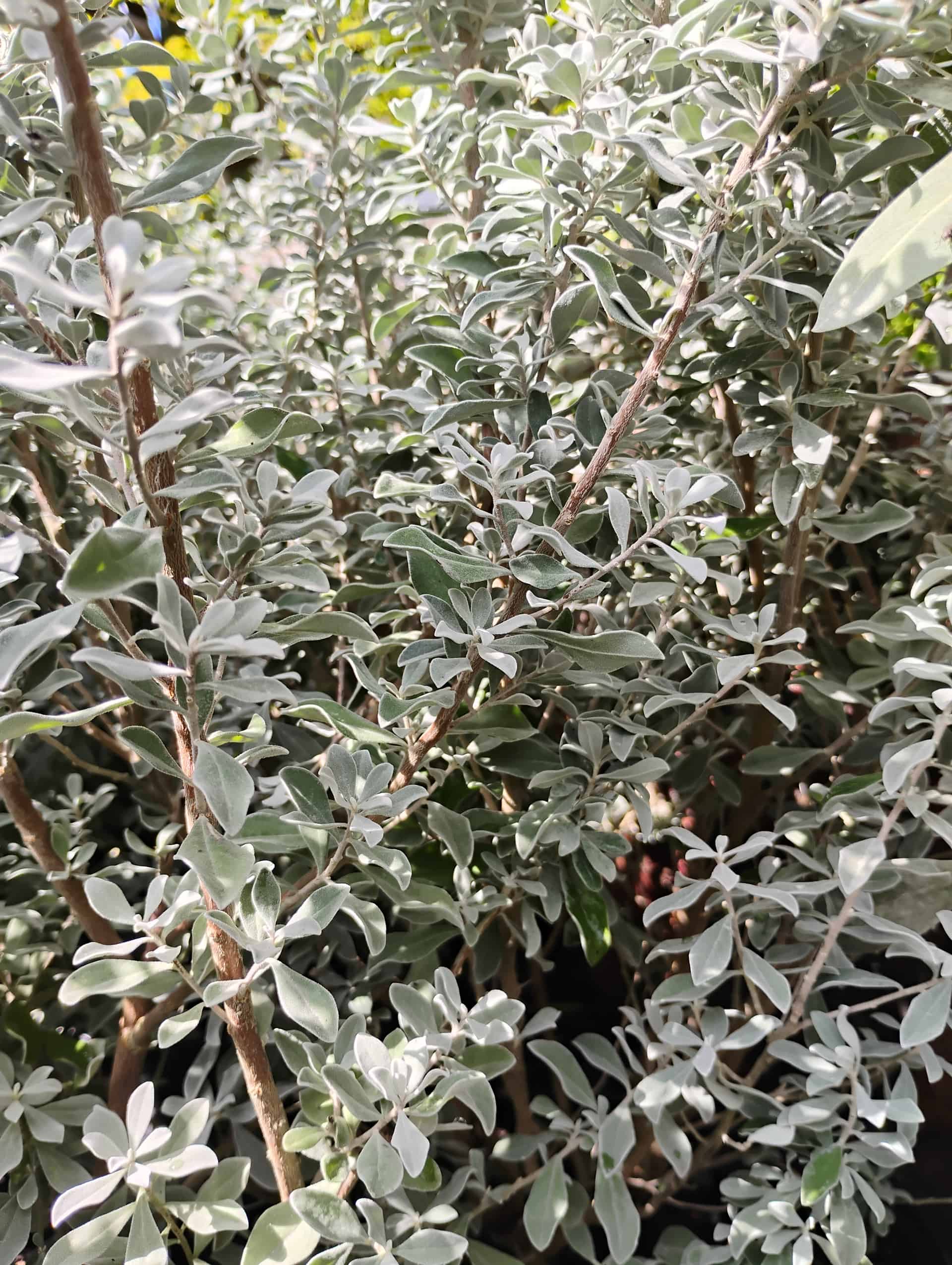
Texas Sage
Shares 3 of the same needs: loam, salt tolerance, and zone 9a hardiness.

Cauliflower
Shares 4 of the same needs: moderate water, loam, salt tolerance, and zone 9a hardiness.
You may also like
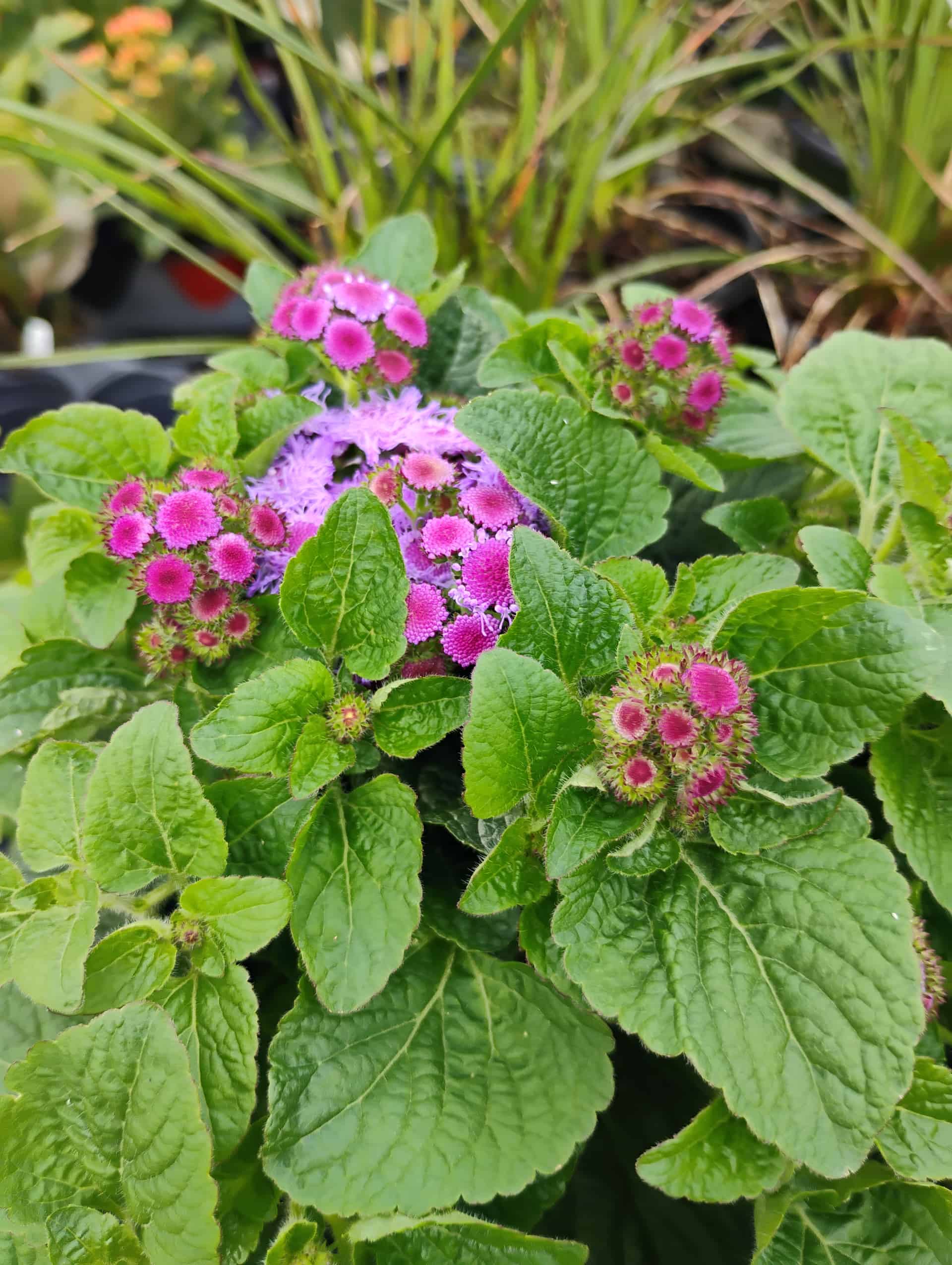 Annual
Ageratum
Ageratum houstonianum
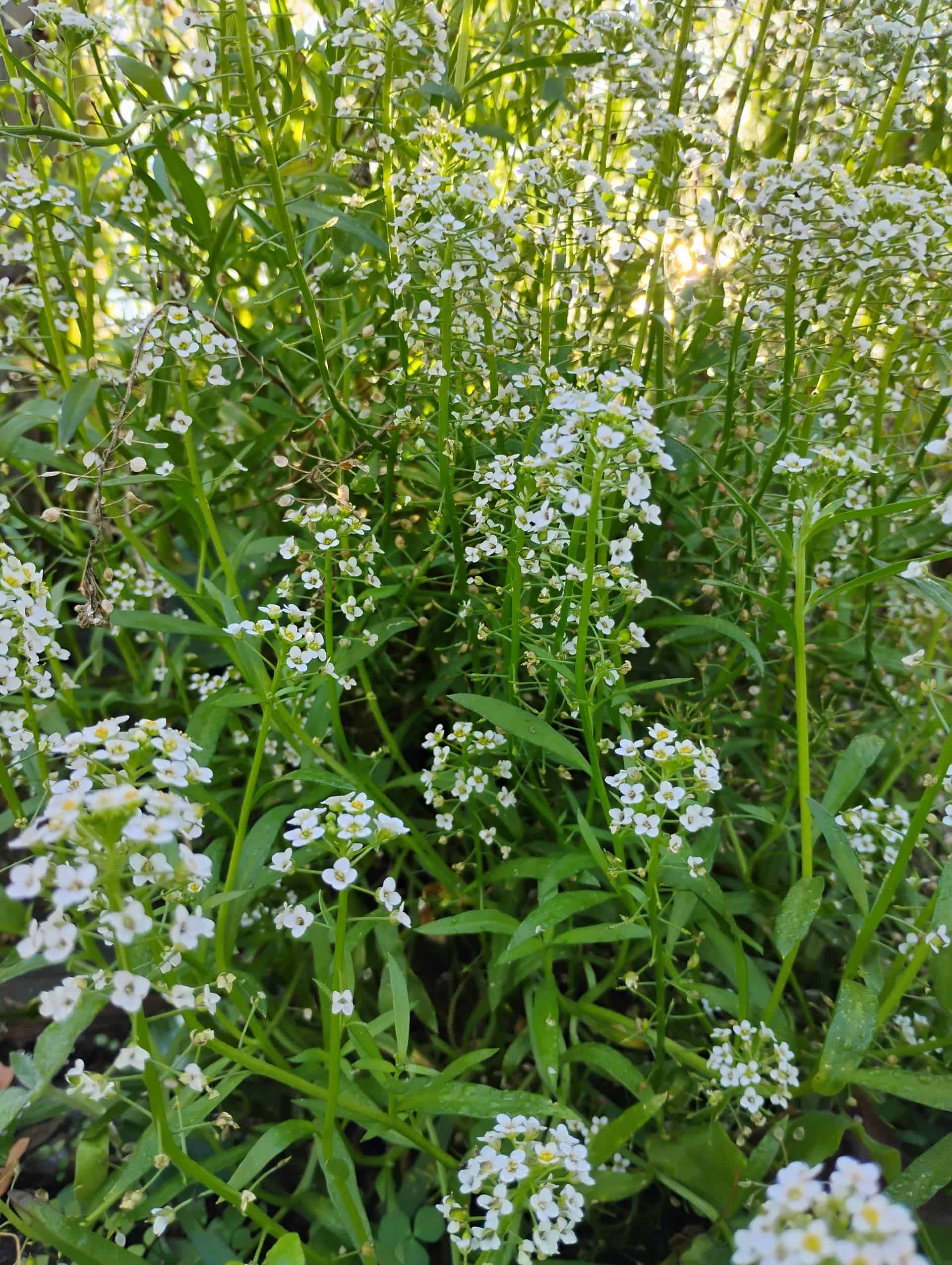 Annual
Alyssum
Lobularia maritima
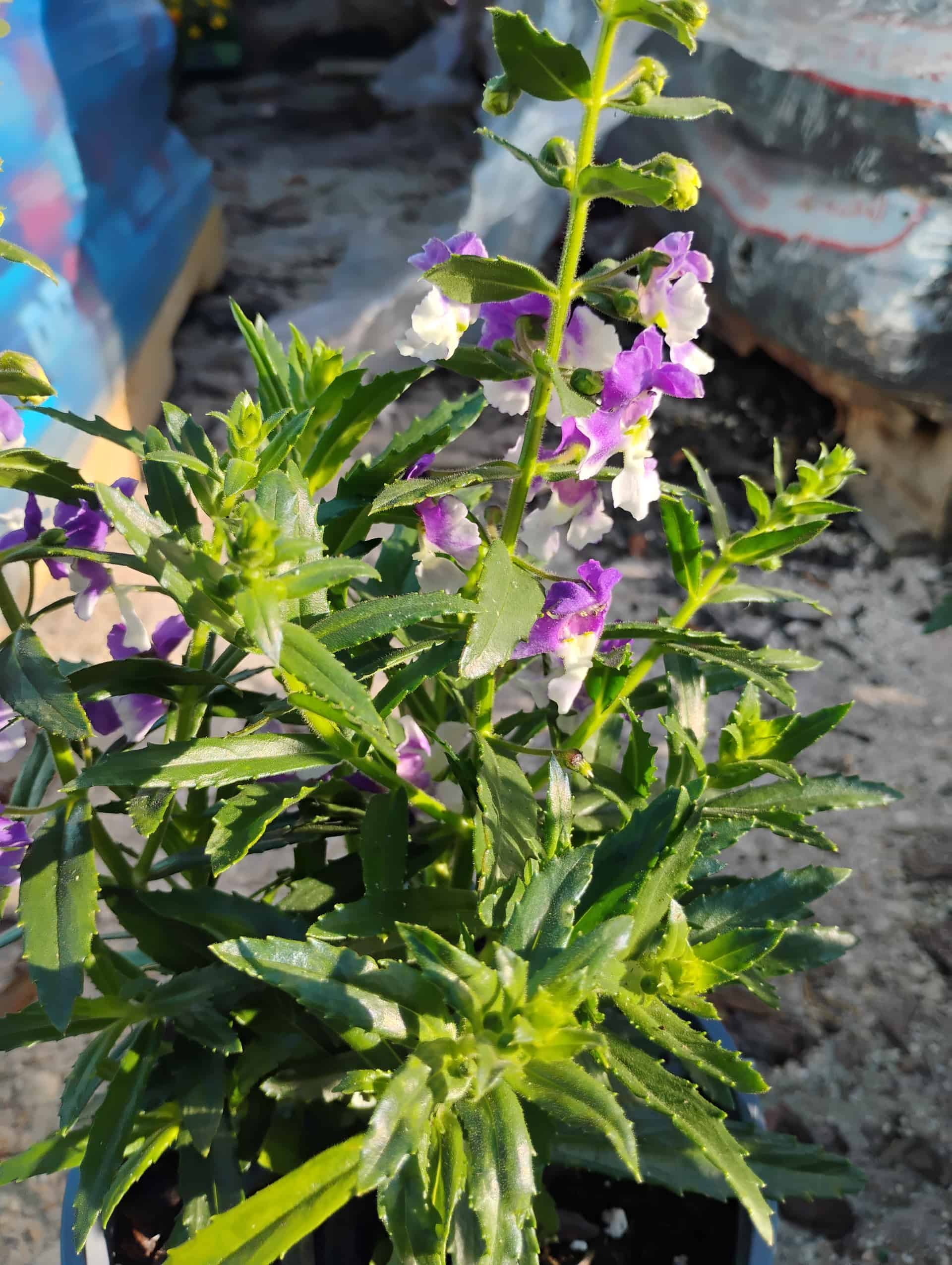 Annual
Angelonia
Angelonia angustifolia
Common questions
Is Begonia a good plant for St. Augustine?
Begonia is an annual. Mature size: 6-18 inches × 6-12 inches (varies by type). Light: Part Shade, Full Sun. Water needs: Moderate. Recorded hardiness zone: 9a. Recorded salt tolerance: high.
What is the recorded pet toxicity for Begonia?
Toxic to dogs and cats
Care information verified from
Last reviewed February 2026. Our care guidance comes from trusted horticulture sources and decades of helping St. Augustine gardeners. Conditions here can vary dramatically from one area to the next, so come ask us and we'll tailor it to your yard.