
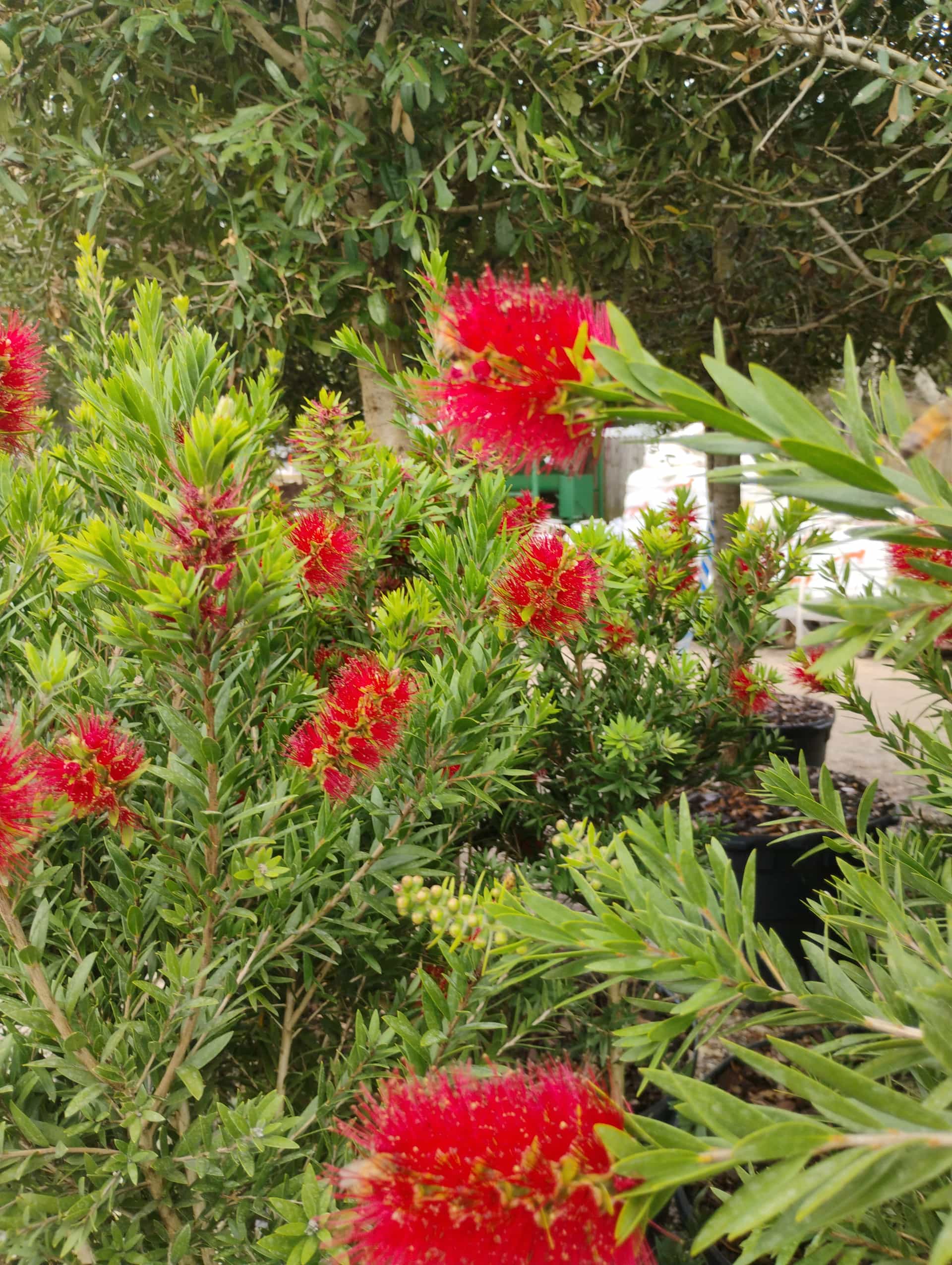
Varieties We Bring In
Little John
Little John
Rigidus · Red Cluster · MacArthur · Slim · Little John · Better John · Boyette Weeping
Red Cluster · Slim · Little John · Neon Pink · Citrinus
Rigidus · Red Cluster · MacArthur · Slim · Weeping
Red Cluster · MacArthur · Slim · Weeping
Red Cluster
Red Cluster · Weeping
We received some Bottlebrush on Oct 27, 2026.
We bring this in seasonally, so what is on the lot changes week to week. A received date shows when it last came in, not that it is here today.
Call (904) 471-0440 to confirm this plant and size before you make the trip.
Last received Oct 27, 2026.
We bring this in seasonally, so what is on the lot changes week to week. A received date shows when it last came in, not that it is here today.
Call (904) 471-0440 to confirm this plant and size before you make the trip.
Pet toxicity: Non-toxic to dogs and cats
Pet safety guideAbout Bottlebrush
Bottlebrush (Callistemon spp.) is an Australian evergreen shrub or small tree producing distinctive bright red, brush-like flower spikes that attract hummingbirds and pollinators. Note: avoid the weeping form Melaleuca viminalis, which is considered potentially invasive in Florida; Callistemon citrinus (Red Bottlebrush) is the recommended species for NE Florida landscapes, hardy in zones 9a–11.
Plant details
- Bloom Season
- Spring, Summer, Fall
- Flower Color
- Red
- Growth Rate
- Moderate
- Foliage
- Evergreen
- Soil
- Sandy, Loam, Clay, Well-drained
Best planting months
Recommended months: March, April, May, September, October, November.
Seasonal care
Bloom season. Good planting window.
Bloom season.
Ideal planting window.
Retains foliage through winter.
Care essentials
Bottlebrush thrives in full sun; at least 6 hours of direct sun daily produces the best bloom. It adapts to a wide range of NE Florida soils and tolerates reflected heat well.
Very drought-tolerant once established; water regularly during the first growing season, then reduce to occasional deep watering. Avoid waterlogged soils, which promote crown and root rot.
Tolerates sandy, loamy, or clay soils but requires good drainage; does not perform well in very alkaline or poorly drained sites. Fertilize lightly in spring with a balanced slow-release fertilizer to maintain dark green foliage and flower color.
Similar needs
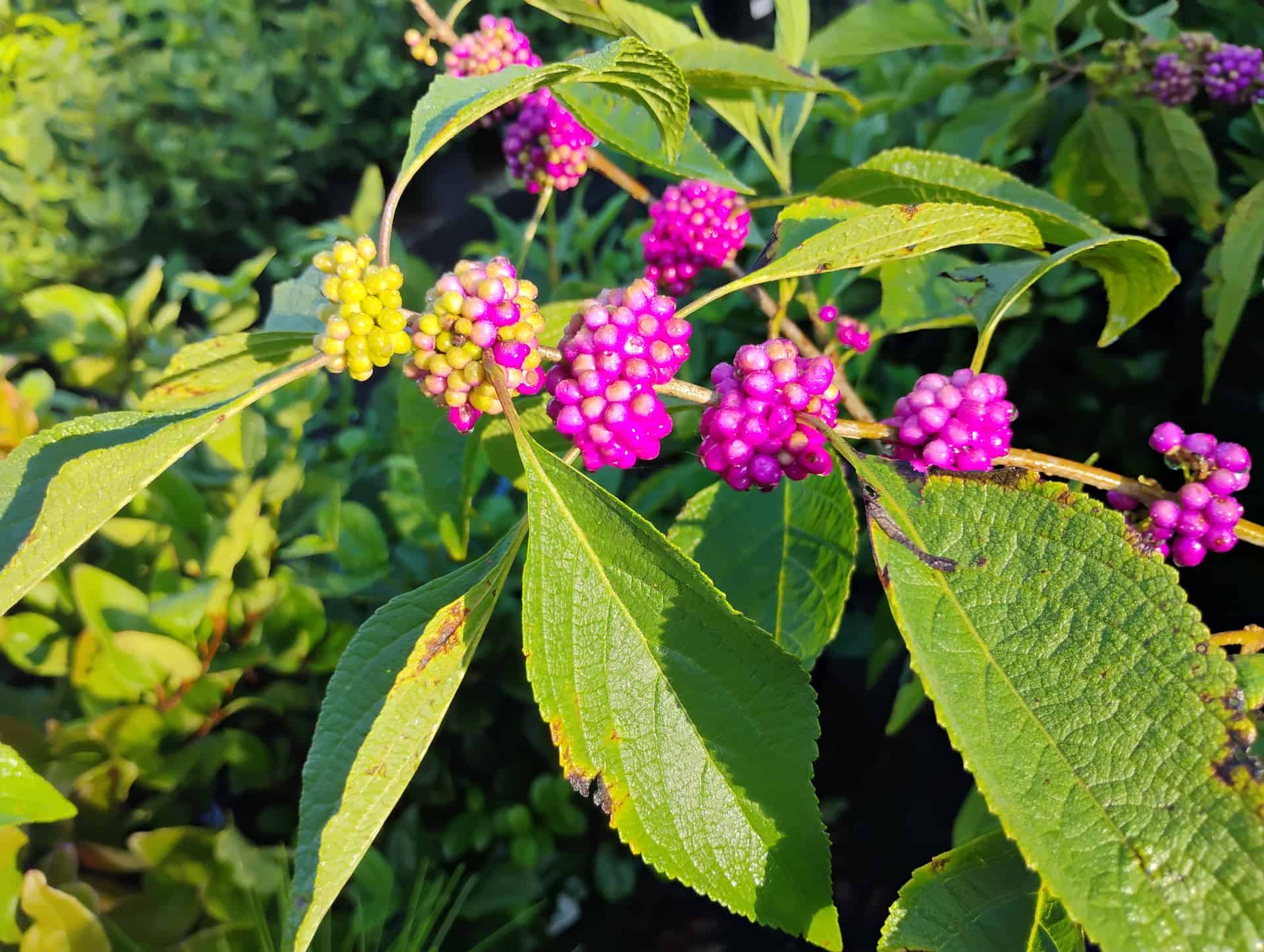
Beautyberry
Shares 7 of the same needs: full sun, low water, sandy, salt tolerance, deer resistance, zone 9a hardiness, and pollinator-friendly.

Plumeria
Shares 7 of the same needs: full sun, low water, sandy, salt tolerance, deer resistance, zone 9a hardiness, and pollinator-friendly.
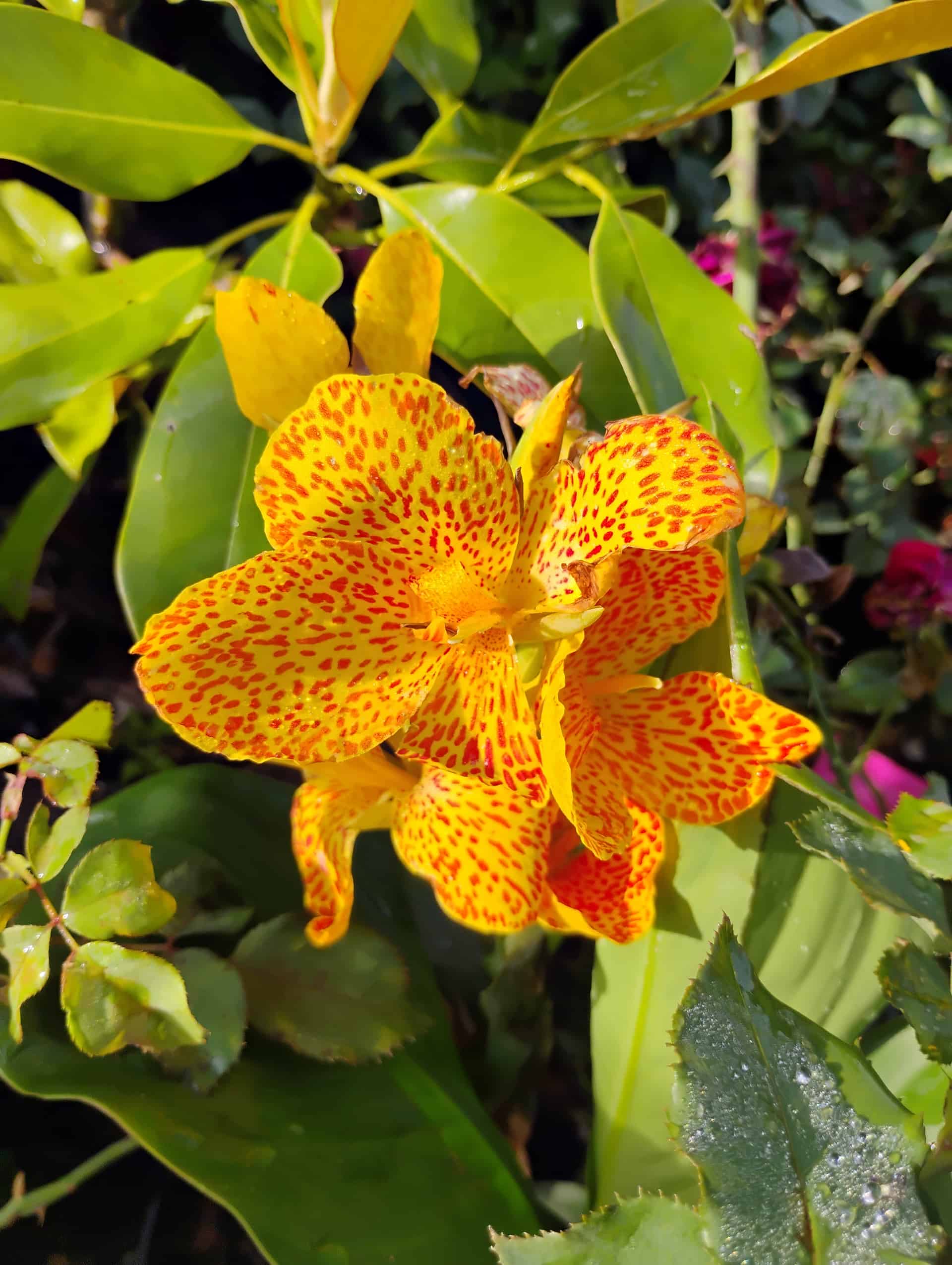
Canna Lily
Shares 6 of the same needs: full sun, sandy, salt tolerance, deer resistance, zone 9a hardiness, and pollinator-friendly.
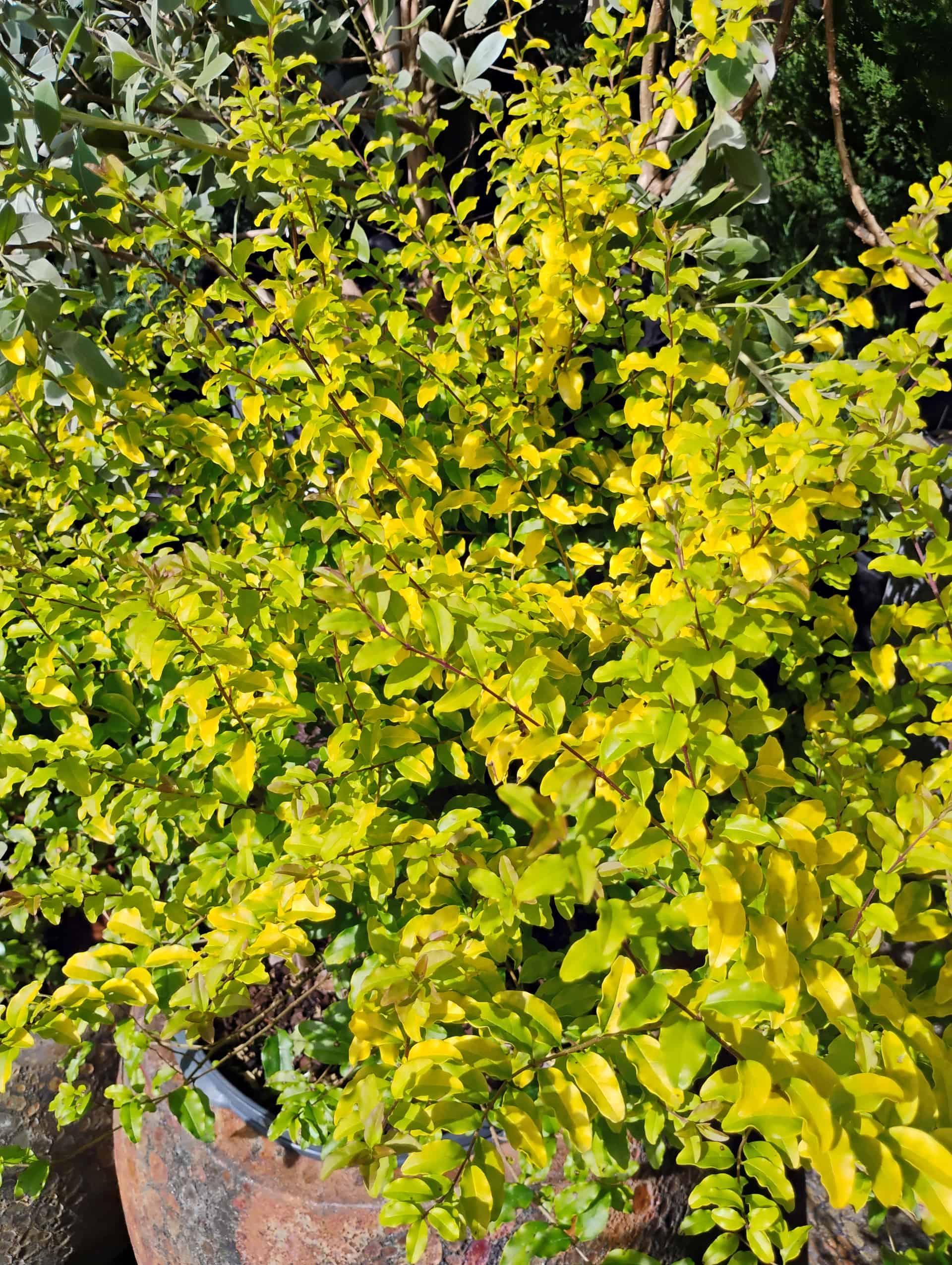
Ligustrum
Shares 6 of the same needs: full sun, sandy, salt tolerance, deer resistance, zone 9a hardiness, and pollinator-friendly.
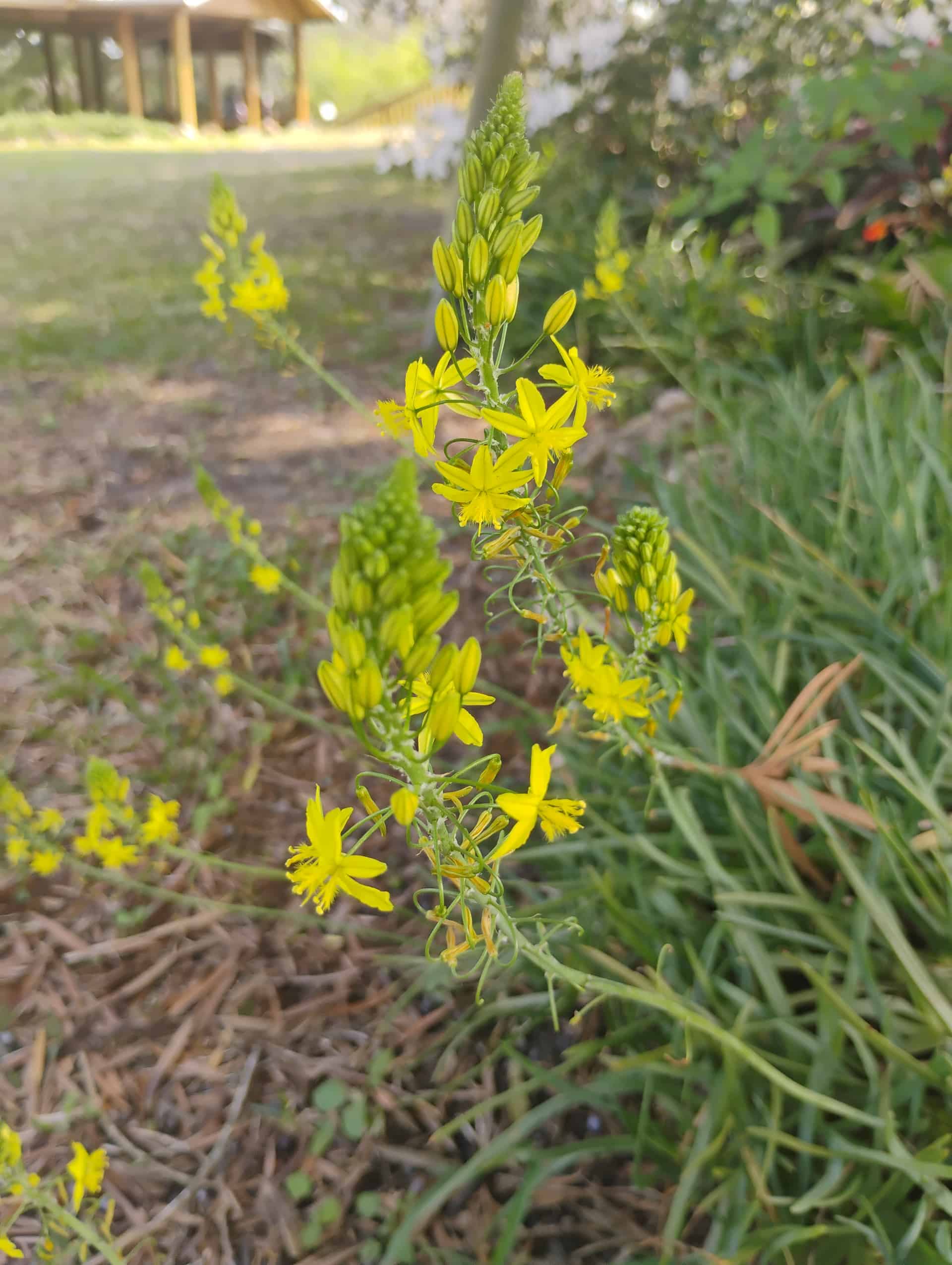
Bulbine Lily
Shares 7 of the same needs: full sun, low water, sandy, salt tolerance, deer resistance, zone 9a hardiness, and pollinator-friendly.
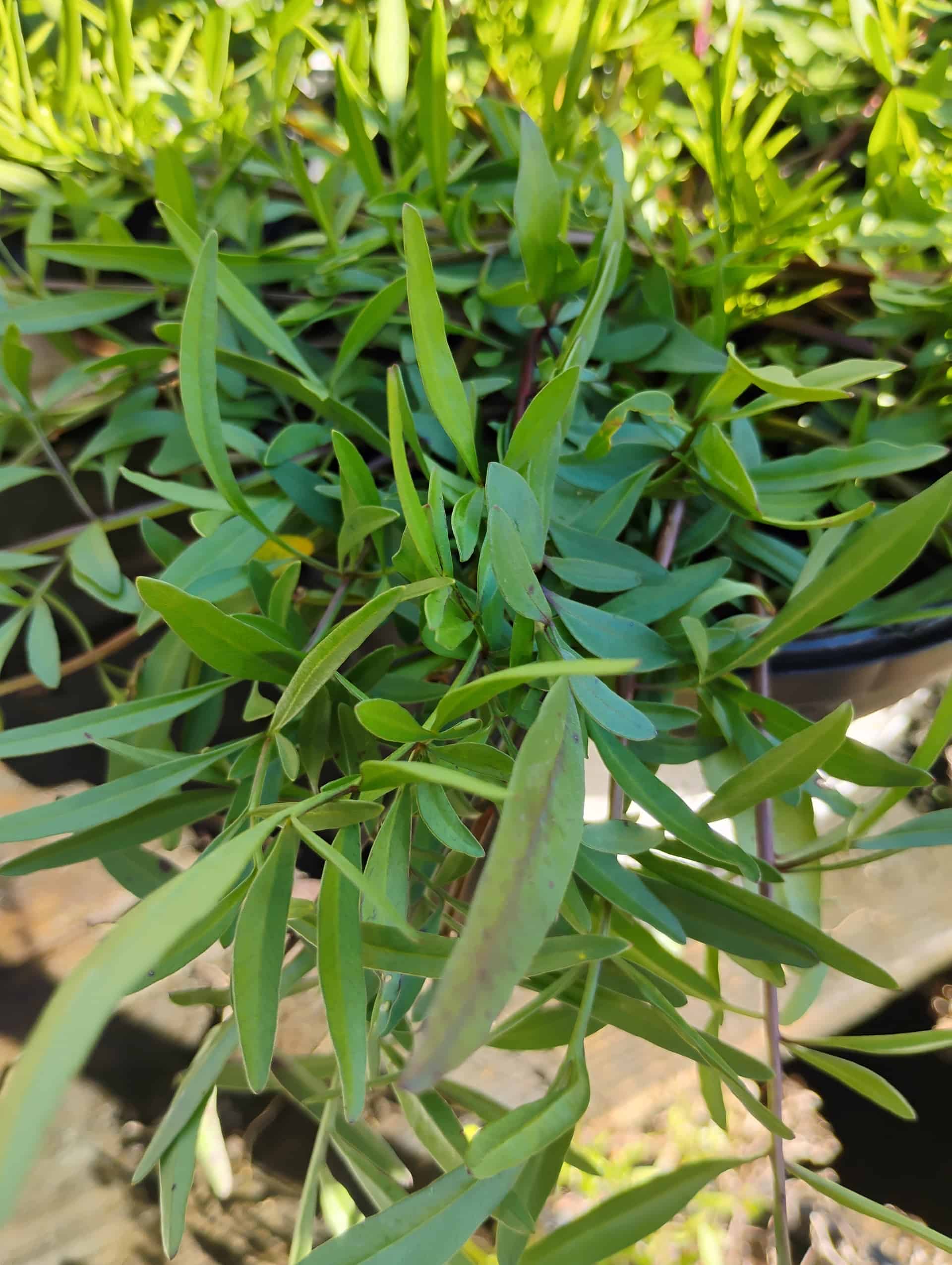
Lanceleaf Coreopsis
Shares 7 of the same needs: full sun, low water, sandy, salt tolerance, deer resistance, zone 9a hardiness, and pollinator-friendly.
You may also like
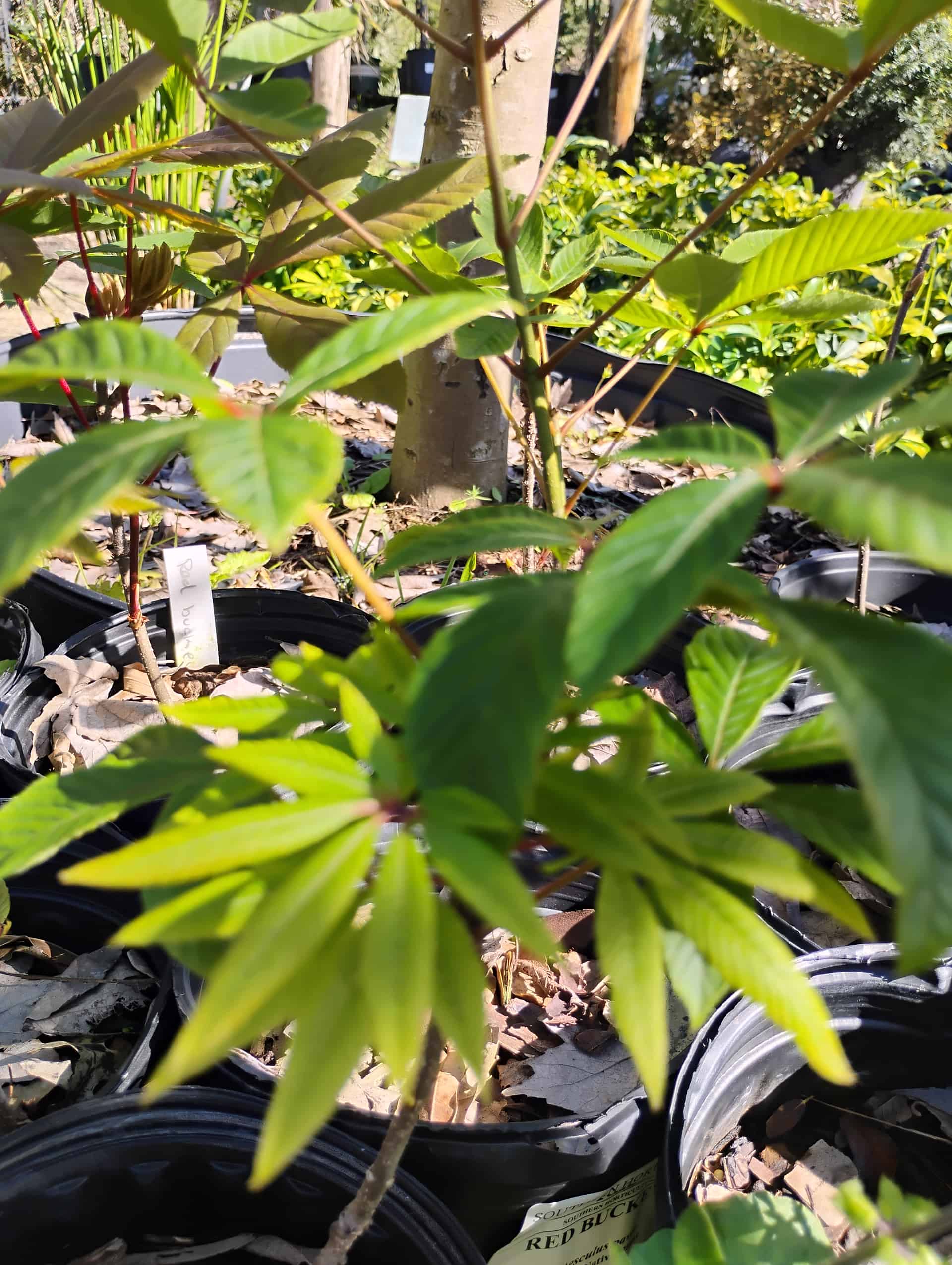 Tree
Red Buckeye
Aesculus pavia
Serviceberry
Amelanchier arborea
American Beech
Fagus grandifolia
Common questions
Is Bottlebrush a good plant for St. Augustine?
Bottlebrush is a tree. Mature size: 3-15 feet × 8-12 feet (can be pruned smaller). Light: Full Sun. Water needs: Low. Recorded hardiness zone: 9a. Recorded salt tolerance: moderate.
What is the recorded pet toxicity for Bottlebrush?
Non-toxic to dogs and cats
Care information verified from
Last reviewed February 2026. Our care guidance comes from trusted horticulture sources and decades of helping St. Augustine gardeners. Conditions here can vary dramatically from one area to the next, so come ask us and we'll tailor it to your yard.