
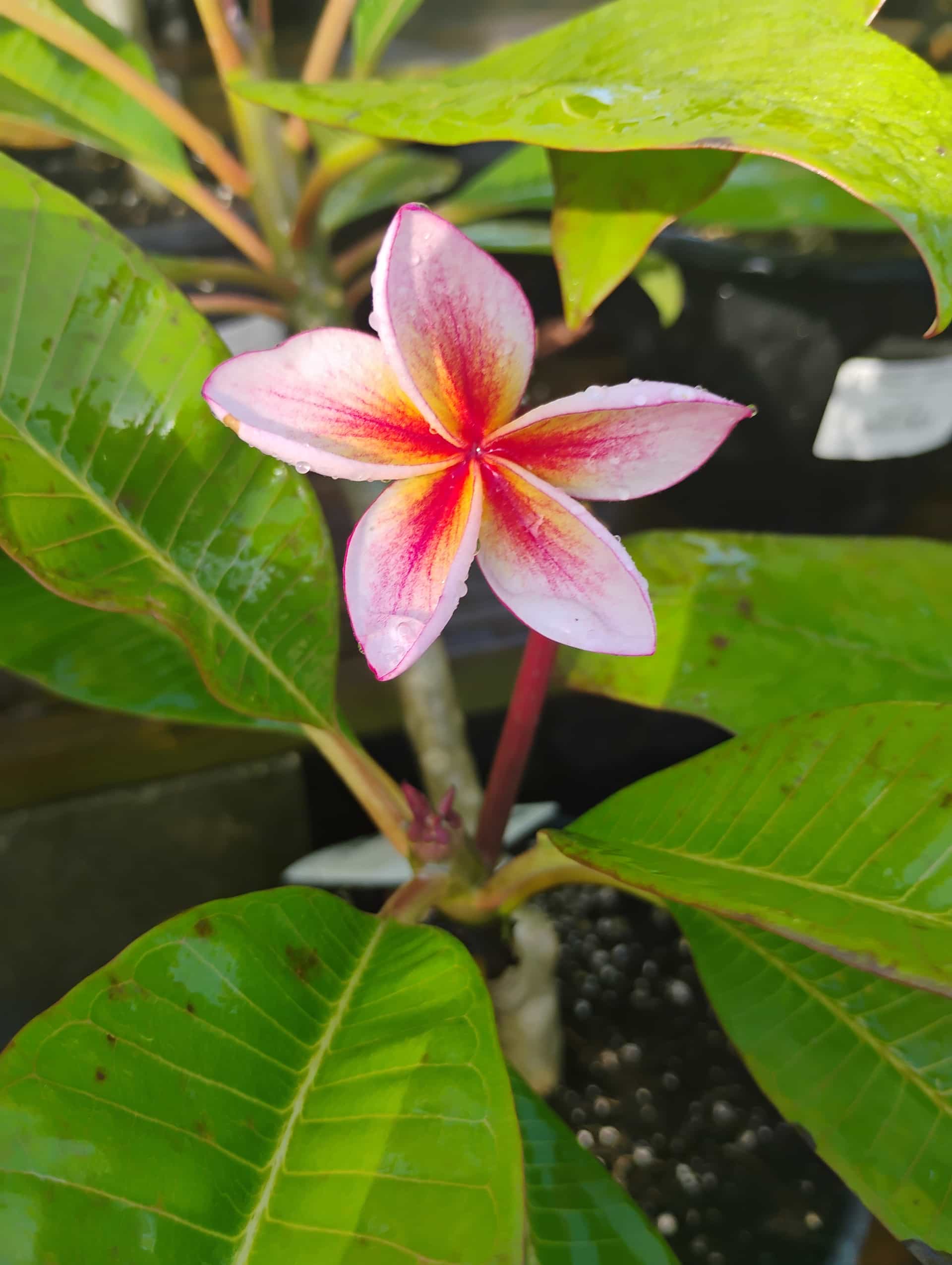
Plumeria
Plumeria rubra
Varieties We Bring In
Last received Jul 19, 2026.
We bring this in seasonally, so what is on the lot changes week to week. A received date shows when it last came in, not that it is here today.
Call (904) 471-0440 to confirm this plant and size before you make the trip.
About Plumeria
Plumeria (Plumeria rubra) is a small, deciduous tropical tree native to Mexico, Central America, and Venezuela, celebrated for its intensely fragrant, waxy flowers in shades of white, yellow, pink, and red — the classic blooms used in Hawaiian leis. The thick, succulent branches hold large, glossy leaves clustered at the tips, giving the tree a bold, sculptural form. It is widely grown in tropical and subtropical gardens as a specimen tree or in containers. Starting at $19.95.
Plant details
- Bloom Season
- Summer, Fall
- Flower Color
- White, Yellow, Red, Pink
- Growth Rate
- Moderate
- Foliage
- Deciduous
- Soil
- Sandy, Loam, Well-drained
Best planting months
Seasonal care
Bloom season. New foliage emerges. Good planting window.
Bloom season. Handles summer heat well once established.
Bloom season. Foliage may begin to change or drop. Ideal planting window.
Dormant — drops foliage.
Care essentials
Plumeria thrives in full sun — at least 6 hours of direct sun daily is essential for good flowering. In NE Florida, choose the sunniest, most wind-sheltered spot in the landscape or grow in a container that can be moved indoors during cold snaps.
Water regularly during the active growing season (spring through fall), then reduce watering in late fall as the plant goes dormant and drops leaves. Plumeria is drought-tolerant once established and is very prone to root rot in waterlogged soil — always allow the soil to dry between waterings.
Plant in fast-draining sandy or loamy soil; amend heavy soil with coarse sand or perlite. Fertilize monthly from spring through summer with a high-phosphorus fertilizer (e.g., 10-30-10) to promote blooms; stop fertilizing by September to harden the plant before winter.
Similar needs
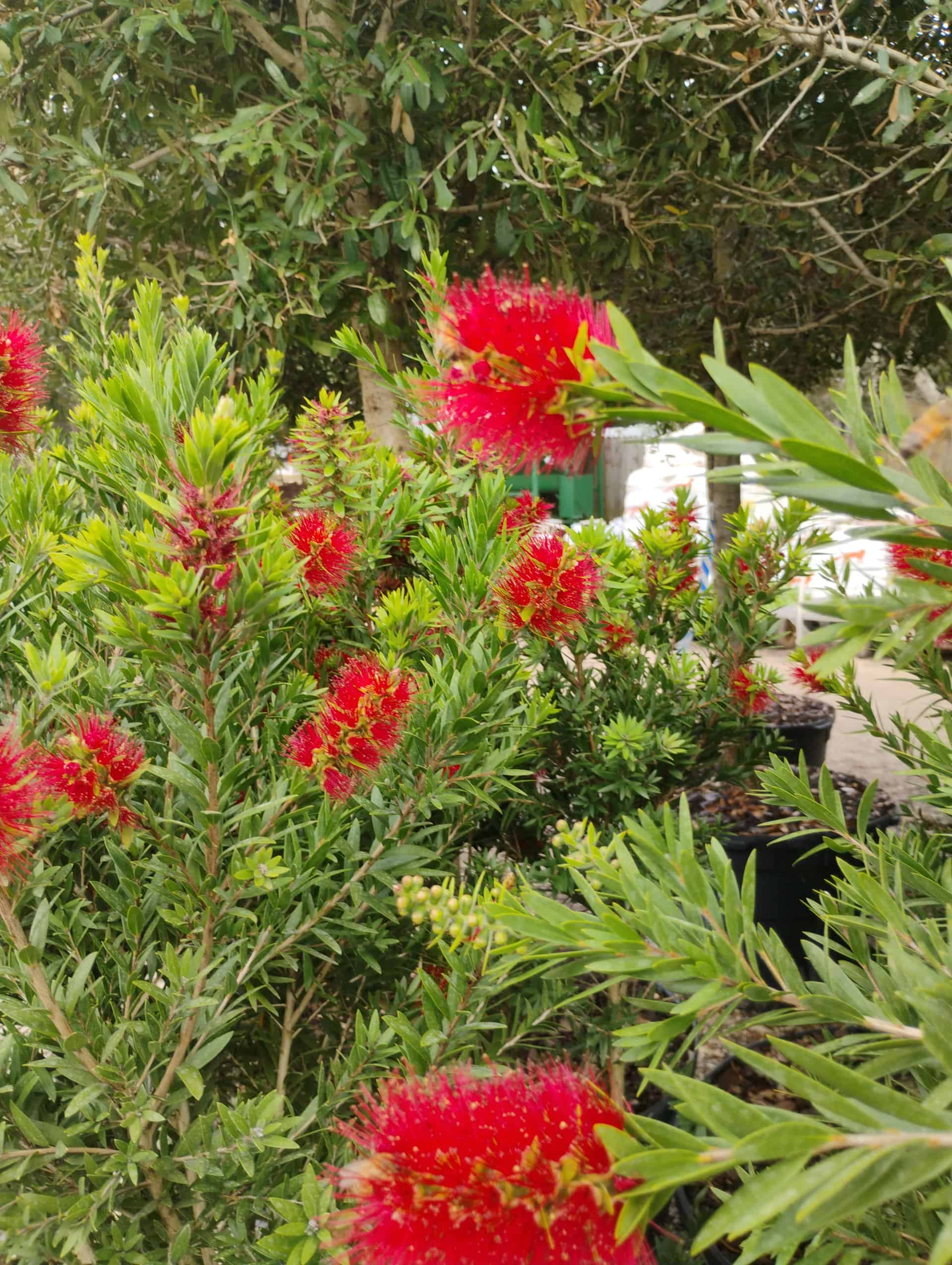
Bottlebrush
Shares 7 of the same needs: full sun, low water, sandy, salt tolerance, deer resistance, zone 9a hardiness, and pollinator-friendly.
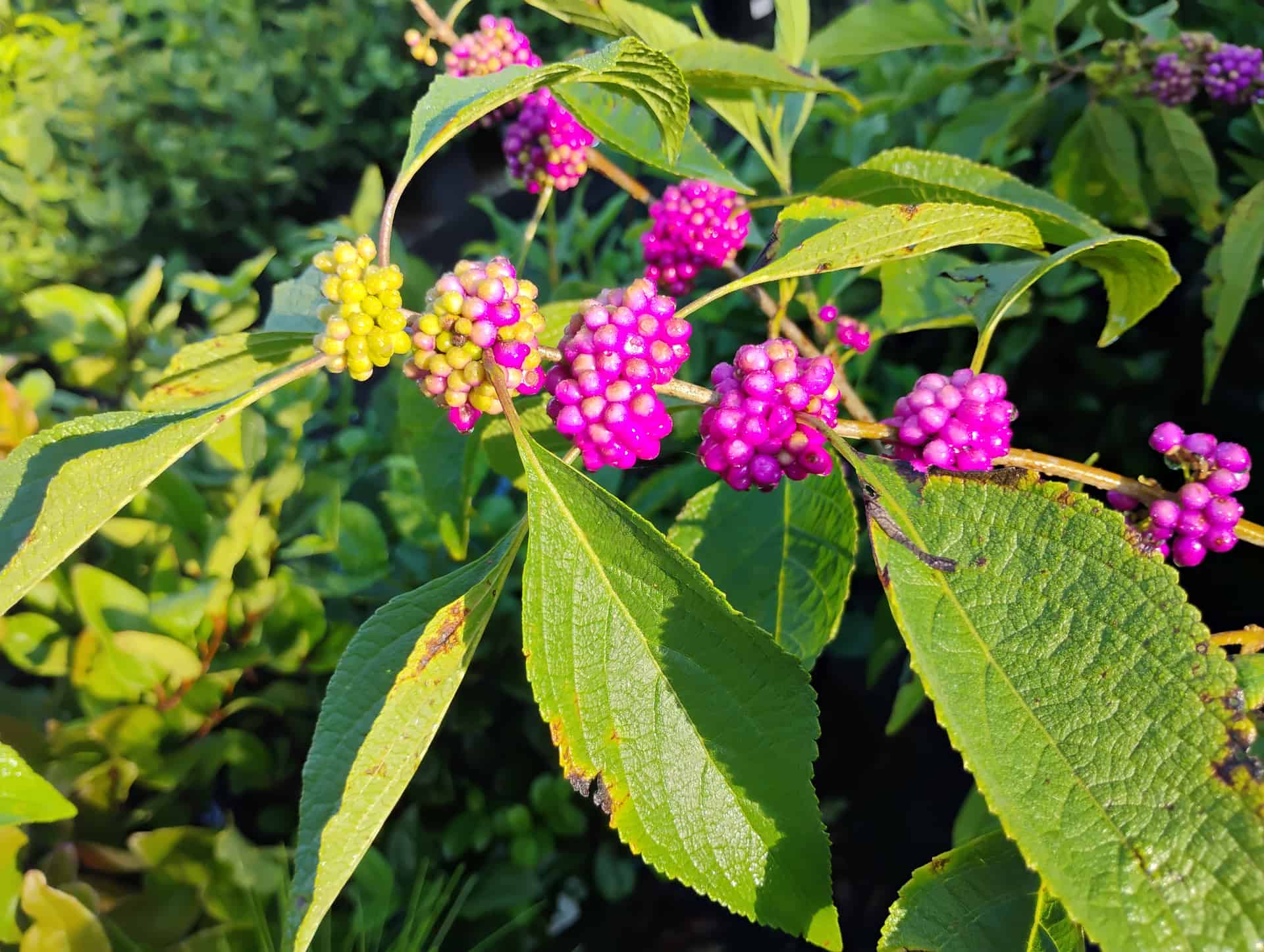
Beautyberry
Shares 7 of the same needs: full sun, low water, sandy, salt tolerance, deer resistance, zone 9a hardiness, and pollinator-friendly.
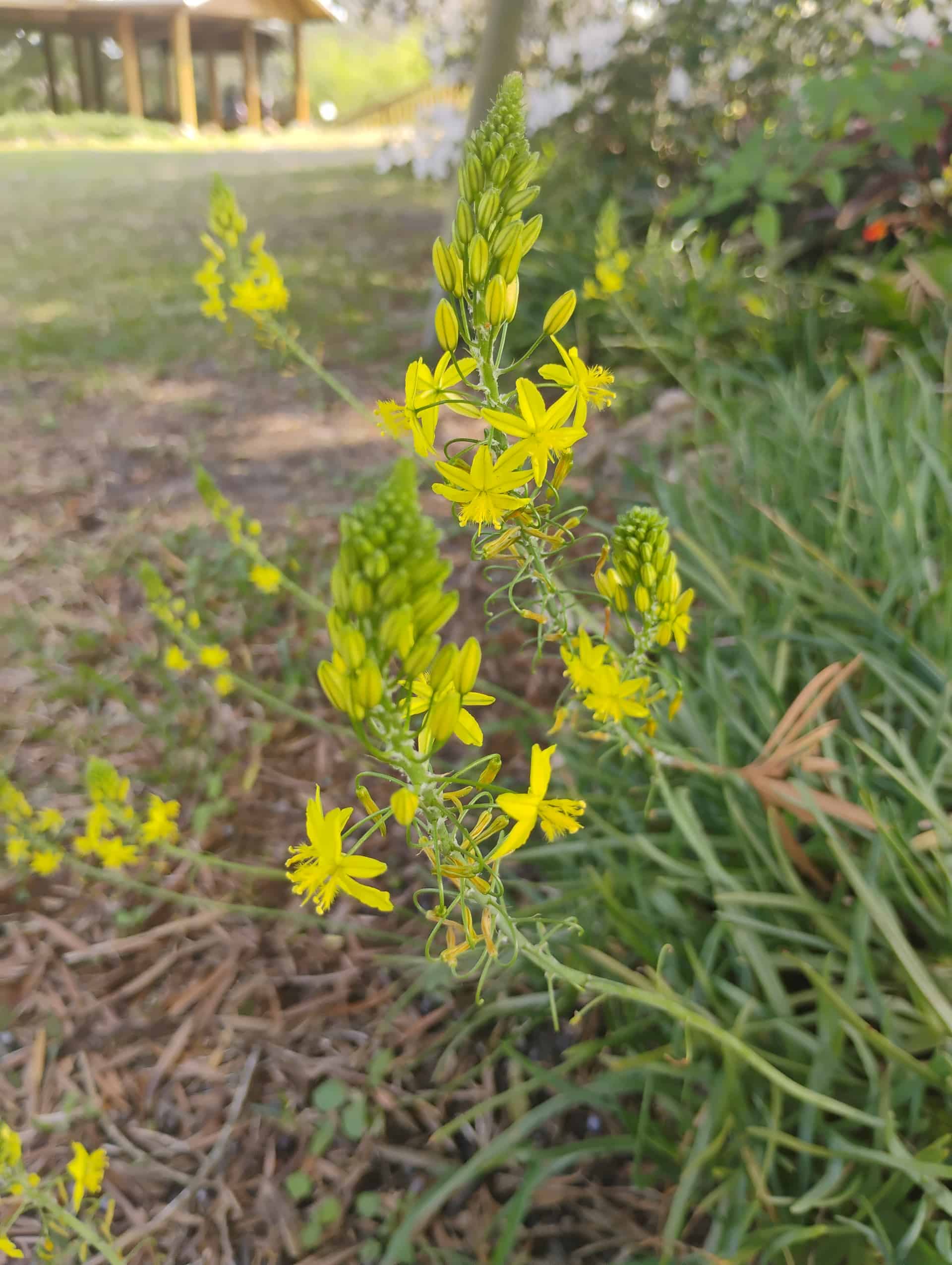
Bulbine Lily
Shares 7 of the same needs: full sun, low water, sandy, salt tolerance, deer resistance, zone 9a hardiness, and pollinator-friendly.
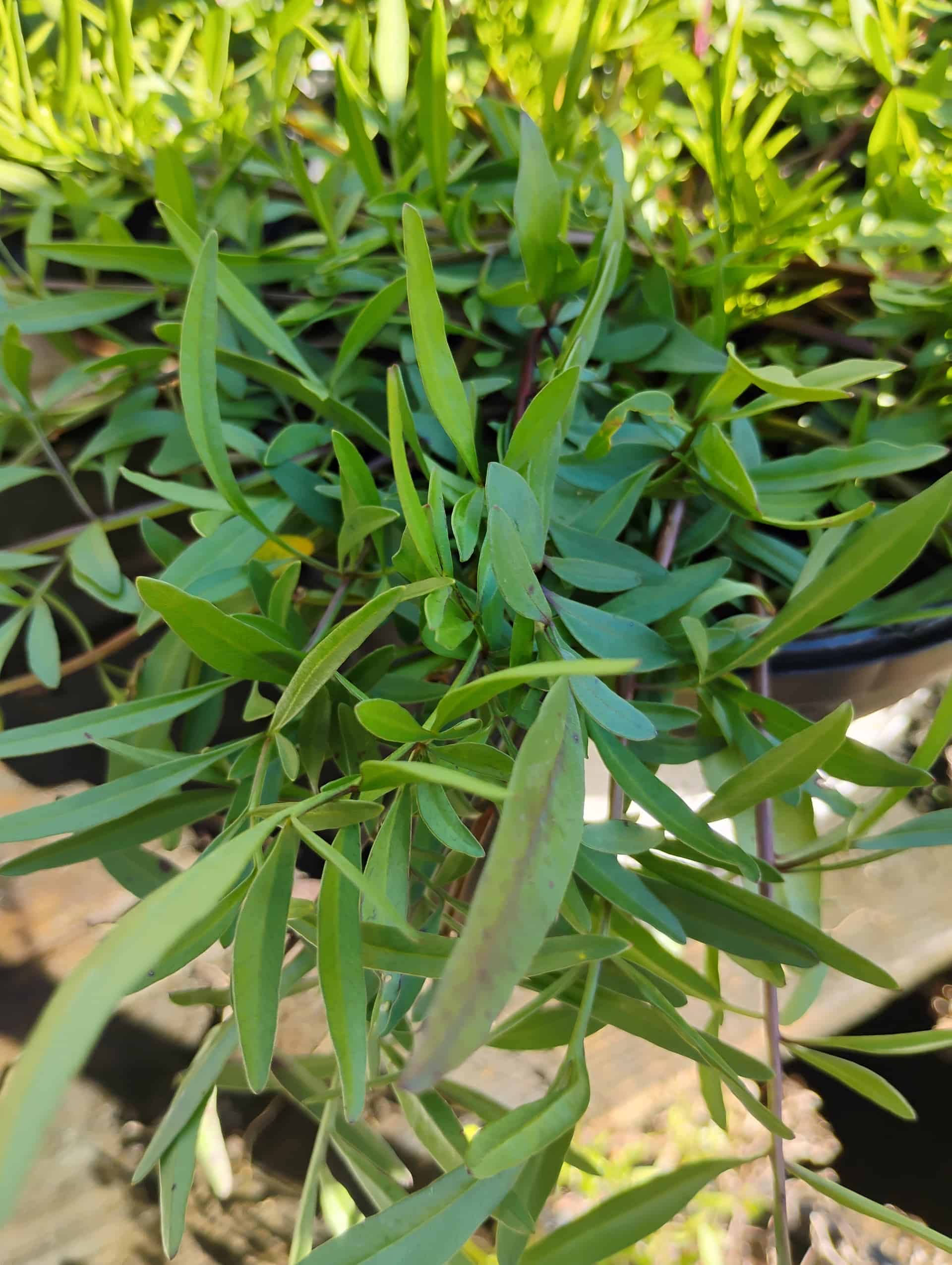
Lanceleaf Coreopsis
Shares 7 of the same needs: full sun, low water, sandy, salt tolerance, deer resistance, zone 9a hardiness, and pollinator-friendly.
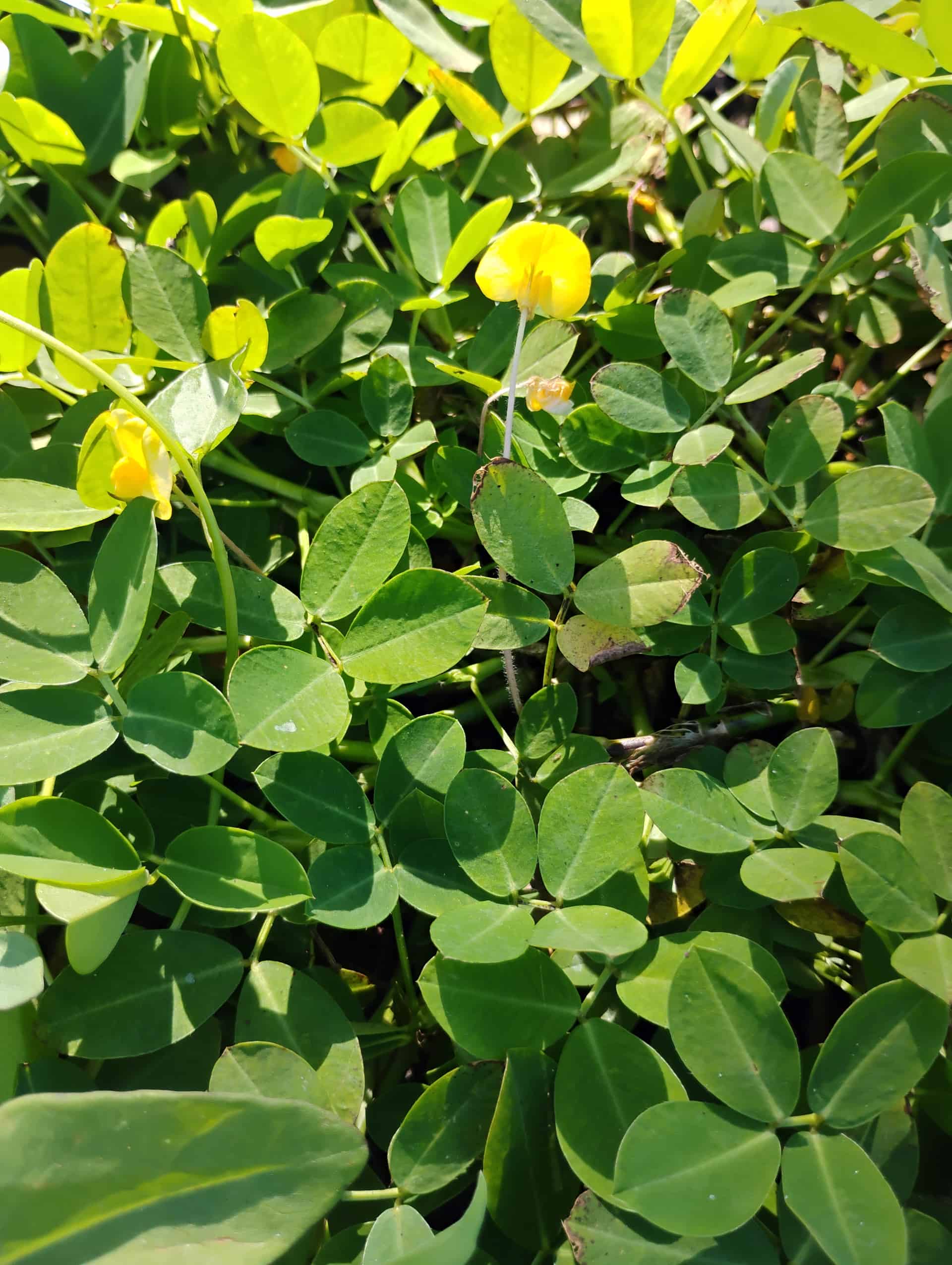
Perennial Peanut
Shares 7 of the same needs: full sun, low water, sandy, salt tolerance, deer resistance, zone 9a hardiness, and pollinator-friendly.
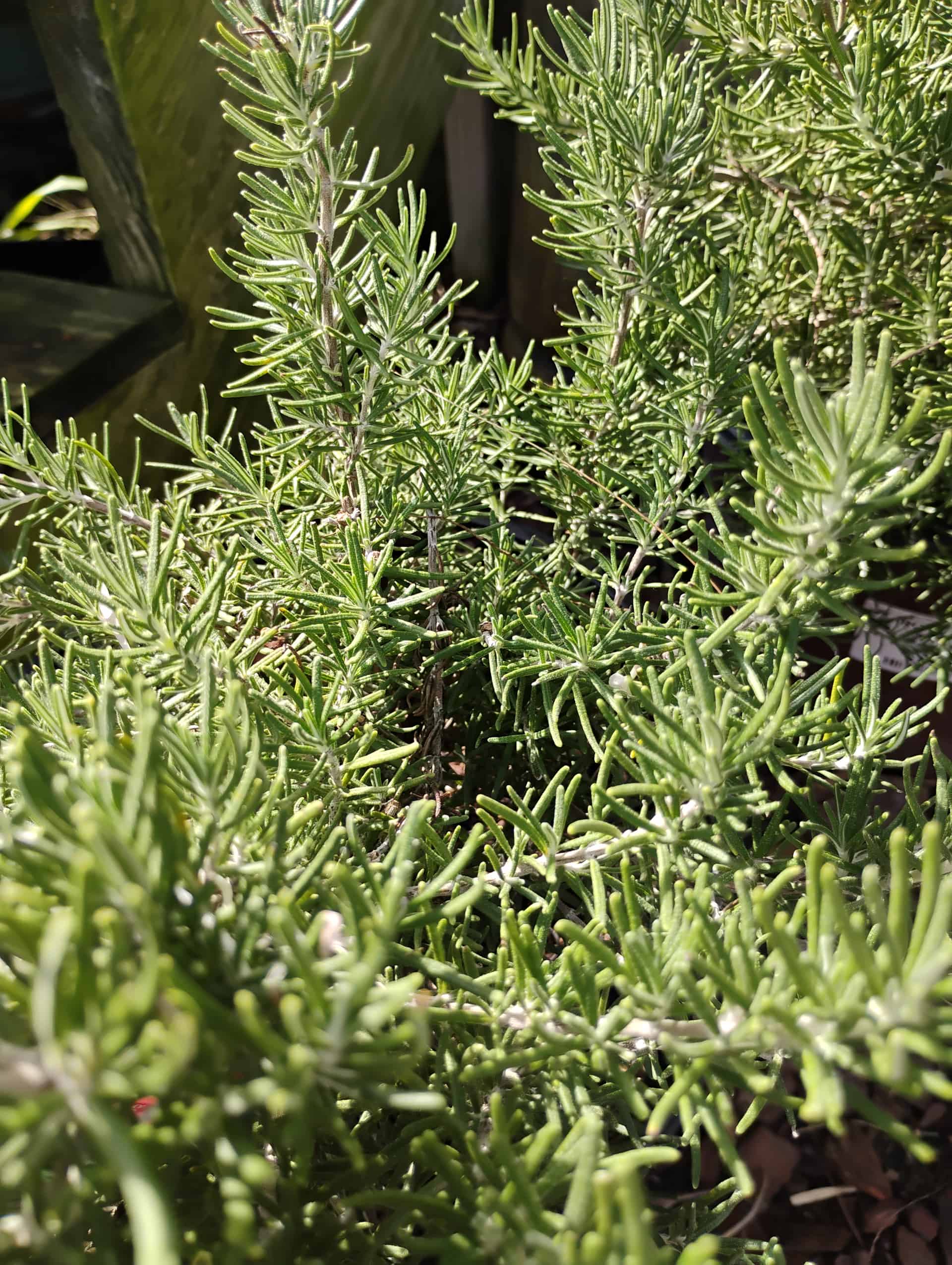
Rosemary
Shares 7 of the same needs: full sun, low water, sandy, salt tolerance, deer resistance, zone 9a hardiness, and pollinator-friendly.
You may also like
Common questions
Is Plumeria a good plant for St. Augustine?
Plumeria is a tree for Zone 9b coastal Florida gardens, with medium salt tolerance, reaching 10-15 feet × 8-12 feet (often smaller in zone 9b due to cold damage).
Care information verified from
Last reviewed June 2026. Our care guidance comes from trusted horticulture sources and decades of helping St. Augustine gardeners. Conditions here can vary dramatically from one area to the next, so come ask us and we'll tailor it to your yard.