
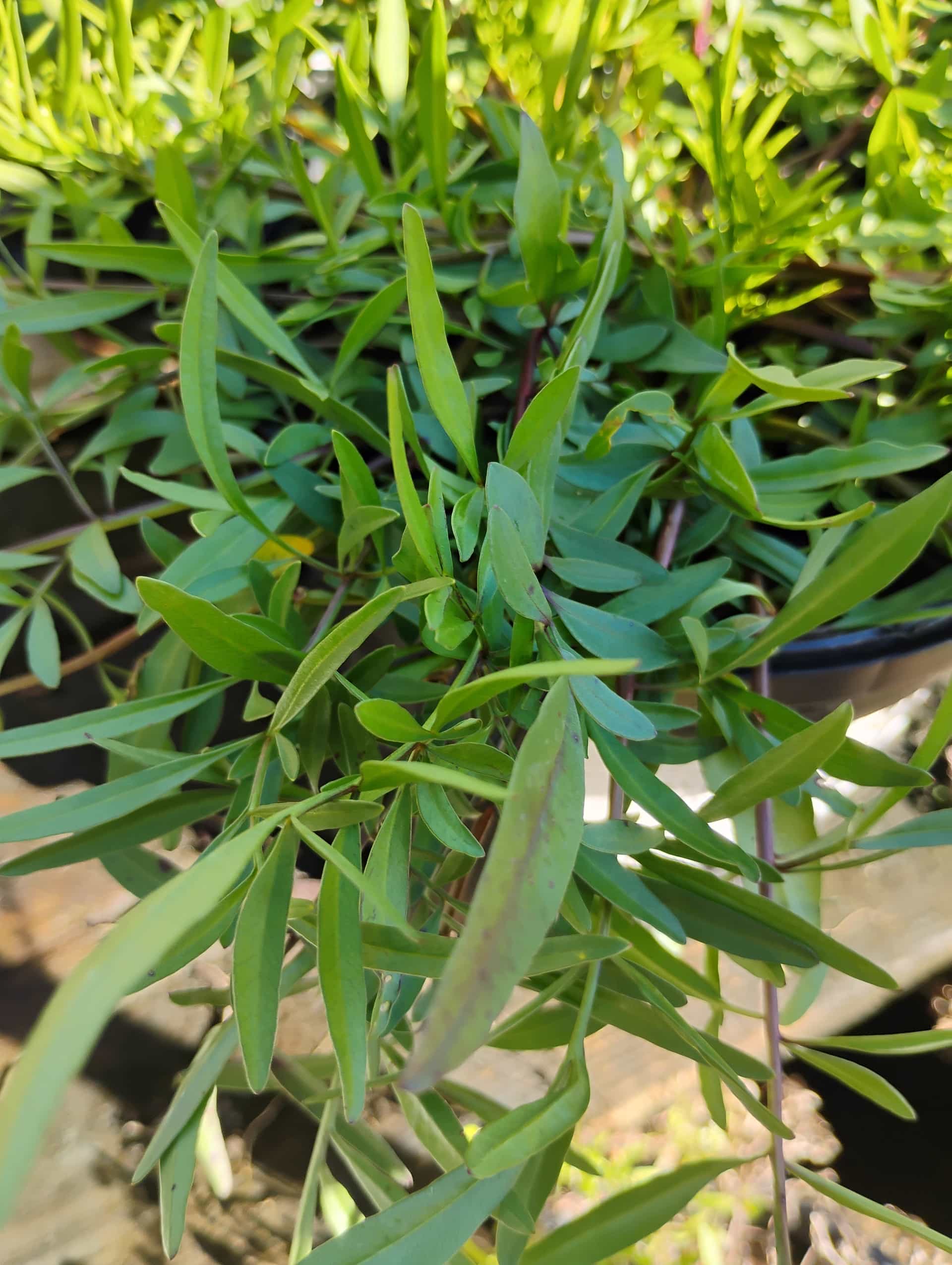
Varieties We Bring In
Uptick Red · Leavenworthii · Leavenworth's · Uptick Gold Bronze · Golden Stardust · L'l Bng Red Elf · Sunfetti Yellow Bicolor · Gra Slnn Bright Touch
Sunkiss · Standard
We received some Lanceleaf Coreopsis on Oct 22, 2026.
We bring this in seasonally, so what is on the lot changes week to week. A received date shows when it last came in, not that it is here today.
Call (904) 471-0440 to confirm this plant and size before you make the trip.
Last received Oct 22, 2026.
We bring this in seasonally, so what is on the lot changes week to week. A received date shows when it last came in, not that it is here today.
Call (904) 471-0440 to confirm this plant and size before you make the trip.
Pet toxicity: Non-toxic to dogs and cats
Pet safety guideAbout Lanceleaf Coreopsis
Lanceleaf coreopsis (Coreopsis lanceolata) is a cheerful North American native perennial bearing bright golden-yellow daisy-like flowers with slightly notched petals atop slender stems. It forms low clumps of narrow, lance-shaped leaves and blooms prolifically in late spring and early summer. A tough, drought-tolerant wildflower suited to sunny borders, meadows, and naturalistic plantings.
Plant details
- Bloom Season
- Spring, Summer
- Flower Color
- Yellow
- Growth Rate
- Moderate
- Foliage
- Semi-evergreen
- Soil
- Sandy, Well-drained
Best planting months
Recommended months: March, April, May, September, October, November.
Seasonal care
Bloom season. Good planting window.
Bloom season.
Ideal planting window.
May lose some foliage in cold snaps.
Care essentials
Plant in full sun for best flowering. Lanceleaf coreopsis thrives in NE Florida's open sunny spots and tolerates sandy, infertile soil; at least 6 hours of direct sun daily is ideal.
Drought-tolerant once established; water lightly during establishment, then reduce to occasional deep watering. Avoid overwatering — excessively moist soil causes stems to flop and reduces bloom. It is well suited to NE Florida's naturally dry, sandy conditions.
Grows best in dry to slightly moist, sandy, well-drained soil of moderate to low fertility. If fertilizing, apply a controlled-release fertilizer at low rate in spring; rich soil and excess nutrients cause floppy growth.
Similar needs

Spotted Bee Balm
Shares 7 of the same needs: full sun, low water, sandy, salt tolerance, deer resistance, zone 9a hardiness, and pollinator-friendly.
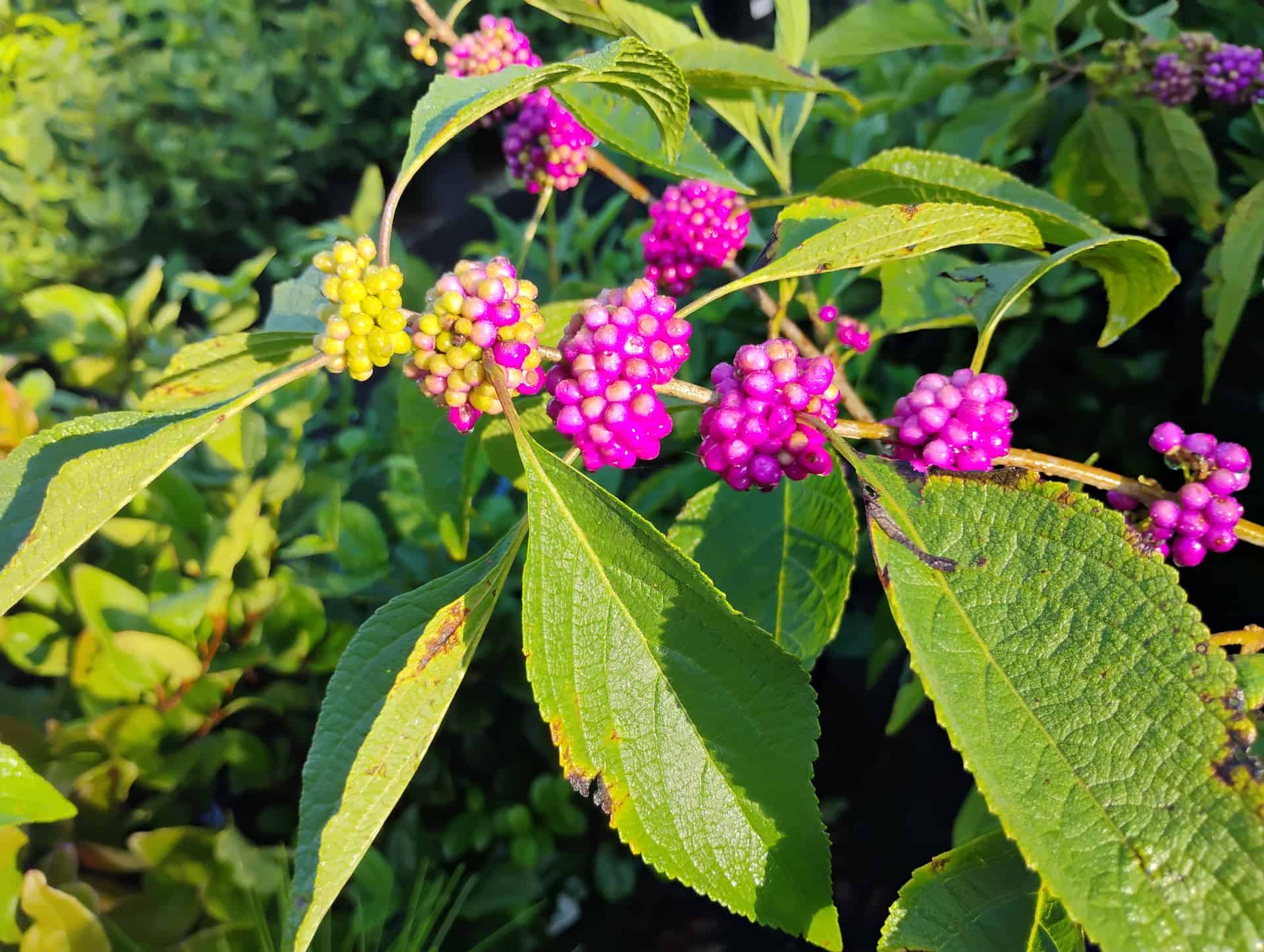
Beautyberry
Shares 7 of the same needs: full sun, low water, sandy, salt tolerance, deer resistance, zone 9a hardiness, and pollinator-friendly.
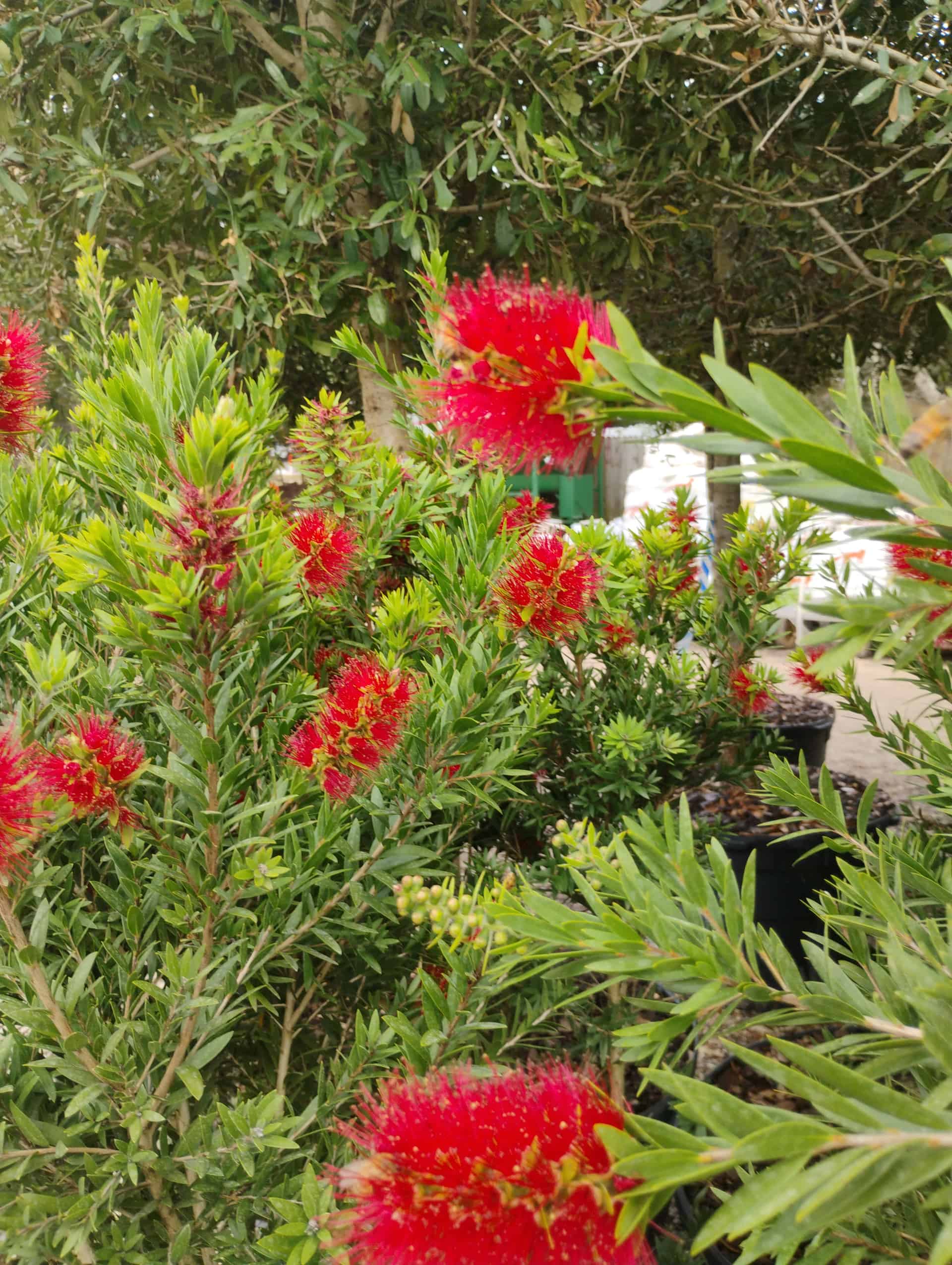
Bottlebrush
Shares 7 of the same needs: full sun, low water, sandy, salt tolerance, deer resistance, zone 9a hardiness, and pollinator-friendly.
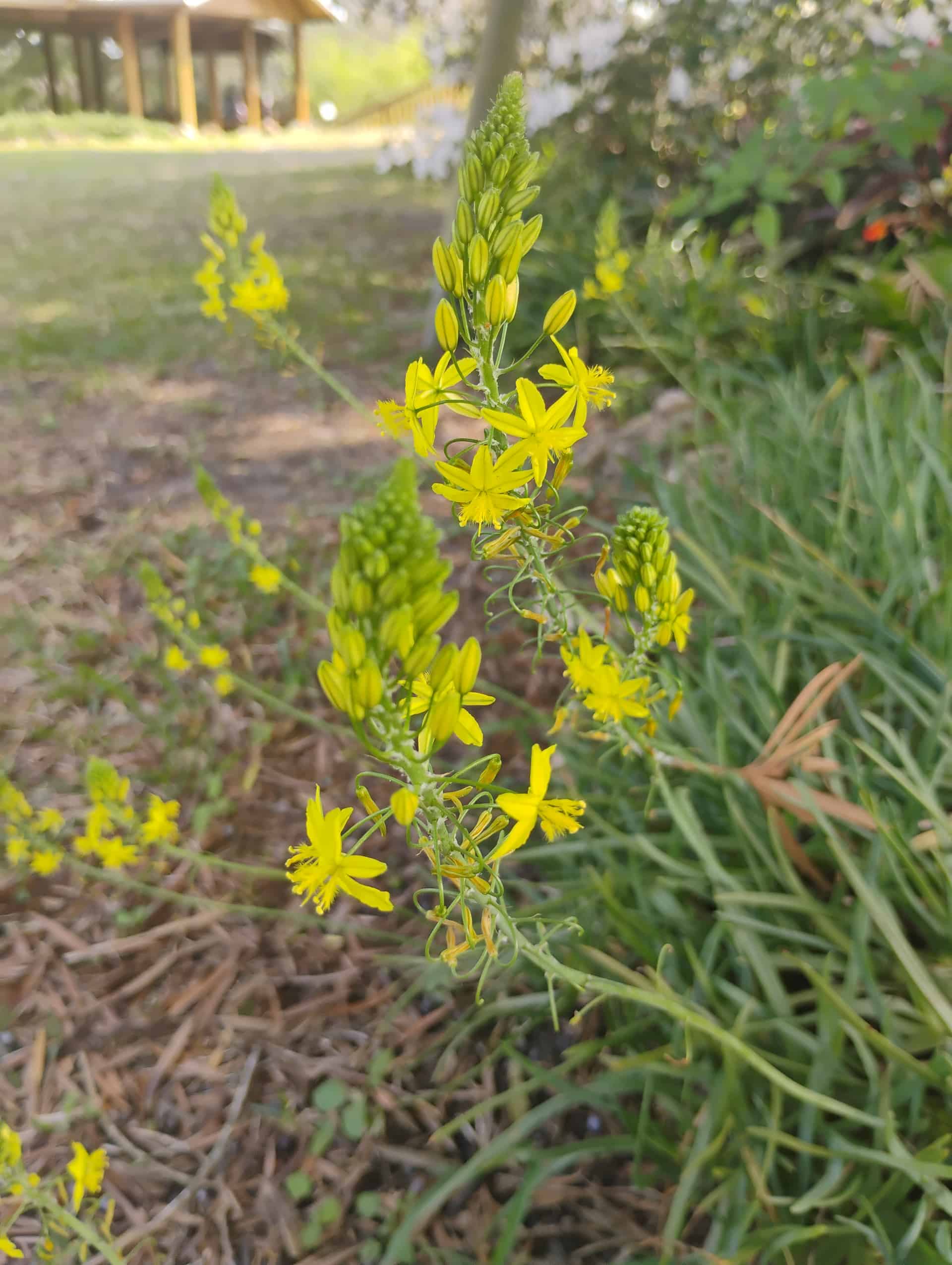
Bulbine Lily
Shares 7 of the same needs: full sun, low water, sandy, salt tolerance, deer resistance, zone 9a hardiness, and pollinator-friendly.
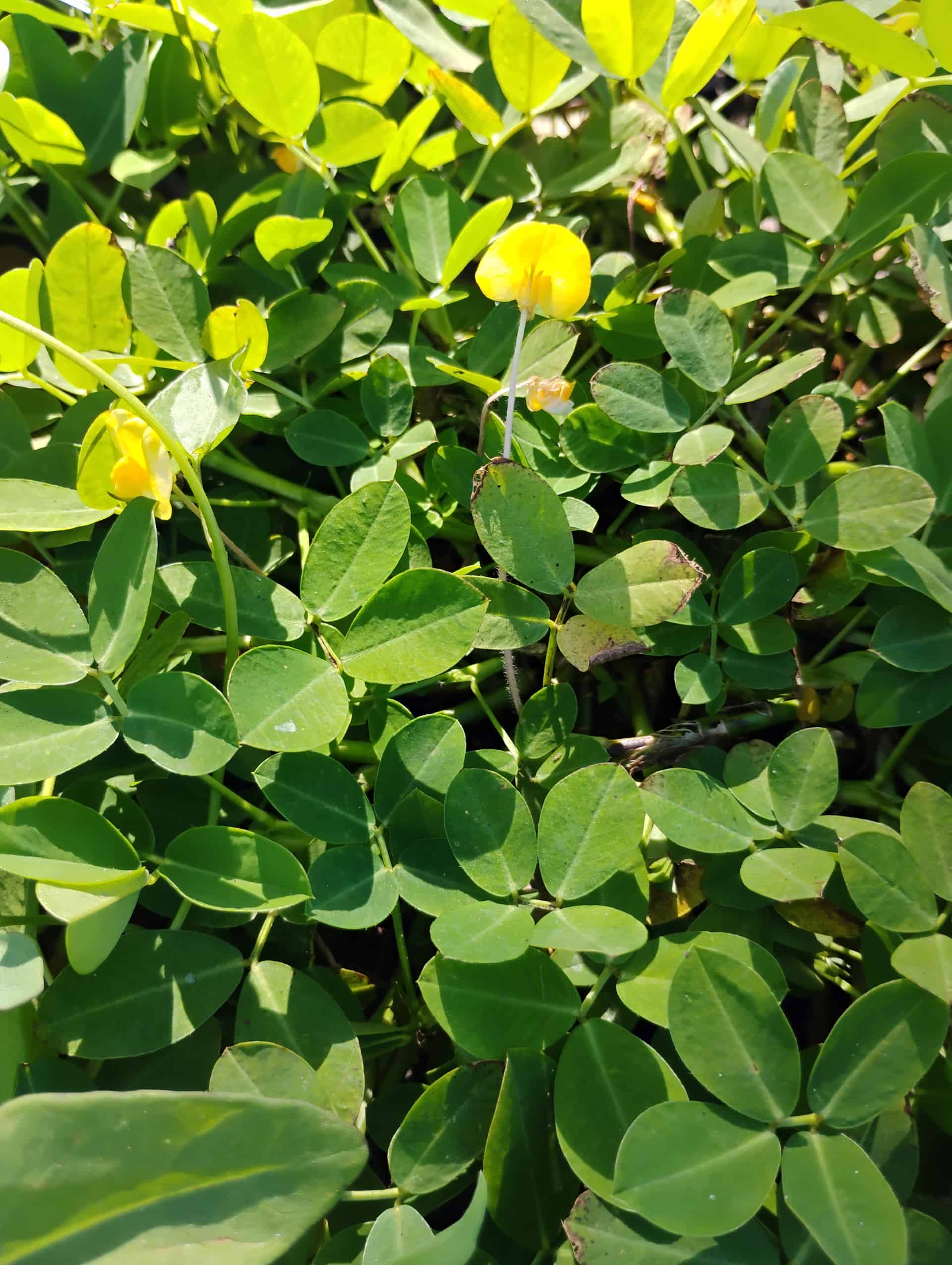
Perennial Peanut
Shares 7 of the same needs: full sun, low water, sandy, salt tolerance, deer resistance, zone 9a hardiness, and pollinator-friendly.

Plumeria
Shares 7 of the same needs: full sun, low water, sandy, salt tolerance, deer resistance, zone 9a hardiness, and pollinator-friendly.
You may also like
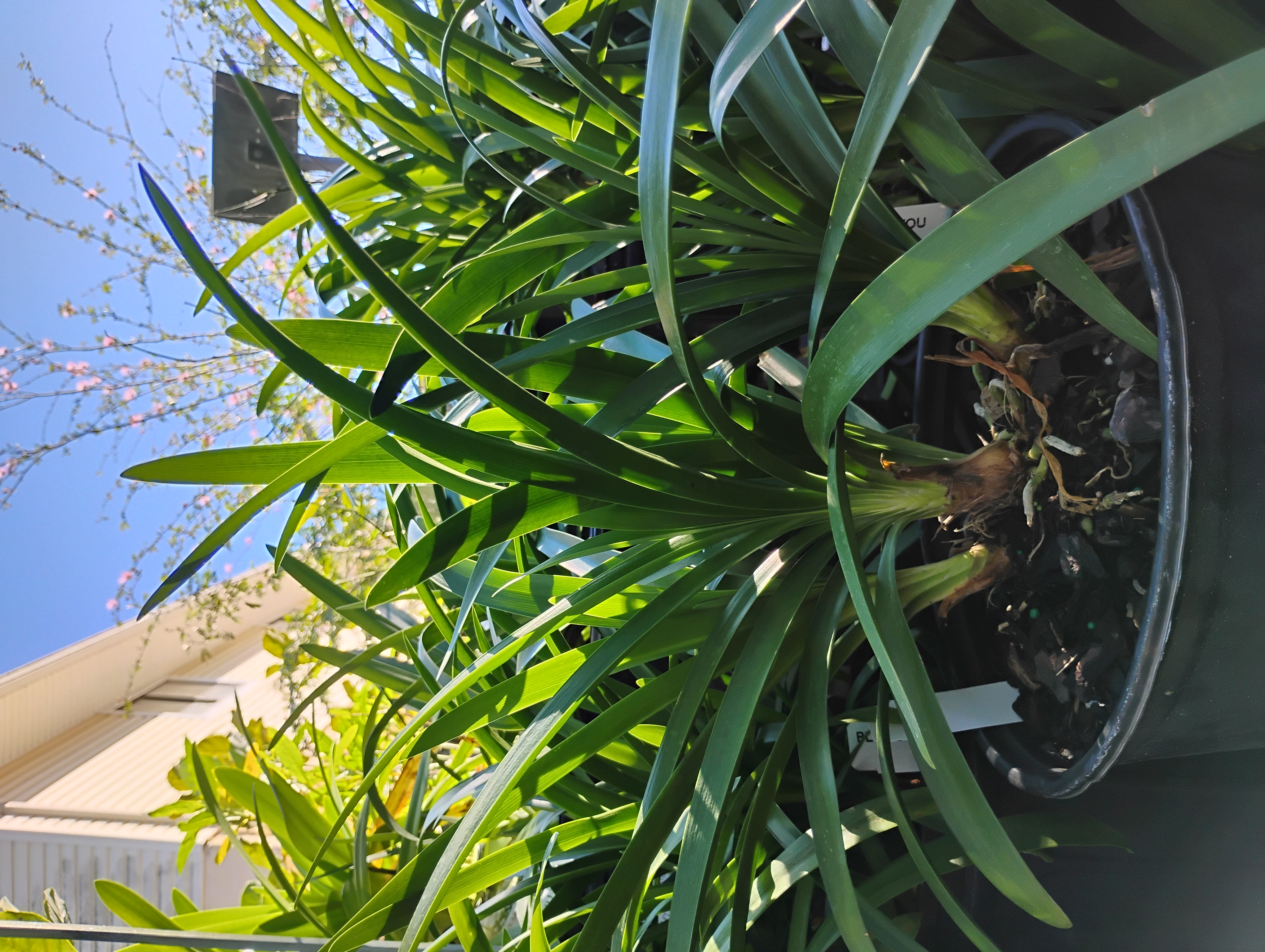 Perennial
Agapanthus
Agapanthus praecox
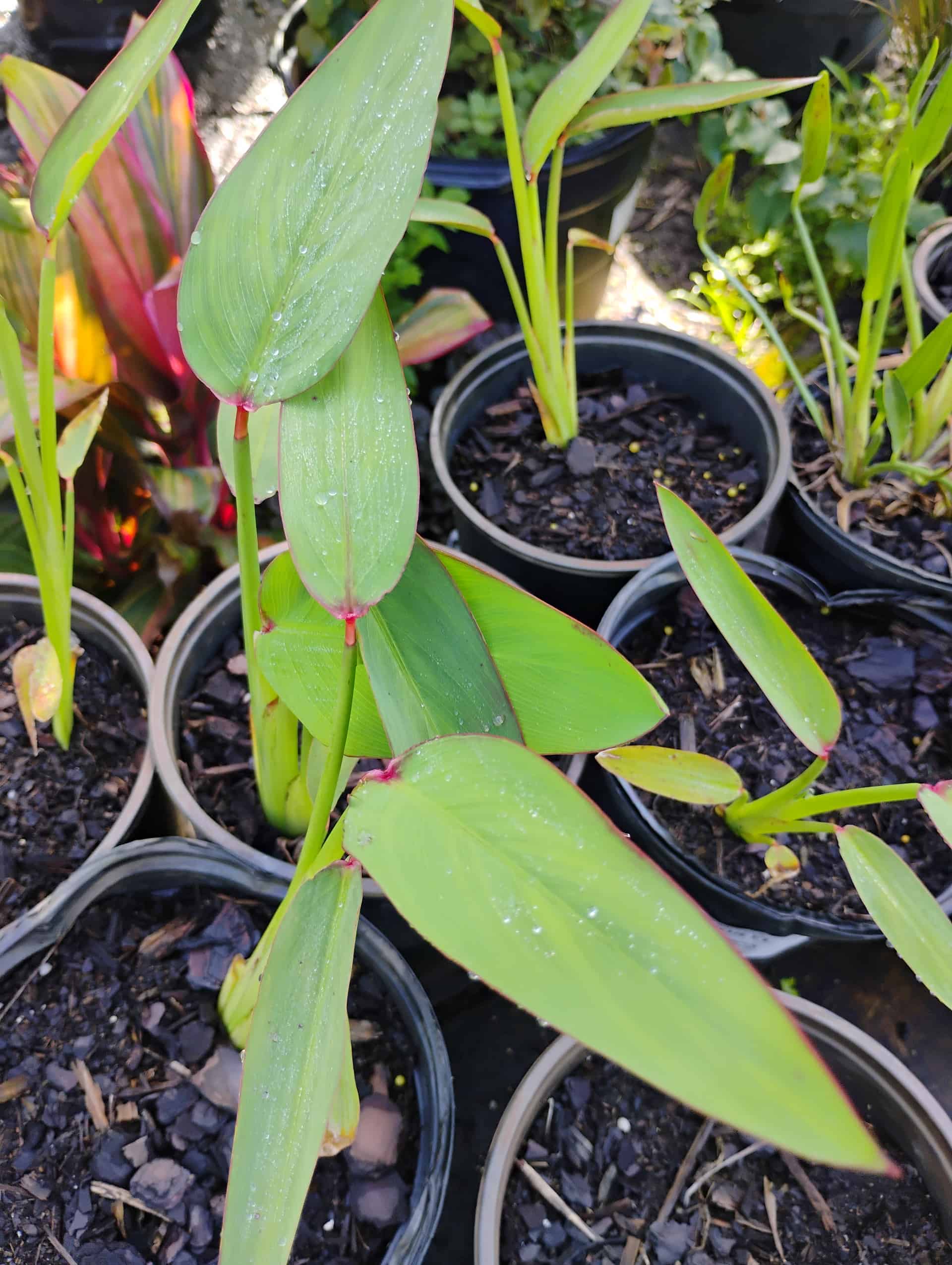 Perennial
Alligator Flag
Thalia geniculata
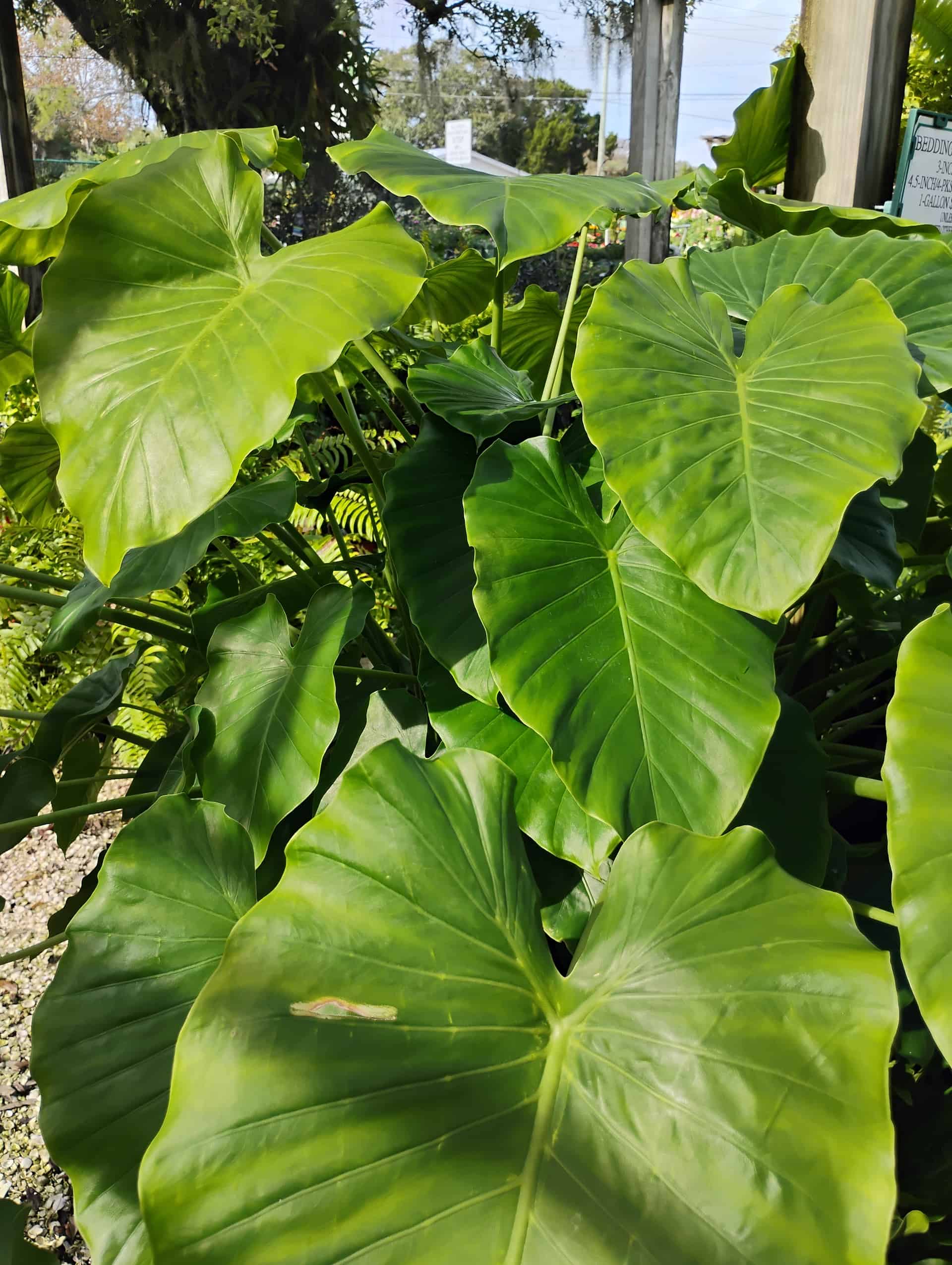 Perennial
Alocasia
Alocasia
Common questions
Is Lanceleaf Coreopsis a good plant for St. Augustine?
Lanceleaf Coreopsis is a perennial. Mature size: 1-3 feet × 1-2 feet. Light: Full Sun. Water needs: Low. Lanceleaf Coreopsis is native to Florida. Recorded hardiness zone: 9a. Recorded salt tolerance: moderate.
What is the recorded pet toxicity for Lanceleaf Coreopsis?
Non-toxic to dogs and cats
Care information verified from
Last reviewed February 2026. Our care guidance comes from trusted horticulture sources and decades of helping St. Augustine gardeners. Conditions here can vary dramatically from one area to the next, so come ask us and we'll tailor it to your yard.