
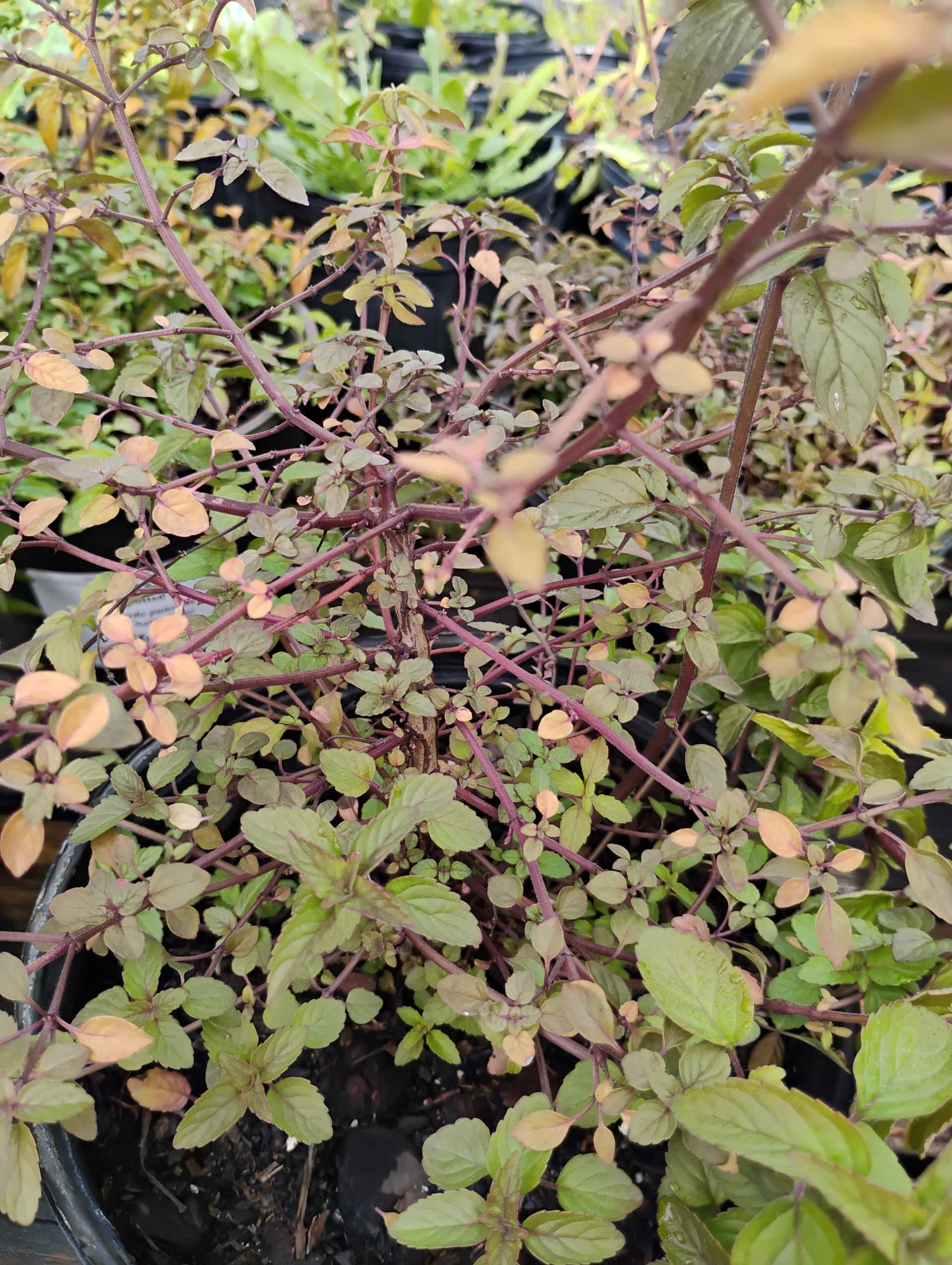
Varieties We Bring In
Beemine Lavender · Spotted · Beemine Red
We received some Spotted Bee Balm on Oct 14, 2026.
We bring this in seasonally, so what is on the lot changes week to week. A received date shows when it last came in, not that it is here today.
Call (904) 471-0440 to confirm this plant and size before you make the trip.
Last received Oct 14, 2026.
We bring this in seasonally, so what is on the lot changes week to week. A received date shows when it last came in, not that it is here today.
Call (904) 471-0440 to confirm this plant and size before you make the trip.
Pet toxicity: Non-toxic to dogs and cats
Pet safety guideAbout Spotted Bee Balm
Spotted Bee Balm (Monarda punctata) is a native perennial of eastern North America, producing stacked tiers of small, spotted yellow and purple tubular flowers surrounded by showy pink to lavender bracts along upright stems. It is a highly attractive nectar plant for bees, butterflies, and hummingbirds and is at home in dry, sandy native plant gardens.
Plant details
- Bloom Season
- Spring, Summer, Fall
- Flower Color
- Yellow, Pink, Purple
- Growth Rate
- Fast
- Foliage
- Deciduous
- Soil
- Sandy, Loam, Well-drained
Best planting months
Recommended months: March, April, May, October, November.
Seasonal care
Bloom season. Good planting window.
Bloom season.
Bloom season. Ideal planting window.
Retains foliage through winter.
Care essentials
Plant in full sun — 6 or more hours of direct sun daily. Spotted bee balm (horsemint) is a Florida native that thrives in NE Florida's sunny conditions and is poorly adapted to shade, where it becomes leggy and bloom is reduced.
Once established, horsemint is drought-tolerant and requires little supplemental irrigation in NE Florida. Water young transplants occasionally until rooted; thereafter, rely on rainfall. Excellent drainage is essential — it will not tolerate wet feet.
Thrives in NE Florida's native sandy, well-drained soils with no amendment needed. Fertilizer is generally unnecessary; overly fertile soil promotes lush foliage at the expense of flowers. Cut back hard in late winter before new growth to maintain a compact, bushy habit.
Similar needs
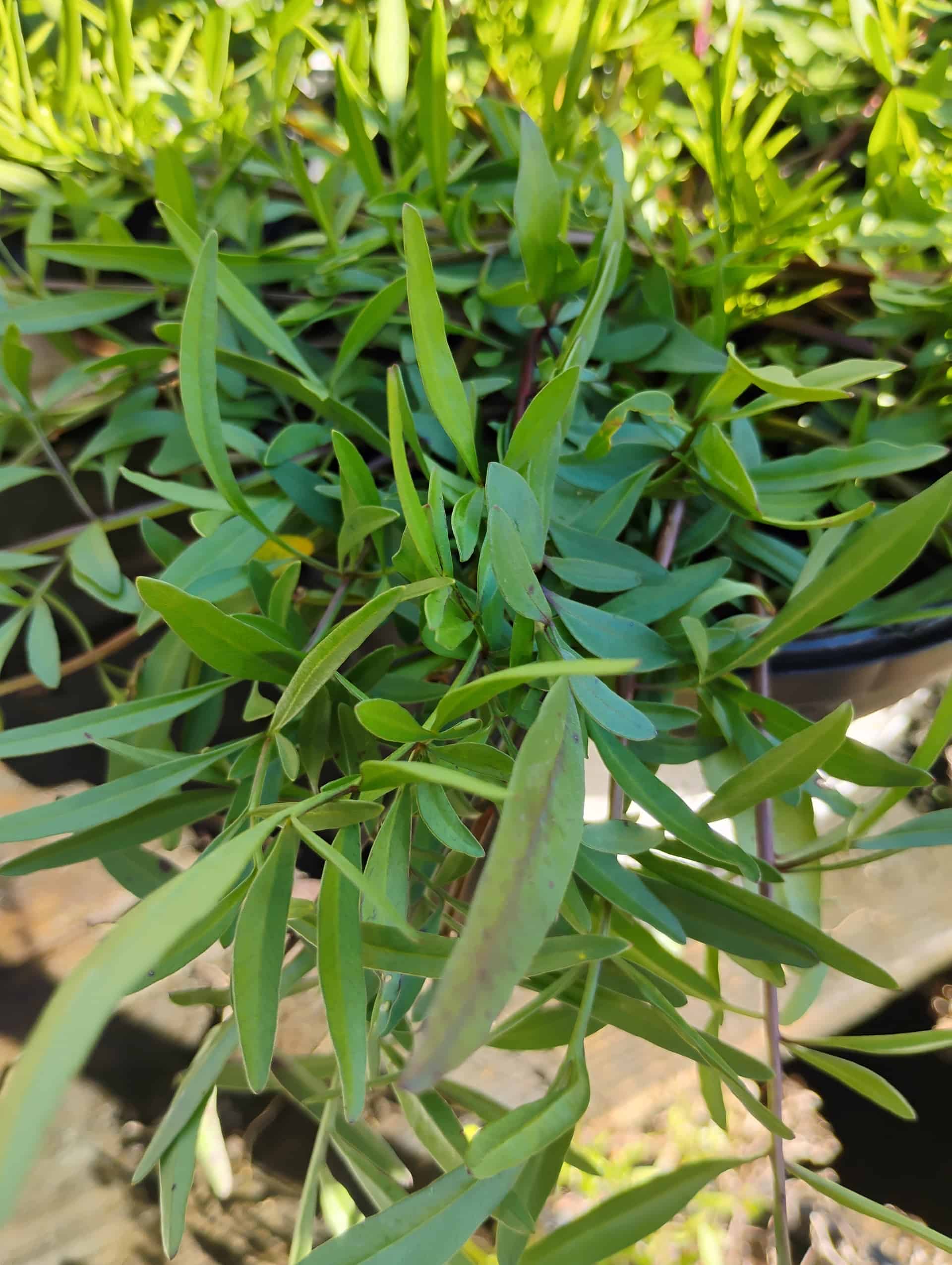
Lanceleaf Coreopsis
Shares 7 of the same needs: full sun, low water, sandy, salt tolerance, deer resistance, zone 9a hardiness, and pollinator-friendly.
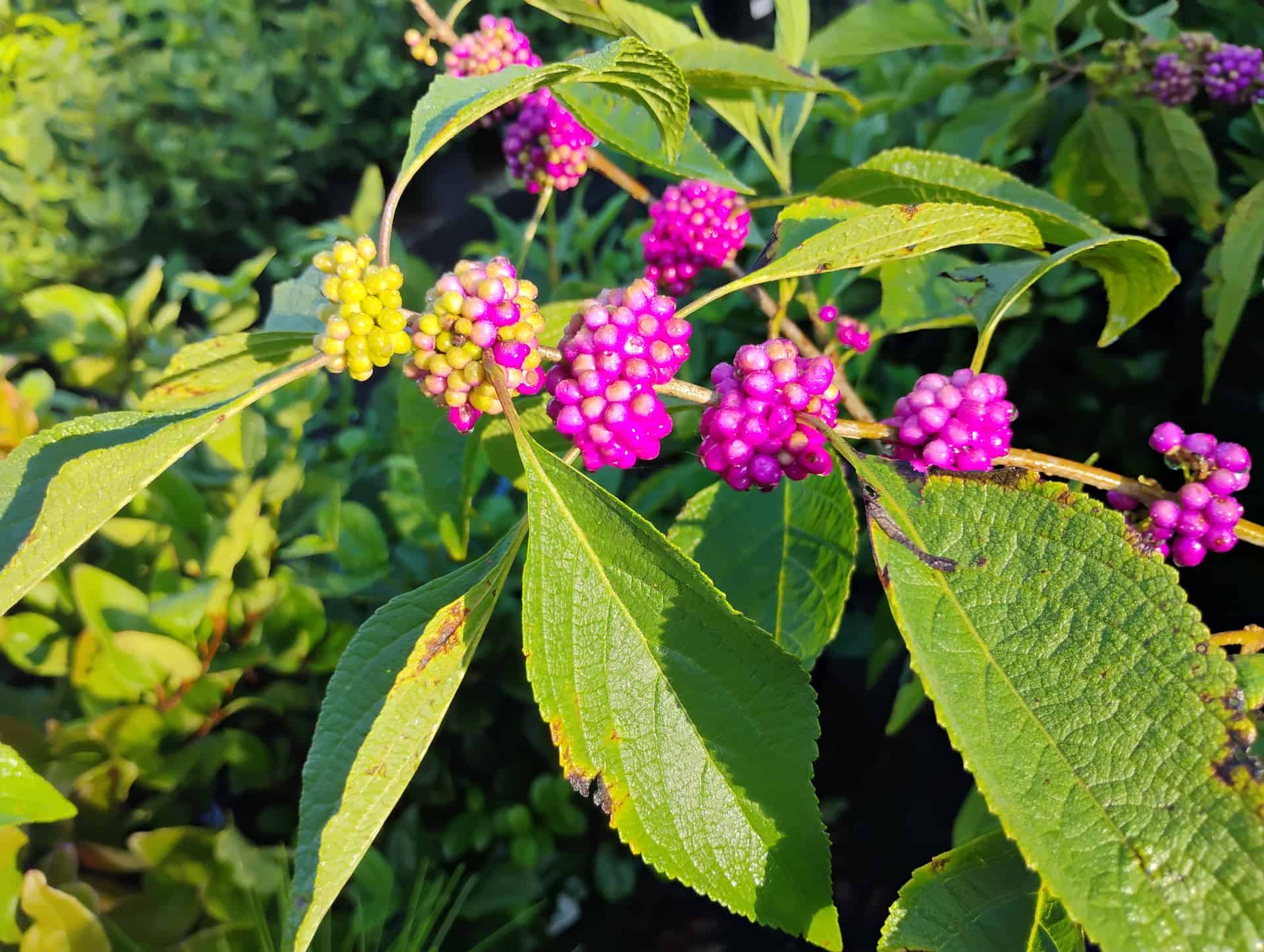
Beautyberry
Shares 7 of the same needs: full sun, low water, sandy, salt tolerance, deer resistance, zone 9a hardiness, and pollinator-friendly.
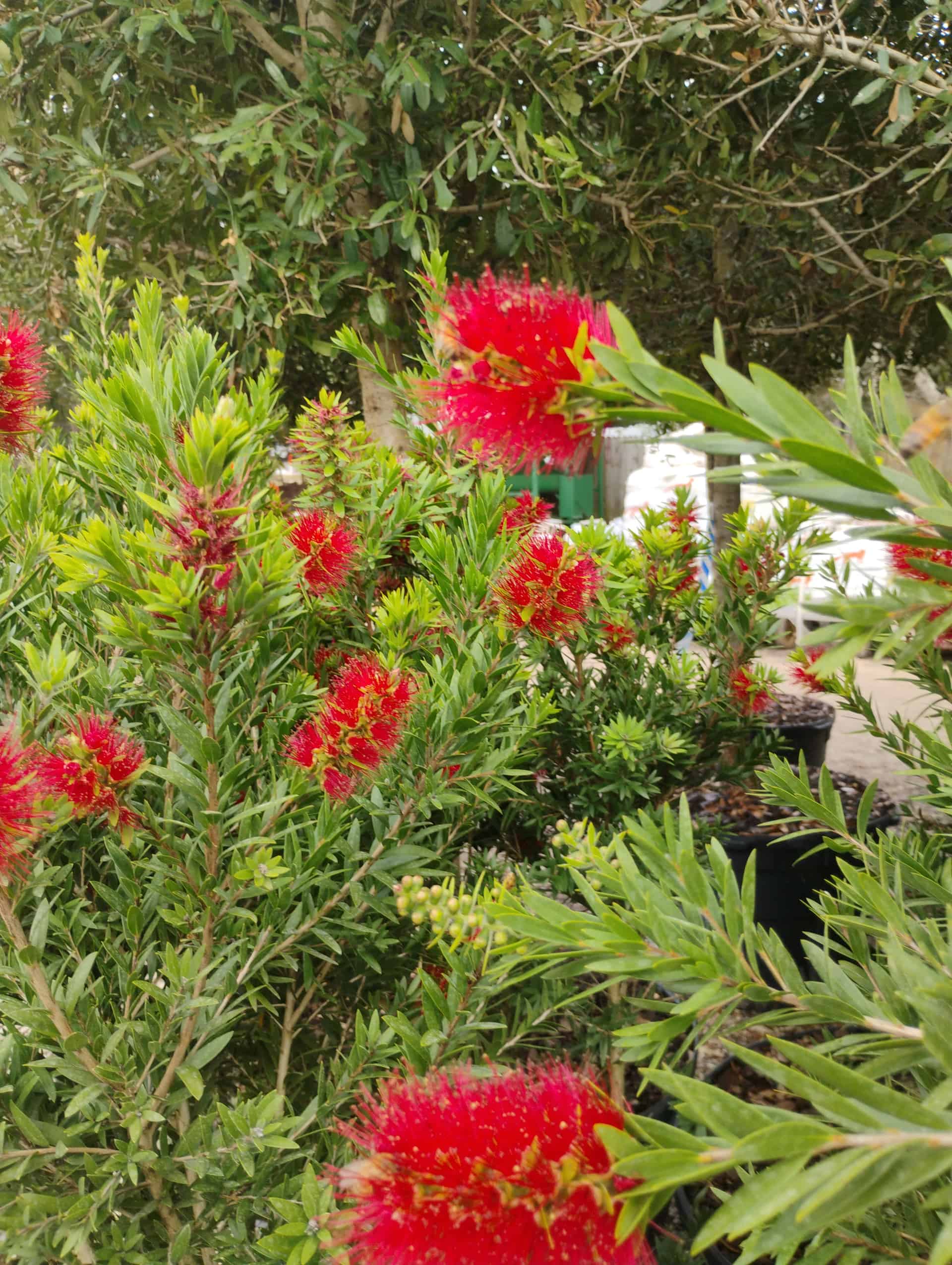
Bottlebrush
Shares 7 of the same needs: full sun, low water, sandy, salt tolerance, deer resistance, zone 9a hardiness, and pollinator-friendly.
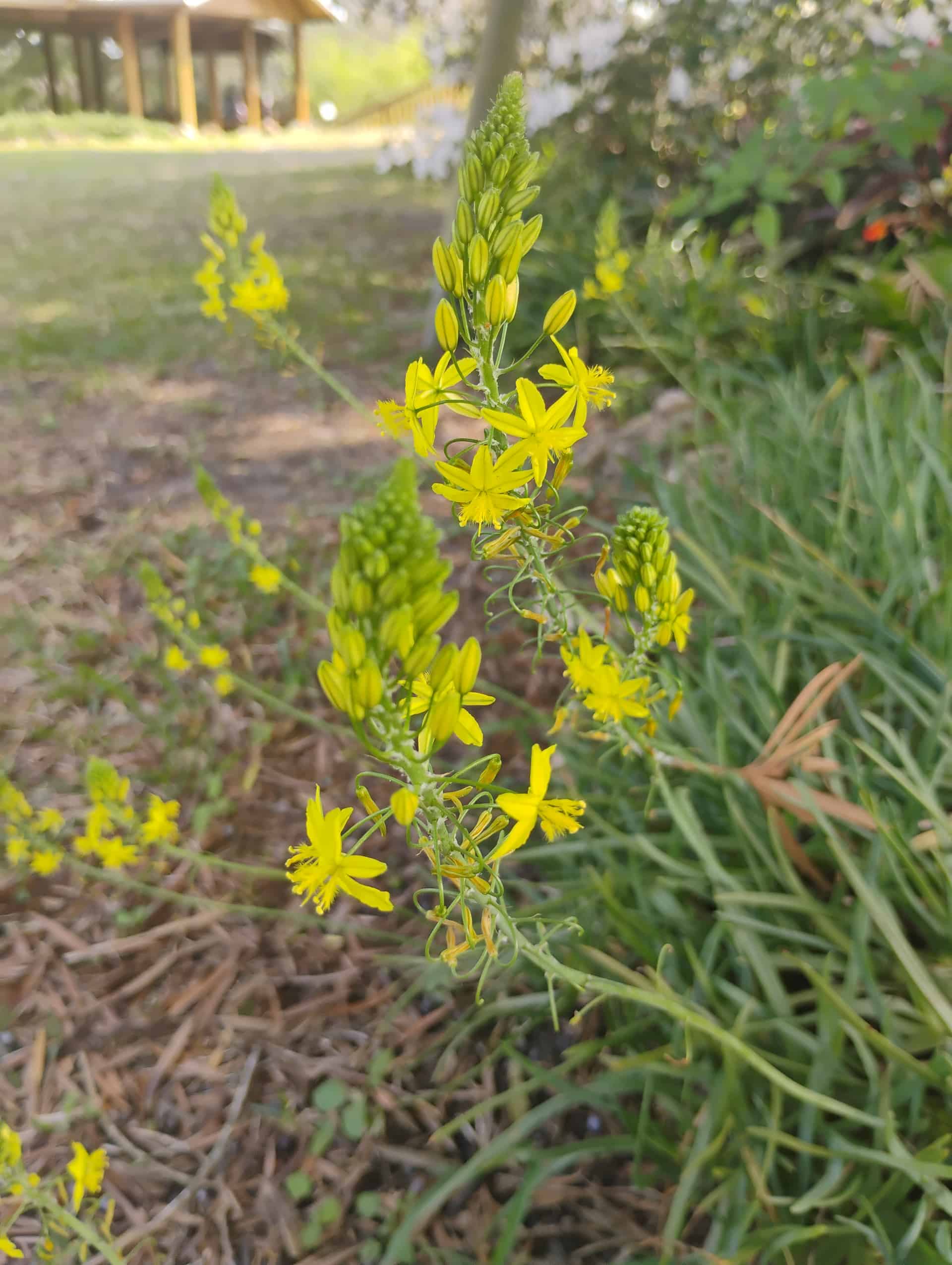
Bulbine Lily
Shares 7 of the same needs: full sun, low water, sandy, salt tolerance, deer resistance, zone 9a hardiness, and pollinator-friendly.
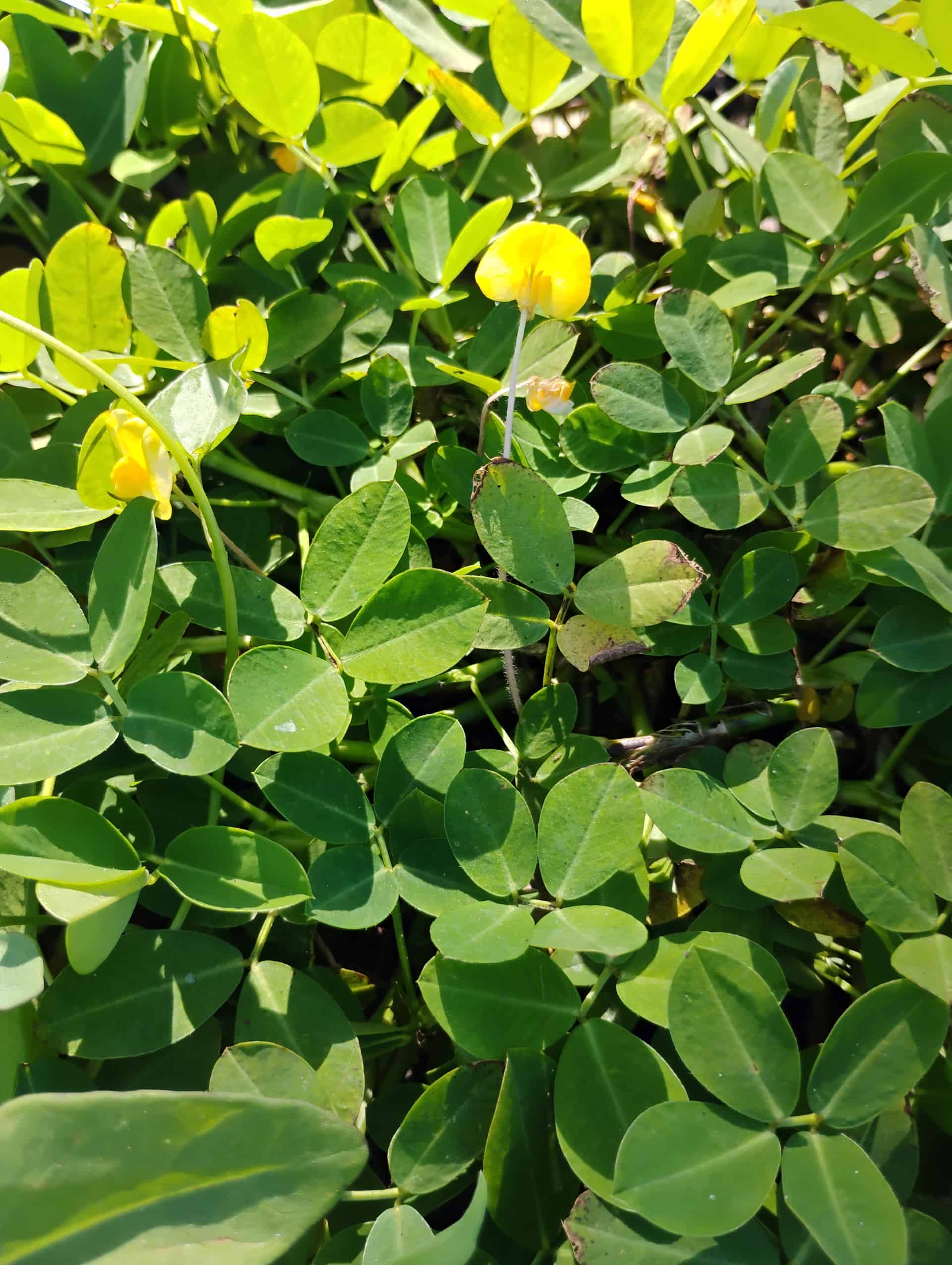
Perennial Peanut
Shares 7 of the same needs: full sun, low water, sandy, salt tolerance, deer resistance, zone 9a hardiness, and pollinator-friendly.

Plumeria
Shares 7 of the same needs: full sun, low water, sandy, salt tolerance, deer resistance, zone 9a hardiness, and pollinator-friendly.
You may also like
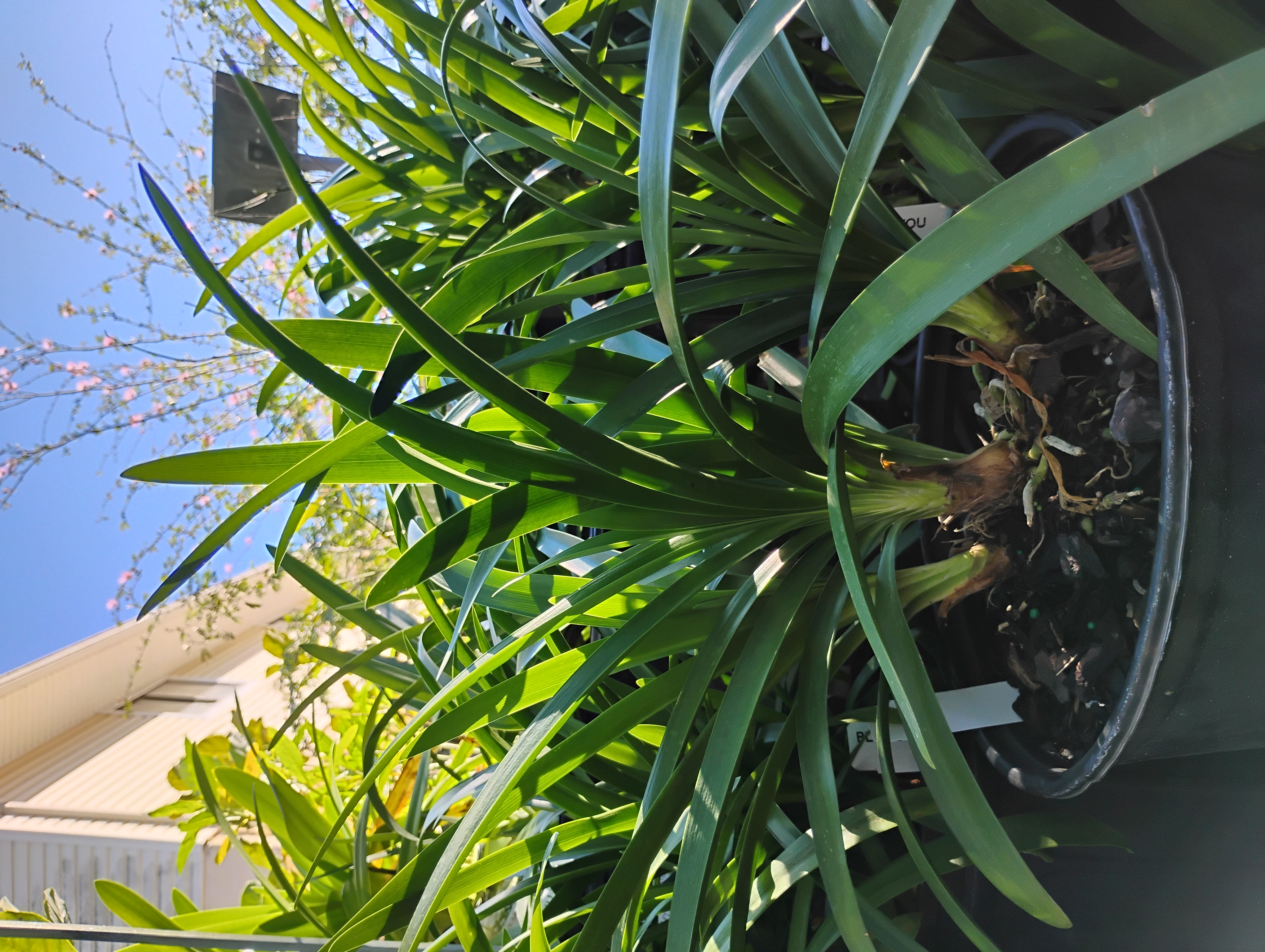 Perennial
Agapanthus
Agapanthus praecox
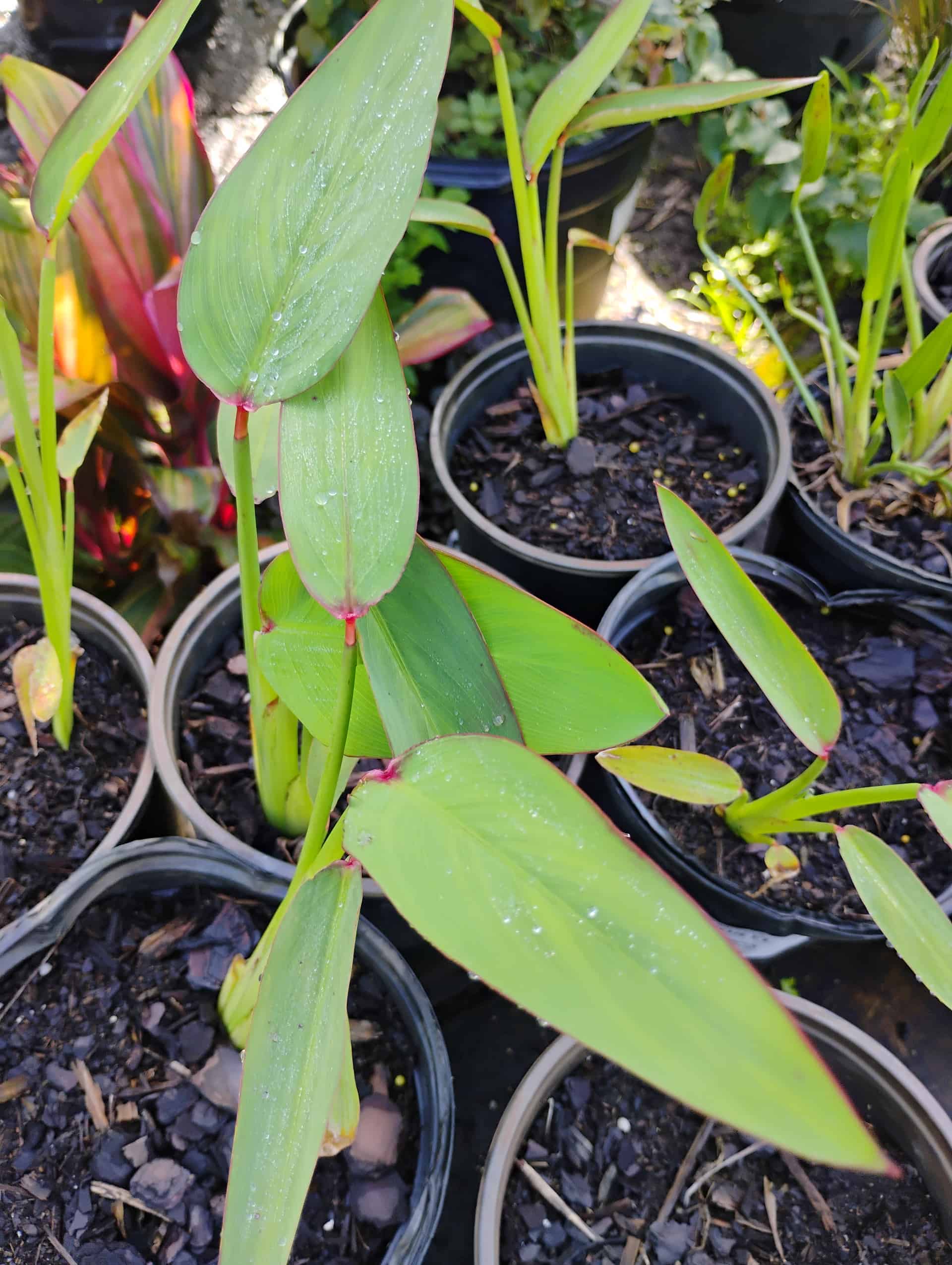 Perennial
Alligator Flag
Thalia geniculata
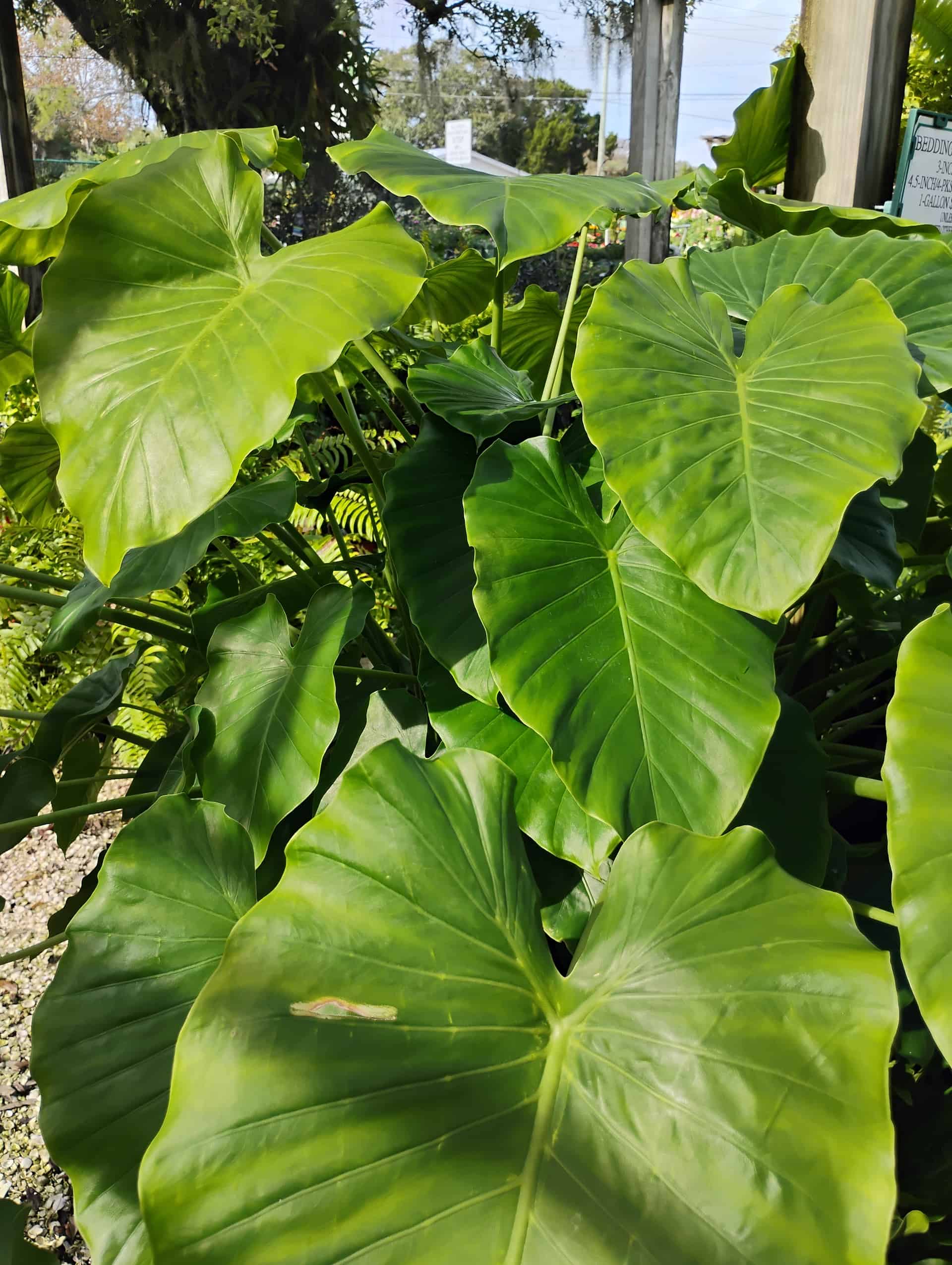 Perennial
Alocasia
Alocasia
Common questions
Is Spotted Bee Balm a good plant for St. Augustine?
Spotted Bee Balm is a perennial. Mature size: 1-3 feet × 2-4 feet. Light: Full Sun. Water needs: Low. Spotted Bee Balm is native to Florida. Recorded hardiness zone: 9a. Recorded salt tolerance: moderate.
What is the recorded pet toxicity for Spotted Bee Balm?
Non-toxic to dogs and cats
Care information verified from
Last reviewed February 2026. Our care guidance comes from trusted horticulture sources and decades of helping St. Augustine gardeners. Conditions here can vary dramatically from one area to the next, so come ask us and we'll tailor it to your yard.