
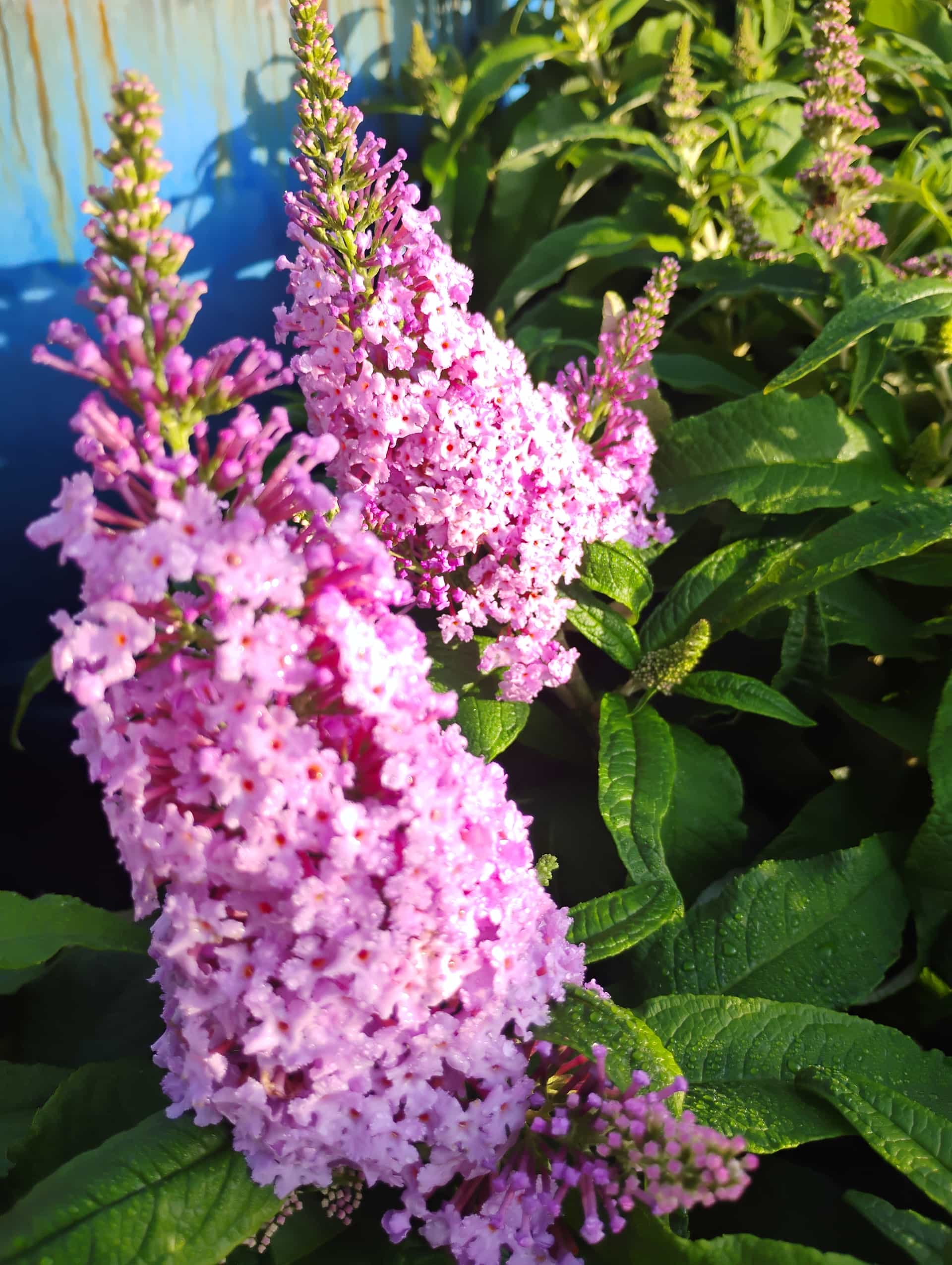
Varieties We Bring In
Little Rockstar, White · Little Rockstar, Purple · Lttl Rckstrs Pink
Black Knight · Trippy Pink
Black Knight · Buzz Midnight · Hot Raspberry · Blue Heaven · Dapper, Lavender · Dapper, White · Lilac Punch · Pink Punch · Li'l Raspberry · Li'l Grape
We received some Butterfly Bush on Jul 20, 2026.
We bring this in seasonally, so what is on the lot changes week to week. A received date shows when it last came in, not that it is here today.
Call (904) 471-0440 to confirm this plant and size before you make the trip.
Last received Jul 20, 2026.
We bring this in seasonally, so what is on the lot changes week to week. A received date shows when it last came in, not that it is here today.
Call (904) 471-0440 to confirm this plant and size before you make the trip.
Pet toxicity: Non-toxic to dogs and cats
Pet safety guideAbout Butterfly Bush
Butterfly Bush (Buddleja davidii) is a fast-growing, evergreen-in-Florida shrub bearing long, fragrant panicles of purple, pink, white, or yellow flowers that draw butterflies, bees, and hummingbirds from summer through fall. In NE Florida (zone 9b) it stays evergreen and can reach 6–12 ft if unpruned — regular hard pruning keeps it tidy and maximizes bloom; choose sterile cultivars to prevent invasive spread.
Plant details
- Bloom Season
- Summer, Fall
- Flower Color
- White, Pink, Purple
- Growth Rate
- Fast
- Foliage
- Evergreen (remains evergreen in zone 9b)
- Soil
- Sandy, Loam, Well-drained
Best planting months
Recommended months: March, April, May, September, October, November.
Seasonal care
New foliage emerges. Good planting window.
Bloom season.
Bloom season. Foliage may begin to change or drop. Ideal planting window.
Dormant — drops foliage.
Care essentials
Requires full sun (6+ hours daily) for best flowering; in NE Florida it blooms most freely in open, sunny beds with excellent air circulation to reduce susceptibility to rust and mites.
Water regularly while establishing; once mature, Butterfly Bush is moderately drought tolerant but benefits from deep watering during dry spells — avoid waterlogged conditions that promote nematode damage.
Grow in average, well-drained sandy or loamy soil; fertilize three times per year (spring, summer, fall) with a granular fertilizer, and prune hard in early spring to encourage large, new-wood flower spikes.
Similar needs
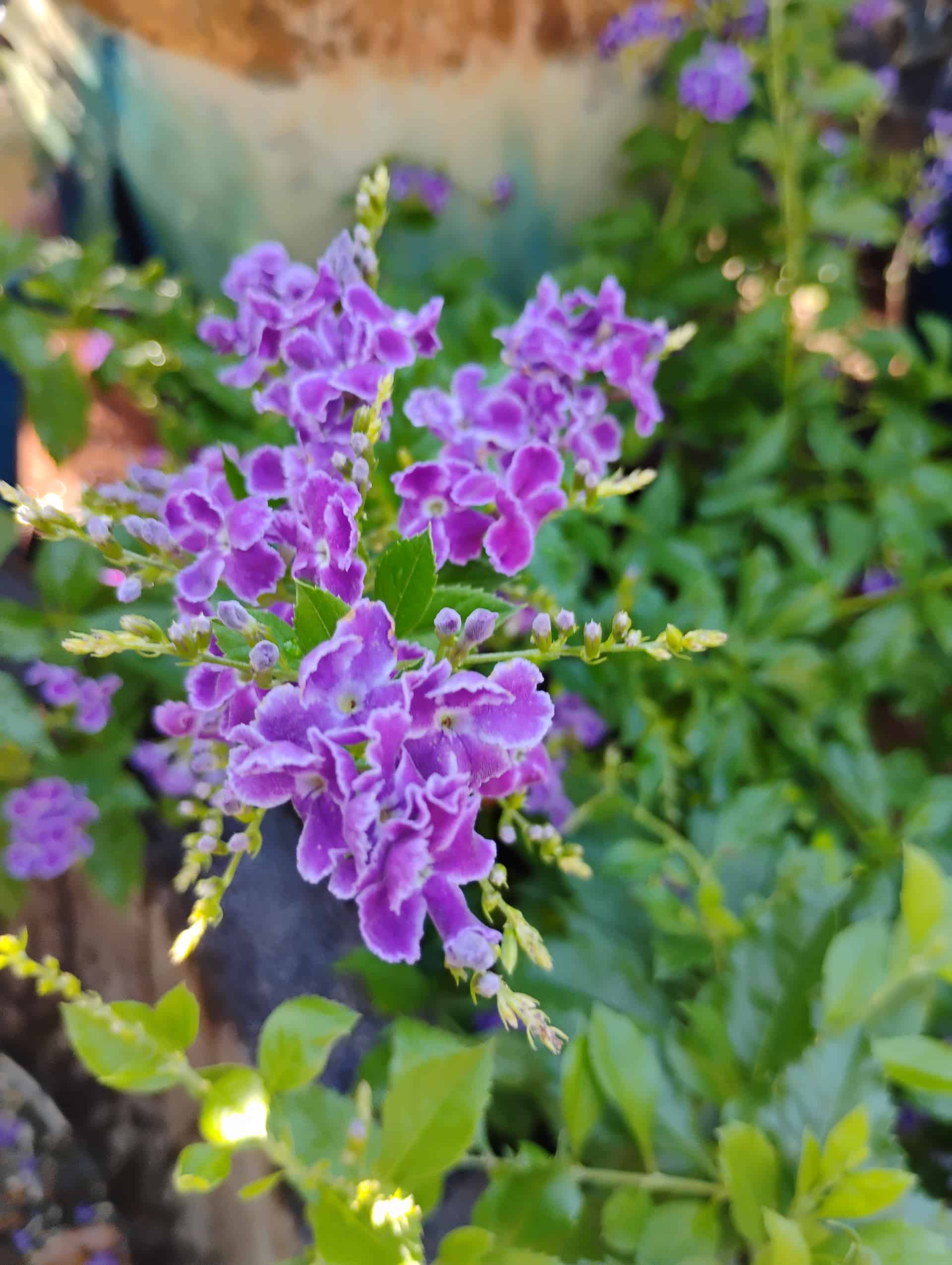
Golden Dewdrop
Shares 7 of the same needs: full sun, moderate water, sandy, salt tolerance, deer resistance, zone 9a hardiness, and pollinator-friendly.

Indian Hawthorn
Shares 7 of the same needs: full sun, moderate water, sandy, salt tolerance, deer resistance, zone 9a hardiness, and pollinator-friendly.
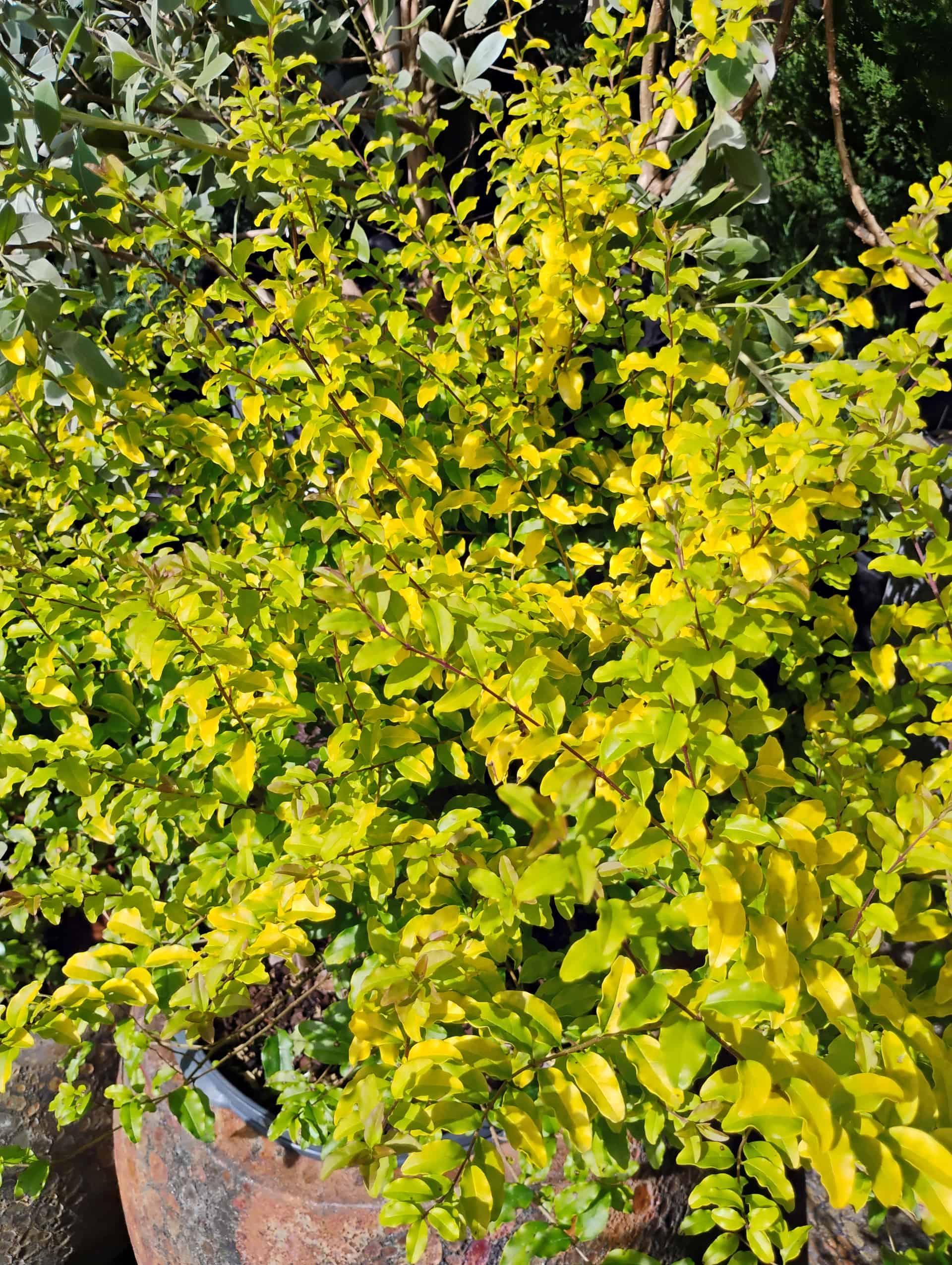
Ligustrum
Shares 7 of the same needs: full sun, moderate water, sandy, salt tolerance, deer resistance, zone 9a hardiness, and pollinator-friendly.

Plumbago
Shares 7 of the same needs: full sun, moderate water, sandy, salt tolerance, deer resistance, zone 9a hardiness, and pollinator-friendly.
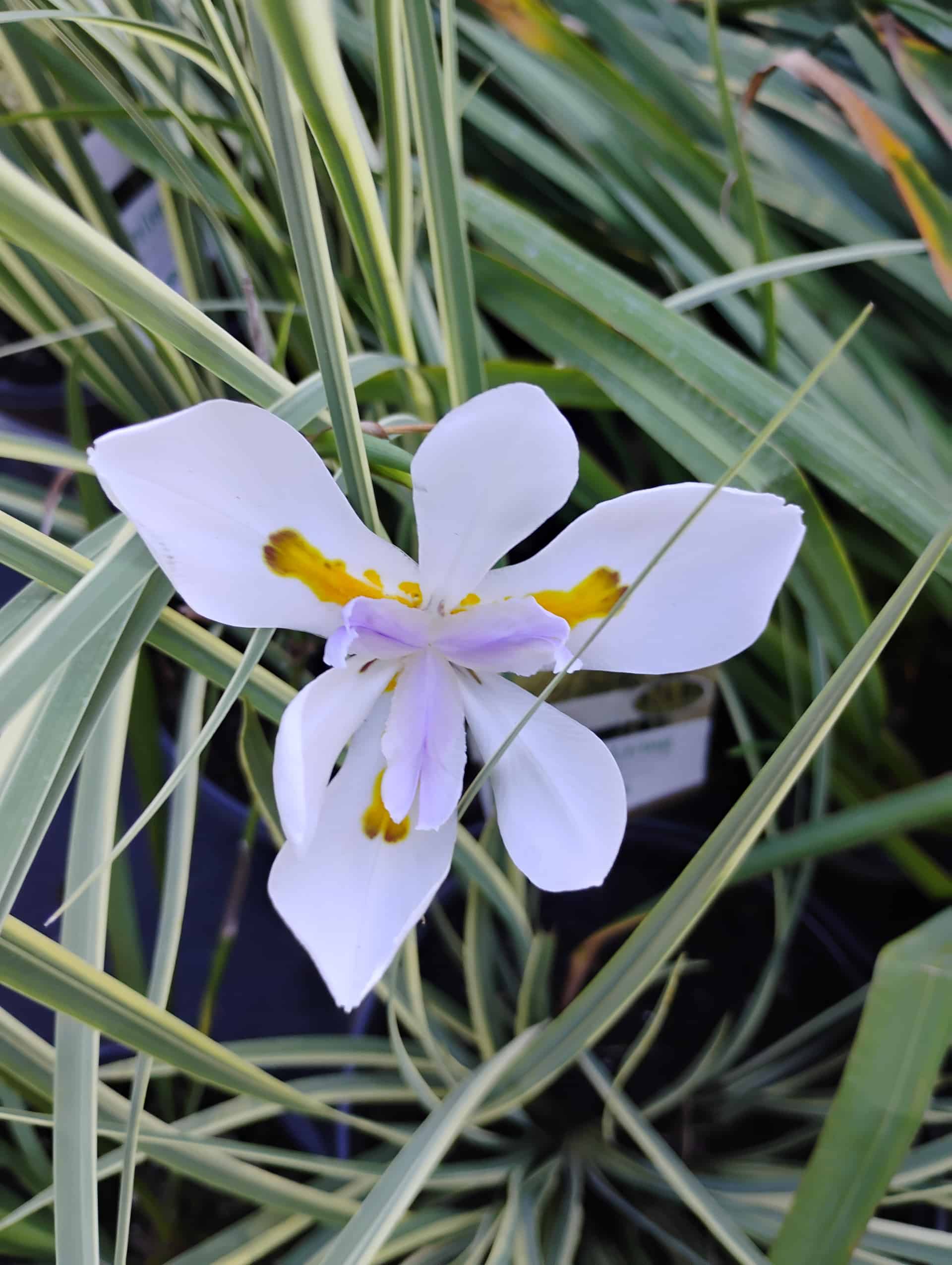
African Iris
Shares 7 of the same needs: full sun, moderate water, sandy, salt tolerance, deer resistance, zone 9a hardiness, and pollinator-friendly.

Blue Daze
Shares 7 of the same needs: full sun, moderate water, sandy, salt tolerance, deer resistance, zone 9a hardiness, and pollinator-friendly.
You may also like
Common questions
Is Butterfly Bush a good plant for St. Augustine?
Butterfly Bush is a shrub. Mature size: 6-12 feet (can be maintained 4-5 ft with pruning) × 4-15 feet (typically 4-6 ft with regular pruning in NE Florida). Light: Full Sun. Water needs: Moderate. Recorded hardiness zone: 9a. Recorded salt tolerance: moderate.
What is the recorded pet toxicity for Butterfly Bush?
Non-toxic to dogs and cats
Care information verified from
Last reviewed February 2026. Our care guidance comes from trusted horticulture sources and decades of helping St. Augustine gardeners. Conditions here can vary dramatically from one area to the next, so come ask us and we'll tailor it to your yard.