
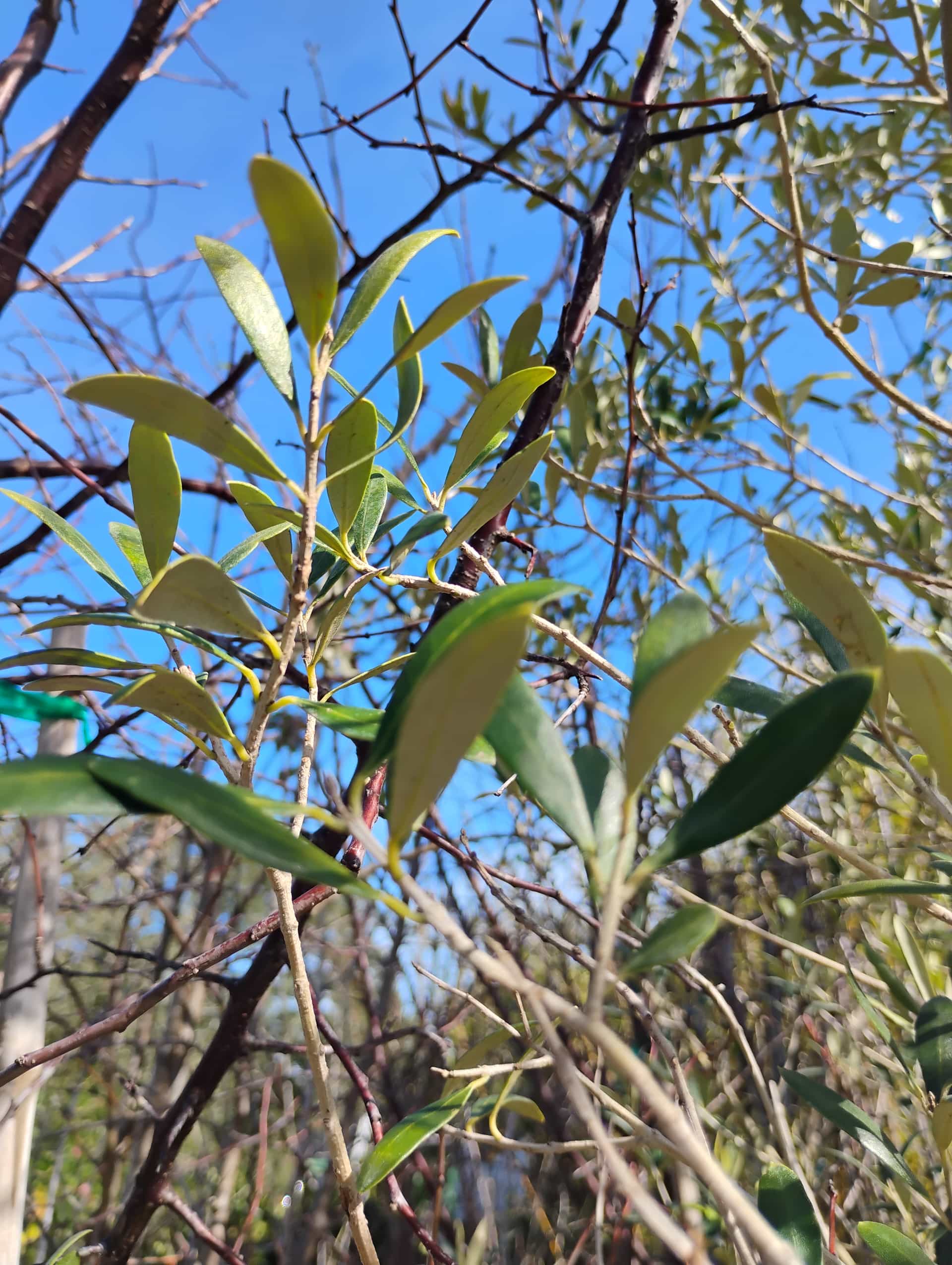
Varieties We Bring In
Eur Little Ollie
European
Arbequina
Arbequina
Arbequina
Arbequina
Arbequina
We received some Olive on Oct 22, 2026.
We bring this in seasonally, so what is on the lot changes week to week. A received date shows when it last came in, not that it is here today.
Call (904) 471-0440 to confirm this plant and size before you make the trip.
Last received Oct 22, 2026.
We bring this in seasonally, so what is on the lot changes week to week. A received date shows when it last came in, not that it is here today.
Call (904) 471-0440 to confirm this plant and size before you make the trip.
Pet toxicity: Toxic to dogs and cats
Pet safety guideAbout Olive
Olive (Olea europaea) is an iconic, long-lived evergreen tree native to the Mediterranean Basin, distinguished by its silvery-gray lance-shaped leaves, gnarled trunk, and small, oil-rich fruits. Cultivated for over 6,000 years, it is one of humanity's oldest and most economically significant fruit trees. The twisted, sculptural trunk and gray-green canopy give it exceptional ornamental value as a specimen or container tree.
Plant details
- Bloom Season
- Spring
- Flower Color
- White
- Growth Rate
- Slow
- Foliage
- Evergreen
- Soil
- Sandy, Loam, Alkaline, Well-drained
Best planting months
Recommended months: March, April, May, September, October, November.
Seasonal care
Bloom season. Good planting window.
Active growing season.
Ideal planting window.
Retains foliage through winter.
Care essentials
Olive requires full sun — a minimum of 6–8 hours of direct sunlight daily. NE Florida's sunny, dry sites with reflected heat are ideal; avoid low, wet areas.
Water young trees regularly to establish roots; once established, olive is drought-tolerant and prefers infrequent deep waterings. Excessive moisture reduces flowering and fruit production and can lead to root rot on NE Florida's sandy soils.
Plant in well-drained sandy or loamy soil; olive actually performs well in poor, low-fertility conditions. Apply a balanced citrus or fruit-tree fertilizer in spring and midsummer; leaf tissue testing is a more reliable nutrient guide than soil testing for olives.
Similar needs
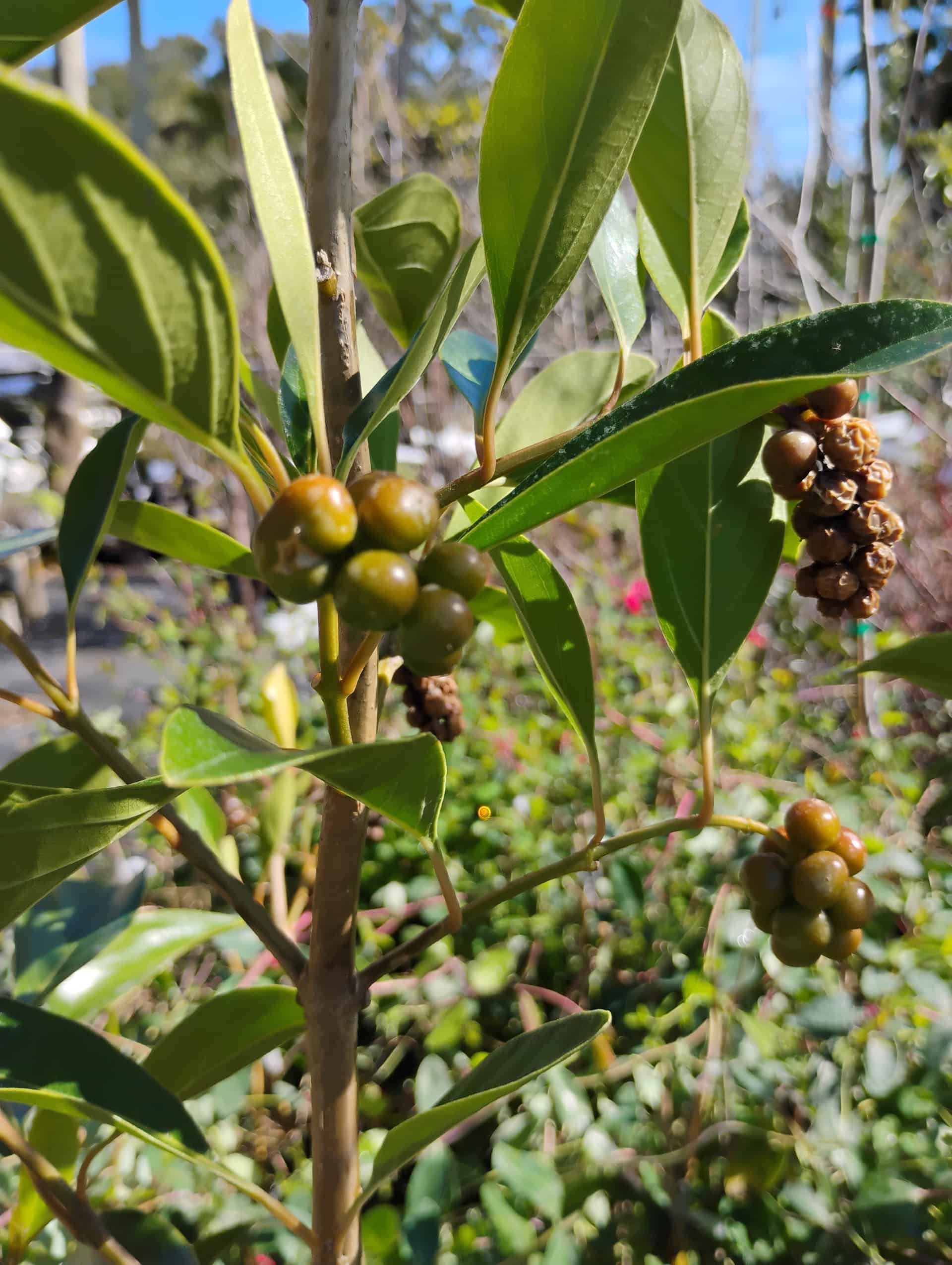
Fiddlewood
Shares 4 of the same needs: full sun, sandy, salt tolerance, and zone 9a hardiness.
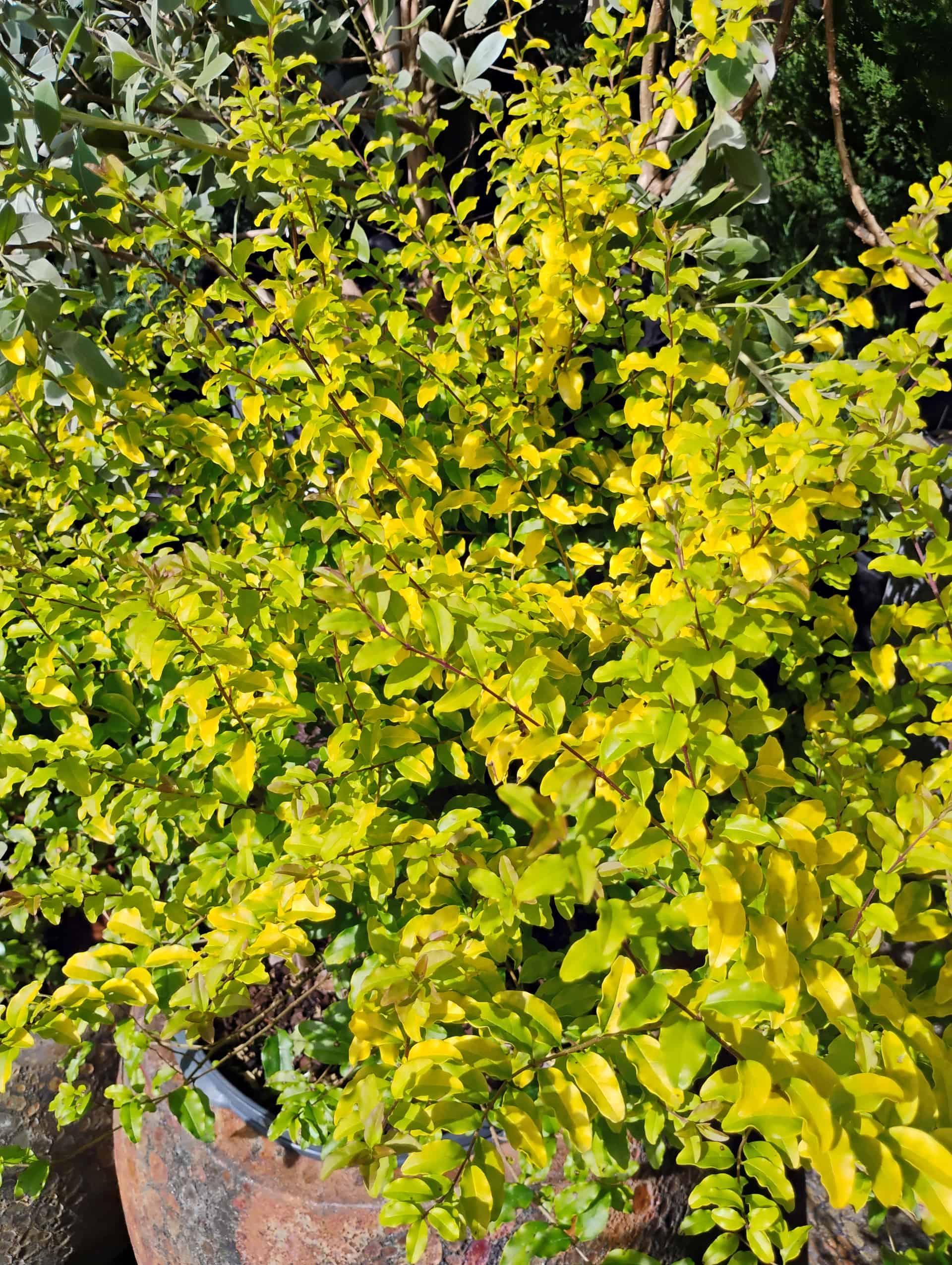
Ligustrum
Shares 4 of the same needs: full sun, sandy, salt tolerance, and zone 9a hardiness.
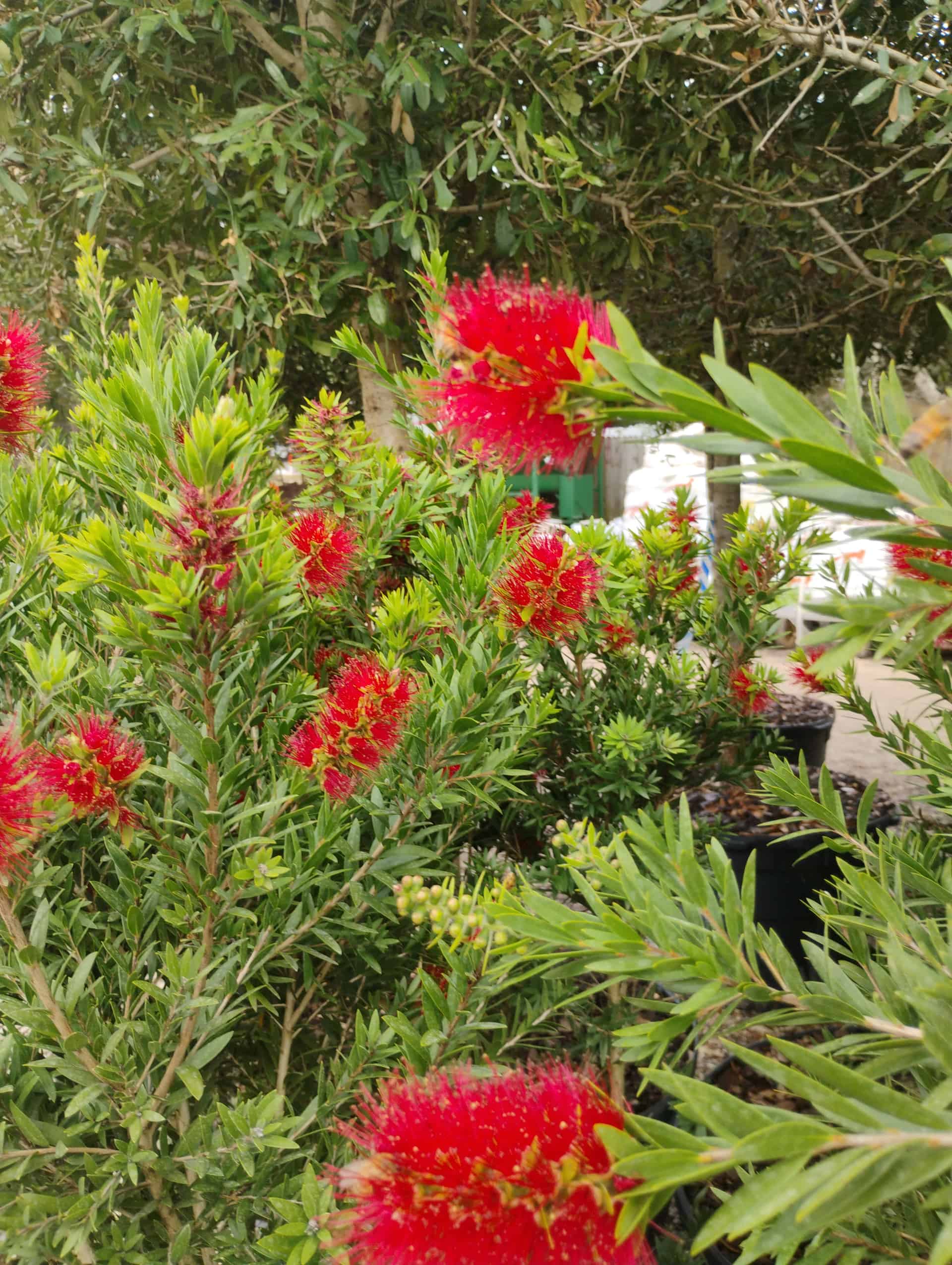
Bottlebrush
Shares 5 of the same needs: full sun, low water, sandy, salt tolerance, and zone 9a hardiness.

Chaste Tree
Shares 5 of the same needs: full sun, low water, sandy, salt tolerance, and zone 9a hardiness.

Plumeria
Shares 5 of the same needs: full sun, low water, sandy, salt tolerance, and zone 9a hardiness.

Florida Soapberry
Shares 4 of the same needs: full sun, low water, sandy, and zone 9a hardiness.
You may also like
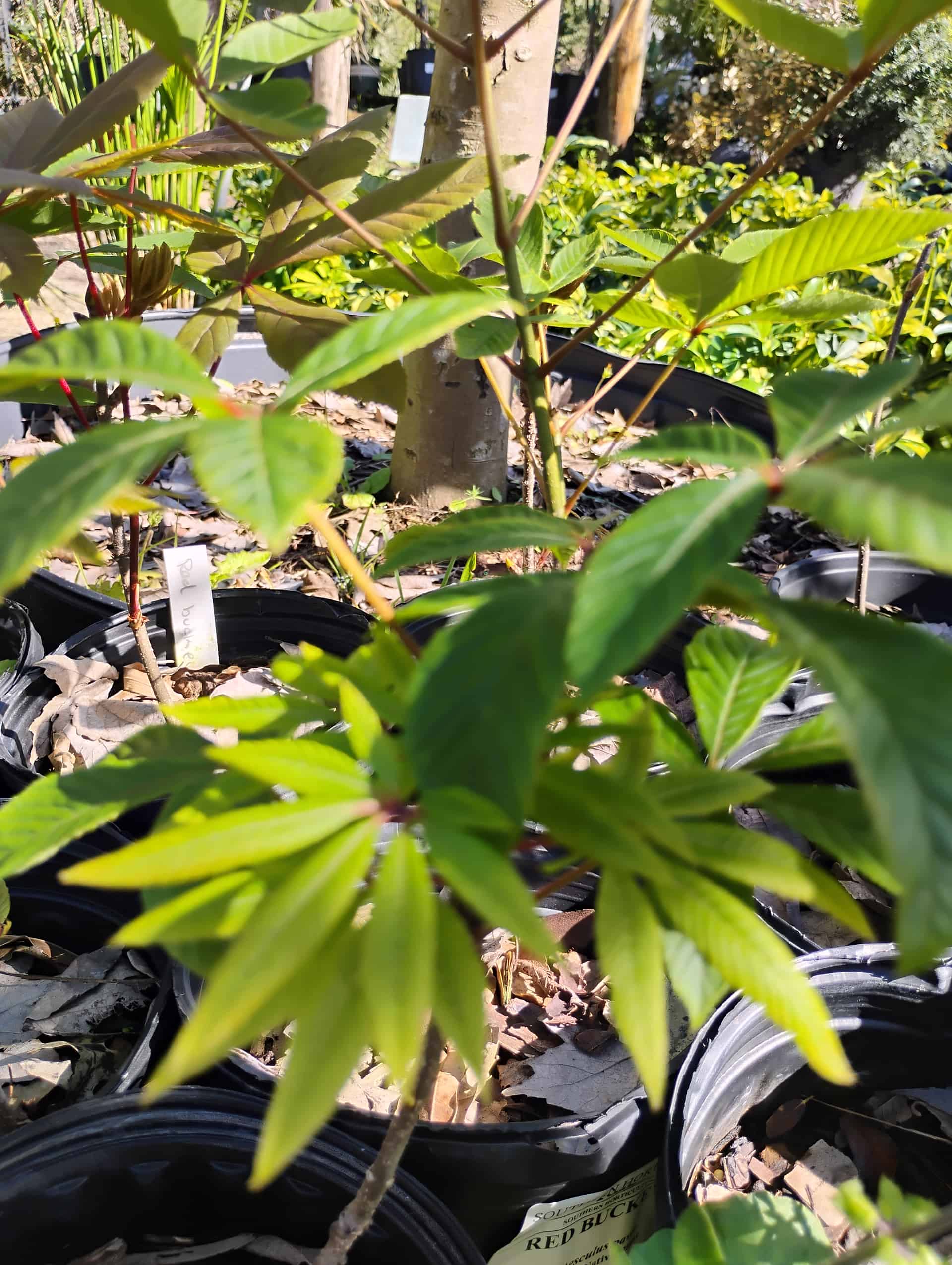 Tree
Red Buckeye
Aesculus pavia
Serviceberry
Amelanchier arborea
American Beech
Fagus grandifolia
Common questions
Is Olive a good plant for St. Augustine?
Olive is a tree. Mature size: 15-20 feet × 10-20 feet. Light: Full Sun. Water needs: Low. Recorded hardiness zone: 9a. Recorded salt tolerance: moderate.
What is the recorded pet toxicity for Olive?
Toxic to dogs and cats
Care information verified from
Last reviewed February 2026. Our care guidance comes from trusted horticulture sources and decades of helping St. Augustine gardeners. Conditions here can vary dramatically from one area to the next, so come ask us and we'll tailor it to your yard.