
Varieties We Bring In
X Summertime Blues
Flip Side · Queen Bee · Blue Puffball · Violet Mist
X Summertime Blues
Flip Side · Galactic Pink · Queen Bee · Violet Mist
Flip Side · Shoal Creek · Delta Blues
Shoal Creek
We received some Chaste Tree on Sep 24, 2026.
We bring this in seasonally, so what is on the lot changes week to week. A received date shows when it last came in, not that it is here today.
Call (904) 471-0440 to confirm this plant and size before you make the trip.
Last received Sep 24, 2026.
We bring this in seasonally, so what is on the lot changes week to week. A received date shows when it last came in, not that it is here today.
Call (904) 471-0440 to confirm this plant and size before you make the trip.
Pet toxicity: Non-toxic to dogs and cats
Pet safety guideAbout Chaste Tree
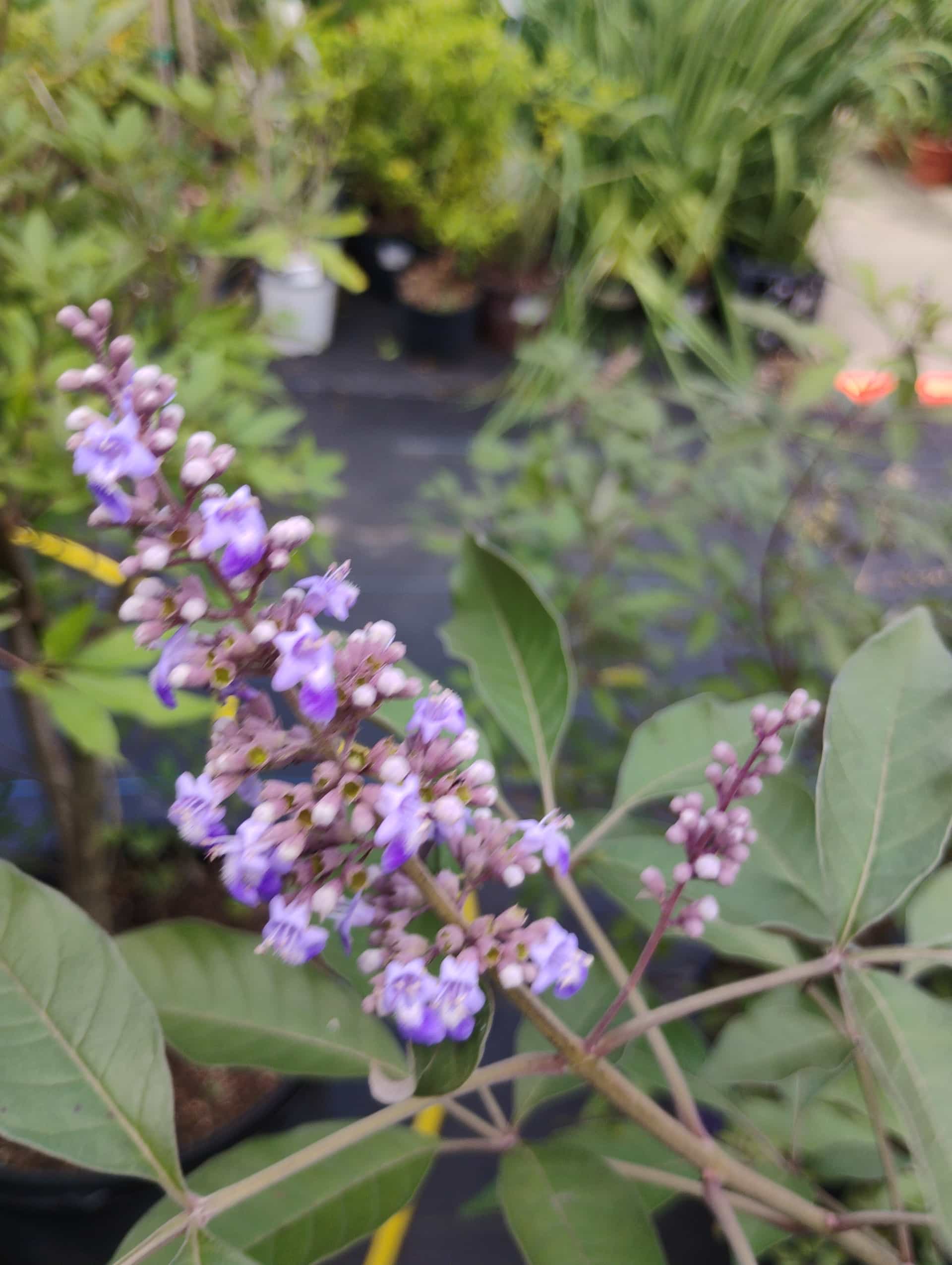
Vitex (Vitex agnus-castus), commonly called Chaste Tree or Lilac Chaste Tree, is a deciduous large shrub or small multi-stemmed tree native to the Mediterranean region and central Asia, bearing aromatic, palmately compound leaves and long, showy spikes of small lavender, violet, or white flowers from summer into fall. The fragrant foliage and flower spikes attract bees, butterflies, and hummingbirds. It has a long history of herbal use, and dried berries have been used since antiquity as a spice and medicinal herb.
Plant details
- Bloom Season
- Spring, Summer, Fall
- Flower Color
- Purple, Blue
- Growth Rate
- Fast
- Foliage
- Deciduous
- Soil
- Sandy, Loam, Well-drained
Best planting months
Recommended months: March, April, May, September, October, November.
Seasonal care
Bloom season. New foliage emerges. Good planting window.
Bloom season.
Foliage may begin to change or drop. Ideal planting window.
Dormant — drops foliage.
Care essentials
Plant in full sun for best flowering and strongest growth. Vitex thrives in NE Florida's heat and tolerates hot, dry conditions extremely well; avoid shaded or poorly drained sites.
Once established, vitex is highly drought-tolerant and can survive on rainfall alone in NE Florida. Water during establishment only; avoid moist or organically rich soils, which can cause dieback and root rot.
Grows best in loose, well-drained sandy or loamy soil; tolerates alkaline and clay soils with good drainage. Little to no fertilizer needed once established — excess fertility promotes vegetative growth at the expense of bloom.
Similar needs
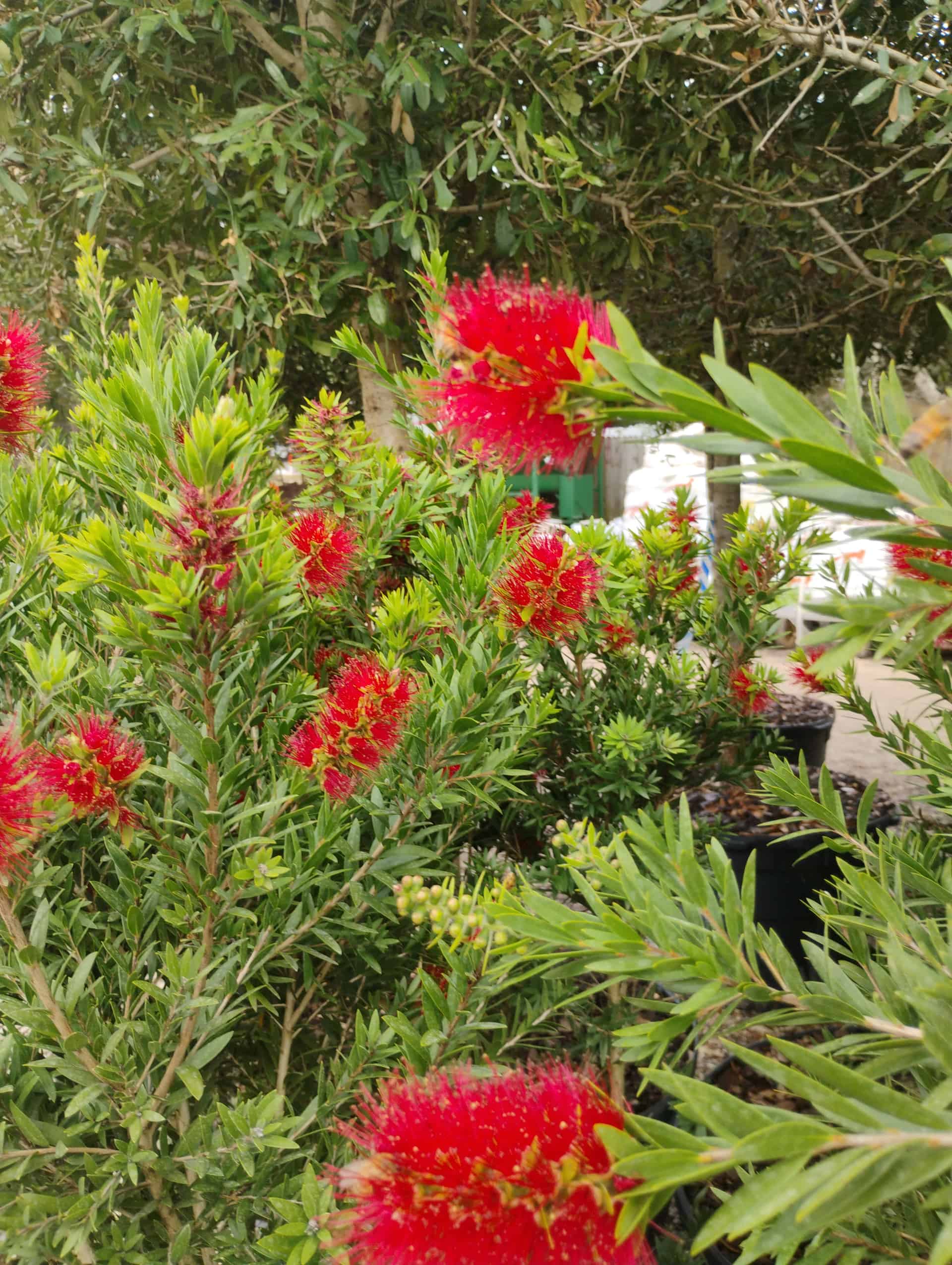
Bottlebrush
Shares 6 of the same needs: full sun, low water, sandy, salt tolerance, zone 9a hardiness, and pollinator-friendly.

Plumeria
Shares 6 of the same needs: full sun, low water, sandy, salt tolerance, zone 9a hardiness, and pollinator-friendly.

Olive
Shares 5 of the same needs: full sun, low water, sandy, salt tolerance, and zone 9a hardiness.
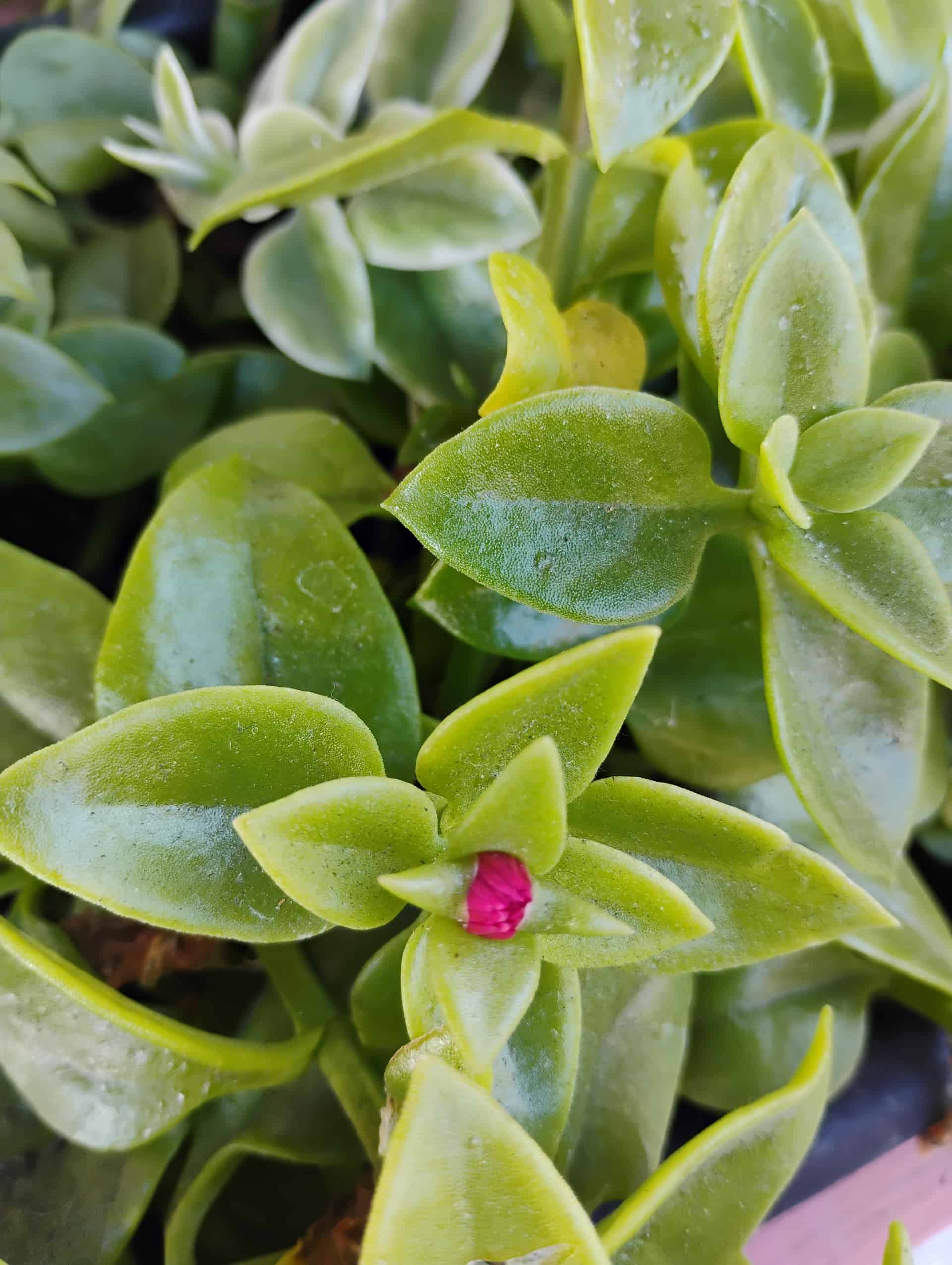
Baby Sun Rose
Shares 6 of the same needs: full sun, low water, sandy, salt tolerance, zone 9a hardiness, and pollinator-friendly.
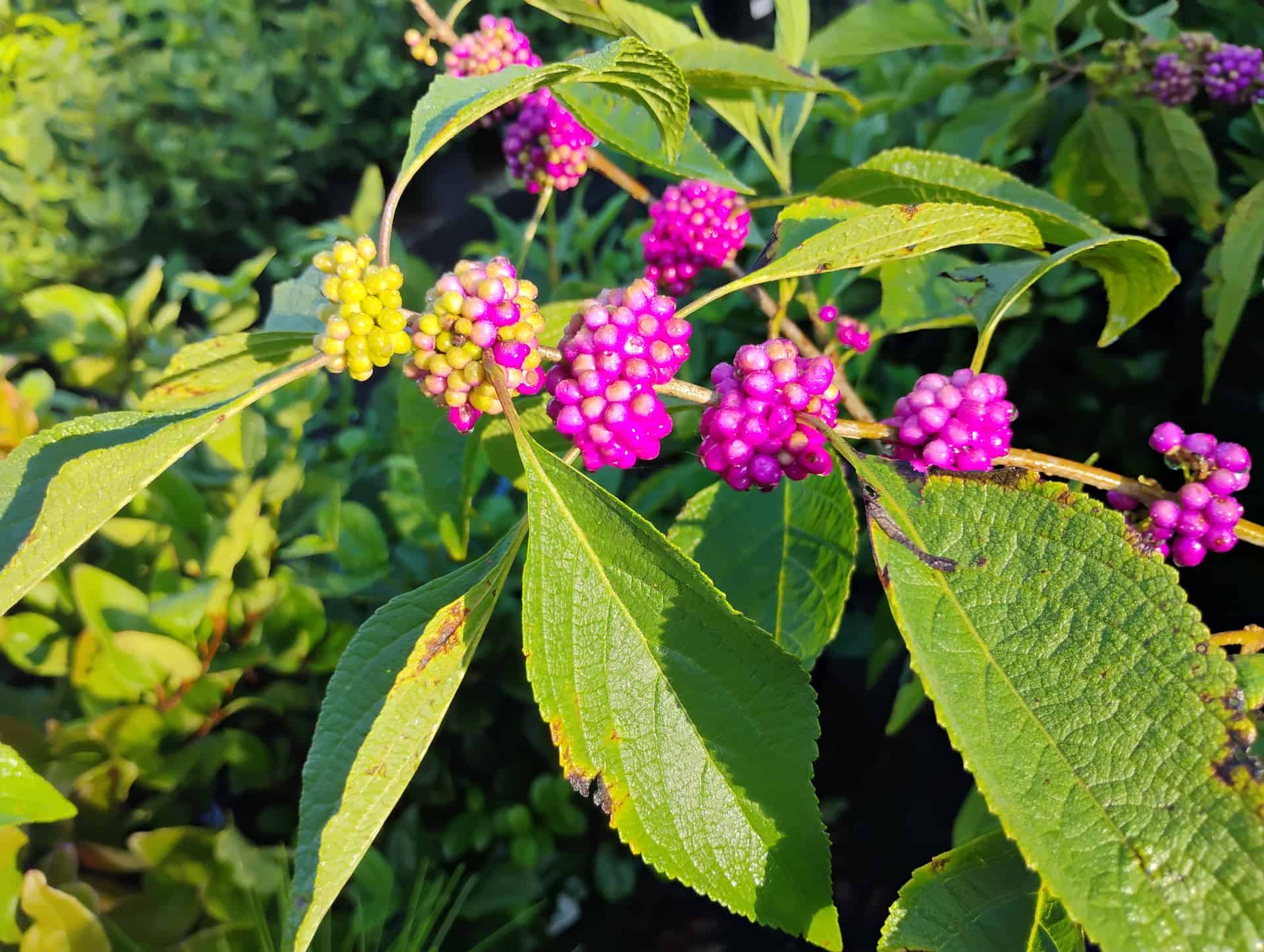
Beautyberry
Shares 6 of the same needs: full sun, low water, sandy, salt tolerance, zone 9a hardiness, and pollinator-friendly.
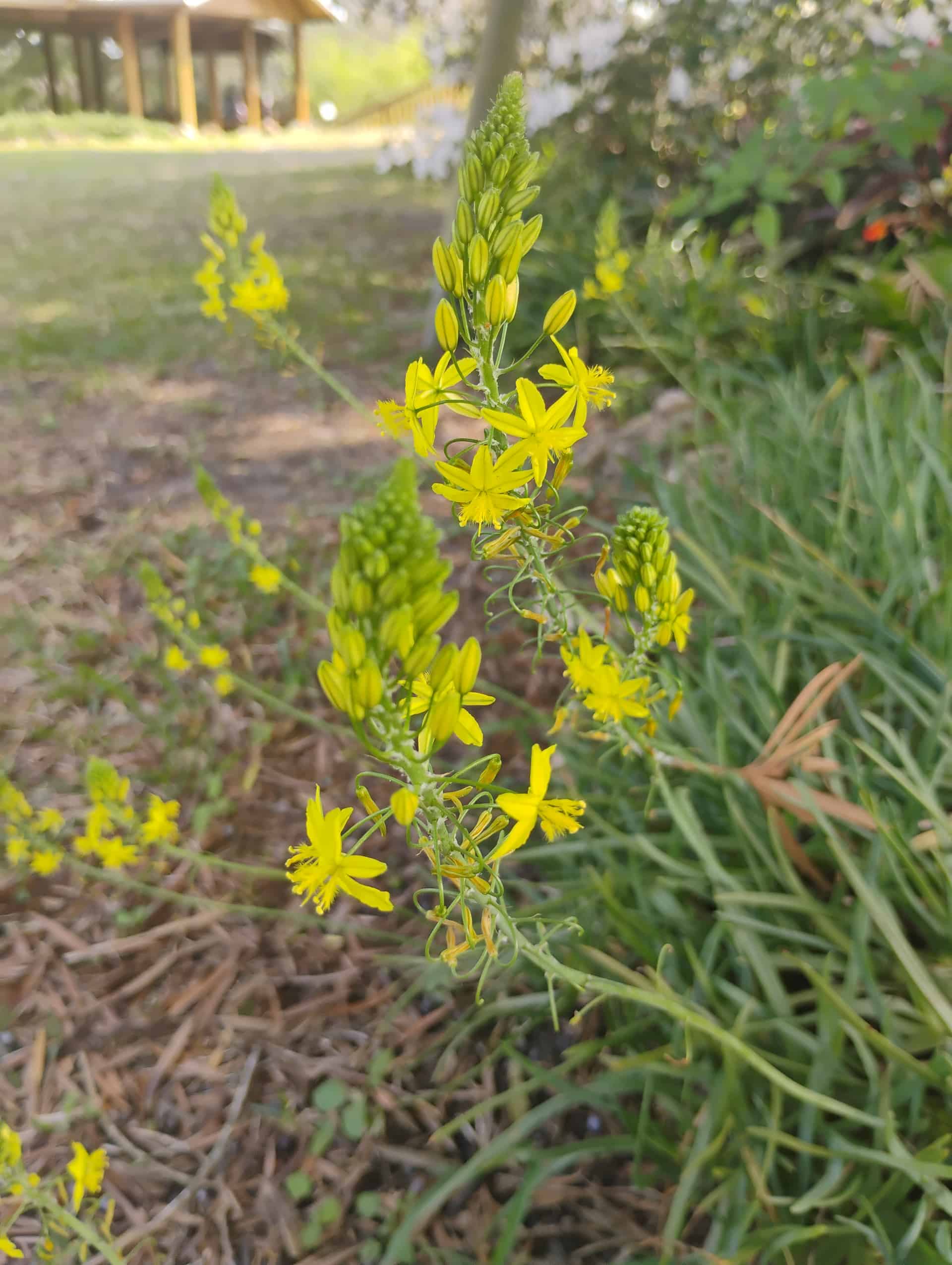
Bulbine Lily
Shares 6 of the same needs: full sun, low water, sandy, salt tolerance, zone 9a hardiness, and pollinator-friendly.
You may also like
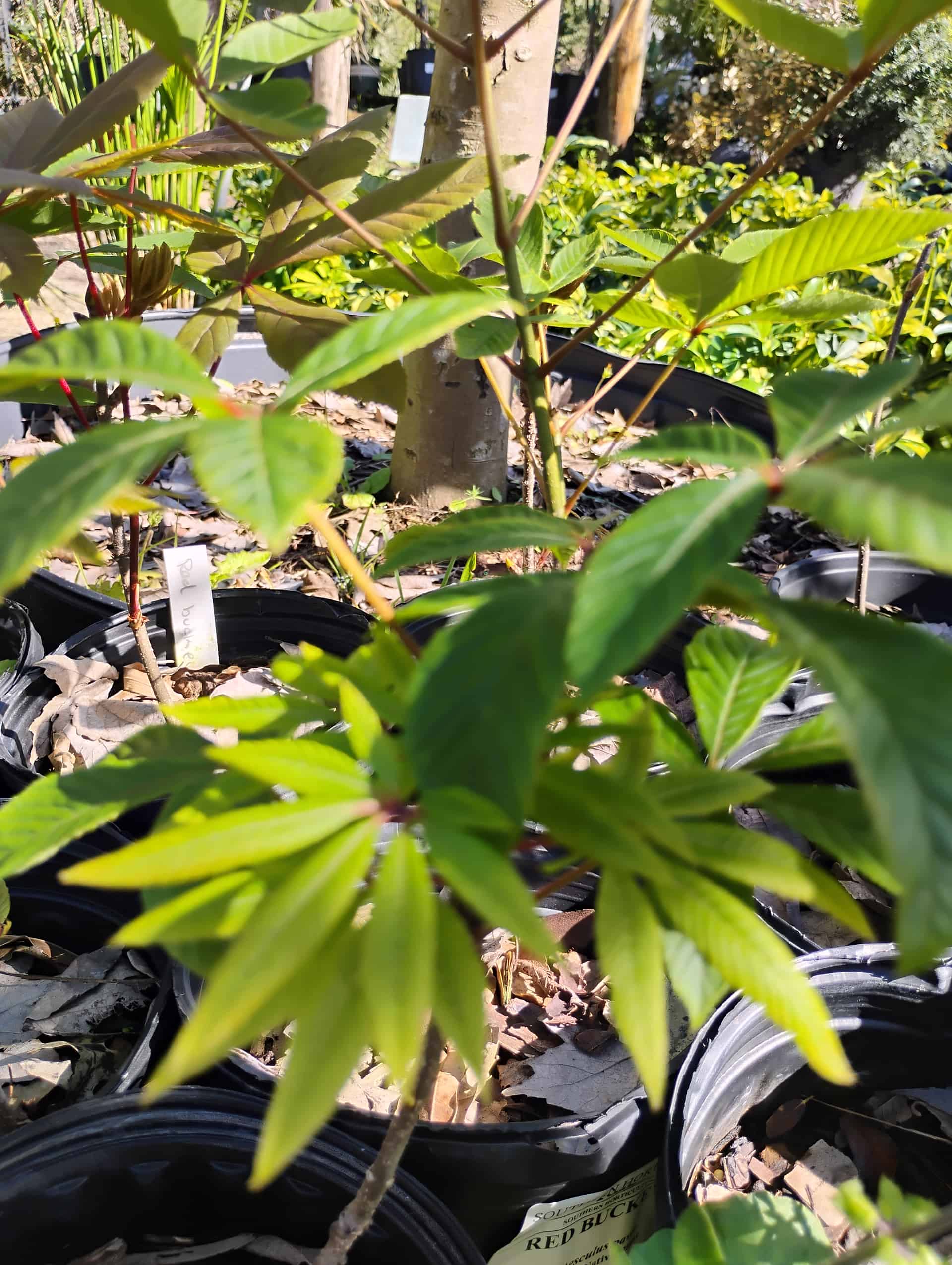 Tree
Red Buckeye
Aesculus pavia
Serviceberry
Amelanchier arborea
American Beech
Fagus grandifolia
Common questions
Is Chaste Tree a good plant for St. Augustine?
Chaste Tree is a tree. Mature size: 10-15 feet × 15-20 feet. Light: Full Sun. Water needs: Low. Recorded hardiness zone: 9a. Recorded salt tolerance: moderate.
What is the recorded pet toxicity for Chaste Tree?
Non-toxic to dogs and cats
Care information verified from
Last reviewed February 2026. Our care guidance comes from trusted horticulture sources and decades of helping St. Augustine gardeners. Conditions here can vary dramatically from one area to the next, so come ask us and we'll tailor it to your yard.