
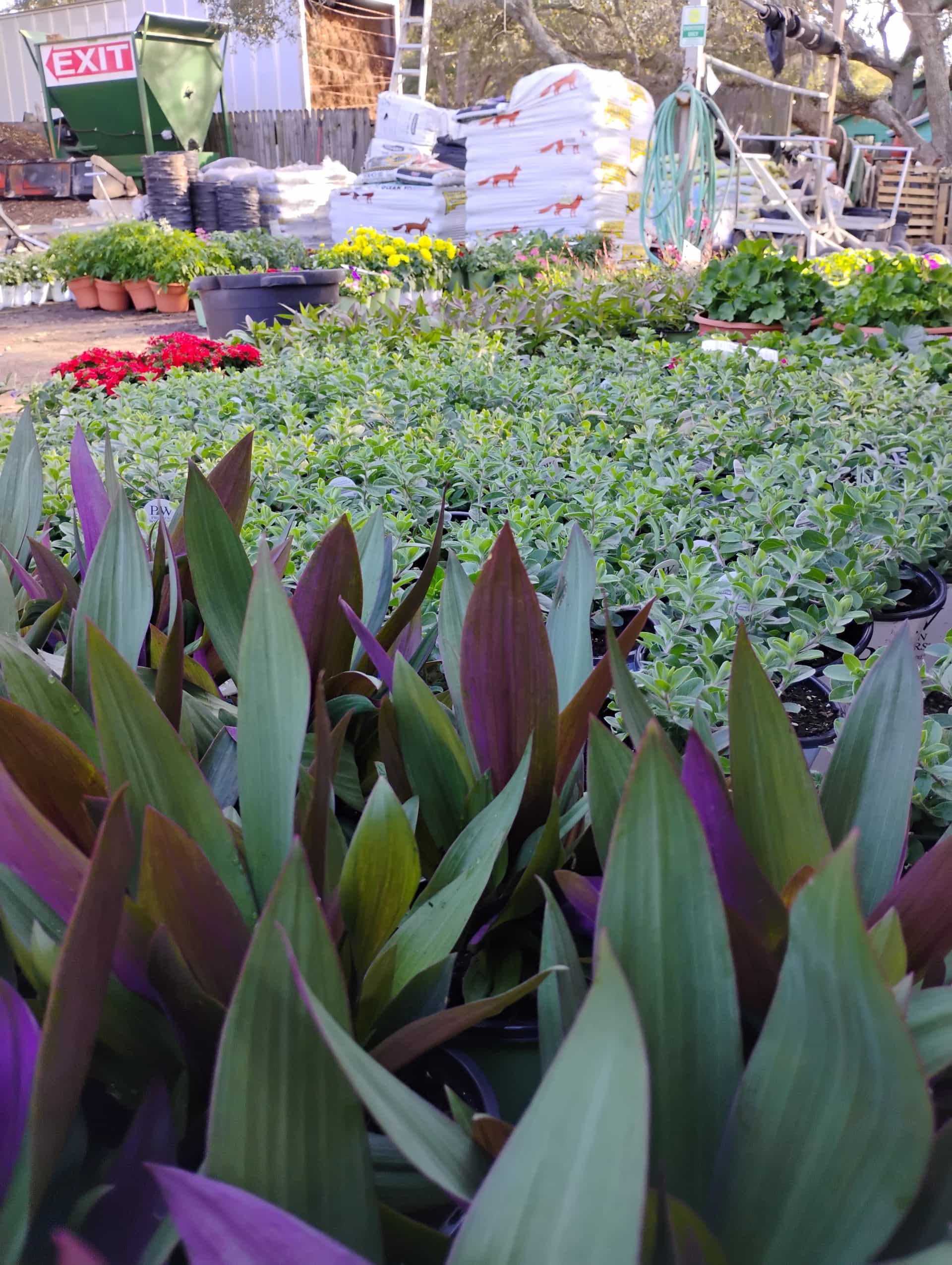
Varieties We Bring In
Rhoeo Bicolor · Tricolor
We received some Oyster Plant on Oct 5, 2026.
We bring this in seasonally, so what is on the lot changes week to week. A received date shows when it last came in, not that it is here today.
Call (904) 471-0440 to confirm this plant and size before you make the trip.
Last received Oct 5, 2026.
We bring this in seasonally, so what is on the lot changes week to week. A received date shows when it last came in, not that it is here today.
Call (904) 471-0440 to confirm this plant and size before you make the trip.
Pet toxicity: Toxic to dogs and cats
Pet safety guideAbout Oyster Plant
Oyster Plant (Tradescantia spathacea) is a bold tropical perennial native to southern Mexico, Belize, and Guatemala, forming rosettes of stiff, lance-shaped leaves that are deep green on top and rich purple beneath. Small white flowers are cradled in boat-shaped bracts nested among the leaves, giving rise to the common name. It is one of the most durable and widely planted ground covers and edging plants in South Florida landscapes.
Plant details
- Bloom Season
- Spring, Summer, Fall, Winter
- Flower Color
- White
- Growth Rate
- Moderate
- Foliage
- Evergreen
- Soil
- Sandy, Loam, Well-drained
Best planting months
Recommended months: March, April, May, October, November.
Seasonal care
Bloom season. Good planting window.
Bloom season.
Bloom season. Ideal planting window.
Bloom season. Retains foliage through winter.
Care essentials
Oyster plant thrives in full sun to deep shade, making it one of the most versatile groundcovers for NE Florida. In Zone 9b, some afternoon shade prevents leaf scorch, but it adapts readily to bright or shaded spots alike.
Extremely drought tolerant once established; water regularly during the first growing season to set roots, then reduce to occasional deep watering. Well-drained soil is essential—oyster plant is susceptible to root rot if kept soggy.
Tolerates sandy Florida soils and even rocky conditions without amendment. Apply a balanced slow-release fertilizer in spring; avoid over-fertilizing, which promotes lush growth that attracts mites and mealybugs.
Similar needs
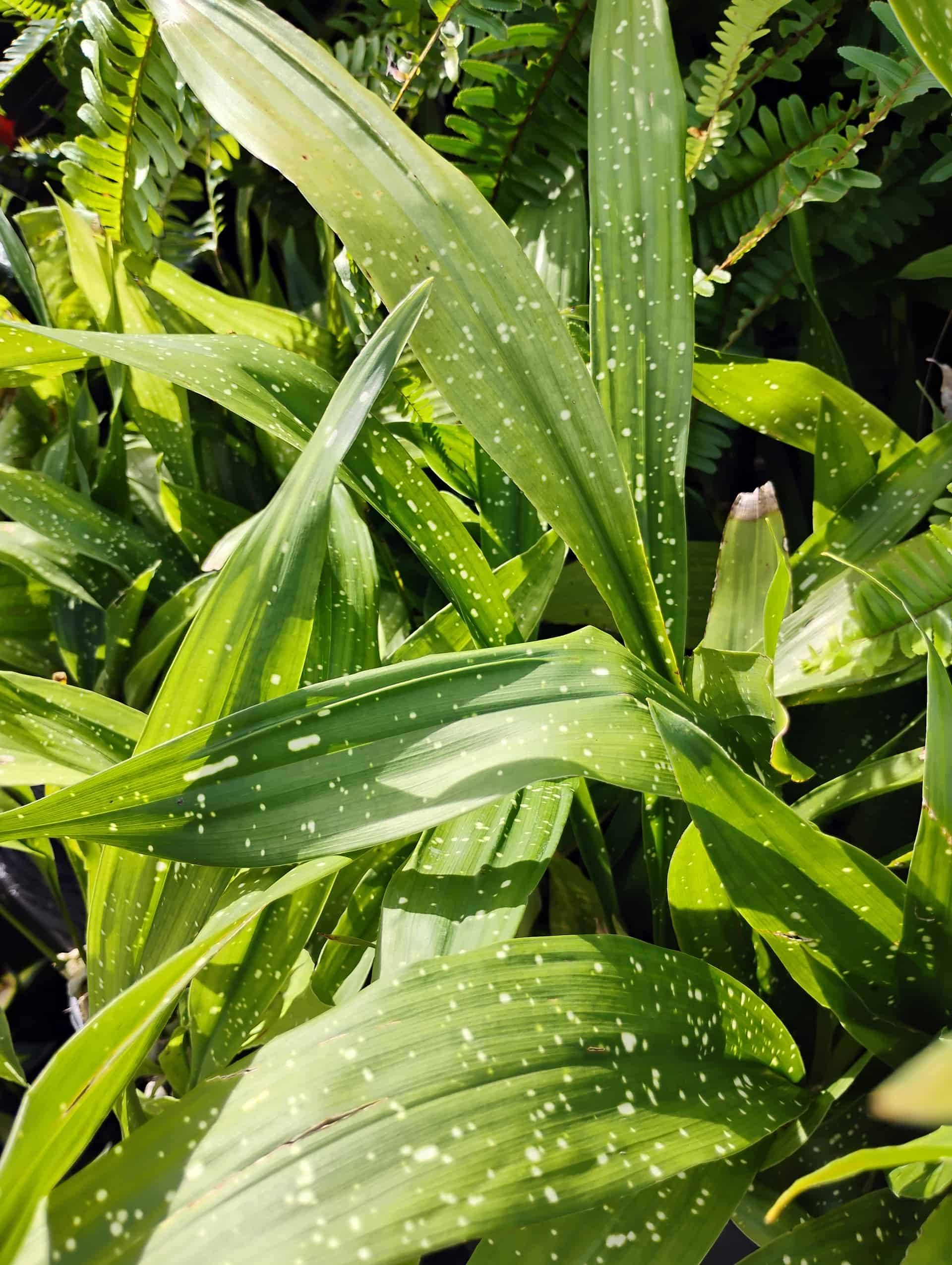
Cast Iron Plant
Shares 5 of the same needs: shade, low water, sandy, salt tolerance, and zone 9a hardiness.

Wild Coffee
Shares 5 of the same needs: shade, low water, sandy, salt tolerance, and zone 9a hardiness.

Heartleaf Philodendron
Shares 4 of the same needs: shade, sandy, salt tolerance, and zone 9a hardiness.

Liriope
Shares 4 of the same needs: full sun, sandy, salt tolerance, and zone 9a hardiness.

Holly Fern
Shares 4 of the same needs: shade, loam, salt tolerance, and zone 9a hardiness.
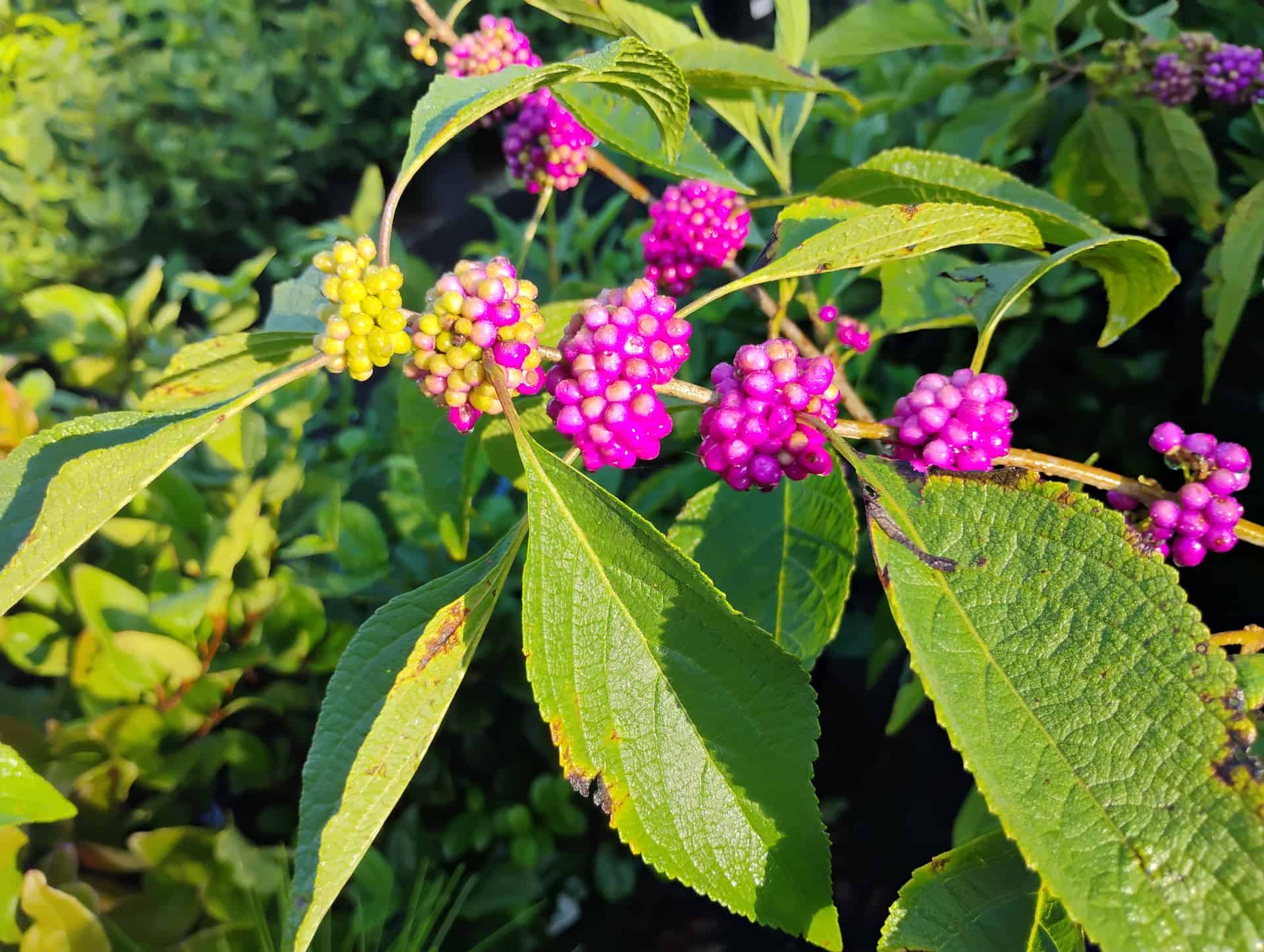
Beautyberry
Shares 5 of the same needs: full sun, low water, sandy, salt tolerance, and zone 9a hardiness.
You may also like
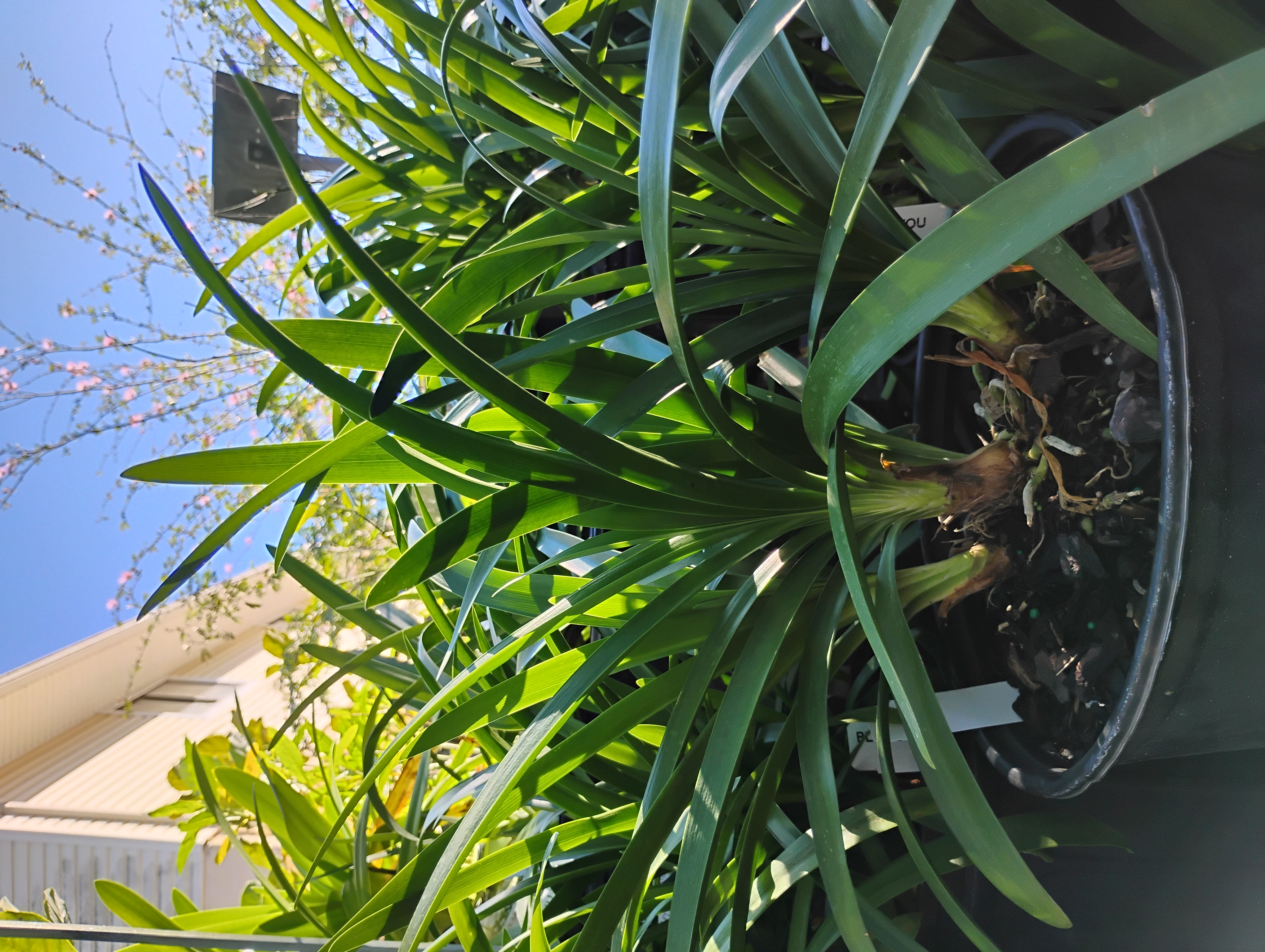 Perennial
Agapanthus
Agapanthus praecox
 Perennial
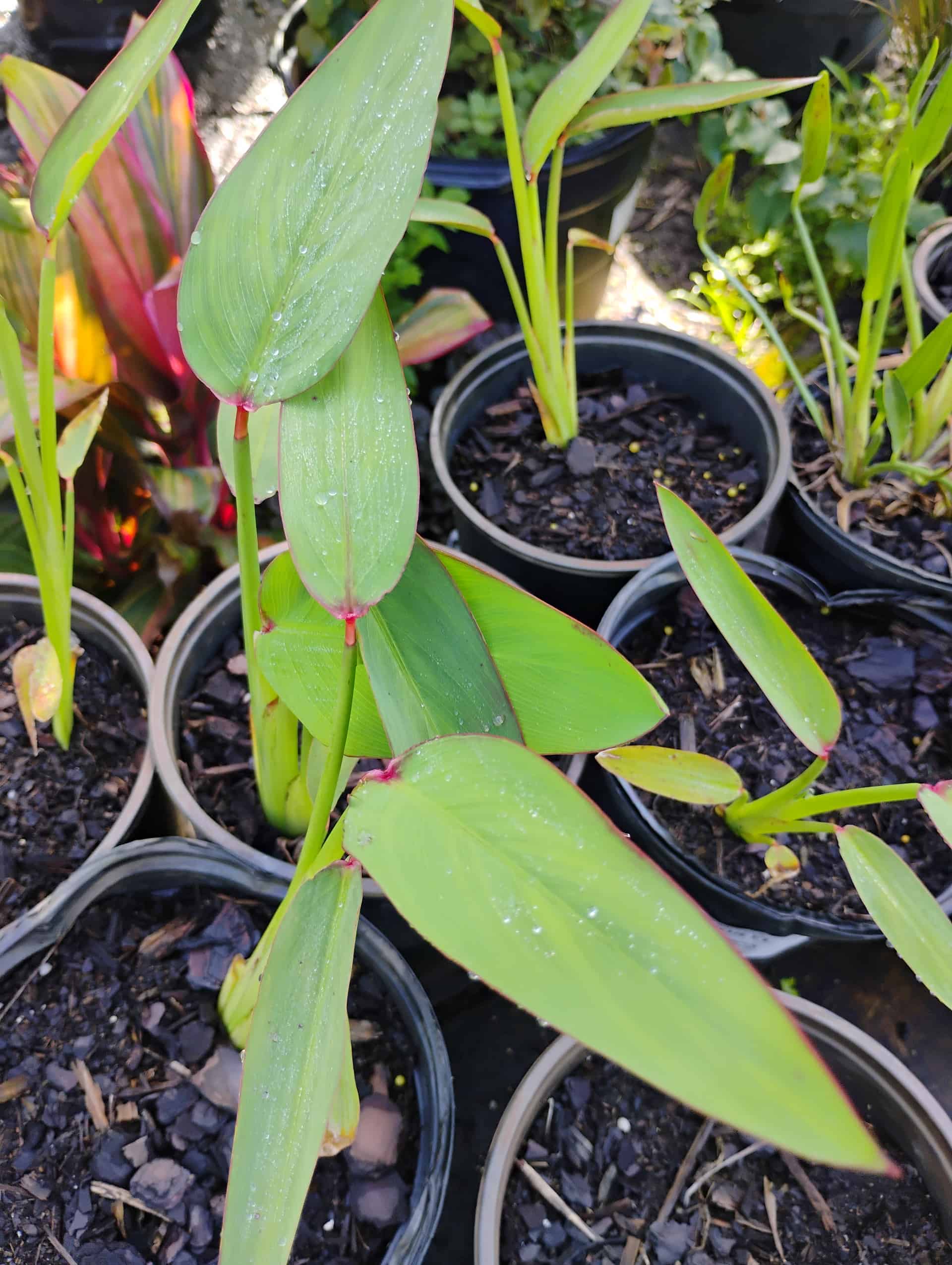
Alligator Flag
Thalia geniculata
 Perennial
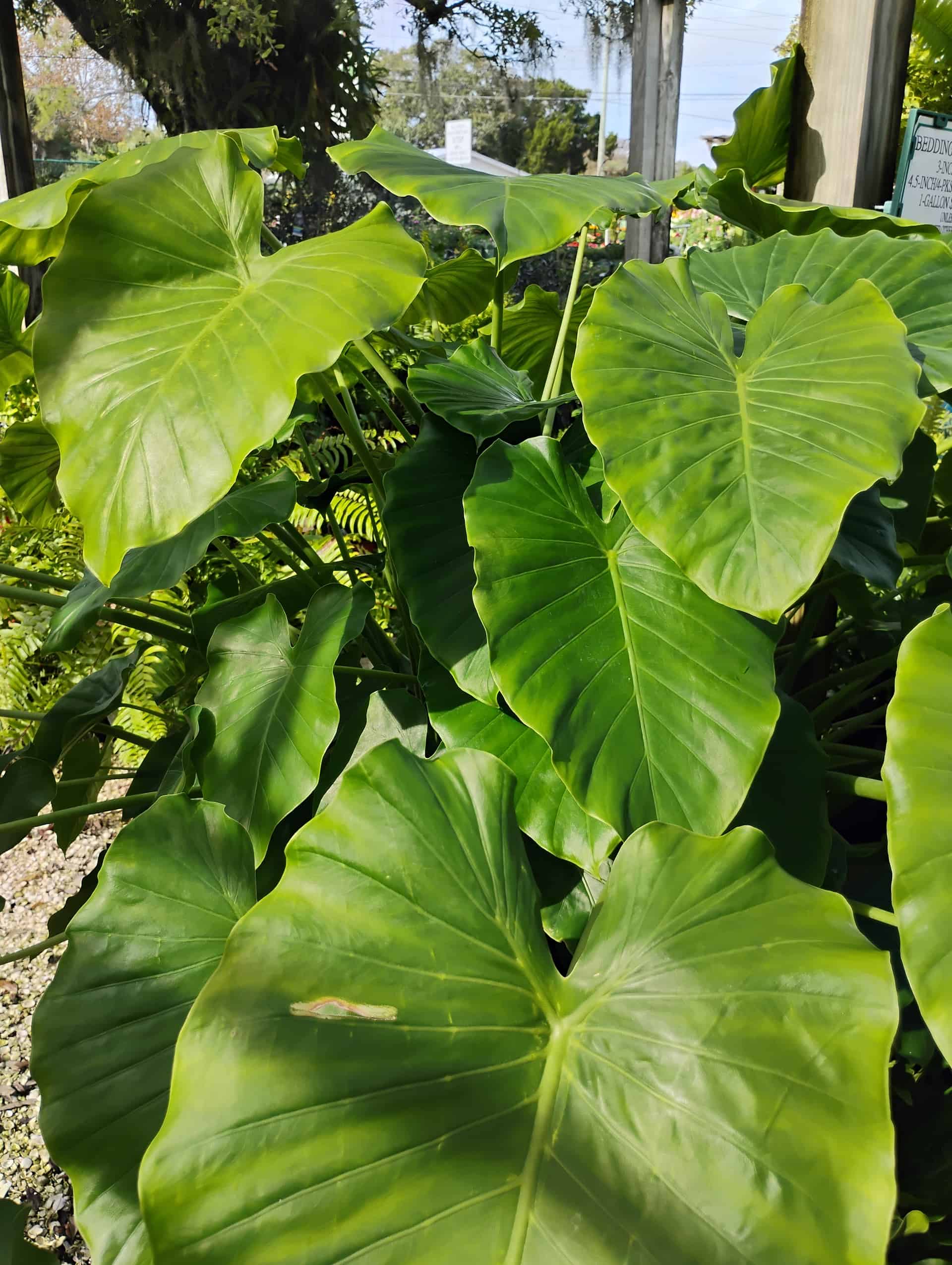
Alocasia
Alocasia
Common questions
Is Oyster Plant a good plant for St. Augustine?
Oyster Plant is a perennial. Mature size: 6-12 inches × 18-24 inches (spreads indefinitely by offsets). Light: Full Sun, Part Shade, Full Shade. Water needs: Low. Recorded hardiness zone: 9a. Recorded salt tolerance: moderate.
What is the recorded pet toxicity for Oyster Plant?
Toxic to dogs and cats
Care information verified from
Last reviewed February 2026. Our care guidance comes from trusted horticulture sources and decades of helping St. Augustine gardeners. Conditions here can vary dramatically from one area to the next, so come ask us and we'll tailor it to your yard.