
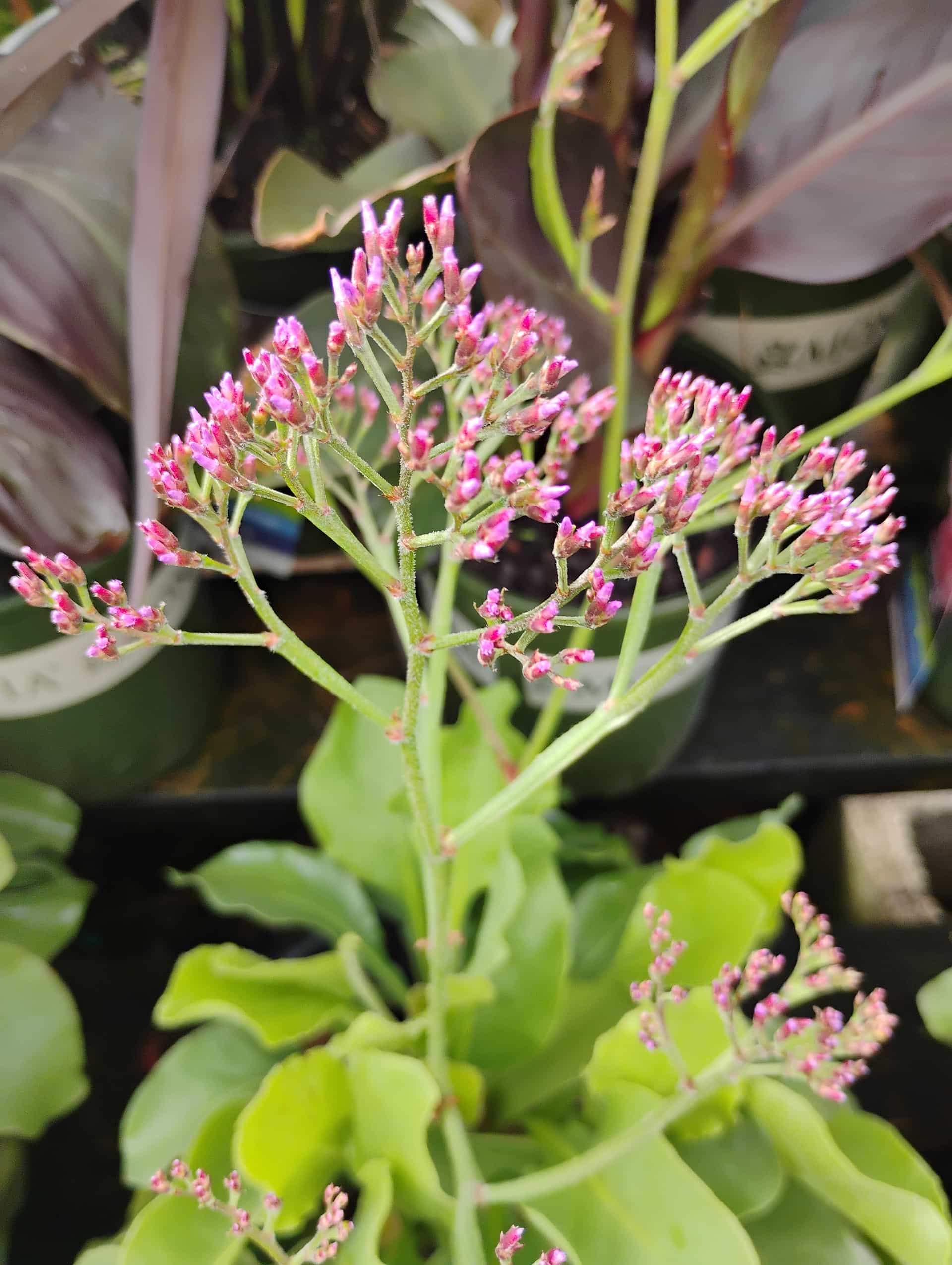
Varieties We Bring In
Lake · Rocks · Salt Lake
Lake · Salt Lake
We received some Sea Lavender on Aug 4, 2026.
We bring this in seasonally, so what is on the lot changes week to week. A received date shows when it last came in, not that it is here today.
Call (904) 471-0440 to confirm this plant and size before you make the trip.
Last received Aug 4, 2026.
We bring this in seasonally, so what is on the lot changes week to week. A received date shows when it last came in, not that it is here today.
Call (904) 471-0440 to confirm this plant and size before you make the trip.
Pet toxicity: Non-toxic to dogs and cats
Pet safety guideAbout Sea Lavender
Sea Lavender (Limonium spp.) is a genus of coastal and salt marsh perennials found across the world's temperate and Mediterranean regions, producing airy, branching sprays of tiny papery flowers in shades of lavender, purple, white, pink, and yellow above basal rosettes of leathery leaves. The delicate, everlasting flower clusters dry naturally on the plant and retain their color indefinitely, making sea lavender one of the most popular plants for dried flower arrangements. It is highly tolerant of salty conditions and coastal exposures.
Plant details
- Bloom Season
- Spring, Summer
- Flower Color
- White, Purple, Blue
- Growth Rate
- Moderate
- Foliage
- Evergreen
- Soil
- Sandy, Alkaline, Well-drained
Best planting months
Recommended months: March, April, May, September, October, November.
Seasonal care
Bloom season. Good planting window.
Bloom season. Handles summer heat well once established.
Ideal planting window.
Retains foliage through winter.
Care essentials
Sea lavender requires full sun — at least 6 hours daily. In NE Florida it performs best in open coastal gardens with good air circulation. Shade reduces flowering and increases disease susceptibility.
Low water needs once established; sea lavender is drought and salt tolerant. In NE Florida's sandy soils, water only during establishment and extended dry periods. Avoid overwatering or wet feet, which promote crown rot in humid conditions.
Thrives in sandy, well-drained, infertile soils — avoid rich organic amendments or clay that retains moisture. Minimal fertilization is appropriate; heavy feeding encourages lush growth prone to rot. NE Florida's coastal sandy soil is ideal.
Similar needs
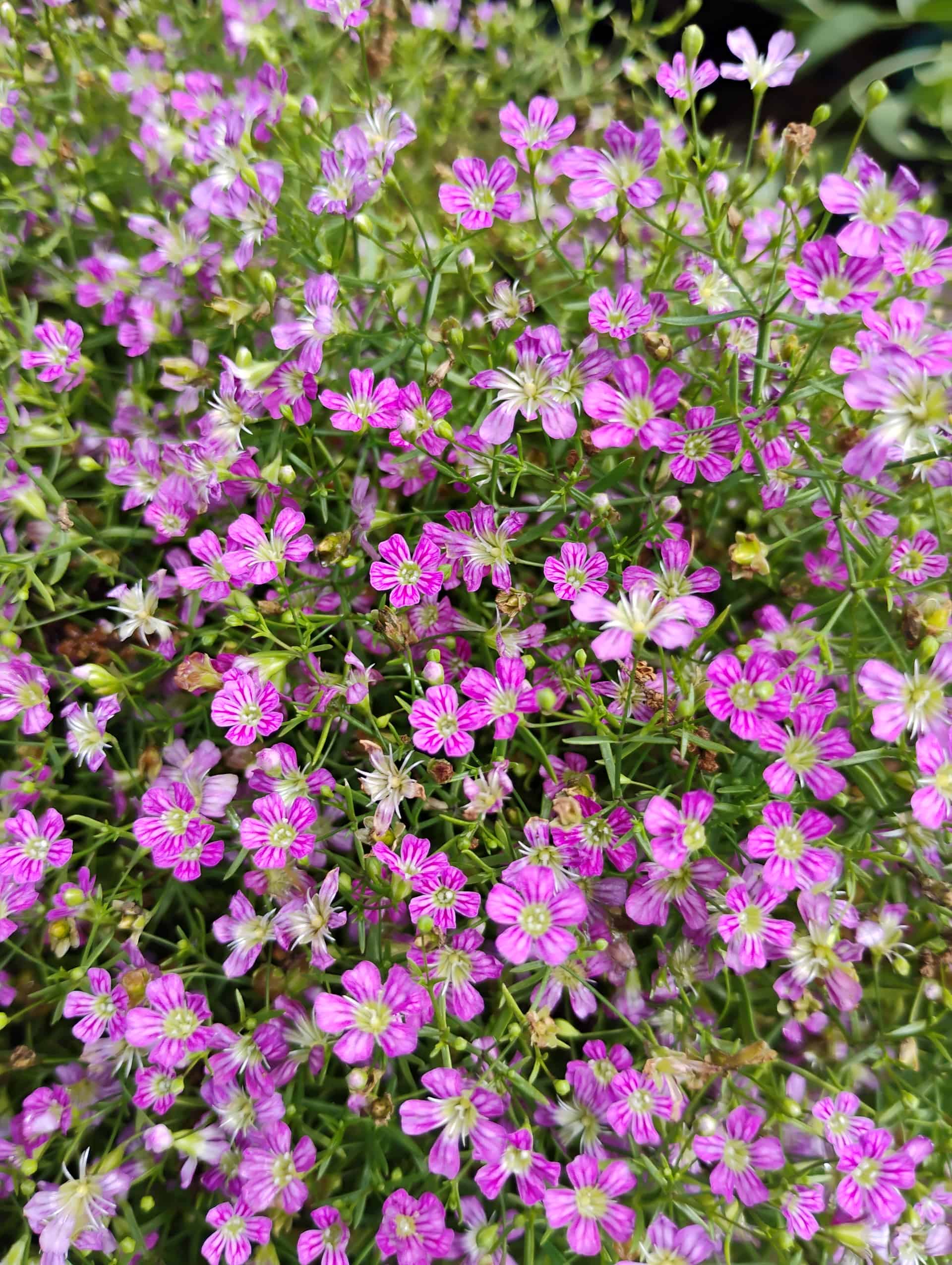
Baby's Breath
Shares 5 of the same needs: full sun, low water, sandy, zone 9a hardiness, and pollinator-friendly.
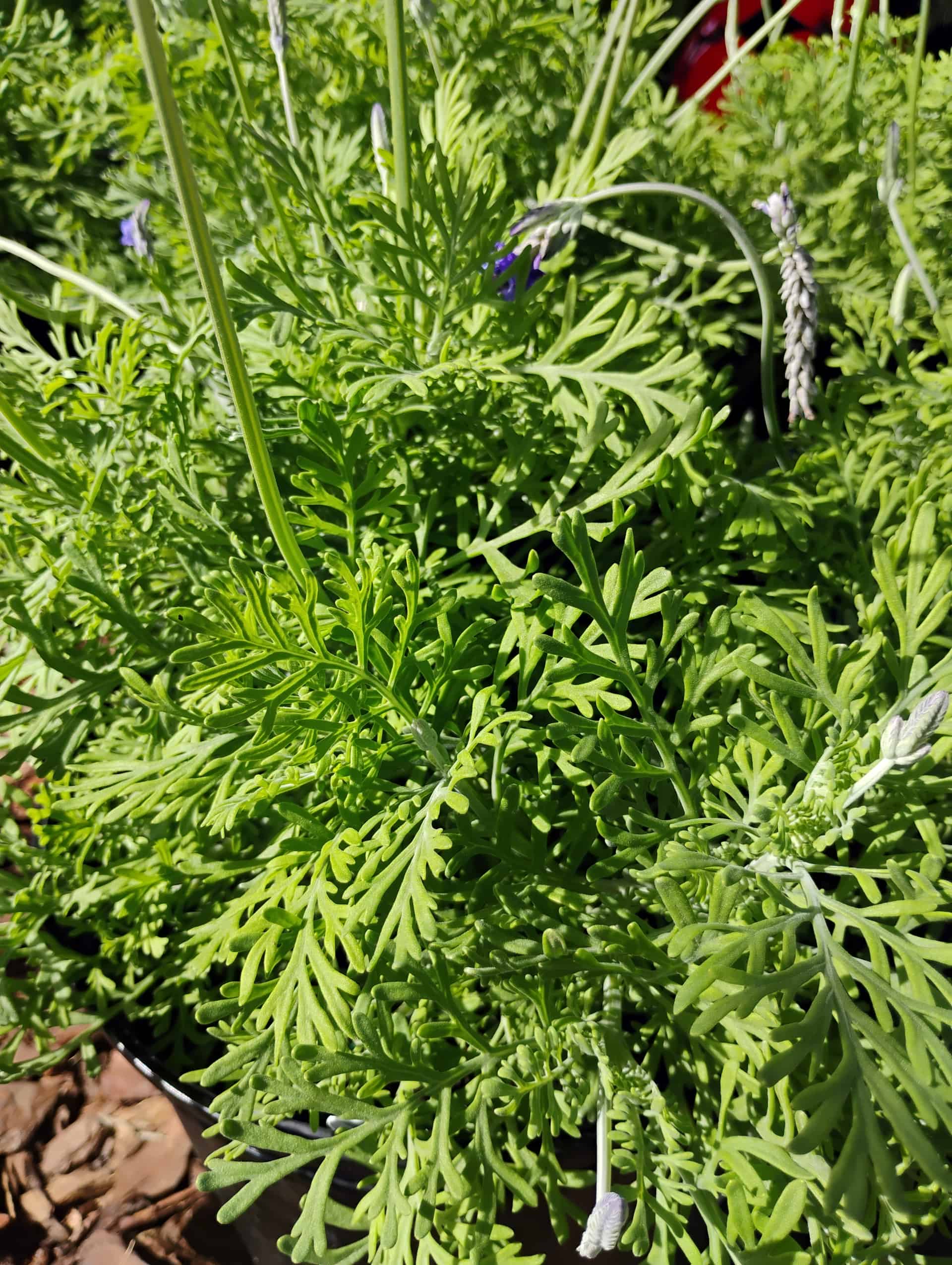
Lavender
Shares 5 of the same needs: full sun, low water, sandy, zone 9a hardiness, and pollinator-friendly.
Red Yucca
Shares 5 of the same needs: full sun, low water, sandy, zone 9a hardiness, and pollinator-friendly.
Russian Sage
Shares 5 of the same needs: full sun, low water, sandy, zone 9a hardiness, and pollinator-friendly.

Wall Germander
Shares 5 of the same needs: full sun, low water, sandy, zone 9a hardiness, and pollinator-friendly.

Yellowtop
Shares 5 of the same needs: full sun, low water, sandy, zone 9a hardiness, and pollinator-friendly.
You may also like
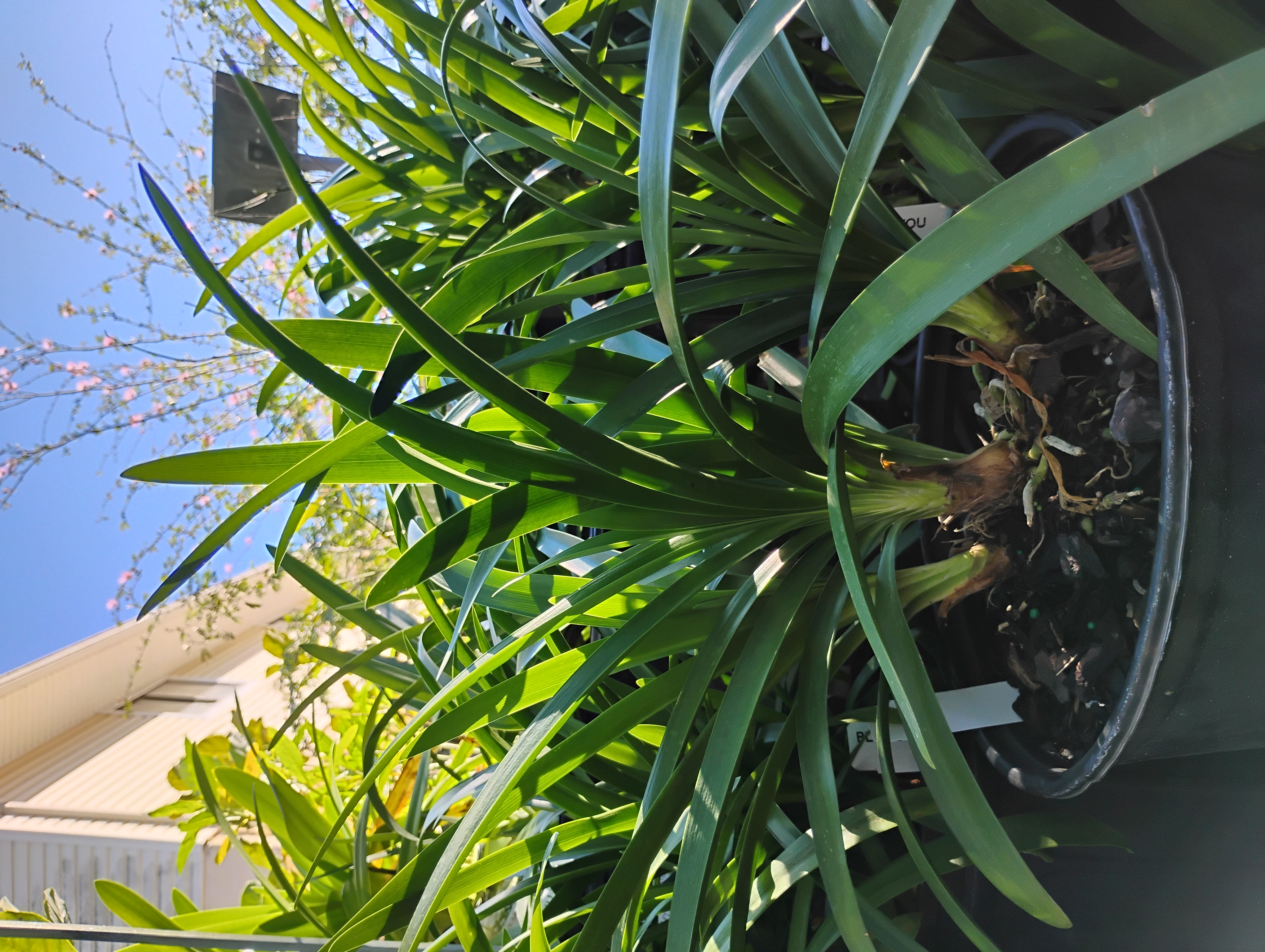 Perennial
Agapanthus
Agapanthus praecox
 Perennial
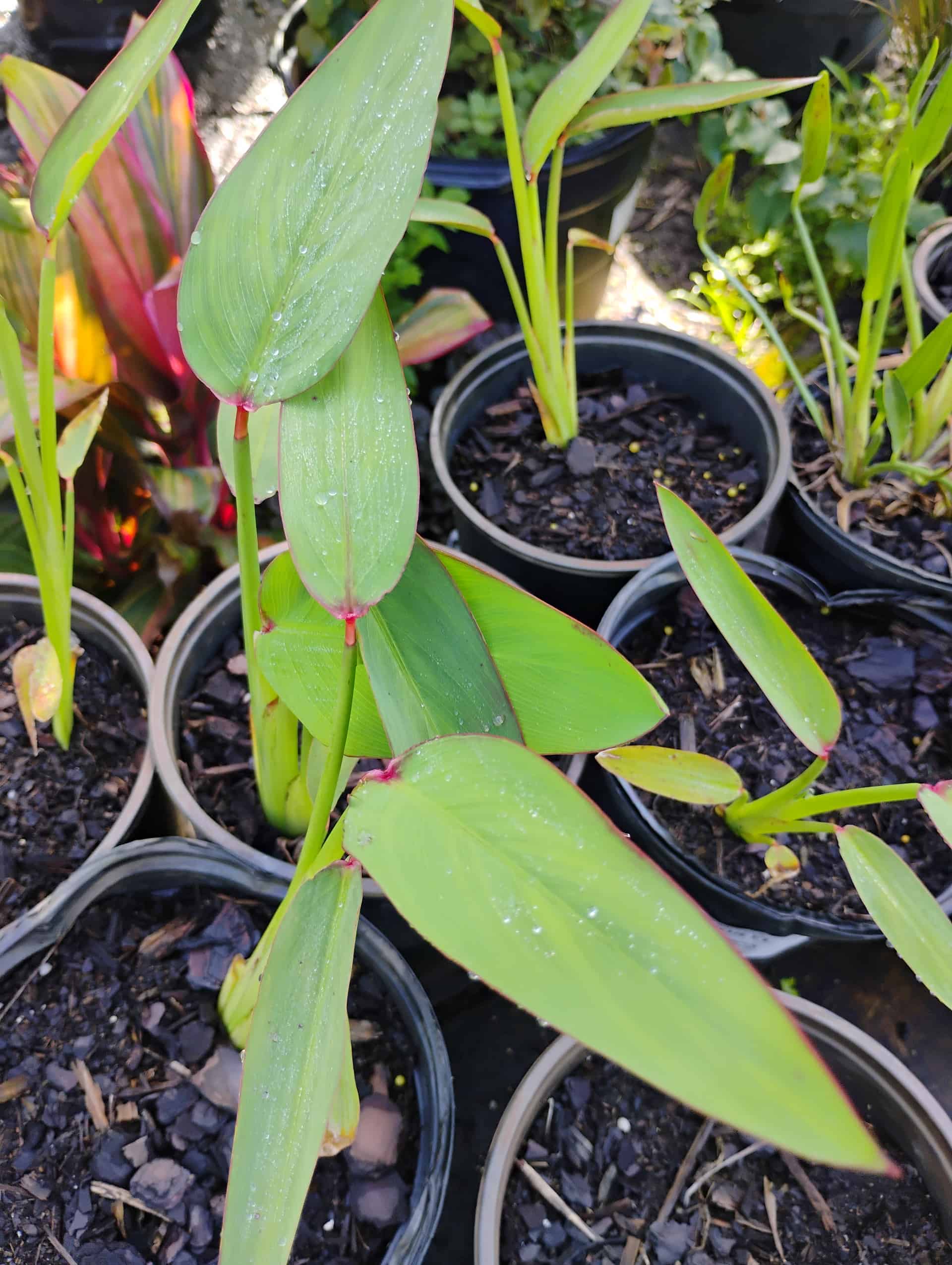
Alligator Flag
Thalia geniculata
 Perennial
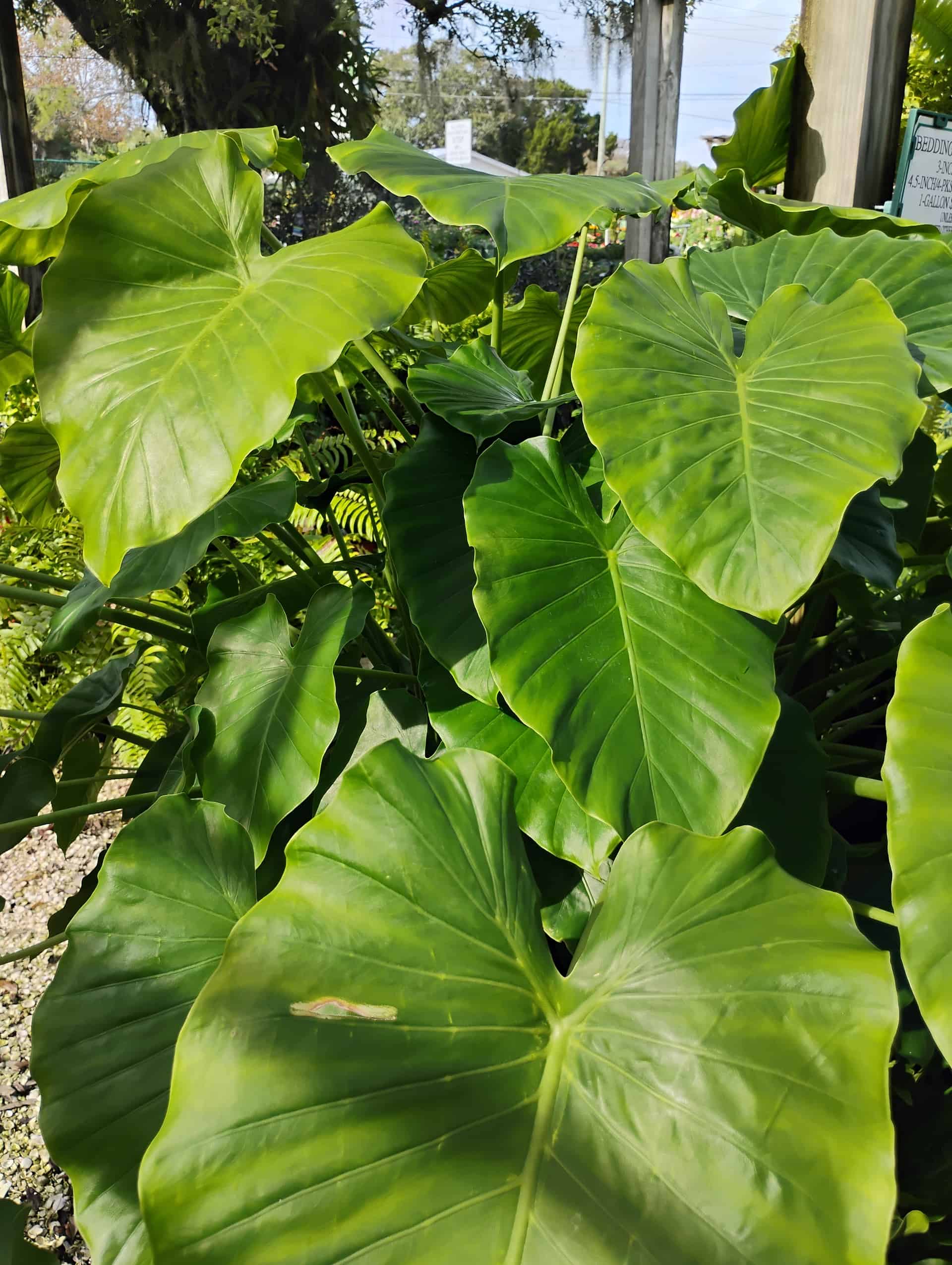
Alocasia
Alocasia
Common questions
Is Sea Lavender a good plant for St. Augustine?
Sea Lavender is a perennial. Mature size: 12-24 inches × 12-18 inches. Light: Full Sun. Water needs: Low. Recorded hardiness zone: 9a. Recorded salt tolerance: high.
What is the recorded pet toxicity for Sea Lavender?
Non-toxic to dogs and cats
Care information verified from
Last reviewed February 2026. Our care guidance comes from trusted horticulture sources and decades of helping St. Augustine gardeners. Conditions here can vary dramatically from one area to the next, so come ask us and we'll tailor it to your yard.