
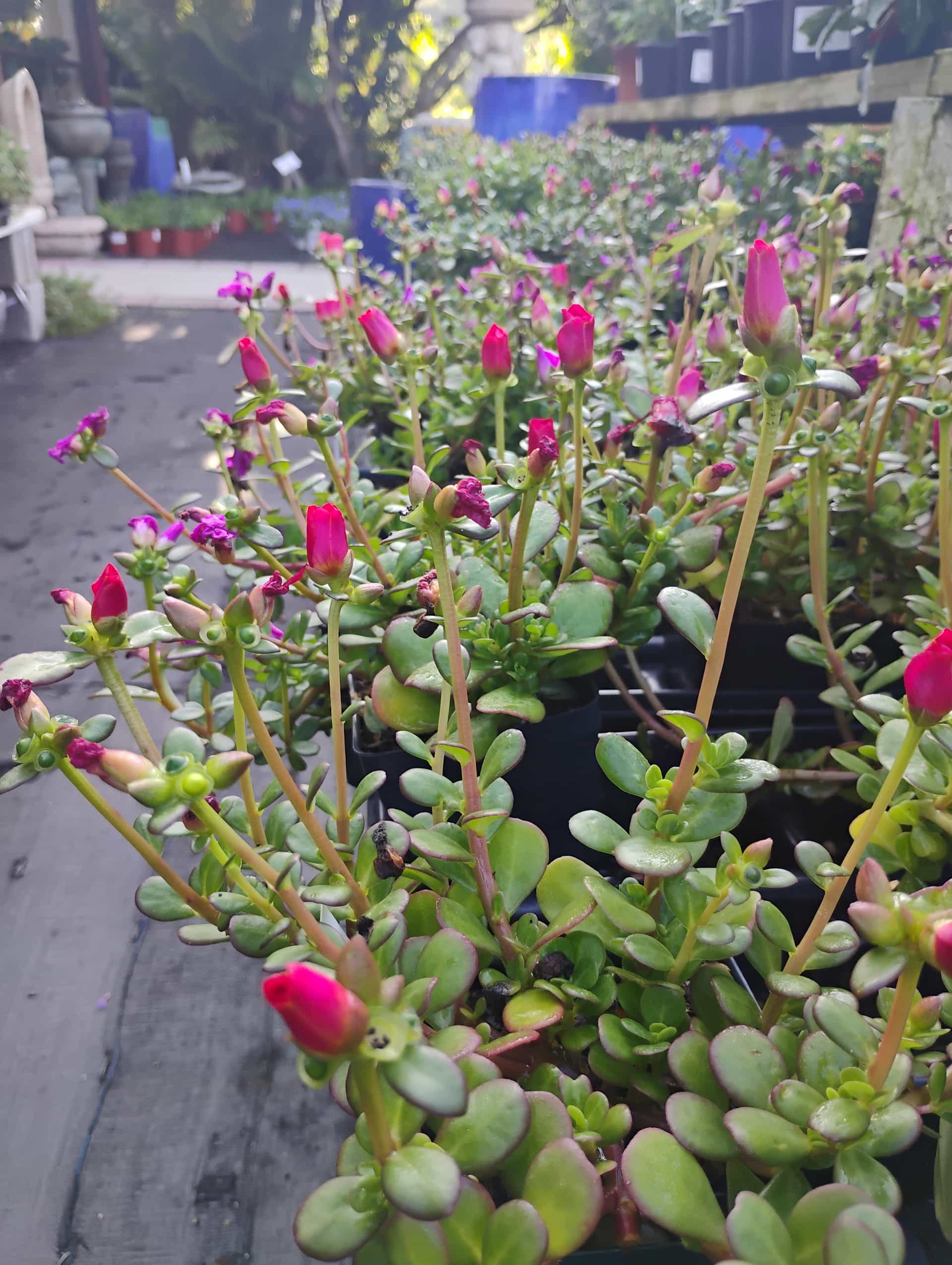
Varieties We Bring In
Cupcake Assorted · Cupcake Coconut White · Cupcake Grape Jelly · Mojave Fuchsia · Samba Bi-Color · Samba Rose
We received some Purslane on Aug 9, 2026.
We bring this in seasonally, so what is on the lot changes week to week. A received date shows when it last came in, not that it is here today.
Call (904) 471-0440 to confirm this plant and size before you make the trip.
Last received Aug 9, 2026.
We bring this in seasonally, so what is on the lot changes week to week. A received date shows when it last came in, not that it is here today.
Call (904) 471-0440 to confirm this plant and size before you make the trip.
Pet toxicity: Non-toxic to dogs and cats
Pet safety guideAbout Purslane
Purslane (Portulaca oleracea) is a heat-loving succulent annual that thrives in NE Florida's hot, dry conditions, producing small yellow flowers on low-spreading stems with thick moisture-retaining leaves. It excels in containers, hot borders, and sandy beds, requiring minimal water and no fertilizer.
Plant details
- Bloom Season
- Spring, Summer, Fall
- Flower Color
- White, Yellow, Orange, Red, Pink, Multi
- Growth Rate
- Fast
- Foliage
- Annual
- Soil
- Sandy, Loam, Well-drained
Best planting months
Recommended months: March, April, May, September, October, November.
Seasonal care
Bloom season. Good planting window.
Bloom season. Handles summer heat well once established.
Bloom season. Ideal planting window.
Retains foliage through winter.
Care essentials
Plant in full sun; at least 6-8 hours of direct sun daily is required for maximum flowering. Partial shade reduces bloom and can increase disease risk in humid NE Florida summers.
Water sparingly — purslane is highly drought tolerant and susceptible to root rot in wet soils. Allow the top inch of soil to dry between waterings; in NE Florida's rainy season ensure excellent drainage.
Prefers lean, well-draining sandy or loamy soil; avoid rich or clay soils. No fertilizer needed — excess nutrients promote foliage at the expense of flowers. Self-seeds readily and may behave as a weed in cultivated beds.
Similar needs
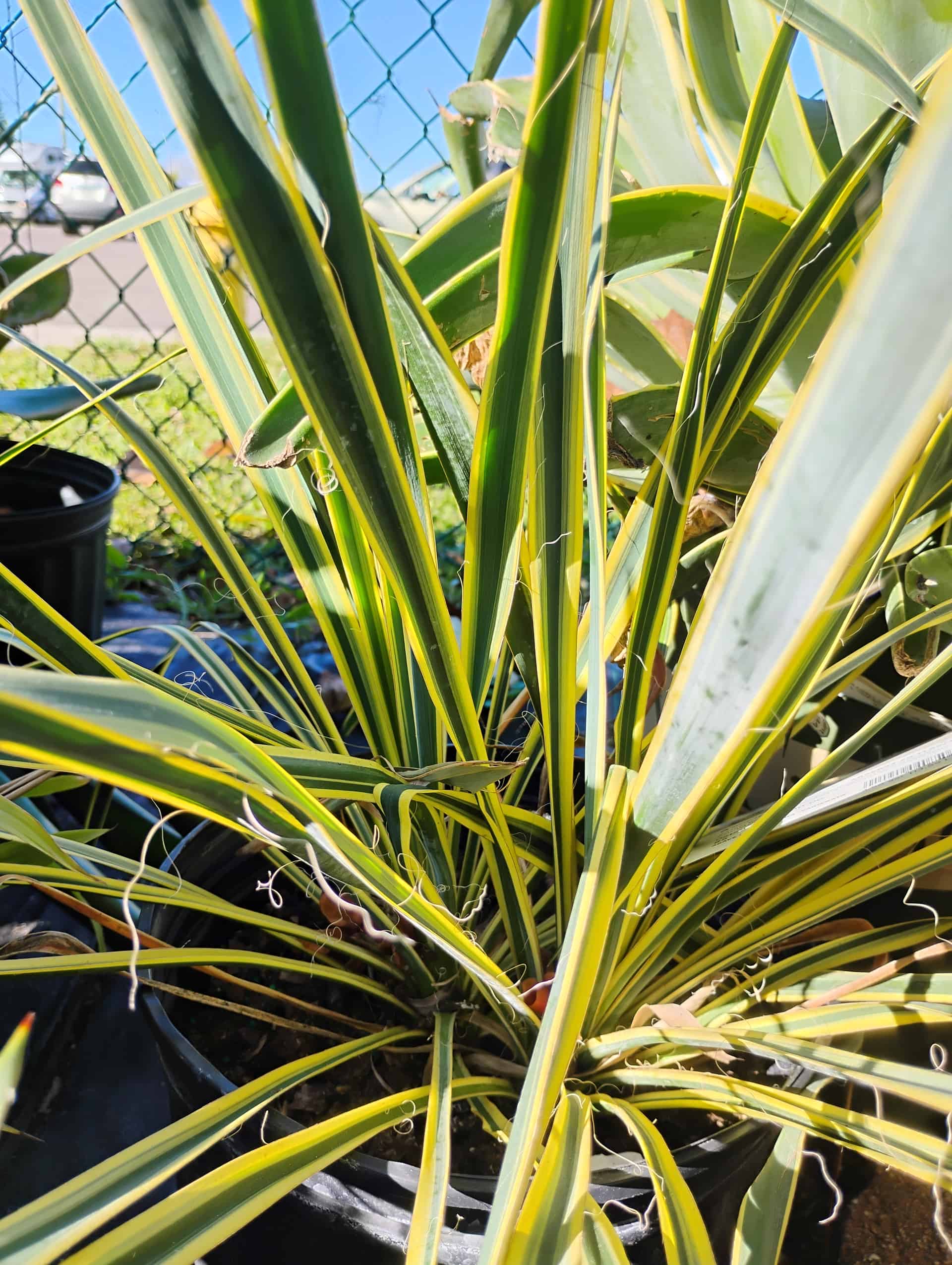
Adam's Needle
Shares 6 of the same needs: full sun, low water, sandy, salt tolerance, zone 9a hardiness, and pollinator-friendly.
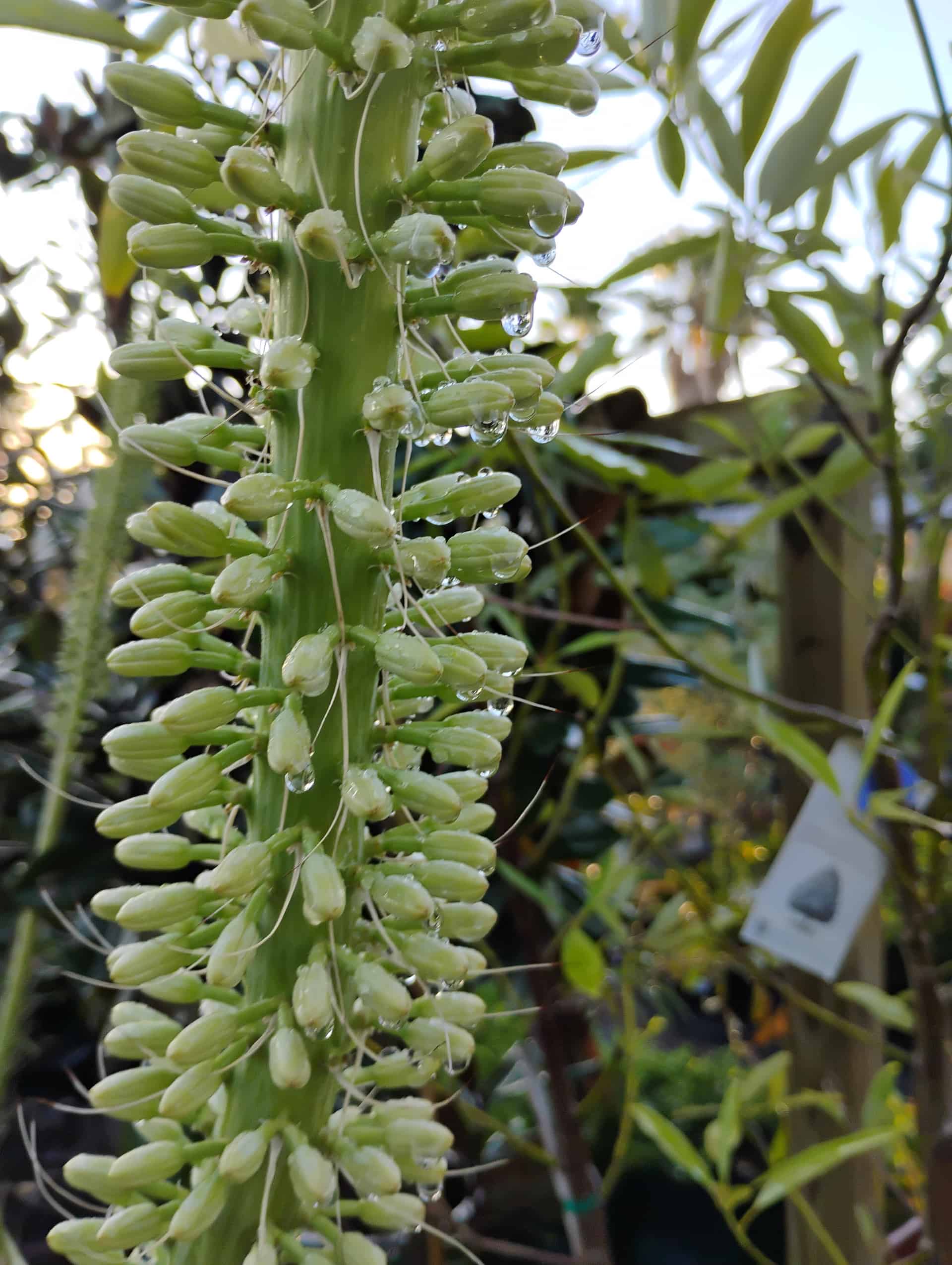
Agave
Shares 6 of the same needs: full sun, low water, sandy, salt tolerance, zone 9a hardiness, and pollinator-friendly.
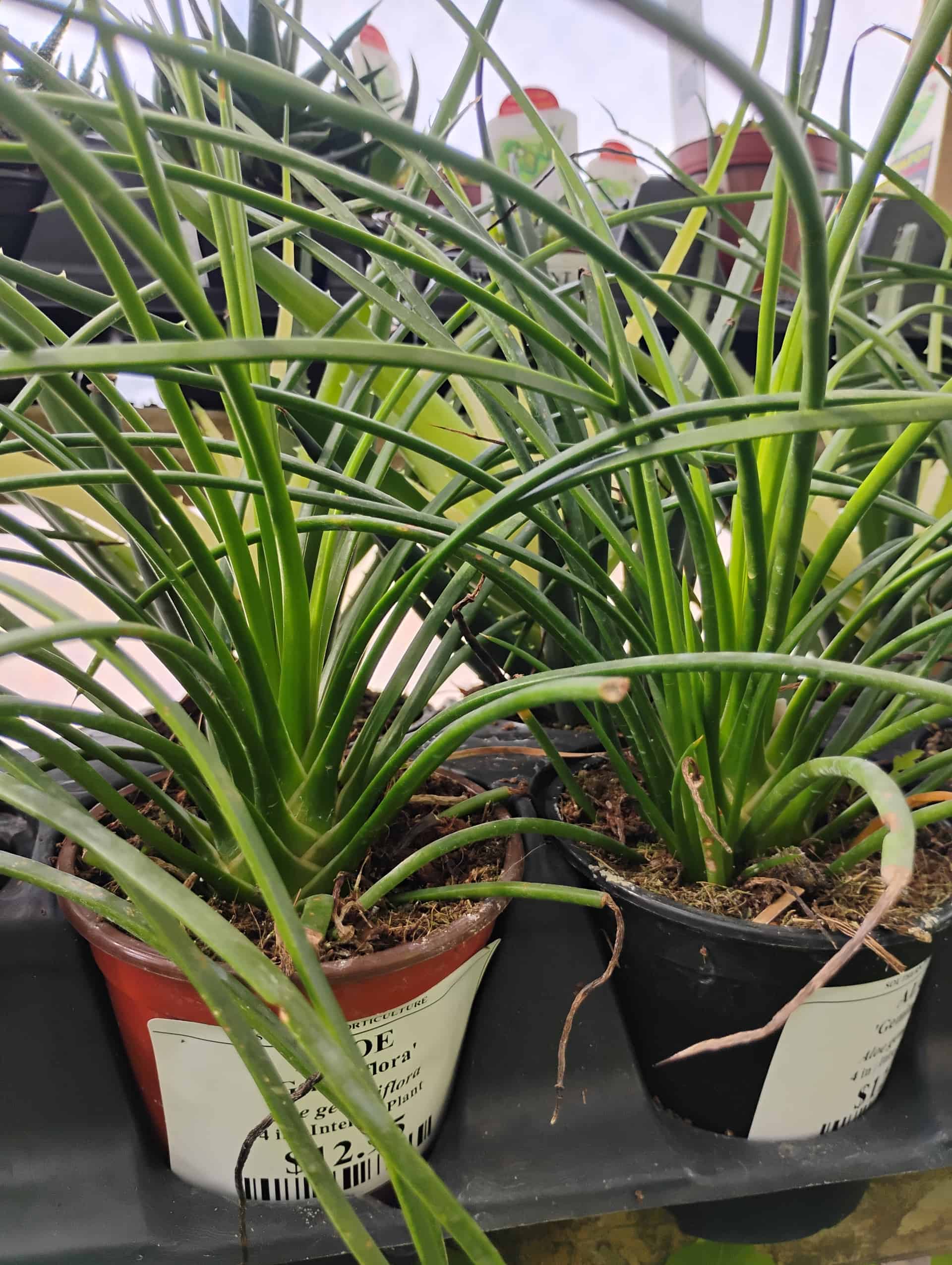
Aloe
Shares 6 of the same needs: full sun, low water, sandy, salt tolerance, zone 9a hardiness, and pollinator-friendly.

Beach Morning Glory
Shares 6 of the same needs: full sun, low water, sandy, salt tolerance, zone 9a hardiness, and pollinator-friendly.

Bougainvillea
Shares 6 of the same needs: full sun, low water, sandy, salt tolerance, zone 9a hardiness, and pollinator-friendly.

Florida Pennyroyal
Shares 6 of the same needs: full sun, low water, sandy, salt tolerance, zone 9a hardiness, and pollinator-friendly.
You may also like
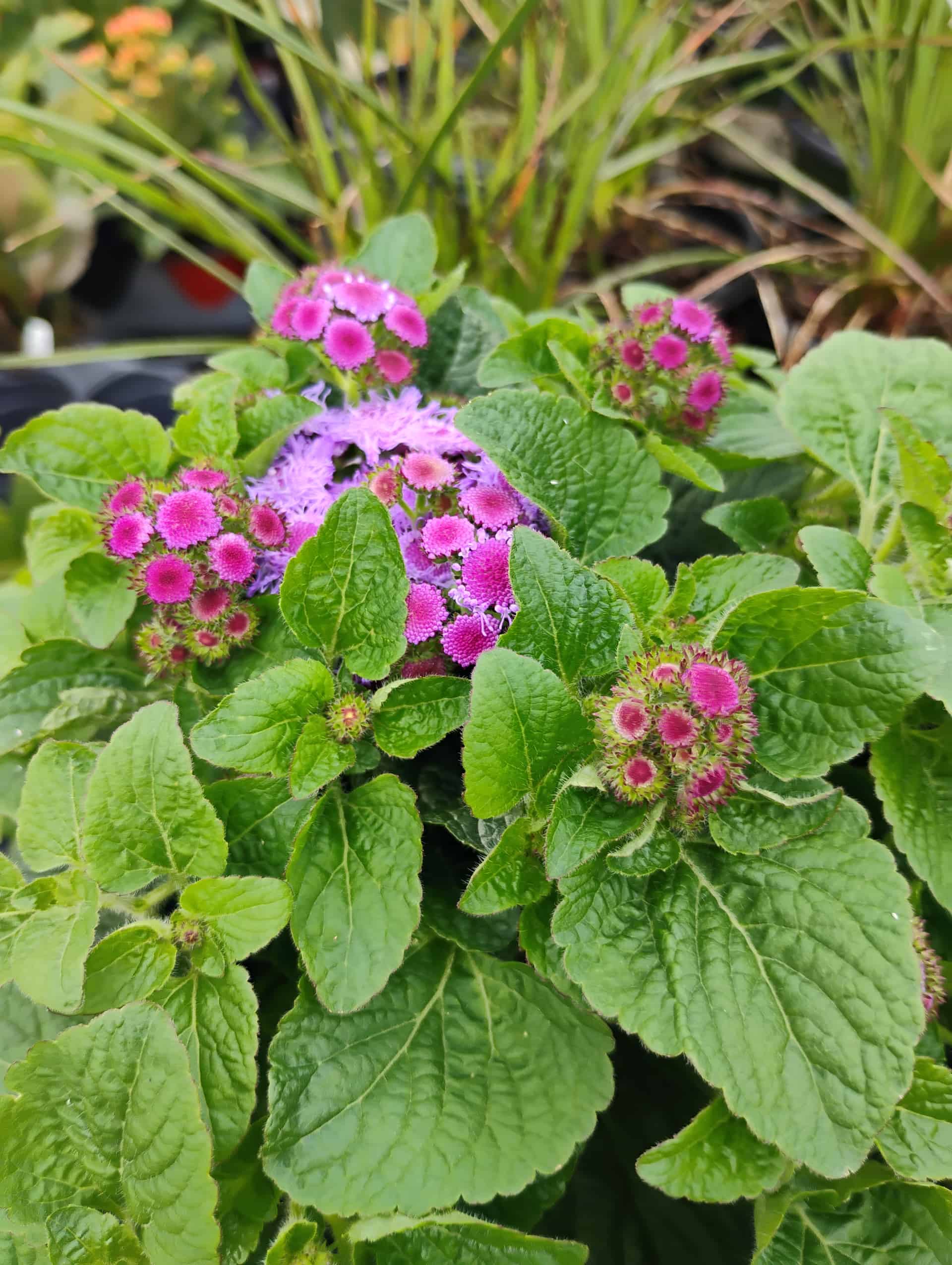 Annual
Ageratum
Ageratum houstonianum
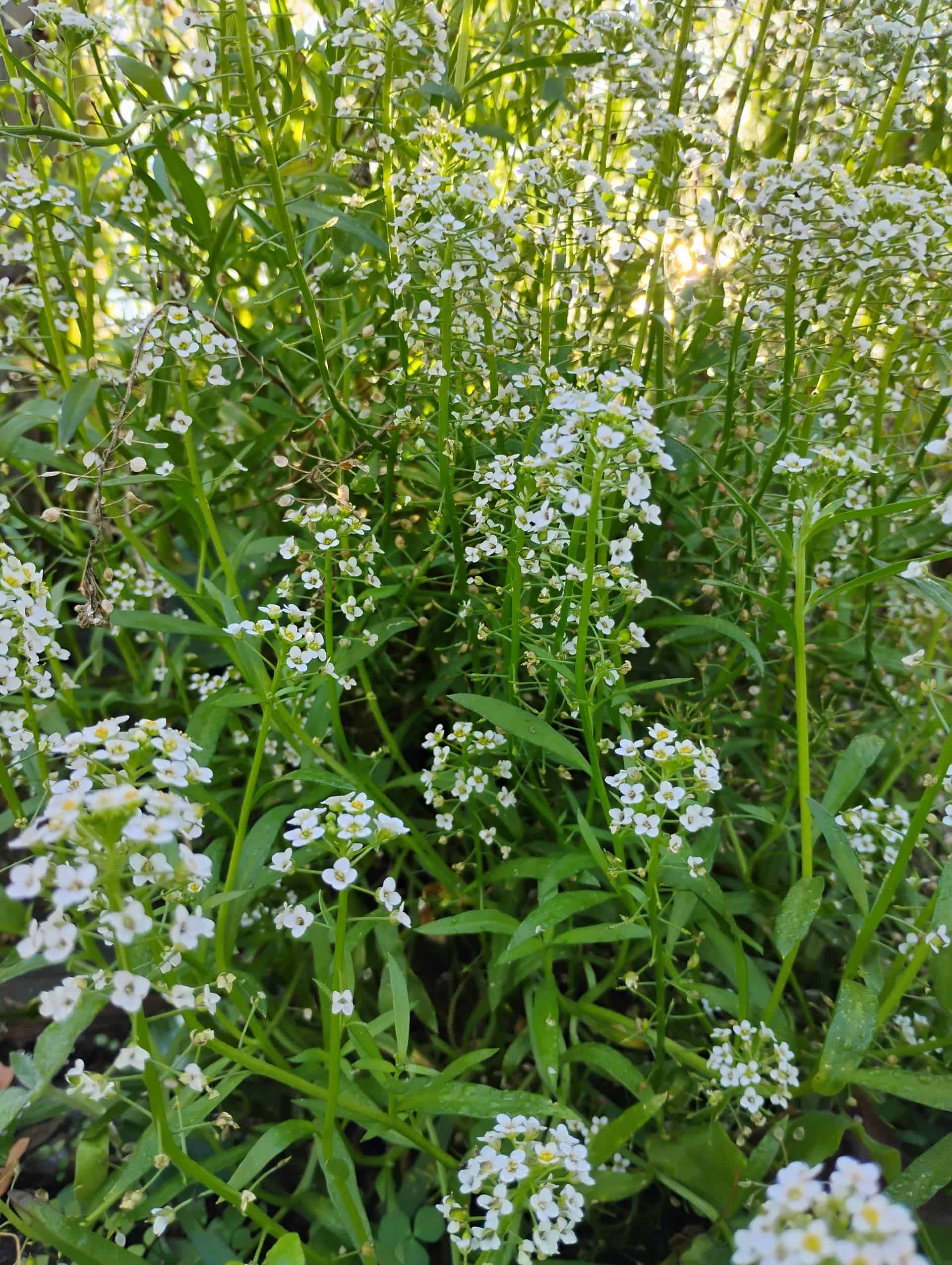 Annual
Alyssum
Lobularia maritima
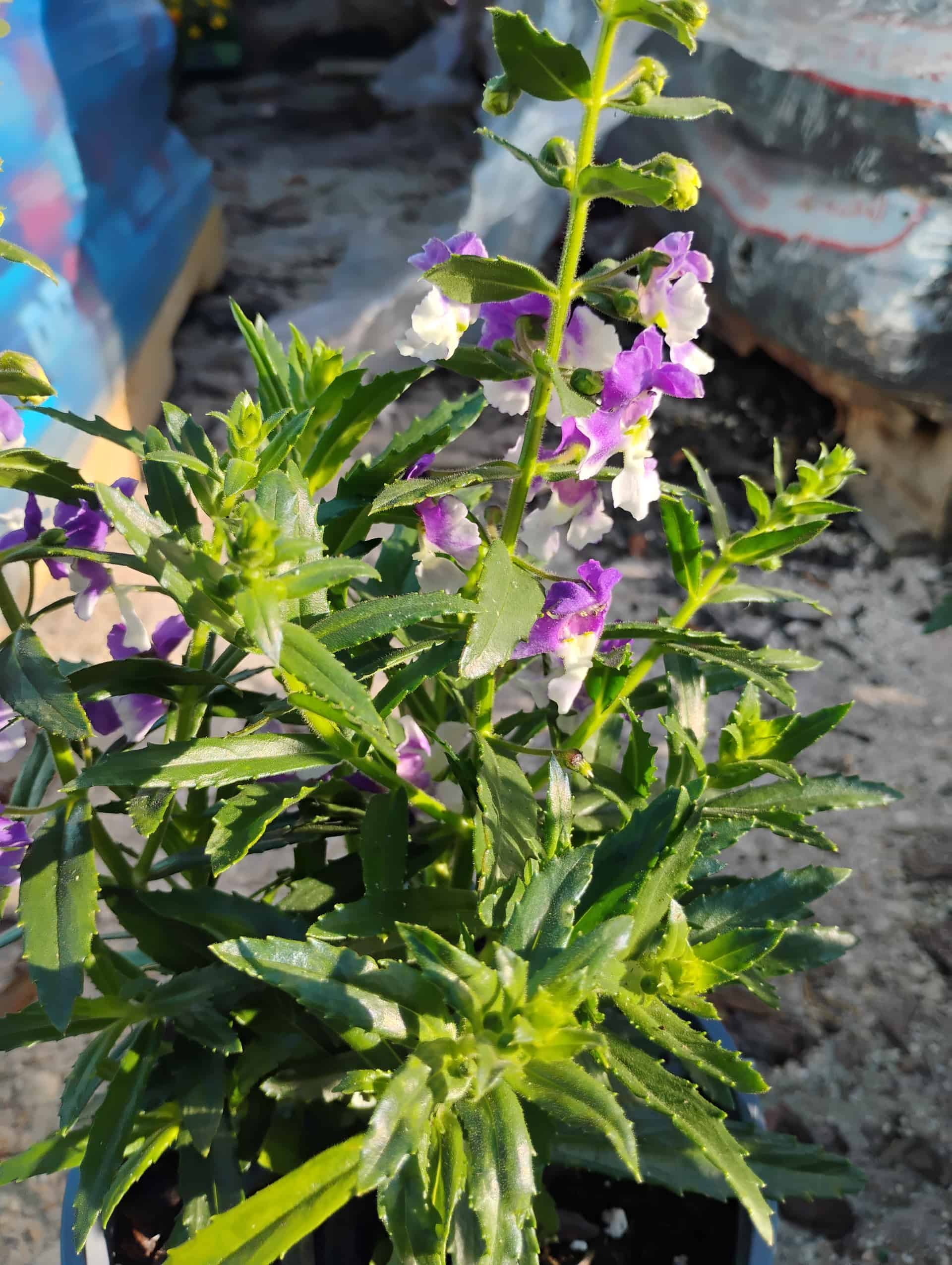 Annual
Angelonia
Angelonia angustifolia
Common questions
Is Purslane a good plant for St. Augustine?
Purslane is an annual. Mature size: 4-8 inches × 12-18 inches (trailing). Light: Full Sun. Water needs: Low. Recorded hardiness zone: 9a. Recorded salt tolerance: high.
What is the recorded pet toxicity for Purslane?
Non-toxic to dogs and cats
Care information verified from
Last reviewed February 2026. Our care guidance comes from trusted horticulture sources and decades of helping St. Augustine gardeners. Conditions here can vary dramatically from one area to the next, so come ask us and we'll tailor it to your yard.